
Content Repurposing That Turns One Asset Into a Month of Marketing


A working method for splitting one substantial piece into derivatives that stand on their own, plus the rule for deciding which parts are safe to print.
Content repurposing means rebuilding one substantial asset into formats that fit other channels, not reposting the same words in new places. The method that works is to cut the pillar at its section breaks and give each section the shape it already wanted: the core claim becomes a headline or a poster, the steps become a one-page handout, the comparison becomes a table on a spread, the questions become a series of single answers. Only the sections that will still be true in six months are safe to print.

Quick answer
Split by section, then give each section its natural shape
A pillar asset is already made of parts, and each part has a format it suits better than the one it is currently in. Cut at the section breaks rather than by channel. Rebuild each part rather than re-posting it. Send the stable sections to print, where a physical piece survives long after a feed has moved on, and keep anything with a date or a price on a screen you can edit. Then give every derivative the same route back, so you learn which format did the work.
Cut the Asset Where It Already Splits
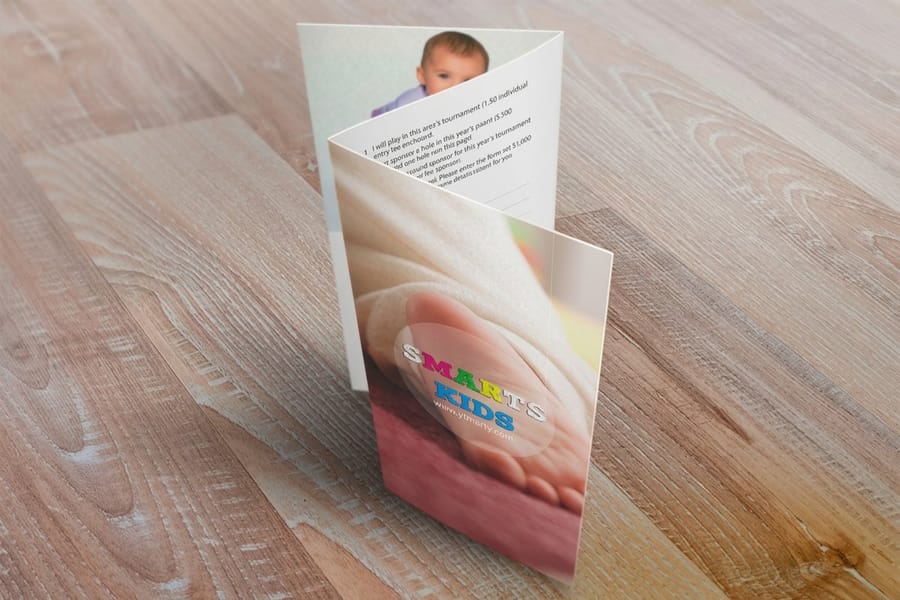
Most people start repurposing from the wrong end. They pick the channels first, then hunt through the asset for something that fits each one. Work the other way. Open the piece, look at where the sections break, and ask what shape each section wanted to be all along.
A section with a single claim in it wants to be a headline, a hero image, or a poster. A section with ordered steps wants to be a one-page handout. A section built on a table wants width, so it belongs on a spread or a landscape layout rather than a phone screen. A section that answers questions wants to be split into separate small pieces, one answer each.
| Section of the pillar | What it becomes | Where it works | Why that shape |
|---|---|---|---|
| The core claim | Headline, hero graphic, poster | Feed post, wall, event backdrop | One idea, read in under two seconds, no context needed. |
| The ordered steps | Numbered one-pager or checklist | Flyer, carousel, PDF handout | The reader is doing the task, so the piece has to sit beside them. |
| The comparison | Table or side-by-side spread | Brochure panel, landing section | Rows and columns need width. They collapse badly on a phone. |
| The questions | A series of single answers | Postcard run, FAQ page, email drip | Each answer is self-contained, so it survives being read alone. |
| The worked example | Case story with before and after | Article, booklet page, sales leave-behind | Needs room to show the situation, the decision and the result. |
Read the last column. It is doing the real work, because it explains why a derivative fails when you force the wrong section into the wrong container. A comparison table squeezed onto a square social image is unreadable, and everyone has seen one. The same table on a brochure panel is exactly where it belongs. If you want the strategy layer above this, the small business marketing plan guide covers how to decide which assets deserve a cascade at all.
What Belongs on a Screen and What Belongs on Paper
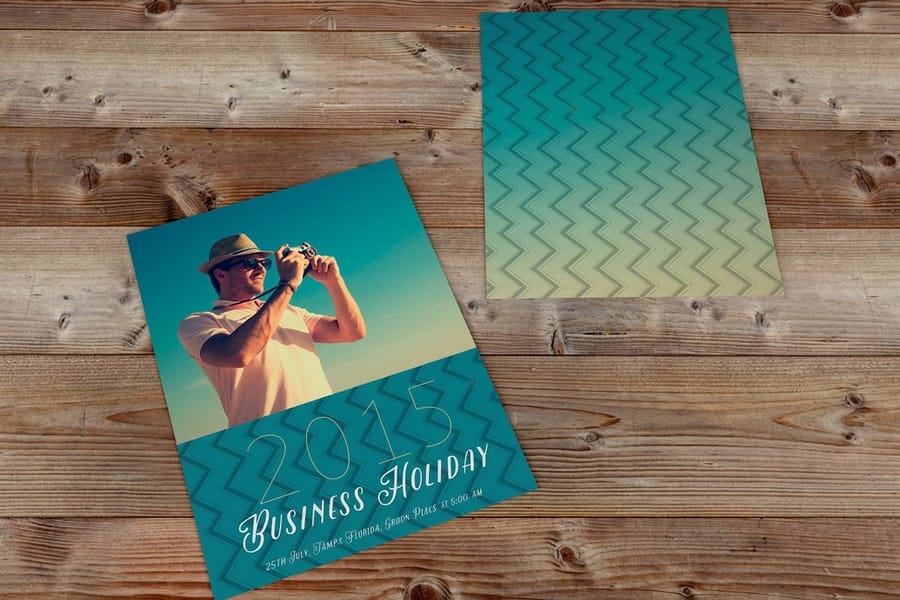
The split is not about taste. It is about two things: how long the content stays true, and whether the reader has their hands free.
Screen wins whenever the content moves. Prices, availability, event dates, anything tied to a product line you keep changing. It also wins when you want to test fast, because a headline can be rewritten between two coffees. Paper wins when the piece has to survive the feed, sit somewhere physical, or be handed over in a moment where a phone would break the conversation. A printed checklist stays open on a workbench. A link does not.
Cost keeps the decision honest. Standard Postcards start at $16.48, which makes a single repurposed section cheap enough to test physically before you commit. Standard Flyers start at $39.54 and give you a full page for a process or a checklist. Standard Brochures start at $57.11 and hold a comparison, an example and a call to action across separate panels. When the asset is long enough to need a cover and a contents page, Standard Booklets start at $240.55, which is a real commitment and should follow evidence, not enthusiasm.
Stock matters more than most people expect on a repurposed piece, because the reader compares it to the last thing they were handed. Our guide on choosing paper for printed marketing materials walks through weight and coating by format, and the marketing materials range shows every format side by side.
The Four Mistakes That Make Repurposing Look Lazy

Repurposing has a bad name because of four specific failures, and all four are avoidable.
The wrapper swap. Same words, new border, posted again. Nothing was rebuilt, so nothing performs. The test is simple: if the derivative reads fine without the original, it is a real piece. If it reads like an excerpt, it is a wrapper swap.
Printing something dated. A flyer with last season's price on it is worse than no flyer, because it now creates an argument at the counter. Print the parts that are stable and put the moving parts behind a short link or QR code on the piece.
Atomizing thin material. Cutting a five hundred word post into eight fragments produces eight weak pieces and burns the idea. Repurposing multiplies what already had substance. It cannot create substance.
No route back. A poster on a wall or a printed poster at an event with no destination on it teaches you nothing. Give every derivative the same tracked landing point so the print piece and the social post compete on measured ground. The digital versus traditional marketing comparison covers how to read those two sets of numbers next to each other without fooling yourself.
A Repurposing Workflow You Can Actually Repeat Monthly
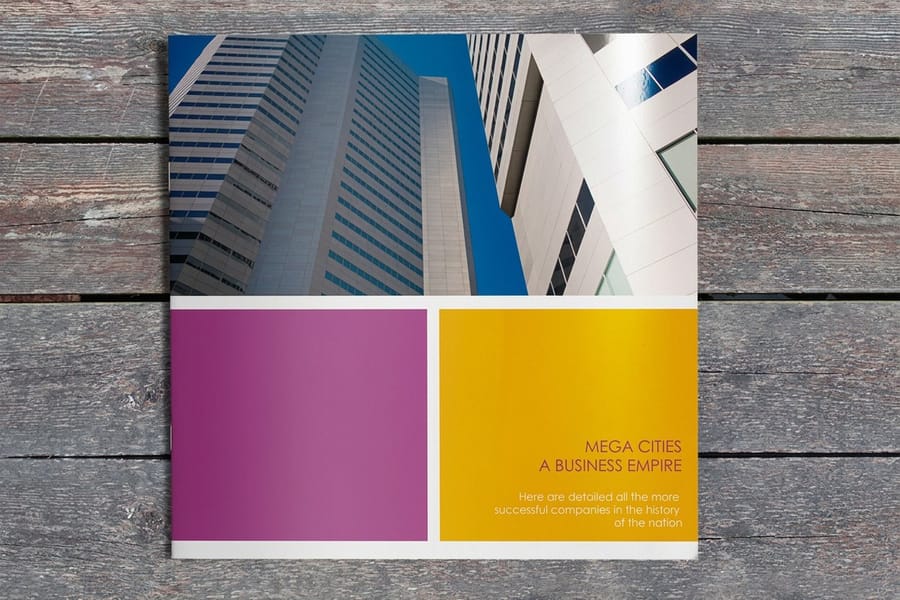
The reason repurposing dies in most teams is that it is treated as a bonus task after the real work. Give it a slot and it survives.
- Week one, publish the pillar. One substantial asset. Nothing else changes.
- Week two, mark the section breaks. Go through the piece and label each section with its natural shape from the table above. This takes fifteen minutes and decides everything downstream.
- Week three, build the screen derivatives. Headline version, step version, question series. Ship them, watch which section gets replies rather than likes.
- Week four, print the section that won. The one people asked about is the one worth putting on paper. Start small, then scale the format up if it pulls.
- Quarterly, revisit. Take the same pillar, change the angle, and cut it again. Update the printed version only when something in it stopped being true.
The step people skip is the fourth one, and it is the one that separates a content calendar from a campaign. Something that already earned attention on screen has been tested for free. Putting that specific section into a mailed piece is a much safer bet than designing a mailer from scratch, which is the whole argument in running a direct mail campaign.
Keep a running list of the derivatives you have shipped, tagged by which section they came from. After two quarters you will see which section type carries your audience, and that tells you how to write the next pillar. If you want format inspiration while you build, booklet design ideas and print marketing tips both work as a shortlist rather than a lecture.
Wally explains repurposing
One asset, cut where it already breaks
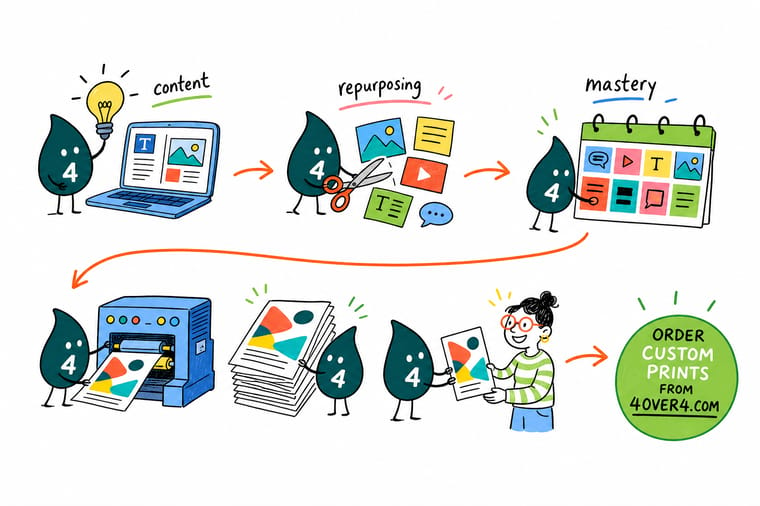
Wally does not photocopy the same page four times. He finds where the piece changes subject, cuts there, and asks each piece what it wants to be. The big claim goes on a poster. The steps go on a flyer somebody keeps beside them. The comparison table gets a wide brochure panel where the columns fit. The questions become postcards, one answer each. The parts with a date on them stay on screen, because Wally cannot edit ink after it dries.
Print a repurposed brochure →Specs and pricing
The three formats most derivatives land in
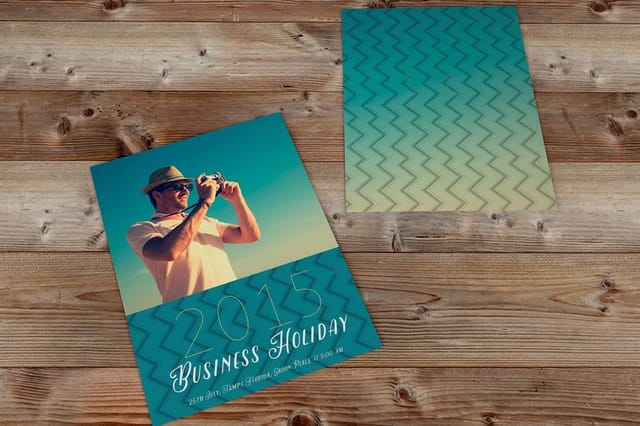
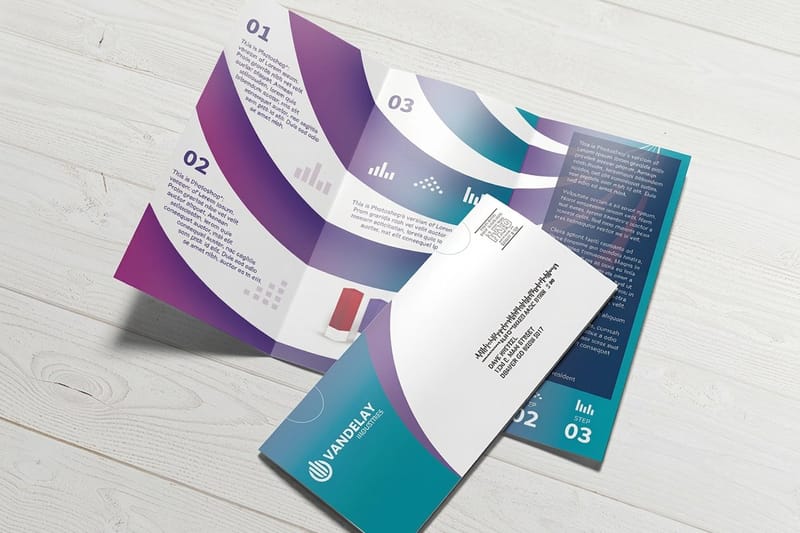
Postcards for one section, flyers for a full process, brochures for the whole argument. Live configuration options and starting prices straight from the 4OVER4.COM configurator.



Print it
Put the section that won on paper


Explore more
Where to go next




By the numbers
Printing you can build a campaign on at 4OVER4
Common Questions
Your content repurposing questions, answered
What is content repurposing?
Content repurposing is taking one substantial asset and rebuilding its parts into formats that suit other channels. A recorded workshop becomes a written walkthrough, a set of short clips, an email sequence and a printed one-pager. The word that matters is rebuilding. Copying the same paragraphs into four places is syndication, and it performs poorly everywhere because no channel gets a piece shaped for it.
How many pieces can one asset realistically produce?
Count the sections, not the channels. A guide with six real sections gives you six derivatives that stand on their own, plus a headline version of the whole argument. Anything past that starts repeating. If you find yourself splitting a single paragraph into three posts, the source was too thin to repurpose and the honest fix is to make something bigger before you cut it up.
Does repurposing create a duplicate content problem?
Not when the derivatives are genuinely different formats. Search engines penalise identical pages competing for the same query, not a video and a printed flyer that share an idea. The real risk is internal: two pages on your own site written to the same keyword split your ranking signal. Keep one page per query, and let the other derivatives point back to it.
Which parts should be printed and which should stay online?
Print the parts with a long shelf life and a physical moment of use. Checklists, comparison tables, size charts and process steps earn their place on paper because someone holds them while doing the task. Keep anything with a date, a price or a shifting product list on screen, where a correction takes seconds instead of a reprint.
How often can you repurpose the same asset?
A strong asset supports a first pass immediately, a second pass around three months later with a different angle, and an annual refresh where you update what changed and reprint the physical version. Repeating the same cut every few weeks trains your audience to skip it. Changing the format resets attention in a way that changing the caption never does.
What is the cheapest way to test a print derivative?
A postcard. Standard Postcards start at $16.48 at 4OVER4.COM, so a single section of an existing asset can go out physically for the cost of an afternoon of ad spend. If that section pulls, it justifies the step up to Standard Flyers at $39.54 or Standard Brochures at $57.11, where you have room for the full argument.
Get Started
50 brochures cost $57.11, one section each
Pick the format that fits the piece, upload the artwork, and we print postcards, flyers, brochures and booklets that outlive the feed.
Legal Disclaimer
Gold Standard guarantees apply to all standard orders placed through 4over4.com. Price match requires verifiable proof of a competitor's published price for an equivalent product with matching specifications and turnaround time. Satisfaction guarantee covers manufacturing defects and print quality issues. Contact support with order number and documentation. On-time delivery rate based on tracked orders 1999 to 2026. Individual results may vary based on shipping carrier performance.
