
How to Grow a Business With Social Proof People Actually Believe


Reviews, testimonials and referrals only grow a business when they are specific, recent, and sitting in front of the person deciding. Collect them one way, place them another, and watch for the five ways they backfire.
Social proof grows a business when a stranger finds recent, specific evidence that somebody like them already bought and was glad. That means asking every customer in the few days after delivery, while the detail is fresh, then putting the result where the decision is actually made rather than on a testimonials page. Vague praise, anonymous quotes, stale dates and filtered ratings all read as fake and cost more trust than they earn.
Quick answer
Earned in the days after delivery, spent at somebody else's decision
Two things decide whether social proof grows anything: how specific it is, and where it sits. Ask every customer within a few days of delivery, when the job is fresh enough that they can name what happened, and ask about the moment rather than about you. Then move the evidence to the surfaces where the choice gets made, which for most local businesses means the counter, the mailbox and the folder somebody carries into a meeting. A testimonials page nobody visits is proof filed in a drawer.
What Actually Counts as Social Proof

Not all proof is worth the same. A stranger weighs evidence by how hard it would be to fake and by how much it resembles their own situation, and those two tests sort the types quickly.
| Type of proof | Why a stranger believes it | What it costs you | Best placed |
|---|---|---|---|
| Platform review | It sits somewhere you do not control, with a date and a profile attached. | Asking every customer, every time, and replying to the bad ones. | Wherever the buyer searches before they contact you. |
| Named testimonial | A full name, a company and a role make it checkable. | Getting permission, which is the step most businesses skip. | Beside the exact claim it supports. |
| Photo of the work | You cannot fake a photograph of a job you never did. | Two minutes with a phone before the job leaves the building. | Product pages, printed samples, social feeds. |
| Client list or count | Recognizable names transfer their credibility to you. | Almost nothing, and it convinces almost nobody on its own. | Supporting role only, never the headline. |
| Referral from a person | The buyer already trusts the source more than any brand. | Being good enough that people risk their own reputation. | Hand to hand, on a card, at the moment of recommendation. |
Read the second column and you can see why a client logo strip converts so poorly. It passes the fake test and fails the resemblance test, because a plumber in Queens does not see themselves in a row of enterprise logos. A photograph of a job that looks like their job does the opposite, which is why the least polished proof often works hardest.
One more distinction is worth holding onto. Proof of quality answers "is this any good", and proof of popularity answers "am I the only one doing this". They are different doubts and they need different evidence. A queue outside a shop settles the second question and says nothing about the first.
Collect Proof While the Job Is Still Warm
Most businesses have plenty of happy customers and almost no evidence of them, because nobody asks at the right moment. The willingness to write something peaks in the days right after delivery, then falls away fast. The diagram above is that window.
Three things decide whether the ask works. Timing comes first, and the practical rule is to ask once the customer has actually used the thing, not the moment the invoice clears. Wording comes second: "would you leave us a review" produces "great service", while "what were you worried about before you booked us, and what happened" produces a paragraph a stranger can use. Friction comes third, and it is the one you can engineer away. A printed QR code on the counter beats a link in an email that arrives while they are driving.
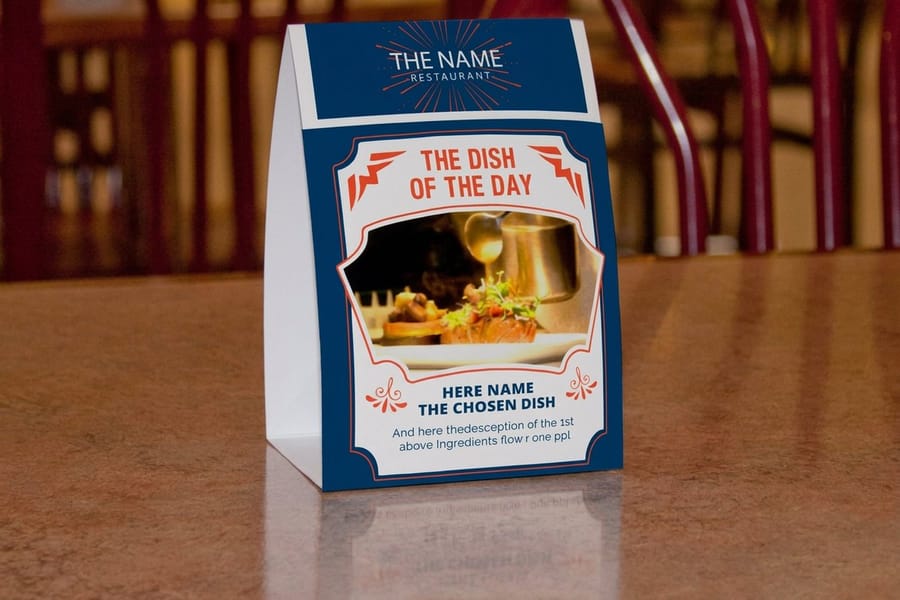
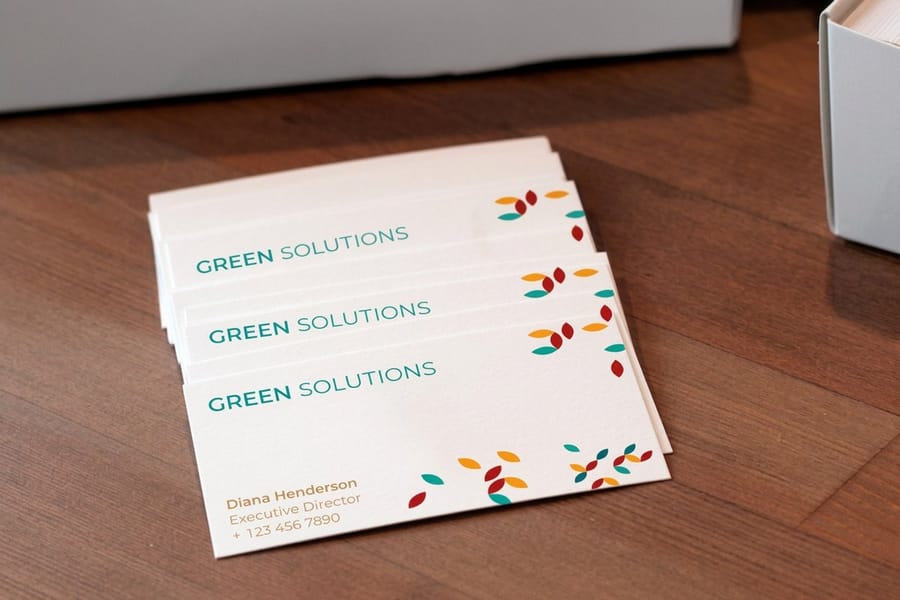
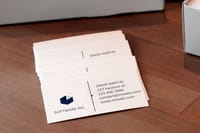
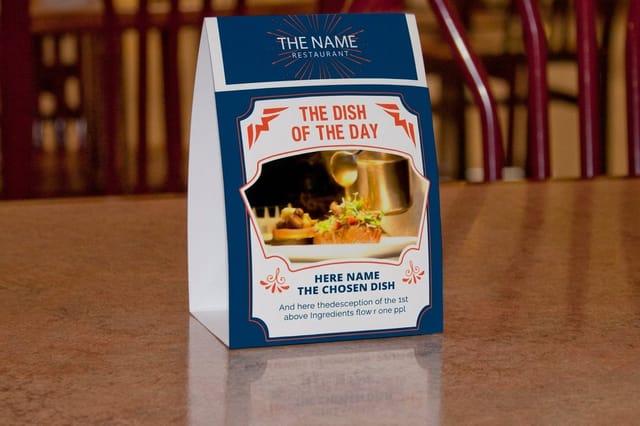
That is where a counter piece earns its place in the system. A table tent sitting by the register carries one line and one code, and it catches people during the dead two minutes while they wait to pay. Our guide to making a QR code for Google reviews covers the link format that drops someone straight into the review box rather than onto a map pin. If your work leaves the building, print the same code on the receipt, the packing slip, or the back of a standard business card that goes in the bag, from $17.57 for a box.
Keep a simple habit around the ask:
- Ask everyone. Screening for the happy ones is review gating, it breaks Google policy, and the FTC treats it as deceptive.
- Ask once, in person if you can. A spoken request followed by a card in the hand converts far better than either alone.
- Write down permission. A verbal "sure, use that" is worthless six months later when you want the quote on a brochure with their company name on it.
- Photograph the job before it ships. The photo is the piece of proof you can never go back and get.
Repeat customers are the richest seam here, because they have already voted twice. If you run a punch card or a member list, the people nearest the end of it are the ones to ask first. The loyalty card guide covers how to build that list in the first place.
Put the Proof Where the Decision Happens

Collected proof that lives only on a review platform is doing a fraction of the work it could. The buying decision usually happens somewhere else: at a counter, at a kitchen table with a folder open, or in a meeting where the person who saw your website is explaining you to somebody who did not.
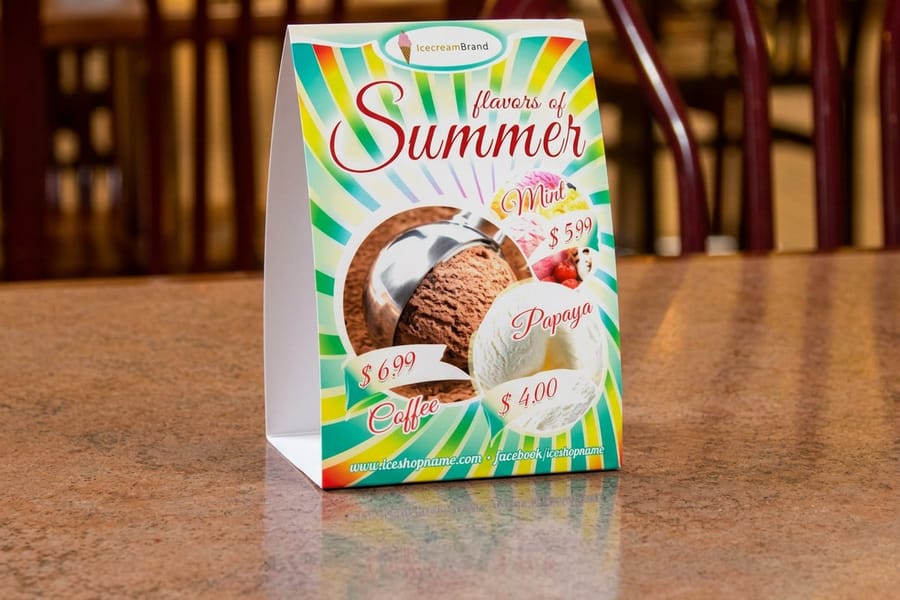
Match the surface to the moment. On the counter, one rating and one short quote is the whole budget, because nobody stops to read a paragraph while queueing. In the mailbox, a postcard from $16.48 can carry a two-sentence customer story plus the street the job was on, which is the version of social proof that lands hardest locally: a neighbor they can picture. Our five steps to sending direct mail postcards covers the list, the size, and the postage side of that.
For anything with a longer sales cycle, the piece that travels matters more than the piece that sits still. A brochure from $57.11 with two customer stories inside gets handed to the partner, the committee, or the finance person who never visited your site, and it argues your case while you are not in the room. Print the customer quote next to the relevant spec, not on a page of its own. A page of praise gets skipped, a quote that sits beside a price gets read.
Online, the rule is the same and gets broken more often. Move testimonials out of the testimonials section and onto the page where the doubt lives. If people hesitate over turnaround, the quote about turnaround belongs beside the turnaround promise. If you want to see how the printed pieces fit together across a whole campaign, the business marketing supplies guide lists what to keep in stock, and the wider marketing strategy guides cover the campaigns those pieces feed. For formats and stocks, postcard printing, table tent printing and brochure printing list the sizes each one comes in.
Where Social Proof Backfires
Social proof is the only marketing asset that can actively cost you trust, and it usually does so in one of five ways.
It is too perfect. A flawless rating with hundreds of entries and no criticism triggers suspicion rather than confidence. Buyers hunt for the negative reviews specifically, and finding none is a worse signal than finding a few handled well. Leave the four-star reviews alone and reply to them.
It is stale. A testimonial with no date is assumed to be old, and an old testimonial about a business with staff turnover is worth very little. Date them, and retire anything that describes a service you no longer run the same way.
It is anonymous. "J.S., satisfied customer" reads as invented, because it usually is. If you cannot get a name and a role in writing, use a photograph of the work instead. An unattributed quote is weaker than no quote.
It was filtered. Sending the review link only to customers who said something nice is review gating. Google prohibits it, the FTC rule on consumer reviews and testimonials treats suppressing negative reviews as deceptive, and the practice tends to surface eventually. The honest version costs you a few bad ratings and buys you a profile people believe.
It is borrowed. Stock photos of smiling strangers, purchased followers, and logos of companies that bought one item five years ago are all proof of nothing, and a buyer who spots one starts re-reading everything else on the page. Keep the evidence yours.
There is also a cost worth naming plainly. Running this properly means asking every customer, replying to complaints in public, and keeping permissions on file. It takes ongoing attention rather than a project week, and a business that cannot commit to that is better off with three genuine dated testimonials than a system it abandons in a month. If you want to see what the follow-through looks like inside one trade, the spa print marketing plan works through referral cards and menus in that kind of detail, and the content marketing analytics guide covers how to tell whether any of it moved.
Wally explains social proof
Ask while it is warm, then put it where people decide
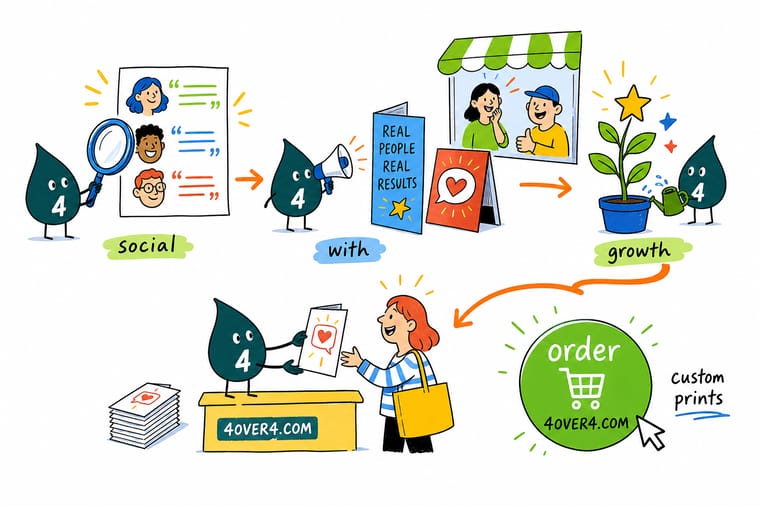
Wally finishes a job, hands the customer a card with a code on it, and asks one question: what were you worried about, and what happened. He gets a real sentence back because he asked the same day. Then he does the part most people skip. He prints that sentence on the counter card, on the postcard going to the next street, and inside the brochure that gets handed to whoever signs. He replies to the two-star review in public and leaves it up, because the reply is what strangers actually read.
Print customer story postcards →Specs and pricing
The pieces that carry proof, sizes and starting prices
Postcards for the follow-up, brochures for the story that travels, and cards for the code you hand over. Live configuration choices and starting prices straight from the 4OVER4.COM configurator.


Print it
Put your customers' words somewhere people see them


Explore more
Where to go next





By the numbers
Proof we can show you at 4OVER4
Common Questions
Your social proof questions, answered
What is social proof in marketing?
Social proof is evidence that other people already made the choice a stranger is weighing up, and were glad afterwards. It covers platform reviews, named testimonials, photographs of finished work, client lists, referrals from someone the buyer knows, and visible signs of use such as a busy shop. It is not the same as a claim you make about yourself. The mechanism only works when the evidence comes from somebody other than you, and when the buyer can see enough detail to believe a real person is behind it.
How many reviews do I need before social proof starts working?
There is no threshold number, and anyone who quotes you one is guessing. What changes behavior is whether a buyer can find recent, specific evidence from somebody who resembles them. Six detailed reviews from the last two months, each naming an actual job, carry a stranger further than sixty one-line reviews from three years ago. Recency matters more than volume for local businesses, because a two-year-old review says nothing about who is working there now.
Can I offer a discount in exchange for a review?
Be careful. Google prohibits incentivised reviews on Business Profiles outright, so a discount for a Google review risks the review being removed and the profile being penalised. On your own site or in printed material, an incentivised testimonial has to disclose the incentive under the FTC rule on consumer reviews and testimonials. A safer trade is to thank people rather than pay them, which is why a loyalty punch or a small thank-you card works better than a coupon tied to a rating.
Where should testimonials go on a page?
Next to the thing being decided, not in a testimonials section nobody visits. Put the quote about turnaround beside the turnaround claim, and the quote about a specific product on that product page. A standalone wall of praise is read as decoration. A single relevant quote sitting beside a price, a spec, or a delivery promise is read as evidence, because it answers the doubt the buyer had at that exact moment.
Does printed social proof still matter when everyone reads reviews online?
It matters because the decision often happens where the phone is not out. A quote and a rating on a table tent reaches a customer while they are standing at your counter with three minutes to spare. A short customer story on a postcard reaches the street around a job you just finished, which is the group most likely to have the same problem. Print does not replace your review profile, it puts the same evidence in the physical places where people are already thinking about you.
What should I do about a bad review?
Reply once, in public, without arguing. Say what happened, say what you changed, and stop. Future buyers read the reply far more carefully than the complaint, because it is the only place they can see how you behave when something goes wrong. Deleting or burying the review is worse than the review. The one exception is a review that breaks platform rules, such as one that is not from a customer, which you can report on those grounds rather than on the grounds that it is unflattering.
Get Started
Carry your best review on 50 postcards from $16.48
Print the quote on a counter card, mail the story to the street where you did the job, and hand the folder to the person who signs. We print all three.
Legal Disclaimer
Gold Standard guarantees apply to all standard orders placed through 4over4.com. Price match requires verifiable proof of a competitor's published price for an equivalent product with matching specifications and turnaround time. Satisfaction guarantee covers manufacturing defects and print quality issues. Contact support with order number and documentation. On-time delivery rate based on tracked orders 1999 to 2026. Individual results may vary based on shipping carrier performance.
