
Chatbots for Small Businesses That Answer Instead of Annoy


Which questions to hand to software, which to keep for a person, what the setup really takes, and how to start the conversation away from the keyboard.
A chatbot earns its place in a small business when the same handful of questions arrives dozens of times a month: opening hours, whether you cover an address, rough price bands, order status, and booking. Below that volume a phone number that gets answered beats any bot. Above it, the work is not the software but the written answers behind it, plus a handoff rule for complaints, refunds and custom quotes so a person takes over before the conversation goes wrong.

Quick answer
Volume decides whether to automate, phrasing decides which kind
Automate the questions that repeat in the same shape, and only once they repeat often. A scripted tree is right when the answers are few and fixed, because it can only say what you wrote. A model grounded in your own published pages is right when the same intent arrives phrased fifty ways, and it is only as current as those pages. Both need a person one click away, and neither should quote a firm price, a delivery date or a refund policy it cannot see in your system.
The Five Questions Worth Automating, and the Ones That Are Not
Open your inbox and read the last hundred messages. Nearly all of them will collapse into five shapes: are you open, do you cover my address, roughly what does it cost, where is my order, and can I book Thursday. Those five repeat in the same form week after week, which is precisely what software is good at.
Everything else is judgement work. A complaint needs someone who can apologise and mean it. A custom quote needs someone who can see the job. Anything touching health, safety, legal wording or a refund policy needs a person who can be held to what they said. Automating those does not save you an hour, it creates a transcript you have to unwind later.
There is a specific failure worth naming, because it catches people who otherwise did everything right. A bot that gets price roughly correct is worse than one that refuses to discuss price. Customers screenshot the number, quote it back at you, and expect you to honour it. Give the bot a price band and a link to the real configurator, or nothing at all.
Write the automate list and the never list on one page before you look at any software. If your recurring questions are mostly about products and turnaround, half the answers already exist on your own site and in the printing FAQs style of writing: one question, one direct answer, no preamble.
Scripted, Grounded, or a Person on Live Chat
Three things get sold as a chatbot and they behave nothing alike. Pick by how many different ways your customers phrase the same question, and by how many of those questions arrive per month.
| Approach | How it answers | Where it breaks | Fits a business that |
|---|---|---|---|
| Scripted tree | Buttons and fixed replies you wrote by hand. | Unexpected wording. It cannot answer anything outside the branches. | Has few questions with fixed answers and wants zero risk of invention. |
| Grounded model | Reads your published pages and answers in its own words, quoting them. | Stale pages. It repeats whatever your site last said, confidently. | Gets the same intent phrased fifty ways and keeps a site that is current. |
| Live chat with a person | A human in a shared inbox, with saved replies for the repeats. | Coverage. It is only as good as who is watching the window. | Handles low volume, high value enquiries where trust closes the sale. |
Most small teams end up with a hybrid, and it is the sane place to land: a hard-coded branch for the two or three flows that must never go wrong, a grounded model for the long tail, and a person one click away throughout. If your goal is qualifying and booking rather than answering, the sales automation chatbot guide covers that flow in detail.
One rule holds across all three. Whatever answers first, a person must be reachable within the same window. A chat that ends with a dead end teaches the visitor to stop asking.
Where the Conversation Actually Starts

Chat windows on a website only catch people who already found the website. A good share of small business questions start somewhere physical: at the register, on a delivery box, on the invoice, on a card in a wallet. Putting a scan point on those pieces opens the conversation with the context already attached.
The practical setup is simple. Give every printed piece its own short link that redirects to the chat entry point, tagged so the transcript arrives labeled with its source. Keep the destination URL genuinely short, because a short URL produces a lower-density code that survives being printed small, and leave the quiet zone around it clear. Then scan the printed piece under normal indoor light, not the version on your monitor.
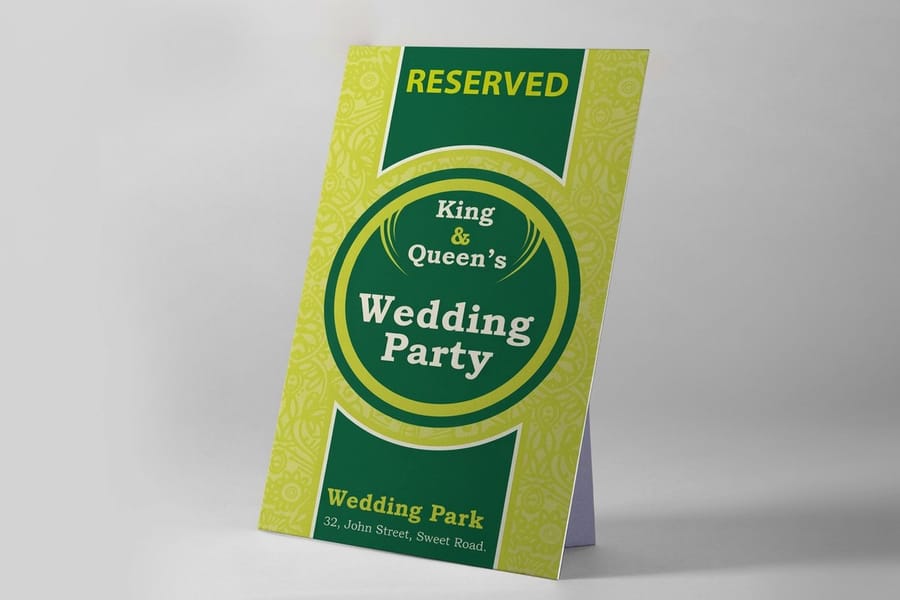
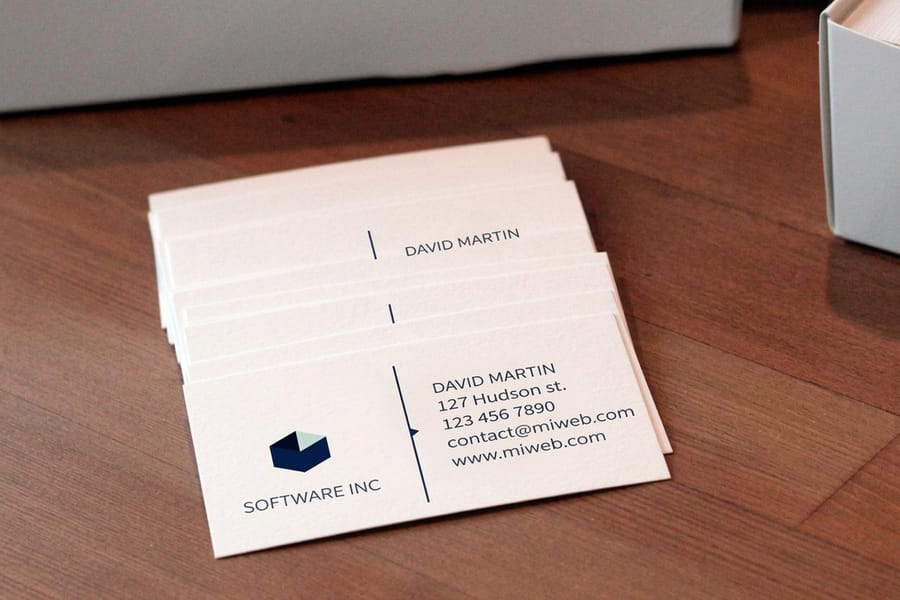
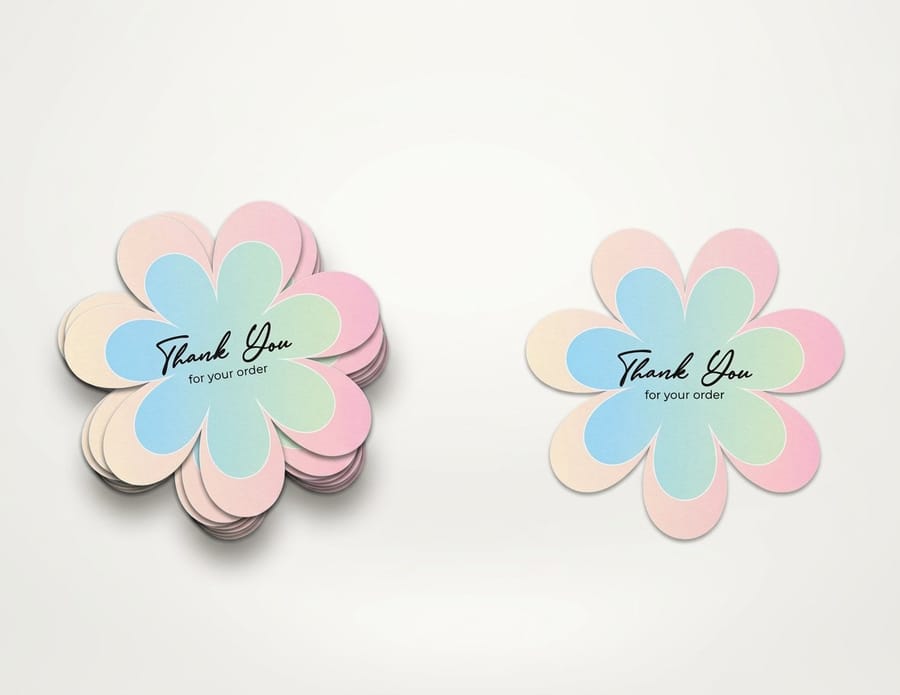
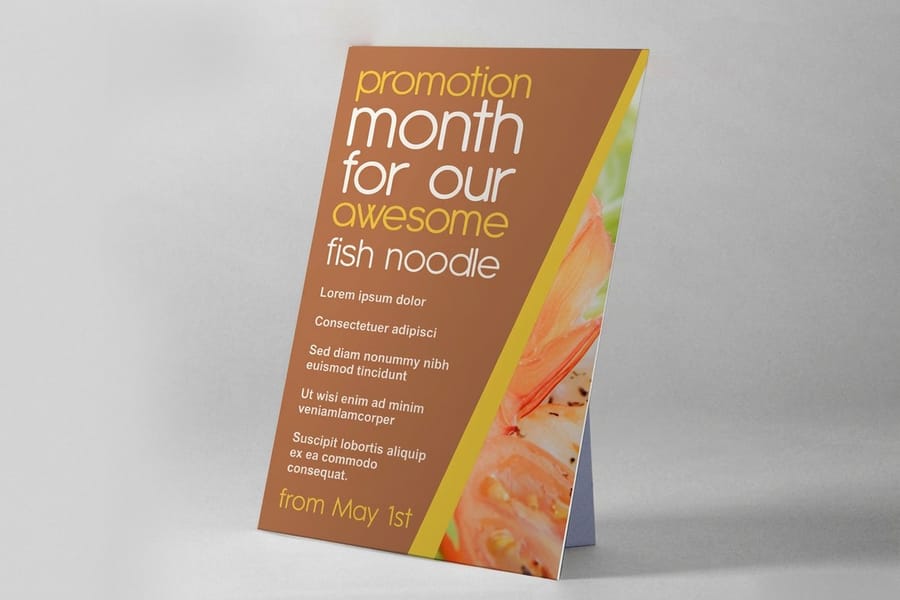
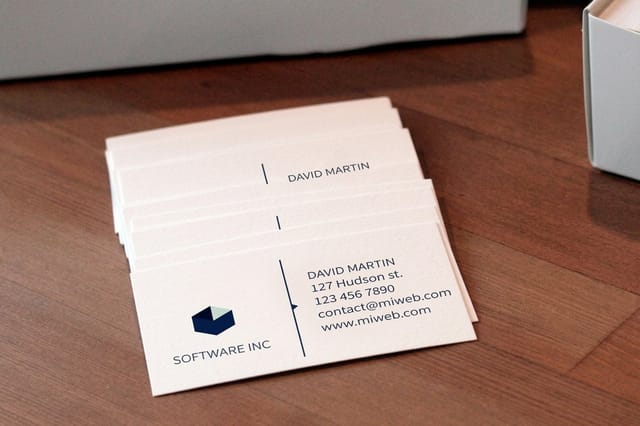
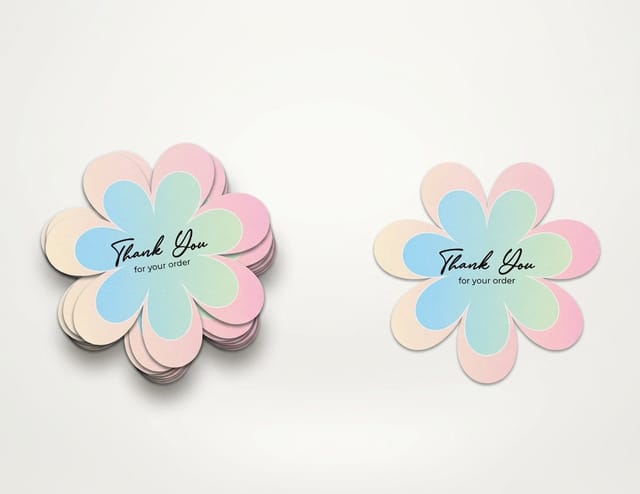
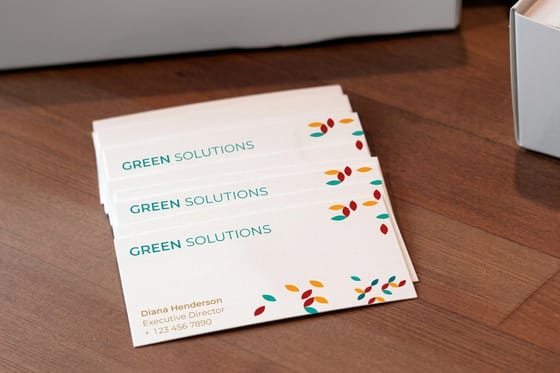
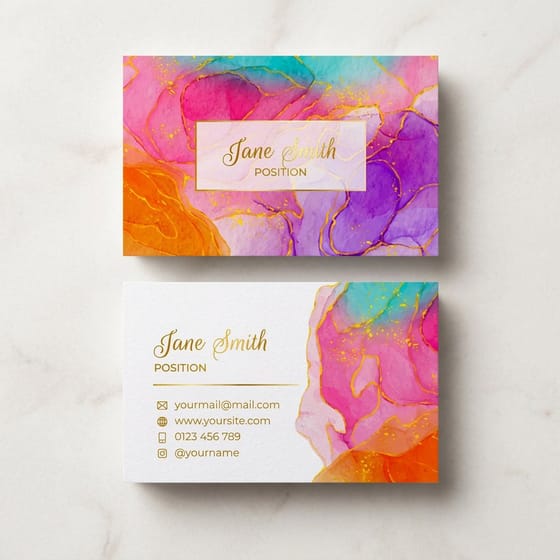
Four pieces do most of the work. Counter cards start at $21.97 and sit where people already queue with a question. Standard business cards start at $17.57 and travel in a wallet for months. Standard postcards start at $16.48 and put the scan point in a mailbox with a reason to use it. Die-cut stickers start at $93.37 and go on boxes, van doors and laptop lids where a code stays visible long after the sale.
Design the code into the layout rather than pasting it on at the end. Our guide to QR code business card ideas covers placement and contrast, and generating QR codes in InDesign keeps the code vector so it stays crisp at any print size. The rest of the pieces that can carry a scan point sit in marketing materials.
The Answers Are the Product, Not the Software
Teams shop for a platform and then discover the bot has nothing to say. The software is the cheap part. What makes it useful is a written answer for every recurring question, in plain sentences, published where the bot can read it.
Build it from real messages rather than from imagination. Pull the last few hundred enquiries, group them by what the customer actually wanted, and write one answer per group. Put the answer in the first sentence and the explanation after it, the same way a good FAQ page reads. Publish those answers on your own site, because a page that is written to be quoted serves the bot, the search engines, and the customer who never opens the chat window at all.
Then decide who owns it. Hours change, lead times slip in December, prices move. An answer with no owner and no last-checked date is the thing that turns a helpful bot into one that confidently tells a customer you close at six when you now close at four.
Give it one more sentence, the one it says when the answer is not there: a plain admission plus an offer to fetch a person. A bot that says "I do not have that, but this person can help" keeps its credibility. A bot that guesses spends it.
Handoff Rules, Written Before Anyone Types Hello
The rules that keep a chatbot from damaging you are all decided before launch, and they are short enough to fit on one page.
- Ask for a human, get a human. The phrase works in every conversation, in every flow, with no interrogation first.
- Complaints and refunds skip the bot. They route to a person on the first message, with the transcript attached.
- No firm price on custom work. A band and a link to the real configurator, never a number the bot invented.
- No delivery date it cannot see. If the bot is not reading a live system, it says when you usually ship, not when this order will arrive.
- No promise your team cannot keep. Outside opening hours, say so and take a contact detail instead of promising a reply shortly.
- Policy wording is quoted, not paraphrased. Refunds, warranties and terms come out word for word or not at all.
The out-of-hours rule is the one most often skipped and the one that does the most quiet damage. A visitor told at 9pm on Friday that someone will be right with them, who then hears nothing until Monday, has been treated worse than one who saw a closed sign. Telling the truth about your hours costs nothing and keeps the next message civil.
Measuring It, and Being Willing to Switch It Off
Total conversations is a vanity number. A bot can hold hundreds of chats, resolve none of them, and leave every one of those visitors believing they have been dealt with. Four numbers tell you the truth.
- Resolved without a person. The conversation ended and the customer did not email, call or come in afterwards.
- Handed over. How often a person had to step in, and which intents kept triggering it.
- Time to first human reply. Measured from the handoff, not from the greeting.
- Repeats. How often a visitor rephrases the same question, the clearest signal that an answer is missing or badly written.
Read the transcripts too, at least for the first month. The misses cluster, and each cluster is a missing answer rather than a failing of the model. Fix the answers, and the resolved number moves. Fix the model, and it usually does not.
Give it a fair run, then be willing to turn it off. If deflection is still low after a month of writing real answers, either the volume never justified automation or the entry point is in the wrong place. Both are cheaper lessons than keeping a chat window that quietly annoys people. The rest of the channel picture sits in our digital marketing guide for small business, and the enquiries themselves usually trace back to the tactics in small business lead generation strategies.
Wally sorts the questions
Repeat questions to the bot, everything else to a person
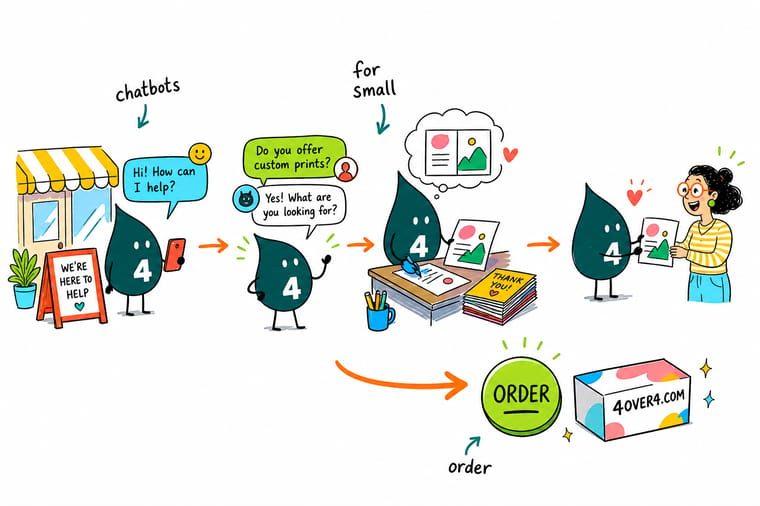
Wally reads the week's messages and makes two piles. The big pile is the same five questions again: are you open, do you deliver here, roughly how much, where is my order, can I book Thursday. Those go to the bot, with answers he wrote himself and checks when the hours change. The small pile is complaints, refunds and custom jobs, and those go straight to a person. Then he prints a counter card with a scan code so the conversation can start at the register instead of on a search results page.
Order counter cards →Specs and pricing
Scan-point pieces, sizes, and starting prices
The printed pieces that carry a chat entry point, with live configuration choices and starting prices straight from the 4OVER4.COM configurator.



Print it
Give the conversation somewhere to start

Explore more
Where to go next

By the numbers
The print side of your customer conversations
Common Questions
Your small business chatbot questions, answered
Does a three-person business need a chatbot?
Usually not, and that is the honest answer most vendor pages avoid. A bot earns its upkeep when the same question arrives dozens of times a month and nobody has time to type the same reply again. Below that, a phone number that gets answered, a shared inbox with a real reply target, and a well-written FAQ page do the same job with no maintenance. The test is your own inbox: count how many of last month's messages had an identical answer. If it is under twenty, fix the FAQ page first and revisit the bot in six months.
How long does it take to set one up properly?
The install is an afternoon. The work is writing the answers, and that is where teams underestimate. Expect to spend real time pulling your last few hundred enquiries, grouping them into recurring intents, writing one clear answer for each, and publishing those answers on your own site so both the bot and search engines can read them. After launch, budget a recurring slot to read transcripts and fix the misses, because a bot that is never corrected drifts out of date the first time your hours or lead times change.
Should the chatbot say that it is a bot?
Yes, in the first message, plainly. People work out within two exchanges that they are talking to software, and the ones who feel tricked are the ones who post about it. Saying so upfront also sets expectations correctly: a visitor who knows it is automated asks short factual questions, which is exactly what it is good at, and asks for a person sooner when the matter is complicated. A line as simple as "automated assistant, ask for a human any time" does the whole job.
Will a chatbot hurt customer service if it answers badly?
It can, and the damage pattern is predictable. The worst outcome is not a wrong answer, it is a confident wrong answer about price, delivery date or policy, because the customer repeats it back to you later and expects you to honour it. The second worst is a bot that promises a person will follow up shortly at 9pm on a Friday when nobody replies until Monday. Both are fixed the same way: define the sentences it may never produce, and never let it promise a response time your team cannot actually hit.
What does a chatbot collect, and what do I have to tell people?
At minimum it stores the conversation, and usually whatever contact detail the visitor types into it. That is personal data, so it belongs in your privacy notice with the same clarity as your contact form: what is kept, how long, and who can read it. Keep the bot from asking for anything you would not put on a paper form at the counter. Card numbers, passwords and health details should never be typed into a chat window, and the bot should be built to refuse them rather than relying on the visitor knowing better.
Can a chatbot take bookings and payments?
Bookings, yes, and that is where small businesses get the clearest return, because the bot can read a live calendar and hold a slot without anyone picking up the phone. Payments are a different matter. Keep the money step in your normal checkout or payment link rather than inside the chat window, so the transaction sits behind the security and the receipt trail you already have. The bot hands over a link, the payment happens where it always happened, and the chat transcript records what was agreed.
Get Started
A counter card costs $21.97 and ships in 2 business days
Print counter cards for the register, business cards for the wallet, and stickers for the box, each with its own link so you can see which one started the chat.
Legal Disclaimer
Gold Standard guarantees apply to all standard orders placed through 4over4.com. Price match requires verifiable proof of a competitor's published price for an equivalent product with matching specifications and turnaround time. Satisfaction guarantee covers manufacturing defects and print quality issues. Contact support with order number and documentation. On-time delivery rate based on tracked orders 1999 to 2026. Individual results may vary based on shipping carrier performance.
