
Catalog Printing Binding, Page Counts and Specs That Actually Work


Page count picks the binding before budget or paper gets a vote. Each binding holds a range of pages, the arithmetic catches people out, and the stocks and sizes behind a catalog that arrives right.
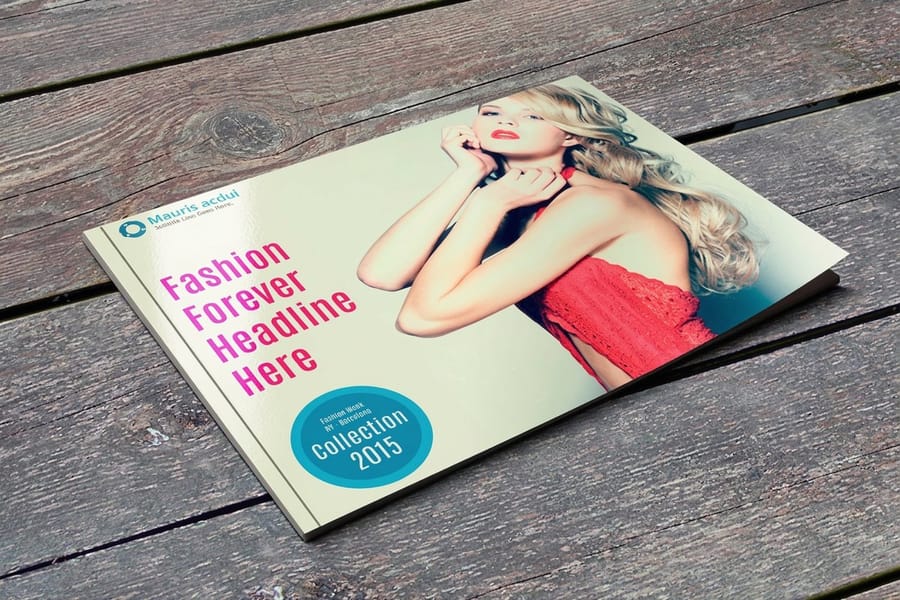
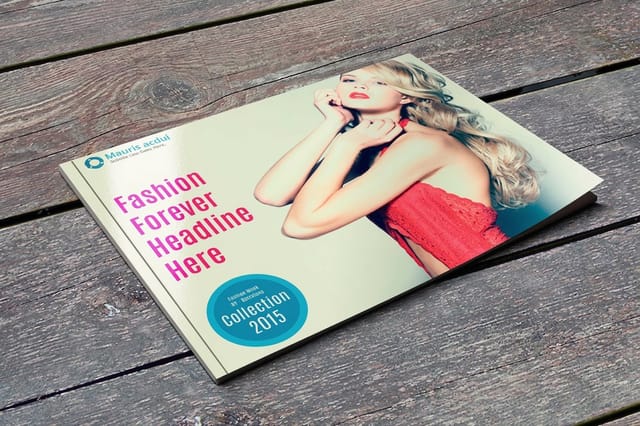
A catalog of 8 to 60 pages is saddle stitched; past 60 pages it becomes a perfect bound book or a spiral coil book. Page counts move in fours because one folded sheet makes four pages, and our counts include the cover, so 8 Pages means a cover plus 4 inside pages. Saddle stitched catalogs start at $240.55, perfect bound at $375.05, spiral coil at $423.28, all at the default 5.5 by 8.5 inch size.
Quick answer
Count the pages, then choose the spine
Catalog printing and catalog printing are the same job, and both start with the page count. Eight to 60 pages is saddle stitch territory, in steps of four, with the cover counted inside the total. Above 60 pages the staple gives up and you choose between a glued square spine that can carry a printed title and a plastic coil that lets the book lie open on a counter. Paper comes next, not first: 100# gloss text for photography, silk or matte where glare hurts the reading, 70# uncoated for a softer editorial page.
The Three Bindings and What Each One Does to the Spine
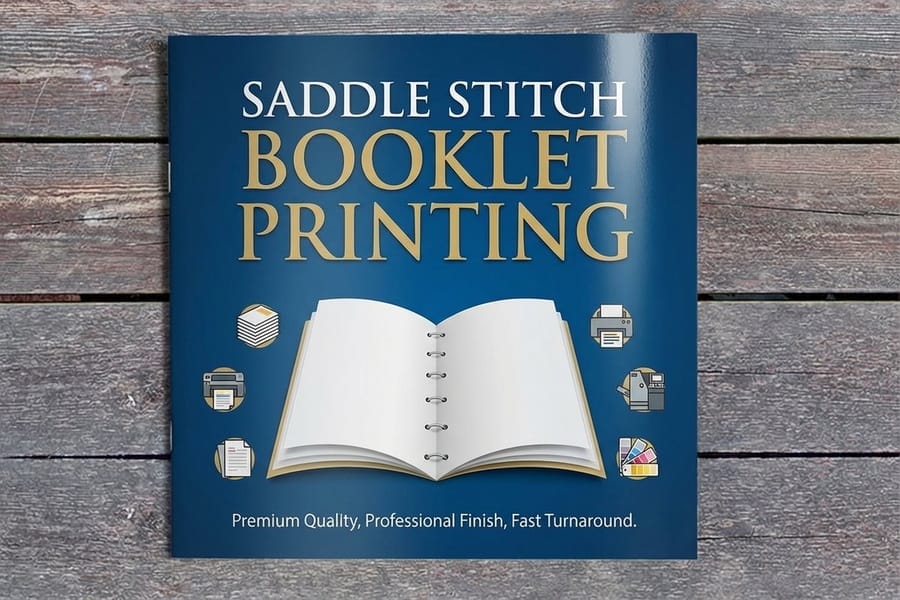
A catalog binding is a decision about the spine, and the spine is what decides how the book opens, how thick it can get, and whether the title shows when it sits in a rack.
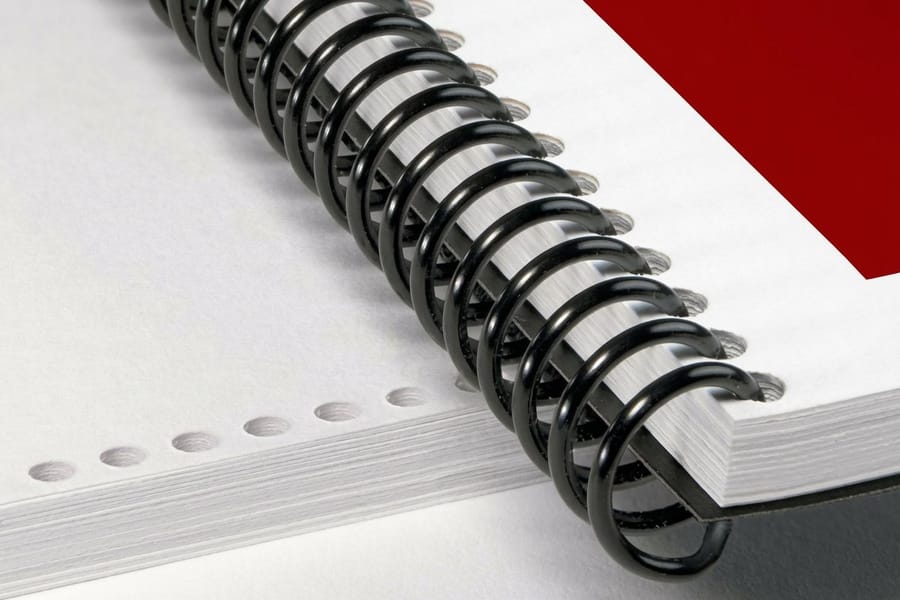
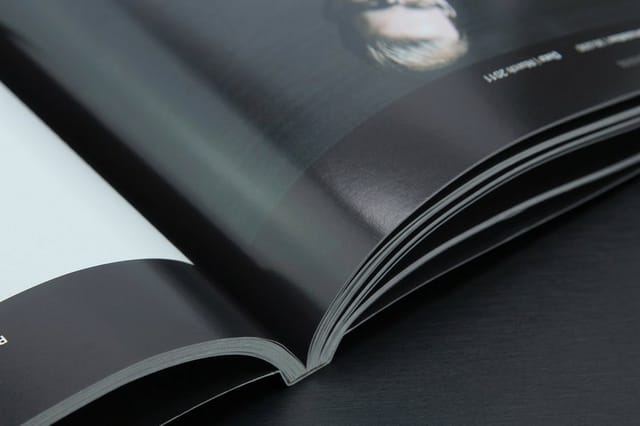
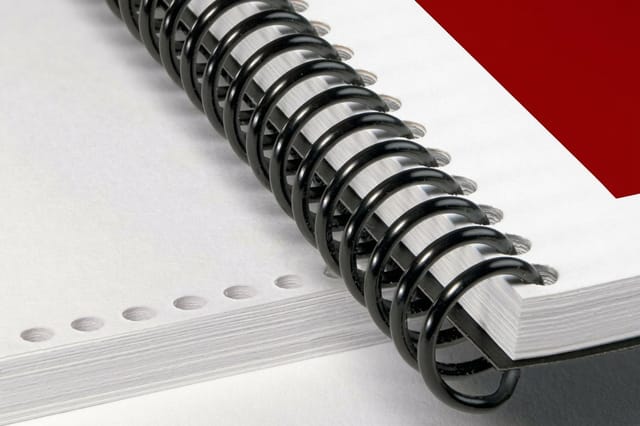
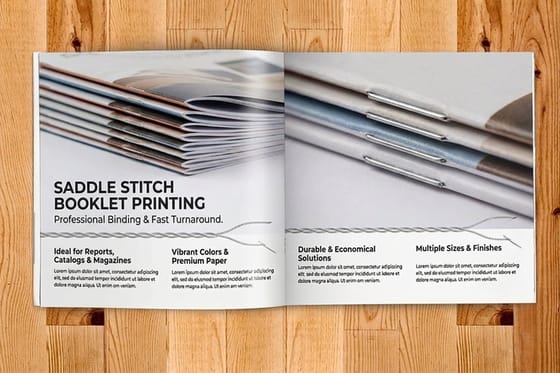
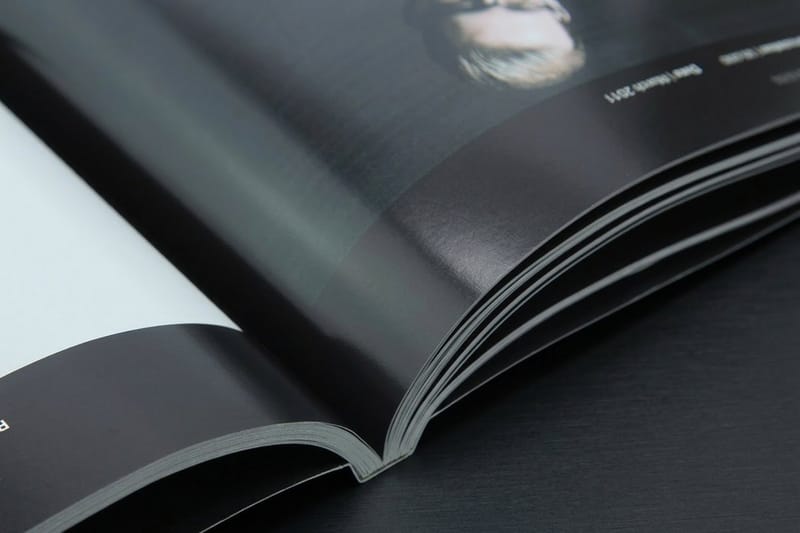
Saddle stitch nests folded sheets inside each other and staples through the fold. There is no spine to speak of, just a crease, which is why a saddle stitched catalog is thin, light to mail, and cheap to make. Perfect binding gathers the sections, mills the folded edge off, and glues the pages into a flat square spine you can print a title on. Spiral coil punches a row of holes and threads a plastic coil through them, so nothing holds the pages together except the coil, and the book opens all the way around on itself.
| Binding | How it holds | Page range here | Spine | Starts at |
|---|---|---|---|---|
| Saddle stitch | Staples through the folded center of nested sheets. | 8 to 60 pages, 14 steps of four. | A crease. No printable edge. | $240.55 |
| Perfect bound | Glued square spine after the fold is milled off. | 131 inside-page counts. | Flat and printable, shows on a shelf. | $375.05 |
| Spiral coil | Plastic coil threaded through punched holes. | 131 inside-page counts. | Open coil. Nothing to print on. | $423.28 |
The honest ranking is not quality, it is fit. A 24 page seasonal retail catalog gains nothing from glue and loses postage weight to it. A 96 page dealer book with a part number index needs the printable spine that perfect bound books give it. A price list a rep flips through on a counter needs the coil, and everything else is a compromise. Browse the full lineup on the booklets and catalogs pages before you commit the layout.
Page Counts Move in Fours, and the Cover Is Inside the Number
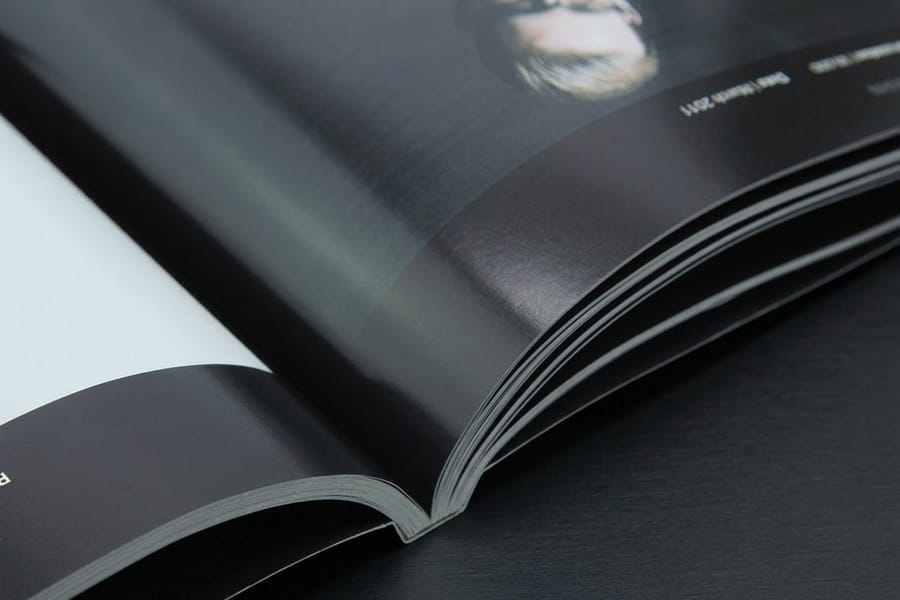
One folded sheet of paper makes four pages, so a stitched or folded book can only exist in multiples of four. That is why our page menu reads 8, 12, 16, 20, 24 and onward rather than any number you like.
The part that catches people is the wording. Our options read 8 Pages (Cover + 4 pages), which means the cover is counted inside the total. Four of your pages are the outside front, inside front, inside back and outside back. A catalog you have designed as 40 pages of product spreads is a 44 page order, and discovering that after the layout is signed off means reflowing every spread to keep the pairs correct.
Two habits keep this clean. Plan the page count before the design, and pad with something useful rather than blank paper: a size chart, an index, a terms page, a full bleed lifestyle shot. Blank pages in a catalog read as a mistake, and you pay for them either way. If the count is still awkward, our page counts and creep guide works through the arithmetic and shows how creep pushes the inner pages outward as the book gets thicker, which is the reason a 60 page saddle stitched catalog needs its outer margins shifted and a 16 page one does not.
Set the trim, bleed and safety before you place a single image. The bleed and trim explainer covers what actually gets cut off, and the blank template library gives you a correctly sized page to start from.
Paper, Sizes and the Bulk You Did Not Plan For

Saddle stitched catalogs run at 5.5 by 8.5 inches or 8.5 by 11 inches, with 100# gloss text as the default inside stock and seven inside stocks in total. Cover paper comes in three weights: 100# gloss text for a self cover, 80# gloss cover, and 14pt gloss cover for the stiffest option.
Pick the inside stock by what the page has to do. Coated gloss holds ink on the surface, so photography stays sharp and colors stay saturated, which is why product catalogs default to it. Silk and matte text kill the glare and read better when there is a lot of body copy under showroom lighting. Uncoated 70# text absorbs more ink and looks softer, which suits an editorial lookbook and suits anyone who expects the catalog to be written on. Uncoated also feels thinner at the same weight, so a long book on 70# uncoated has less presence in the hand than the number suggests.
Cover choice is a durability question. A self cover on 100# gloss text keeps the book light and cheap to mail and scuffs at the corners within a week in a bag. 14pt gloss cover survives a trade show. On perfect bound books and spiral coil books you can also add gloss, silk or velvet lamination to the cover, which is the difference between a book that still looks new after a season on a counter and one that does not.
Ink coverage is the last spec and the easiest to get wrong on price. Both 4/4 full color on every page and 1/1 black only are available, and a 60 page technical parts catalog printed 1/1 costs meaningfully less than the same book in full color. If the catalog is mostly line drawings and part numbers, take the saving. Our paper, finish and binding guide goes deeper on how those choices interact.
The Binding Selector: Match Your Page Count and Budget in One Pass
Find your page count in the left column, read across, and you have the shortlist. The starting prices are the real entry points from our configurator at the default 5.5 by 8.5 inch size.
| Total pages | Best binding | Order it as | Starts at | Why |
|---|---|---|---|---|
| 8 to 24 | Saddle stitch | Standard Catalogs | $240.55 | Thin enough that creep is invisible, light enough to mail cheaply. |
| 28 to 60 | Saddle stitch | Retail Catalogs | $240.55 | Still stitched, but shift the outer margins to absorb creep. |
| Over 60, shelf life matters | Perfect bound | Perfect Bound Book | $375.05 | The glued spine takes a printed title and survives handling. |
| Any count, used open | Spiral coil | Spiral Coil Book | $423.28 | Only binding that stays open on its own at the page you left. |
Where budget is the binding constraint rather than the page count, the fix is almost never a cheaper binding. Cut four pages, drop from 4/4 to 1/1 on the section that is text only, or move from 14pt cover to 80# cover. Each of those moves the number more than switching binding does, and none of them makes the book worse at its job.
One warning worth repeating: a saddle stitched book near 60 pages behaves differently from a thin one. The pages nested at the center travel further than the outer ones, so trimming leaves the inner pages narrower unless the file compensates. Send the job as a print ready set of single pages in reading order and let the prepress step impose them. If you are also weighing press method for the run size, the digital versus offset comparison for booklets covers where the crossover sits, and book printing lists the longer formats once a catalog outgrows the category.
Wally explains catalog binding
Count the pages first, pick the spine second
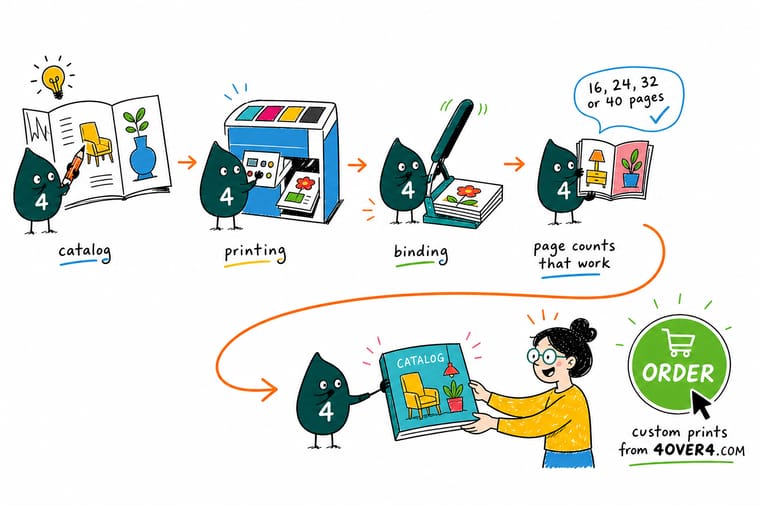
Wally folds one sheet and gets four pages, which is why the page menu climbs 8, 12, 16, 20 and never stops at 10. He counts the cover in that number, so 8 Pages is a cover plus 4 inside pages. Up to 60 pages he staples through the fold and the book stays thin and cheap to mail. Past 60 the staple loses, so he glues a square spine he can print a title on, or threads a coil so the book lies open on the counter. Then, and only then, does he argue with you about paper.
Configure a catalog →Specs and pricing
Catalog and book specs, side by side
Every configurable group, the default size, and the starting price for each binding, straight from the 4OVER4.COM configurator.



Print it
Order the catalog your page count calls for
Explore more
Where to go next


By the numbers
Catalog printing measured in years and products
Common Questions
Your catalog printing questions, answered
How many pages can a saddle stitched catalog have?
At 4OVER4.COM a saddle stitched catalog runs from 8 to 60 pages, and the configurator offers 14 page counts inside that range, each one four pages apart. The limit is physical rather than arbitrary: saddle stitching nests folded sheets inside one another and drives staples through the fold, so past a certain thickness the spine stops closing flat and the inner pages push out at the face. If your page plan lands above 60, move to a perfect bound book or a spiral coil book instead of trying to force the staple.
Does the cover count as pages in the page count?
Yes, and this trips up more catalog jobs than any other spec. Our page counts read as 8 Pages (Cover + 4 pages), so the outside front, inside front, inside back and outside back are all inside that number. A catalog you think of as having 40 pages of products is a 44 page job on the order form. Count the cover before you lay out the file, not after, because adding four pages late reflows every spread.
When should I switch from saddle stitch to perfect binding?
Two triggers. The first is page count: once you pass 60 pages the staple is out. The second is the spine itself. Perfect binding glues the pages into a square spine that can be printed on, so a catalog sitting in a rack or on a buyer shelf shows its name edge on. If either of those matters, the extra cost is doing real work. If neither does, saddle stitch is the cheaper, thinner, more mailable book.
What inside paper should a product catalog use?
Start at 100# gloss text, which is the default and the safest choice for product photography because coating holds ink on the surface and keeps images sharp. Choose 100# silk or matte text when there is a lot of body copy and glare is a problem under showroom lighting. Choose 70# uncoated text when the catalog is more editorial than commercial and you want a softer page that takes a pen. Saddle stitched catalogs carry seven inside stocks, so the trade-off is yours to make.
Which binding lays flat when the catalog is open?
Only spiral coil, reliably. A coil book opens 360 degrees and stays at the page you left it, which is why price lists, spec books and anything used at a counter get coil. Saddle stitched books lay reasonably flat in the middle of the book and much less so near the covers. Perfect bound books fight you until the glue breaks in, and a new one will close itself if you let go.
Is catalog printing different from catalog printing?
No. Catalog is the British spelling and catalog the American one, and they describe the same printed book of products with the same binding, page count and stock decisions behind it. Search results split across the two spellings, which is why the same catalog printing product answers both. Order from the same place either way.
What does a catalog cost to start?
Standard catalogs and retail catalogs start at $240.55, a perfect bound book starts at $375.05, and a spiral coil book starts at $423.28. Those are entry points at the default 5.5 by 8.5 inch size, and the number moves with page count, quantity, inside stock and ink coverage. Page count is usually the biggest lever, so settle the page plan before comparing quotes.
Get Started
25 catalogs cost $240.55, a perfect bound book $375.05 for 10
Set the page count, pick saddle stitch, perfect bound or spiral coil, choose the inside stock, and we print a book that opens the way your customers use it.
Legal Disclaimer
Gold Standard guarantees apply to all standard orders placed through 4over4.com. Price match requires verifiable proof of a competitor's published price for an equivalent product with matching specifications and turnaround time. Satisfaction guarantee covers manufacturing defects and print quality issues. Contact support with order number and documentation. On-time delivery rate based on tracked orders 1999 to 2026. Individual results may vary based on shipping carrier performance.
