
How to Print a Lookbook That Sells the Whole Collection


A lookbook is a booklet with better photography. Here is how the format, the page count, the binding and the stock actually get chosen, and what each one costs you.
Printing a lookbook comes down to three decisions: the trim size and page count, the binding, and the stock. Set the page count in multiples of four, saddle stitch it up to roughly 48 pages, switch to a glued perfect bound spine above that, and print the inside pages on coated book text with a heavier laminated cover. Everything else, including the price, follows from those three.
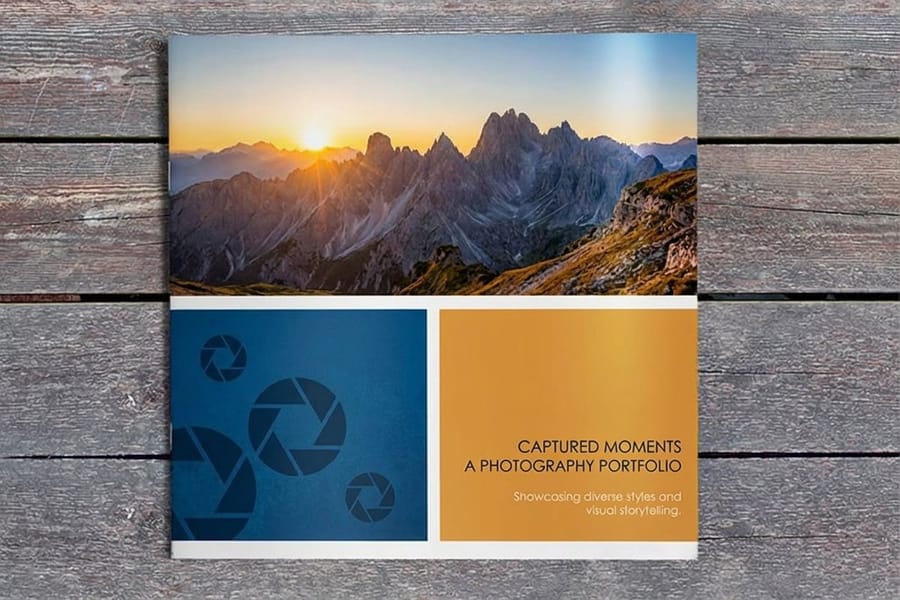
Quick answer
Page count picks the binding, and the binding picks the layout
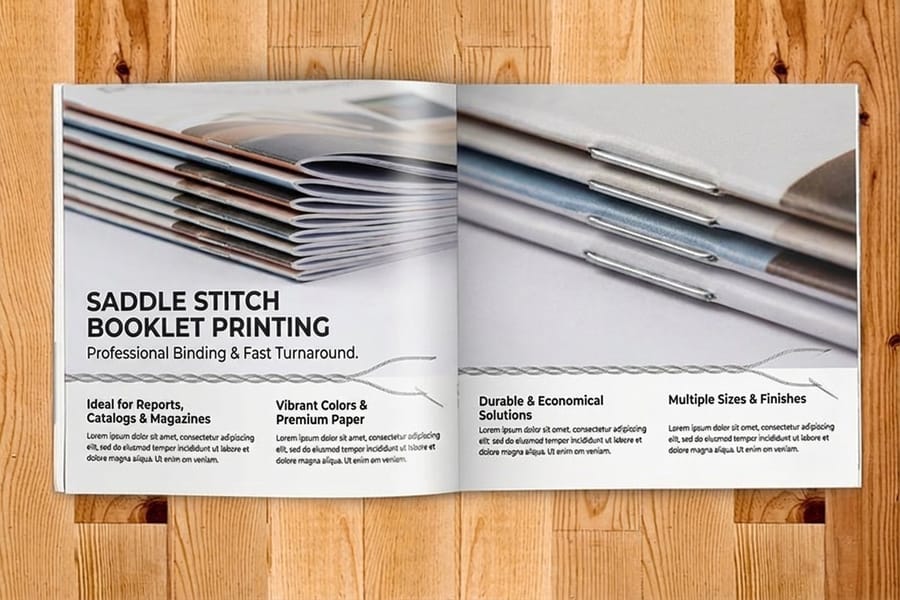
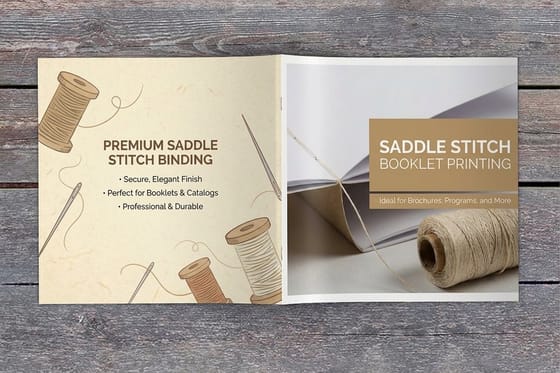
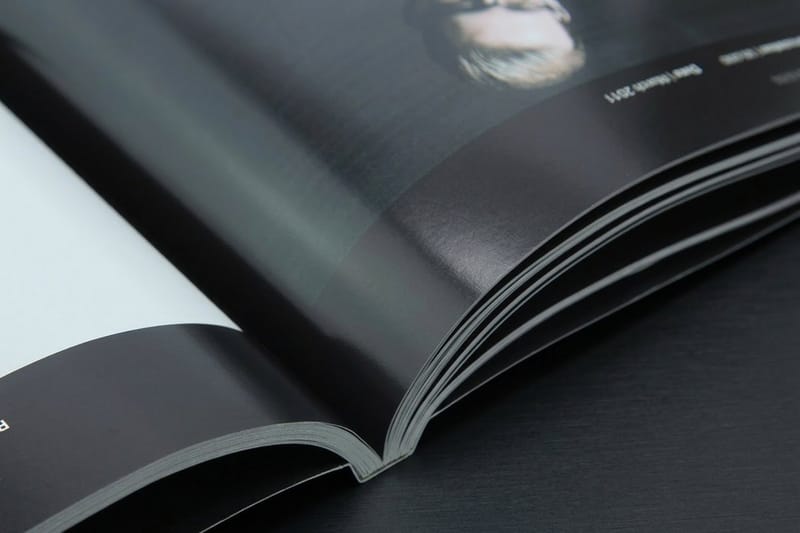
Every folded sheet in a stitched booklet makes four pages, so a lookbook total is 16, 20, 24 and upward, never 18. Under about 48 pages, fold and staple: it costs less, opens close to flat, and a photograph can cross the fold almost intact. Above that the fold thickens and the inner pages creep out at trim, so a glued spine is the cleaner answer, and it gives you a spine to print the brand name on. The catch with glue is half an inch of inside edge that never opens, which is why the binding decision has to happen before the layout, not after.
Start With the Size and the Page Count
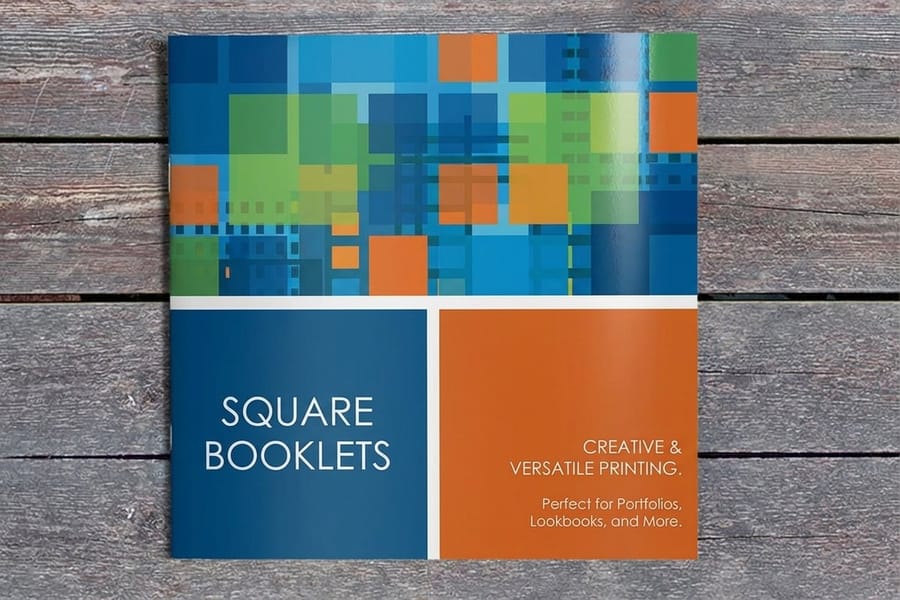
A lookbook is judged on how the photography sits on the page, so size and page count get settled before anyone opens a layout file. Both change the price more than any finish you add later.
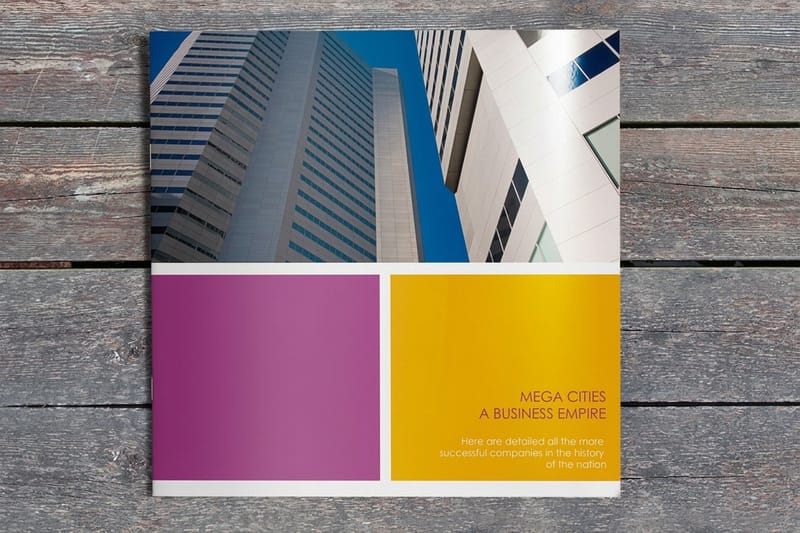
Portrait 8.5 by 11 inches is the workhorse. It fits the press sheet efficiently, which makes it the cheapest per page, and it gives a full-bleed image real presence. A 5.5 by 8.5 book is the one to print when the book gets handed out by the hundred at a trade show or mailed, because it is light and it fits a pocket. Square formats read as editorial and hand a photograph the same room vertically and horizontally, which is why fashion and interiors brands keep choosing them. Square booklets start at $240.55 and carry a small premium over portrait for one unglamorous reason: a square cut leaves more waste on a rectangular sheet.
Page count is arithmetic, not preference. Saddle stitching folds one sheet into four pages, so the total lands on 8, 12, 16, 20, 24 and so on. Ask for 18 and you get 20 with a blank. Most seasonal collections come in between 16 and 32 pages at one look per spread, plus a cover, a short opening page and contact details at the back. Adding four pages is the cheapest change available on the whole job, far cheaper than moving up a stock or changing the trim size, so build the sequence you actually want rather than squeezing looks onto a page.
The rules are the same ones that govern any bound piece. Our guide to booklet page counts and creep works through the arithmetic, and standard catalog sizes and booklet formats lists the trim sizes that price well.
Saddle Stitch, Perfect Binding or Coil
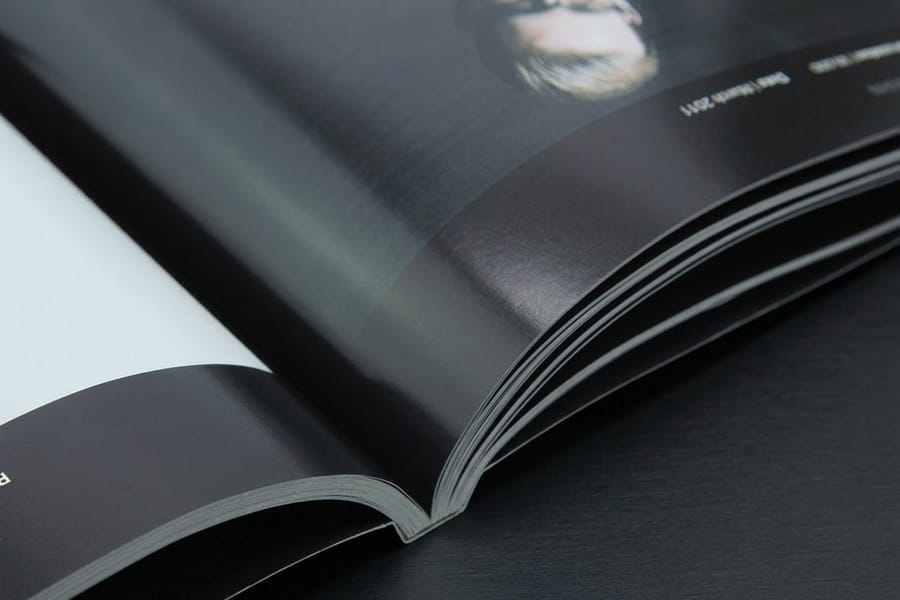
Binding is where most lookbooks are decided correctly or regretted later, and the honest rule is that page count picks it, not taste.
| Binding | How it holds | Works from | Opens flat | Printable spine |
|---|---|---|---|---|
| Saddle stitch | Folded sheets nested and stapled through the fold. | 8 to about 48 pages, in fours. | Yes, near enough for a spread to run through the fold. | No, the spine is just a fold. |
| Perfect bound | Pages trimmed square and glued into a wraparound cover. | Thick enough to make a spine, upward from there. | No, it springs shut and the inside edge is buried. | Yes, the brand name reads on a shelf. |
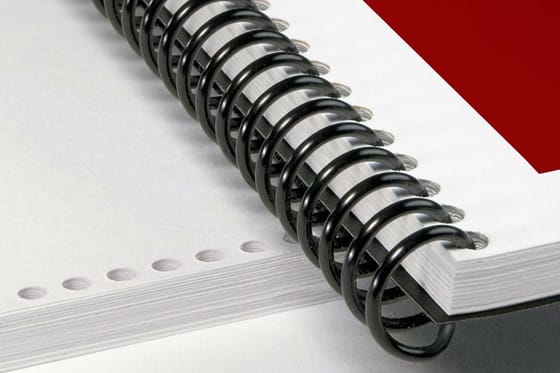
| Spiral coil | Punched pages held by a plastic coil. | Any count, thin or thick. | Yes, completely, and it folds back on itself. | No, and the coil breaks the image at the edge. |
Read the last two columns together, because they are the trade. Saddle stitch booklets start at $240.55 and let a photograph cross the fold with very little loss, which is exactly what an image-led book wants. Push past roughly 48 pages and the fold gets fat, the inner sheets push outward, and the trim starts eating margin unevenly on the pages nobody checked.
A perfect bound book starts at $375.05 and buys you a flat spine with the brand and season printed on it. That matters more than it sounds: a buyer stacks twenty books on a desk and only the spines are visible. The price is that the book will not lie open flat and the glue holds roughly half an inch of the inside edge shut, so a model photographed across the gutter loses her middle. Design around it or pick the other binding. Perfect bound printing explained covers the spine and the minimum bulk in detail, and booklet binding methods puts every option side by side.
Coil is the outlier. A spiral coil book starts at $423.28 and opens dead flat, which is genuinely useful for a sales rep working through a book on a counter. For a brand piece it usually reads as a workbook rather than a collection, so most lookbooks leave it alone.
Paper and Finish Set the Brand Feel
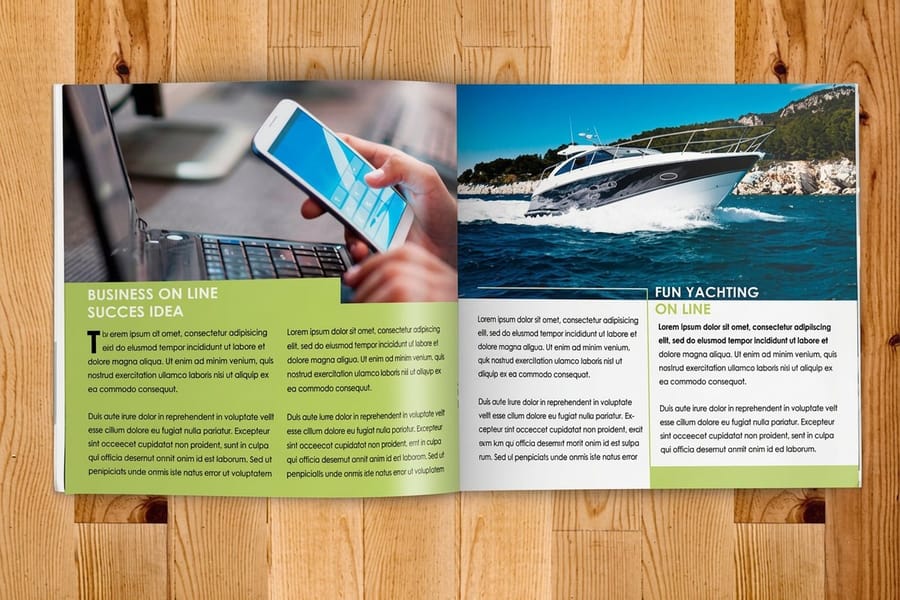
Once the format is fixed, the paper carries the brand. A lookbook is one of the few printed pieces where someone holds the thing for a full minute, and the stock is doing half the talking in that minute.
The inside pages want coated book text. Gloss lifts saturation and snaps up product shots, which is why catalogs default to it. Silk and matte sit calmer, absorb the glare that gloss throws back under shop lighting, and let deep blacks read as deep rather than shiny, which is why most fashion and interiors books land there. Uncoated text dulls a photograph noticeably because the ink sinks in; choose it deliberately for a raw, editorial look, not by accident.
The cover should be heavier than the text, and it usually earns a laminate. Gloss laminate gives the highest contrast and shows every fingerprint. Matte laminate feels soft and understated, though scuffs show on solid dark colour. Soft touch feels the most expensive of the three and is also the least forgiving of a full-bleed black cover handled all day at a trade show. If the book is going to be passed around a booth for three days, matte over a mid-tone cover survives best.
Do not decide any of this on a screen. Order free paper samples, hold gloss and silk under the lighting your customers will use, and the argument ends. Choosing booklet paper, finish and binding goes deeper on weights, and matte versus gloss compares the two finishes on real jobs. For a book that is almost entirely photography, photography booklets start at $240.55 and are set up for exactly that job.
Build the File, Then Place the Order
Prepress rejects lookbooks for the same handful of reasons every season, and all of them are avoidable in the layout.
Send one PDF with the pages in reading order as single pages, not as spreads. The printer imposes the sheet, and a file already built in spreads has to be pulled apart, which is where page order goes wrong. Add an eighth of an inch of bleed on all four sides of every page that carries an image to the edge. Keep type at least a quarter inch inside the trim, and give the inside edge more room than that on a perfect bound job, because the glue takes a bite of it.
Two things catch people out. On a thick saddle stitched book the inner sheets creep outward before trimming, so the outer margin on the middle pages ends up narrower than on the cover pages. Nothing important goes tight to the fore edge. On a perfect bound job the cover is one flat piece carrying front, spine and back together, and the spine width depends on the page count and the stock, so confirm the number before the cover is designed rather than after.
Build the file at trim size in CMYK, and start from a correctly sized layout in the blank template library instead of measuring by hand. When the file is ready, configure the job on standard booklets from $240.55, or move to a glued spine on perfect bound books. Every bound format we print, with live page counts and pricing, is listed under booklets and catalogs printing. If you are still deciding what belongs inside the book at all, line sheets, lookbooks and sale catalogs separates the styled book from the wholesale document buyers order from.
Wally explains lookbook printing
Count in fours, then let the thickness choose the binding
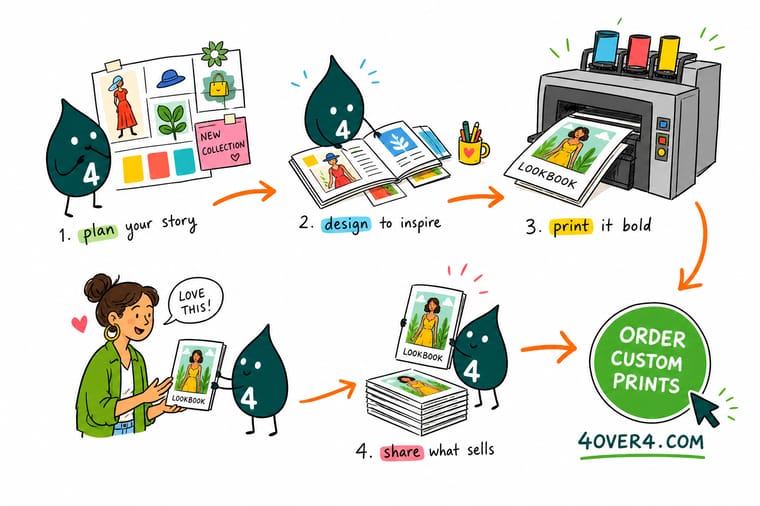
Wally folds one sheet and gets four pages, which is why your lookbook is 20 pages and not 18. Up to about 48 pages he staples through the fold, the book opens flat, and a photo runs across the spread without losing anything. Thicker than that and the fold goes fat, so he trims the block square and glues it into a cover with a real spine to print on. That spine costs you half an inch of inside edge, so keep the faces away from the gutter.
Configure booklets and catalogs →Specs and pricing
Page counts, sizes and starting prices
Compare the three bindings a lookbook is normally printed as, with live configuration choices and starting prices straight from the 4OVER4.COM configurator.
Print it
Order the book the collection deserves
Explore more
Where to go next
By the numbers
Bound printing you can count on at 4OVER4
Common Questions
Your lookbook printing questions, answered
How many pages should a lookbook be?
Between 16 and 32 pages covers most seasonal collections at one look per spread, plus a cover, a short intro page and a contact page at the back. The number has to be a multiple of four if the book is saddle stitched, because every folded sheet produces four pages, so 18 pages is not a thing a printer can make and it becomes 20. Going from 20 to 24 pages adds one sheet per book, which is the cheapest upgrade in the whole job compared with changing the size or the stock.
Should a lookbook be saddle stitched or perfect bound?
Saddle stitch under about 48 pages, perfect binding above it. Saddle stitch is cheaper, opens almost flat, and lets a photograph run across the fold with very little loss, which suits an image-led book. Perfect binding glues the pages to a flat spine, so the brand name is readable when the book sits in a stack on a buyer desk, and it holds a thick book square. The cost of that spine is that the book will not lie open flat and the inside edge of every page disappears into the glue.
What paper should a lookbook be printed on?
Coated book text for the inside pages and a heavier coated cover stock for the outside. Gloss text lifts colour saturation and is the standard for catalogs. Silk or matte text sits calmer, does not throw glare back under shop lighting, and photographs cleanly, which is why most fashion and interiors books use it. Uncoated text dulls the images noticeably, so pick it only when the raw look is the point. Order free samples and hold the two finishes under your own lighting before you commit a full run.
What size is a lookbook?
Portrait 8.5 by 11 inches is the workhorse and the cheapest per page because it fits the press sheet efficiently. A 5.5 by 8.5 book is easy to hand out at a trade show and cheap to mail. Square formats read as editorial and give a photograph the same room in both directions, which is why they turn up on fashion books, and square booklets carry a small premium because the shape leaves more waste on the sheet.
How much does lookbook printing cost?
At 4OVER4.COM standard booklets start at $240.55 and a perfect bound book starts at $375.05, with square booklets and photography booklets starting at $240.55. Price moves with three things: page count, quantity, and stock. Quantity moves it hardest, because the setup is spread across the run, so 500 copies are nowhere near five times the price of 100.
How do I set up the file for a lookbook?
Supply a single PDF with the pages in reading order as single pages, not as spreads, because the printer imposes them. Add an eighth of an inch of bleed on every side, keep type at least a quarter inch inside the trim, and give the inside edge more room than that if the book is perfect bound. On a thick saddle stitched book the inner pages creep outward and lose a little of the outer margin at trim, so nothing important should sit tight to the fore edge.
Get Started
Ready to put the collection on paper?
Pick the trim size, set the page count in fours, choose stitched or glued, and we print a book buyers keep on the desk instead of in the recycling.
Legal Disclaimer
Gold Standard guarantees apply to all standard orders placed through 4over4.com. Price match requires verifiable proof of a competitor's published price for an equivalent product with matching specifications and turnaround time. Satisfaction guarantee covers manufacturing defects and print quality issues. Contact support with order number and documentation. On-time delivery rate based on tracked orders 1999 to 2026. Individual results may vary based on shipping carrier performance.
