
Catalogs Vs Booklets Vs Perfect Bound Books


Emma is our prepress and print production voice, built from the knowledge of our production team, with over 20 years in printing.
Two of these name a binding, one names a job, and the choice follows your page count and how you want it to feel. Page count, spine, lay-flat, cost, and use separate saddle-stitched booklets, product catalogs, and perfect-bound books.
Print a saddle-stitched booklet or catalog for anything under about 48 pages, and a perfect-bound book once you pass 60. Booklets and thin catalogs are folded and stapled, start around $240.55, open nearly flat, and mail light, which makes them the value pick for programs, menus, and short product guides. Perfect-bound books have a glued square spine you can print a title on, handle 60 to 200-plus pages, and start around $375.05, which makes them the pick for thick catalogs, magazines, and keepsakes. A catalog is simply the job you print either way, decided by page count.
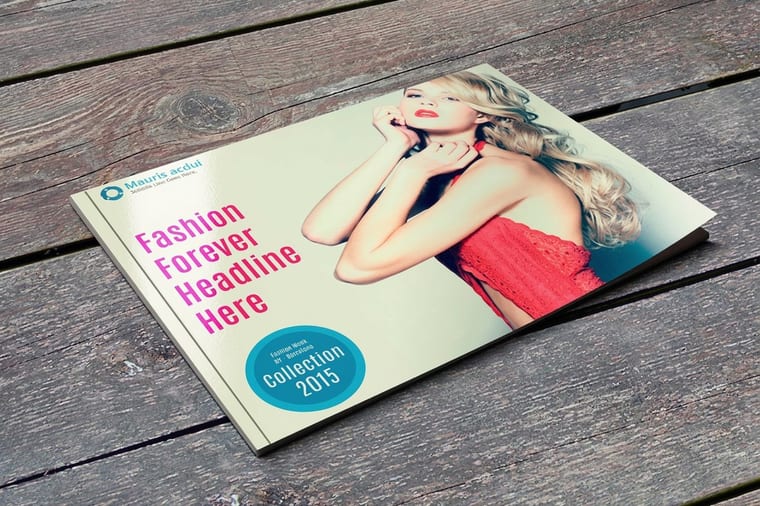
Order it
Already know you need a perfect bound booklet? Price it now
Perfect-bound books start around $375.05 and take 60 to 200-plus pages with a glued square spine you can print a title on. Saddle-stitched booklets and catalogs start around $240.55 and cover anything under about 48 pages. Set page count, size, stock, and quantity on the product page and the price updates as you change them, so you can test 64 pages against 80 before you commit.
Head to head
Catalogs vs booklets vs perfect-bound books at a glance
The fastest way to choose is to read down the column that matches your page count. Thin and flat leans booklet, deep and shelf-worthy leans perfect bound, and a catalog picks whichever binding fits. Booklets and catalogs both start at $240.55 for 25, which is $9.62 each.
| Catalogsthe job | Bookletsvalue | Perfect boundpremium | |
|---|---|---|---|
| Best for | Product listings, lookbooks, and price guides of any length | Programs, menus, short catalogs, and manuals under ~48 pages | Thick catalogs, magazines, and premium books of 60+ pages |
| Binding | Saddle stitch or perfect bound, chosen by page count | Saddle stitch, folded and stapled at the spine | Perfect bound, glued square spine like a paperback |
| Page range | Any, from a slim 8-page flyer to a 200-page book | Roughly 8 to 48 pages, in multiples of 4 | About 60 pages and up, in multiples of 2 |
| Spine | Depends on the binding you pick | No printable spine, just a folded edge | Flat, printable square spine with room for a title |
| Lays flat | Depends on the binding | Opens nearly flat across the spread | Holds a square shape, opens a little less flat |
| Feel | From light flyer to substantial book | Light, flexible, easy to mail | Heavy, premium, keepsake shelf presence |
| Starts at | $240.55 | $240.55 | $375.05 |
| Order online | Customize catalogs | Customize booklets | Customize books |
Saddle stitch runs in multiples of 4 pages and tops out around 64. Perfect binding runs in multiples of 2 and carries 60 to 200-plus. Page count is a binding decision as much as a design one.
Our picks
Three ways to bind this at 4OVER4
The saddle-stitched catalog, the everyday booklet, and the perfect-bound book. A perfect-bound book starts at 10 copies for $375.05.
The real distinction: two bindings and one job
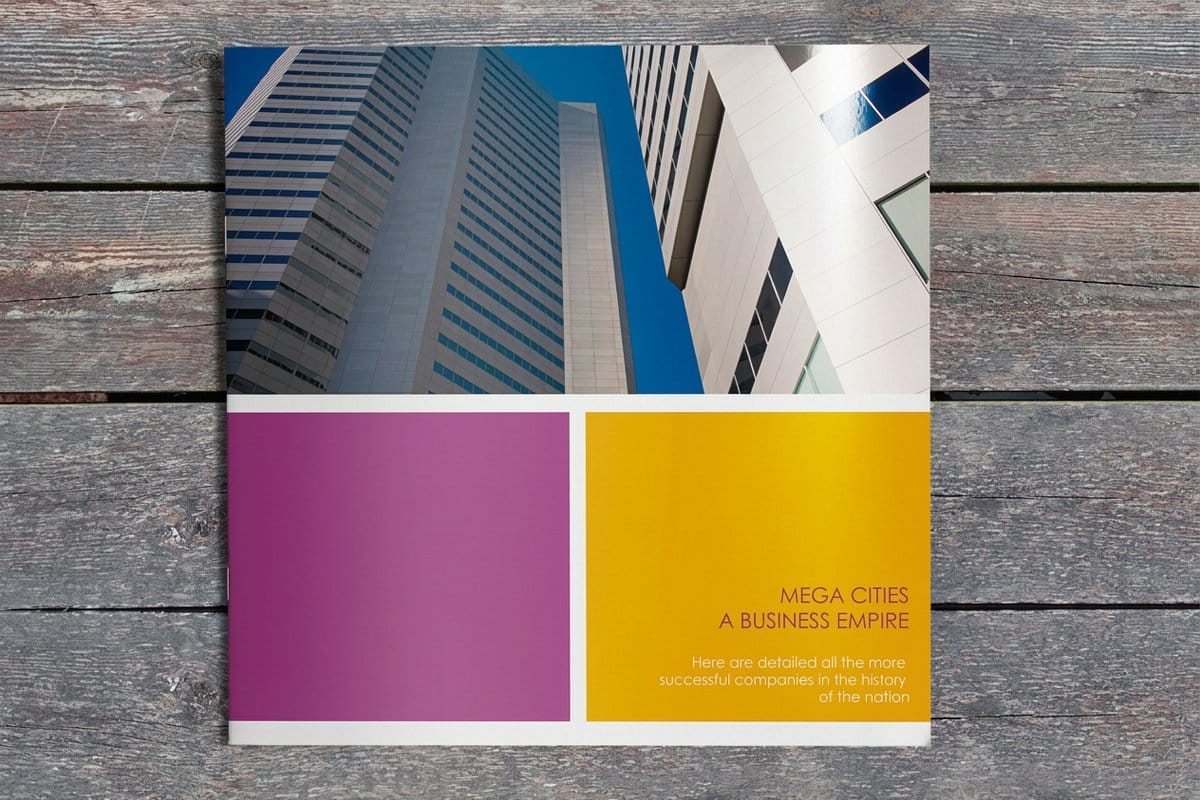
The names trip people up because they mix two different ideas. A booklet and a perfect-bound book both describe how the pages are held together. A booklet is folded and stapled through the spine (saddle stitch). A perfect-bound book has its pages glued into a flat, square spine, the same way a paperback is built. Those are binding methods, nothing more.
A catalog is not a binding at all. It is a job: a bound set of pages that shows off products, prices, or a collection. You can print that job as a saddle-stitched booklet when it is thin, or as a perfect-bound book when it is thick. Both live in booklets and catalogs printing, and the case for a bound catalog over a loose sheet is laid out in our service catalogs guide.
So the honest way to read this comparison is simple: pick the binding that fits your page count and the feel you want, and the catalog takes care of itself. The full mechanics of each method are in our binding types guide, and any term you hit is defined in the printing terms glossary.
Page count decides more than anything else

Page count is the first and biggest fork. Saddle stitch works beautifully from 8 pages up to about 48, and can stretch toward 64 on thin text stock. Past that, the folded signatures bulk at the spine and the inner pages creep outward, so the piece stops sitting flat and trims unevenly. That ceiling is exactly why standard booklets are the pick for shorter pieces.
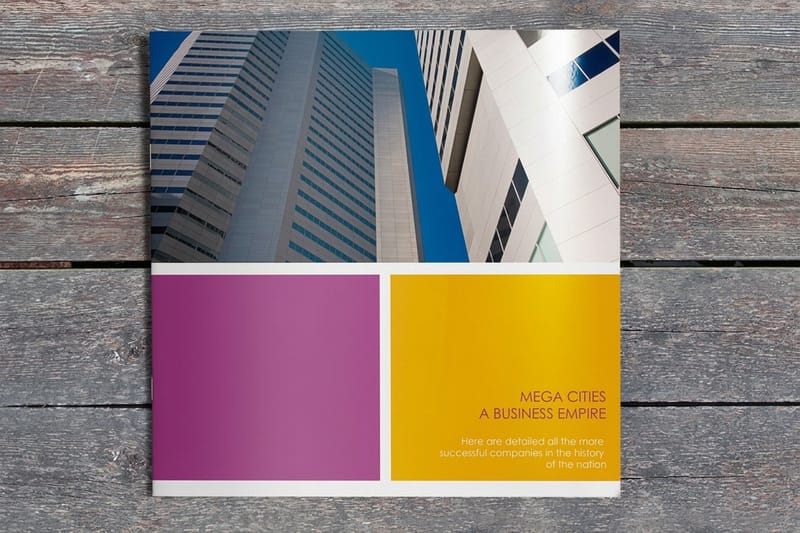
Perfect binding picks up where saddle stitch runs out. Glue the pages into a square spine and you can carry 60, 120, even 200-plus pages without the block fighting you. That is why thick product masters, manuals, and magazines almost always land on a perfect-bound book, where the extra pages read cleanly instead of ballooning at the fold.
Before you commit, lay the pages out and count them for real. Our online designer and ready-made design templates let you build the spread in the browser and see the exact page count, and free paper samples let you feel the cover and text stock in hand before you order a full run.
The spine, the lay-flat, and the feel
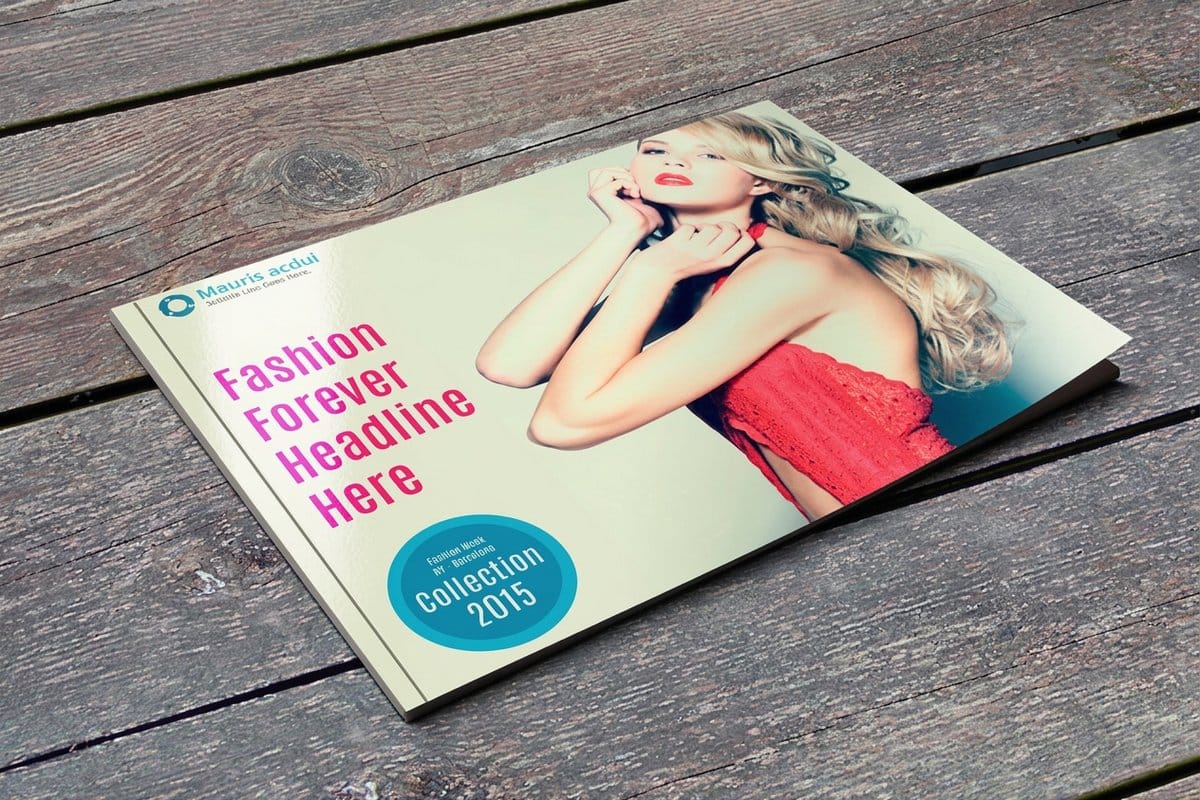
The spine is the clearest tell. A perfect-bound book has a flat, printable spine, so you can print a title that reads on a shelf, which matters for anything people file, reference, or keep. A saddle-stitched booklet or catalog has only a folded edge, with no spine to print. If your piece needs to be stored by name, that detail alone can decide the binding, as the binding types guide spells out.
Lay-flat is the trade running the other way. Saddle stitch opens almost flat across the spread, which is friendly for step-by-step manuals, menus, sheet music, and photo layouts that cross the gutter. Perfect binding holds its square shape and opens a little less flat near the spine. Neither is better in the abstract, they just serve different reading jobs.
Feel is the last piece. A booklet is light and flexible and slips into an envelope, while a perfect-bound book has heft and a keepsake quality that signals it is worth holding onto. The finish you print on either, glossy or matte cover stock, shifts the hand feel as much as the binding does, which our glossy vs matte guide breaks down.
Perfect bound booklet specs: page counts, spine width, and cover stock

A perfect bound booklet needs enough paper for the glue to grab. Below about 48 pages there is not enough bulk to form a square spine that holds its shape, so that range stays saddle stitched, and from 60 pages up to 200-plus the glued spine is the right build. Count the interior in multiples of 2, since every sheet carries two pages, and count the cover separately from that interior total when you set the page count on perfect-bound book printing. That single number drives everything else about the job.
Spine width is arithmetic, not a guess: interior page count divided by 2, times the caliper of one interior sheet. The same page count on a heavier text stock gives you a wider spine, and a wider spine changes the cover artwork, so choose the interior stock first, then build the cover as one flat spread with front, spine, and back in a single file. If you add pages or switch stock after the cover is drawn, redraw the spine panel to match, otherwise the front art wraps around the corner and the title sits off center.
The cover prints on a heavier stock than the interior and takes a glossy or matte coating, which shifts the hand feel as much as the binding does, as the glossy vs matte guide covers. For spine text, center the title and leave clearance on both sides rather than running type out to the folds, because the glue-up can shift a hair and type sitting on the edge is where that shift shows. Near the 60-page floor the spine is too narrow to carry readable type, so save the shelf title for the thicker books. The binding types guide walks through the file setup, and you can set page count, size, stock, and quantity on the product page to watch the price move from $375.05.
Cost and quantity: what each one does to your budget

On raw print cost the booklet wins. A run of standard booklets or a saddle-stitched catalog starts around $240.55, because folding and stapling is fast and uses less material than a glued spine. That efficiency is the reason the format is the default whenever the page count is modest and the budget is real.
A perfect-bound book starts around $375.05, and the gap is not markup, it is materials and labor: the glued square spine, the heavier cover, and the extra binding step. You are paying for a more finished object, which is fair when the object itself is meant to last and to feel substantial.
Both prices are live, not guesses. Set your page count, size, stock, and quantity in the configurators below and watch the number move. Quantity is the biggest lever on unit price, so a longer run drops the per-piece cost on every one of these formats. Browse the full range in booklets and catalogs printing to compare stocks side by side.
Which one to use for a catalog, specifically
Since a catalog can go either way, let page count cast the deciding vote. A 16 to 40 page seasonal flyer, a restaurant menu, or a short line sheet is a saddle-stitched catalog: light, cheap to mail, and quick to turn around. That is the sweet spot the service catalogs approach is built around.
A 64-page product master, a full seasonal lookbook, or a wholesale price book is a perfect-bound catalog, where the square spine keeps hundreds of SKUs organized and gives you a title to file it by. When your line runs deep, retail catalogs printed as a bound book hold up to repeated browsing far better than a thick stack of stapled pages.
Between roughly 48 and 64 pages either build is defensible, so let the life of the piece decide. A perfect binding booklet costs more per copy, from $375.05 against $240.55 for saddle stitch (our guide to 4 page booklet costs shows the smallest build), and it earns that back when the catalog sits on a buyer's desk for a whole season instead of going out with the recycling after one mailing. Perfect bound catalogs also reorder better, because a printed spine title gets found again on a shelf, while a stapled one has to be mailed a second time to be seen.
Either way the goal is the same: make the products easy to browse and easy to reorder from. If you are weighing the two catalog routes head to head, the booklets vs catalogs breakdown goes deeper on the product-listing side and helps you set the page count before you pick a binding.
How to choose in one minute
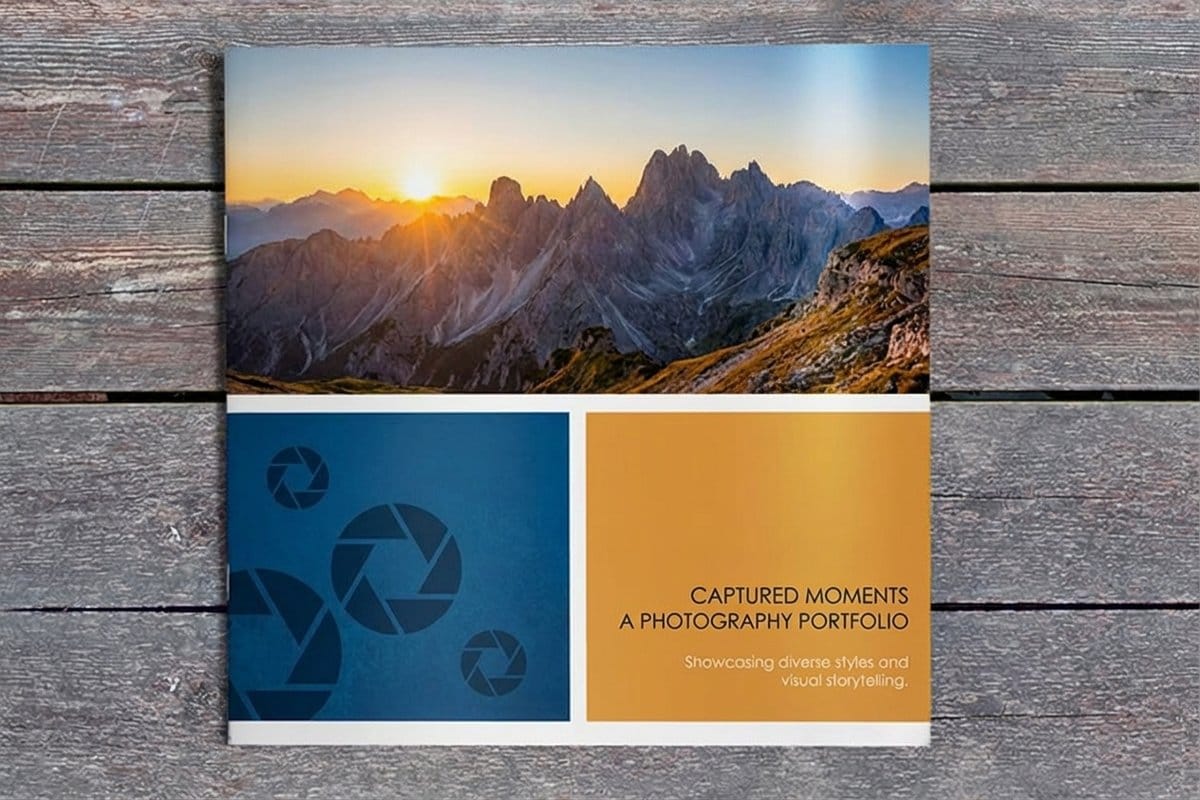
Reach for a booklet or saddle-stitched catalog when your piece is under about 48 pages, budget and mailing weight matter, and you want spreads that open flat. Programs, menus, short catalogs, and manuals all live here. Browse the options in booklets and catalogs printing.
Reach for a perfect-bound book when you have 60-plus pages, you want a printable spine and a stiff edge, and the piece is meant to be kept or shelved. Thick catalogs, magazines, annual reports, and lookbooks belong here. See the full range in books printing.
Still deciding on the catalog itself? Let the page count call it: thin and flexible goes saddle stitch, thick and shelf-worthy goes perfect bound. The binding types guide walks through both so your file prints clean and binds right the first time.
Wally sorts the stack
It is not which binding is best, it is how many pages you are holding
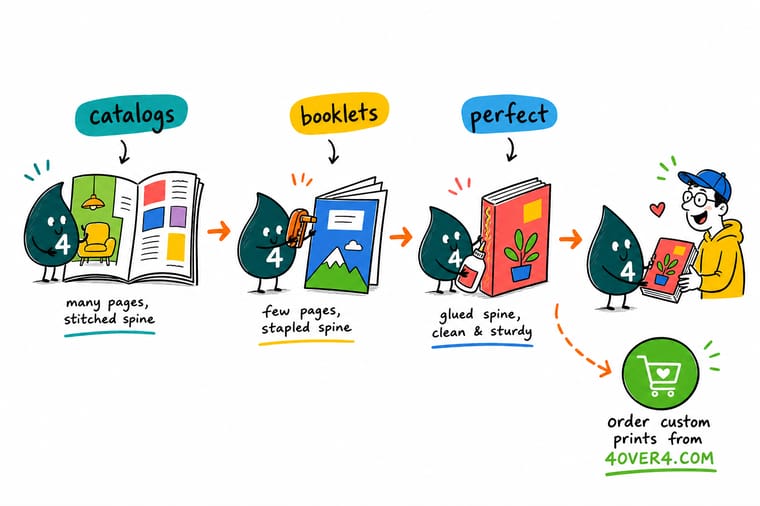
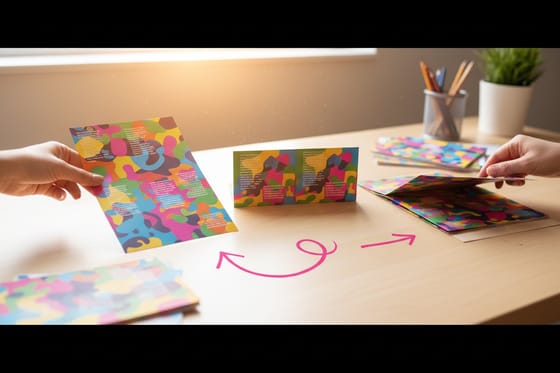
Wally sets a thin booklet, a product catalog, and a thick perfect-bound book on the counter and taps each one. Under about 48 pages? The saddle-stitched booklet is lighter, cheaper, and opens flat. Past 60 pages, or you want a title on the spine? The glued square spine of a perfect-bound book carries it. A catalog is whichever one your page count points to. Count the pages first, then let 4OVER4 bind it clean on the size and stock you choose.
Start with catalogs →
The trade-offs
What each format gives you, and what it asks in return
No binding is free of compromise. Weigh the upside against the trade-off for the piece you actually need to print.
Catalogs
Where catalogs win
- Flexes to any length by switching the binding
- Built to show products, prices, and collections clearly
- Thin runs mail light at booklet pricing
- Scales from an 8-page flyer to a 200-page master
- Reorder-friendly layout keeps SKUs organized
Where they ask a trade
- You still have to pick a binding by page count
- A thick catalog inherits perfect-bound cost
- Not a keepsake unless you build it as a book
Booklets
Where booklets win
- Lowest cost per piece of the three
- Opens nearly flat across every spread
- Light and flexible, easy to mail
- Fast to fold, stitch, and turn around
- Ideal from 8 to about 48 pages
Where they fall short
- No printable spine, just a folded edge
- Bulks and creeps past roughly 64 pages
- Less premium heft than a bound book
Perfect-bound books
Where perfect binding wins
- Flat, printable square spine for shelf titles
- Handles 60 to 200-plus pages with ease
- Premium, keepsake feel people hold onto
- Clean, professional edge like a paperback
- The right home for thick catalogs and magazines
Where it falls short
- Higher starting price than a booklet
- Opens a little less flat than saddle stitch
- Overkill for a short, thin piece
Live options
Compare real booklet, catalog, and book options
Three tables: saddle stitched catalogs and booklets from 25 for $240.55 with 8 to 60 pages in 7 business days, and perfect bound books from 10 for $375.05 with 40 to 300 pages in 5. Each row lists its own stock, size and turnaround before you pick a binding.
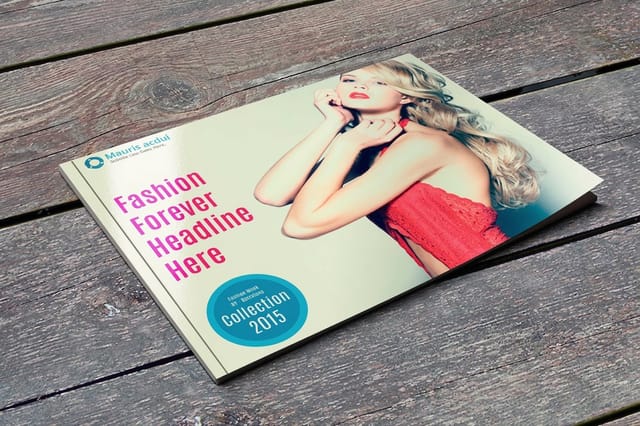 Catalog Printing | |
|---|---|
| Min price | $240.55 |
| Paper / stock | 100# Gloss Text |
| Size | 5.5" x 8.5" |
| Default qty | 25 |
| Turnaround | 7 business days |
| Rating | |
| View & customize |
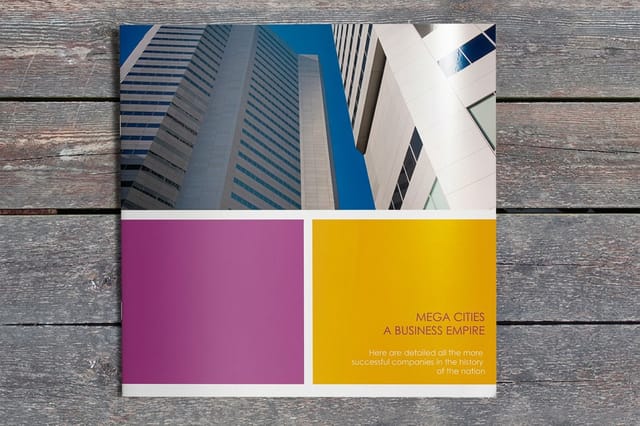 Standard Booklets | |
|---|---|
| Min price | $240.55 |
| Paper / stock | 100# Gloss Text |
| Size | 5.5" x 8.5" |
| Default qty | 25 |
| Turnaround | 7 business days |
| Rating | |
| View & customize |
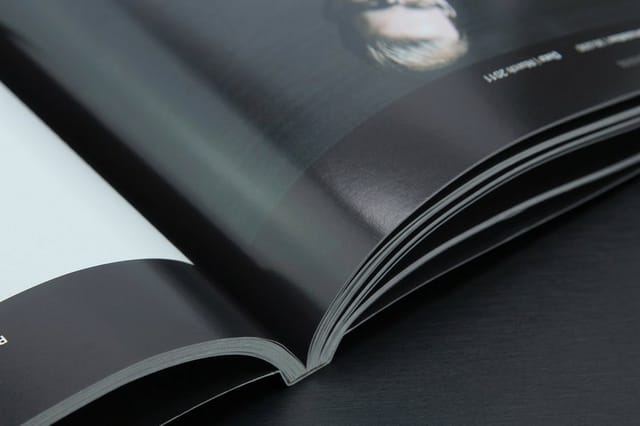 Perfect Bound Book | 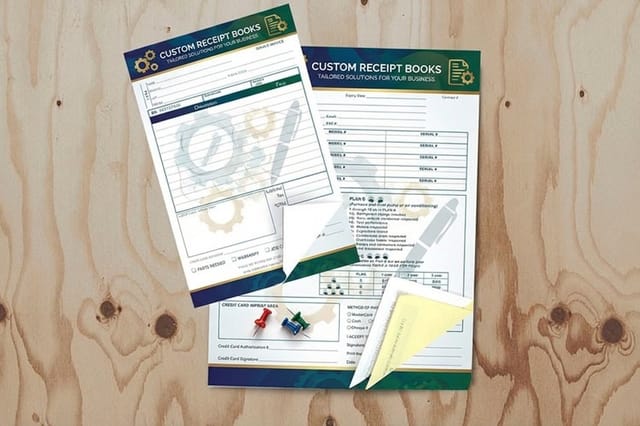 Custom Receipt Books | Standard Booklets | 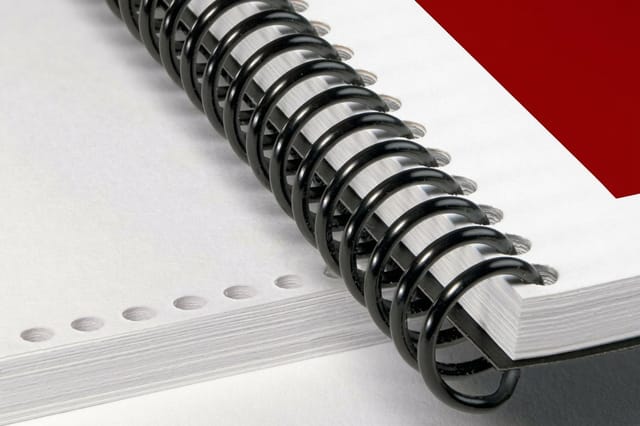 Spiral Coil Books | 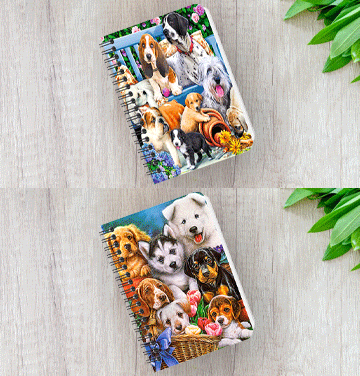 3D Lenticular Notebooks | |
|---|---|---|---|---|---|
| Min price | $375.05 | $120.82 | $240.55 | $423.28 | $763.37 |
| Paper / stock | 14pt Gloss Cover | 2 Part (White/Canary) | 100# Gloss Text | 14pt Gloss Cover | 31pt 3D Lenticular |
| Size | 5.5" x 8.5" | 5.5" x 8.5" | 5.5" x 8.5" | 5.5" x 8.5" | 4.25" x 5.5" |
| Default qty | 10 | 100 | 25 | 10 | 50 |
| Turnaround | 5 business days | 5 business days | 7 business days | 5 business days | 22 business days |
| Rating | |||||
| View & customize | View & customize | View & customize | View & customize | View & customize |
Specs and pricing
Live specs and pricing, side by side
When you have narrowed the choice, size, page count, and stock are what is left. Here are the live specs and price-per-unit for catalogs, booklets, and perfect-bound books at 4OVER4.COM.


| Quantity | Price Per Unit | Total |
|---|---|---|
| 25 | $9.62 | $240.55 |
| 50 | $6.04 | $302.06 |
| 100 | $3.61 | $361.37 |
| 200 | $2.22 | $444.85 |
| 300 | $1.65 | $495.38 |
| 400 | $1.29 | $515.14 |
| 500 | $1.06 | $531.61 |
| 600 | 91.5¢ | $549.19 |
| Quantity | Price Per Unit | Total |
|---|---|---|
| 25 | $9.62 | $240.55 |
| 50 | $6.04 | $302.06 |
| 100 | $3.61 | $361.37 |
| 200 | $2.22 | $444.85 |
| 300 | $1.65 | $495.38 |
| 400 | $1.29 | $515.14 |
| 500 | $1.06 | $531.61 |
| 600 | 91.5¢ | $549.19 |
| Quantity | Price Per Unit | Total |
|---|---|---|
| 10 | $37.51 | $375.05 |
| 15 | $27.86 | $417.92 |
| 20 | $23.04 | $460.78 |
| 25 | $20.15 | $503.65 |
| 30 | $18.22 | $546.51 |
| 40 | $15.54 | $621.52 |
| 50 | $14.57 | $728.68 |
| 60 | $13.93 | $835.83 |
The verdict
So which should you print?
There is no single winner here, because they are not really competing for the same job. Score each one on the turf it was built for and the choice makes itself: booklets own cost and lay-flat, perfect binding owns page count and spine, and a catalog rides whichever binding its page count picks. The ratings below follow page count and how the piece is meant to be kept.
Catalogs, for product listings
The flexible pick. A catalog bends to any length by choosing its binding, so it is the right answer whenever the job is showing products and the page count is still moving.
Booklets, for short runs and budget
The value pick. Under about 48 pages, a saddle-stitched booklet is the cheapest, lightest, flattest-opening way to bind a set of pages. Hard to beat for programs and menus.
Perfect-bound books, for page count and feel
The premium pick. Once you pass 60 pages or want a printable spine and real heft, perfect binding is the clear call for catalogs, magazines, and books built to keep.
Still torn on a catalog that sits right between the two? Let the page count call it, and read the booklets vs catalogs breakdown for the product-listing side in full.

Explore more
Where to go next

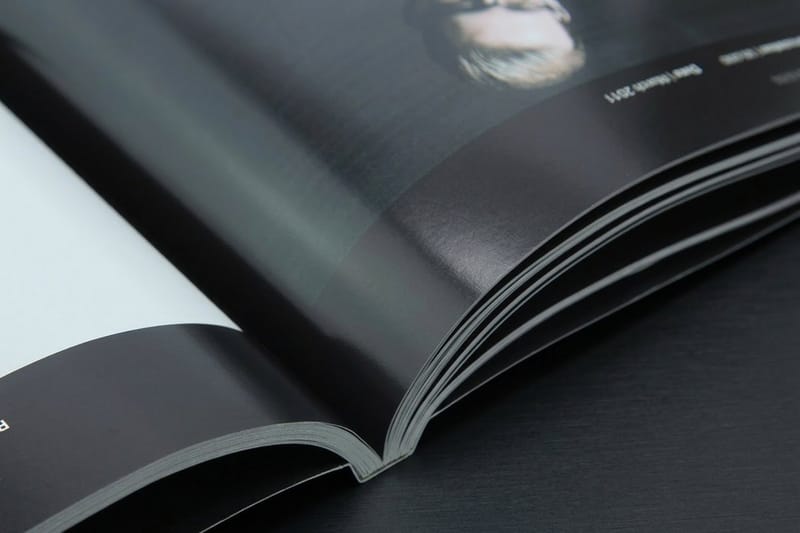

By the numbers
Bind any of the three with a shop you can count on
Common Questions
Common questions about catalogs, booklets, and books
What is the difference between a booklet and a perfect-bound book?
The difference is how the pages are held together. A booklet is saddle stitched: the sheets are folded in half and stapled through the spine fold, which keeps it light and lets it open nearly flat. A perfect-bound book has its pages glued into a flat square spine, the way a paperback is built, which gives it heft, a printable spine, and the strength to carry far more pages. Booklets are the pick for shorter pieces, perfect binding for thick ones.
Is a catalog a booklet or a book?
A catalog is neither and both. The word describes the job, a bound set of pages that shows off products, prices, or a collection, not the binding. You print a catalog as a saddle-stitched booklet when it is thin, and as a perfect-bound book when it is thick. So the honest way to plan a catalog is to count your pages first, then pick the binding that fits.
How many pages before I need perfect binding instead of saddle stitch?
Saddle stitch works comfortably from 8 up to about 48 pages, and can stretch toward 64 on thinner text stock. Past that, the folded signatures bulk at the spine and the inner pages creep, so the piece stops lying flat and trims unevenly. Once you are consistently over 60 pages, or you want a square spine, perfect binding is the better call. It handles 60 to 200-plus pages without fighting you.
Which is cheaper, a booklet or a perfect-bound book?
The booklet, in almost every case. Standard booklets and saddle-stitched catalogs start around $240.55, because folding and stapling is fast and uses less material. A perfect-bound book starts around $375.05, and the difference is not markup: it is the glued spine, the heavier cover, and the extra binding step. Both prices are live in the configurator, so quantity, size, page count, and stock all move the number in real time.
Do booklets and catalogs lay flat when open?
Saddle-stitched booklets and thin catalogs open almost flat across the spread, which is why they suit step-by-step manuals, menus, sheet music, and photo layouts that cross the gutter. A perfect-bound book holds its square shape and opens a little less flat near the spine, the trade you make for a clean edge and a printable spine. If lay-flat matters more than page count, lean toward saddle stitch.
Can I print a title on the spine of my catalog?
Only if it is perfect bound. The flat, glued spine of a perfect-bound book gives you a surface to print a title, so it reads on a shelf and files neatly with others. A saddle-stitched booklet or catalog has only a folded edge with no printable spine. If your catalog needs to be stored, referenced, or shelved by name, that alone can decide the binding.
Get Started
Print 25 booklets from $240.55 or 10 perfect-bound books from $375.05
Bring your file to 4OVER4.COM and print a catalog, a booklet, or a perfect-bound book on the size, page count, and stock that fits the job. Booklets and catalogs run 7 business days, perfect-bound books 5.
Legal Disclaimer
Gold Standard guarantees apply to all standard orders placed through 4over4.com. Price match requires verifiable proof of a competitor's published price for an equivalent product with matching specifications and turnaround time. Satisfaction guarantee covers manufacturing defects and print quality issues. Contact support with order number and documentation.
