
Cardstock vs Paper Stock, Paper Materials Explained


Emma is our prepress and print production voice, built from the knowledge of our production team, with over 20 years in printing.
Stock is the printer’s word for paper, and cardstock is just its heavyweight cousin. Here is what separates the two, how weights and finishes work, and which stock to reach for whether you are printing a business card or a flyer.
Paper stock is any paper a printer runs. Cardstock is the thick, rigid grade of that same family. The line sits around 80 lb cover, about 216 gsm. Below it, paper folds and flexes like a flyer. Above it, cardstock holds its shape like a business card. Weight is measured in pounds or gsm, caliber in points, and finish, gloss to soft-touch, decides the feel.
Quick answer
The short version of cardstock vs paper stock
Every cardstock is a paper stock, but not every paper stock is cardstock. Paper stock is the general term for any sheet a press runs, split into lighter text weight for flyers and brochure pages, and heavier cover weight for cards. Cardstock is that cover-weight branch: thick, rigid, and built to hold its shape. The practical line is roughly 80 lb cover, about 216 gsm. Weight is written in pounds or gsm, thickness in points, where one point is a thousandth of an inch, and finish, from gloss to matte to soft-touch, sets the feel. Pick cardstock for anything handled or standing on its own, and text weight for anything read and set down.
Order in the right stock
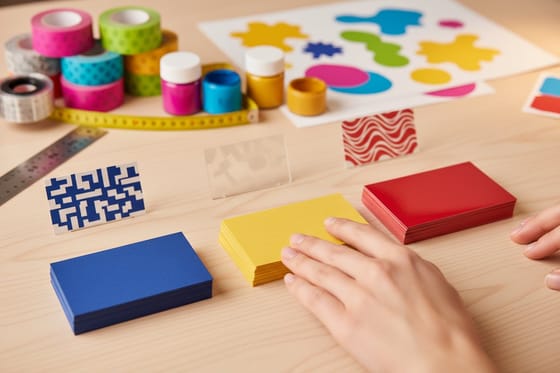
Three business card stocks to feel the difference
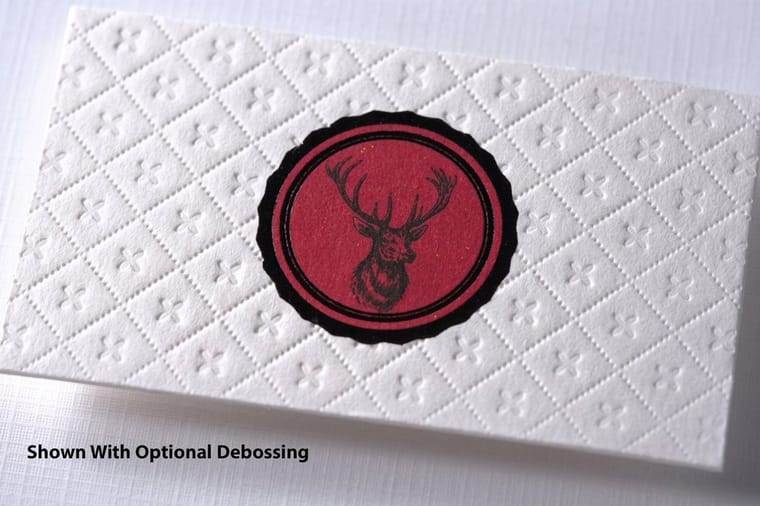
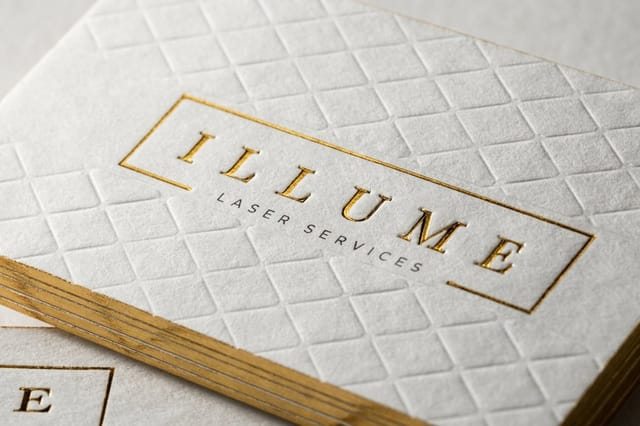
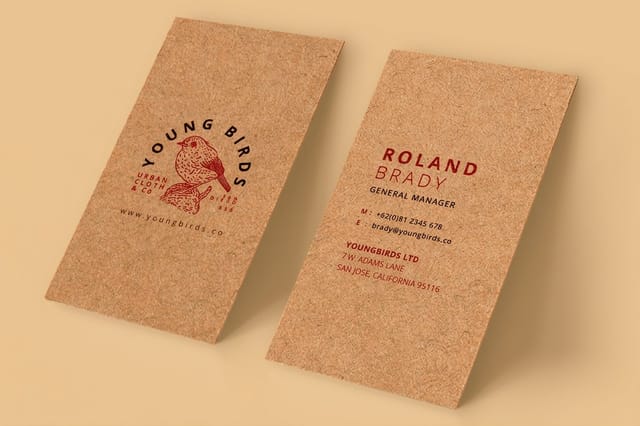
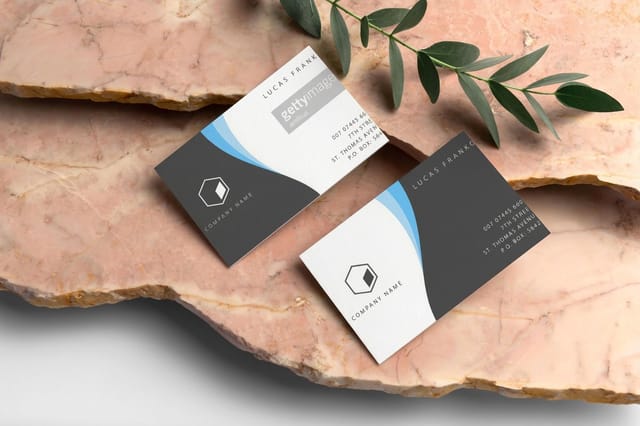
The same design reads three ways: 45pt cotton from 250 for $328.42 in 15 business days, 18pt kraft uncoated cover made from 100 percent post-consumer recycled fiber from 100 for $24.75 in 5 business days, and 14pt gloss classic cards from 100 for $17.57 in 3 business days. Each one is printed in-house so the finish is exactly what you order.
What is paper stock?
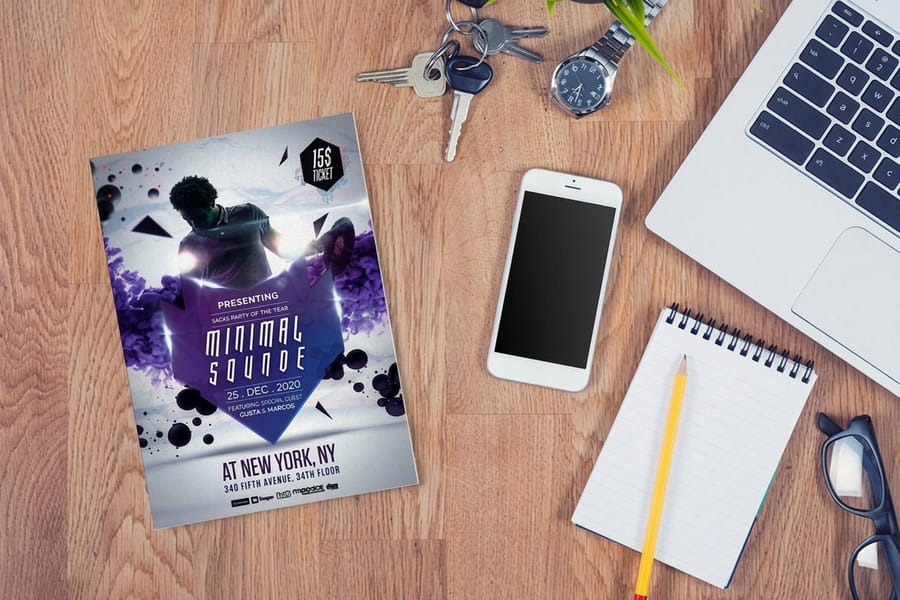
Paper stock is simply the paper a print job runs on. In a print shop, nobody asks for the paper, they ask for the stock, and the word covers everything from a whisper-thin flyer sheet to a rigid card you could deal like a playing card. When a printer says a job runs on 100 lb gloss text or 16pt cardstock, that is the stock talking.
Stocks split into two broad families. Text weight is the lighter, more flexible paper behind flyers, brochure pages, letterhead, and newsletters. It folds without a fight and prints cheaply in volume, which is exactly why a run of Flyers lands on it. Cover weight is the heavier, stiffer paper you meet as cardstock, the subject of the next section.
Weight itself is written in pounds or in gsm, grams per square meter. The catch with pounds is that the number is tied to a parent-sheet size that differs between text and cover grades, so an 80 lb text and an 80 lb cover are not the same thickness at all. That is why 80 lb gloss book paper feels like a flyer while an 80 lb cover feels like a card. If the jargon starts stacking up, the printing terms glossary keeps the definitions in one place.
What is cardstock?
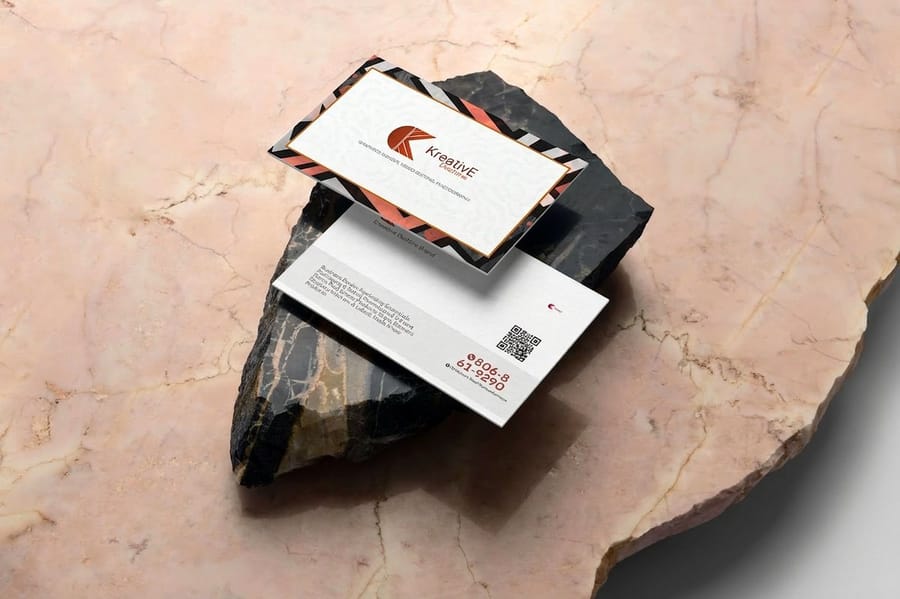
Cardstock is the heavyweight branch of the paper-stock family. It is a thick, rigid grade of cover paper, usually a single ply, built to hold its shape rather than flop over when you pick it up. Business cards, postcards, invitations, and tent cards all live here because each one has to survive handling and, in the case of a card, stand up to a wallet.
With cardstock, thickness gets its own measurement: points, sometimes written as pt or mil, where one point equals a thousandth of an inch. A 14pt card is 0.014 inches thick. Most everyday cards sit at 14pt to 16pt, our Classic Business Cards among them, while premium grades climb to 18pt, 32pt, and beyond. Our Cotton Business Cards reach that luxury end with a soft, substantial feel, and Kraft Business Cards deliver a natural uncoated texture that still takes a stamp. The classic business cards video and the kraft business cards video show both stocks in hand.
The practical dividing line between cardstock and ordinary paper sits around 80 lb cover, roughly 216 gsm. Below it you are folding paper. Above it you are handling a card. For a deeper look at the numbers, the business card thickness chart lines up every common weight, and the right cardstock guide matches grades to projects.
The kinds of cardstock you will meet at a printer
Weight tells you how stiff a cardstock is. The kind tells you how it looks and feels, and a printer's menu sorts into five.
- Coated cardstock has a clay surface that holds ink sharp and bright. Gloss coated makes photos pop, matte coated reads calm and takes a pen. Most 14pt and 16pt cards, our Classic Business Cards among them, are coated.
- Uncoated cardstock has no surface treatment, so it feels like heavy writing paper and absorbs ink a little. It suits stationery, tent cards, and anything people write on.
- Kraft cardstock is uncoated and brown, made with unbleached fiber. Colors print darker on it, which is the look natural brands want.
- Cotton cardstock replaces some or all of the wood pulp with cotton fiber for a soft, thick sheet that carries letterpress and foil beautifully.
- Laminated cardstock is a coated sheet with a plastic film bonded on top, in gloss, matte, soft-touch, or velvet. The film adds thickness, wipes clean, and resists creasing.
Pick the kind by the job first, then the weight. Free paper samples at 4OVER4.COM let you feel all five before you order.
Weights and finishes
Two things decide how a stock feels in the hand: how heavy it is and how it is coated. Weight and caliber cover the first. Here is the ladder most jobs climb, from lightest to heaviest.
- 80-100 lb text (118-148 gsm): the flyer and brochure range. Light, foldable, economical for volume. See the best paper weight for flyers for where each grade lands.
- 80-100 lb cover (216-270 gsm): the entry to cardstock. Postcards, folders, and lighter cards.
- 14pt-16pt (about 100-120 lb cover): the workhorse business card range, rigid and crisp.
- 18pt and up (32pt+ for triple-layer): premium, luxury cards that announce themselves by weight alone.
If you are converting between the two systems, this is the cardstock ladder in pounds, grams and points.
| Cover weight | gsm | Caliber | How it behaves |
|---|---|---|---|
| 65 lb cover | 176 gsm | about 8pt to 9pt | Light card. Fine for tags, tent cards and craft work, too soft for a business card. |
| 80 lb cover | 216 gsm | about 10pt to 11pt | The first weight that reads as a card. Postcards, folders, lighter invitations. |
| 100 lb cover | 270 gsm | about 12pt to 14pt | The everyday business card and postcard weight, stiff with a clean snap. |
| 110 lb cover | 298 gsm | about 14pt to 15pt | Heavier in the hand. Menus, premium mailers, invitations that need presence. |
| 130 lb cover | 352 gsm | about 16pt to 18pt | Thick and rigid, the weight people comment on when you hand it over. |
Weight and caliber measure different things, which is why the point figure shifts with how bulky a sheet is: two 100 lb cover stocks can land a point apart if one is bulked and the other is calendered flat. Read gsm when you want the honest weight, points when you need a known thickness.
Finish is the other half of the equation, and it changes the feel as much as any weight jump. A gloss coat makes color pop and resists fingerprints. A matte finish reads calm and modern and is easy to write on. Soft-touch adds a velvety, almost suede hand that people notice instantly. Uncoated and kraft stocks stay raw and tactile, ideal when the brand leans natural. The same ink on gloss versus matte can look like two different colors, which is worth remembering alongside your color mode setup. The finish guide walks through each option, and for multi-page pieces the brochure paper guide covers the fold-friendly grades.
Which stock to pick
Work backward from the product and the choice makes itself. Start with what the piece has to do, then set the weight, then choose the finish last.
If it stands on its own or gets handled, choose cardstock. Business cards, postcards, tent cards, and invitations all need the rigidity. A 14pt to 16pt coated stock is the safe default for cards. Push to cotton or a soft-touch when you want the piece to feel expensive, or drop to uncoated kraft when texture is the point.
If it gets read and set down, choose text weight. Flyers, brochure pages, and letterhead run cheaper and fold easier on 80 to 100 lb text. Spend the budget on quantity and distribution instead of thickness.
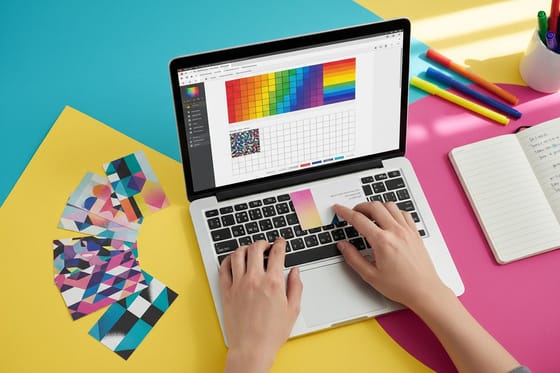
When you are close but unsure, do two things. Lay out the piece in our online designer so you can see how the artwork sits at the real trim size, and order free paper samples so you can feel the candidate stocks in your hand before committing to a full run. Then browse the full range under business card printing or flyer printing and pick the stock with confidence.
Wally weighs the two stocks
Same family, different heavyweight class
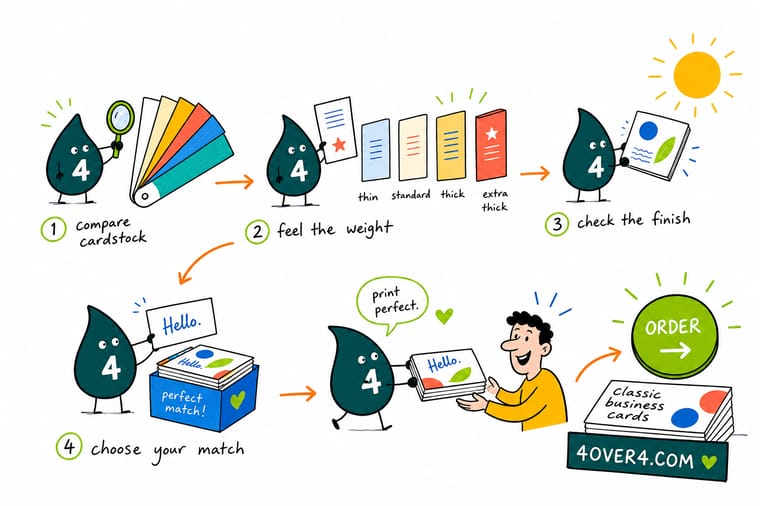
Wally pictures it like boxing weight classes: paper stock is the whole gym, and cardstock is the heavyweight division. A flyer sheet bends the second you lift it, a business card stands its ground. Everything else is just numbers, pounds or gsm for weight, points for thickness, and a finish on top. Decide what the piece has to survive, pick the stock that survives it, then order a free sample so there are no surprises when the run lands.
Shop business cards →Stock picker
Which stock for which job
Six jobs, from a 14pt everyday card and a 32pt luxury card to 80 to 100 lb text flyers and brochures, each with the weight that suits it, the reason, and the 4OVER4.COM product that prints it.
| Print project | Recommended stock | Typical weight | Why | Print it at 4OVER4 |
|---|---|---|---|---|
| Everyday business cards | 14pt-16pt coated cardstock | 100-120 lb cover | Rigid enough to hold a crisp edge and survive a wallet | Classic Business Cards |
| Premium, luxury cards | Cotton or triple-layer stock | 32pt and up | Thick, soft, and tactile the moment someone picks it up | Cotton Business Cards |
| Eco or rustic cards | Uncoated kraft | 18pt | Natural brown texture that also takes a rubber stamp | Kraft Business Cards |
| Flyers and handouts | Text-weight gloss or matte | 80-100 lb text | Cheap to print in volume and easy to fold or mail | Flyers |
| Brochures | Text-weight, scored to fold | 80-100 lb text | Folds cleanly without the ink cracking at the crease | Brochures |
| Postcards and mailers | Cover-weight cardstock | 14pt / 100 lb cover | Stiff enough to mail bare, no envelope required | Postcards |
Weights shift a little between suppliers, so treat these as a starting point rather than a rule. When a job is on the line, order free samples and confirm the stock in your hand before you print the full run.
%22%2F%3E%3Ccircle%20cx%3D%2241%22%20cy%3D%2245%22%20r%3D%2226%22%20fill%3D%22%2314b8a6%22%20opacity%3D%220.15%22%2F%3E%3Ccircle%20cx%3D%2280%22%20cy%3D%2262%22%20r%3D%2226%22%20fill%3D%22%2314b8a6%22%20opacity%3D%220.1%22%2F%3E%3Crect%20x%3D%2271%22%20y%3D%2221%22%20width%3D%2226%22%20height%3D%2232%22%20rx%3D%224%22%20fill%3D%22%2314b8a6%22%20opacity%3D%220.08%22%20transform%3D%22rotate(6%2080%2030)%22%2F%3E%3C%2Fsvg%3E)
Specs and pricing
Stock options and pricing, side by side
Classic business cards come on 74 stocks, 14pt gloss cover by default, from 100 for $17.57 in 3 business days. Flyers come on seven stocks from 70# uncoated text to 14pt cover, in nine sizes, from 50 for $39.54. The price table shows the card at every quantity.

| Quantity | Price Per Unit | Total |
|---|---|---|
| 100 | 17.6¢ | $17.57 |
| 200 | 11.5¢ | $23.07 |
| 300 | 9.15¢ | $27.46 |
| 400 | 7.96¢ | $31.86 |
| 500 | 7.25¢ | $36.26 |
| 600 | 6.77¢ | $40.64 |
| 700 | 6.43¢ | $45.04 |
| 800 | 6.18¢ | $49.43 |
See it in use
Real cards across stocks and finishes
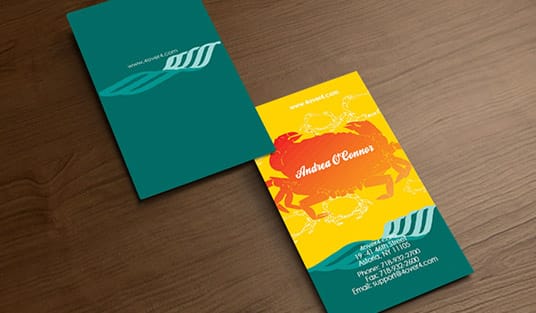
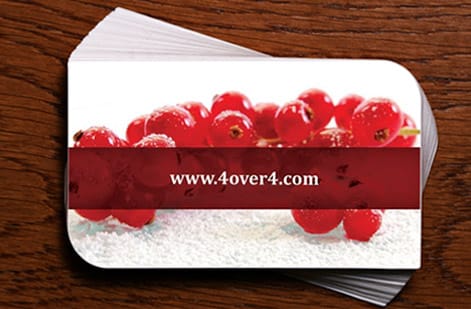
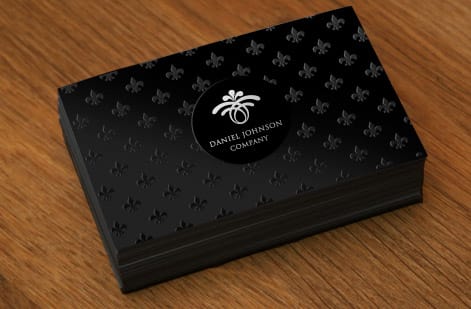
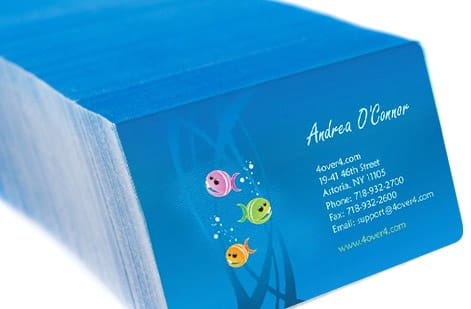
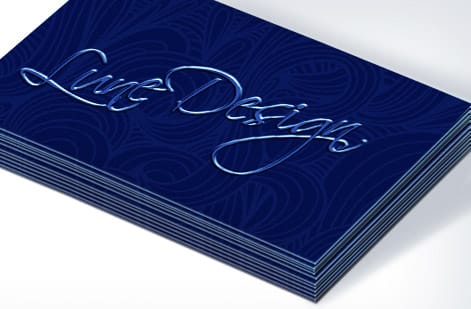
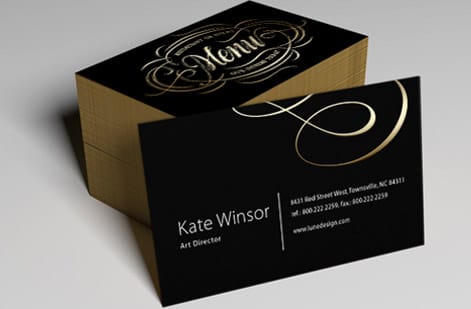
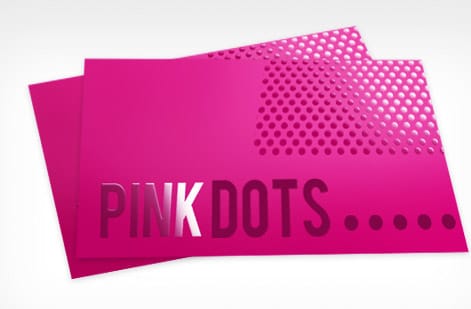
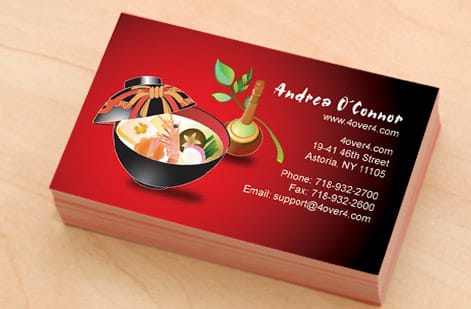
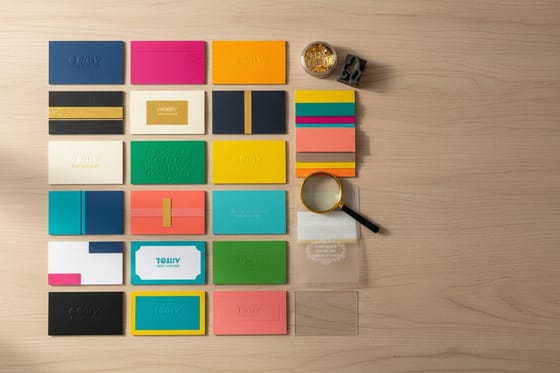
Customer business cards from our Queens facility. Compare a coated face with an uncoated one to see how the ink sits on each.
Explore more
Where to go next
Check every card weight from 14pt to 48pt, pick a flyer weight for handouts or mail, choose a finish once the stock is settled, and see real cards in the design gallery.


By the numbers
Sixty plus stocks, and where they get used
Common Questions
Common questions about cardstock and paper stock
What is card stock used for?
Anything that has to stand up on its own or survive being handled. Business cards, postcards, invitations, greeting cards, tent cards, hang tags, presentation folders, and the covers of booklets all run on card stock. Crafters use it for scrapbooking and die cutting because it holds a crease and a clean cut edge. Flyers, letterhead, and brochure pages stay on lighter text-weight paper.
Is card stock the same as cardboard?
No. Card stock is a single thick sheet of paper, usually 80 lb cover and up, that bends but holds its shape. Cardboard is a broad word for paperboard and corrugated board, which are made of layers or a fluted core and are far thicker and stiffer. If it slides into an envelope, it is card stock. If it builds a box, it is cardboard.
Is card stock the same as construction paper?
They are different. Construction paper is a light, rough, colored sheet made for classroom crafts, and it fades and tears easily. Card stock is heavier, smoother, and made to be printed on, with a coated or uncoated surface that holds ink. A printer will not run construction paper, but every product in the cardstock range at 4OVER4.COM prints in full color.
What is the difference between cardstock and paper stock?
Paper stock is the general term for any paper a printer runs, from a thin flyer sheet to a thick card. Cardstock is a specific slice of that family, the heavier, more rigid grades used when a piece needs to stand up on its own. So every cardstock is a paper stock, but not every paper stock is cardstock. The dividing line is roughly 80 lb cover weight, or about 216 gsm.
Is cardstock the same as paperboard?
They overlap but are not identical. Cardstock is a heavy paper, usually a single ply, common for business cards, postcards, and invitations. Paperboard is thicker and often multi-ply, the material behind folding cartons and packaging boxes. If you can slip it into an envelope, it is almost certainly cardstock. If it is building a box, it is paperboard.
What weight is cardstock?
Cardstock generally begins around 80 lb cover, which is roughly 216 gsm, and climbs from there. Most business cards land between 14pt and 16pt, which corresponds to about 100 to 120 lb cover. Premium cards run heavier, 18pt, 32pt, and up, where the number in points measures the actual caliber of the sheet in thousandths of an inch.
What stock should I use for business cards?
A 14pt to 16pt coated cardstock is the safe default and what most cards are printed on. Step up to a soft-touch or a cotton stock when you want the card to feel expensive in the hand, or drop to an uncoated kraft when the brand leans natural and you want texture. Our business card printing range carries all of these, and free samples let you feel the difference before you commit.
Cardstock versus regular paper, when do I need each?
Regular text-weight paper is for anything that gets read and set down, flyers, brochure pages, letterhead, newsletters. It is inexpensive and folds easily. Cardstock is for anything that has to survive handling or stand on its own, business cards, postcards, tent cards, invitations. The rule of thumb: if it needs to feel substantial or hold a fold under its own weight, reach for cardstock.
What does gsm mean, and how does it compare to pounds?
GSM stands for grams per square meter, a direct measure of how much a sheet weighs regardless of its cut size, which makes it the cleaner unit to compare across papers. Pounds are tied to a specific parent-sheet size and differ between text and cover grades, so an 80 lb text and an 80 lb cover are not the same thickness. When two stocks list a gsm figure, you can trust the higher number is the heavier sheet.
How do I know the paper weight before I order?
Order free paper samples and hold the stocks side by side. A weight on a spec sheet tells you the number, but the feel, stiffness, and how a finish sits under the light only come through in your hand. It is the single best way to avoid ordering a full run on a stock that turns out thinner or shinier than you pictured.
Get Started
Ready to print on the right stock?
Pick your product, choose the weight and finish that fits the job, and we print it on the stock you actually want. Not sure yet? Start with free paper samples.
Legal Disclaimer
Gold Standard guarantees apply to all standard orders placed through 4over4.com. Price match requires verifiable proof of a competitor's published price for an equivalent product with matching specifications and turnaround time. Satisfaction guarantee covers manufacturing defects and print quality issues. Contact support with order number and documentation.
