
338 Direct Mail Statistics You Should Know in 2026


How to Read Direct Mail Statistics Without Getting Fooled

Direct mail statistics get quoted constantly, and half of them are quoted wrong. A number pulled out of context, a response rate from a different industry, or a survey from a decade ago can send a whole budget in the wrong direction. Before you cite a single figure, it helps to know which categories of data actually matter and where the trustworthy numbers come from. That is what this guide is for.
The statistics worth knowing cluster into five groups. Response rate benchmarks tell you how often people act. ROI data tells you whether the response was worth the spend. USPS volume and cost data set the ground rules for what mailing anything costs. Audience and demographic data show who actually reads mail. And integration data reveals what happens when mail runs alongside digital. Understand those five and you can evaluate almost any claim you meet.
Rather than repeat numbers you cannot verify, this guide points you to the sourced benchmarks and shows you how to use each category to plan a real campaign. 4OVER4.COM keeps cited direct mail data on dedicated statistics pages, so the numbers connect straight to a piece you can order.
Shop the range
Direct Mail Services
Postcards, letters, and mailers to run the campaign the data supports.
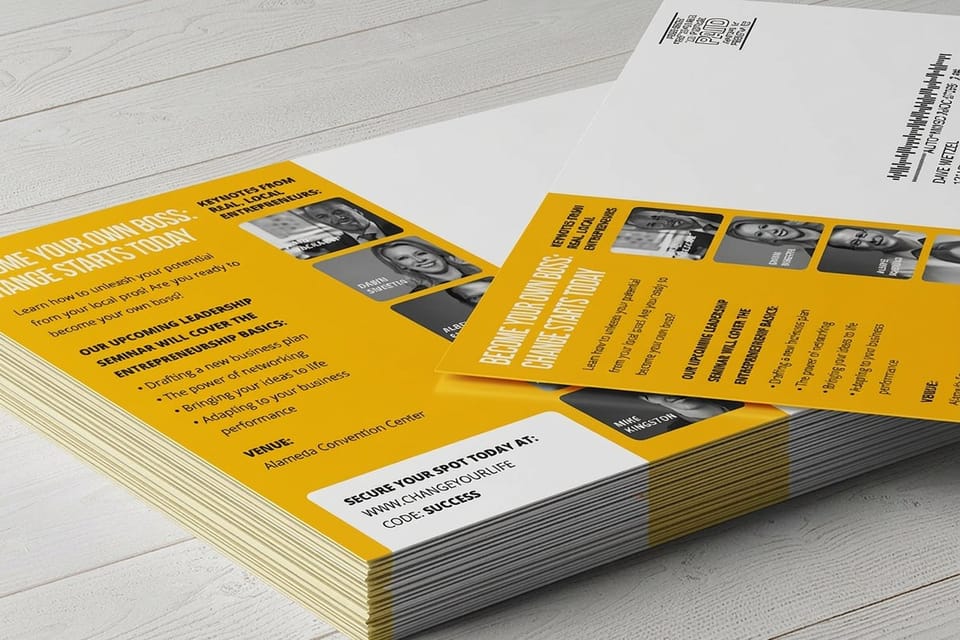
Response Rate Benchmarks: What They Really Tell You
Response rate is the headline statistic, the share of recipients who take the action you asked for. It is genuinely useful, but only when you compare like with like. A response rate for a targeted house list to existing customers is not comparable to a cold prospecting drop to a rented list, and both vary widely by industry and offer. Treat any single quoted rate as a starting point, not a promise.
The right way to use response benchmarks is to set a realistic expectation, then measure your own. Give every mailer a trackable next step, a unique code, a dedicated URL, or a specific phone number, so your true response rate is a fact you own rather than an industry average you borrowed. For the sourced benchmarks by campaign type, see the direct mail response rate benchmarks. Here are the formats most teams test first.
Print picks
Put the statistics to work
Live prices, ready to launch the campaign the numbers say you should run.
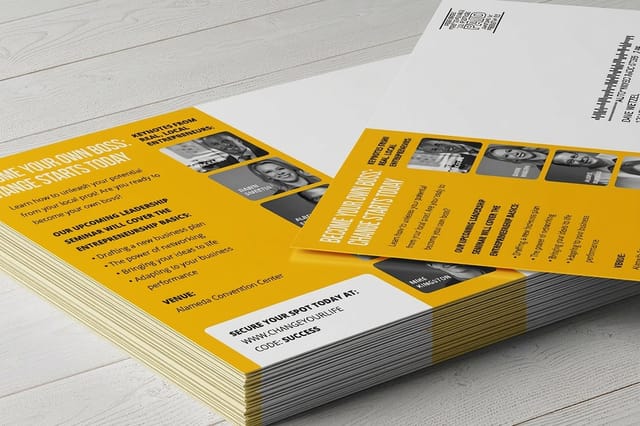 Direct Mail Postcards From $18.94 The most tested and measurable format in direct mail marketing.
  Standard Brochures From $57.11 A folded mailer with room for the full offer and the proof.
 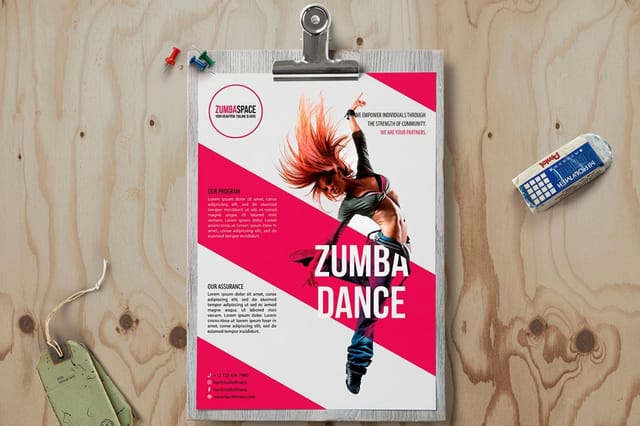 Sales Sheets From $75.80 A one page mailer that states the offer and the next step.
 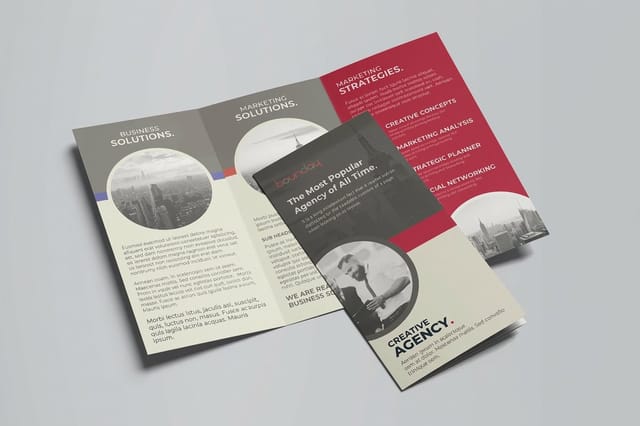 Folded Flyers From $68.54 A budget friendly mailer for a wide neighborhood drop.
 ROI Data: The Statistic That Actually Decides Budgets

Response rate without ROI is vanity. What decides whether direct mail earns a permanent line in your budget is return: revenue driven per dollar spent. A modest response rate on a high value product can crush a high response rate on a cheap one, so ROI is the statistic that matters most and the one worth modeling before you print a single piece.
To estimate it, you need only a few inputs: the cost per piece, the size of the drop, your expected response rate, and the average value of a conversion. Because postcards keep the cost per piece low, the math often works out sooner than people expect. Walk through the numbers on the direct mail ROI data and calculator, and here is what real postcard pricing looks like so your cost input is accurate.
Quantity and price
Direct mail postcard pricing and specs
Real configurator numbers. The larger the mailing list, the lower the per piece cost drops.
| Quantity | Price Per Unit | Total |
|---|---|---|
| 500 | 17.9¢ | $89.68 |
| 1,000 | 17.1¢ | $170.53 |
| 2,000 | 9.35¢ | $186.95 |
| 3,000 | 6.84¢ | $205.13 |
| 4,000 | 5.58¢ | $223.31 |
| 5,000 | 4.83¢ | $241.51 |

USPS and Volume Data: The Ground Rules
Every direct mail campaign runs on the postal system, so USPS data sets the rules of the game. Postage class, piece size, weight, and format all change what a mailing costs and how fast it lands, and programs like saturation mail to entire neighborhoods can drop the per piece postage dramatically for the right campaign. Knowing these ground rules is the difference between a plan that pencils out and one that surprises you at the post office.
You do not need to memorize the rate tables, you need to know which levers exist. Design to a standard size to keep postage low, decide early between a targeted list and a saturation drop, and factor postage into your cost per piece from the start. For the broader picture of mail volume and industry direction, the direct mail industry data and trends lay out where the channel is headed.
Audience Data and the Digital Fatigue Effect
One reason direct mail keeps performing is a shift in attention. As inboxes overflow and digital ads blur together, a physical piece in the mailbox meets far less competition for a moment of focus. Audience data consistently shows that mail reaches across generations, including younger buyers who are novelty starved for something tangible, which is why writing off mail as old fashioned is a mistake the data does not support.
The practical takeaway is targeting. The statistics reward relevance: a well matched list, a clear offer, and a piece that respects the reader's time. When you send the right message to the right household, the physical format does the rest of the work by simply being present when digital is being ignored. Use the audience insight to sharpen your list, then let the mailer stand out by default.
Start testing
Direct mail postcards
The most measurable format, so you can prove the statistics on your own list, designed online.
Integration Data: Mail Plus Digital Beats Either Alone

The most encouraging category of direct mail statistics is integration data, the numbers on what happens when mail runs alongside email, social, and search. The consistent pattern is that the two channels lift each other. A prospect who sees your brand in the mailbox and the feed in the same week remembers you better and acts more often than one who sees either channel alone. Direct mail is not a replacement for digital, it is a multiplier.
Put that to work by timing your touches together. Drop the mailer, then follow with a matching digital retarget, or send the mail to warm up a list before an email push. The fastest way to pick the mail format for the job is to compare the options directly, so here are our most ordered postcards side by side on stock, finish, size, quantity, turnaround, and from price.
Compare formats
Popular postcards, side by side
Stock, finish, size, quantity, turnaround, and from price across our most ordered postcards.
 Standard Postcards |  Metallic Foil Postcards |  Mini Cards | 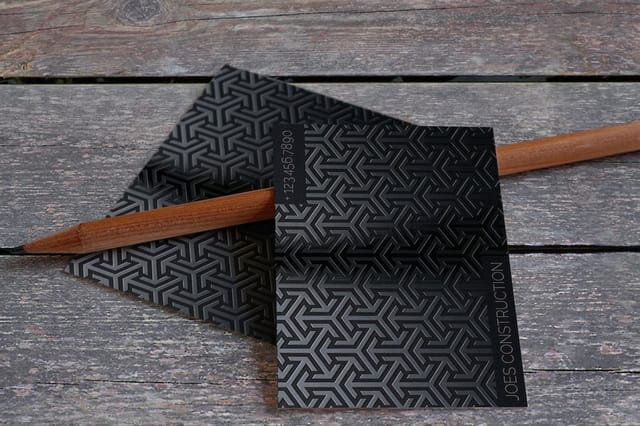 Spot UV Postcards | |
|---|---|---|---|---|
| Min price | $16.48 | $421.91 | $17.57 | $190.02 |
| Paper / stock | 14pt Gloss Cover | 16 Point Silk Laminated | 14pt Gloss Cover | 16pt Gloss Cover |
| Finish | Standard Finish | - | Standard Finish | - |
| Size | 2.5" x 2.5" | 4" x 6" | 2" x 2" | 2" x 6" |
| Default qty | 50 | 500 | 100 | 1,000 |
| Turnaround | 3 business days | 7 business days | 3 business days | 5 business days |
| Rating | ||||
| View & customize | View & customize | View & customize | View & customize |
Turn the Statistics Into a Campaign
Statistics are only useful if they end in a decision. The honest way to use direct mail data is to set a realistic expectation from the sourced benchmarks, model the ROI with your real numbers, then run a small test and measure what actually happens on your list. The industry averages get you to the starting line, your own tracked results tell you whether to scale.
Testing is affordable. At 4OVER4.COM, direct mail postcards start at $18.94, folded flyers at $68.54, brochures at $57.11, and sales sheets at $75.80, with the per piece cost dropping as the list grows. Price depends on the format, the stock and finish, and the quantity, so check the live configurator for exact numbers. With 99.8% on time delivery, your test drops on schedule, and the data you gather is yours to trust.
The fuller mailer
Standard brochures
When one panel is not enough room for the offer, a folded brochure carries the whole pitch.
Wally sorts the direct mail numbers that matter
Five categories of data, one clear decision
Direct mail statistics cluster into five groups: response rates, ROI, USPS volume, audience data, and integration with digital. Learn which is which, pull the real benchmarks from the sourced pages, model your own ROI, then test on a small list. 4OVER4.COM prints the postcard from $18.94 and delivers on time, so the numbers turn into a campaign you can measure.
Test direct mail postcards →The numbers that should shape your next mailer
Explore more
More direct mail data and campaign guides
The cards below open the sourced benchmark pages and the postcard formats behind them.
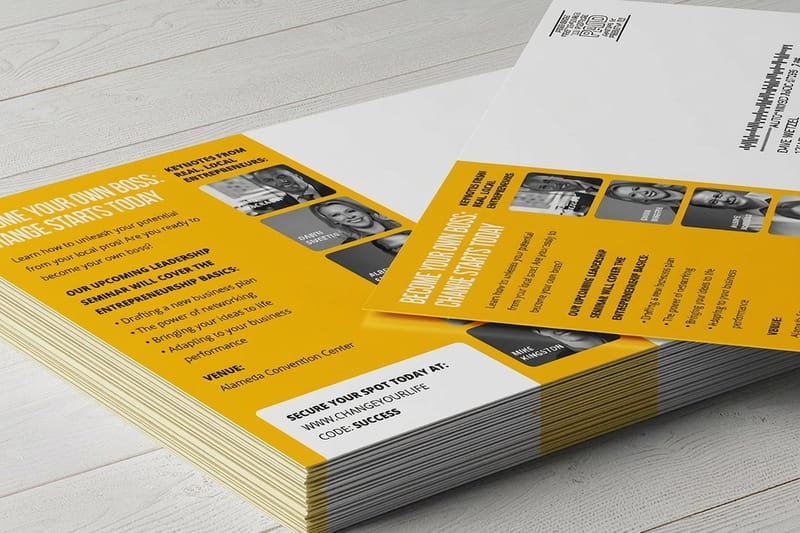 Collection Direct Mail Services Postcards, letters, and mailers for any campaign.
  Shop Postcards Printing Every postcard size and stock for direct mail. Product Direct Mail Postcards The most measurable format in direct mail.
 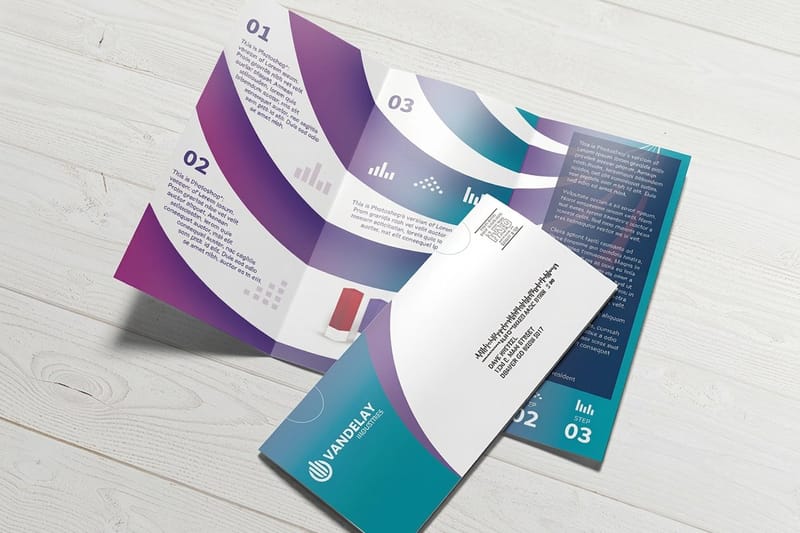 Guide Run a Direct Mail Campaign The full playbook from list to drop to measure.
  Guides Business Applications Print built for real marketing use cases.
  Article Response Rates by Industry How response varies across sectors and offers.
  Case study Nonprofit Direct Mail Story How a nonprofit grew donations with mail.
  List Open House Kit A ready mail and print set for real estate.
  Benefit Same Day Printing Order today, ship today when a drop cannot wait.
  Service Online Design Templates Lay out your mailer inside the cut and bleed lines.
  Statistics Direct Mail Effectiveness Sourced facts on why direct mail works.
  Showcase Buckslip Design Ideas Small mailer inserts that lift a campaign.
 Ready to turn the statistics into a campaign?
Set a realistic benchmark, model your ROI, then run a small, tracked test. 4OVER4.COM prints the postcard from $18.94 and delivers on time, so the numbers become results you own.
Reading the direct mail data right
What are the most important direct mail statistics to know?
They fall into five categories: response rate benchmarks, ROI data, USPS volume and cost data, audience and demographic data, and integration data on mail paired with digital. Understanding those five lets you evaluate almost any claim you meet, because you know what context a number needs. For the sourced figures, 4OVER4.COM keeps cited benchmarks on pages like the response rate benchmarks and the ROI calculator, so you cite real data rather than guesses.
How do I calculate direct mail ROI?
You need four inputs: the cost per piece, the size of the drop, your expected response rate, and the average value of a conversion. Multiply the drop size by the response rate to estimate responses, multiply that by conversion value for revenue, then compare it to total cost. Because postcards keep the cost per piece low, at 4OVER4.COM they start at $18.94, the math often works out sooner than people expect. The direct mail ROI data and calculator page walks the numbers step by step.
Does direct mail still work in 2026?
The data says yes, and part of the reason is digital fatigue. As inboxes overflow and online ads blur together, a physical piece in the mailbox meets far less competition for attention, and audience data shows mail reaches across generations, including younger buyers hungry for something tangible. Direct mail works best when it is well targeted and paired with digital, where integration data consistently shows the two channels lift each other rather than compete.
How much does it cost to test a direct mail campaign?
Less than most businesses expect, which is why testing is the right first move. At 4OVER4.COM, direct mail postcards start at $18.94, folded flyers at $68.54, brochures at $57.11, and sales sheets at $75.80, and the per piece cost drops as the list grows. Price depends on the format, the stock and finish, and the quantity. Run a small, tracked test with a unique code or URL, measure the real response on your own list, then scale what works.
Which direct mail format should I test first?
For most businesses, the postcard is the place to start. It is the most measurable and most affordable format, it needs no envelope, and it forces a single clear offer, which makes results easy to read. If your pitch needs more room, a folded flyer or a brochure gives you extra panels, and a sales sheet works as a one page statement of the offer. Compare the formats side by side on size and price, then run a small test and let your own numbers pick the winner.
