
Water Sealing Services


Sofia is our design and templates voice, built from the knowledge of our production team, with over 20 years in printing.
A water-resistant coat, the right weatherproof substrate underneath, and your print run stands up to rain, spray, and wipe-downs. Here is how water sealing works at 4OVER4.COM, what it is best for, and how to add it to an order.
Water sealing seals your printed pieces under a water-resistant coat so moisture rolls off instead of soaking in. Paired with a weatherproof substrate, it lets banners, signs, decals, and menus survive rain, dew, spills, and repeated cleaning without fading or warping. At 4OVER4.COM it is a finishing step you add on top of the product you configure, from vinyl banners and yard signs to car magnets and outdoor decals.

Start here
What sealing adds to an outdoor print
Water sealing is the finishing step that closes a print's surface under a water-resistant coat. Applied over a weatherproof substrate, it lets a banner, sign, decal, or menu shed rain, dew, and spills, so the ink stays sharp and the media does not warp; the substrates underneath run from 13 oz vinyl and 4mm coroplast to .040 inch aluminum. You clean it with a wipe instead of reprinting it, and you add it to a product you configure at 4OVER4.COM. The visual further down walks through the four steps from substrate to sealed, weatherproof piece.
A closed surface over a weatherproof substrate
Water sealing is a finishing step, not a product. Once a piece is printed, its surface is sealed so moisture cannot reach the ink or soak into the media underneath. In practice that means one of two things: a liquid or aqueous coat flowed over the print and cured hard, or a laminate film bonded on top. Either way the surface goes from open and absorbent to closed and shedding, so water beads up and runs off.
The seal only works as well as what it is protecting, which is why the substrate matters as much as the coating. Print an outdoor job on ordinary paper and no coat will save it in the rain. Print it on weatherproof media like vinyl, coroplast, or aluminum and then seal it, and you get a piece that lives outside for seasons. Sealing and substrate are a pair, not a single knob.
It sits right next to the other finishing you may already be adding. If you are weighing a coating on the piece itself, read our notes on aqueous coating and matte versus gloss finishes first, then treat the water seal as the outer layer that lets the finished print take the weather.
Why an outdoor or high-use print is worth sealing

You paid to print a piece sharp. Water sealing is the cheap insurance that keeps it sharp once it leaves a clean, dry office. A 3 by 8 foot banner strung across a parking lot, an 18 by 24 inch sign staked in a lawn, a menu passed hand to hand through a dinner rush: all of them meet moisture, and unsealed ink and media do not win that fight. Rain lifts colors, dew warps board, and a single spill ends the life of a paper menu.
The second payoff is easy upkeep. A sealed surface cleans with a wipe of a damp cloth instead of smearing or dissolving, so the piece looks new through repeated use. That turns a disposable print into a reusable asset, which is exactly what you want for seasonal signage, event displays, and anything you plan to store and bring back out.
The third is reach. Sealing is what lets a design go places paper cannot, from a poolside rules board to a construction-site banner. If you are ordering signage in volume for multiple locations, sealing pairs naturally with our bulk discount tiers, since the pieces that most need weatherproofing are usually the ones you order by the dozen or the hundred.
What we water seal, and the products that suit it best
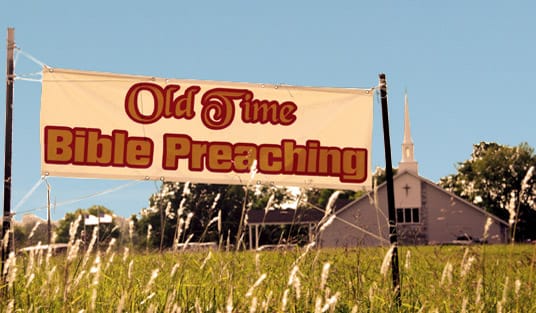
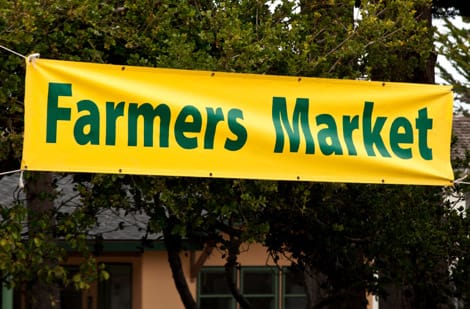
Outdoor signage is the natural home for water sealing. Vinyl banners and mesh banners hang through wind and rain, yard signs and coroplast signs sit in sprinkler range, and aluminum signs and feather flags stand exposed for months. On the order pages those are 4mm white coroplast yard signs up to 18 by 24 inches, .040 inch aluminum signs up to 24 by 36 inches, and 3 oz polyester feather flags from 8 to 15 feet tall. Sealing keeps every one of them reading crisp instead of streaky. Browse the range on our vinyl banners and yard signs pages, or start from signs and banners to see what fits your job.
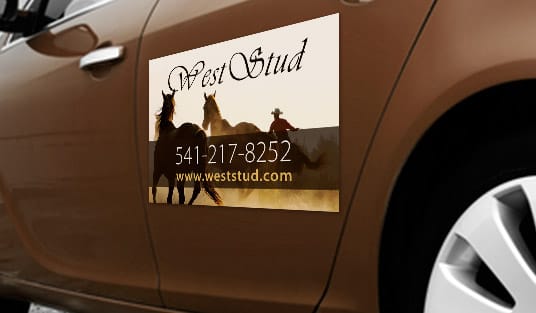
Vehicle and window pieces are the next best fit. Car magnets, decals, and window clings all face road spray, condensation, and washing, so a seal is what keeps them looking professional on the move. For the design side of these, the guides on car magnets and custom decals pair well with the finishing.
Indoors, sealing earns its keep anywhere water and food meet paper. Restaurant menus are the classic case, wiped clean between guests instead of reprinted, and sealing extends to gym, spa, and pool signage too. Water sealing rarely is the whole job. It is the step that lets the rest of the job hold up. It also plays alongside our other finishing on the services page and the finishes collection.
Water sealing versus lamination, UV coating, and substrate choice
Water sealing is one of several ways to protect a print, and picking the right one depends on the product and where it lives. Film lamination bonds a plastic sheet onto each piece, which is ideal for flat items like menus and cards where you want a durable, wipeable skin; on our gloss vinyl graphics it is a 3 mil gloss or matte film on one side or both. A liquid or aqueous seal flows over the surface and cures, which suits large-format and shaped pieces where film is awkward to apply.
UV coating is a close cousin: a hard, high-clarity coat cured with ultraviolet light that adds shine and abrasion resistance along with water resistance. Our guide to UV coating lays out where it shines and where it does not, and the aqueous coating guide covers the softer, more matte alternative. For most outdoor jobs, though, the biggest protection comes before any coat: choosing a weatherproof substrate. The banner material guide and the notes on durable outdoor sign materials are the place to start.
You do not have to choose just one. Many outdoor runs print on weatherproof media, seal the surface, and then get hung or staked for the season. To compare your finishing choices side by side, the full lineup lives on the services page and the laminating collection.
How water sealing fits into your order, step by step
Everything starts with the printed product, so the first move is to configure it: choose the size, substrate, quantity, and any other finishing on the piece itself. A yard sign, for example, is 12 by 18, 12 by 24 or 18 by 24 inches on 4mm white coroplast, with grommets and an H-stake as options. Getting the artwork right at this stage matters, so if you are prepping large-format files for the first time, our guide to preparing press-ready files is a useful walk-through before you upload, and the design templates and online designer get your file print-ready.
Next, tell us where the piece will live. A banner headed for full-sun exposure, a sign near constant sprinkler spray, and a menu handled through a dinner service all call for slightly different seals, and the environment drives which coating and substrate combination we recommend. Exposure is the one detail people forget to mention, and it is the one that shapes the whole finishing choice.
Then the seal goes on: a liquid coat flowed over the surface and cured, or a laminate film bonded on top, depending on the product. Because water sealing is a finishing add-on rather than a standalone product, our team confirms the coating and substrate with you before production. Configure a product below to get started, and if you want to feel the media first, order free samples so you can judge the stock in hand.
Materials, ratings, and getting the details right

The seal itself is simple, but a few choices decide whether a piece lasts a season or a single storm. On the coating side, an aqueous or liquid seal reads more matte and natural, while a UV coat adds gloss and a harder shell. The matte versus gloss comparison covers how each looks once cured. Under the seal, the substrate does the heavy lifting: weatherproof 13 oz vinyl, 4mm coroplast, and .040 inch aluminum are built to stay flat and stable outdoors in a way coated paper never will.
Placement changes the math too. A sealed banner shaded under an awning outlasts an identical one in driving sun and rain, so where and how you display the piece is part of the durability story. Our guides on hanging banners and vinyl banner placement help you set the piece up so the seal has the easiest job possible, and the signage design guide ties the whole outdoor piece together.
Three words decide a sealed run: aqueous, the liquid coat that cures to a matte, natural seal; laminate, the film bonded on top, such as the 3 mil gloss or matte film on our vinyl graphics; and substrate, the media under both, from 13 oz vinyl to .040 inch aluminum. The printing terms glossary covers the rest of the vocabulary, and the terms page has the fine print on your order.

Infographic
How water sealing works, at a glance
Four steps from a bare print to a weatherproof piece: print on a weatherproof substrate such as 13 oz vinyl or 4mm coroplast, flow on or bond the seal, cure it, and send it out. Below them, the three jobs the finished seal does for your signage.
Substrate, seal, cure, weatherproof. The four steps take a bare print and turn it into a piece that sheds water, slows sun fade, and lasts season after season outdoors.
Specs and pricing
A product we seal: vinyl banner specs and live pricing
A seal only protects what it goes on, and vinyl banners are one of the outdoor runs we most often finish and seal: 13 oz outdoor or 15 oz blackout vinyl, sizes from 2 by 4 to 8 by 20 feet, hems and grommets on the same page, and 3 business days of production. Here are their live specs and price-per-unit at 4OVER4.COM, straight from the configurator.

| Quantity | Price Per Unit | Total |
|---|---|---|
| 1 | $79.00 | $79.00 |
Print it
Outdoor runs we finish and water seal
Aluminum signs on .040 inch aluminum from 12 by 18 to 24 by 36 inches, decals on low-tack repositionable vinyl from 18 by 24 to 48 by 72 inches, and yard signs on 4mm coroplast up to 18 by 24 inches, each from a single piece.

Wally explains water sealing
Seal it once, and let the weather do its worst
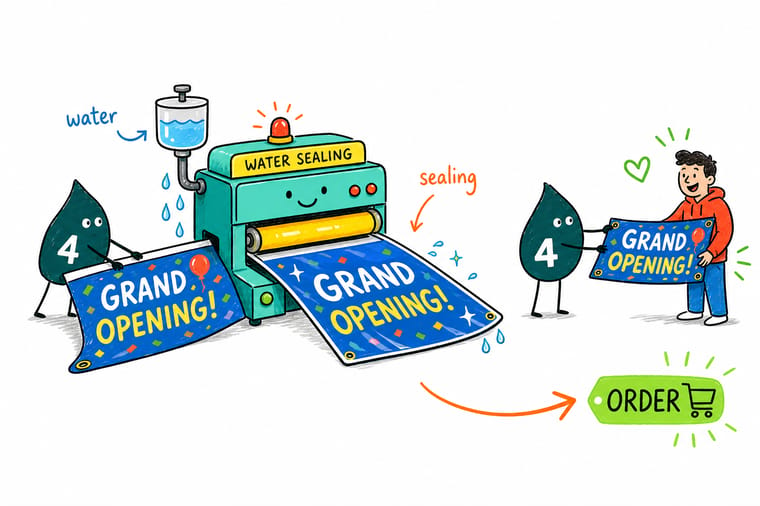
Wally treats water sealing as the last, quiet layer that lets a print live outside. Start on a weatherproof substrate, flow on the water-resistant coat, cure it hard, and the piece sheds rain, spray, and spills while the colors stay sharp. Configure your banner, sign, decal, or menu first, then add water sealing as a finishing step and tell us where the piece will live so we match the seal to the weather.
Configure a print run →See it in use
Real outdoor runs, finished in-house
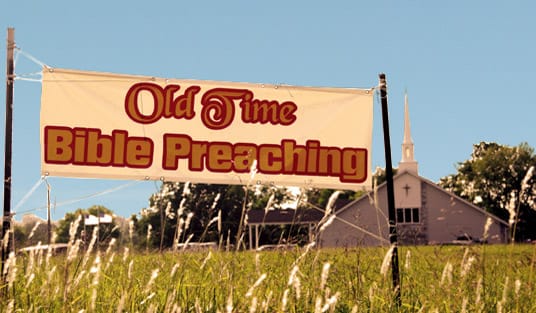
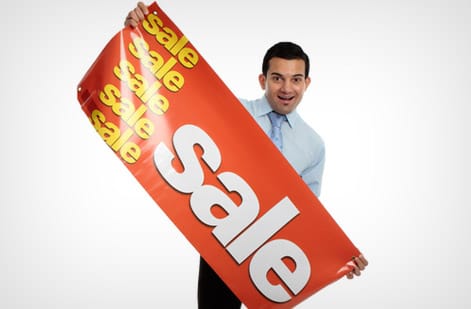
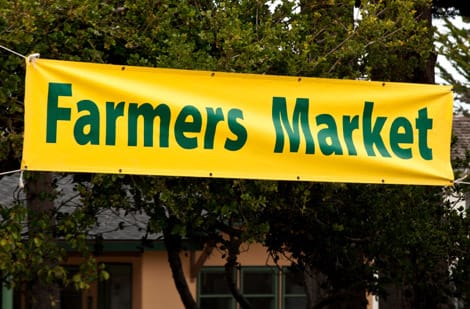
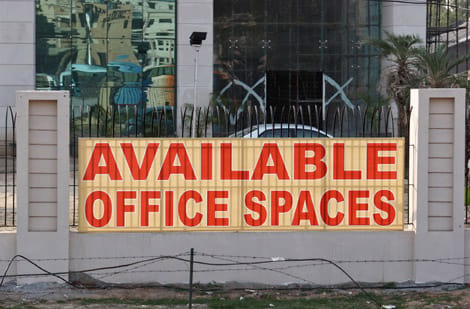
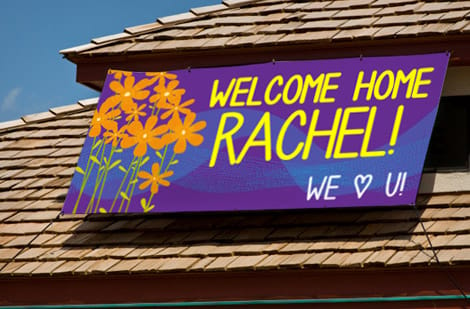
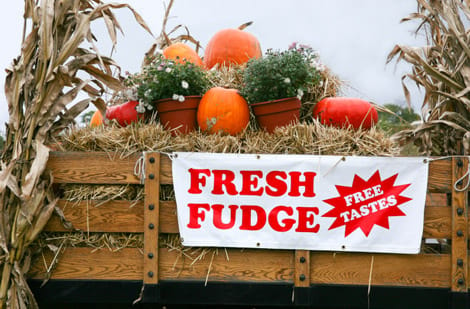
The gallery shows vinyl banners, the product priced above, on 13 oz outdoor and 15 oz blackout vinyl.
Get Started
Ready to weatherproof your next print run?
Configure your product at 4OVER4.COM, then add water sealing as a finishing step and tell us where it will live. Your run arrives sealed, weatherproof, and ready for the elements.
Explore more
Where to go next
Six next steps: the fantastic finishes collection, durable outdoor materials, UV coating explained, laminating options, every printing service and the terms glossary.
By the numbers
Our record on prints that live outdoors
Common Questions
Common questions about water sealing
What is water sealing in printing?
Water sealing is a finishing step that makes a printed piece water-resistant. It usually means printing on a weatherproof substrate, then applying a liquid laminate or a water-resistant coating over the surface so moisture beads up and runs off instead of soaking into the ink and media. The result is a print that survives rain, dew, humidity, and wipe-downs. It is used on outdoor banners, yard signs, decals, and menus, anywhere a piece has to hold up to the elements or repeated handling.
Is water sealing the same as lamination?
They overlap but they are not identical. Film lamination bonds a plastic layer onto each sheet and is common on cards and menus, and it does add real water resistance. Liquid or aqueous sealing flows a protective coat over the surface and cures, which suits large-format and irregularly shaped pieces where film is impractical. On outdoor signage we often pair a weatherproof substrate with a sealing coat rather than a film. Which one you want depends on the product, and our team confirms the right approach when you place the order.
Which printed products should be water sealed?
Anything that lives outdoors or gets handled around moisture. Vinyl banners, yard signs, coroplast and aluminum signs, feather flags, car magnets, and outdoor decals all benefit because they face rain, sprinklers, and sun. Indoors, restaurant menus, pool and gym signage, and event pieces near food or drink last far longer when sealed. If a piece will only ever sit on a desk in a dry office, sealing is optional. The moment weather or spills enter the picture, it earns its place.
Does water sealing protect against fading in the sun?
Sealing is aimed at moisture first, but the same coat also adds a measure of UV protection that slows fading. The bigger driver of outdoor color life is the substrate and inks you start with, which is why we build outdoor jobs on weatherproof media rather than paper. Seal a UV-stable print and you get the best of both: water rolls off and the colors hold their brightness through the season. For the long view on outdoor durability, our guide to durable outdoor yard sign materials walks through the trade-offs.
How do I add water sealing to my 4OVER4.COM order?
Start by configuring the printed product itself: pick the size, substrate, quantity, and any other finishing. Then request water sealing as a finishing step on the order and tell us where the piece will live, outdoors, near water, or in heavy-handling use. Because sealing is an add-on rather than a standalone product, our team confirms the coating and substrate combination with you before the run goes to production, so the seal matches how you plan to use the piece.
Can sealed prints be cleaned, and how long do they last?
Yes, and easy cleaning is one of the main reasons to seal. A sealed surface wipes down with a damp cloth without smearing the ink, so menus, signs, and displays stay presentable through repeated use. Lifespan depends on exposure: a sealed banner shaded under an awning outlasts one in full sun and driving rain, but sealing consistently adds seasons of usable life compared to an unsealed print. Match the substrate to the environment and the seal does the rest.
Legal Disclaimer
Gold Standard guarantees apply to all standard orders placed through 4over4.com. Price match requires verifiable proof of a competitor's published price for an equivalent product with matching specifications and turnaround time. Satisfaction guarantee covers manufacturing defects and print quality issues. Contact support with order number and documentation.
