
The 9-Product Wine Shop Starter Pack That Sells More Bottles
The supermarket beats you on price. You beat it on knowing which bottle belongs at Sunday’s table, and these nine print pieces put that knowledge on every neck, window, and gift box in the shop.
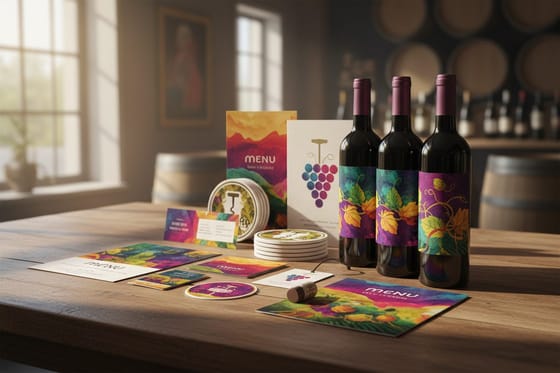
The wine shop starter pack is nine print products that make expertise visible: die-cut neck hangtags with tasting notes, counter cards for the wine club, window clings that follow the seasons, a banner announcing Friday tastings, branded gift boxes for the dinner-party trade, stickers that seal cases, business cards for sourcing calls, postcards that mail new arrivals and the club home, and canvas totes for the two-bottle carry. Guidance on paper, everywhere a customer looks.
The picks
Nine pieces, from $16.48 postcards to a $711.78 gift box run
Start here. These are the nine products in the pack, numbered in the order a wine shop usually needs them, each priced live from the configurator. Fifty postcards cost $16.48, 100 business cards $17.57, one counter card $21.97 and one cotton tote $22.73. Order them together so the burgundy on your window matches the burgundy on your neck tags, then read on for what each piece actually does.
Design and print help
Restrained type on linen tags and canvas totes
A wine shop’s brand should feel like a good label: restrained, confident, consistent. Die-cut tags come in seven shapes, from a 2 by 3.5 in leaf or oval to a 2 in circle, on stocks that include 14pt white linen and 18pt cream uncoated, so set the serif and the burgundy once in the online designer and carry them to the counter card on 24pt gloss laminated board and the tote. These 4OVER4.COM services keep your artwork holding together across all nine pieces.
How they work together
Window, shelf, send-off
Each piece owns a stage of how a wine shop earns a regular. Print the whole sequence and the street, the shelf, and the send-off all keep selling.
The window announces the season and the banner announces the tasting. Together they turn a shop people walk past into a Friday-evening appointment.
Neck tags guide the shy browser to the right bottle, and the counter card enrolls happy buyers into the club and the next tasting while the card machine hums.
The gift box and canvas tote carry your name to the dinner party, the sticker seals the case, the card in a wallet answers the can-you-source-this call three days later, and the seasonal postcard brings the regular back for the next new arrival.
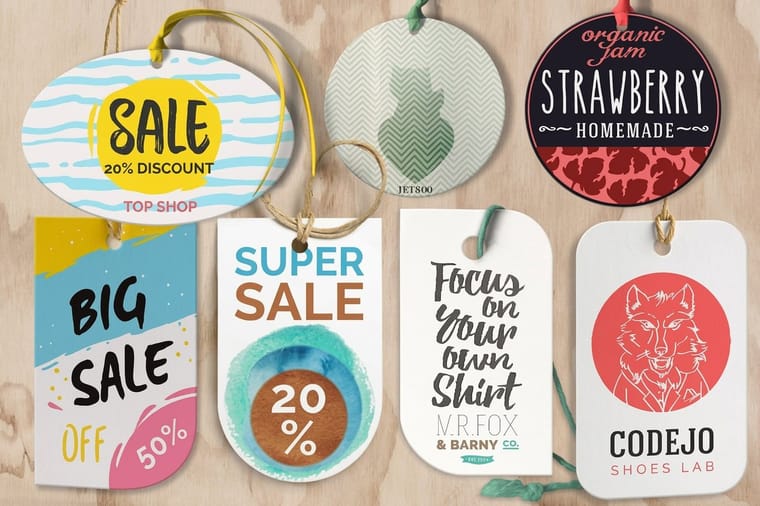
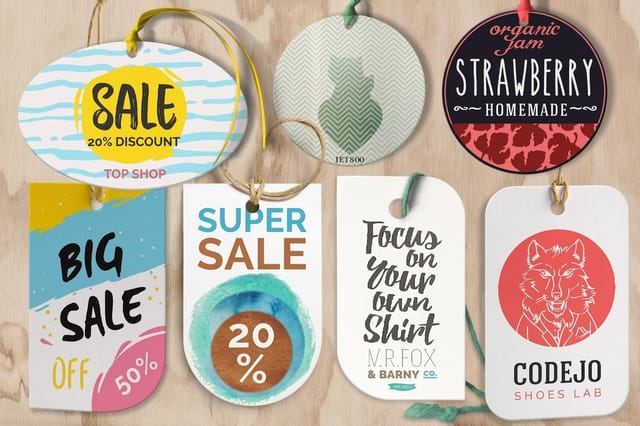
Die-cut neck tags with three words of tasting notes
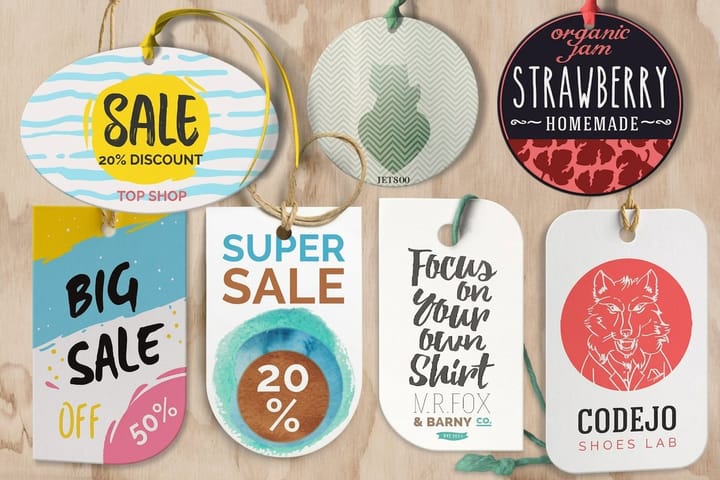
Most wine shop customers are quietly intimidated. They will not ask for help, they recognize three labels, and they leave with the same bottle as last time or with nothing. A die-cut neck tag breaks that stalemate: three character words, one pairing, a staff initial, hanging on the bottle at reading distance. The shy browser gets a sommelier who never makes them feel judged.
Die-cut a keyhole shape that slips over the neck without adhesive, so the producer’s label stays pristine. Print seasonally in batches as the shelf turns over, and keep the voice human: Sunday roast wine beats notes of forest floor for actually moving bottles. The format details live in what are hang tags, and why hang tags still matter covers the retail psychology.
Tag thirty bottles, not three hundred. A tag is a recommendation, and recommendations only work when they are scarce enough to mean something.
Counter cards that pitch the wine club at the register
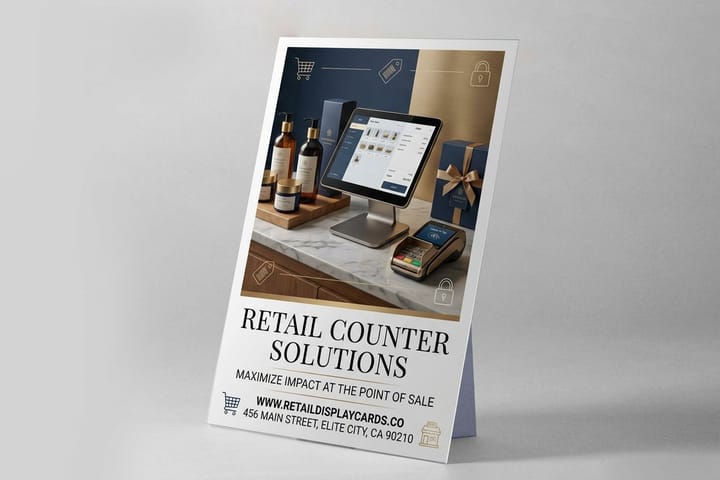
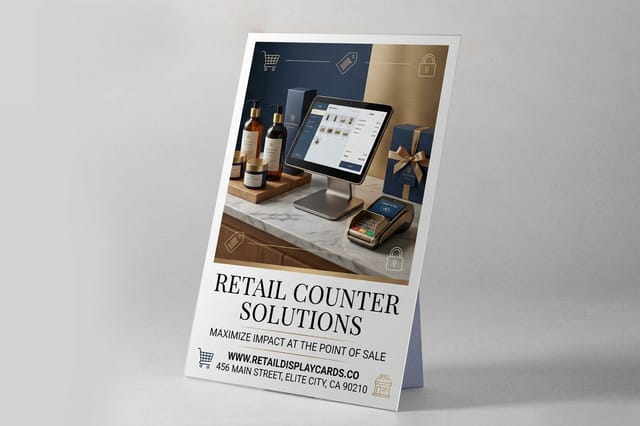
A wine shop’s best economics live in the club: six bottles a month, chosen by you, collected or delivered, revenue you can plan around. The counter card is how the club recruits, standing at the register during the one minute every customer spends waiting with their trust in you at its peak, because they just bought what you recommended.
One card, one offer: join the club, first month includes the tasting, QR code to sign up. Rotate a Friday-tasting card through the same holder for newcomers who need a smaller first step. Order from retail counter cards in short runs so seasonal swaps stay cheap, and match the stock weight to the shop; flimsy card, flimsy club.
Track signups by asking where people heard about the club. Shops are consistently surprised by how much of the answer is the little card by the till.
Window clings that follow the wine calendar
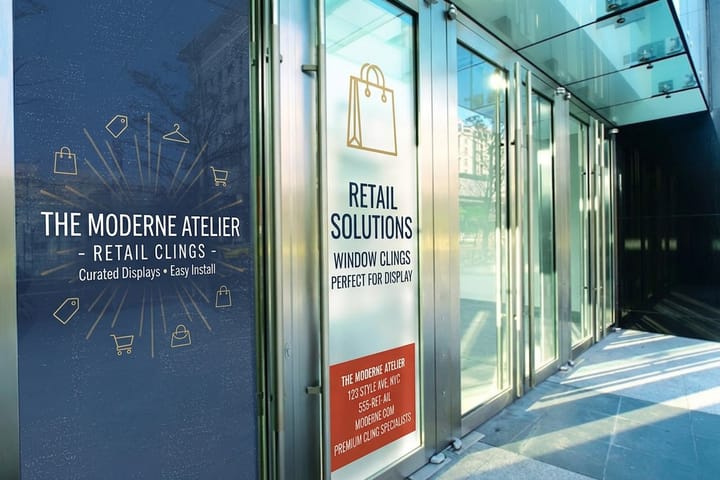
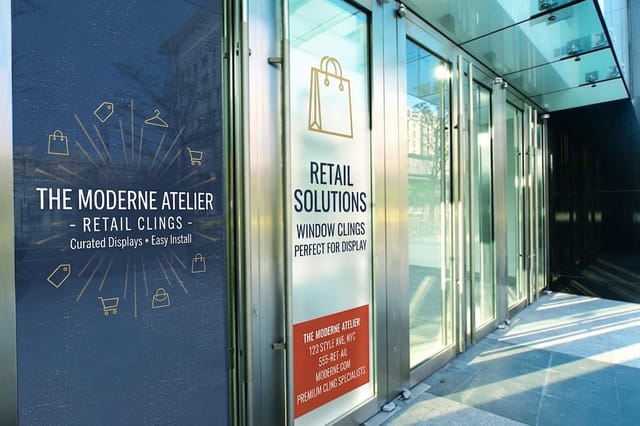
Wine has seasons the way fashion does: rosé in May, harvest arrivals in fall, magnums and gift cases in December. Window clings let the glass keep pace for a few dollars per change, no signwriter, no residue, no ladder beyond the first time. A window that tracks the calendar tells the street your cellar does too.
Design them like a wine label, not a supermarket sale sign: restrained type, one image, one line. New harvest arrivals just landed does more for a wine shop than percent-off starbursts ever will. Application takes minutes with the squeegee technique in how to apply window clings, and what are window clings and decals explains which material suits a cold-climate storefront.
Change the window with each season and keep a photo log. After a year you own a reusable library, and the second lap of the calendar costs almost nothing.
A banner for Friday tastings
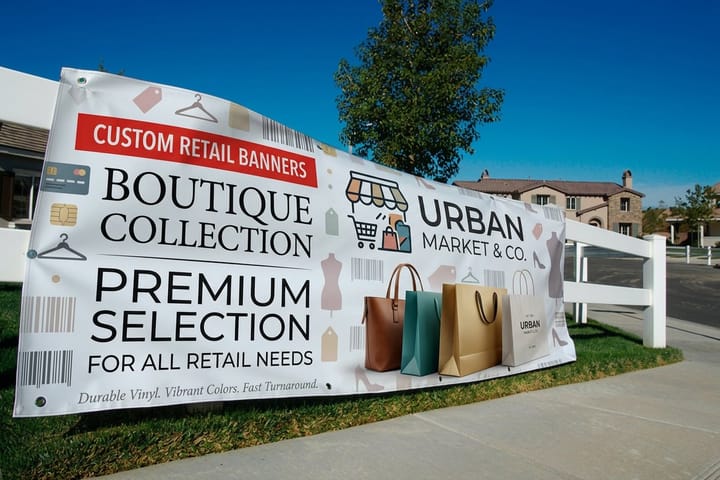
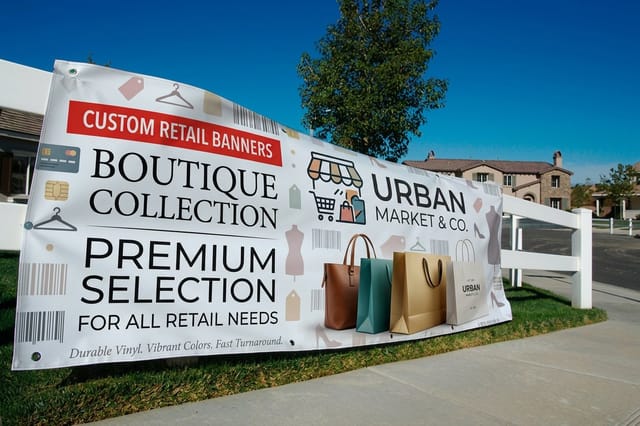
The tasting is the single best marketing a wine shop runs: free to attend, social, and it converts skeptics into regulars six glasses at a time. But a tasting nobody knows about is just an open bottle. A vinyl banner, free tastings every Friday, 5 to 7, turns the event into a standing appointment the whole block knows by heart.
Permanence is the trick. Unlike a chalkboard that changes daily, the banner repeats the same promise for months, and repetition is what builds a habit in passing traffic. Vinyl takes weather for seasons; the setup basics in how to make banners cover hems and grommets for railing or facade mounting.
Keep a second banner for the annual events: the harvest fair, the holiday case sale, the anniversary. Street-scale type is the difference between a shop event and a neighborhood one.
Two-bottle gift boxes
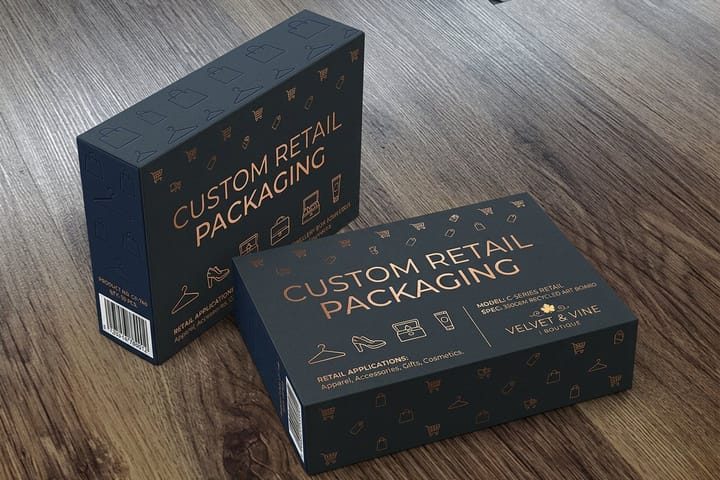
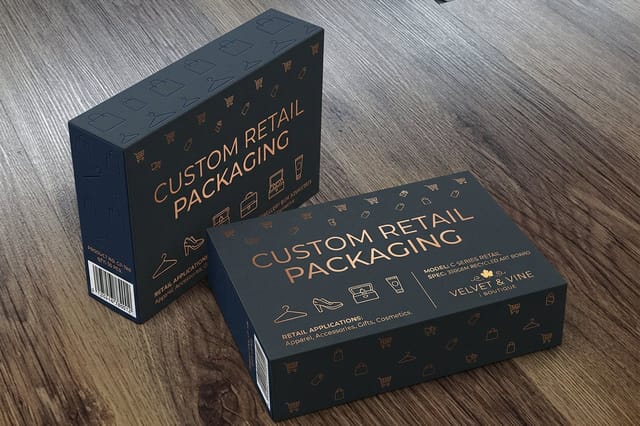
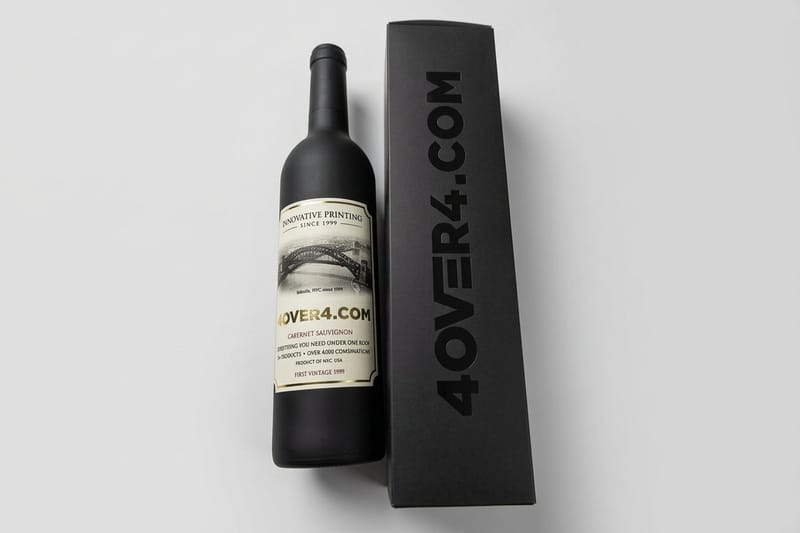
Ask why people buy wine on a Thursday evening and the answer, remarkably often, is that they are walking into someone’s home in an hour. A branded rigid box for one or two bottles meets that customer perfectly: the purchase becomes a finished gift, the small premium feels justified, and your mark sits on the host’s table all evening.
The dinner party is a targeting system. Everyone at that table buys wine, lives nearby, and just watched your box get admired. Choose a structure that protects glass and opens gracefully; choosing the best box style compares the formats, and cardstock vs corrugated settles the material for bottle weight.
Offer the box free above a threshold and watch baskets grow to reach it. The box pays for itself twice: once at the register, once at the party.
Die-cut stickers for case seals and cellar doors
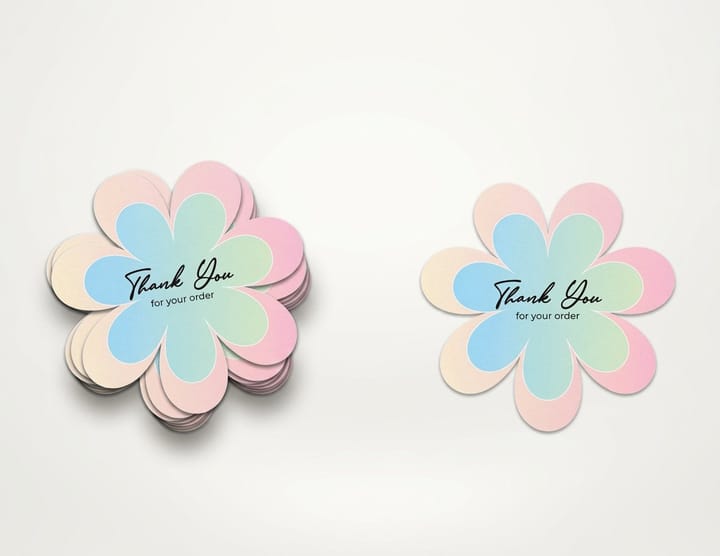
A wine shop’s sticker works differently from a band’s or a gym’s: it is a seal, a keepsake, and a quiet signature. Seal every mixed case with one across the flap, so opening the box has a small ceremony to it. Stick one on the tasting menu each Friday with the date, and regulars start keeping them like ticket stubs.
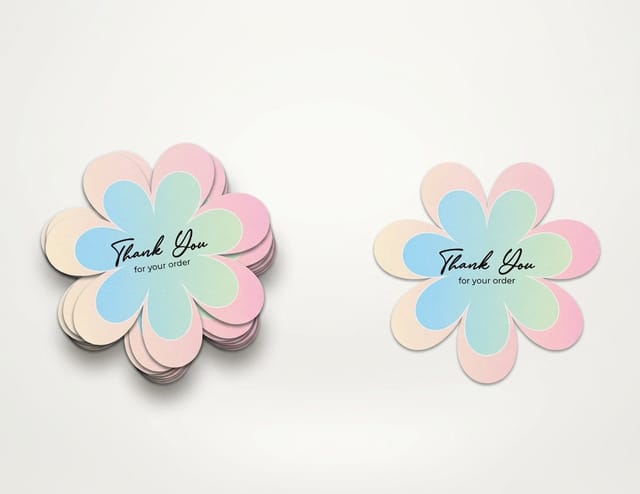
Die-cut your monogram or crest rather than a rectangle; in this trade the shape should feel like an heirloom, not an inventory label. Vinyl survives cellar humidity and ice buckets, and the material options in choosing sticker materials and the format overview in what are die-cut stickers cover the choices.
The sticker’s job is continuity: the same mark on the window, the case, and the gift box, until your customers could draw it from memory. That is what a wine brand is.
Business cards for sourcing and case orders
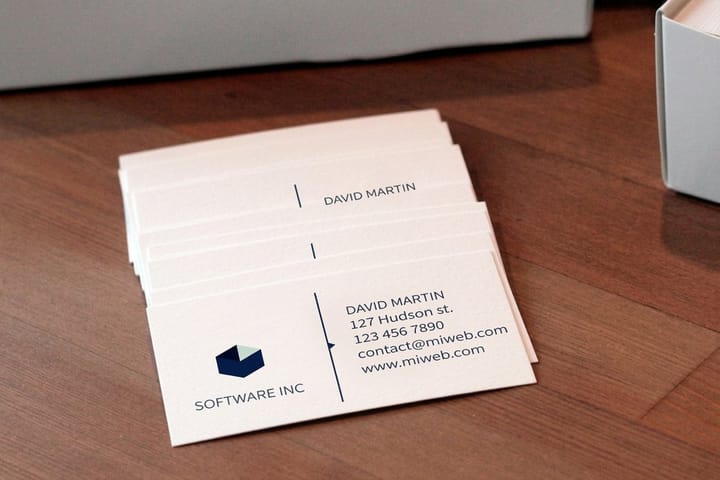
Wine shop questions arrive on a delay and carry real money: can you source twelve bottles of what we drank at the wedding, can you build a case for my boss’s retirement, can you supply our restaurant’s by-the-glass list. The card handed over during a Friday tasting is what turns those future questions into your phone ringing instead of a search engine.
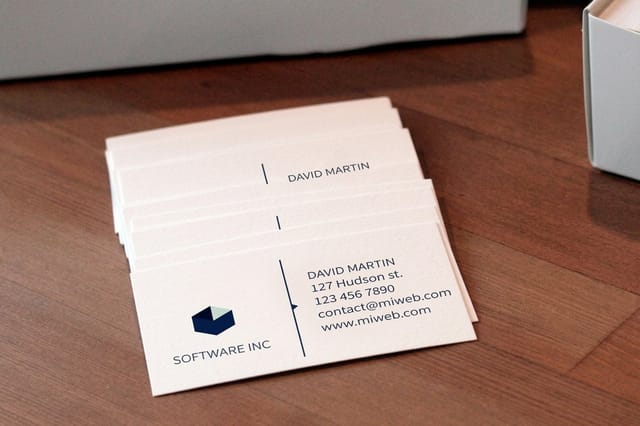
Print the owner’s name, because in this trade people buy from a person. Front: shop mark, name, the word proprietor doing quiet work. Back: phone, hours, and one line like private cases built to order. Heavier stock with a matte finish suits the category; the options at business card printing include stocks that feel like a wine list from a good restaurant.
Slip one into every gift box and case. The recipient of a good bottle is your next customer, and the card is how they find their way back to the source.
Postcards for new arrivals and club reminders
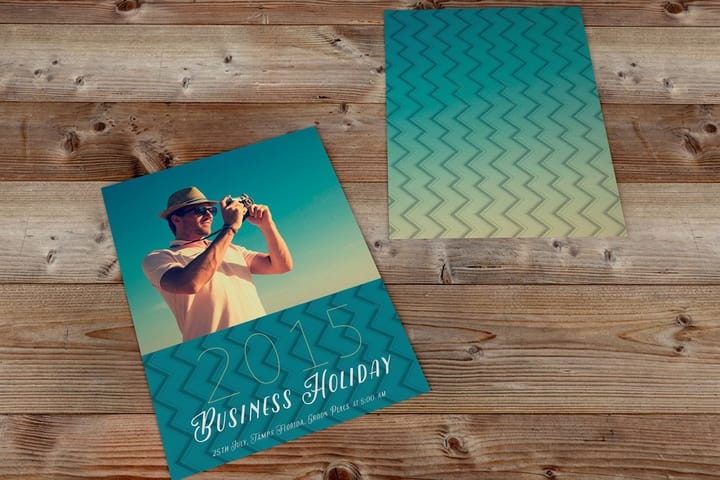
Every other piece in this pack works inside the shop or on the block. The postcard is how you reach the regular at home, between visits, with the one thing that reliably pulls a wine lover back through the door: news. A crate of small-grower Barolo just landed, the winter mixed-case sale opens Friday, the club has two seats free this month, each is a reason to mail.
Build a list from the register and the club, then mail the same names a few times a year rather than blanketing a zip once. Keep it to one arrival or one offer per card, a photo, and a line in your own voice, not a supermarket starburst. Our guide to how to make postcards covers formats and file setup, and postcard design for direct mail lays out what earns a card a spot on the fridge instead of the recycling.
Starting under twenty dollars a run, it is the cheapest way to turn a one-time buyer into someone who checks what you just got in.
Cotton totes that carry two bottles
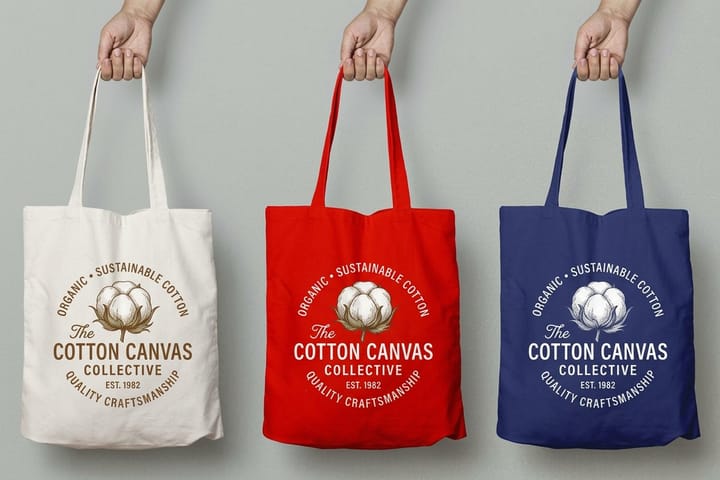
A wine shop hands over bottles all day, and most of them leave in a plain paper sleeve that lasts one trip. A cotton tote sized for two bottles does something the sleeve never will: it survives, and it travels. To the dinner party, the picnic, the farmers market, the office, your shop mark rides along on the shoulder of exactly the person whose friends ask where to buy good wine.
Give it away above a case threshold, or sell it cheap as the club welcome gift, and it earns its cost as a walking billboard within a week. One tote in 6oz cotton canvas, 14.5 by 16 in, costs $22.73 and five cost $83.36, printed on one side or both, in natural, red or royal blue. Choose a weight that reads premium rather than promotional; our comparison of cotton, canvas, and recycled totes matches the fabric to the feel you want the bag to carry.
The tote is the only piece in the pack a customer will use for years, which makes it the cheapest long-term advertising a shop can print.

Specs and pricing
Anchor the pack: hangtag specs and live pricing
The neck tag is the piece that sells bottles daily, so it sets the pace. Here are the live specs and price-per-unit for die-cut hangtags at 4OVER4.COM, straight from the configurator.
| Quantity | Price Per Unit | Total |
|---|---|---|
| 100 | 36.3¢ | $36.26 |
| 200 | 20.9¢ | $41.74 |
| 300 | 16.5¢ | $49.43 |
| 400 | 12.9¢ | $51.62 |
| 500 | 11.6¢ | $58.23 |
| 600 | 11.2¢ | $67.00 |
| 700 | 10.2¢ | $71.40 |
| 800 | 9.47¢ | $75.80 |
Wally explains the pack
Nine pieces, one shop, printed to pour confidence
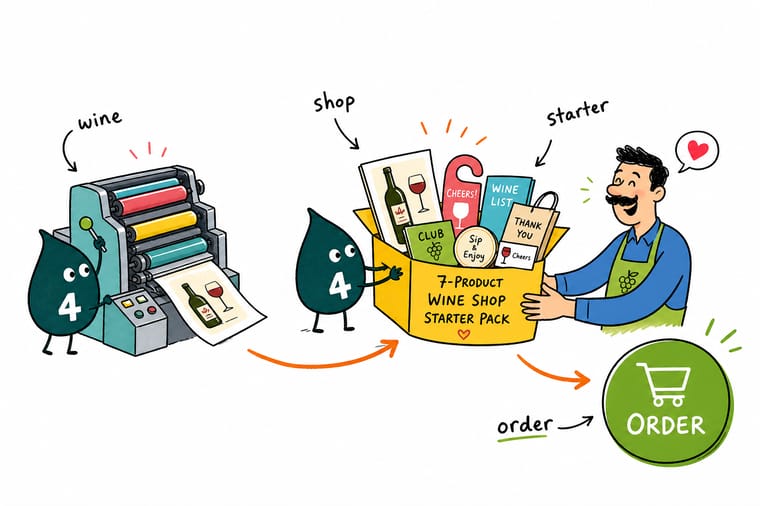
Wally treats a wine shop like a conversation: the window opens it, the neck tag answers the question nobody wants to ask out loud, the tasting banner extends the invitation, and the gift box sends your name to the dinner party. Print all nine at 4OVER4 in one run and the whole shop speaks in the same well-aged voice.
Shop brewery & winery printing →
Explore more
Where to go next

By the numbers
One pack, printed to pour
Common Questions
Common questions about the wine shop starter pack
What is in the wine shop starter pack?
Nine print products matched to how an independent wine shop competes: die-cut neck hangtags for shelf guidance, counter cards for the wine club and tastings, window clings and a retail banner for the street, branded gift boxes for the dinner-party trade, die-cut stickers for cases and keepsakes, business cards for sourcing requests, postcards that mail new arrivals and the wine club home, and branded canvas totes for the two-bottle carry.
How does a small wine shop compete with supermarket prices using print?
By selling what the supermarket cannot: guidance. A neck tag that says bright, dry, perfect with oysters does what no supermarket aisle does, and a Friday tasting advertised on a street banner builds the relationship a discount never will. The pack is not about announcing lower prices; it is about making expertise visible.
What should a wine neck tag say?
Three character words, one food pairing, and the staff initial who picked it. Example: earthy, soft, Sunday roast. That is enough for a nervous gift-buyer to commit at twenty dollars. Die-cut the tag to slip over the neck without adhesive so it never mars a label, and print a batch per season as the shelf rotates.
Do window clings work for a wine shop?
Very well, because wine runs on a calendar: rosé season, harvest arrivals, holiday cases, the new year’s dry-January mocktail corner. Clings apply and peel in minutes without residue, so the window can follow that calendar for a few dollars per change. A window that tracks the seasons signals a shop whose stock does too.
Are branded gift boxes worth the cost for wine?
Wine is the most gifted product in retail, and most of it leaves in a plain paper sleeve. A rigid two-bottle box with your mark turns the same purchase into a finished present, justifies a small premium, and puts your shop’s name on the table at exactly the kind of gathering where people discuss where to buy wine. Few print pieces target so precisely.
What goes on the counter card, the club or the tasting?
Rotate them. The tasting card works on newcomers because it is free and social; the club card works on regulars because it formalizes a habit they already have. Keep each card to one offer and one action, a QR code to sign up, and swap them with the seasons. The register line is a captive minute; do not waste it on two messages at once.
How do we keep nine pieces looking like one shop?
Pick a wine-worthy palette, a deep red or forest green with cream, one serif for headlines, and repeat it everywhere from the banner to the neck tag. Print the full pack in one 4OVER4.COM order so the colors match across vinyl, cardstock, and box board, then reorder pieces individually as the seasons turn.
Get Started
Cotton totes are $5.00 each and ship in 1 business day
Order the full wine shop starter pack from 4OVER4.COM and print all nine pieces in one turnaround, on matching stocks. Adjust size, material, and quantity on any product and watch the price update live.
Legal Disclaimer
Gold Standard guarantees apply to all standard orders placed through 4over4.com. Price match requires verifiable proof of a competitor's published price for an equivalent product with matching specifications and turnaround time. Satisfaction guarantee covers manufacturing defects and print quality issues. Contact support with order number and documentation.
