
The 12-Product Sushi Restaurant Print Lineup That Books Every Seat
Guests judge a sushi counter's precision before the first piece is cut: at the window, on the menu, and on the box that seals the takeout. These twelve print pieces carry the same care to every surface a guest touches.
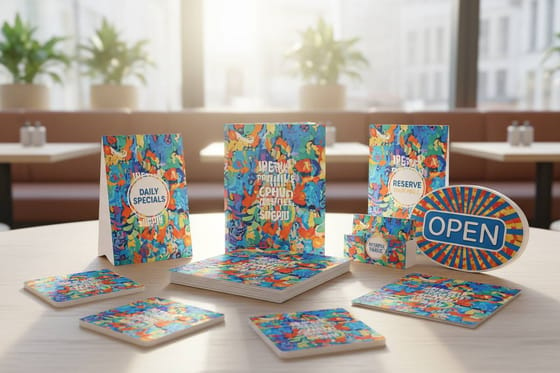
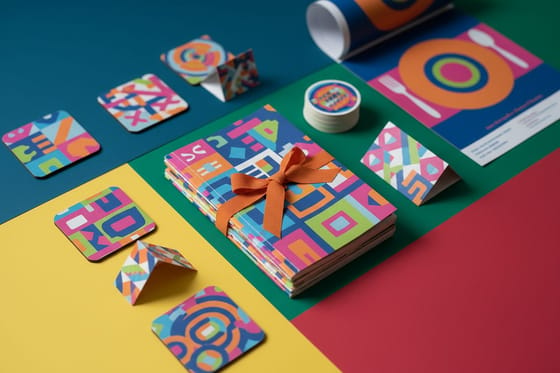
The sushi restaurant lineup is twelve print pieces that carry the craft beyond the counter: menus, table tents, die-cut stickers, business cards, window clings, banners, gift certificates, flyers, postcards, drink coasters, brochures, and takeout labels. The banner, clings, flyers, and postcards signal the house from the street and the mailbox, the menu, tents, and coasters guide every order, and the stickers, labels, cards, brochures, and certificates seal the takeout, answer the platter question, and gift the omakase.
The picks
Twelve sushi pieces, priced from a $16.48 postcard run
The twelve products run in the order a sushi restaurant usually needs them. Business cards start at $17.57 for 100, window clings at $30, gift certificates at $42.84 for 50, menus at $57.11 for 50 and die-cut box seals at $93.37 for 25, with 250 table tents at $554.39 as the one bulk buy, each priced live from the configurator. Order them together so the mark on the window matches the mark on the box seal, then read on for what each piece actually does.



Design and print help
The same mark on window glass, menu paper and box seals
Every piece has to show the same discipline, from a reverse-printed clear cling on the window to a 2 by 2 in die-cut seal on a bento and a 100# gloss text menu. These 4OVER4.COM services keep twelve pieces reading as one house without a design retainer.
How they work together
The street, the counter, then the takeout box
Each piece owns a stage: the street convinced, the order guided, the brand sent home in the box. Cover all three stages and print works for the counter before, during and after the meal.
The banner introduces the name at street scale, the clings put lunch specials and the omakase invitation on the glass, flyers carry the lunch offer to the office towers, and postcards mail the invitation to the blocks around the counter. Restraint outside promises precision inside.
The menu walks a first-timer from familiar rolls to the chef's counter, the tent sells the sake pairing and tonight's special without a word from staff, and the coaster brands every pour between sips.
The sticker seals every bento, labels name every container, the card answers the party-platter question, the brochure carries the catering pitch upstairs, and the certificate turns omakase into a gift that books itself months ahead.
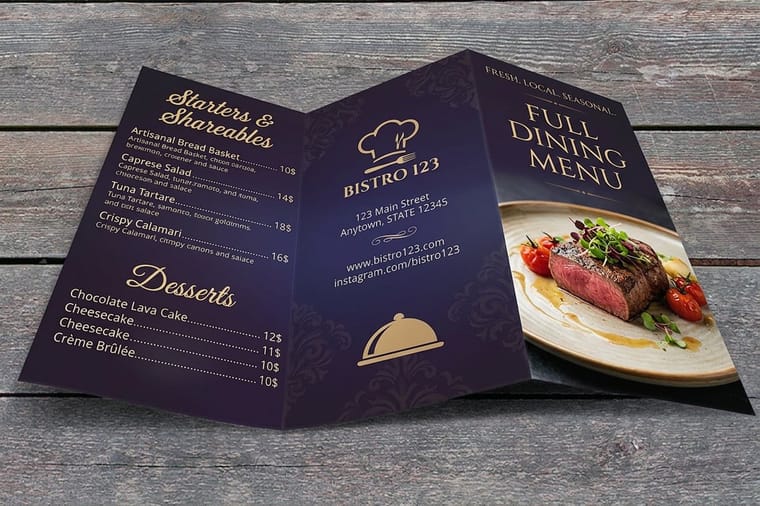
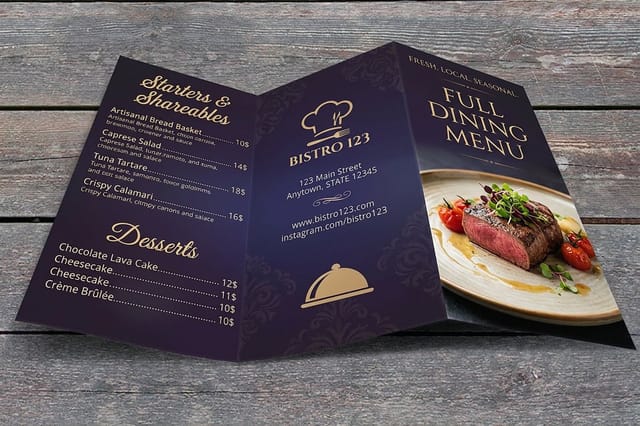
1. Menus that set nigiri, rolls and omakase in clean type
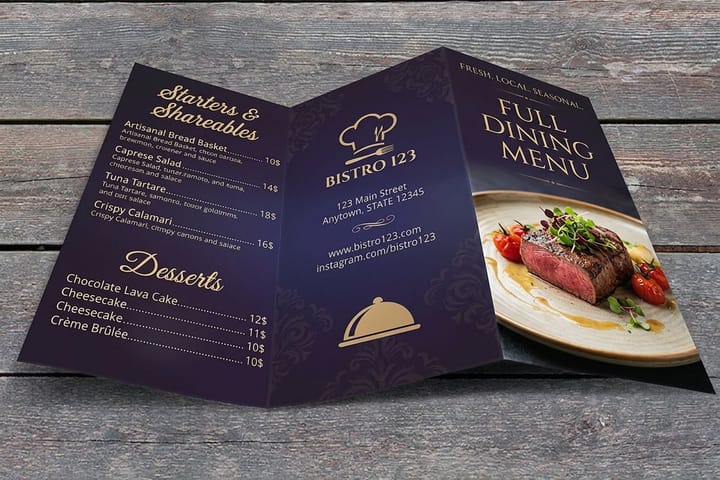
Sushi is the cuisine of visible precision, and the menu is the first thing a guest sees you cut. Clean zones, rolls for the newcomer, nigiri by species for the regular, the omakase page as the destination, tell the guest the kitchen thinks in order. A cluttered laminated grid tells them the opposite before the first piece lands.
Design for two speeds: photos and names for the lunch crowd deciding in ninety seconds, and a quieter, text-led dinner side that walks guests toward the counter. Keep market-price items on a replaceable insert. The structure work is covered in designing a restaurant menu in Canva and multipage print products for longer sake lists.
Send a menu with every takeout order. The desk lunch that went well is the dinner reservation that follows.
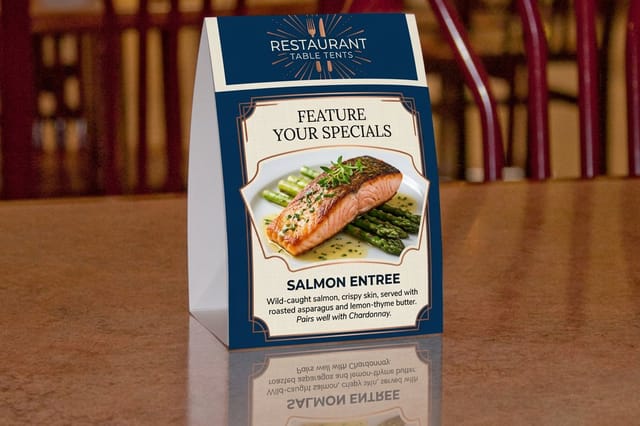
2. Table tents for the sake pairing at every seat
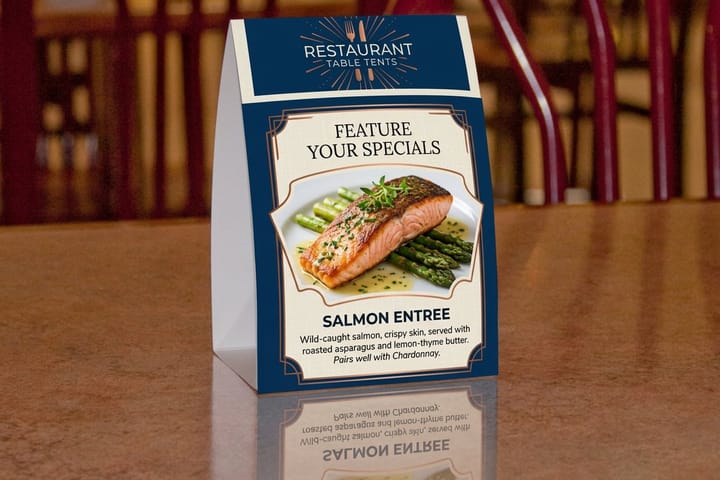
The best salesperson in a sushi restaurant is the chef, and the chef is busy. A table tent set in the house type carries the chef's voice to every seat: tonight's fish from the market, the sake that pairs with it, the Thursday omakase seating. It reads as a note, not an ad, and it sells the highest-margin lines on the menu during the guest's idle minutes.
One message per side, no clip art, prices included. Rotate weekly with the market so regulars keep reading it; a stale tent teaches the room to stop looking. Format details live in what table tents are, and vendor table display ideas has the wider tabletop playbook.
Place one at the sushi bar itself. The solo guest at the counter is the most persuadable diner in the building.
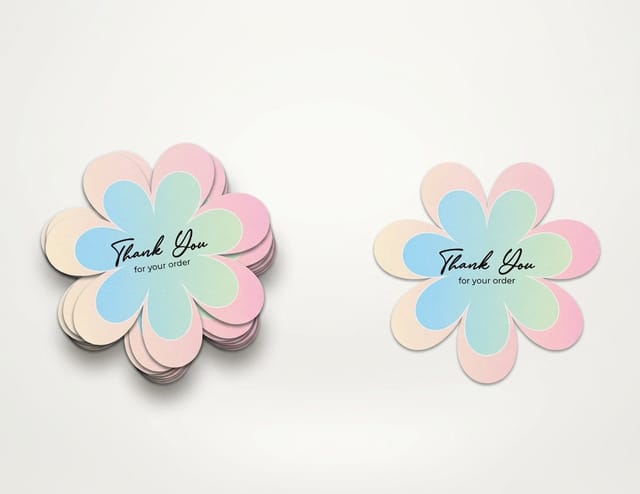
3. Die-cut stickers that seal every bento
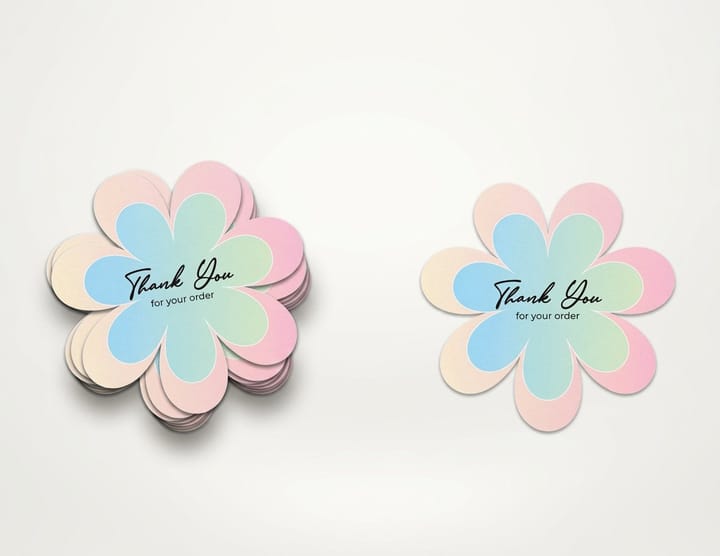
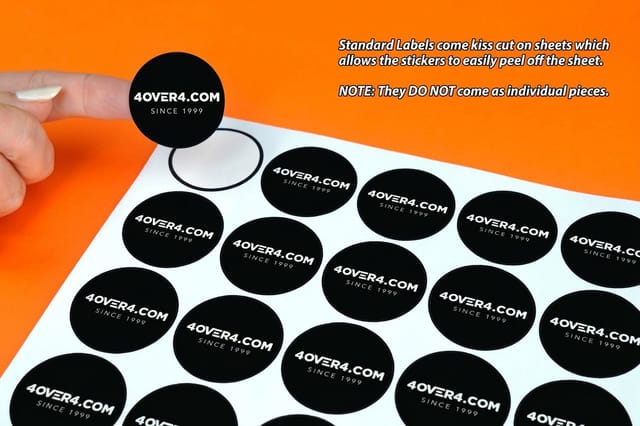
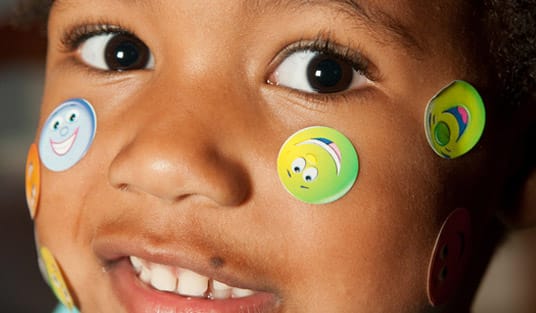
Takeout sushi lives or dies on trust: raw fish, a box, a stranger's commute. The die-cut sticker sealing that box is a small contract, packed with care, untouched since. Then it keeps working: your mark sits on a desk through the whole lunch, photographed more often than any sign you own, carried into offices you have never entered.
Cut it to your mark and print on a stock that handles refrigeration and condensation. A second small run makes chopstick-sleeve bands and sake-bottle tags from the same artwork. Material and prep guidance is in how to make stickers, with the full range at sticker printing.
Seal every box, even dine-in leftovers. The refrigerator door at home is a billboard with a nightly audience.
4. Business cards for platter orders and parties
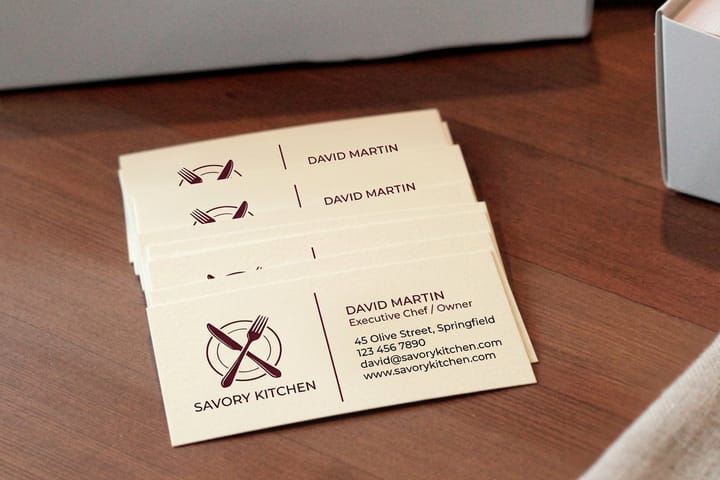
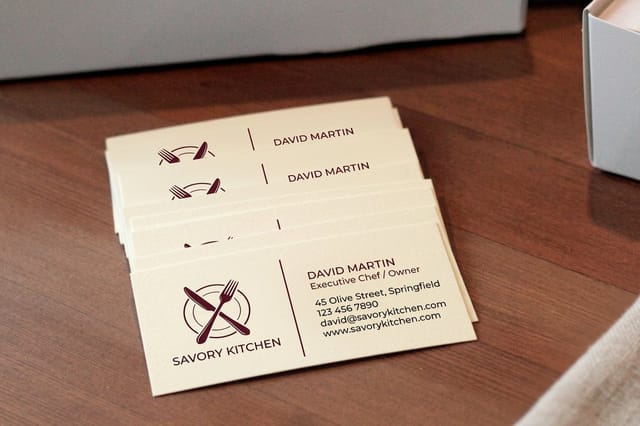
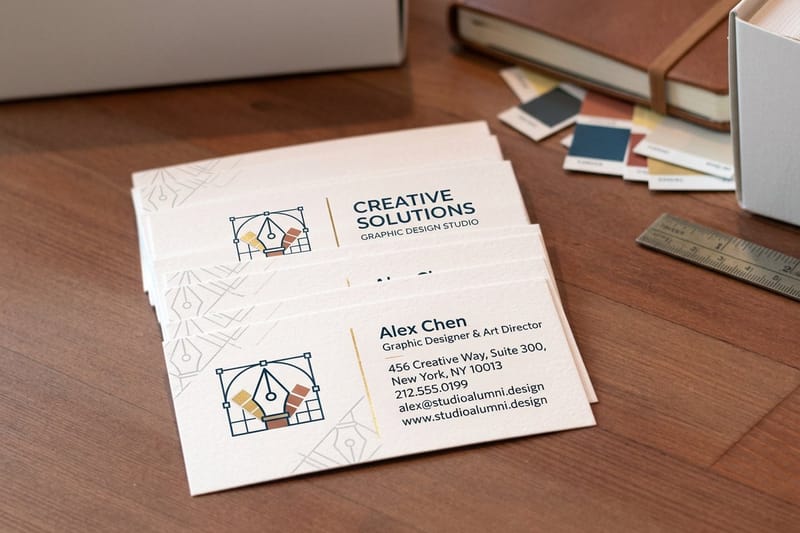
The questions that grow a sushi restaurant arrive at the register: do you do party platters, can we book the counter, is there an omakase waitlist? The business card is the answer that survives the walk home. Name, reservation line, platter QR on the back, handed over in three seconds with the change.
Keep it as restrained as the menu: the mark, one line, the contact. A clean card in a heavy stock reads like the house it represents; the fundamentals are in business card basics, and business card printing has the stock range if you want the card to match the omakase tier.
Drop one in every platter order. The office that ordered a boat for a birthday is the office that caters its holiday party.
5. Window clings for the lunch crowd and the omakase evening
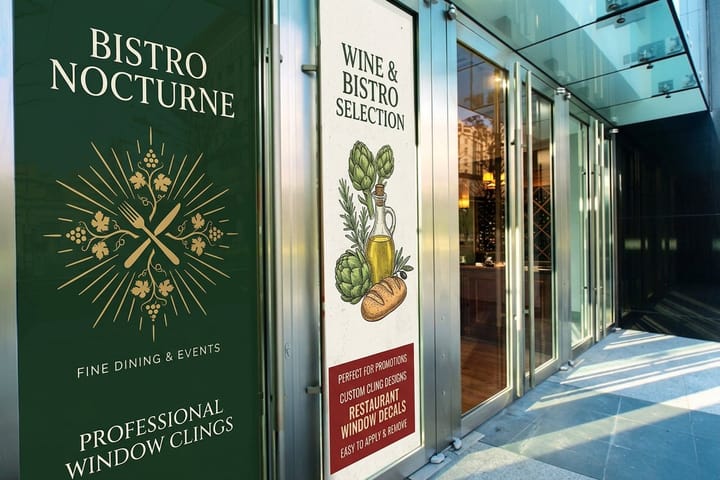
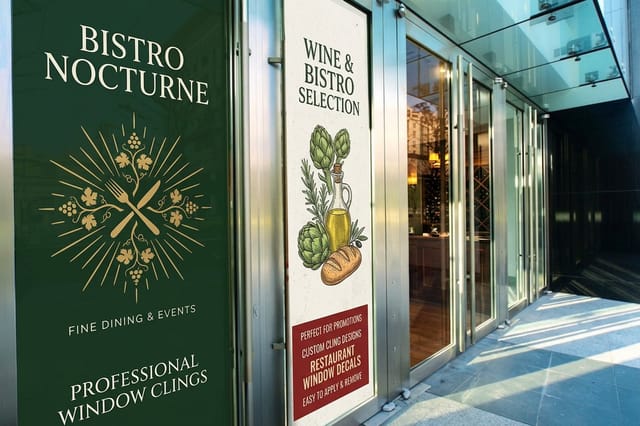
A sushi storefront has two rush hours and one sheet of glass. Window clings let it work both: the lunch special with a price and a promise of speed for the noon crowd, the omakase invitation and reservation QR for the evening stroll. The glass sells a different meal depending on the light, which is exactly how the kitchen works too.
Design with restraint, clean type, one accent, no faded fish photos, because the window is a claim about the counter behind it. Clings apply without residue and swap in minutes; the practical side is in what window clings and decals are and how to apply window clings.
Update the lunch cling weekly. A window that visibly rotates with the market says fresh better than the word ever could.
6. Banners that teach the street your name
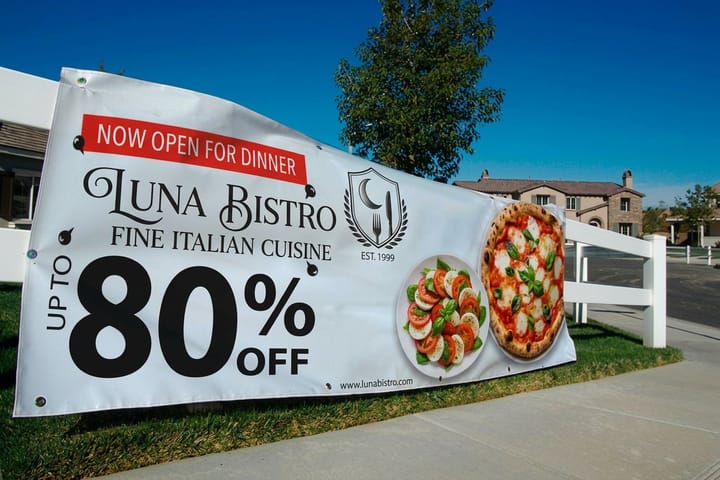
Every sushi restaurant opens against a skeptical question: is it good? The banner cannot answer it, but it makes the whole street ask, and asking is the first visit's parent. Now open, fresh fish daily, omakase Thursdays: one line at street scale, read by every commuter for weeks, for less than one night's fish order.
Hold the house restraint at size: dark ground, clean type, five words. The legibility rules in how to make banners keep it working at driving speed. Vinyl survives the seasons, so the opening banner returns for anniversaries and the once-a-year omakase series announcement.
Hang it while the buildout is still papered. Curiosity compounds; a neighborhood that watched the counter being built shows up to sit at it.
7. Gift certificates that give omakase as a present
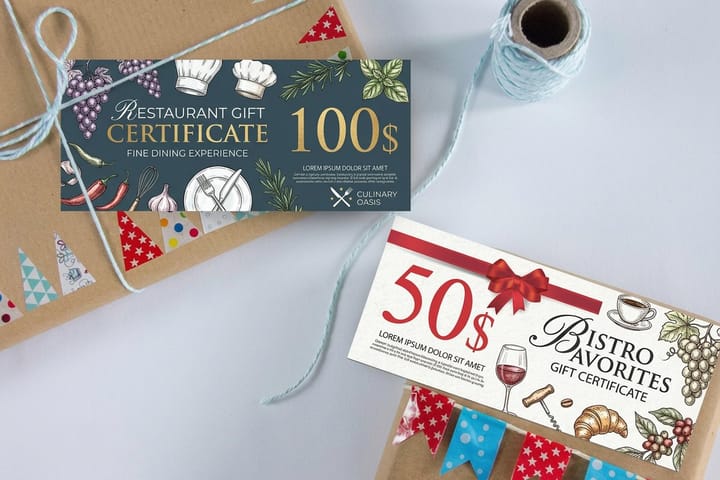
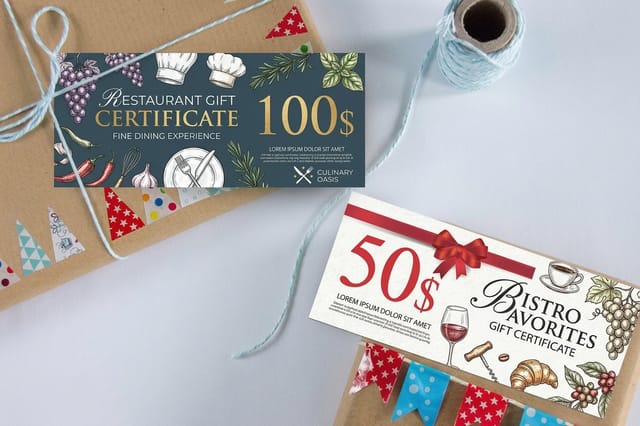
An omakase seat is one of the most gifted dinners in any city: the birthday splurge, the graduation, the thank-you that needs to feel considered. A printed certificate at the register captures that intent on the spot. You bank the revenue now; the recipient books later and arrives at your best format, primed to love it and bring someone next time.
Print it to be wrapped: heavy stock, quiet foil-adjacent design, an envelope. Align denominations to the omakase tiers so the gift maps to a real seat. Cover the legal side first with gift certificate expiration rules, then let the host stand sell without a manager's sign-off.
Feature them in December and before graduation season. The certificate is the only piece in this lineup that sells your most expensive product to someone who has never tasted it.
8. Flyers for the office towers at lunch
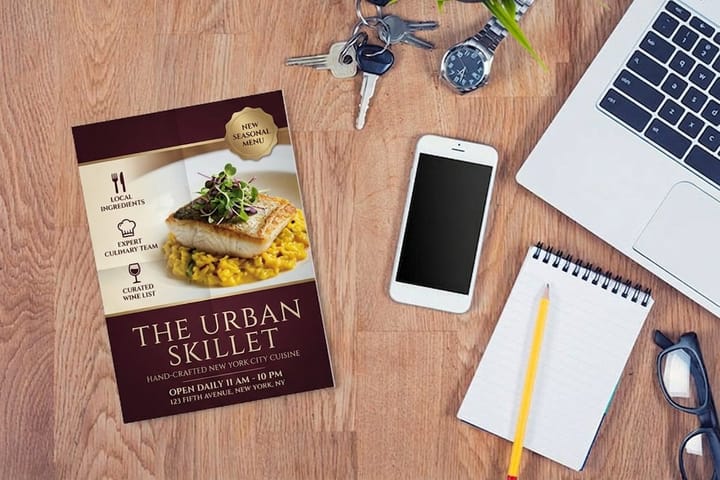
The noon rush is decided three blocks away, in lobbies and elevators where hungry people talk themselves out of another sad desk salad. A flyer with the lunch special, a price, and a promise of speed reaches them at the exact moment of that decision, and it keeps working from the break-room corkboard for weeks.
One special, one price, one map line, in the same restrained type as the menu. The focal-point rules in how to design flyers keep it readable in a lobby walk-past, and flyer distribution best practices turns the office towers, gyms, and coworking spaces into a weekly route.
Print a fresh run for opening week and for each new lunch set. At this price per sheet, one converted office pays for the whole batch.
9. Postcards that mail the omakase invitation
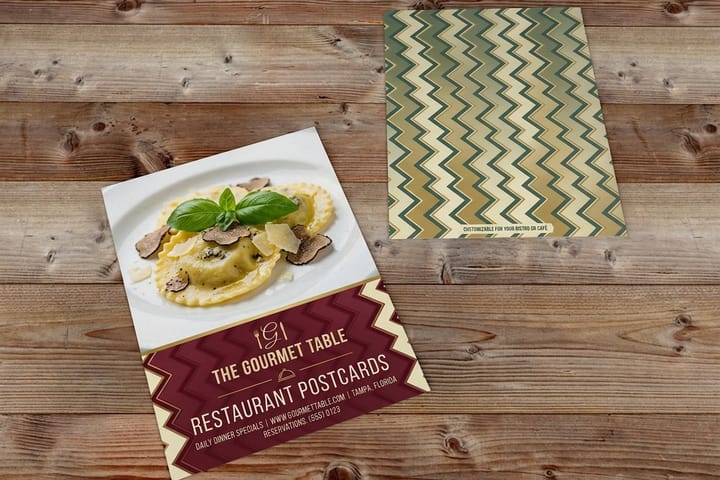
The guests who will fill the counter twice a month live within a short walk of it, and a postcard is how you introduce yourself to every one of them at once. One striking image of the counter, the omakase invitation, and a reservation QR, arriving alone in the mailbox instead of stacked in a feed, reads like an invitation because it is one.
Design for the pause between mailbox and door: image first, five words, the QR doing the rest. Postcard design for direct mail lists what earns the second look, and sending direct mail postcards walks the mailing itself.
The same card works as a takeout-bag insert and a host-stand take-one. Print once, deploy three ways, all in the house type.
10. Drink coasters under every sake and highball
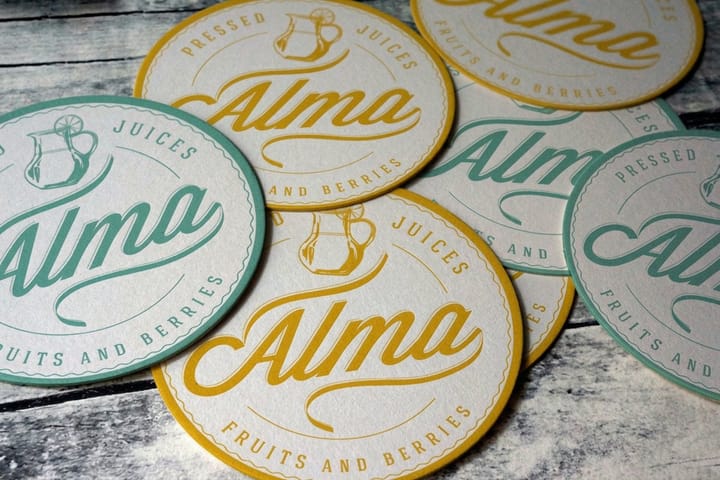
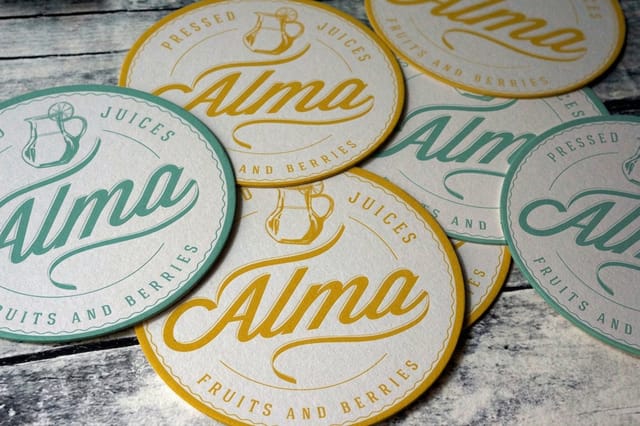
Sake service is half the theater of a sushi dinner, and the coaster is its stage. A branded coaster under every pour puts the mark in the frame of every counter photo, and the flip side sells quietly between courses: the sake flight, the omakase seating, the plum wine the kitchen wants moved this month.
Print the mark on one side and one suggestion on the other, in the same type as the menu so it reads as the house speaking. Board weights and print methods are compared in how to make coasters, and at this price the coaster is the cheapest seat-level media the room owns.
Let guests pocket them. A coaster on a home bar keeps pouring the name long after the check.
11. Brochures that carry the catering pitch upstairs
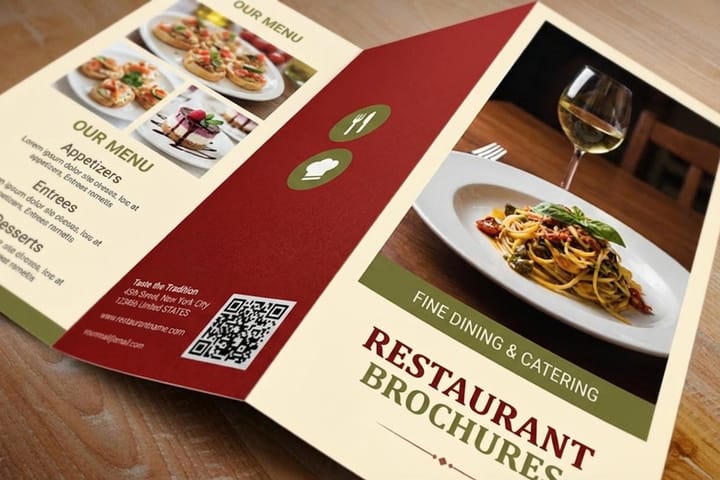
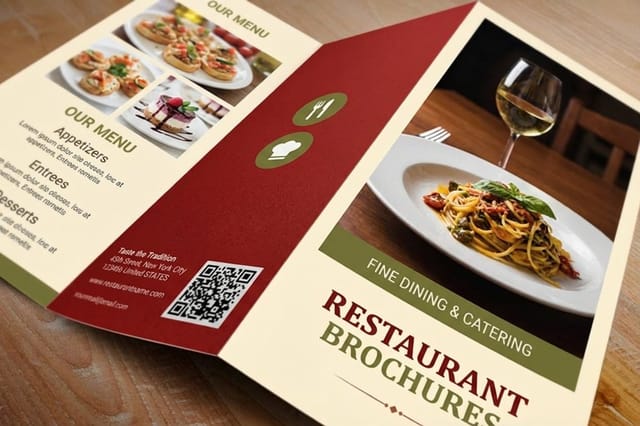
Platter and catering orders are the highest tickets a sushi kitchen writes, and they are decided by someone who was not in the room: the office manager, the event planner, the spouse planning the party. A trifold brochure with the platters, the party formats, and the private-omakase option is the pitch that travels upstairs and survives the meeting.
Give each panel one job: platters with counts and prices, the private counter option, how to order. Our explainer on what a brochure is settles folds and formats, and the stocks at brochure printing keep it feeling like the restaurant rather than a takeout circular.
Drop one in every large takeout bag and hand one with every platter quote. The order that follows is rarely the last.
12. Labels that name and date every container
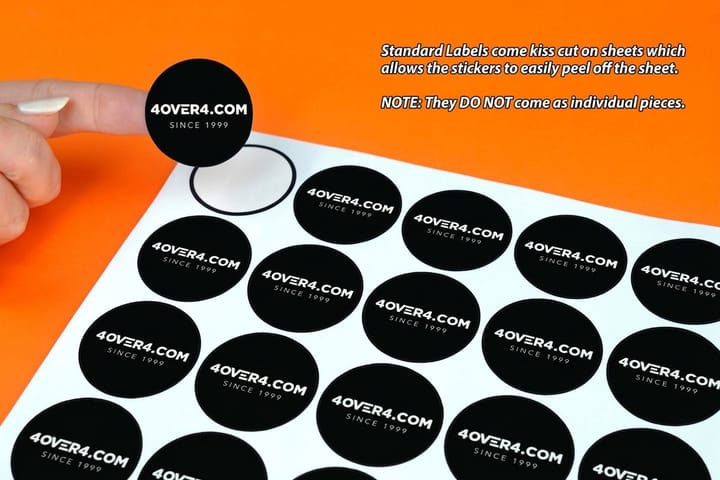
A takeout bag with four unmarked boxes starts a small argument at every desk it lands on. Labels end it: the roll name, the spice level, the allergy note, the pack date, each container answering its own questions in the house type. For raw fish especially, a dated label is not decoration, it is the trust the whole takeout business rests on.
Print a general brand label plus a writable variant for roll names and dates, sized to the containers you actually pack. Choosing the correct label size saves the wrap-around mistakes, and the material range at labels printing includes stocks that hold through refrigeration and condensation.
Label the sauce cups too. The detail nobody expects is the one that gets mentioned when the office decides where to order from next week.
Specs and pricing
Restaurant menu stock options and live pricing
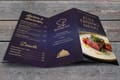
The menu is the piece the whole house is judged by, so start the order there. Here are the live specs and price-per-unit for restaurant menus at 4OVER4.COM, straight from the configurator.
| Quantity | Price Per Unit | Total |
|---|---|---|
| 50 | $1.14 | $57.11 |
| 100 | 82.4¢ | $82.38 |
| 200 | 53.3¢ | $106.55 |
| 300 | 41.0¢ | $123.02 |
| 400 | 34.9¢ | $139.49 |
| 500 | 31.2¢ | $155.97 |
| 600 | 26.7¢ | $160.36 |
| 700 | 23.5¢ | $164.75 |
Wally explains the lineup
Twelve pieces, cut with the same knife
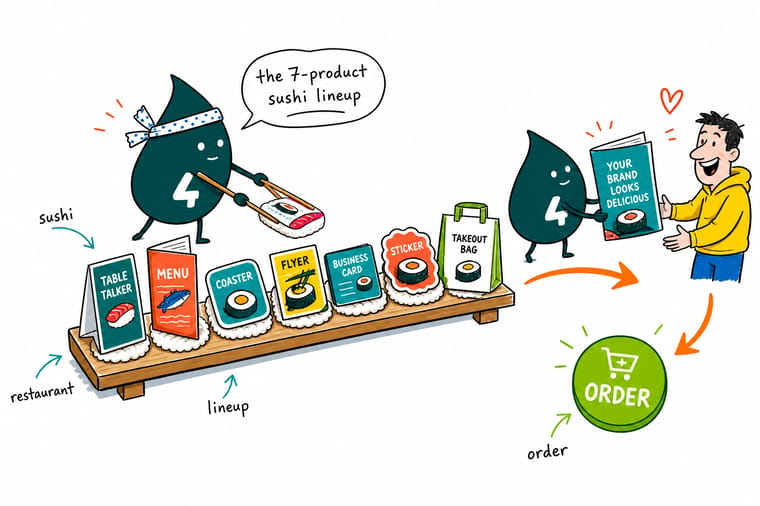
Wally lines up sushi print the way a chef lines up the pass. The banner, window clings, flyers, and postcards promise precision from the street and the mailbox, the menu, table tent, and coaster guide every order from the familiar roll to the chef's counter, and the sticker, label, card, brochure, and certificate seal the bento, answer the platter question, and wrap omakase as a gift. Print all twelve at 4OVER4 in one order and every surface shows the same discipline.
Shop restaurant printing →See it in use
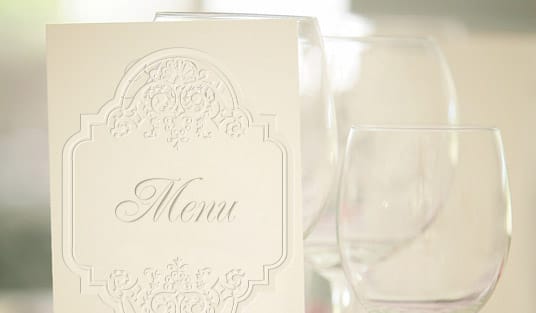
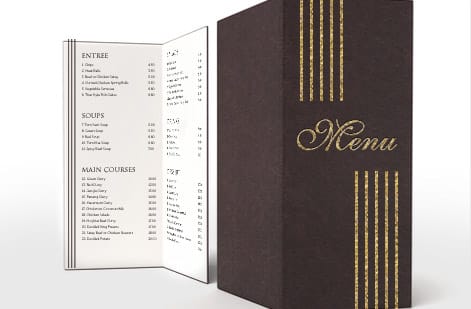
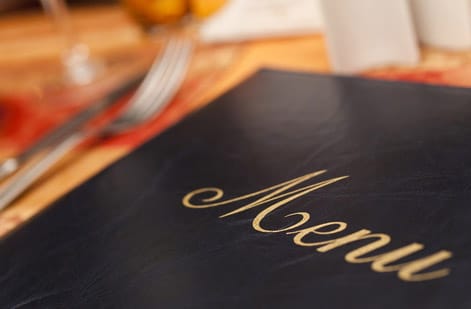
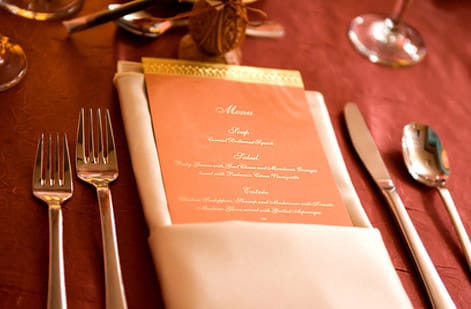
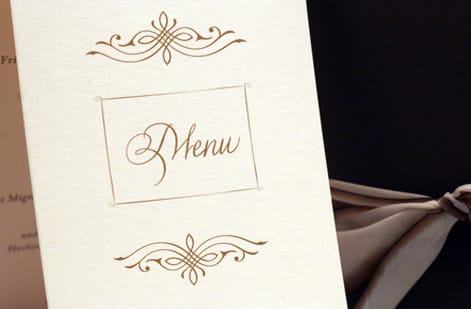
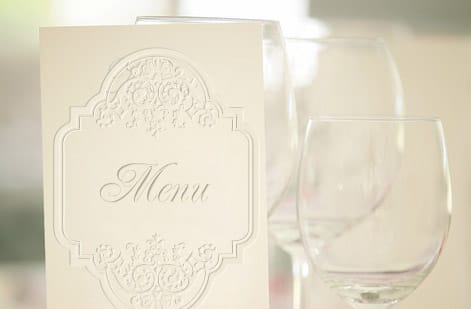
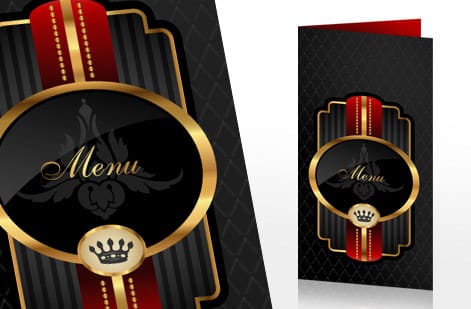
Restaurant menus in their printed finishes
%22%2F%3E%3Ccircle%20cx%3D%2240%22%20cy%3D%2249%22%20r%3D%2225%22%20fill%3D%22%232dd4bf%22%20opacity%3D%220.15%22%2F%3E%3Ccircle%20cx%3D%2278%22%20cy%3D%2258%22%20r%3D%2214%22%20fill%3D%22%232dd4bf%22%20opacity%3D%220.1%22%2F%3E%3Crect%20x%3D%2270%22%20y%3D%2228%22%20width%3D%2225%22%20height%3D%2234%22%20rx%3D%224%22%20fill%3D%22%232dd4bf%22%20opacity%3D%220.08%22%20transform%3D%22rotate(35%2080%2030)%22%2F%3E%3C%2Fsvg%3E)
Explore more
Where to go next

By the numbers
One lineup, printed with the counter's discipline
Common Questions
Common questions about the sushi lineup
What is in the sushi restaurant lineup?
Twelve print products that carry a sushi restaurant from the street to the takeout box: restaurant menus, table tents, die-cut stickers, business cards, window clings, banners, gift certificates, flyers, postcards, drink coasters, brochures, and takeout labels. The banner, clings, flyers, and postcards signal the house from the sidewalk and the mailbox, the menu, tents, and coasters guide the order at every seat, and the stickers, labels, cards, brochures, and certificates send the brand home with every bento and book the next visit.
What makes a sushi menu different to design and print?
It has to guide two very different guests at once: the first-timer who needs photos and familiar rolls, and the regular heading straight for nigiri by species. Zone the menu, rolls first, nigiri and sashimi by category, then the omakase and sake page, and let white space do the organizing. Print on a stock that stays crisp with daily handling, and keep a cheap insert for market-price items so the core menu survives fish-market economics.
Why do stickers matter for a sushi restaurant?
Because half the product leaves in a box, and a box is a blank billboard. A die-cut sticker sealing the bento does three jobs: it proves the box was not opened, it labels the order, and it puts your mark on a desk at the exact moment someone is enjoying your food in front of coworkers. The sticker is the difference between takeout that looks like logistics and takeout that looks like the restaurant traveled.
What should the window clings promote?
Run the shifts separately. At lunch height: the special, a price, and how fast it lands. For the evening: the omakase invitation and the reservation QR. Sushi windows benefit from restraint, clean type and one accent color read as confidence, while a glass crowded with faded photos reads as the opposite. Swap the clings when specials change; they peel and reapply cleanly.
How do gift certificates work for omakase?
Omakase is a meal people gift for birthdays, anniversaries, and thank-yous, and a printed certificate captures that intent at the register. You collect the full amount up front, the recipient books later, and they arrive as a first-time guest experiencing your best format. Print certificates heavy enough to wrap, keep denominations aligned to your omakase tiers, and display them where the takeout line waits.
What belongs on the table tents?
One item per side: tonight's special from the market on one, the sake or wine pairing on the other. Sushi guests spend minutes deciding and seconds re-deciding when a good suggestion appears at eye level. Keep the tent in the same type as the menu so it reads as the chef's note rather than an ad, and rotate it weekly with the fish.
How much does the whole lineup cost to print?
The daily pieces are cheap to start: 100 business cards at $17.57, 50 postcards at $16.48, 10 coasters at $10.98, 25 takeout labels at $23.88, a window cling from $30 and 50 menus at $57.11. The box seals cost more up front, $93.37 for 25 die-cut stickers, but 100 cost only $99.95, so order the bigger run for weeks of boxes. Table tents are a bulk buy that dresses every seat for a season. Configure each product and the price updates as you go.
Get Started
Standard labels are 25 for $23.88, ninety six cents each
Order the full sushi restaurant lineup from 4OVER4.COM and print all twelve pieces on matching stock in one turnaround. Adjust size, finish, and quantity on any product and watch the price update live.
Legal Disclaimer
Gold Standard guarantees apply to all standard orders placed through 4over4.com. Price match requires verifiable proof of a competitor's published price for an equivalent product with matching specifications and turnaround time. Satisfaction guarantee covers manufacturing defects and print quality issues. Contact support with order number and documentation.
