
Pricing Strategies for Online Businesses, and the 6 Prints That Carry the Price
Online stores usually rewrite the number and wait. The strategies that move revenue change what the number sits next to, and most of them need something printed to work. Here are six of them, each with the piece that carries it and its live price.
The pricing strategies that work for an online business are anchoring against a real list price, tiering one product into good, better and best, bundling two items into one uncomparable price, pricing the second order instead of discounting the first, and testing on a list you can count. Five of the six need a printed piece to reach the customer: a tag, a label, a seal, an insert card, or a mailed postcard. The cheapest of them starts at $19.77 and touches every parcel you already ship.

The picks
The 6 picks, in the order to buy them
Every price below is the lowest catalog price for that product, and it moves as you change size, stock, and quantity in the configurator. The order is deliberate: the first three cost less than a single week of ad spend and apply to every order you already pack, while the last two are worth buying once the first three are earning. Each piece can be laid out in the free online designer or started from a design template.
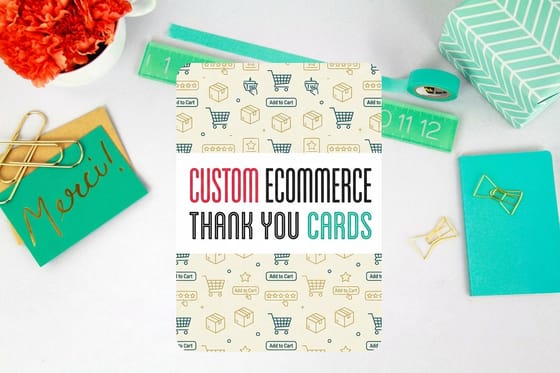
- 1. Ecommerce Thank You Cards from $19.77 The only piece in the kit that reaches a customer who already paid full price. It sets the price of order two instead of discounting order one.
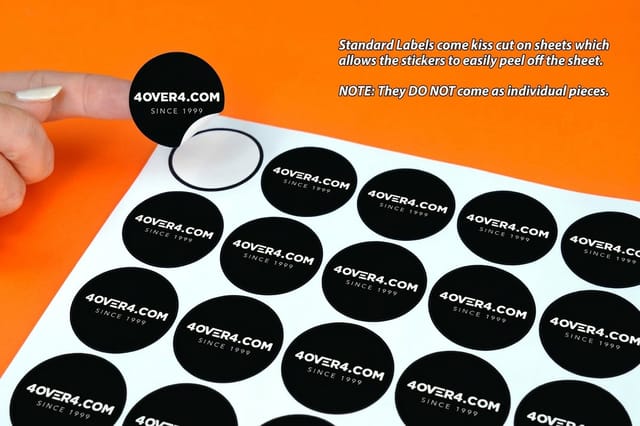
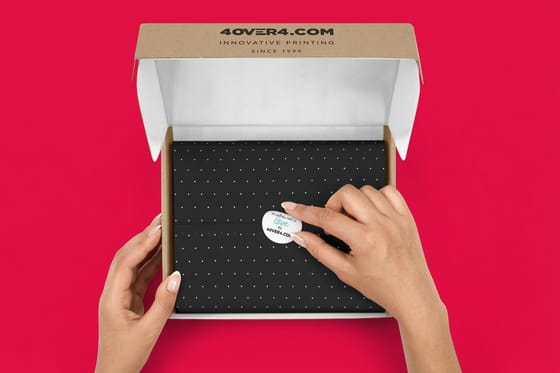
- 2. Standard Stickers from $23.88 A printed seal is what turns two SKUs in a mailer into one kit with one price. Without it a bundle is just two items in a bag.
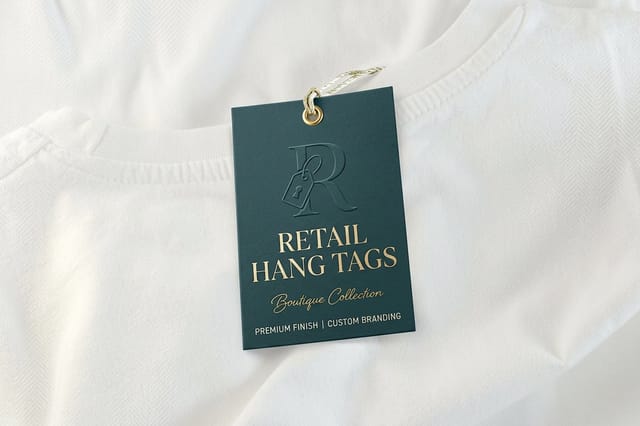
- 3. Retail Hang Tags from $25.27 Puts the list price in the buyer’s hand so your price has something to be lower than. Print the list price, never the sale price.
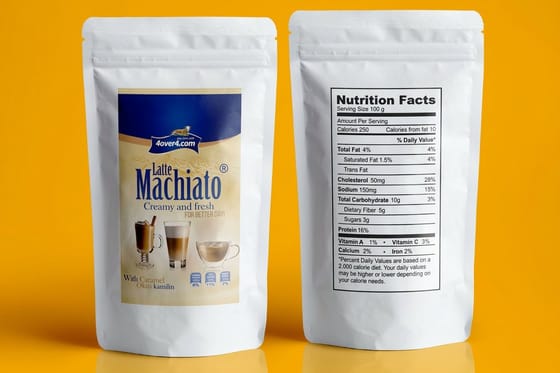
- 4. Premium Product Labels from $29.16 Three labels turn one base product into good, better, and best. The top tier is there to make the middle one look sensible.
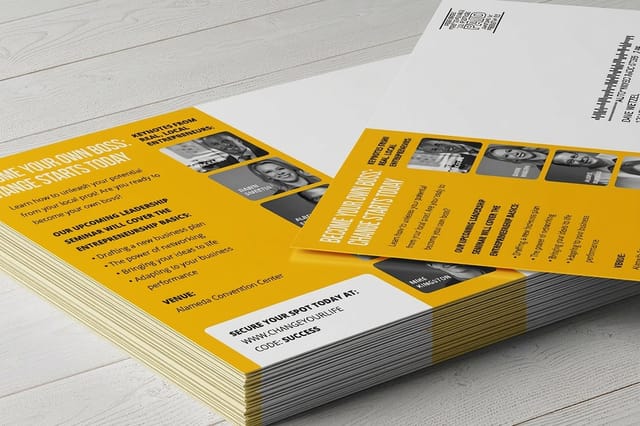
- 5. Direct Mail Postcards from $89.68 A fixed list, one code, one window. It is the cleanest price test a small store can run, because nothing else in the cell moves.
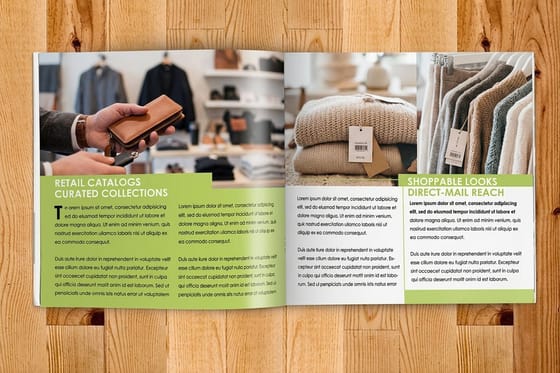
- 6. Retail Catalogs from $240.55 The whole line on paper, in order, so a buyer sees the range before they see one number. Highest floor price here, and the last piece to add.



What each move does
Six pricing moves, and where each one breaks
Every strategy here changes the order in a specific way, and every one has a failure mode that shows up a few months later. Read the row, tap the piece to jump to its section, then pick the move that matches the problem you actually have.
| Piece | What it changes about the order | Where it breaks |
|---|---|---|
| 1. Insert cards | Discounts the next order instead of this one, so today’s sale stays at full margin | A code with no end date bleeds margin forever unless you tie it to one product or a minimum spend |
| 2. Bundle seals | Sells two items as one line, so the unit price stops being comparable | Repeat buyers learn to wait for the bundle if it is the same items at a lower price |
| 3. Hang tags | Places the list price in the hand, giving your price something to sit under | A compare-at figure you never actually charged is a claim your own order history disproves |
| 4. Tier labels | Splits one product into good, better, best so the middle option gets chosen | Tiers priced too close read as noise, and three tiers means three label runs to reprint |
| 5. Mailed postcards | Tests a price on a list you can count, with a code that ties the order back | Mail is slow and one drop is one data point, so a single mailing proves very little |
| 6. Printed catalogs | Shows the full range, so the customer judges a price against your line, not a search result | Printed prices go stale, and on a saddle-stitch book one extra price page costs four pages |
The strategy behind each row, without the print specs, is in our guide to pricing strategies for online businesses. What a change does to margin once shipping and fees come out is worked through in price and profits of online stores.
1. Insert cards: price the second order, not the first
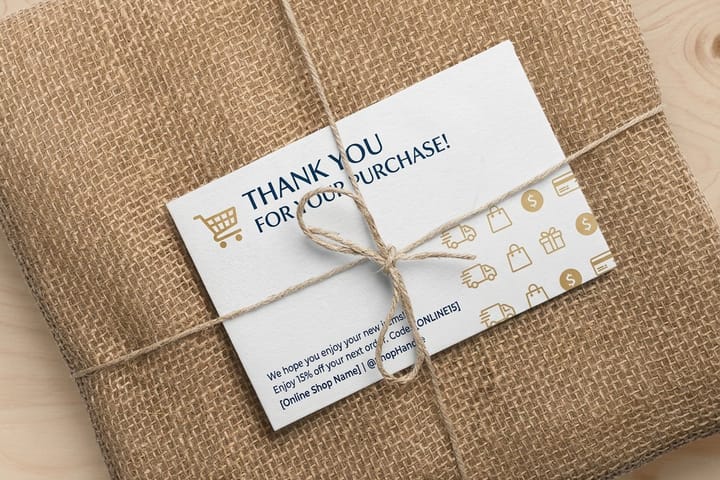
The usual first move is a welcome coupon, which spends margin on someone who had already decided to buy. Flip it. An ecommerce thank you card costs from $19.77 at 4OVER4.COM, rides in a parcel you are already paying to ship, and reaches a customer holding your product with your full price already paid.
Give the card one offer and one place to use it. A code for the refill, the second colorway, or the matching size beats a blanket percentage, because it points at a specific next purchase instead of asking the customer to invent one. Print the code unique to the card run so your own order data tells you how many came back through it. That number is yours to measure.
Now the part most stores get wrong. Whether you write dollars off or percent off changes how big the discount feels, and the switch happens around the $100 mark. On a $28 item, "$5 off" reads larger than "15% off" even though it is more. On a $340 order the percentage is the one that looks generous. Pick the framing that flatters the price you actually sell at.
The trade-off is the expiry. A card with no end date keeps earning orders out of a junk drawer months later, but you carry that margin cost indefinitely, so bound it with a minimum spend or a single eligible product rather than a date. Spec-wise, 4 in x 6 in flat slides into a poly mailer without folding, and 16pt stock stays flat instead of curling against a bubble liner. Our guide to packaging insert cards for ecommerce brands covers what else belongs on the card.
2. Bundle seals: one price a shopper cannot compare
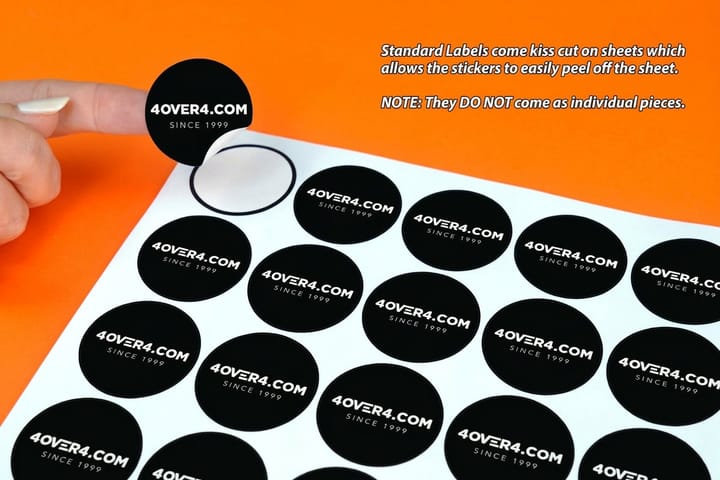
A bundle works because it removes the comparison. Two items at $29 and $25 invite a shopper to price each one against a search result. The same two sold as a named kit at $47 does not, because nobody else lists that exact kit. The catch is physical: a bundle only feels like a product once it is one package, and that is what a printed sticker does, from $23.88.
Print the kit name and, if you sell wholesale, the kit barcode on the seal. It gives the bundle an identity a warehouse can pick, a customer can review, and a returns process can handle without guessing which half came back. A 2 in or 3 in circle across a kraft box flap or a folded tissue wrap is the usual size.
Choose the stock for where the bundle lives. Paper stickers look right and cost least on a dry box that goes straight to a doorstep. Anything that meets a fridge, a bathroom shelf, or a cooler wants vinyl, because a paper seal wrinkles and lifts the first time the surface sweats. If the sticker ships loose in the mailer rather than sealing anything, ask for kiss-cut so the backing sheet stays whole and cold hands can lift it. There is more on that choice in choosing the right sticker material.
The limit worth naming: if the bundle is simply your two best sellers at a lower total, regular customers stop buying them separately and wait. Build bundles out of a hero item plus something they would not have added on their own, and the arithmetic stays in your favor. Run sizes and the price ladder behind that arithmetic are broken down in how much custom stickers cost.
3. Hang tags: put the list price where the hand is
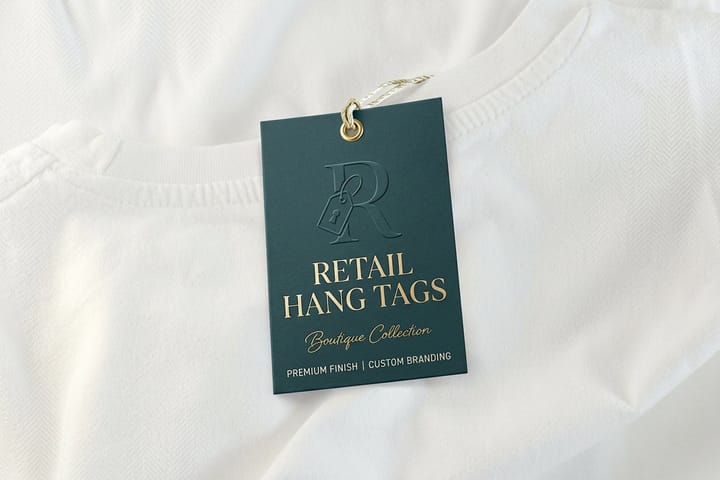
Anchoring only works when the higher number is physically next to the lower one. A retail hang tag, from $25.27, is the cheapest way to do that off-screen: the list price is printed on the tag, and your price arrives on a small sticker, on the shelf talker, or in the listing. The buyer holds both at once.
Keep the claim honest. In the US a former price has to be a price you genuinely offered, and your own order history is the record that settles it. If you have never sold at the list price, do not print one. Print the fiber content, the size, the care line, and the story instead, and let the tag earn its place another way.
Print specs decide whether the tag survives the rack. 2 in x 3.5 in is the common size, 16pt or heavier holds its shape when a shopper pushes past it, and the string hole belongs at least a quarter inch in from the trim, because a hole punched close to the edge tears through on the first tug. Sizes and where each one is normally used are listed in our hang tag size guide.
One rule saves reprints: never print the selling price on the tag if you ever plan to discount. The moment you run a sale you are either stickering over your own tag or throwing the run away, and a tag run outlives most promotions. The same logic applies to every printed piece that carries a number, which is why the catalog further down uses a loose price sheet.
4. Tier labels: sell the middle option on purpose

Good, better, best is the oldest working structure in retail pricing, and for a physical product the tiers are made of labels. Three premium product labels, from $29.16, turn one base item into a $24 standard, a $38 you actually want to sell, and a $65 that mostly exists to make the $38 look reasonable.
Design the three as one plate with one changeable panel. Same logo position, same type, same color field, and only the tier name and the variant detail move. That keeps the family readable on a shelf and keeps your artwork cost to one setup instead of three, which matters because each tier is its own print run with its own minimum.
Two ways this fails. Tiers priced too close read as noise and the customer picks at random, so leave a gap wide enough to mean something. Tiers priced too far apart stop anchoring, because the top one reads as a joke rather than a reference point. Get the middle right first, then build the other two around it.
Material matters more than it looks. Paper labels are cheapest and correct for dry goods on a shelf, while anything refrigerated, frozen, or handled with wet hands wants a synthetic face stock that shrugs off condensation. Size the label to the container before you design it, using how to choose the correct label size, and there is a working art director’s view of the layout in designing a product label.
5. Mailed postcards: test a price on a list you can count
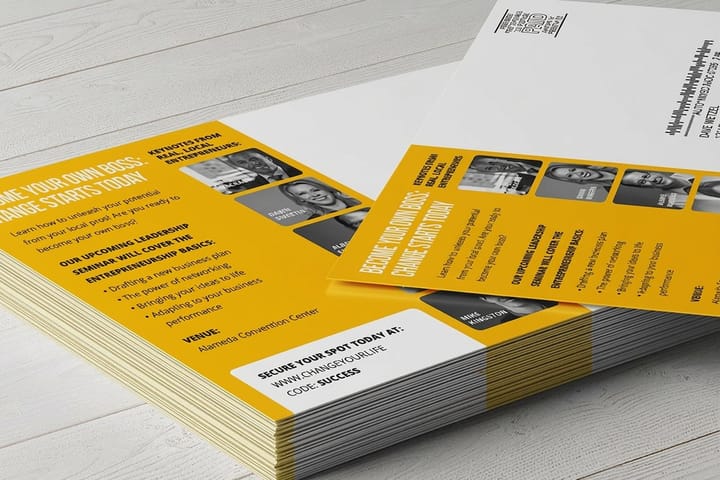
Changing a price on the site and watching the dashboard rarely settles anything, because the traffic mix changes at the same time and you cannot tell the two apart. Mail fixes the cell. Direct mail postcards start at $89.68 with printing and the mailing service together, and every piece goes to a name you chose, carrying a code that ties the order back.
Split the list in half and mail the same offer at two prices, one code each. Same creative, same drop date, same audience quality. When the orders come in you have the only clean comparison a small store gets, and it costs less than a month of paid traffic spent guessing.
Keep the format at 6 in x 4.25 in or smaller and it mails at the postcard rate. Anything larger is priced as a letter, which is fine when the extra space earns it, but it changes the cost of a few hundred pieces. Leave the address panel clear, keep the offer on the front to one line readable at arm’s length, and print the deadline, because a mailed test needs a closing date to be countable. The sequence from list to mailbox is in five steps to send direct mail postcards.
The honest limit: mail is slow, and one drop is one data point. Plan on weeks, not days, before the response is readable, and repeat the winning cell once before you move a price across the whole catalog on the strength of it.
6. Printed catalogs: show the range before the number

A search result shows one product and one price. A retail catalog, from $240.55, shows your whole line in an order you chose, so the buyer judges a price against your range instead of against whatever else was on the page. That is why wholesale desks, showrooms, and trade-show tables still hand one over.
Put the entry item early and the flagship on a spread of its own. The point is not to sell the flagship. It is to give every price after it something to sit under, which is the same anchoring that makes a tier label work, scaled to the whole line.
The problem with printing prices is that prices change. The fix from the trade is a loose price sheet: print the catalog with no prices in the body, then insert a single flyer that carries the current numbers. Change a price and you reprint one sheet, not the book. If you do print prices inside, remember that a saddle-stitch catalog runs in multiples of four pages, so one extra price page costs four, as explained in page counts and creep.
This is the last pick to buy because it has the highest floor and the longest artwork job. Binding, page counts, and stock choices for the run are covered in our catalog printing binding and specs guide, and the reason a bigger run costs so much less per copy is laid out in how price breaks work.
Specs and pricing
The two pieces you will reorder most
Insert cards go in every parcel and labels go on every unit, so they are the two lines that come back every quarter once the pricing works. Here are the live specs and price ladders for both, straight from the configurator.


| Quantity | Price Per Unit | Total |
|---|---|---|
| 25 | 79.1¢ | $19.77 |
| 50 | 50.5¢ | $25.27 |
| 100 | 42.8¢ | $42.84 |
| 200 | 25.8¢ | $51.62 |
| 300 | 20.1¢ | $60.42 |
| 400 | 17.3¢ | $69.20 |
| 500 | 15.6¢ | $77.99 |
| 600 | 15.4¢ | $92.26 |
| Quantity | Price Per Unit | Total |
|---|---|---|
| 1 | $29.16 | $29.16 |
Wally sets the price
Change what the number sits beside
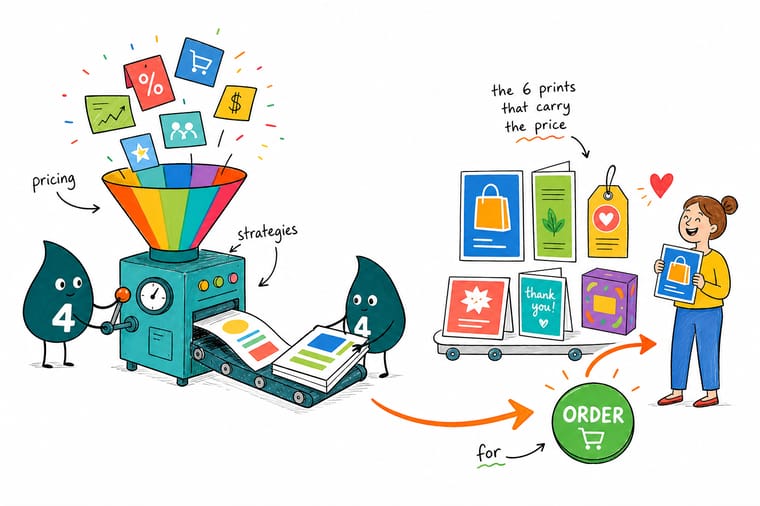
Wally does not touch the number. He puts a list price on the tag so your price has something to sit under, splits one product into three labeled tiers so the middle one gets picked, seals two items into one kit nobody can price-match, and drops a coded card in the box so the discount lands on the next order instead of this one. Five pieces, five moves, and every one of them printed at 4OVER4.COM.
Shop ecommerce printing →See it in use
Stickers and seals stores have used on price
Explore more
Where to go next


By the numbers
What a price tag can be printed on
Common Questions
Common questions about pricing an online store
What is the simplest pricing change a small online store can make?
Stop discounting the first order and start pricing the second one. A printed insert card in the parcel carries a code for a specific next purchase, which means the sale you just made stays at full margin and the discount only costs you if it actually brings the customer back. Ecommerce thank you cards start at $19.77 at 4OVER4.COM, so the whole change costs less than a week of paid traffic.
Should I print the price on a hang tag?
Print the list price, not the sale price. A tag run outlives most promotions, so the moment you discount you are either stickering over your own tag or throwing away the rest of the box. Printing the list price and letting a sticker or the listing carry the current number keeps the tag usable all year and still gives your price something to sit under.
Is a compare-at price allowed?
It is allowed when the higher figure is a price you genuinely offered. In the US a former price claim has to reflect a real price you charged, and your own order history is the record. If you have never sold the item at the list price, leave the comparison off the tag and give the space to the size, the materials, or the care instructions instead.
Dollars off or percent off on an insert card?
The framing that sounds bigger flips around the $100 mark. Under it, a dollar amount usually reads larger than the equivalent percentage, so $5 off a $28 item beats 15% off even though the percentage is worth more. Over it, the percentage sounds more generous than the same money written out. Match the framing to the price you actually sell at, and put only one offer on the card, because two cuts the response to both.
How much does the six-piece pricing print kit cost?
Prices move with size, stock, finish, and quantity, and every option updates live in the configurator. As starting points at 4OVER4.COM: ecommerce thank you cards from $19.77, standard stickers from $23.88, retail hang tags from $25.27, premium product labels from $29.16, direct mail postcards from $89.68 with the mailing service included, and retail catalogs from $240.55. The per-unit price falls as quantity climbs, which is why the catalog looks expensive as a first order and cheap per copy at volume.
How do I test a price change without confusing my own data?
Test on a group you can count. Split a mailing list in half, send the same postcard with two prices and two codes, and let the codes tie the orders back. A site-wide price change is hard to read because the traffic mix shifts at the same time, while a mailed cell has a fixed audience, a fixed window, and a countable answer. Give it several weeks, because mail is slow and one drop is one data point.
Why bundle instead of running a discount?
A bundle removes the comparison rather than lowering the number. Two items sold separately can be priced against a search result, while a named kit at one price cannot, because nobody else lists that combination. Seal it with a printed sticker so it arrives as one product with one name. The failure mode is building the bundle from two best sellers at a lower total, which teaches regular customers to wait for it.
Should a printed catalog carry prices?
Usually not in the body. Print the catalog without prices and insert a loose price sheet, so a price change means reprinting one flyer instead of the whole book. If the prices have to be inside, keep them on a single page or a single column, and remember a saddle-stitch catalog runs in multiples of four pages, so adding one price page costs four.
Get Started
Print the pieces your pricing needs
Order the six picks at 4OVER4.COM and every tag, label, seal, card, postcard, and catalog leaves the press matching. Pick your sizes, stocks, and finishes, and watch each price update live as you build the order.
Legal Disclaimer
Gold Standard guarantees apply to all standard orders placed through 4over4.com. Price match requires verifiable proof of a competitor's published price for an equivalent product with matching specifications and turnaround time. Satisfaction guarantee covers manufacturing defects and print quality issues. Contact support with order number and documentation. On-time delivery rate based on tracked orders 1999 to 2026. Individual results may vary based on shipping carrier performance.
