
15 Print Pieces That Turn Benefits Season Into Booked Eye Exams
A patient won once can return for an exam every year for decades. These fifteen pieces reach households when eyes become a priority, convert the first exam, and book the next one before the patient leaves the desk.
The optometrist pack is fifteen pieces that build a yearly patient pipeline: appointment cards, medical business cards, brochures, postcards, posters, business forms, flyers, rack cards, window clings, business banners, door hangers, counter cards, magnets, round stickers, and bookmarks. The outreach pieces work benefits season and back-to-school, the front-desk pieces convert the first visit and sell the lens upgrade, and the recall card, fridge magnet, and take-home pieces book next year's exam at checkout, which is where optometry's real economics live.
The picks
Fifteen products, from the recall card to the counter card
The recall card leads at $17.57 for 100, with postcards and bookmarks at $16.48. Stickers start at $23.88, clings at $30, rack cards at $42.84, the street banner at $43.92, brochures at $57.11, flyers at $39.54, posters at $108.75, forms at $120.82 for 100 and door hangers at $290.41 for 250. Keep color and stock the same from the mailbox to the front desk, then read on for what each one does and when to deploy it.



Design and print help
One palette from the mailbox to the frame board
Patients read consistency as competence. Build the doctor names, plans accepted and booking line once in the designer or a healthcare template, check each on a free proof, and let bulk pricing cut the per-piece cost of a year of recall cards: 100 cost $17.57 and 500 cost $36.26.
How they work together
Reach, convert, recall: the yearly cycle
Each piece owns a stage of the patient pipeline. Run the whole sequence and the practice fills from the mailbox and refills from the recall file, year after year.
Postcards hit nearby mailboxes when benefits reset, flyers work schools and community events, posters at pharmacies and gyms keep the practice visible between campaigns, door hangers walk the neighborhoods around the office, and the street banner announces benefits season to every passing car.
The new patient meets a card with the doctor's name and a brochure that explains exams, lenses, and insurance without the codes, the rack card and counter card sell lens upgrades at the desk, and the window clings answer hours and insurance questions from the sidewalk. Everything goes home and gets shown to the family.
The recall card with the next exam date goes into the wallet at checkout, clean printed forms keep intake and prescriptions moving, the fridge magnet holds the booking number at home, stickers reward the kids' exams, and bookmarks ride home with every new pair of reading glasses.
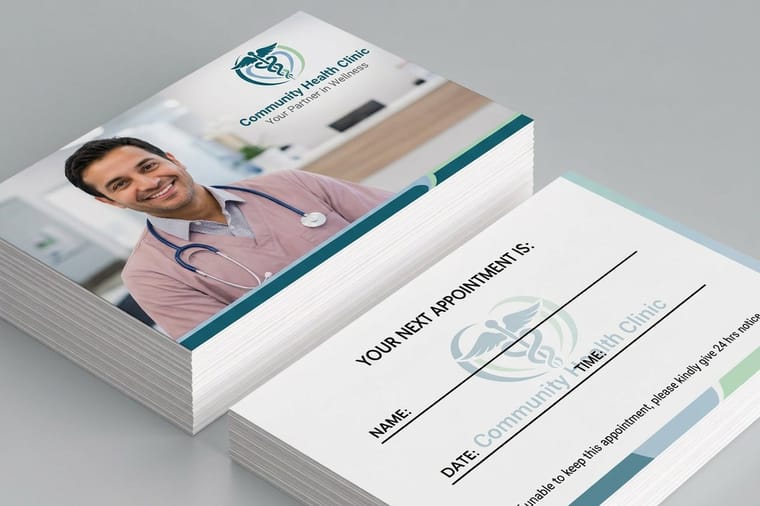
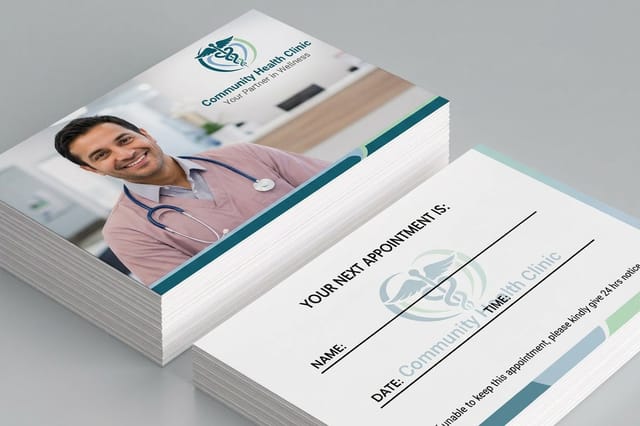
1. Medical appointment cards: next year's exam, booked today
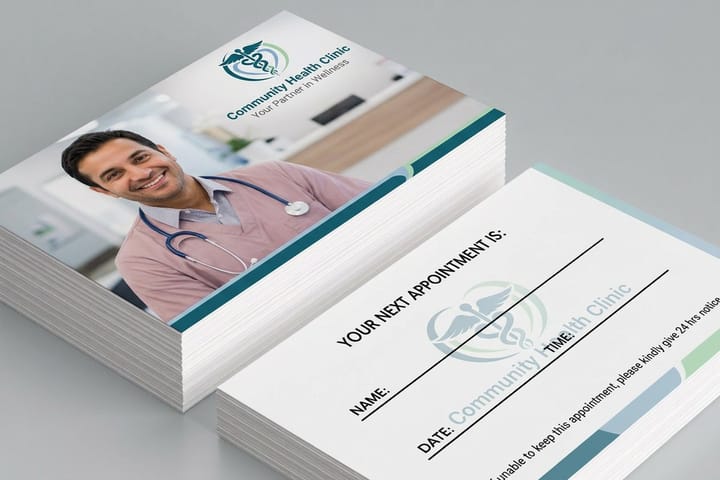
The most profitable moment in an optometry practice is checkout, when a happy patient with fresh lenses is standing at the desk. The appointment card turns that moment into next year's revenue: write the recall date, hand it over, and the annual exam stops being a hope and becomes a commitment in their wallet.
Recall cards quietly beat every other recall channel. They do not depend on catching someone by phone, they survive number changes and full voicemail boxes, and they physically resurface, in wallets, on fridges, in glasses cases, months later. Print the practice name and booking line on the front, leave a clean space for the date, and add a line for the contact lens reorder date, which brings patients back even sooner.
At under twenty dollars to start, this is the highest-return piece in the pack, because it protects revenue the exam chair has already earned.
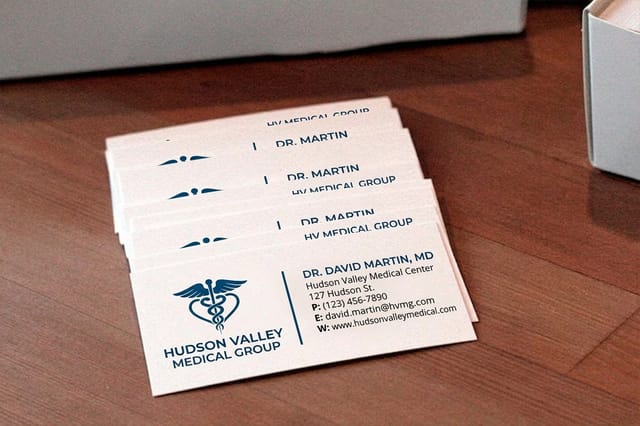
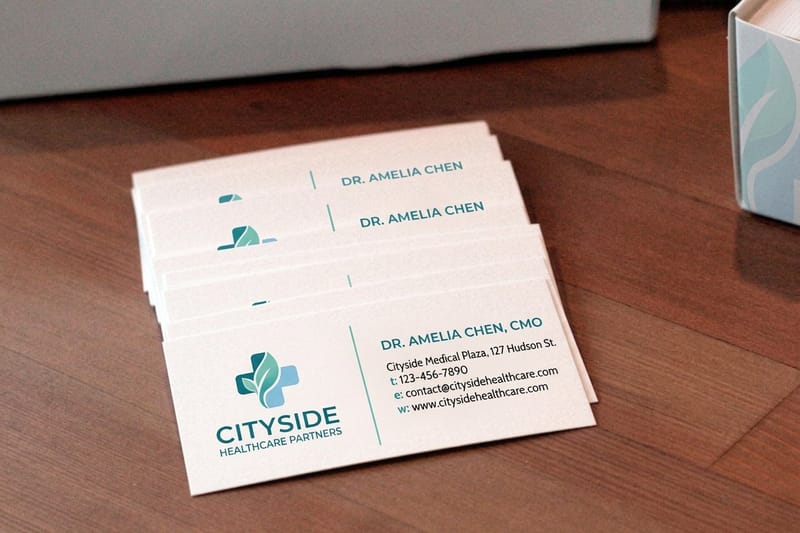
2. Medical business cards: the doctor's name they hand to family
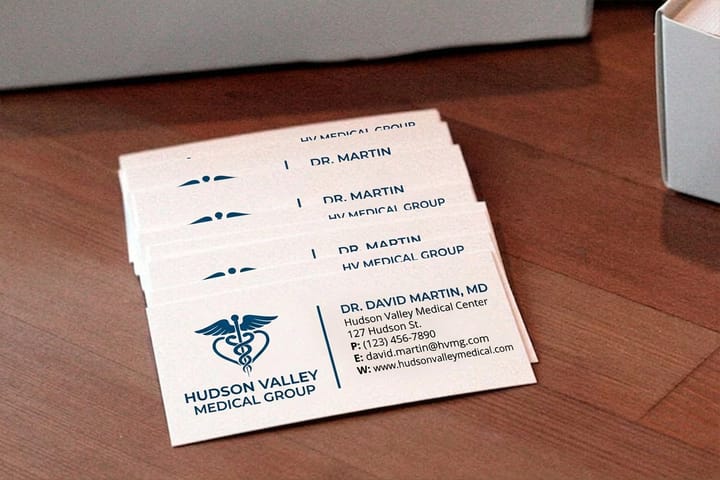
Eye care spreads through households: one good exam and the patient books their spouse, their kids, their mother. The business card is what travels in that conversation. A card with the doctor's name, the practice address, and a booking QR code makes "you should see my optometrist" an appointment instead of a vague endorsement.
Give every patient two cards at checkout, one to keep and one to give, and say so out loud; the instruction is what turns a card into a referral. Keep the design clinical and calm: name, credentials, hours, plans accepted, booking link. A soft-touch or laminated finish keeps it presentable through months of wallet life; compare options in our laminated business cards guide and the wider business card printing range.
The healthcare marketing benchmarks are consistent on where patients come from: people they trust. The card is how that trust gets your phone number attached.
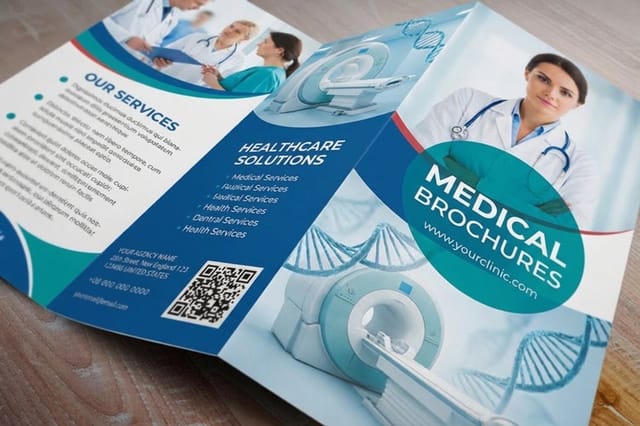
3. Medical brochures: patient education that sells the exam
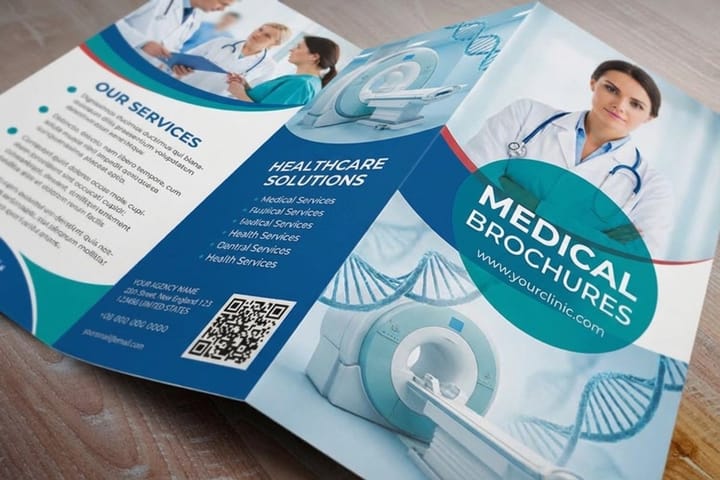
Most people do not know what a comprehensive eye exam includes, why a contact lens fitting is separate, or what a blue-light coating actually does, and confused patients postpone. The practice brochure answers those questions at home, at reading pace, in your voice, and it gets handed to the spouse or parent who books the family's appointments.
Structure it around patient questions rather than services: what happens at your first exam, how insurance and benefits work here, how to choose lenses, when kids should be checked, warning signs that should not wait a year. End every panel with the booking line. Our guide on how to make brochures covers the folds and papers that make one worth keeping in the kitchen drawer.
Stock them at the front desk, inside every new-patient welcome, and at the community events where your flyers work; the brochure is the long-form closer for the interest those pieces create.
4. Postcards: the benefits-season mailer that fills January
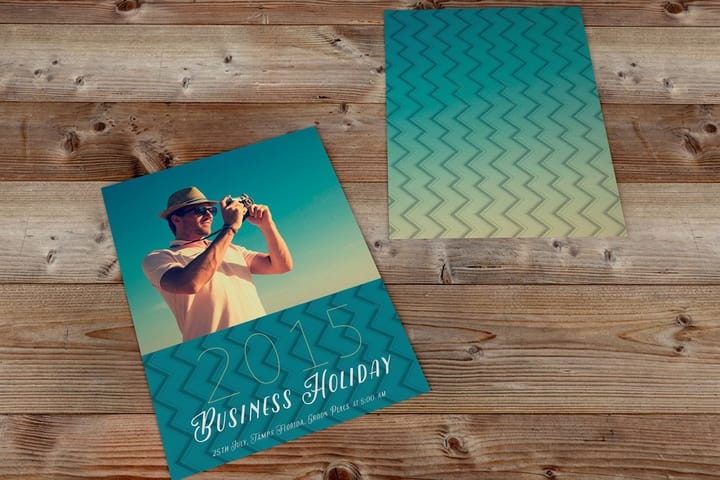
Optometry has two built-in mailing seasons, and a postcard is the cheapest way to own them. In January, vision benefits reset: mail the streets around your practice with "your new benefits cover an exam." In October and November, benefits expire: mail "use them before you lose them." Both messages arrive with a deadline already attached, which is what makes direct mail convert.
Keep the card simple: one line for the trigger, the new-patient offer, plans accepted, and a booking QR code big enough to scan from the fridge. Start with a few hundred households in your immediate zip code and scale the zones that call. The mechanics, lists, sizes, postage, are covered in our guide on sending direct mail postcards and the basics in how to make postcards.
Handed out, the same postcard doubles as the take-away at school fairs and screenings, so print the run with both jobs in mind.
5. Posters: eye health visibility where the neighborhood already stands

Between campaigns, posters keep the practice visible for a one-time print cost. Pharmacies, community centers, senior centers, gyms, and school offices all have walls where people wait and read, and every one of those people has eyes that are due for an exam sooner than they think.
Make the poster about the reader, not the practice: a simple self-check headline, when did you last have your eyes examined, the signs that deserve a visit, and kids' exam timing before school. Then the practice name, plans accepted, and a QR code with tear-off strips at the bottom. Design for two distances, headline at ten feet, details at two, using the layout rules in how to make posters and the poster sizes guide.
Rotate locations each season and track which walls generate calls; in most neighborhoods two or three spots outwork all the rest.
6. Business forms: the first visit runs on paper that works
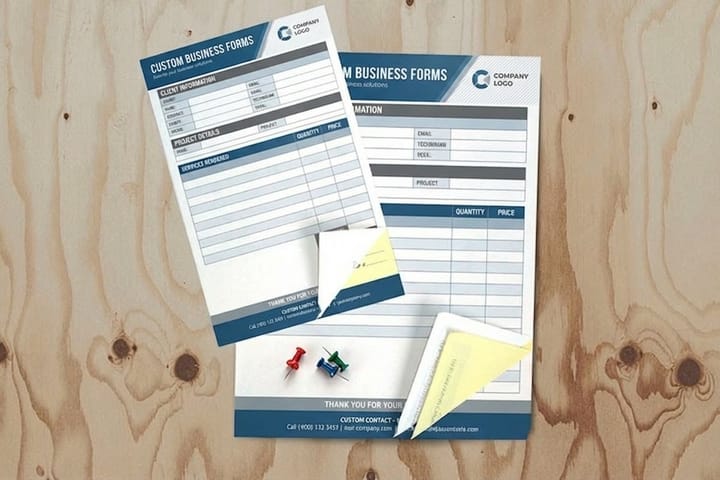
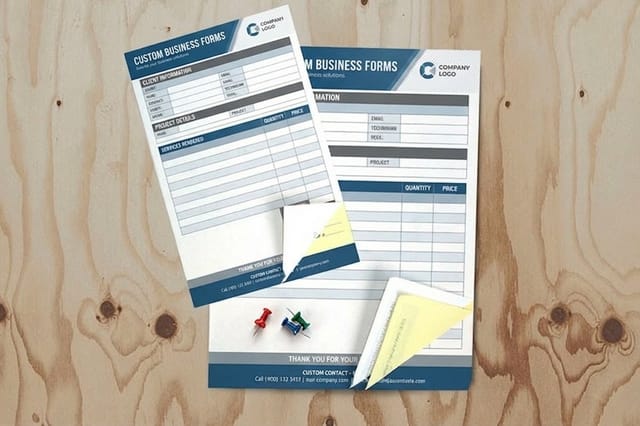
A new patient judges the practice long before the exam: at the clipboard. Crisp, branded intake forms, clean prescription pads, and carbonless referral forms, printed at 5.5 in x 8.5 in or 8.5 in x 11 in in two, three or four part sets from $120.82 for 100, make the front desk feel organized, and organized is what patients read as competent in healthcare. A pile of third-generation photocopies says the opposite.
Carbonless duplicates earn their keep daily: the patient keeps a copy of the prescription or receipt, the practice keeps the record, and nothing gets retyped. Print intake, contact lens agreements, referral slips, and prescription forms in one branded family, with your logo and the recall message in the footer so even the paperwork reminds patients to come back.
Forms are the unglamorous piece of the pack and the one your staff touches most; matching them to the rest of the print set is what makes the whole practice read as one brand.
7. Flyers: the school-season and screening handout
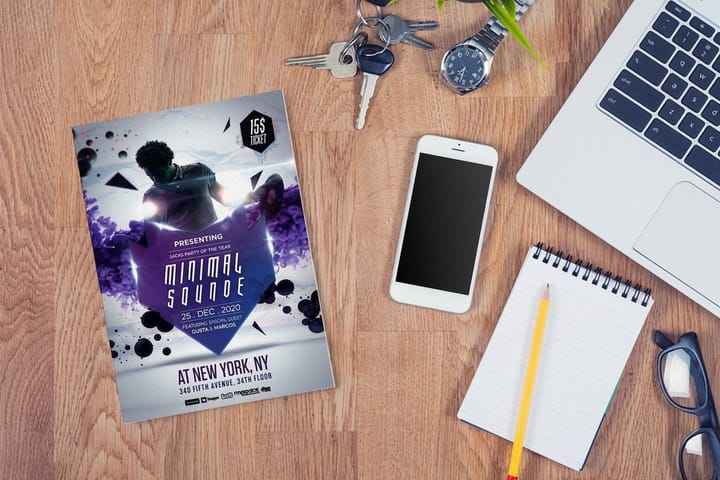
Flyers are the pack's field piece, built for the places your future patients gather: back-to-school nights, health fairs, senior center screenings, youth sports sign-ups. Each event gets one clear message, kids' exams before school starts, free screening day, new-patient special, with the date, the offer, and the booking line.
Design them to be read in a single glance: one headline, one offer, one action. The focal-point rules in our guides on how to design flyers and how to make flyers apply exactly, and a QR code straight to the booking page removes every step between interest and appointment.
Print per season in volume; flyers are cheapest in bulk, and school season comes back every year with a fresh crop of squinting kids.
8. Rack cards: the lens and coating menu patients take home
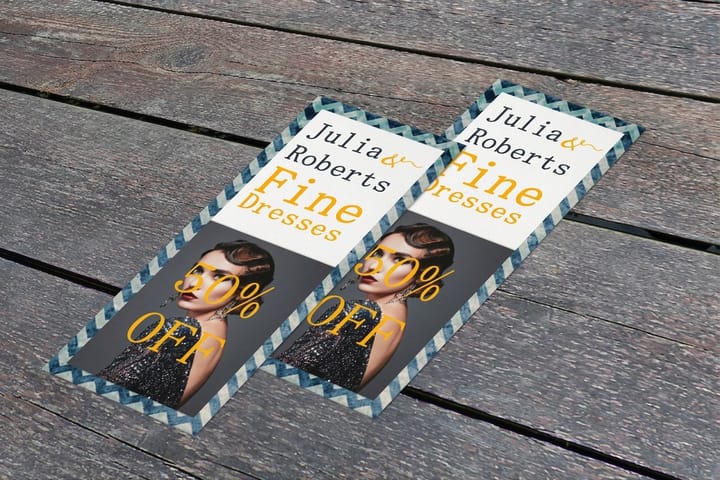
The most rushed conversation in the practice is the one about lenses: coatings, transitions, blue light, second pairs, all explained in the ninety seconds after an exam. A rack card puts that menu on one tall panel the patient can hold, compare, and take home, which is where the upgrade decision actually gets made.
Structure it like a menu: each lens option with one plain-language line about who it is for, the second-pair offer at the bottom, and the booking line on the back. Our explainer on what rack cards are covers the format, and designing a captivating rack card keeps the narrow canvas readable.
Stock the exam lanes and the dispensing desk. A patient who understands the coating buys the coating, and the card does the explaining while the staff moves to the next chair.
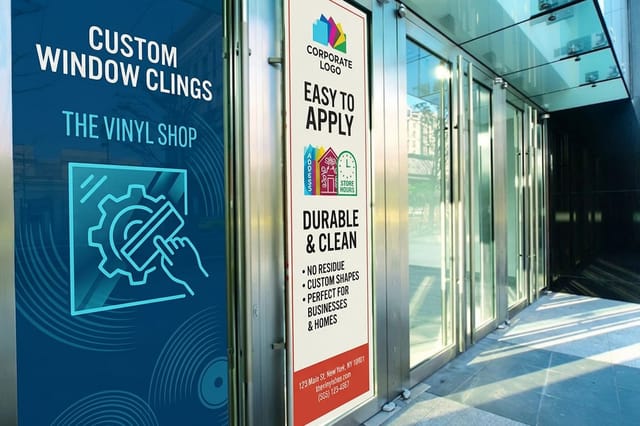
9. Window clings: the office glass that answers before the desk does
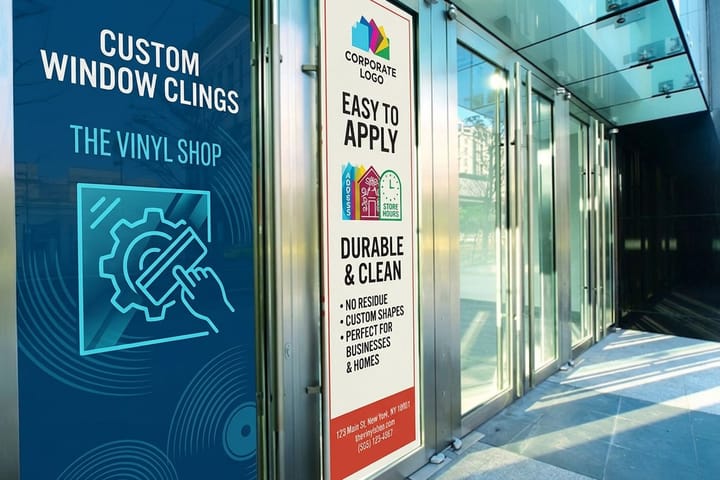
Every practice window faces a sidewalk of future patients, and most of them are wondering the same three things: are you open, do you take my insurance, and do you see kids. Window clings answer all three from the glass, plus the seasonal message, benefits expire December 31, back-to-school exams, walk-ins welcome.
Clings reposition without residue, so the seasonal message swaps in minutes while the hours and insurance set stays put. Our explainer on what window clings and decals are covers static cling versus adhesive, and how to apply window clings gets them up bubble-free before the morning's first patient.
At around thirty dollars a cling, the window answers the open, insurance and kids questions every hour the lights are off.
10. Business banners: benefits season, announced to the street

Twice a year, the entire street becomes your audience: January, when new vision benefits arrive, and the fall, when they start expiring. A banner on the facade, use your vision benefits here, exams this week, new patients welcome, converts that calendar into walk-ins at driving speed, with zero effort per impression.
One message, huge type, practice colors. Swap the message with the season so commuters keep reading it, and bring it indoors between campaigns so it never fades into wallpaper. The layout rules in how to make banners keep it readable between two traffic lights, and banner material types picks vinyl that survives the winter it advertises through.
From the mid forties, the banner is the loudest piece in the pack and the one that turns benefits season from a date on the calendar into a line at the desk.
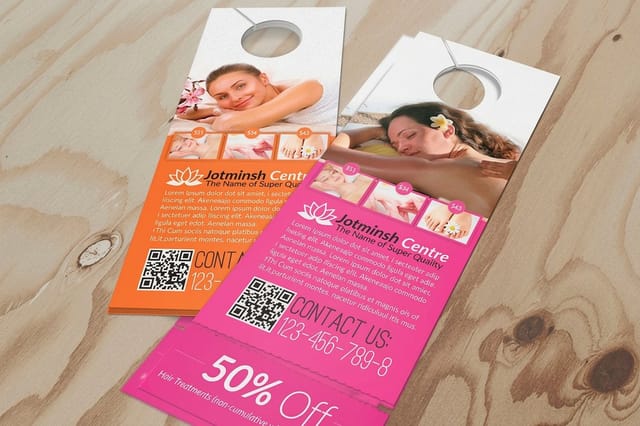
11. Door hangers: the exam reminder on every handle in the radius
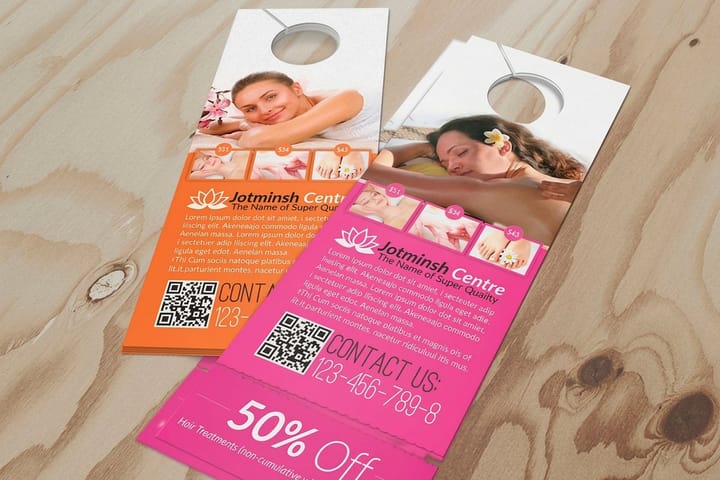
The households most likely to become patients are the ones that can walk to the office, and the door hanger reaches exactly those homes with no list, no postage, and no gatekeeper. One hanger per handle across the surrounding streets puts the new-patient offer in every hallway in the practice's true radius.
Write it like a neighbor, not a network: the practice name, the doctor, one offer, and a map dot showing how close you are. Time the drops to the same calendar as the postcards, benefits season and back-to-school, so the neighborhood hears the message twice in the same month. The format details in door hanger dimensions keep the die cut right the first time.
A weekend of walking covers a zip code, and every hanger that converts becomes a patient who lives five minutes away, which is the kind that stays for decades.
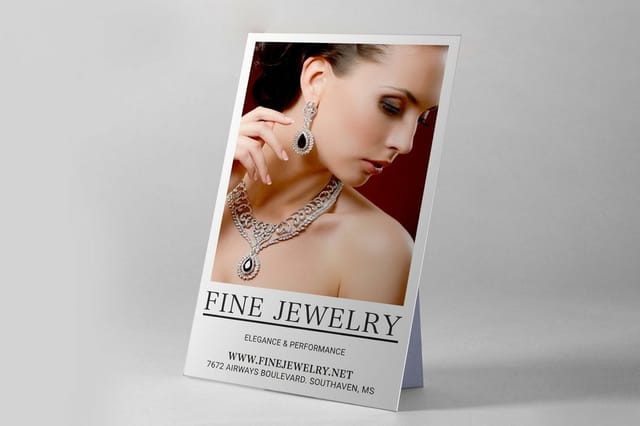
12. Counter cards: the checkout upsell that stands on its own
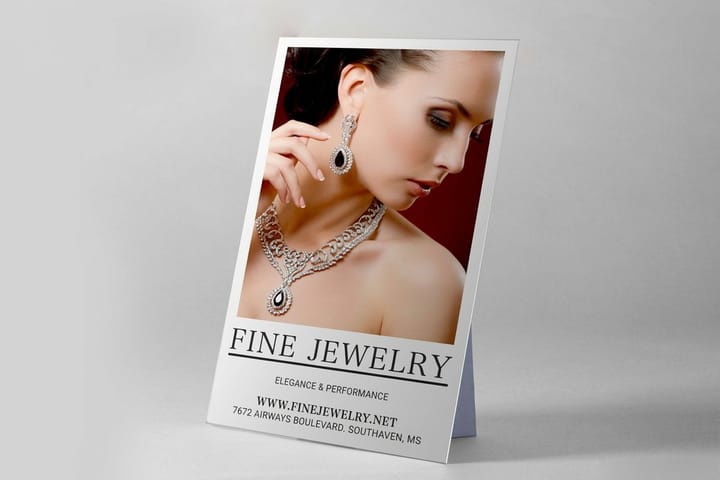
Checkout is the practice's best shelf space: every patient stops there, wallet already out. A counter card standing at the desk sells the thing the visit did not, the second pair for the car, the prescription sunglasses, the contact lens subscription, the gift of an exam for a parent, without the staff having to pitch a word.
Keep one message per card and rotate monthly with the season: sunglasses before summer, benefits before December, kids' exams before school. A rigid stock and a clean easel back keep it standing straight through months of counter life, and a QR code takes the interested patient straight to booking while they wait for the receipt.
At around twenty two dollars, the counter card is the smallest sign in the pack with the shortest distance to a decision, so put exactly one on every desk.
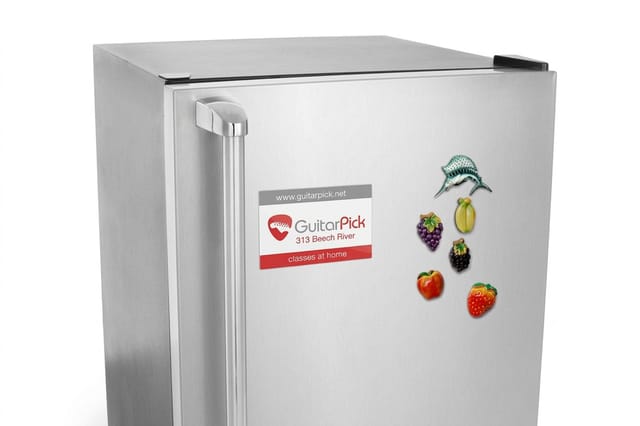
13. Magnets: the booking number that lives on the fridge
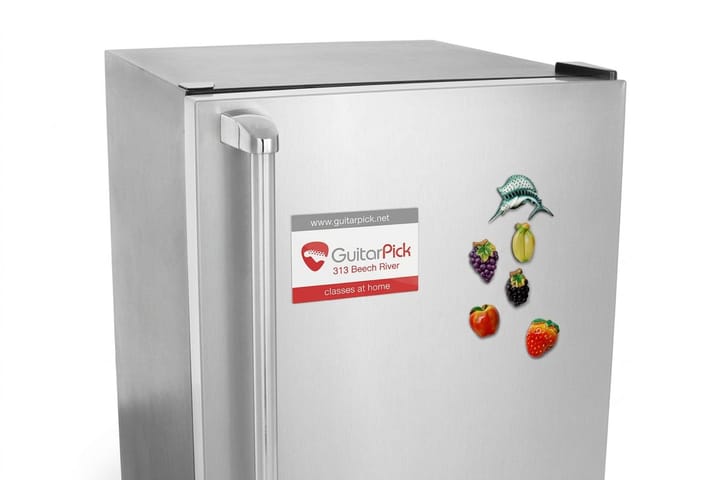
The recall card can get lost; the fridge magnet does not. A magnet with the practice name, the booking number, and a line for the next exam date turns the busiest wall in the house into a standing reminder that works for years, seen every day by the whole family the practice wants to enroll.
Design it small, clean, and useful: the logo, the phone number big enough to dial from across the kitchen, and the web address. Hand one to every new patient with the welcome folder. Our guide to making custom magnets covers stocks and sizes, and magnets versus stickers settles why the fridge wins for a yearly service.
At under twenty dollars a run, the magnet is the cheapest piece of the pack per year of exposure, and eye care is a business measured in years.
14. Round stickers: the kids' exam reward that markets to the school
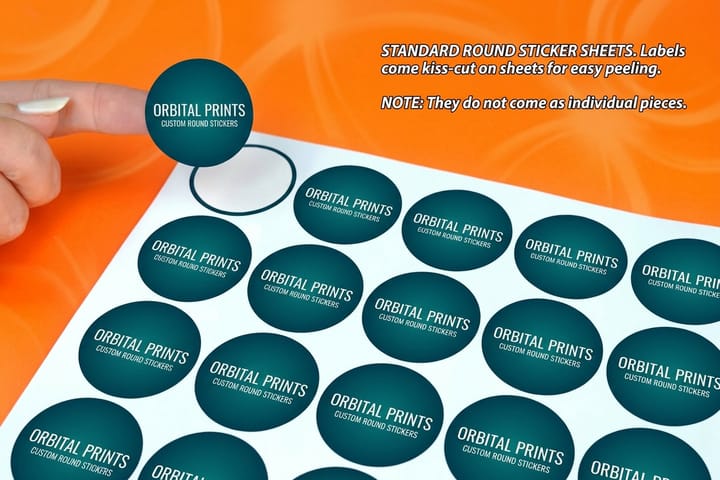
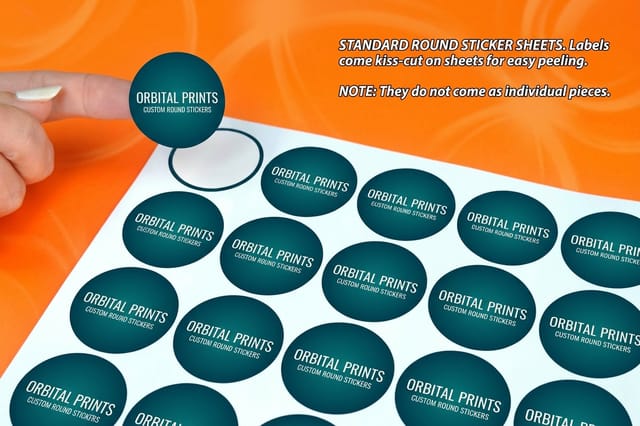
Every practice that sees children needs a reward at the end of the exam, and the sticker might as well work for the practice. A bright round sticker, the mascot, a smiling eye, "I got my eyes checked!", goes straight onto the shirt of a kid heading back to a classroom of twenty five families with school-age eyes.
Design it for the kid, not the parent: friendly, bold, and proud, with the practice name small around the rim. Print a couple of variants so returning kids collect them. Our guide on how to make stickers covers the basics, and choosing sticker materials picks a vinyl that survives a school day.
At under twenty five dollars a run, the sticker is the smallest ambassador in the pack, and it reports directly to the demographic that books family appointments.
15. Bookmarks: the reading-glasses reminder inside every book

The moment most adults notice their eyes aging is mid-page, holding a book a little farther away than last year. A practice bookmark lives at exactly that moment: a clean design, a gentle line, if the page is drifting away, we should talk, and the booking number, placed inside the very activity that reveals the need.
Hand them out with every pair of reading glasses, stock the local library and bookshop counters, and bring a stack to school reading nights where the kids' exam pitch travels home in a backpack. Our guide on how to make bookmarks covers sizes and stocks that survive months between pages.
From about sixteen dollars, the bookmark is the quietest piece in the pack: it waits inside a book until the exact evening the reader becomes a patient.

Specs and pricing
Anchor the pack: appointment card specs and live pricing
The recall card is the piece that protects next year's revenue, so it anchors the pack. Here are the live specs and price-per-unit for medical appointment cards at 4OVER4.COM, straight from the configurator.

| Quantity | Price Per Unit | Total |
|---|---|---|
| 100 | 17.6¢ | $17.57 |
| 200 | 11.5¢ | $23.07 |
| 300 | 9.15¢ | $27.46 |
| 400 | 7.96¢ | $31.86 |
| 500 | 7.25¢ | $36.26 |
| 600 | 6.77¢ | $40.64 |
| 700 | 6.43¢ | $45.04 |
| 800 | 6.18¢ | $49.43 |
Wally explains the pack
Fifteen pieces that turn one exam into a decade of visits
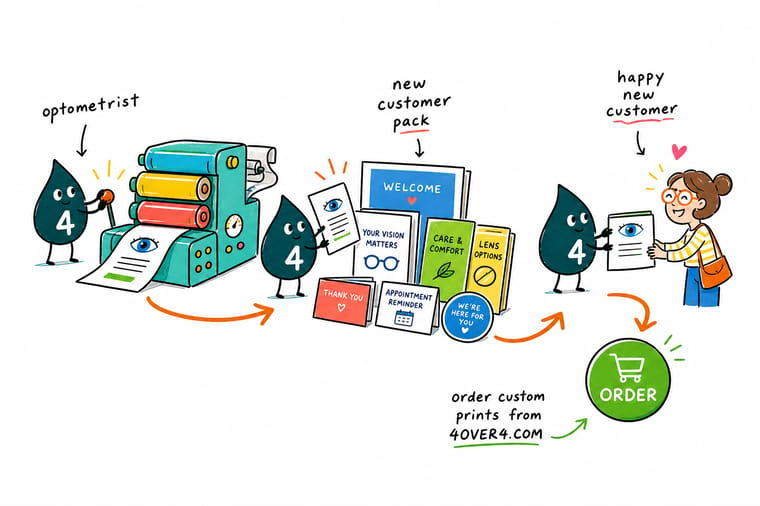
Wally sees optometry as a wheel that turns once a year. The postcard, flyer, door hanger, and street banner start it spinning when benefits reset, the card, brochure, rack card, and counter card convert the first visit and the lens upgrade, and the recall card, fridge magnet, stickers, and bookmarks keep the wheel turning for years. Keep one look so everything a patient touches, from the mailer to the prescription form, reads as one trustworthy practice.
Shop the healthcare collection →See it in use
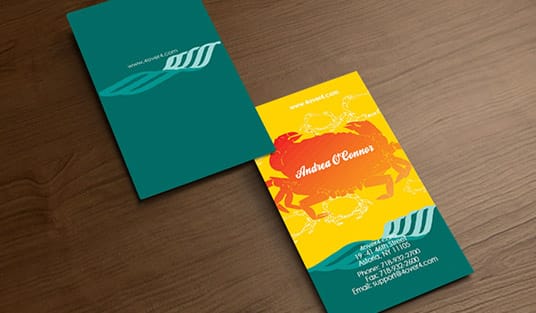
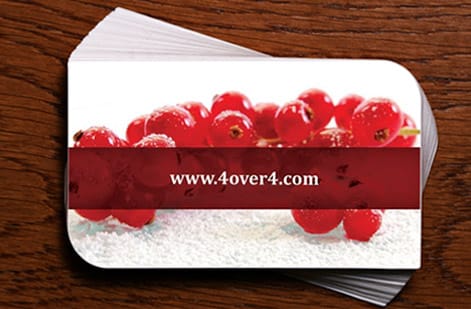
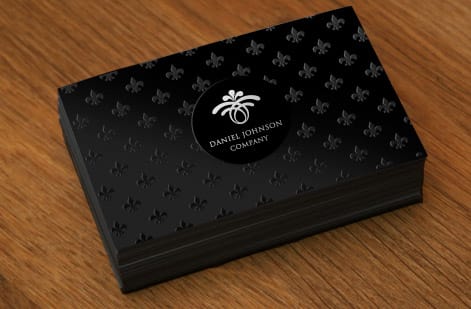
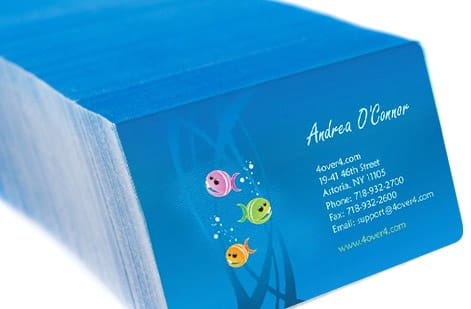
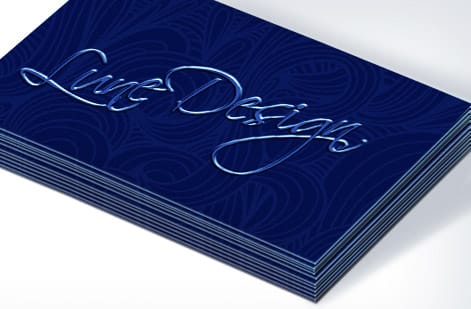
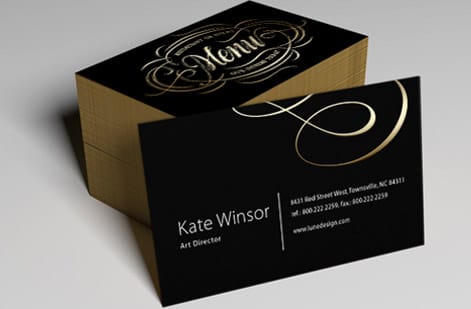
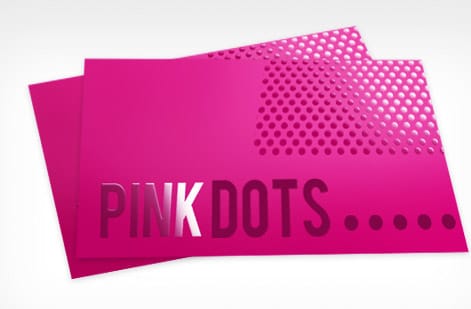
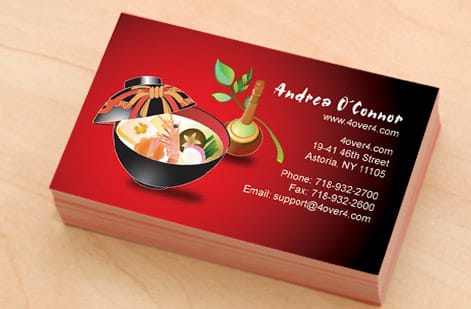
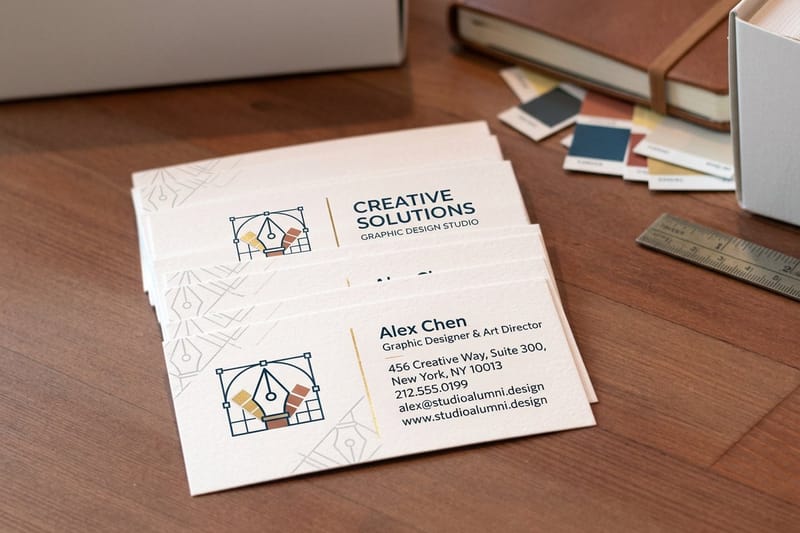
Business cards we printed

Explore more
Where to go next
By the numbers
One pack, printed to fill the exam chair
Common Questions
Common questions about the optometrist pack
What is in the optometrist new-customer pack?
Fifteen print pieces that build a patient pipeline for an eye care practice: medical appointment cards, medical business cards, medical brochures, postcards, posters, business forms, flyers, rack cards, vinyl window clings, business banners, door hangers, counter cards, magnets, round stickers, and bookmarks. The outreach pieces reach households when vision benefits and school seasons make eye exams a priority, the front-desk pieces convert first visits and sell the lens upgrades, and the recall card, fridge magnet, and take-home pieces book next year's exam before the patient leaves.
How does an optometrist actually win new patients with print?
By showing up at the moments eyes become a priority. Vision benefits reset in January and expire in December, kids need exams before school starts, and forty-somethings suddenly need reading glasses. A postcard in the mailbox at those moments, a flyer at the school fair, and a poster at the pharmacy put your practice in front of people who already have the need; the offer just names the trigger: use your benefits before they expire, back-to-school exams, new-patient special.
What makes recall cards so effective for eye care?
Optometry has a built-in reason to return, the annual exam, but memory is unreliable and phone recall depends on catching people. A card with the patient's next exam date, written at checkout while they stand at the desk, converts the intention into a commitment they carry home. It also survives phone changes and ignored voicemails. Practices pair it with the appointment reminder text, and the card is the piece patients actually keep.
What should the practice brochure cover?
The questions patients are too rushed to ask in the chair: what a comprehensive exam includes, the difference between exam and contact lens fitting fees, which insurance plans you accept, lens and coating options without the trade names, and signs that warrant an early visit. A brochure sent home does patient education on your behalf and gets handed to the spouse or parent who makes the family's appointments.
Why include business forms in a marketing pack?
Because the first visit is the marketing. A new patient who hits a smooth, professional intake, clean printed forms, clear prescriptions, an organized desk, reads the whole practice as competent, and competence is what people look for in healthcare. Carbonless forms for intake, referrals, and prescriptions keep the desk moving on busy days and keep your branding consistent down to the paperwork.
How much does the full pack cost to print?
Each piece is priced live on its own product page and scales with quantity, size, and stock. 100 appointment or business cards start at $17.57, 25 magnets at $19.68, 50 bookmarks or 50 postcards at $16.48, 25 stickers at $23.88, one counter card at $21.97, one window cling at $30, 50 rack cards at $42.84, one banner at $43.92, 50 flyers at $39.54, 50 brochures at $57.11, 50 posters at $108.75, 100 forms at $120.82 and 250 door hangers at $290.41. Configure your exact quantities on each product and the price updates as you go, so a single-doctor practice can size the pack to its patient volume.
Can this pack work for an optical shop without an exam lane?
Yes, shift the emphasis from exams to eyewear. The postcards and flyers carry frame promotions and second-pair offers instead of exam recalls, the brochure becomes a lens and coating guide, and the appointment card becomes a pickup and adjustment card. The structure, reach households, convert the visit, bring them back, works the same for retail optical.
Get Started
Bookmarks are 50 for $16.48, thirty three cents each
Order the new-customer pack from 4OVER4.COM piece by piece, door hangers first. Adjust size, stock, and quantity on any product and watch the price update live.
Legal Disclaimer
Gold Standard guarantees apply to all standard orders placed through 4over4.com. Price match requires verifiable proof of a competitor's published price for an equivalent product with matching specifications and turnaround time. Satisfaction guarantee covers manufacturing defects and print quality issues. Contact support with order number and documentation.
