
11 Chiropractor Print Pieces That Keep the Calendar Booked
These are the eleven print pieces a chiropractor uses to keep the calendar booked. A chiropractic practice is won twice: once when a local decides to try you, and again every time a patient rebooks the next visit. These eleven print pieces work both battles, from the postcard in the neighbor’s mailbox to the appointment card that keeps the care plan on schedule.
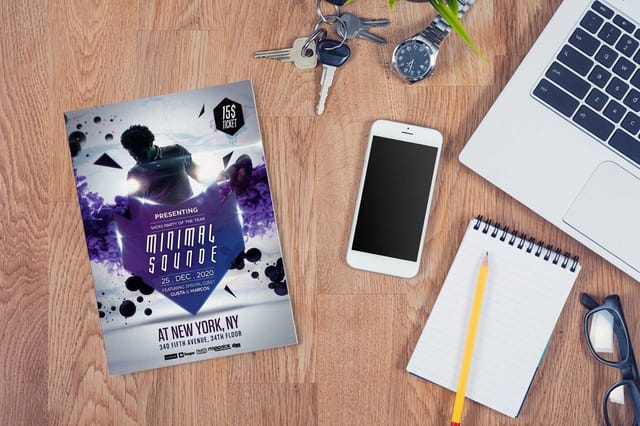
The chiropractor client-winning lineup is eleven print pieces that fill a practice calendar: medical appointment cards, medical business cards, medical brochures, postcards, flyers, business forms, posters, gloss presentation folders, rack cards, notepads, and magnets. Postcards, flyers, posters, and rack cards build awareness in the clinic radius, cards, brochures, and welcome folders convert conversations into first visits, and appointment cards, forms, exercise notepads, and fridge magnets keep care plans booked to completion.
The picks
Eleven pieces from the mailbox to the fridge door
Start here. These are the eleven products in the lineup, each priced live from the configurator. The small runs are 25 magnets or notepads, 50 postcards, flyers, brochures, rack cards or posters, and 100 appointment cards, business cards or form sets. The gloss folders come in runs of 250 and, with the notepads, take 7 business days, so order those first. Order them together so the whole practice reads as one calm clinical brand, then read on for the job each piece does.



Design and print help
One calm clinical look from card to folder
Patients read consistency as competence. The logo has to work on a 2 x 3.5 inch appointment card, a 3.5 x 8.5 inch rack card, a 9 x 12 inch folder and a waiting room poster, so build it for the card first. The appointment cards and business cards share the same cover stocks, so print both on one of them and the pair matches at checkout. These 4OVER4.COM services keep eleven pieces looking like one practice without a design budget.
How they work together
Known nearby, trusted once, booked to the end
The lineup covers three stages: known in the radius, trusted for the first visit, booked through the whole plan. Cover all three and the calendar fills from both ends.
Postcards into the surrounding streets, flyers at gyms and pharmacies, posters on community boards, and rack cards in the waiting rooms of referral partners put the practice in front of the households and backs that need it.
The card ends every conversation and referral with something kept, the brochure answers the what-happens-on-the-table question that keeps nervous first-timers from booking, and the welcome folder makes the new patient packet read as a practice.
The appointment card locks the next visit before the patient leaves the desk, clean intake and receipt forms keep the growing patient file professional, exercise notepads send the home program out with the logo on every sheet, and the fridge magnet keeps the rebooking number in the kitchen.
1. Appointment cards that keep the care plan on schedule
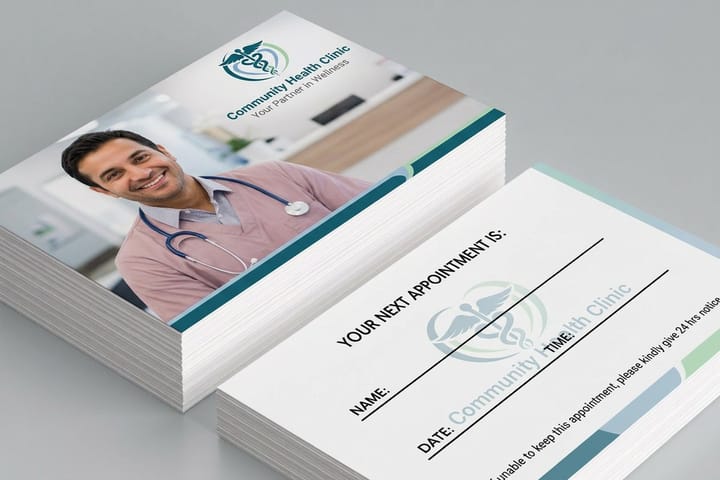
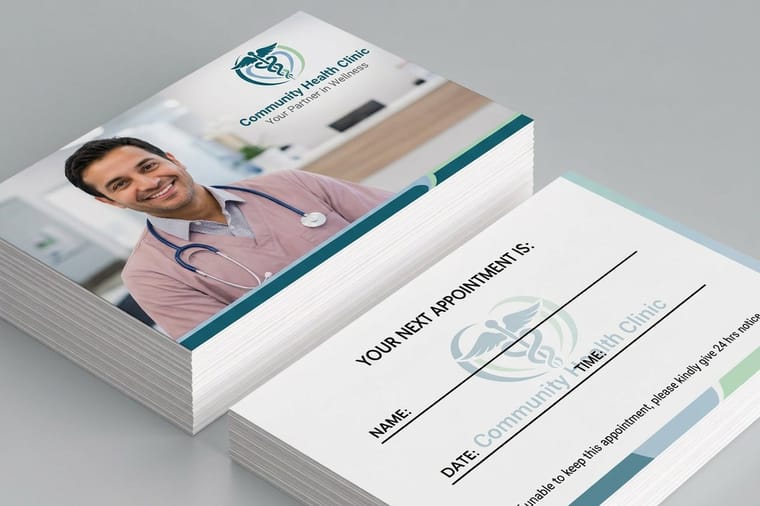
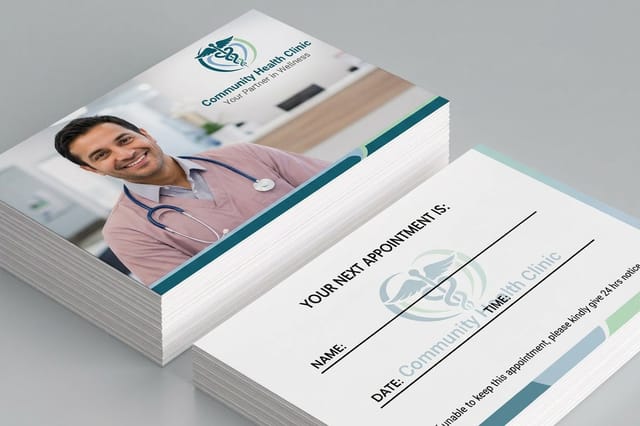
Chiropractic works in sequences, and the practice that cannot hold a sequence cannot help a patient or make payroll. The appointment card is the sequence’s anchor: next visit written by hand at the desk, handed over while the adjustment still feels good. It puts the next visit in the patient's wallet, from 100 cards for $17.57.
Print the practice name and rebooking number on the front, leave a clean writing field for date and time, and match the stock to your business cards so the pair feels deliberate. Order them from medical appointment cards in bulk; the front desk should never ration them.
Hand one to every patient at every visit, even the regulars. The card works as a commitment device.
2. Business cards that travel between sore backs
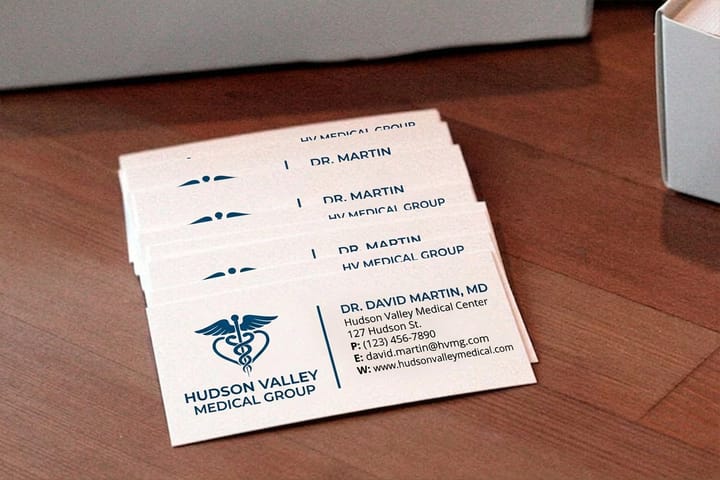
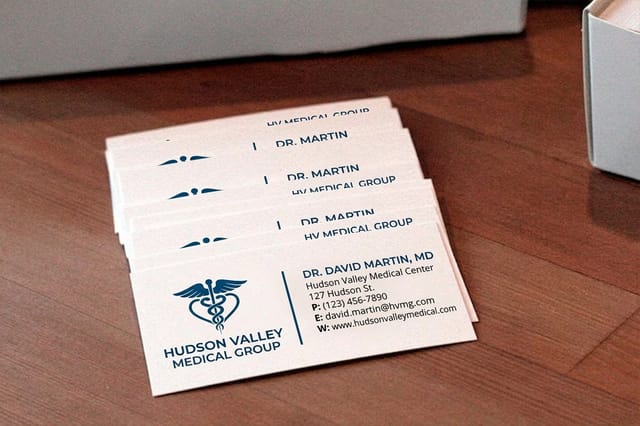
Chiropractic referrals happen in gyms, break rooms, and family dinners: someone mentions their back, someone else mentions you. The card is what makes that mention actionable. It carries the credential, the clinic address, and the booking line into the exact conversation where the decision gets made.
Keep it clinical and calm: name and title, one line about what you treat, the number and booking link. A quality stock matters, because the card is a proxy for the hands. The fundamentals in business card basics and the finish options in matte, glossy, or soft touch cover the choices.
Give every patient two at checkout: one for them, one for the coworker who keeps complaining about their neck.
3. Brochures that explain what happens on the table

The biggest barrier between a chiropractor and a new patient is uncertainty. People who have never been adjusted picture the worst. A brochure that walks through the first visit, consultation, exam, what an adjustment feels like, how care plans work, converts the nervous into the booked, and it does it in waiting rooms, gym lobbies, and referral partners’ offices while you are with other patients.
Write it at kitchen-table reading level and structure the panels so the story unfolds in the order questions arise, using how to fold a brochure for the panel logic and brochure paper types for a stock that feels credible in hand.
Leave a stack with every physiotherapist, gym, and massage studio that will take one. Education is the referral currency of bodywork.
4. Postcards for the sore backs within a short drive
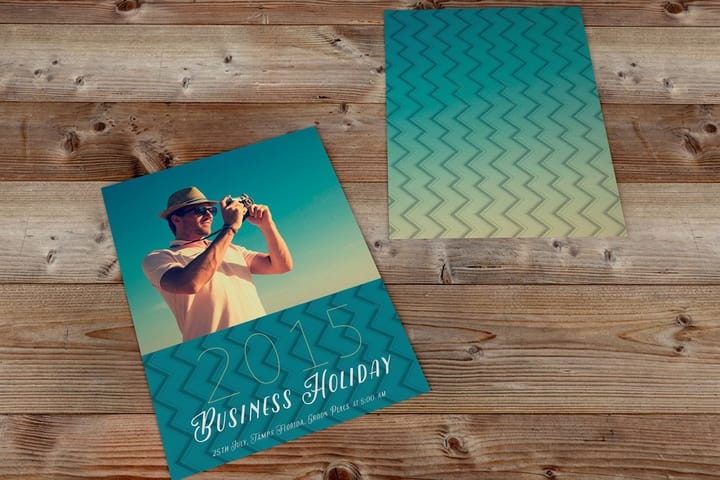
Many of your next patients live within a short drive of the clinic right now. The postcard is how you reach them at home: a new-patient offer, one line of reassurance, the clinic photo, the number. No envelope, no inbox, no algorithm deciding who deserves relief.
Aim tight and repeat. A few hundred cards on the streets around the clinic, remailed each season, keep the offer close to home. The checklist in postcard design for direct mail covers the layout, and sending direct mail postcards handles the mailing mechanics.
Put the new-patient offer in the largest type. The household that files the card will search the drawer for it the morning the back gives out.
5. Flyers posted where backs are built and broken
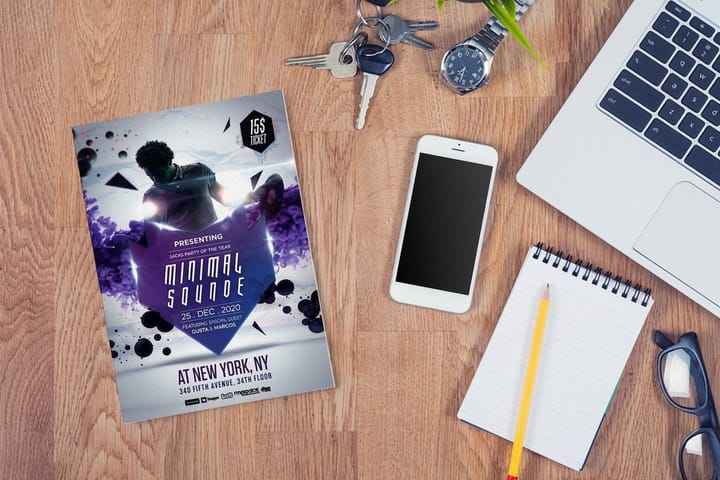
Gyms, running clubs, physio studios, pharmacies, office parks: the places where backs get strained keep bulletin boards, and the flyer is your presence on them. A new-patient special or a free posture screening, one strong image, a QR code to book, and the flyer works that board for weeks per placement.
Design it around one action, not the full service menu. The focal-point method in how to design flyers keeps the piece readable across a gym lobby, and a monthly refresh keeps the boards from tuning you out.
Pair every flyer drop with a stack of brochures for the counter beneath the board. The flyer wins attention; the brochure closes the visit.
6. Business forms for a front desk that runs like a clinic
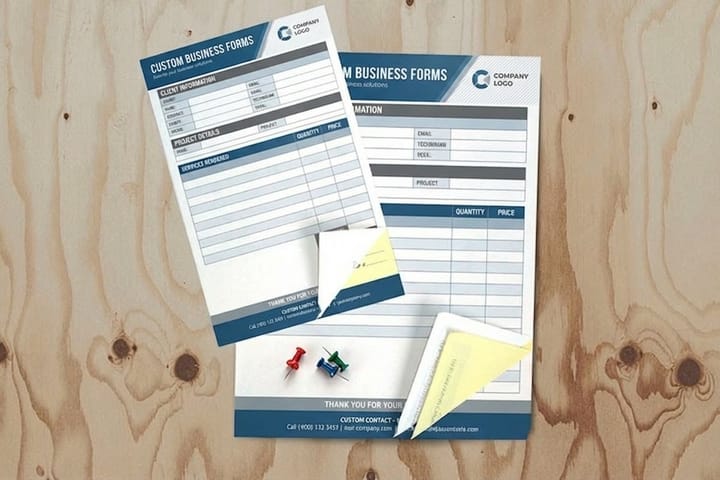
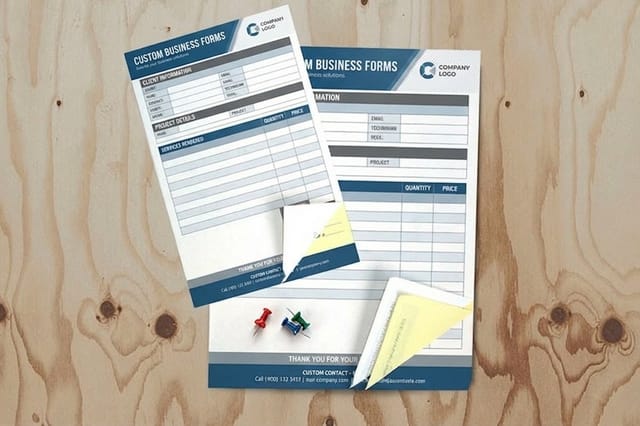
Every new patient starts as paperwork: intake, history, consent, care-plan agreement, receipt. Branded carbonless forms make that first administrative contact feel like a practice rather than a clipboard of photocopies, and the duplicate copy keeps the patient file complete without a scanner in the workflow.
Standardize the set once, intake, superbill, care-plan agreement, and print them from business forms so months of patient flow stay in order. The form the patient takes home carries the logo and the rebooking number with it.
Clinical trust is built in details this small. The practice that looks organized on paper is assumed to be organized on the spine.
7. Posters that educate on both sides of the door

Inside the clinic, a poster explaining posture, the stages of care, or what a subluxation is turns waiting time into patient education. Outside, the same product on community boards at grocery stores, gyms, and cafes extends the clinic’s presence across the whole radius for the cost of an afternoon of pinning.
Design each poster around a single idea with one strong visual. The stepwise method in how to design a poster keeps the hierarchy clean, and hanging posters without a frame makes every placement look intentional rather than taped.
Rotate the waiting-room poster quarterly. Regulars stop seeing static walls, and the poster’s job is to be seen.
8. A presentation folder that turns the new patient packet into a plan
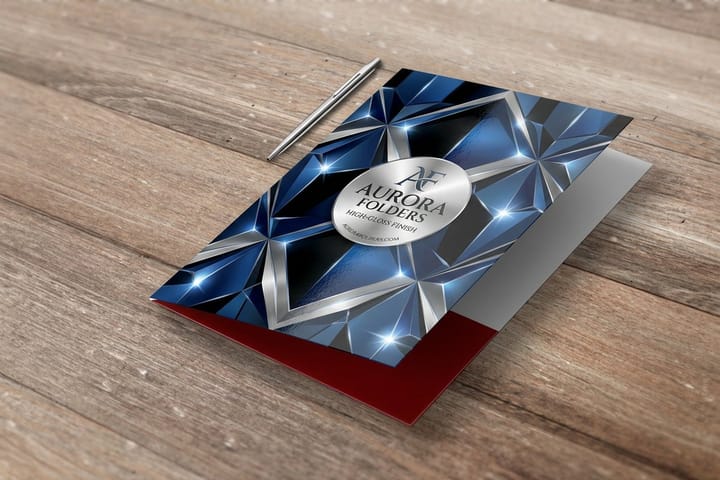
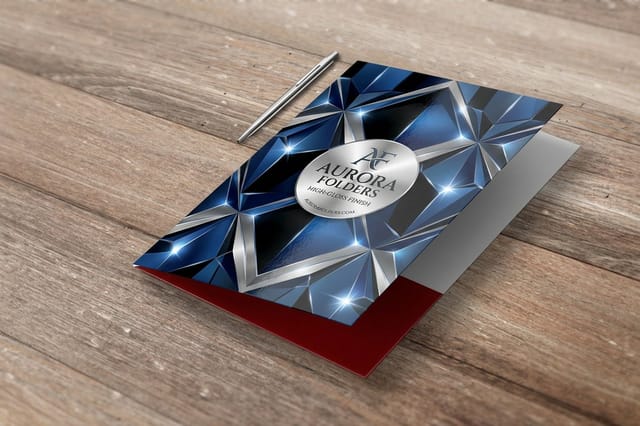
Every new patient walks out of the first visit with paper: the care-plan summary, the exercise sheet, the receipt, the next appointment card. Handed over loose, that stack reads as homework; slotted into a gloss branded folder, it reads as a plan from a practice that has done this a thousand times. Patients file folders, and the filed folder holds your rebooking number for the life of the spine.
Order the 9 x 12 inch folder with business card slits on the right pocket, so the appointment card sits in the slit above the care plan, and put the carbonless intake copy and the receipts in the left pocket. It prints on 14pt or 16pt gloss cover, 14pt uncoated or 14pt white linen, from 250 folders in 7 business days, and the 9 x 14.5 inch size holds a legal length form. The folder design showcase has real layouts worth borrowing, and the wider presentation folders range runs from this gloss folder to linen when the practice moves upmarket.
The folder is the most expensive piece in the lineup, so order it once the welcome packet is settled.
9. Rack cards in the rooms where referrals wait
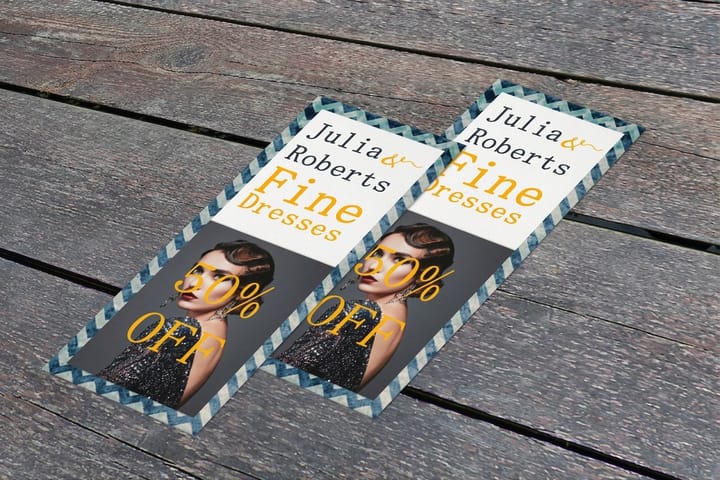
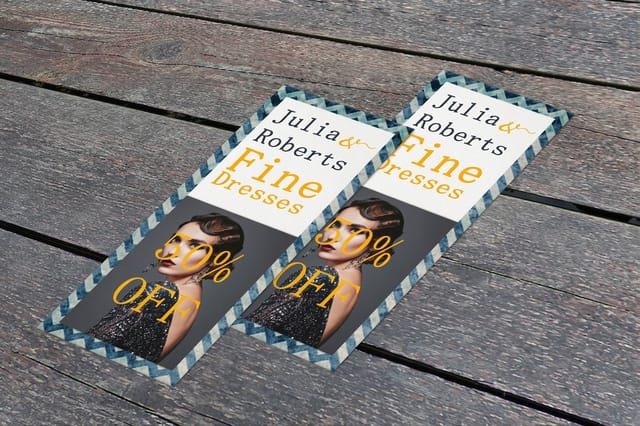
Gyms, physio studios, massage practices, and pharmacies all keep a counter rack, and the audience standing at each one is sorting out a body problem right now. A rack card puts the whole practice on one tall panel in those rooms: what you treat, what the first visit looks like, the new-patient offer, and the booking line.
Design it to be scanned in five seconds, the condition list up top, the offer in the middle, the number at the bottom. The format is explained in what are rack cards, and rack cards vs brochures settles the division of labor: the rack card wins the pickup, the brochure closes the visit.
Refill the racks monthly on the same loop as the flyer boards. An empty rack is a referral partner quietly forgetting you exist.
10. Notepads for the home exercise program

Much of chiropractic care continues at home: the stretches, the posture corrections, the icing schedule. A branded notepad turns those instructions into a leave-behind that lives on the patient's counter for weeks, with the practice name and rebooking number at the top of every sheet. It is patient care and quiet marketing on the same piece of paper.
Print the header with the logo, the number, and a few checkbox lines for sets and reps, then let the hand-written note do the personal work. The comparison in notepads vs post-its covers formats and bindings, and standard notepads configures size and sheet count to the front desk's habits.
A pad at every adjusting table and one at the desk. When the notepad runs out at home, the top sheet with your number is the last one kept.
11. A fridge magnet with the rebooking number
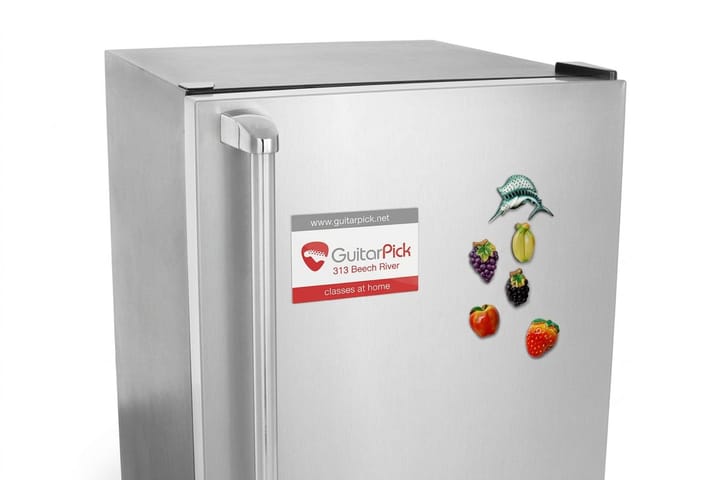
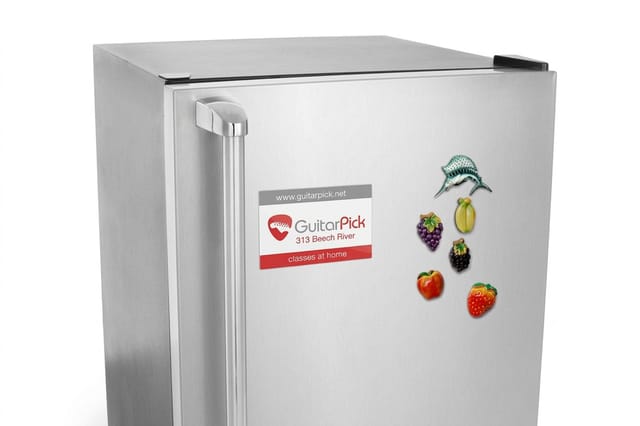
Backs give out at home: lifting the toddler, shoveling the driveway, sleeping wrong. A fridge magnet with the clinic name and number means that in the exact moment of need, the practice is one glance away instead of one search away, and searches are where patients get lost to whoever bought the ad that morning.
Keep it simple and permanent: logo, clinic name, phone, and one line like same-week appointments. Our guide to making custom magnets covers sizes and stocks, and magnets vs stickers explains why the magnet earns years of kitchen visibility while paper gets recycled.
Hand one to every new patient with the welcome folder. At 25 magnets for $19.68, it is a low cost retention piece.

Specs and pricing
Anchor the lineup: medical appointment card specs and live pricing
The appointment card is the piece the practice runs on, so start the order there. Here are the live specs and price-per-unit for medical appointment cards at 4OVER4.COM, straight from the configurator.

| Quantity | Price Per Unit | Total |
|---|---|---|
| 100 | 17.6¢ | $17.57 |
| 200 | 11.5¢ | $23.07 |
| 300 | 9.15¢ | $27.46 |
| 400 | 7.96¢ | $31.86 |
| 500 | 7.25¢ | $36.26 |
| 600 | 6.77¢ | $40.64 |
| 700 | 6.43¢ | $45.04 |
| 800 | 6.18¢ | $49.43 |
Wally explains the lineup
Eleven pieces, one calendar, booked to the last visit
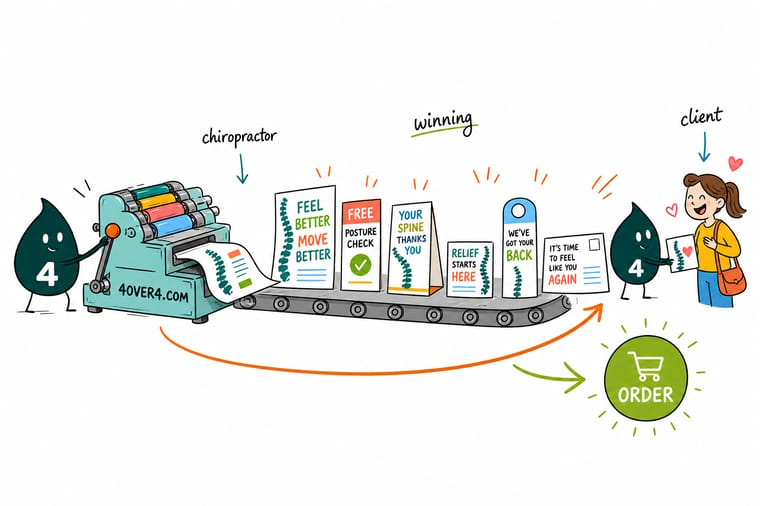
Wally sees the lineup as one long adjustment. The postcards, flyers, posters, and rack cards loosen up the neighborhood, the business card, brochure, and welcome folder align the nervous first-timer into a booked visit, and the appointment card, intake forms, exercise notepad, and fridge magnet keep every care plan clicking along to completion. One calm clinical look across all eleven, printed together at 4OVER4, and the calendar stops having gaps.
Shop medical printing →See it in use
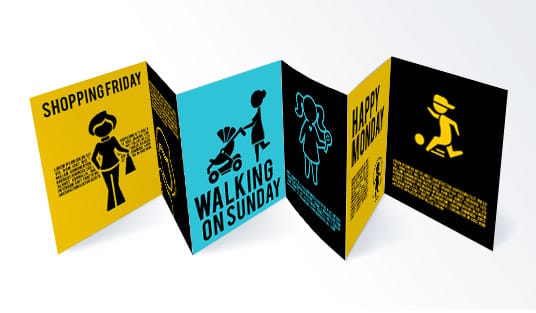
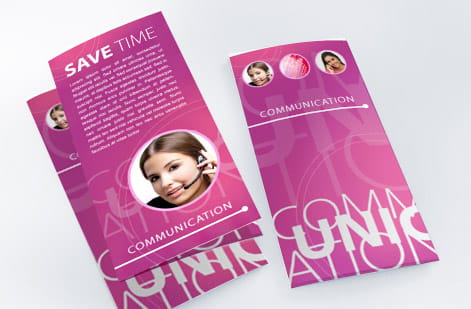
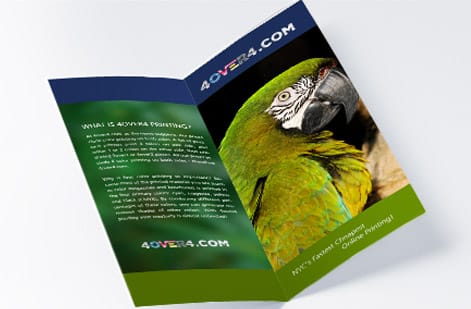
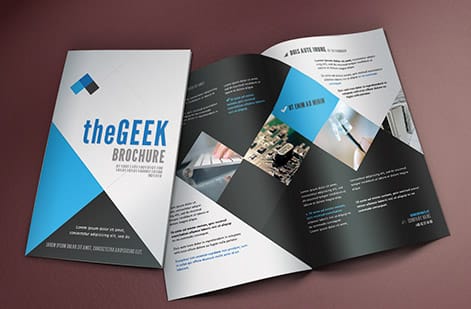
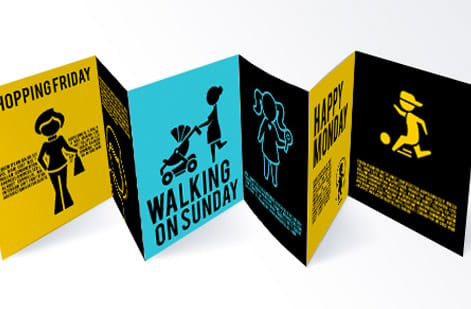
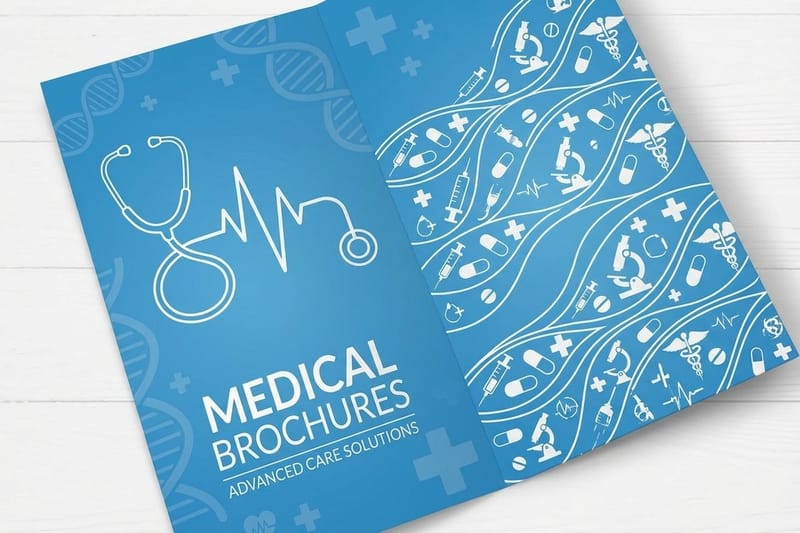
Chiropractic brochures we printed for waiting rooms




Explore more
Where to go next

By the numbers
One lineup, printed to fill the book
Common Questions
Common questions about the chiropractor lineup
What is in the chiropractor client-winning lineup?
Eleven print products that cover a chiropractic practice from local awareness to a full calendar: medical appointment cards, medical business cards, medical brochures, postcards, flyers, business forms, posters, gloss presentation folders, rack cards, notepads, and magnets. The postcards, flyers, posters, and rack cards build awareness in the practice radius, the business cards, brochures, and welcome folders convert conversations into first visits, and the appointment cards, forms, notepads, and fridge magnets turn first visits into completed care plans.
Which piece matters most for a chiropractic practice?
The appointment card. Chiropractic outcomes and practice revenue both depend on patients completing multi-visit care plans, and the drop-off between visits is the biggest leak in the business. A card with the next date written by hand, handed over while the patient still feels the benefit of the adjustment, is a simple rebooking mechanism, and 100 cards cost $17.57.
How local should the postcard mailings be?
Very. Patients often choose a chiropractor within a short drive of home or work, so a few hundred postcards on the streets around the clinic beat thousands scattered across the city. Aim each drop at a specific band of the radius, refresh the offer seasonally, and remail the same households more than once; familiarity is what gets the card kept when the back finally acts up.
What should the brochure say?
It should answer the questions people are embarrassed to ask: what happens on the table, does it hurt, how many visits does it take, what does the popping sound mean, and what conditions respond. A first adjustment is a trust decision, and the brochure that walks through the process converts the hesitant spouse or coworker that a business card alone cannot.
Do posters belong in a clinic marketing kit?
Yes, twice over. Outside the clinic, posters on gym, pharmacy, and community boards put the practice name in the places back pain hangs out. Inside, a waiting-room poster explaining posture or the stages of a care plan educates the one audience guaranteed to read it: the patient deciding whether to book the rest of the plan. Same print product, two different jobs.
What forms does a chiropractic front desk need printed?
Intake and history forms for new patients, superbill or receipt forms for insurance reimbursement, and care-plan agreement forms patients sign and keep a copy of. Carbonless duplicates mean the patient and the file each get one without a photocopier in the loop. Branded forms also show that the practice runs in order, which matters in a field where trust is the product.
How much does the whole lineup cost to print?
Every product is priced live on its own page and scales with quantity and options. Appointment cards and business cards start at 100 for $17.57 and postcards at 50 for $16.48, flyers at 50 for $39.54, brochures at 50 for $57.11, posters at 50 for $108.75, and forms at 100 sets for $120.82. Configure each product and the price updates as you go.
Get Started
Print 50 patient brochures for $57.11
Order the full client-winning lineup from 4OVER4.COM and order all eleven pieces in one checkout. A 100 pack of appointment cards is $17.57, or $0.18 a card, and 50 brochures are $57.11.
Legal Disclaimer
Gold Standard guarantees apply to all standard orders placed through 4over4.com. Price match requires verifiable proof of a competitor's published price for an equivalent product with matching specifications and turnaround time. Satisfaction guarantee covers manufacturing defects and print quality issues. Contact support with order number and documentation.
