
What a Commercial Printing Company Does, From Prepress to Delivery


A commercial printer runs volume work for other businesses through four departments. Each department does something different, each service carries a price, and a few questions decide which printer you should use.
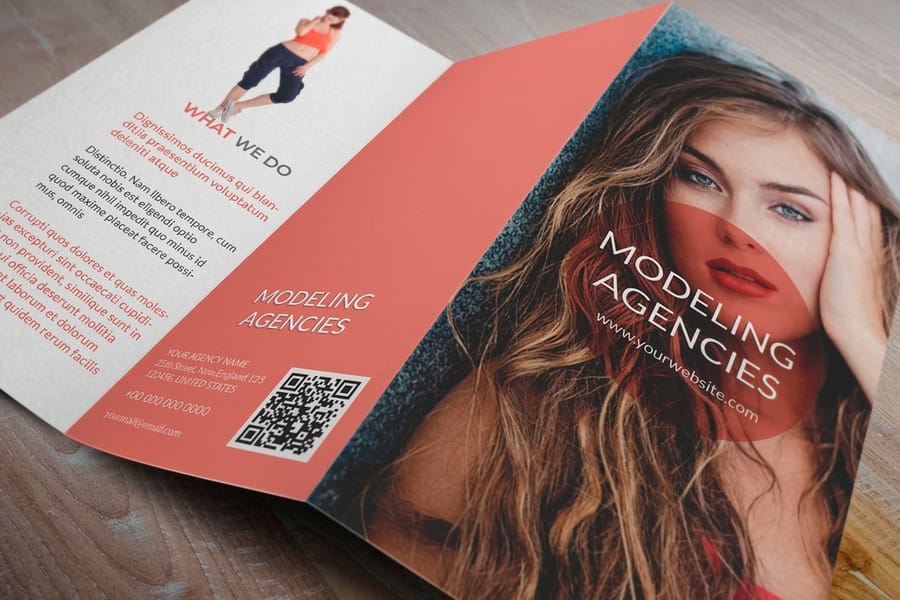
A commercial printing company prints in quantity for other businesses, taking a job through prepress, press, bindery and fulfillment as one service. Prepress checks and imposes the file and issues a proof, the press lays ink from offset plates or a digital engine depending on the run length, the bindery cuts and folds and binds, and fulfillment packs or mails the finished work. That volume structure is why the price per piece falls as the quantity rises, and why turnaround is counted from proof approval rather than from checkout.
Quick answer
Volume work, four departments, one price
Commercial printing is business-to-business production printing, sold as a finished job rather than as press time. The file is preflighted and imposed, the press runs it offset or digital based on quantity, the bindery turns flat sheets into folded, bound or die-cut products, and fulfillment ships or mails the result. Because the expensive part is the setup, 500 copies cost far less per piece than 50. The diagram below shows the path a job takes and the point where offset overtakes digital on cost.
What a Commercial Printing Company Actually Does
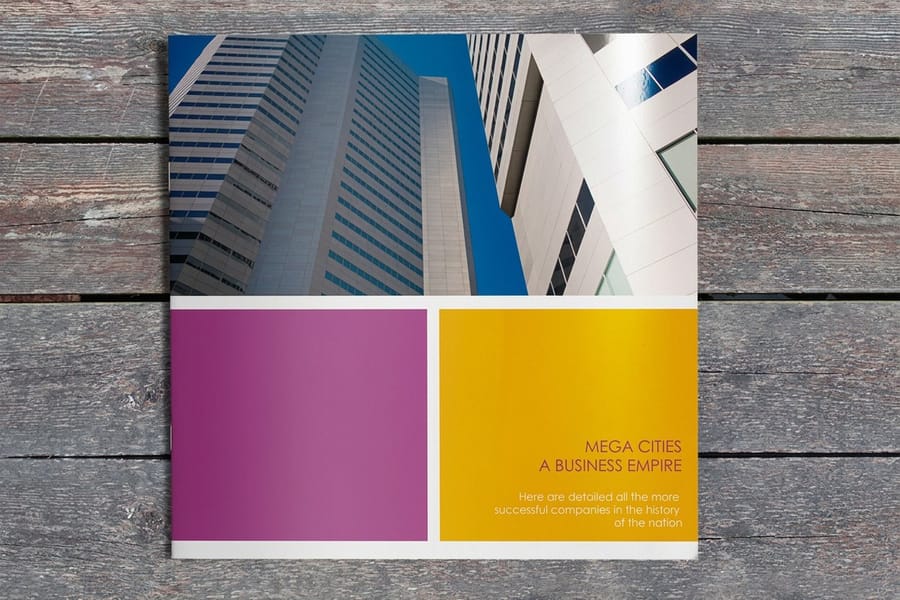
A commercial printer is a production plant, not a shop with a big printer in it. The building is organized around four departments, and a job passes through all of them in order.
Prepress is where most problems get caught. Your file is preflighted for resolution, color mode, fonts and bleed, then imposed, which means arranging many copies onto one large press sheet so the paper is used efficiently. A proof goes back to you. On a ganged sheet that proof is usually a soft proof on screen; a dedicated run can carry a contract hard proof pulled on the actual stock.
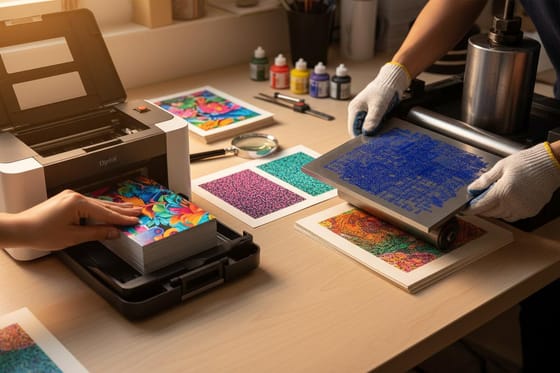
Press lays the ink. Offset presses transfer ink from an aluminum plate to a rubber blanket and then onto the sheet, which is why the process is also called offset lithography. Digital presses image directly from the file with no plate at all. Both produce commercial quality; they differ in what they cost at a given quantity.
Bindery is where flat sheets become products. Cutting to size, scoring so a heavy stock folds without cracking, folding, drilling, laminating, die-cutting and binding all happen here. A brochure and a flyer can print on the same sheet and only diverge in the bindery.
Fulfillment packs and ships, or addresses and mails. When you compare two quotes, check that both include the same bindery and shipping steps, because that is where the difference usually hides. Our walkthrough of how online printing works follows a single order through the same four stages.
The Services a Commercial Printer Sells

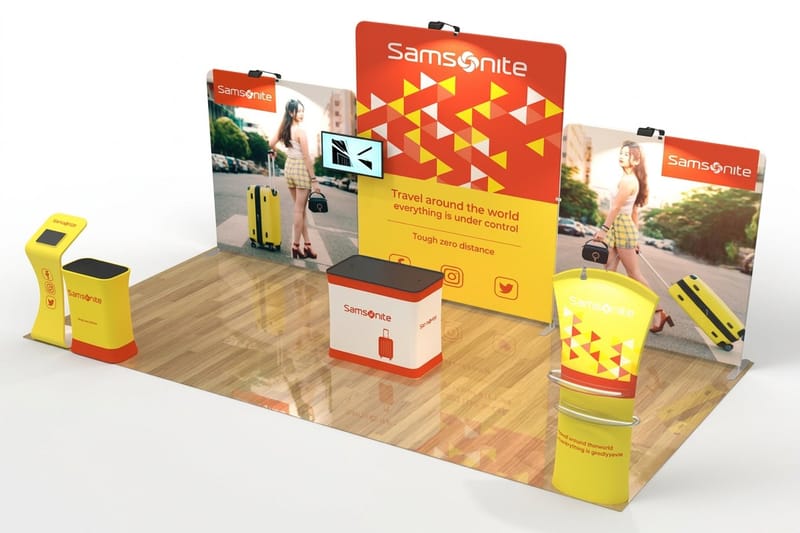
Catalogs look enormous, but the range is really five families of work. Knowing which family your job belongs to tells you what to ask for.
| Service family | Typical products | What drives the price | Starts at |
|---|---|---|---|
| Stationery | Business cards, letterheads, envelopes | Stock weight, coating, finish, quantity tier | $17.57 |
| Marketing print | Postcards, flyers, brochures | Size, sides printed, folding, quantity | $16.48 |
| Bound work | Booklets, catalogs, manuals | Page count, binding method, cover stock | $240.55 |
| Labels and stickers | Custom labels, roll labels, die-cut stickers | Facestock, adhesive, die, roll or sheet | $25 |
| Large format | Banners, posters, signs, displays | Square footage, material, finishing hardware | By size |
Two services sit alongside the printing itself and are worth asking about by name. The first is prepress support: whether a human looks at your file and tells you the type is 0.05 inches from the trim, or whether the system simply accepts it. The second is fulfillment, meaning whether the printer can ship split quantities to several addresses or mail a postcard run for you.
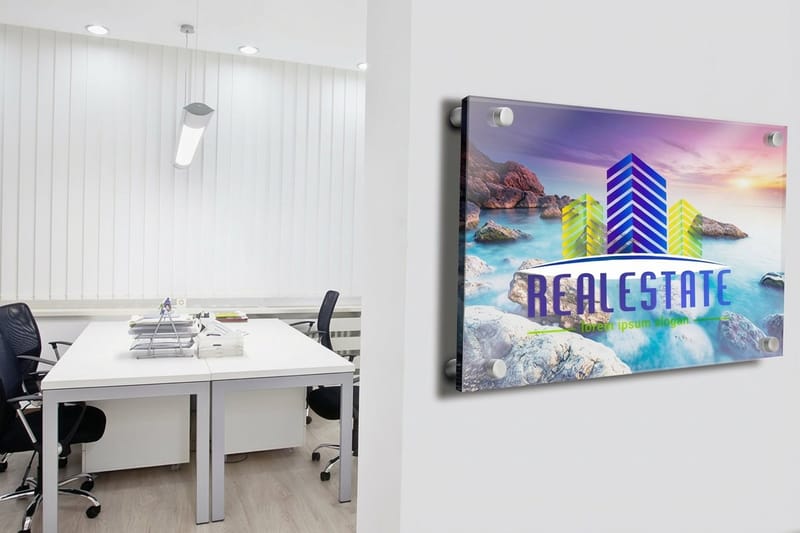
Trade printing is the third thing a commercial printer does that customers rarely see. Agencies, designers and print resellers buy at wholesale and have the work drop-shipped in unbranded boxes to their own clients. If that is your model, read how trade printing works for resellers before you quote a job. For the full catalog by product family, start from the business card printing category or browse brochure printing.
Why Commercial Label Printing Is Its Own Department
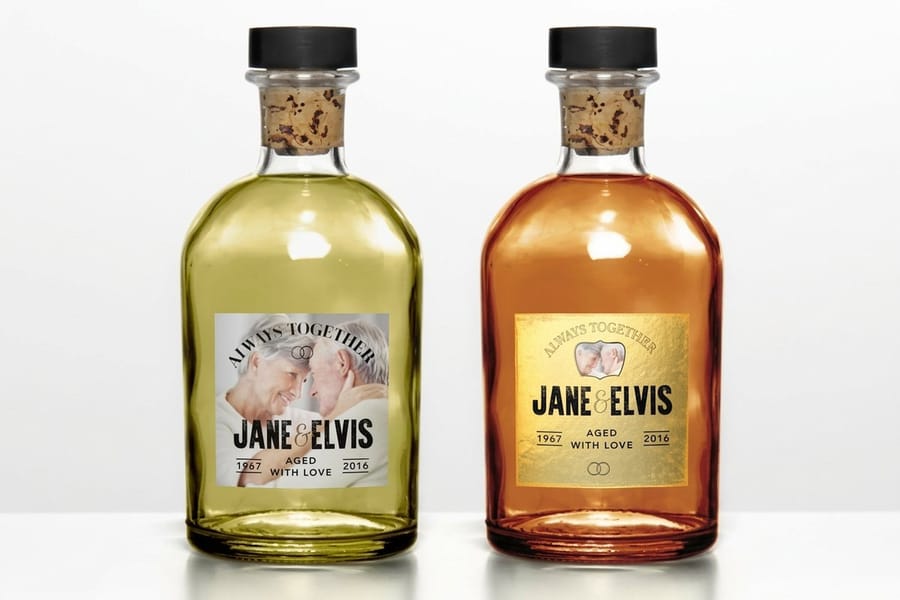
A commercial label printing company solves a problem general print does not have: the finished piece has to stick to something, survive whatever that something goes through, and then come off a roll into an applicator in the right orientation.
Start with the facestock. Paper takes ink beautifully and costs the least, and it turns soft the first time it meets condensation, which rules it out for anything refrigerated or handled with wet hands. Synthetic facestocks such as vinyl and BOPP shrug off moisture and oil, cost more per label, and are what you want on bottles, cosmetics and anything stored cold.
Then the adhesive. Permanent adhesive is the default and it tears the facestock if you try to remove it. Removable adhesive peels clean, and it is the usual culprit when labels lift at the corner, because removable adhesive on a cold, curved or textured surface never fully wets out. If the label goes on a powder-coated crate or a frozen container, say so before the job is quoted, not after.
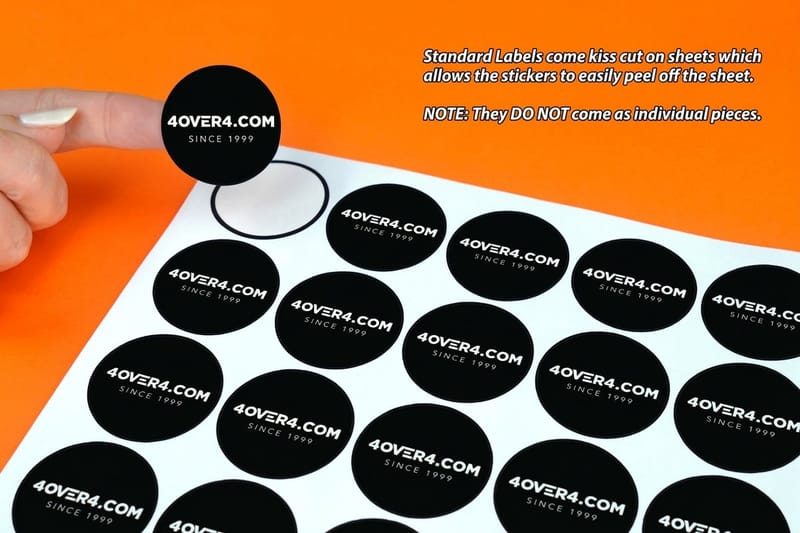
Format is the last decision. Sheet labels are cheap and fine for hand application. Roll labels need a specified core diameter and an unwind direction, because an applicator that expects the label face out will jam on a roll wound face in. Any shape other than a rectangle or a circle needs a cutting die. Our guide to company labels for products, packaging and asset tagging maps the common use cases, and the label printing category lists the stocks we run.
How to Choose a Commercial Printing Company
Price is the easiest thing to compare and the least useful. Four questions separate printers that will deliver from printers that will surprise you.
- How is my color matched? Ganged work runs to a house standard, so a corporate blue will land close but not exact. If the color has to be exact, you need a spot ink and a dedicated run, and that costs more. Ask which one you are buying.
- What kind of proof do I get? A soft proof shows content and layout. It does not predict color on your stock. A hard proof does, and it costs money and a day. Knowing which you are getting prevents the argument later.
- When does the turnaround clock start? Production days almost always run from proof approval, not from checkout, and transit is separate. A two-day turnaround plus three-day ground is a five-day delivery.
- What happens if it is wrong? Ask what triggers a reprint and what does not. An error introduced in production is the printer's problem. An error that was in your approved file is not, which is the strongest reason to read a proof properly.
The other real decision is local versus online. A local shop gives you a counter, a person, and a sheet in your hand the same afternoon, and you pay for that convenience on every unit. An online commercial printer gangs your job with others and ships it, which lowers the price and removes the counter. We compare the two honestly in local print shop vs online printing, and how to choose an online print service lists what to check before your first order.
Before you order anything, get the file right. Creating commercial print-ready files covers bleed, safety margin and color conversion, and the blank template library gives you a correctly sized starting document so preflight has nothing to complain about.
Wally explains commercial printing
One job, four stops, then the door
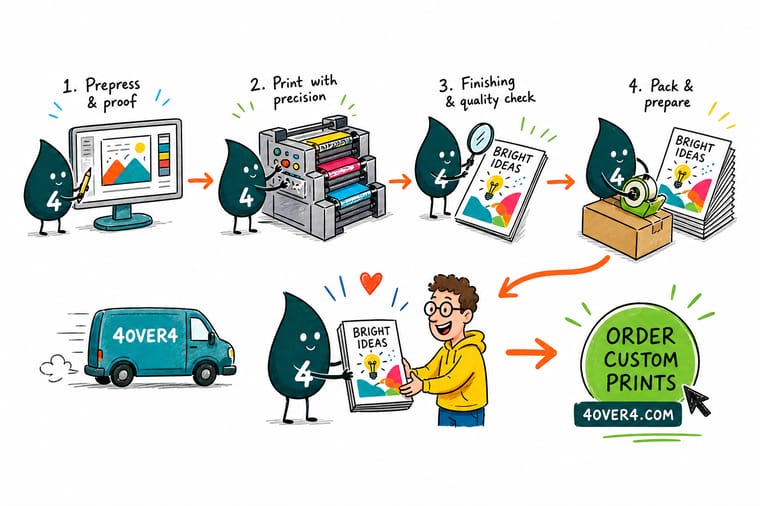
Wally takes your file to prepress first, where he checks the bleed and lays many copies onto one big sheet. He picks the press by quantity: plates and offset for a long run, digital straight from the file for a short one. Then the bindery cuts, scores and folds the sheet into the thing you actually ordered, and the last bench packs it. Every stop adds a day, which is why a folded brochure takes longer than a flat postcard, and why the turnaround clock starts when you approve the proof.
Configure a brochure order →Specs and pricing
Sizes, stocks and starting prices
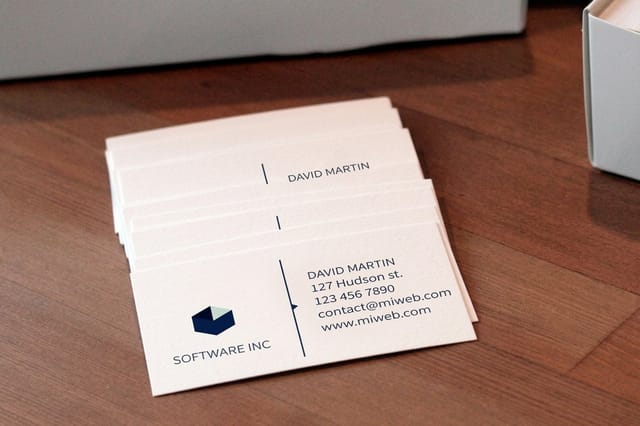
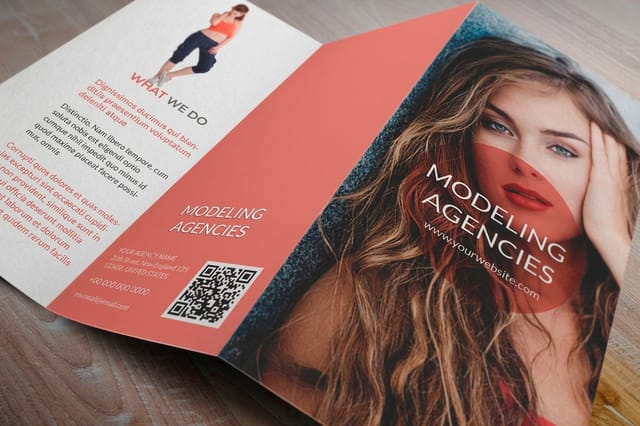
Three of the most ordered commercial print products, with the live configuration choices and starting prices straight from the 4OVER4.COM configurator.


Print it
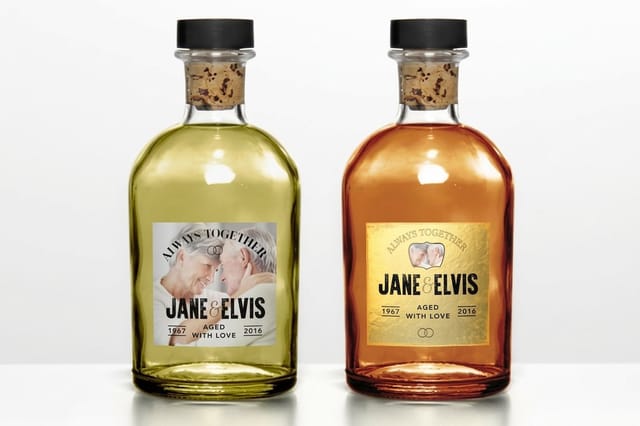
Order the work a commercial printer runs every day
Explore more
Where to go next

By the numbers
Commercial printing you can plan around at 4OVER4
Common Questions
Your commercial printing questions, answered
What does a commercial printing company do?
It produces printed material in quantity for other businesses, from file to delivered box. The work splits into four stages. Prepress preflights the artwork, converts color, imposes many copies onto one press sheet and issues a proof. The press stage lays ink, either from offset plates for long runs or straight from a digital press for short ones. The bindery cuts, scores, folds, drills, laminates, die-cuts and binds. Fulfillment packs the finished job and ships it, or addresses and mails it. A commercial printer sells all four as one price, which is why two quotes for the same flyer can differ by a wide margin if one includes folding and the other does not.
What is the difference between a commercial printer and a copy shop?
Quantity and setup. A copy shop is built for immediate, small jobs on a walk-in counter, so ten copies cost roughly ten times what one copy costs. A commercial printer is built around a press sheet: the expensive part is getting the job onto the press, and every additional impression after that is cheap. That is why 500 standard business cards from a commercial printer cost less per card than a handful from a copy machine, and why commercial pricing quotes fixed quantity tiers rather than a per-piece rate.
Does a commercial printing company use offset or digital printing?
Most use both and pick per job. Offset transfers ink from a plate to a rubber blanket to the sheet, needs a plate for each color, and takes time to bring up to color at the start of a run. Once running it is fast and the ink cost per sheet is low, so long runs get cheap. Digital presses image straight from the file with no plate, so a run of 100 is viable, but the cost per piece barely drops as quantity rises. Our side by side comparison of digital printing versus offset printing goes through where each one wins.
What does a commercial label printing company handle that a general printer does not?
Material and adhesive selection, die-cutting, and the roll format. Labels are printed on a facestock laminated to an adhesive and a liner, so the choices are not just size and color. Paper facestock is cheaper and takes ink well but goes soft when wet. Synthetic facestock such as vinyl or BOPP survives moisture, oils and refrigeration. Adhesive is chosen as permanent or removable, and a removable adhesive on a cold or textured surface is the most common cause of labels lifting at the corner. A custom shape needs a cutting die, and roll labels need a specified core size and unwind direction so they feed correctly into an applicator.
How long does a commercial print job take?
Count production days from proof approval, then add transit. A flat piece like a postcard or a flyer moves fastest because it skips the bindery. Anything that folds, binds, laminates or die-cuts adds at least one production day, and specialty finishes add more. The step that most often surprises people is preflight: a file with the wrong color mode, missing bleed or live type too close to the trim gets held until it is fixed, and those hours come out of your calendar, not the printer schedule. Our guide to printing turnaround times and order tracking covers how the clock is measured.
How much does commercial printing cost?
It depends on quantity, size, stock and finishing far more than on the printer. At 4OVER4.COM standard postcards start at $16.48, standard business cards at $17.57, custom labels at $25, standard flyers at $39.54, standard brochures at $57.11 and standard booklets at $240.55. Those are entry prices for the smallest quantity of each. The per-piece cost falls sharply as the quantity rises, because the setup is spread over more copies, which is the whole economic argument for using a commercial printer instead of an office printer.
Get Started
Booklets run 25 for $240.55, letterheads 50 for $99.95
Pick the product, set the quantity, upload the file. Preflight tells you what needs fixing before anything goes on press, and the price per piece drops as the run gets longer.
Legal Disclaimer
Gold Standard guarantees apply to all standard orders placed through 4over4.com. Price match requires verifiable proof of a competitor's published price for an equivalent product with matching specifications and turnaround time. Satisfaction guarantee covers manufacturing defects and print quality issues. Contact support with order number and documentation. On-time delivery rate based on tracked orders 1999 to 2026. Individual results may vary based on shipping carrier performance.
