
Digital Printing vs Offset Printing


Emma is our prepress and print production voice, built from the knowledge of our production team, with over 20 years in printing.
Offset burns plates and wins on big, color-exact runs. Digital skips plates and wins on short, fast, personalized ones. The line sits where the plate cost stops mattering, and quantity is what moves it.
Offset printing uses metal plates and wins on high volume, exact Pantone color, and specialty stocks. Digital printing skips plates and wins on short runs, fast turnaround, and personalized pieces. The crossover where offset gets cheaper is usually a few hundred to a couple thousand pieces. At 4OVER4 you pick the product and quantity, and the job is routed to the right press for you.
The short answer
Offset vs digital printing at a glance
Choose digital for short, fast, or personalized runs and offset for large, color-exact ones. Digital prints straight from your file with no plates, so small orders are cheap and quick. Offset makes metal plates, so it costs more to set up but gets cheaper per piece the more you print, and it matches Pantone brand color exactly. The table below lines them up point by point. If you want the verdict without reading it: under about 500 pieces order digital, over about 2,500 order offset, and anywhere inside that band let color accuracy and your deadline break the tie.
| What you care about | Digital | Offset |
|---|---|---|
| How the image is made | Toner or inkjet fired straight from your file | Ink pressed from etched metal plates through a rubber blanket |
| Setup before printing | None. The file goes straight to the press | Plates are made and the press is inked and registered |
| Cost on a small run | Low, because there is no setup to pay off | High, since the setup is spread over few pieces |
| Cost on a large run | Stays roughly flat per piece | Drops fast per piece as the run grows |
| Best run size | 1 to a few thousand | A few thousand and up |
| Turnaround | Fastest, often same or next day | Longer, plate making and press time add up |
| Pantone and exact color | Very close in CMYK, not a true spot color | True spot inks, the tightest color match |
| Variable data | Yes, every piece can be different | No, the plate prints one fixed image |
| Stocks and specialty inks | Wide, though heavier and textured stocks vary | Widest, including metallics and unusual weights |
| Cost per unit | Flat. The first piece and the five hundredth cost about the same, because there is no setup to spread. | Falls the whole way down. Plates and make-ready are paid once, so 5,000 pieces cost far less each than 500. |
| Quantity sweet spot | 1 to about 500, plus any run where every piece is different. | About 2,500 and up, and the gap keeps widening out to 25,000. |
| Color accuracy | Close CMYK. Fine for most work, but a brand color is approximated, not mixed. | Exact. Named Pantone inks are mixed and run, so the color repeats job to job. |
| Paper and stock range | House stocks and coatings, limited to what the press can feed. | Widest. Heavy, textured and specialty stocks, plus metallic and spot inks. |
| Best for | Short runs, fast reprints, and mailings where the name and address change on every piece. | Long identical runs, brand-critical color, and specialty ink or stock combinations. |
Every row moves for the same reason. Digital removes the setup, so it wins while the run is short. Offset spreads that setup thinner with every extra thousand pieces, so it wins once the run is long. Only one row, color accuracy, is settled by something other than quantity, and when a Pantone has to match a brand spec sheet that row outranks all the others.
What's the real difference, and does it matter?
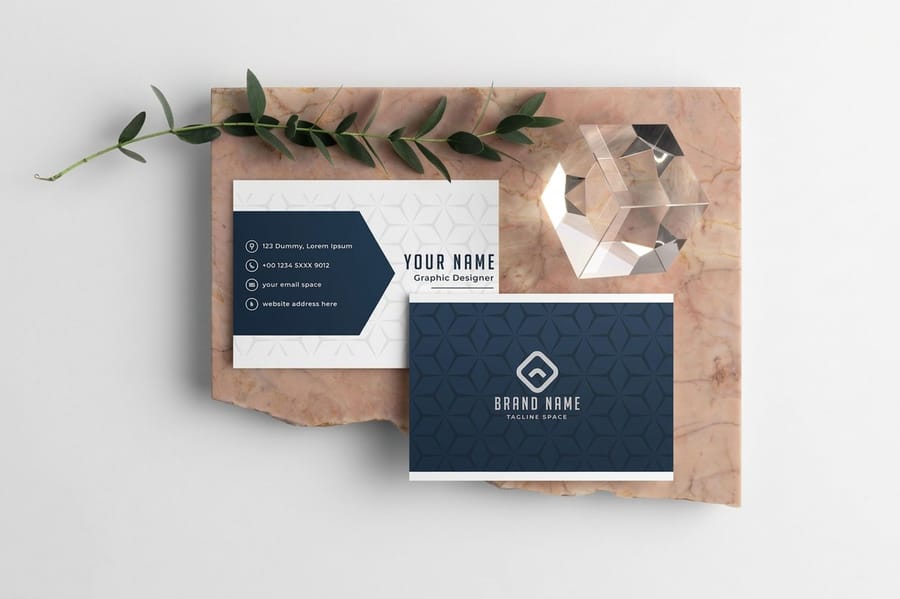
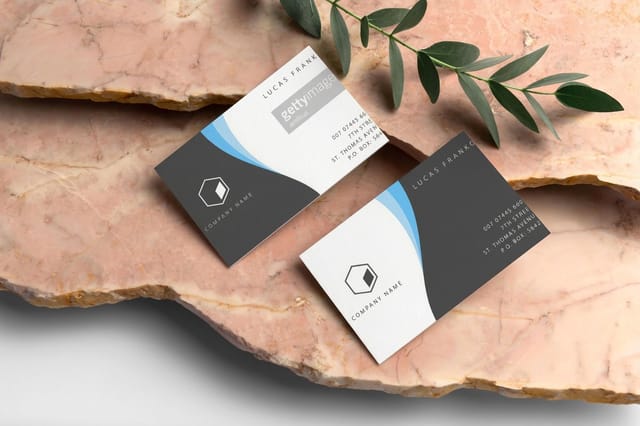
Strip away the jargon and there is one difference between offset and digital printing: whether your artwork is turned into a physical plate first. Offset makes plates, one for each ink, so a full color job needs four before the first sheet prints. Digital does not, which is how 100 classic business cards on 16pt gloss go from PDF to box in 3 business days. Everything people argue about, including cost, speed, color, and personalization, traces back to that single fork in the road.
Does it matter to you? Only in the way it changes your price and your timeline. A run of 100 classic business cards and a run of 20,000 direct mail pieces are the same file, but they belong on different presses. Send the small job to offset and you pay for plates you barely use. Send the huge job to digital and you pay a flat rate that a plate-based press would have crushed on volume.
So the honest answer is that the printing method matters less than matching it to the job. That is the part most guides skip. Below, we break down each process, then show you the line where one takes over from the other, and how 4OVER4 makes that call for you with free proofs before anything prints.
What is offset printing?
Offset printing, sometimes called offset lithography, sits behind almost every long print run you have ever held. Your artwork is etched onto thin metal plates, one plate per ink color. The plate picks up ink, transfers it to a rubber blanket, and the blanket rolls the image onto the paper. The ink is offset from plate to blanket to sheet, which is where the name comes from.
That extra step through the blanket is what makes offset so clean. The soft rubber presses ink evenly into the paper, giving smooth, saturated solids and crisp type even at high speed. Because the press runs true Pantone spot inks, a brand color comes out identical on the first sheet and the fifty-thousandth.
The catch is the front end. Plates cost money and time to make, and the press has to be inked and registered before a single good sheet appears. That setup is fixed, so it barely matters on a run of 25,000 and hurts badly on a run of 200. Offset is a volume machine, and it is happiest with thousands of identical pieces on stocks that range from thin text weight up to heavy cover.
What is digital printing?
Digital printing sends your file straight to the press. No plates, no blanket, no chemistry. A laser press lays down toner and fuses it to the sheet with heat, while an inkjet press sprays fine droplets of ink directly onto the paper. Either way, the machine reads pixels and prints, which changes the economics completely.
With no plates to make, there is nothing to pay off, so a run of 50 costs about what you would expect for 50. That is why digital owns short runs, reprints, and anything on a tight deadline. It is often the same-or-next-day option, and it pairs naturally with rush delivery when a launch or event will not wait.
Digital also does something offset physically cannot: change the image on every single piece. That is variable data. One press pass can print a thousand postcards where each carries a different name, address, or promo code. If you are building a mailing or a personalized card set, digital is the only sane choice, and our online designer gets your art press-ready without a design program.
The advantages of digital printing
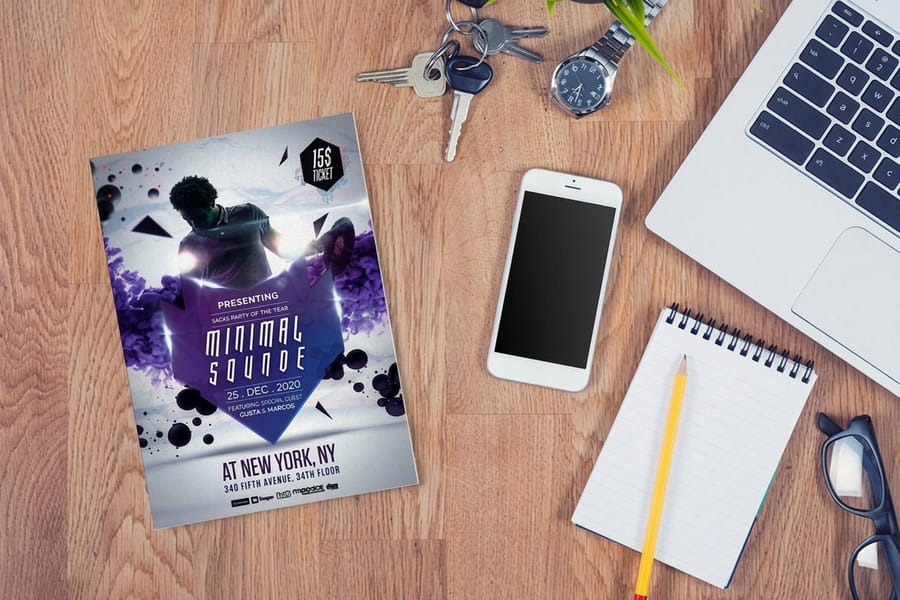
Digital wins any time the run is short, the clock is loud, or the piece needs to change.
- Low cost on small orders. With no setup to recover, 100 flyers or 250 cards stay affordable instead of subsidizing plates you never needed.
- Speed. The file goes straight to the press, so digital is usually the fastest path to a finished, boxed job.
- Personalization. Variable data lets every piece carry a unique name, address, number, or code in a single run.
- Cheap iteration. Reprinting with a tweaked phone number or new date costs almost nothing, since there are no new plates to burn.
- Sensible minimums. Order exactly what you need, test a design in small batches, and scale up only when it works.
The trade-off is at the top end. Once you are printing in the thousands, digital's flat per-piece price stops looking cheap next to offset, and a true Pantone match on brand color is close but not exact. For a deeper dive on getting color right in either process, see our guide on choosing the best color profile for printing.
The advantages of offset printing
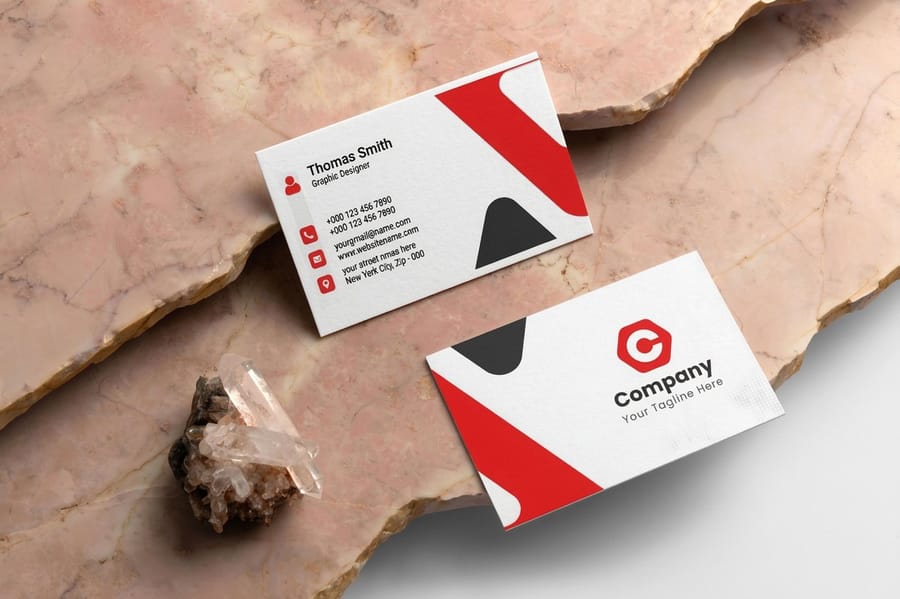
Offset takes over the moment volume, exact color, or unusual materials enter the picture. Its strengths are the mirror image of digital's.
- Lowest cost at volume. The setup is fixed, so the more you print, the cheaper each piece gets. In the thousands, nothing undercuts offset.
- Exact, repeatable color. True Pantone spot inks mean a brand color matches perfectly across the whole run and every future reorder.
- Material range. Offset handles the widest set of stocks, weights, and specialty inks, including metallics that digital cannot reproduce.
- Consistent solids. The rubber blanket lays ink smooth and even, so large fields of color stay rich from the first sheet to the last.
The cost is flexibility and speed. Plates and press setup make small runs expensive and add time before printing starts, and one fixed plate cannot personalize a thing. If your job is a large, color-critical, brand-consistent print, though, that is exactly the job offset was built for. Pair it with the right stock using our guide to the best paper types for brochure printing.
Which one wins, and when
Forget picking a favorite. The winner changes with the job, and three questions settle almost every case: how many, how exact, and how soon.
How many. Under roughly 500 pieces, digital wins on price nearly every time. Over roughly 2,500, offset's falling per-piece cost pulls it ahead. The 500 to 2,500 band is the gray zone where the other two questions break the tie.
How exact. If a brand color has to match a spec sheet or you need a metallic ink or an unusual stock, offset earns it. If close CMYK is fine, digital keeps up for far less on a short run.
How soon. If you needed it printed yesterday, digital is the fast lane. Offset's platemaking adds time you may not have. The decision diagram below walks the same logic in a few seconds, and the specs are cleaner when your file is set up right, which our guide on bleed and trim covers.
Cost crossover, when offset becomes cheaper than digital

Offset spends real money before a single sellable sheet exists. Your artwork is burned onto metal plates, the press is inked and brought up to color, and a stack of make-ready sheets is run and thrown away. Digital skips every bit of that and prints from the file. That one difference is the entire cost story, and the same flyer artwork shows it in two numbers.
500 flyers. The plates and the make-ready are paid for by 500 pieces and nothing else, so the whole setup lands on every flyer in the box. Digital carries no setup to spread, so it comes out cheaper per piece, usually by a wide margin. This is why a 500-piece reprint is a digital job here and why nobody should buy plates for it.
5,000 flyers. Same plates, same make-ready, now divided ten ways, so the setup on each flyer is a tenth of what it was at 500. Meanwhile the press is turning out thousands of impressions an hour on inexpensive ink. Digital barely moved, because its cost per piece was close to flat from the first sheet. Offset is now the cheaper sheet and keeps getting cheaper for every thousand you add, which is why the gap is loudest at 25,000.
Where the two lines cross. The crossover sits inside that 500 to 2,500 band, and it slides with the job. Heavy ink coverage, more colors, or a large flat size push it down toward 500, because ink is the cheap part of an offset run. A small, light-coverage piece on a house stock pushes it up toward 2,500. If your quantity lands in the band, treat price as a tie and let the other two questions decide it: how exact the color has to be, and how soon you need the boxes.
You never have to run this arithmetic yourself. Enter the quantity on the product page and the price you are shown already reflects whichever press prints that combination for less, whether that is 100 business cards or 25,000 of them.
How 4OVER4 gives you both without the guesswork
One thing makes this whole comparison academic for you. At 4OVER4 you never select a press. You pick the product, the quantity, the stock, and the finish, and the job is routed to whichever process prints it best for that exact combination. Classic business cards come in four sizes on dozens of stocks and print in 3 business days; folded postcards come in eight flat sizes that fold to 4 by 6 up to 6 by 11 inches and print in 5.
Order 100 business cards and it prints digitally, fast and affordable. Order 25,000 and the same file runs offset for the lowest per-piece cost. Build a personalized postcard mailing and it goes digital for variable data. You get the strengths of both without learning either machine.
Every job also comes with a free proof, a satisfaction guarantee, and shipping from our Queens, NY facility on the turnaround you choose. Browse the digital printing collection for short-run favorites, or start from business card printing and let the quantity decide the press. Unsure what a term means? The printing terms glossary keeps a plain-English definition close.
Wally explains digital vs offset
You pick the print, we pick the press
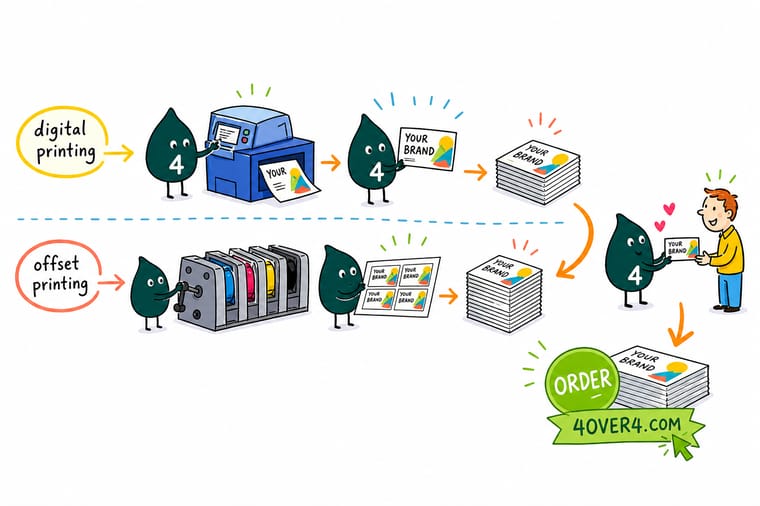
Wally thinks of it like two tools in one shop. Digital is the quick, nimble press for short runs, rush jobs, and mailings where every piece is different. Offset is the heavy press that gets cheaper by the thousand and nails an exact brand color. The trick is not owning one machine, it is having both and knowing which to reach for. At 4OVER4 that call is automatic: choose your product and quantity, and your job lands on whichever press prints it best.
Order your print →Pick the winner
The decision, mapped in one look
Follow the run size first, then let color and deadline break any tie. The thresholds are 500 and 2,500 pieces: below the first the file goes digital, above the second it goes offset, and in between a Pantone spec or a specialty stock sends it to offset. This is the same logic our system uses to route your job.
Trade-offs at a glance
The upside and the catch for each method
Digital: where it shines
- No plates and no setup, so short runs stay affordable
- The fastest route to a finished job, often same or next day
- Every piece can carry a different name, address, or code
- Cheap proofs and easy reprints when the copy changes
- Order 25 or 250 without paying a large-run penalty
Digital: the trade-offs
- Per-piece cost stops dropping once the run gets large
- CMYK gets close to a Pantone but is not a true spot color
- Very heavy or textured specialty stocks can be limited
Offset: where it shines
- The cheapest cost per piece once you print in the thousands
- True Pantone spot inks for exact, repeatable brand color
- The widest range of stocks, weights, and specialty inks
- Rich, consistent solids across a very long run
Offset: the trade-offs
- Plate and setup costs make small runs expensive
- Longer turnaround from platemaking and press setup
- One fixed plate, so no per-piece personalization

How it works
How your job gets to the right press
You never name the process. Every order takes the same four steps at 4OVER4, from file to doorstep, and after the proof a run of classic business cards prints in 3 business days and folded postcards in 5.
- 1
Pick the product and quantity
Choose your item, size, stock, and how many you need. That quantity is the single biggest signal for which press fits the job.
- 2
Upload print-ready artwork
Send a CMYK file with bleed and trim set correctly. If you are unsure, our online designer builds a press-ready file for you.
- 3
We route it to the right press
Small, fast, or personalized runs go digital. Large, color-critical runs go offset. You never have to name the process yourself.
- 4
Proof, print, and ship
Approve the free proof, we print and finish, and your order ships from our Queens, NY facility on the schedule you selected.
Specs and pricing
Live business card specs and pricing
Business cards are the classic run that can tip either way on quantity, starting at 100 for $17.57, with the right press chosen for you at checkout.
| Quantity | Price Per Unit | Total |
|---|---|---|
| 100 | 17.6¢ | $17.57 |
| 200 | 11.5¢ | $23.07 |
| 300 | 9.15¢ | $27.46 |
| 400 | 7.96¢ | $31.86 |
| 500 | 7.25¢ | $36.26 |
| 600 | 6.77¢ | $40.64 |
| 700 | 6.43¢ | $45.04 |
| 800 | 6.18¢ | $49.43 |
Print it
Order the pieces this guide is about
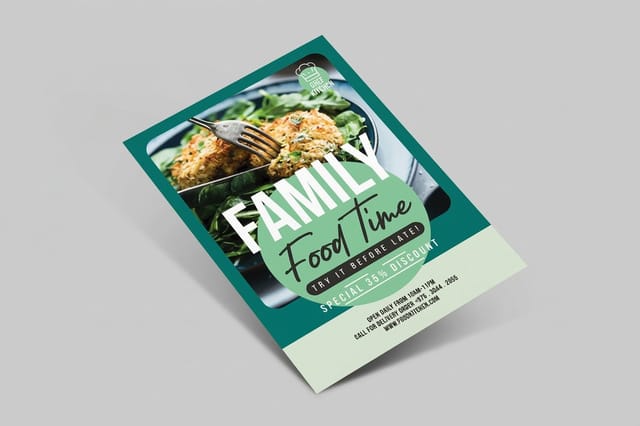
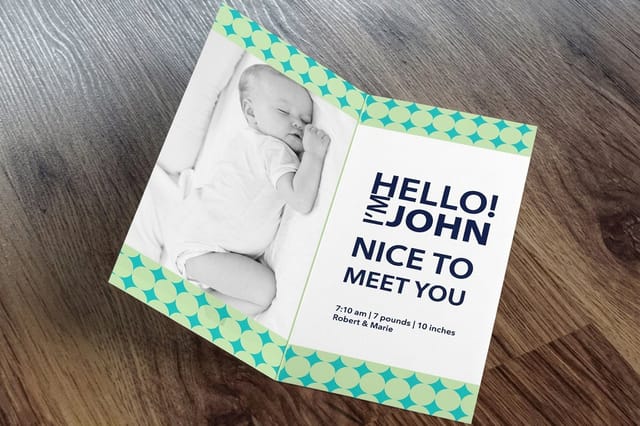
See it in use
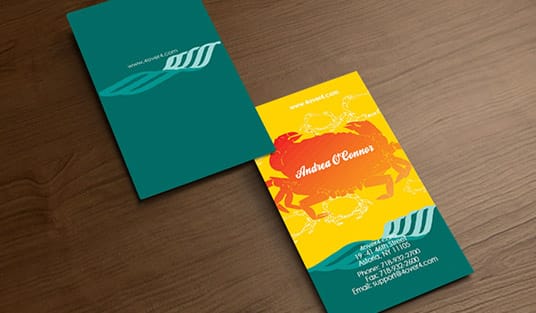
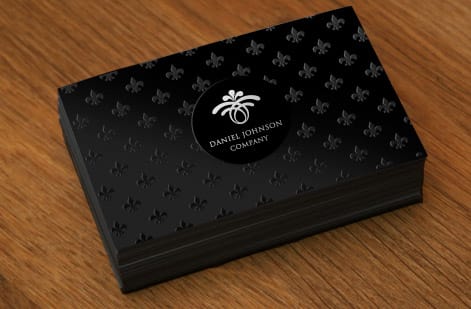
Jobs that ran on each press

Explore more
Where to go next
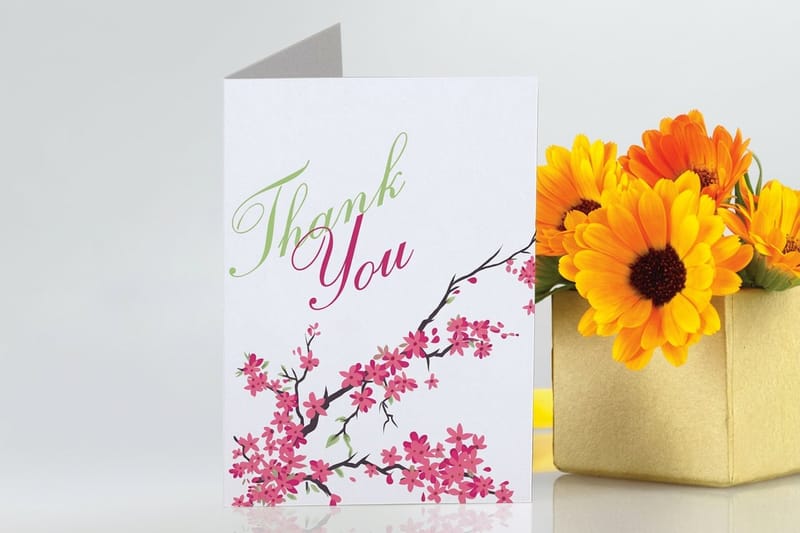
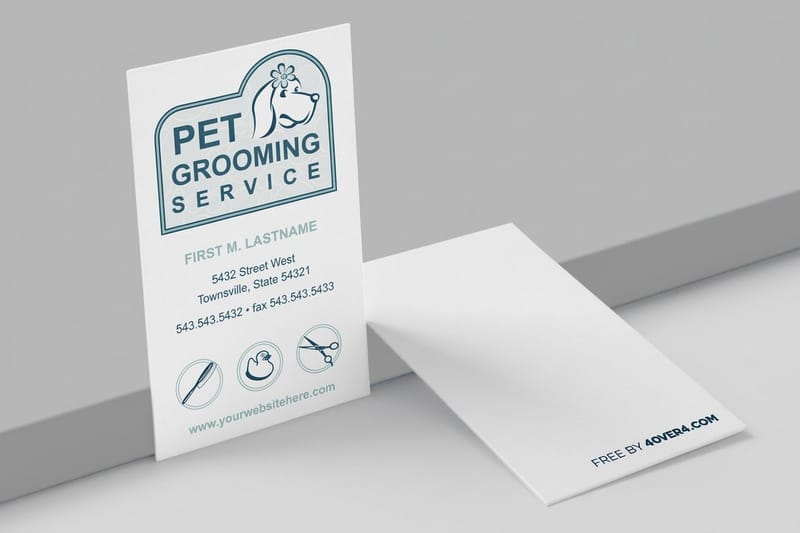

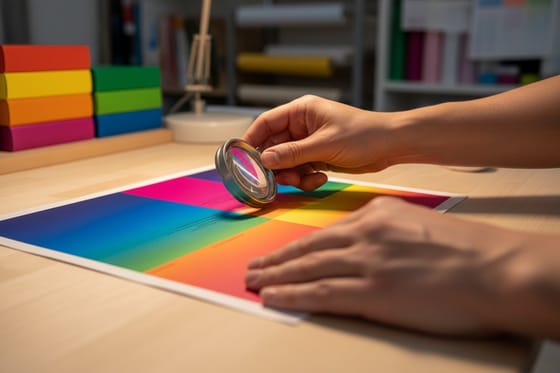
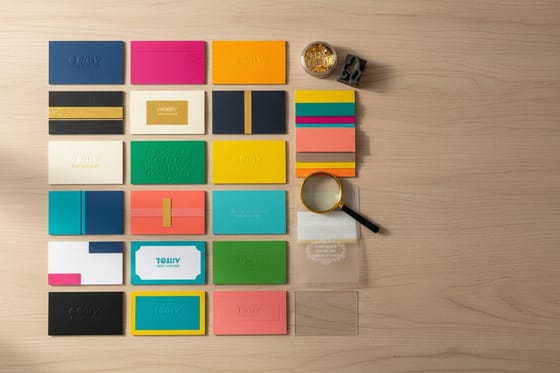
By the numbers
Both presses under one roof
Common Questions
Common questions about digital vs offset printing
What are the advantages of digital printing?
Digital printing skips plates entirely, so there is no setup cost and no minimum that makes short runs painful. That gives you three big wins. First, small orders are affordable, whether you need 25 cards or 250 flyers. Second, it is fast, often same or next day, because the file goes straight to the press. Third, it supports variable data, so every postcard in a mailing can carry a different name, address, or coupon code. For proofing, reprints, and anything under a few thousand pieces, digital is usually the right call.
What are the advantages of offset printing?
Offset shines on volume, color, and materials. Because the setup cost is spread across the whole run, the price per piece keeps dropping the more you print, which makes offset the cheapest option once you are into the thousands. It also prints true Pantone spot inks, so a brand color matches exactly on every sheet and every reorder. And it handles the widest range of stocks, weights, and specialty inks, including metallics that digital cannot reproduce. For large, color-critical, brand-consistent jobs, offset is hard to beat.
What is the difference between offset and digital printing?
The core difference is the plate. Offset transfers your artwork onto metal plates, inks those plates, and presses the image through a rubber blanket onto paper, which is why it needs setup but rewards volume. Digital prints directly from your file using toner or inkjet with no plates at all, which is why it is fast and cheap for short runs but stops getting cheaper as the run grows. Everything else, including cost curves, turnaround, color matching, and personalization, flows from that one distinction.
How do I choose between offset and digital printing?
Start with quantity, then check color and deadline. Under roughly 500 pieces, digital almost always wins on price and speed. Over roughly 2,500, offset usually wins on cost per piece. In the 500 to 2,500 range, let color and materials decide. If you need an exact Pantone, a metallic ink, or an unusual stock, go offset. If you need it fast or personalized, go digital. At 4OVER4 you do not have to run this math yourself, since the right press is selected from the product and quantity you choose.
What does offset vs digital printing cost, and how is the price set?
Price is driven by quantity, size, stock, finishing, and turnaround, not by the press name. Digital has little or no setup, so a small order is cheap and the per-piece price stays roughly flat as you add more. Offset has an upfront plate and setup cost, so small runs cost more, but the per-piece price falls steadily as the run grows and eventually undercuts digital. The crossover point where offset becomes cheaper is usually somewhere between a few hundred and a couple thousand pieces, depending on the product. Our live price tables show the exact number for each quantity.
Can you tell offset and digital prints apart just by looking?
Usually not on a modern press. On close inspection, digital toner can sit slightly on top of the sheet and digital solids can show very faint banding, while offset ink soaks in for a smoother, flatter solid. For everyday marketing pieces, business cards, flyers, and postcards, both look clean and professional, and most people cannot tell which press produced them.
Do I have to choose digital or offset when I order from 4OVER4?
No. You choose the product, quantity, stock, and finish, and we route the job to the press that prints it best for that combination. Short, fast, or personalized runs are printed digitally, and large, color-critical runs are printed offset. The goal is that you never have to think about the machine, only the result.
Get Started
Order 50 folded postcards from $84.36
Pick your product and quantity, upload your art, and we route the job to the press that prints it best. You get the result, not the homework.
Legal Disclaimer
Gold Standard guarantees apply to all standard orders placed through 4over4.com. Price match requires verifiable proof of a competitor's published price for an equivalent product with matching specifications and turnaround time. Satisfaction guarantee covers manufacturing defects and print quality issues. Contact support with order number and documentation.
