
What Is Commercial Printing and Which Method Fits Your Job


What the term covers, the five production methods behind it, and the two questions that decide which one your job belongs on.
Commercial printing is printed material produced in volume for business use, on production presses with full prepress and finishing behind them, rather than on an office printer. Which method fits comes down to two questions. What are you printing on, and how many do you need. Paper jobs run offset above roughly a few thousand pieces and digital below it; vinyl and fabric go large format; rigid board and acrylic go flatbed UV; garments go screen or direct to garment; roll labels at volume go flexo.
Quick answer
Two questions decide the method: what it prints on, and how many
Substrate first, quantity second. If the job is not on paper, the material has already chosen the press and there is nothing to compare. If it is on paper, the choice is offset against digital, and it turns on a fixed setup cost that offset pays once and digital never pays at all. Below the crossing point digital is cheaper; above it offset pulls away. Nobody can name that crossing point in the abstract, so ask for a price at your quantity and at double it and read the shape of the answer.
What Commercial Printing Actually Covers
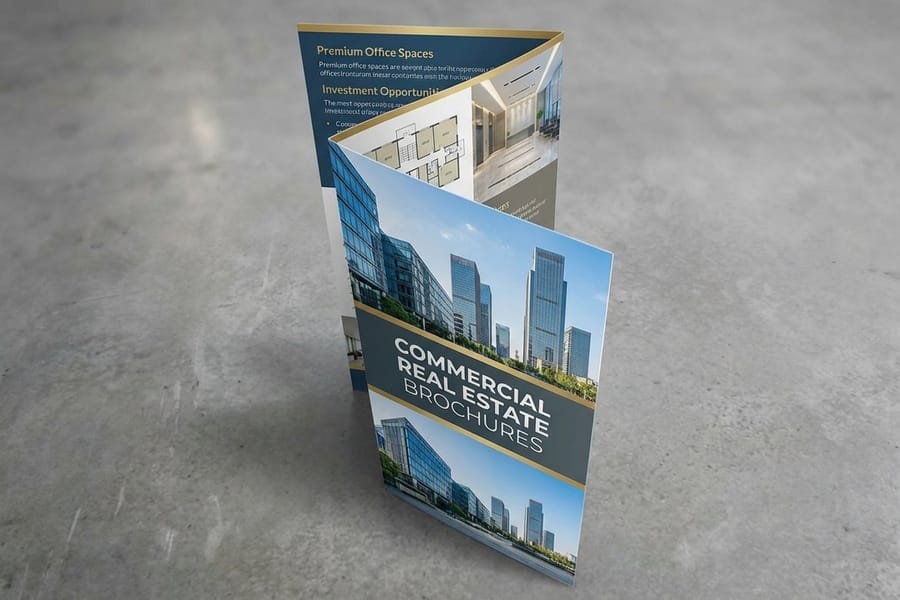
Commercial printing is the production of printed material for business use, at quantities and on equipment that no office can match. Brochures, postcards, catalogs, labels, packaging, banners, signage, letterhead, apparel and every piece of collateral your business hands to somebody sits inside it.
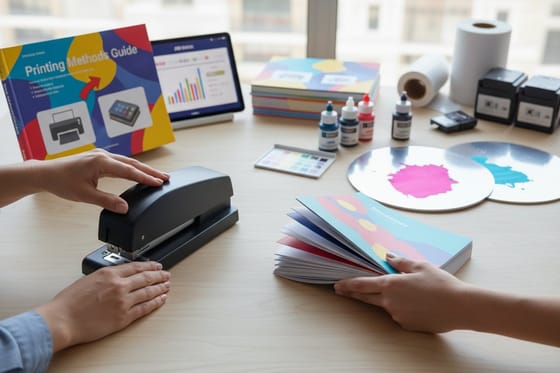
The part people miss is that it is a chain, not a machine. A job goes through prepress, where the file is preflighted and imposed onto a press sheet; through the press itself; then through finishing, where it is cut, folded, scored, drilled, laminated, bound or die cut. Most of the money and most of the delays live outside the press. A brochure that prints in twenty minutes can sit two days waiting for a folder.
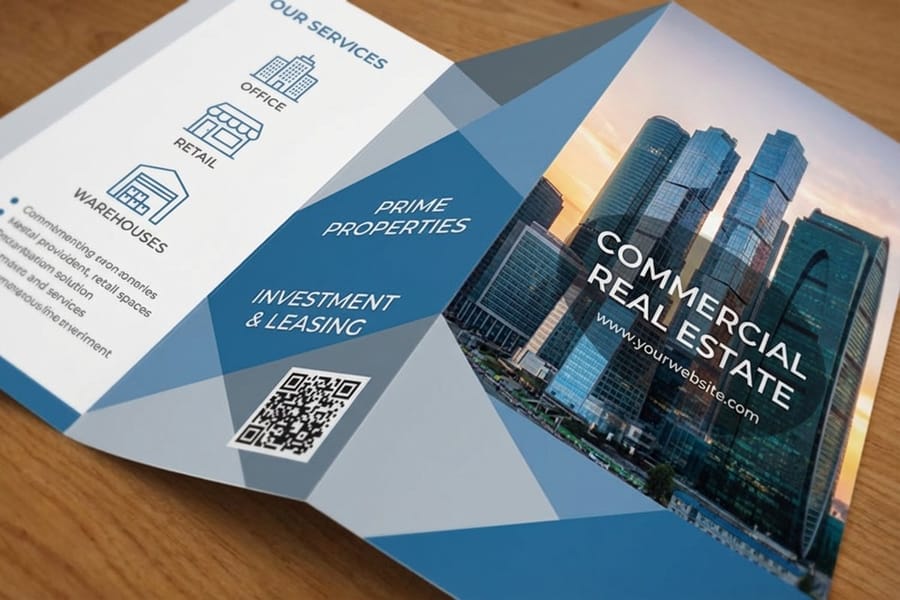
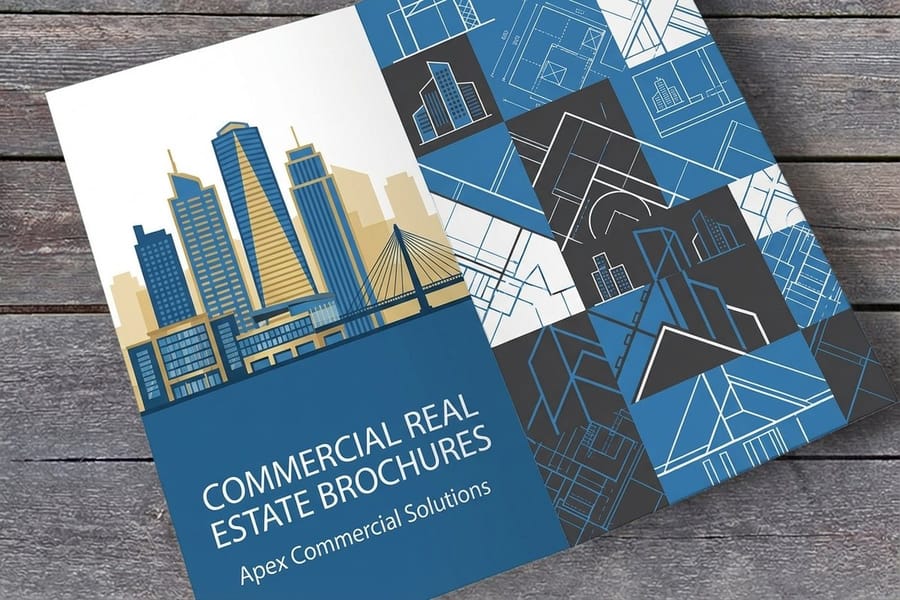
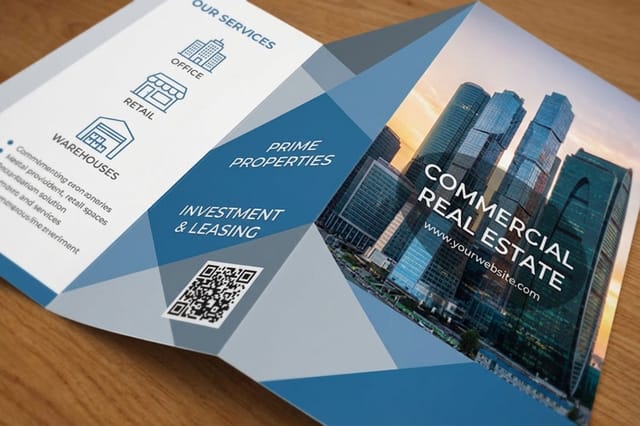
Imposition is the reason commercial pricing looks strange at first. Small pieces are ganged, meaning several copies are laid out on one large sheet and cut apart afterward. If your piece happens to fit the sheet efficiently, the price per piece drops; if it wastes half a sheet, it does not. That is why an odd trim size sometimes costs more than a larger standard one, and why asking a printer which sizes gang well is a genuinely useful question. Most of what we run at 4OVER4.COM works this way, from greeting cards at $56.02 to full commercial real estate brochures at $57.11.
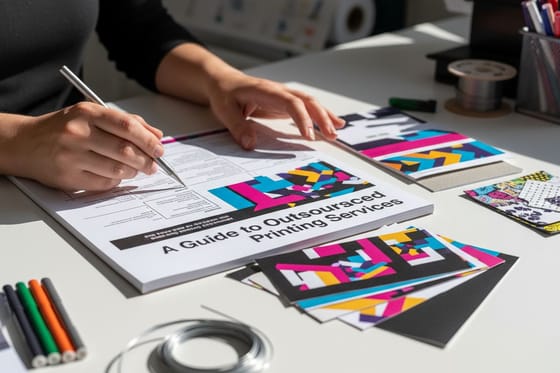
Most companies do not own this equipment and never should. A trade printer amortizes a press across thousands of customers, which is the whole argument behind outsourced printing services.
What a commercial printer produces, sorted by press
The product list on a commercial printer's site looks endless until you sort it by the press it runs on. Then it collapses into five families, and the price you see at the start of each one tells you which press is behind it.
- Sheetfed paper. Business cards, postcards, flyers, brochures, booklets, catalogs, letterhead, greeting cards, and presentation folders. Greeting cards start at $56.02 and commercial real estate brochures at $57.11.
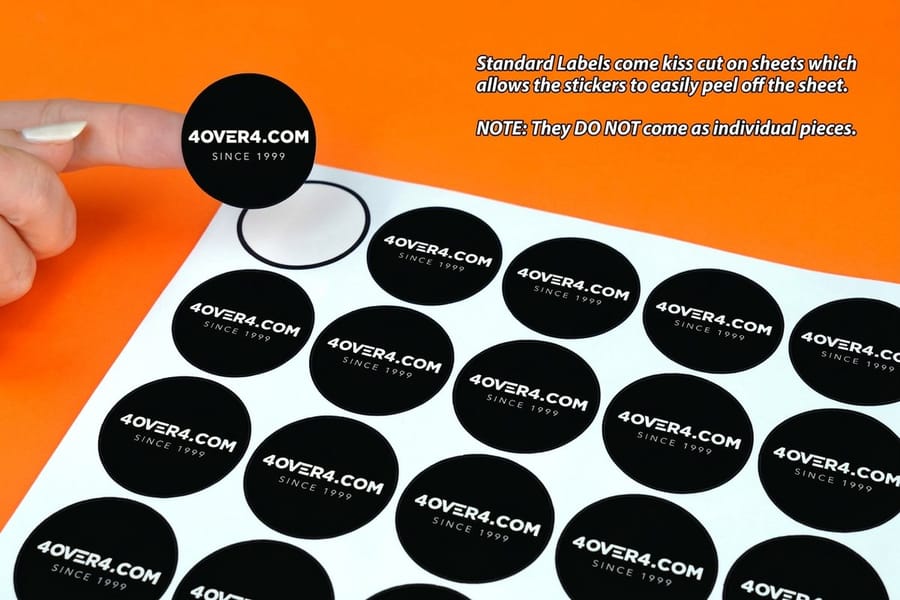
- Labels and packaging. Sheet labels, roll labels, stickers, hang tags, boxes, and sleeves. Standard labels start at $23.88 on the digital press and move to flexo at volume.
- Large format. Banners, posters, signs, window graphics, and trade show displays. Outdoor banners start at $79.
- Rigid and flatbed. A-frame signs, acrylic panels, foam board, and yard signs.
- Apparel and promotional. T-shirts, totes, and printed goods. Custom t-shirts start at $21.96.
When a printer quotes a job, ask which family it falls into. The answer tells you whether quantity will move the price, and it tells you which file setup the press expects.
The Five Production Methods and What Each One Is For
Almost every commercial print job runs on one of five processes. Read the last column first, because a method that cannot do what your job needs is off the table no matter how well it prices.
| Method | How the image gets onto the material | Where it wins | What it cannot do |
|---|---|---|---|
| Offset lithography | Ink transfers from a plate to a rubber blanket, then onto paper. | Long runs on paper, large flat solids, true Pantone spot inks, heavy uncoated stock. | Change anything piece to piece, or price well under a few thousand copies. |
| Digital toner or inkjet | Toner or ink is imaged directly from the file, no plate involved. | Short runs, fast turnaround, versioned or personalized work, reprints on demand. | Match a spot ink exactly, or beat offset per piece once the run gets long. |
| Large format inkjet | Wide inkjet heads print onto vinyl, fabric, board or rigid panels. | Banners, posters, signage, trade show graphics, anything measured in feet. | Hold fine text at reading distance as crisply as a sheetfed press. |
| Screen and direct to garment | Ink is pushed through a mesh stencil, or sprayed straight into the fabric. | Apparel and promotional goods. Screen for volume, direct to garment for small counts and photographic art. | Produce one off screen printed shirts economically, since each color needs its own screen. |
| Flexography | A flexible relief plate prints from a roll, at speed. | Roll fed labels, tags and flexible packaging in high volume. | Handle short label runs without the plate cost swallowing the job. |
Labels are the clearest example of the split. A run of a few hundred standard labels at $23.88 goes digital and ships fast. The same artwork at half a million pieces goes flexo, on a roll, on a machine that would be absurd for the small job. Same product, same file, two different worlds.
If you want the offset and digital comparison at book length, our guide on digital versus offset for booklets works through a real multi page job.
Run Size Decides More Than Anything Else

Offset carries a fixed cost before a single good sheet comes off: plates are imaged, the press is made ready, ink and water are balanced, and a stack of sheets is spoiled while the color comes up to the proof. That cost is the same whether you print 500 or 50,000, so it divides down to nothing on a long run and dominates a short one. Digital skips all of it and charges you close to the same amount for every sheet, forever.
Draw those two as lines and they cross. Below the crossing point, digital is cheaper. Above it, offset is, and the gap widens fast. What nobody can tell you in the abstract is where the crossing sits, because it moves with sheet size, how many pieces gang on a sheet, ink coverage, the number of colors and the stock.
So do this instead of guessing. Ask for the price at your quantity, then at double it. If the per piece price barely moves, you are being quoted digital and there is no reward for ordering more. If it falls sharply, you are on offset, and the extra thousand copies often costs less than you would expect, which is worth knowing before you commit to a quantity you will run out of in March.
The trade-off people regret is on the other side. Ordering long to hit an offset price and then reprinting anyway because a phone number changed is the most expensive mistake in commercial print, and it happens constantly. If any detail on the piece has a chance of changing inside six months, print short on digital and reprint. The per piece price is higher and the total is lower.
Color is the second trade-off. Offset can run a mixed Pantone ink that repeats exactly from job to job; digital builds the same color out of four process inks and gets close. Our guide to two color printing with Pantone or spot inks covers when that difference is worth paying for, and color and ink in commercial printing explains why the same ink looks different on coated and uncoated stock.
The Jobs That Leave the Paper Sheet Entirely
For signage, apparel and rigid panels, quantity stops mattering. The material picks the press, and it picks it before anyone opens a calculator.
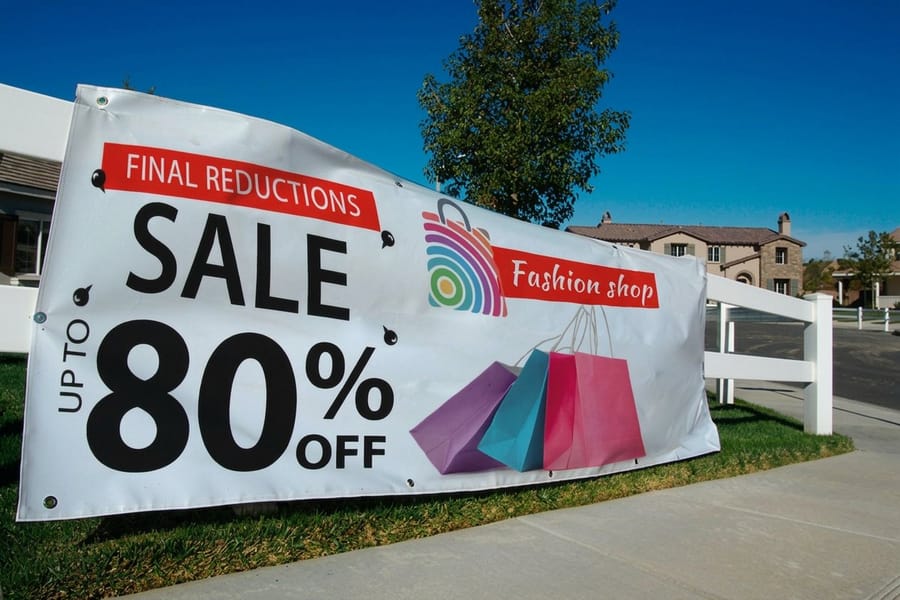
Vinyl and fabric go on roll fed large format inkjet. Outdoor banners start at $79, and the specification that matters is not the printing but the build: hemmed edges and grommets are what stop a banner tearing itself apart in wind, and the ink needs to be UV cured or solvent based to survive months of sun. An indoor banner printed with the wrong ink set fades outdoors in a season.
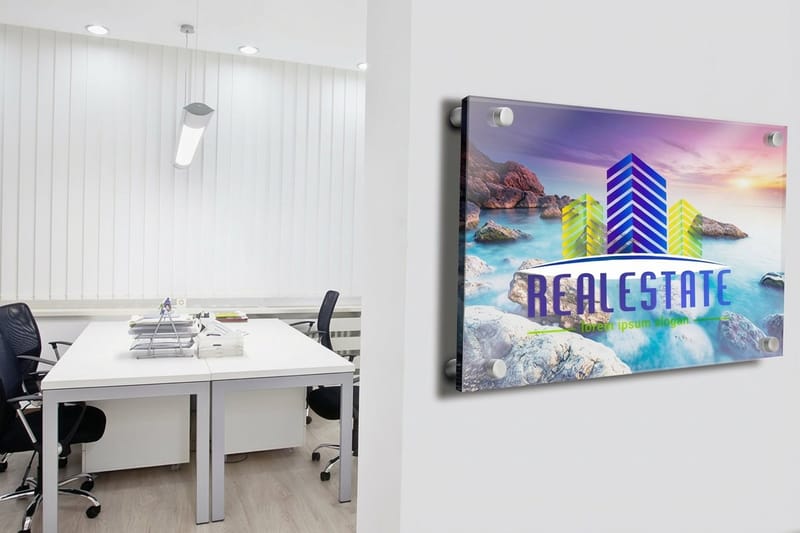
Rigid board and acrylic go on a flatbed UV press, where the ink cures under lamps the instant it lands, so it sits on top of a non porous surface instead of soaking in. That is the process behind sidewalk a-frame signs and the panels in the acrylic printing collection.
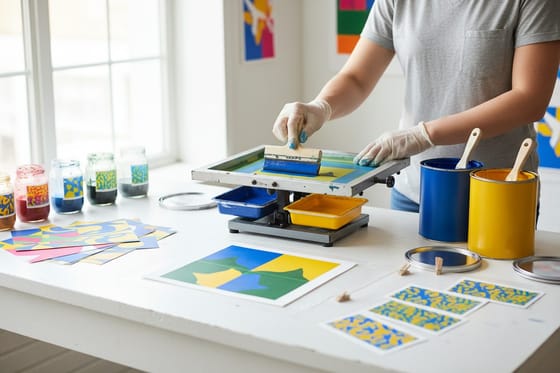
Garments split by count. Screen printing burns a separate screen for every ink color, so the setup is real but the per shirt cost collapses on volume, and the result survives repeated washing better than anything else. Direct to garment sprays water based ink into the fibers with no screens at all, which makes a run of twelve shirts or a photographic design perfectly sensible. Custom t-shirts start at $21.96. The catch worth naming: direct to garment needs a pretreatment layer on dark fabric, and that layer can leave a faintly visible box around the design on some blends.
How to Brief a Commercial Printer So the Quote Comes Back Right
Half the back and forth in a print quote comes from a brief that left something out. Send these nine things in the first message and most printers can quote in one pass.
- Flat size and finished size. A brochure that is 11 by 17 inches flat and 8.5 by 11 folded is a different job from an 8.5 by 11 flat sheet, and the words alone will not tell a printer which you mean.
- Quantity, plus one alternate. Give your real number and a larger one. The comparison is what reveals which press you are on.
- Stock weight and finish. Text weight or cover weight, coated gloss, coated matte or uncoated. If you do not know, say what the piece has to survive.
- Printed sides and ink coverage. Four over four means full color both sides. A cover with a solid dark background behind it is a different job from one with white space.
- Spot colors, named. If a Pantone number has to be matched exactly, say so at quote time, not at proof time.
- Finishing. Folds and their type, scoring, drilling, lamination, die cutting, binding, numbering. Each one is a separate pass with its own schedule.
- Proof expectations. A PDF soft proof is free and fast. A printed proof on your actual stock costs money and time, and is the only thing that shows real color.
- In hands date. Not the ship date. Production time and transit time are two separate clocks and only one of them is under the printer's control.
- Ship to detail. One address or split shipments, residential or commercial, and whether a liftgate is needed for a pallet.
Then send a file that will actually pass preflight: press ready PDF at final size, 0.125 inch bleed on every trimmed edge, fonts embedded or outlined, images near 300 ppi at final size, CMYK unless a spot ink is specified, and critical text held back from the trim. The details are in our guide to creating commercial print ready files, and it is worth reading once, because the turnaround clock does not start until the file clears.
Wally explains commercial printing
Check the material, then count the pieces
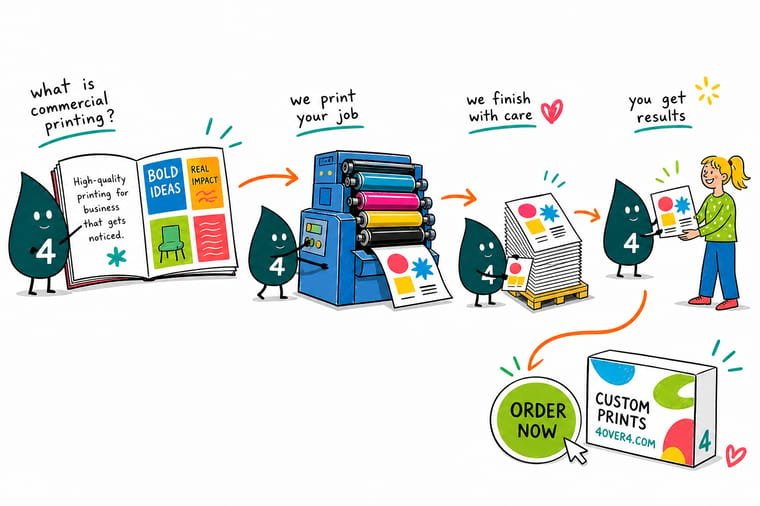
Wally asks two things before he quotes anything. What is it printing on, and how many do you want. Vinyl sends the job to large format, acrylic to the flatbed, a shirt to screen or direct to garment, a roll of labels at volume to flexo. Only when it is paper does the quantity question open up: offset pays for plates once and gets cheaper the longer it runs, digital pays nothing up front and charges the same for every sheet. Ask Wally for the price at your quantity and at double it, and the shape of the answer tells you which press you are on.
Configure a commercial brochure run →Specs and pricing
Three methods, three products, live configuration
A sheetfed paper job, a label run and a large format banner, each with its real sizes, stock choices and starting price straight from the 4OVER4.COM configurator.


Print it
Order a commercial run without guessing the press


Explore more
Where to go next



By the numbers
Commercial printing you can plan a schedule around
Common Questions
Your commercial printing questions, answered
What is considered commercial printing?
Any printed material produced for business use on production equipment, at a quantity and with finishing that an office printer cannot deliver. Brochures, postcards, catalogs, labels, packaging, banners, signage, letterhead, and apparel all count. The test is the chain behind it: prepress, a press that images whole sheets or rolls, and finishing such as cutting, folding, laminating, or die cutting.
What are the four types of printing?
The four processes most guides name are offset lithography, digital printing, flexography, and screen printing. Offset transfers ink from a plate through a blanket onto paper and wins on long runs. Digital images the file straight onto the sheet with no plate and wins on short runs and variable data. Flexography prints from a flexible plate onto rolls of labels and packaging. Screen printing pushes ink through a mesh stencil onto garments and promotional goods. Large format inkjet is the fifth process most commercial printers add for signage.
What are some examples of commercial printing?
A 5,000 piece postcard mailing, a saddle stitched product catalog, a roll of labels for a food line, a hemmed vinyl banner with grommets, a run of foil business cards, and 200 screen printed shirts for an event are all commercial printing. Each one runs on a different press, and each one passes through prepress and finishing before it ships. The one thing they share is that no office printer could produce them.
What is the difference between commercial printing and regular office printing?
Scale, equipment and everything that happens after the ink dries. Commercial printing runs production presses that image whole sheets at a time, then trims, folds, scores, drills, laminates and packs the result. Office printing produces single finished sheets and nothing else. The practical dividing line is finishing: the moment a job needs a fold, a bleed to the edge, a die cut, a spine or a specific stock, it belongs on commercial equipment, whatever the quantity is.
Is digital printing lower quality than offset?
Not anymore, but the differences are real and they show in specific places. Offset holds large flat solids more evenly, handles heavy uncoated stock better, and can carry a true spot ink. Digital has the edge on short runs, on quick turnaround, and on anything that changes piece to piece. On a normal full color brochure at arm's length, most people cannot tell them apart. Put a big solid brand color across a whole cover and a trained eye will.
How many copies before offset becomes cheaper than digital?
There is no universal number, and any printer who quotes you one is guessing. The crossover moves with sheet size, how many pieces gang up on one press sheet, ink coverage, the number of colors, and the stock. The reliable move is to ask for the price at your quantity and at double your quantity on both methods. If the per-piece price barely moves when you double the run, you are on digital. If it drops sharply, you are on offset, and ordering the larger quantity may cost you very little extra.
What files do commercial printers actually want?
A press ready PDF, built at final size with 0.125 inch of bleed on every trimmed edge, fonts embedded or converted to outlines, images at roughly 300 ppi at final size, and color built in CMYK unless you have specified a spot ink. Keep critical text at least 0.125 inch inside the trim so a normal cutting tolerance never clips it. Our guide to creating commercial print ready files walks through each of those settings.
Can a commercial printer match my exact brand color?
On offset, yes, by running your Pantone ink as a spot color mixed to formula, which costs an extra unit on press but repeats reliably from job to job. On digital and on large format, the color is simulated in CMYK, so expect a close match rather than an exact one. If your brand color is a saturated orange, a deep navy or a bright green, ask for a printed proof on your actual stock before the full run. Coated and uncoated paper will also read differently from the same ink.
When does the turnaround clock actually start?
After the file passes preflight and, if you asked for one, after you approve the proof. It does not start when you place the order. A file that fails preflight on a Friday afternoon for a missing bleed can lose the whole weekend, which is the single most common reason a job that was promised for Tuesday shows up on Thursday. Shipping transit sits on top of production time and is quoted separately.
Get Started
Know the method, then place the order
Tell us the material, the quantity and the in hands date. We put the job on the right press, preflight the file before the clock starts, and ship it finished.
Legal Disclaimer
Gold Standard guarantees apply to all standard orders placed through 4over4.com. Price match requires verifiable proof of a competitor's published price for an equivalent product with matching specifications and turnaround time. Satisfaction guarantee covers manufacturing defects and print quality issues. Contact support with order number and documentation. On-time delivery rate based on tracked orders 1999 to 2026. Individual results may vary based on shipping carrier performance.
