
How SEO-Driven Storytelling Wins Rankings and Readers


Search demand picks the question. The story supplies the proof. One order satisfies both, a few intents punish narrative outright, and the same story keeps working once the tab closes.
SEO-driven storytelling lets search demand choose which story you tell, then puts the direct answer in the first two sentences so the story after it actually gets read. The advantage is not that narrative ranks. It is that answering fast wins the citation and the click, while the story wins the attention, the return visit and the decision. Reverse the order and the page loses both.
Quick answer
The answer earns the ranking, the story earns the attention
Put the answer first and the story second, every time. Snippets and AI summaries lift text from the top of a page, so a narrative opening gives them nothing to quote and the page never gets the reader who would have enjoyed the narrative. Answer in two sentences, follow with the specifics and the limit, then use two to four paragraphs of story to carry the numbers that make the answer believable. Match the amount of story to the intent: heavy on comparison and decision pages, none at all on price and size queries.
What SEO-Driven Storytelling Actually Means
Two things get called storytelling and only one of them ranks. The first is decoration: an anecdote glued to the front of a page that would have been fine without it. The second is structure, and it works like this. Search demand tells you which question to answer. You answer it in the opening two sentences. Then the story does the part an answer cannot do, which is make the reader believe you and remember you.
The reason the order is not negotiable is mechanical. Snippets, answer boxes and AI summaries pull from the top of a page. A page that opens with the founder driving to a trade show in 2011 gives the extraction layer nothing usable, so it never becomes the quoted source, so the reader who would have loved the trade show story never arrives. Put the answer first and you get both.
The second half is what most guides skip. Once the answer is in place, the narrative has a job with a name: it carries the specifics. A story is the easiest container in the world for a real quantity, a real deadline and a real cost, and those are the details that separate a page worth citing from a page of generalities. If your brand messaging already names a promise, the story is where you show the promise being kept under pressure.
What it is not: length for its own sake, invented customer quotes, or a founder origin section on a page about pricing. Those cost you the reader in the first ten seconds and no amount of keyword coverage buys them back.
Match the Amount of Story to the Search Intent
The most expensive mistake in this discipline is telling a story to somebody who came for a number. Intent decides the ratio, and the ratio is not a matter of taste.
| What the searcher typed | What they want | How much story | What kills the page |
|---|---|---|---|
| How much does X cost | A price and the variables behind it | None. Print the number. | Any paragraph before the figure. |
| What size is X | A dimension, ideally in a table | None, beyond a note on the exception. | Context the reader did not ask for. |
| How do I do X | Numbered steps that work | One short example inside a step. | An arc wrapped around the instructions. |
| X vs Y | A verdict that commits | Heavy. Show each option failing once. | A neutral table with no recommendation. |
| Is X worth it | Permission to spend or not spend | Heavy. This is a decision under doubt. | Benefits with no named limit. |
| Best X for Y | A shortlist with reasoning | Medium. One sentence of use per pick. | Ten picks that all sound identical. |
Read the third column as a budget rather than a preference. On a comparison page the story is doing the actual work, because the searcher already found the spec sheet and it did not help them choose. On a size query, every sentence before the number is a reason to hit back. Our guide to choosing between a booklet, a brochure and a flyer is a comparison page for exactly that reason, and it commits to a verdict instead of listing traits.
There is a practical test for the middle rows. Write the answer without any narrative, read it back, and ask whether a reasonable person could still pick wrong. If yes, the story is load-bearing. If no, you are padding.
Find the Story That Already Sits Inside the Query
You do not invent the story. You find the one the search already implies, because every query with real volume has a person behind it who is stuck.
Start with the related questions the engine shows under the result, and the ones your own sales inbox repeats. They are the plot points. Someone searching for the difference between two paper weights is rarely curious about paper. They ordered something once that arrived flimsier than the sample and they do not want to repeat it. That fear is the story, and naming it in one sentence does more than three paragraphs of description.
- The stake. What goes wrong if they choose badly. A wasted run, a missed mailing date, a table of literature nobody picked up.
- The wrong turn. The reasonable-looking decision that caused it. Almost always a decision made on price alone, or on a screen proof.
- The specific. The number that made the difference. A stock weight, a quantity break, a lead time, a cut-off.
- The correction. What you would do next time, stated plainly enough that a reader can copy it.
Four points, and you have a structure that fits into two paragraphs without turning into a memoir. It also gives you something most competing pages do not have, which is a limit you are willing to name. Admitting where an option costs more or fails is the fastest way to be believed, and it happens to be the thing search engines and AI systems reward when they look for a source worth quoting.
Keep a running file of these. If you are building a publishing rhythm rather than a one-off page, our step-by-step blog setup guide covers where they land, and the wider marketing strategy guides cover how often to publish without thinning the quality.
The Page Shape That Serves the Crawler and the Reader
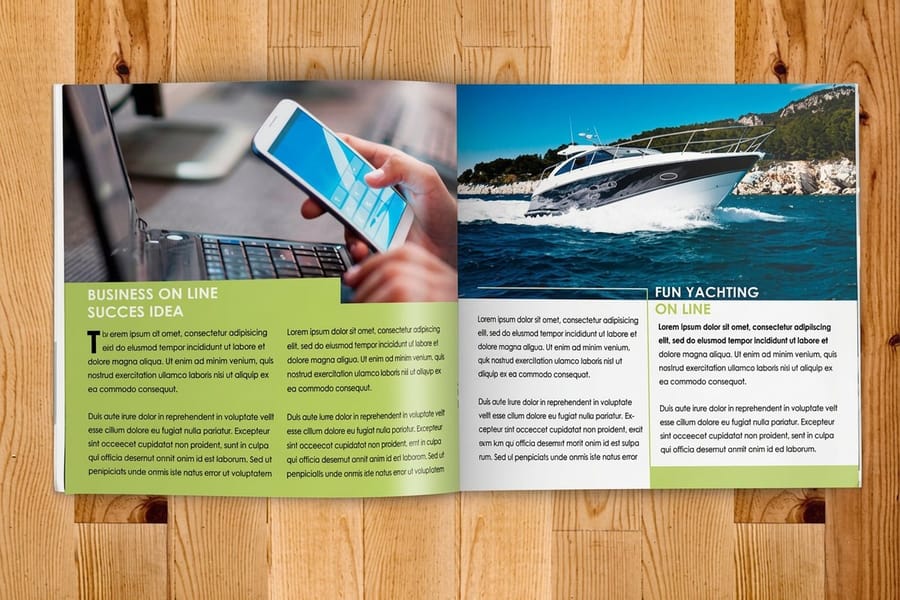
Once you know the story, the layout is close to fixed. It runs in four blocks and the order never changes.
- The direct answer, first 100 words. Two sentences that would work as the entire reply if someone read nothing else. No throat clearing, no restating the heading.
- The specifics and the limit. Numbers, conditions, the case where this fails. This is the section that earns the citation, because it is the part competitors leave out.
- The narrative. Stake, wrong turn, specific, correction. Two to four paragraphs, not a chapter.
- The follow-up questions. The next three things the reader will genuinely wonder, answered properly rather than restated as keywords.
Two details make a visible difference inside that shape. Vary the sentence length on purpose, because uniform rhythm is the clearest signal of machine-written text and readers feel it before they can explain it. And put one checkable number in every section. Not a statistic you found, a number from your own work: the quantity you ran, the price you paid, the day it shipped.
Headings deserve the same discipline as the opening. A heading that repeats the query word for word helps nobody, while a heading that states the finding gives a skimmer the answer without reading the paragraph. Once the page is live, measure the two halves separately. Position and click-through judge the opening, scroll depth and return visits judge the story, and the content analytics guide sets out which of those numbers actually move a decision. For the rest of the plan around it, the beginner content marketing guide is the wider frame.
Carry the Same Story Off the Screen
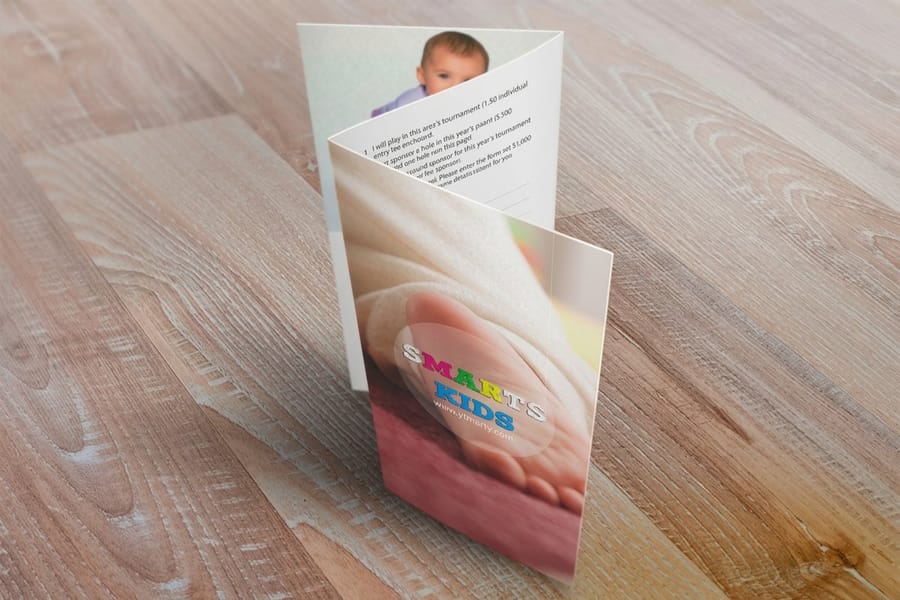
A page ranks, a reader finishes it, and then the tab closes. Print is what keeps the story in the room afterward, and it belongs in the plan for a practical reason rather than a sentimental one: the moments that close business are mostly offline, and search cannot reach them.
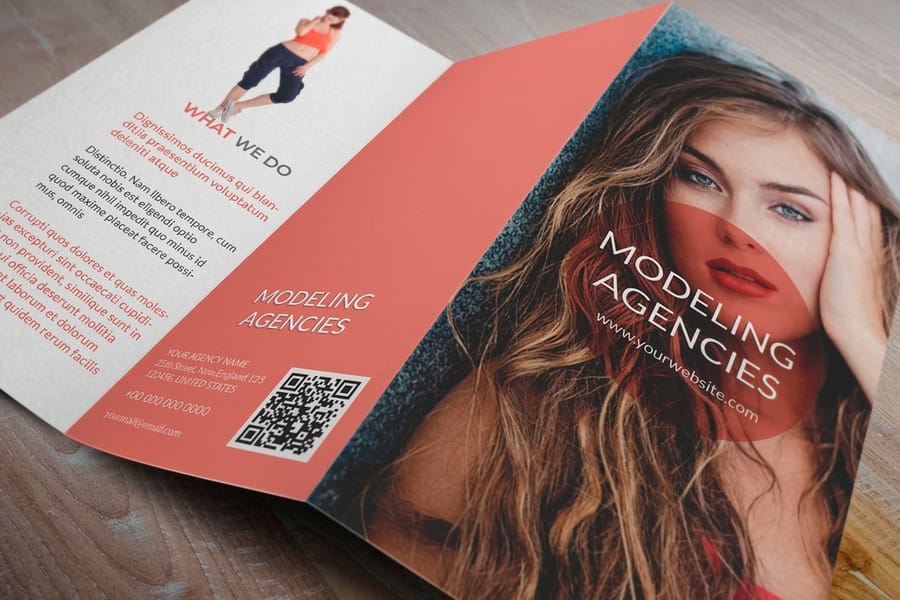
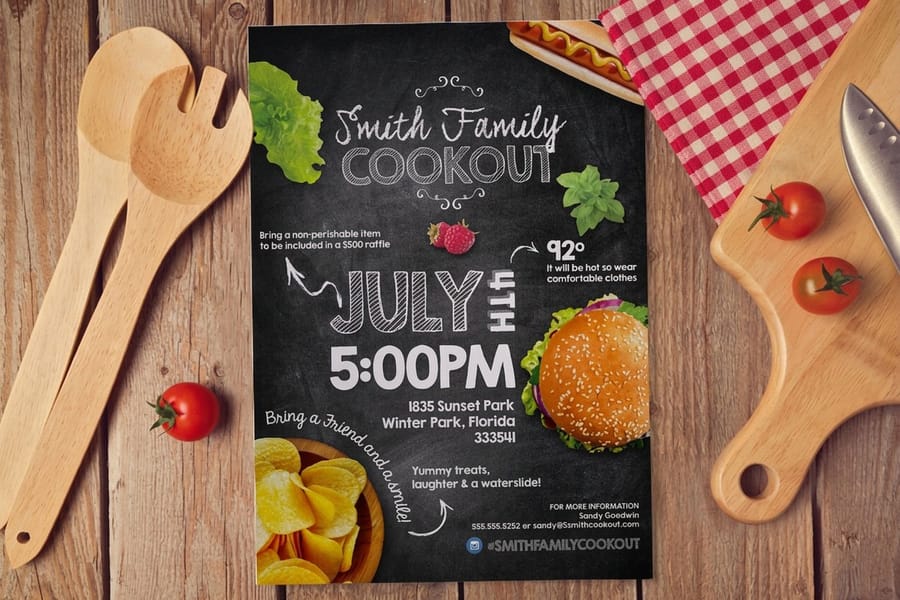
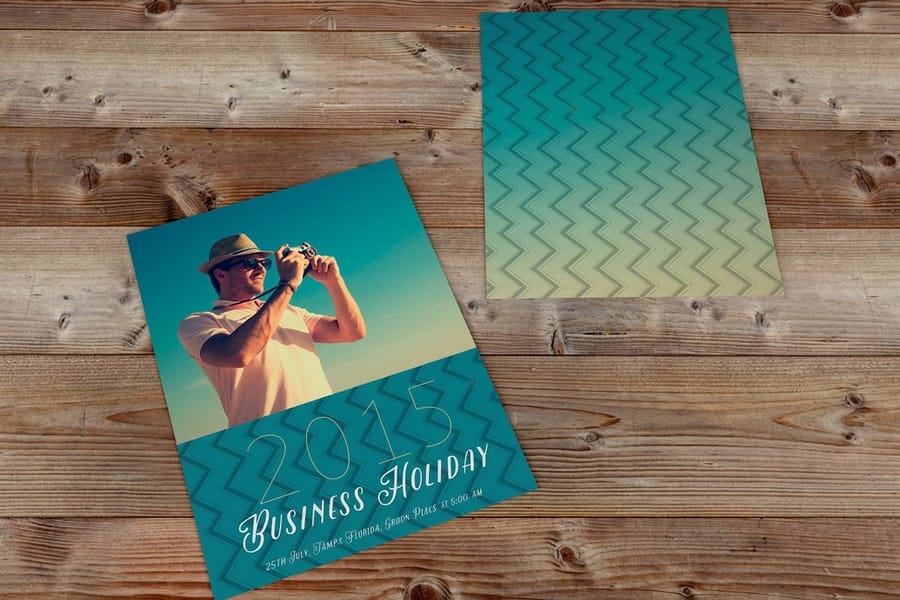
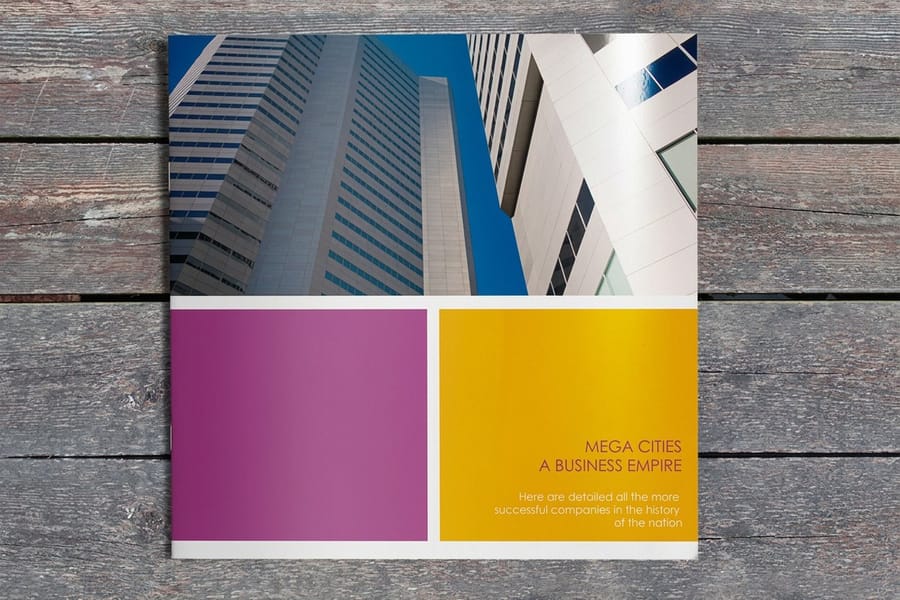
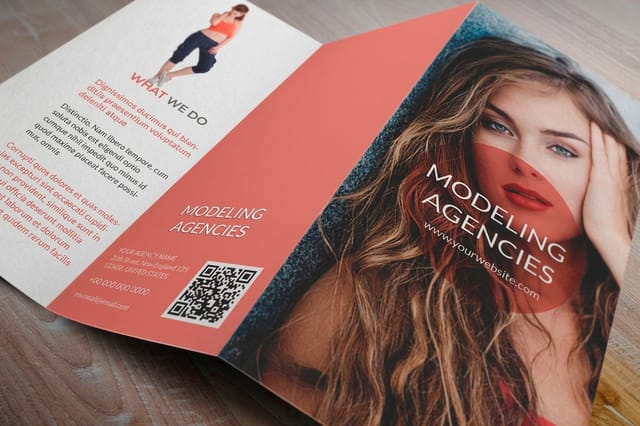
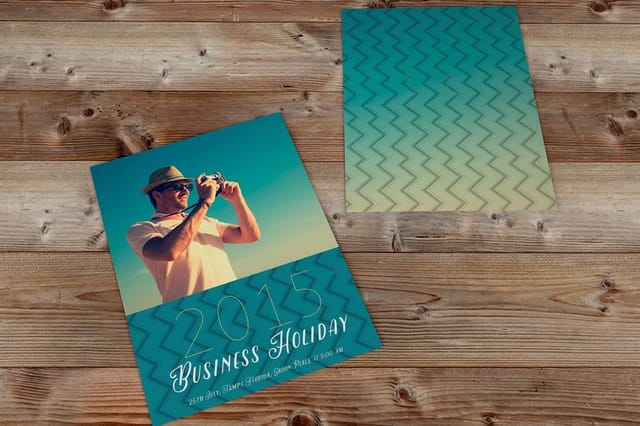
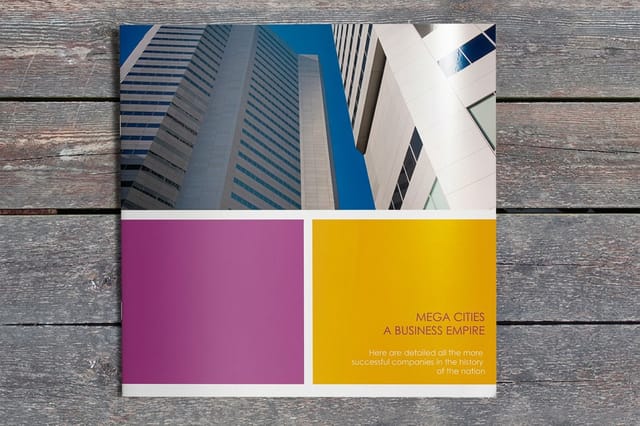
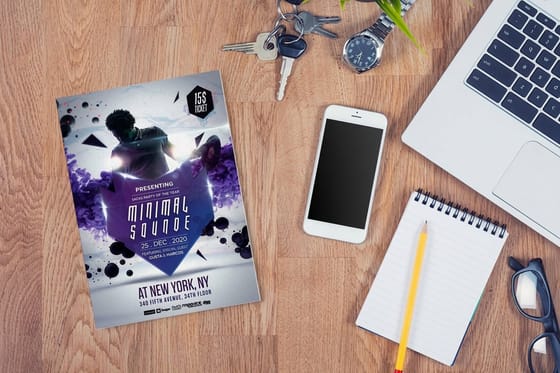
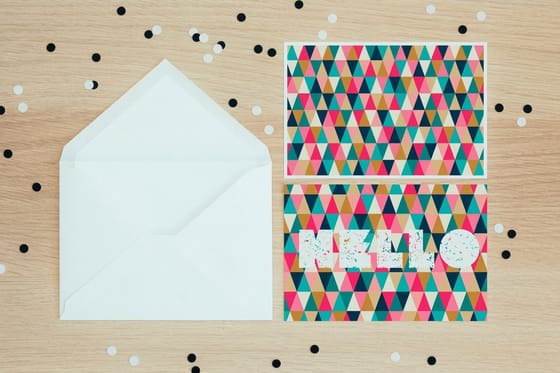
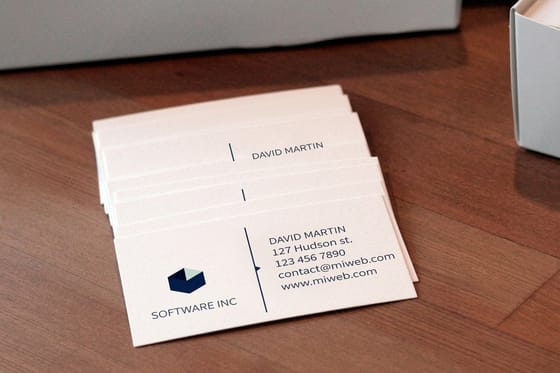
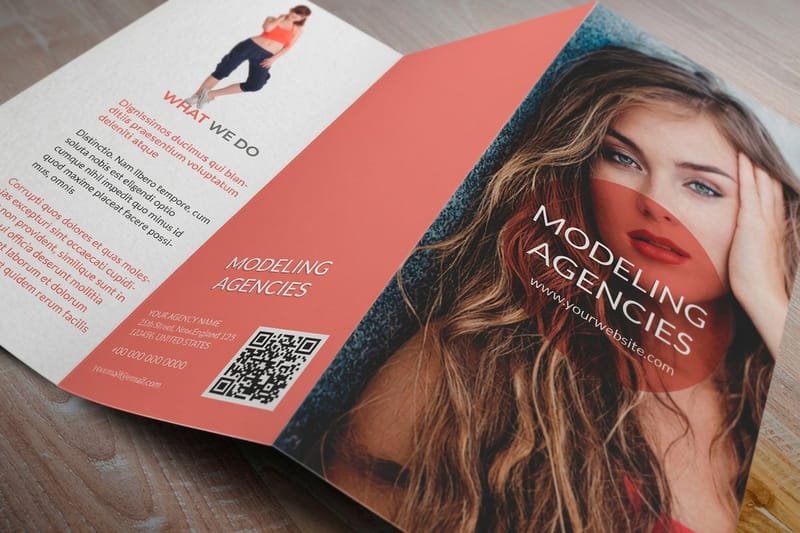
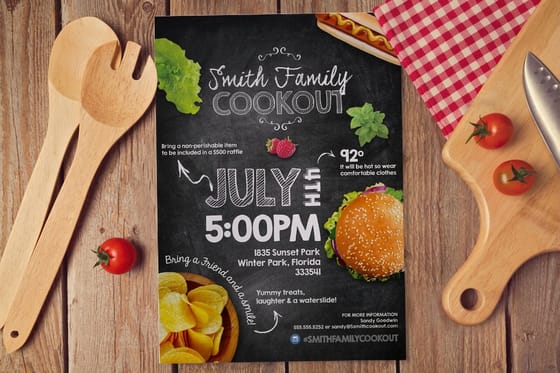
Write the story once, then let the format decide how much of it travels. A standard brochure from $57.11 holds the whole argument across its panels, which is why it works as a leave-behind after a meeting where the full case has already been made once. A standard postcard from $16.48 carries a single line of that argument into a mailbox, so it should carry the stake and nothing else. Standard flyers from $39.54 sit between the two for events and counters, and standard booklets from $240.55 are the long form, worth it when the reader has agreed to sit down with you. A standard business card from $17.57 carries no story at all, only the name that lets someone find the story again.
The trade-off is honest: print costs money per copy, it cannot be edited after it ships, and it has no analytics attached. That is exactly why the narrative has to be settled online first. Test which framing holds attention on the page, then print the version that won. Getting the panels right matters as much as the words, so start from a correctly sized layout in the blank template library, and if the copy is the part you are stuck on, our guide to brochure content that makes readers act covers what belongs on each panel. Color carries meaning too, and the pairings that work in print hold up better than the ones chosen on a bright monitor.
The full range sits in marketing materials, and if the brochure is the piece you need first, brochure printing lists every fold and stock we run.
Wally explains SEO-driven storytelling
Answer at the top, story underneath
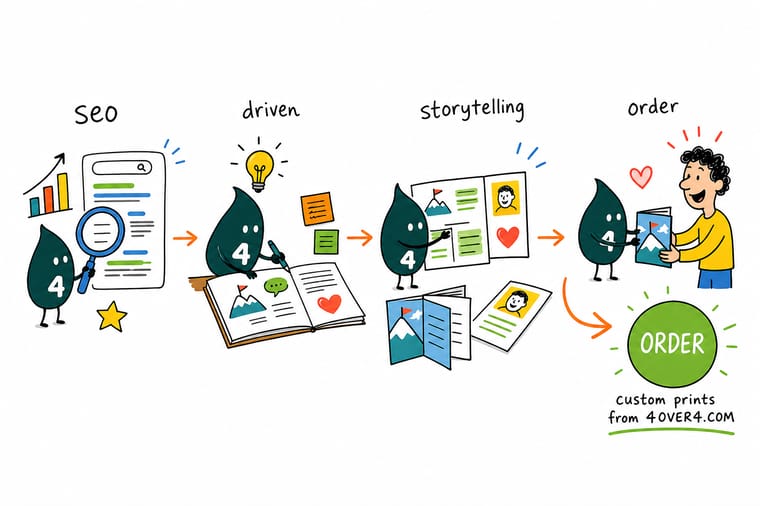
Wally reads the question the searcher typed and writes the plain answer in the first two sentences, because that is the part a snippet or an AI summary lifts. Underneath it he puts the numbers, the limit and the short story of the job that went wrong, which is the part a person remembers. Then he prints the winning version on a brochure so it keeps working after the browser tab closes.
Print your story on a brochure →Specs and pricing
The formats that carry a story, with live starting prices
Pick the format by how much of the argument has to travel. Sizes, stocks and starting prices come straight from the 4OVER4.COM configurator.


Print it
Take the story off the screen
Explore more
Where to go next

By the numbers
The print side of your content plan, handled
Common Questions
Your SEO storytelling questions, answered
What is SEO-driven storytelling?
It is a way of building a page where search demand decides which story you tell, and the page structure lets the answer come first so the story still gets read. You start from the query, write the direct answer in the opening two sentences, then use narrative to carry the specifics, the mistake and the outcome that turn a correct answer into a memorable one. The order matters more than the technique. Story first buries the answer and the page loses the ranking that would have brought the audience.
Does storytelling actually help a page rank?
Not on its own, and anyone who tells you it does is selling something. Ranking still comes from matching the query, covering the subject completely and being worth linking to. What storytelling changes is what happens after the click: a reader who finishes the page, comes back, or sends the link to someone else. Those behaviors feed the signals that hold a ranking once you have it, which is why the strongest pages answer fast and then earn the rest of the attention.
Which pages should be narrative and which should not?
Use narrative where the reader is deciding: comparisons, case write-ups, why-we-changed-our-process pages, and category explainers where two options both look reasonable. Skip it where the reader wants a fact or an action: pricing, specifications, size charts, checkout, and any query that starts with what size, what time or how much. A story on a spec page is friction, and the searcher leaves for a page that just prints the number.
How long should an SEO-driven story be?
As long as the subject genuinely takes and no longer. A decision page that has to compare four formats and name the cost of each will run past 1,500 words honestly. A single question with one correct answer can be finished in 400. Padding is easy to spot in your own draft: if a paragraph survives having its subject swapped for a different product, it was never about your subject in the first place, so cut it.
Where does print fit into a content strategy that is built for search?
It carries the same story into the moments search cannot reach: the meeting, the trade show table, the mailbox, the box a customer opens. The practical move is to write the story once, then let the formats split the job. Standard brochures start at $57.11 and hold the full argument, standard postcards start at $16.48 and carry one line of it into a mailbox, and standard business cards start at $17.57 and keep the name in a pocket after the conversation ends.
How do I tell whether the storytelling part is working?
Separate the two jobs and measure each one. Impressions, average position and click-through rate tell you whether the answer at the top is doing its work. Scroll depth, time on page, return visits and direct traffic to the URL tell you whether the story is. If rankings climb while engagement stays flat, the answer is good and the narrative is decoration. If engagement is strong on a page nobody finds, the story is good and the opening two sentences are not.
Get Started
A 25 copy booklet of the winning piece costs $240.55
Settle the story online, then put it on paper. Pick a fold, a stock and a quantity, and we print the brochure, postcard or booklet that carries it into the room.
Legal Disclaimer
Gold Standard guarantees apply to all standard orders placed through 4over4.com. Price match requires verifiable proof of a competitor's published price for an equivalent product with matching specifications and turnaround time. Satisfaction guarantee covers manufacturing defects and print quality issues. Contact support with order number and documentation. On-time delivery rate based on tracked orders 1999 to 2026. Individual results may vary based on shipping carrier performance.
