
How Rigid Envelopes Keep Photos and Documents From Bending


Rigid mailers are the standard answer to a do-not-bend shipment. Here is what is actually inside one, why it changes your postage, and how to send one that looks like it came from you.
A rigid envelope is a flat mailer stiffened by a chipboard or corrugated panel, so photographs, certificates and documents arrive without a crease. The board is what protects the contents, and because bending stiffness rises with the cube of thickness, a thin stiffener does far more than a larger envelope. The catch is postal: rigid mail cannot run in the letter or flat stream, so it is priced as a package.
Quick answer
A board in a flat envelope, and a postage bill that follows it
A rigid envelope protects by not folding, and everything else about it follows from that one property. Inside the wrapper is a chipboard or corrugated panel, typically 22 to 30 pt, and its caliper decides how well the mailer works. Because that stiffness makes the piece inflexible, it is disqualified from letter and flat postage and travels at package rates. It resists creasing, not impact, and stock versions arrive plain white or kraft.
What a Rigid Envelope Is Made Of
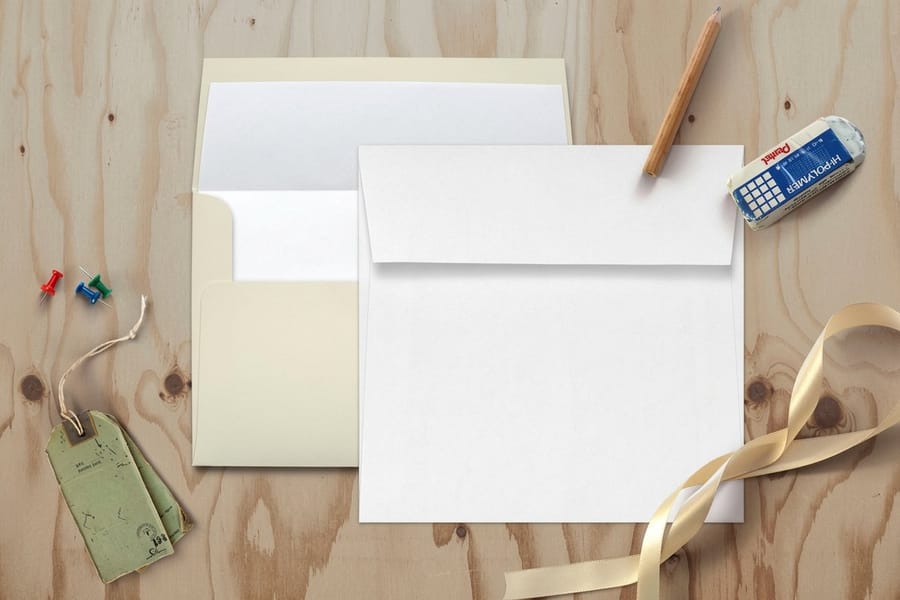
Pick one up and it feels like a single object. It is two. There is a wrapper, usually white kraft paper or a poly film with a peel and seal flap, and inside it a panel of board that does all the real work. Cut one open and the panel is either chipboard in the 22 to 30 pt range or a single wall of E flute corrugated, sometimes one face, sometimes both with the contents sandwiched between.
Sizes cluster around what people actually need to send flat. The small end, roughly 6 by 8 and 9 by 11.5 inches, exists for photographs and 8 by 10 prints. The middle, around 11 by 13.5, takes certificates, diplomas and letter-size documents without folding. The large end runs to about 12.75 by 15 inches, which is close to the point where the postal definition of a flat gives out anyway.
Two details decide whether a rigid mailer is any good. The first is the caliper of the board, because that is what resists the fold. The second is how much room the contents have to slide: a photograph loose in an oversized mailer will shift, catch a corner on the seal, and arrive with a bent edge inside a perfectly flat envelope. Match the mailer to the piece, or add a slip of board to take up the slack. If you are still choosing a format at all, the envelope types guide covers the flexible options and the size chart gives the dimensions to design against.
How the Board Stops the Bend, and What It Misses
The physics is worth knowing because it settles most arguments about which mailer to buy. Bending stiffness rises with the cube of thickness. Triple the caliper and the panel becomes roughly 27 times harder to fold, which is why a thin board tucked behind a photograph beats a much larger envelope with nothing in it. Buying a bigger envelope adds nothing. Adding 0.02 inches of board changes the piece completely.
What the board does not do is absorb energy. Force applied to a stiff panel travels straight through it. A rigid mailer dropped on a corner will pass that shock to whatever is inside, so glass, discs, resin and anything with a fragile edge is no safer for being flat. That is the honest limit of the format, and it is the reason padded and rigid mailers both exist rather than one replacing the other.
| Format | Stops bending | Absorbs impact | Postal treatment | Printable outside |
|---|---|---|---|---|
| Plain envelope | No, it follows the rollers | No | Letter or flat rates | Yes, full color |
| Rigid mailer | Yes, that is the whole point | Poorly, shock passes through | Package rates | Rarely, white or kraft stock |
| Bubble mailer | No, it flexes with the load | Yes, for knocks and drops | Package rates | Limited, usually one color |
| Mailer box | Yes, on every axis | Yes, the walls take the hit | Package rates | Yes, edge to edge |
Read the last two columns together. Once a piece is rigid it is being priced as a package regardless, so the postage argument for staying with a plain flat mailer disappears at that moment. From there a custom mailer box costs no more to send than a rigid envelope of the same weight and protects better in both directions. The bubble mailer guide covers the padded route in the same detail.
Why Rigid Mail Costs More to Send
This is the part people find out after they have bought a case of mailers. Postal automation is built around mail that flexes. Letters have to bend around the rollers in a sorter, and large envelopes, the class USPS calls flats, have to be flexible and uniformly thick to travel the flat stream. A rigid piece fails both tests by design, so it leaves the cheap lanes and is priced as a package. A letter-size rigid piece also picks up a nonmachinable surcharge.
The practical consequence is that the mailer is rarely the expensive part. Take one finished piece to the counter at the exact size and weight you intend to send, get the real number, and multiply by the run before you commit. On a mailing of a few hundred, the postage gap between a flexible flat and a rigid package will usually dwarf the difference in unit cost between the two mailers, and it sometimes changes the answer entirely.
Two ways out are worth testing before you accept the rigid price. If the content can survive being folded once, a printed flat in a standard envelope keeps flat rates and costs a fraction to send. If it cannot, and you are paying package rates anyway, use the space that a package allows and send something that arrives better than a plain white envelope. Carrier size and weight limits sets out where each threshold sits, and ordering custom printed envelopes covers the flexible side of the decision.
Putting Your Brand on a Do Not Bend Shipment
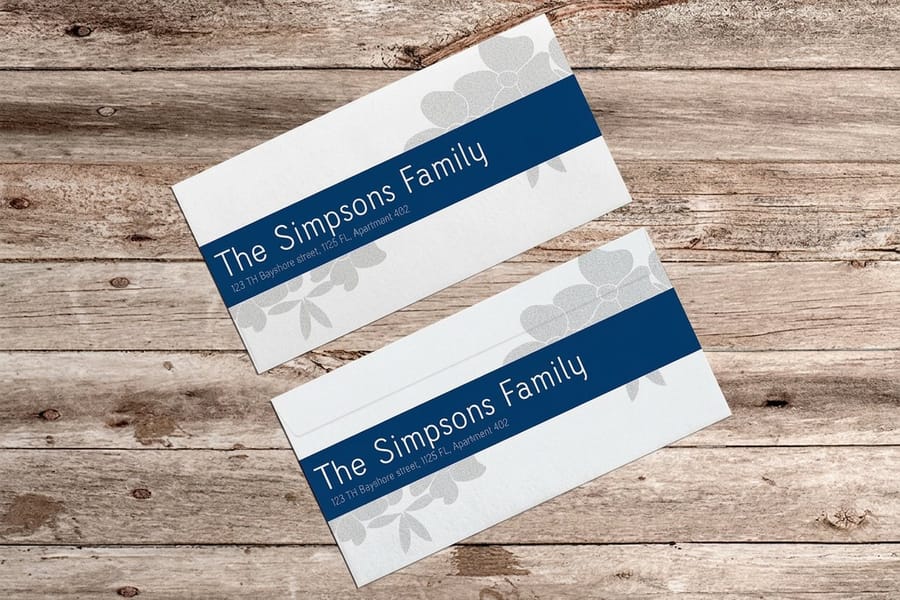
Stock rigid mailers are deliberately plain. They are a shipping supply, sold white or kraft, and the imprint options run to a logo in one color if they exist at all. For a photographer sending prints, a gallery sending certificates or a brand sending a press kit, that plainness is a wasted first impression on a piece the recipient is guaranteed to open carefully.
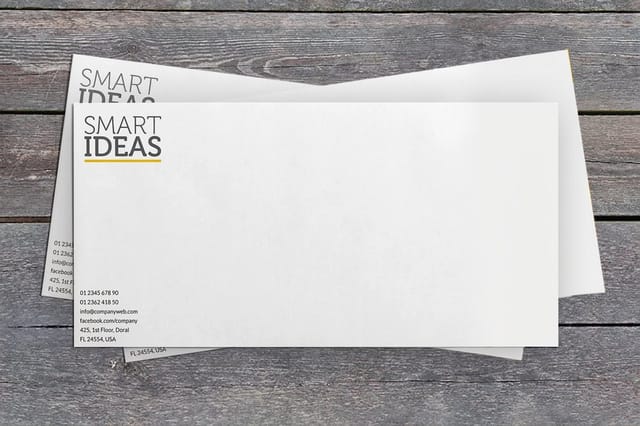
Two builds solve it without any custom tooling. The first separates the jobs: a full-color envelope carries the brand, a plain chipboard sheet cut slightly smaller than the envelope carries the stiffness, and the contents sit between the two. Printed envelopes start at $142.99 and print in full color on both faces, and for anything on the invitation side, invitation envelopes start at $170.42 in the A and announcement sizes. If you only need the wrapper and are inserting your own printed material, blank envelopes start at $13.17.
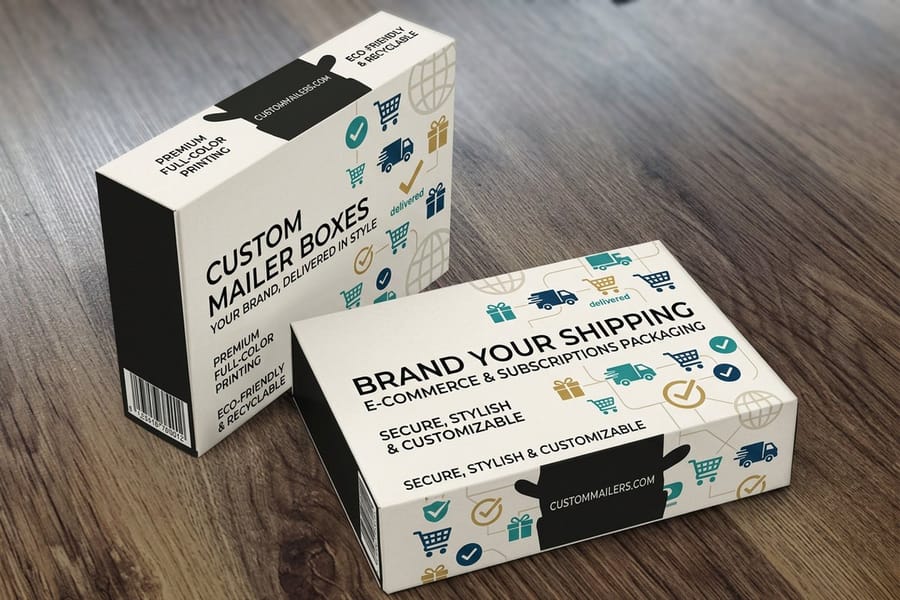
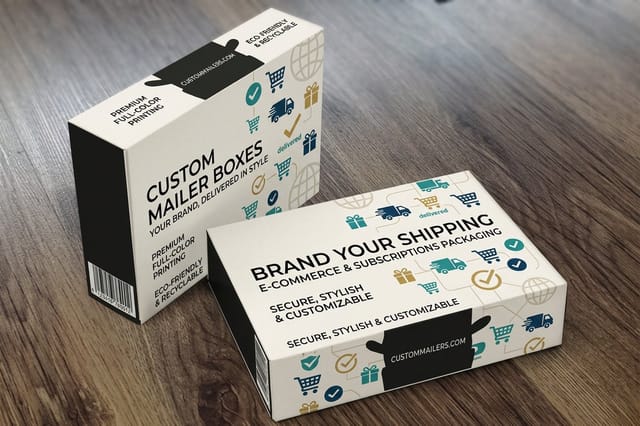
The second build accepts the package rate and uses it properly. Custom mailer boxes start at $711.78, print across every outside panel, and are rigid on all axes rather than only against folding, which makes them the right answer for a kit rather than a single sheet. Set the artwork up at the correct flat size before you start, using the blank template library, and browse the full range in envelope printing or custom box printing.
Wally explains rigid envelopes
The board does the protecting, the envelope just holds it
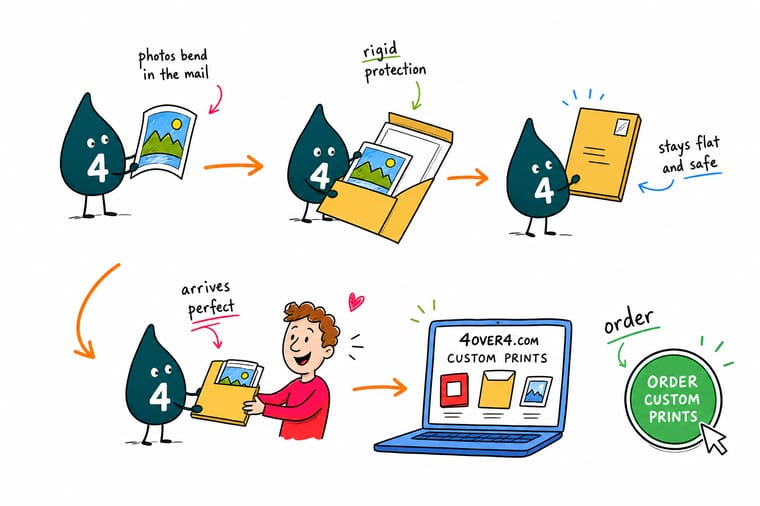
Wally slides a sheet of chipboard in behind the photo and seals the flap. Now the mailer cannot follow the rollers in a sorter, so nothing creases. Triple the board thickness and it gets about 27 times harder to bend, which is why a thin stiffener beats a bigger envelope. He will warn you about two things. Rigid mail is priced as a package, not a flat, so check the postage before you order a case. And a board stops a fold, not a drop, so anything breakable still wants padding or a box.
Order printed envelopes →Specs and pricing
Envelope sizes, stocks, and starting prices
The flexible half of the decision, with live configuration choices and starting prices straight from the 4OVER4.COM configurator.

Print it
Send a flat piece that looks like it came from you
Explore more
Where to go next

By the numbers
Envelope printing you can count on at 4OVER4
Common Questions
Your rigid envelope questions, answered
What is a rigid envelope?
A rigid envelope is a flat mailer built around a stiff panel, usually chipboard around 22 to 30 pt or a single wall of corrugated board, wrapped in white kraft or poly with a peel and seal flap. The trade calls them stay flat mailers, rigid mailers or photo mailers depending on who is selling them. The envelope itself contributes almost nothing structurally. The board is the product, and everything about how the mailer behaves in the post follows from how thick that board is.
Is a rigid mailer the same as a photo mailer?
Photo mailer is a size and a use case, rigid mailer is a construction. Photo mailers are the small end of the same family, typically 6 by 8 and 9 by 11.5 inches with a board on one or both faces, sized so a 5 by 7 or 8 by 10 print sits inside without sliding. Larger rigid mailers run to 12.75 by 15 inches for certificates, artwork and unframed prints. Same board, same seal, different footprint.
Does USPS charge more for a rigid envelope?
Yes, and it is the cost that surprises people. First Class letters and large envelopes both have to be flexible and uniformly thick to run through automation. Anything rigid fails that test, so it is priced at package rates rather than letter or flat rates, and a letter-size rigid piece also picks up a nonmachinable surcharge. Before you standardize on rigid mailers for a campaign, price one at the counter for the actual size and weight you plan to send. The postage difference across a few hundred pieces is usually larger than the difference in the mailers themselves.
Does writing "Do Not Bend" on the envelope work?
Only on the leg of the journey a human handles. Sorting equipment reads barcodes and addresses, not instructions, and a flexible envelope that fits the letter or flat stream will be run through rollers whatever is printed on it. The marking is worth adding because it changes how a carrier handles the piece at the door, but it is not protection. The board is the protection. Treat the wording as a courtesy note on top of a mailer that already cannot bend.
Rigid mailer or bubble mailer, which one do I need?
Ask what the failure looks like. If the piece is ruined by a crease, such as a photograph, a certificate, an unframed print or a signed document, you want the board. If it is ruined by a knock, such as a mug, a bottle of ink or anything with a corner, you want the padding. Neither one covers both well on its own. When a shipment needs both, the usual answer is a padded sleeve inside a rigid mailer, or a printed mailer box, which is stiff and takes an impact without transferring it straight through.
Can I print full color on a rigid mailer?
Not on the stock item, which is why so many do-not-bend shipments arrive looking anonymous. Blank rigid mailers are sold in white or kraft with limited imprint options. If the outside matters, two routes work. Print a full-color envelope and slide a plain chipboard stiffener in behind the contents, which keeps the postage question separate from the branding question. Or move to a printed box, which prints edge to edge and is already rigid. Printed Envelopes start at $142.99 at 4OVER4.COM and Custom Mailer Boxes at $711.78, so the choice is as much about run size as it is about looks.
Get Started
Sending something that must not be folded?
Print the envelope in full color and let a board insert do the stiffening, or move the whole thing into a printed mailer box. Either way it arrives flat and it arrives branded.
Legal Disclaimer
Gold Standard guarantees apply to all standard orders placed through 4over4.com. Price match requires verifiable proof of a competitor's published price for an equivalent product with matching specifications and turnaround time. Satisfaction guarantee covers manufacturing defects and print quality issues. Contact support with order number and documentation. On-time delivery rate based on tracked orders 1999 to 2026. Individual results may vary based on shipping carrier performance.
