
How to Order Custom Food Bags That Survive Grease, Heat and a Health Inspector


The four decisions behind a branded takeout or bakery bag, in the order a printer would ask them: paper and barrier, size, closure, then artwork.
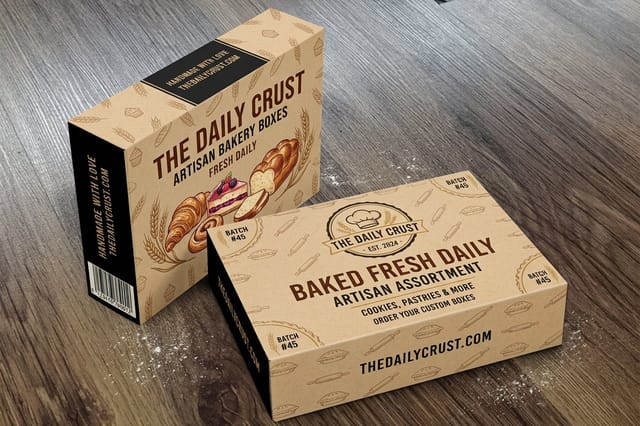
Order a custom food bag by settling four things in order: a food contact grade paper, a grease barrier rated for the oiliest item you sell, a size quoted width by gusset by height, and only then the branding. Direct printing on bags needs flexo plates and minimums in the tens of thousands, so most bakeries and takeout kitchens brand plain stock bags with printed labels, stickers or sleeves instead, and print boxes for the hot food a bag cannot keep crisp.
Quick answer
Paper, barrier, size, then the logo
The bag is a materials decision before it is a design decision. Confirm the sheet is food contact grade and free of intentionally added PFAS, match the grease barrier to the oiliest thing on the menu, size the bag width by gusset by height with an extra inch for the fold, and brand it last. Because direct bag printing carries plate charges and very high minimums, the cheapest honest route for a single location is a plain stock bag closed with a printed label, plus printed boxes for anything hot and crisp.
What Food Safe Means on a Bag, and What It Does Not
There is no such thing as an FDA approved food bag. The FDA regulates food contact substances, so the paper, the coating, the adhesive and the ink are each judged on whether anything can migrate into the food. The finished bag inherits that status. Nobody issues it a certificate.
What this means when you order is simple. Ask the supplier to confirm, in writing, that the sheet is food contact grade, that any liner or coating is too, and that the item is free of intentionally added PFAS. Keep the statement. That document is what a health inspector, a wholesale buyer or a co packer will ask for, and hunting for it after the fact is a bad afternoon.
Two material rules follow from the same regulation. Recycled fibre is restricted for direct food contact, which is why bakery grade bags are usually virgin paper even when the brand story is built on recycling. And ink belongs on the outside face. A printed exterior is uncontroversial. Printing on the inside of a bag, or on a sheet that touches food directly, calls for low migration inks and is a conversation to have before artwork, not after. The same logic runs through our guide to packaging and labeling, and the retail label rules are laid out in the FDA food labeling guide.
Grease Resistance Lives in the Sheet, Not in the Print
A bag resists grease in one of two ways. Either the fibres are refined and calendered until the sheet closes up, which is how greaseproof and glassine papers work without any coating, or a barrier is added as a wax lining or a functional coating. Suppliers describe the result as a kit rating, roughly 1 to 12, where a higher number means the paper holds back a thinner, more aggressive oil for longer.
Plain kraft has effectively no rating. It will hold a scone. It will not hold a butter croissant for the ten minutes a customer takes to walk home, and the translucent patch that appears is the part people photograph. Spec the barrier against the oiliest item on your menu rather than the average one, because the average item is not what fails.
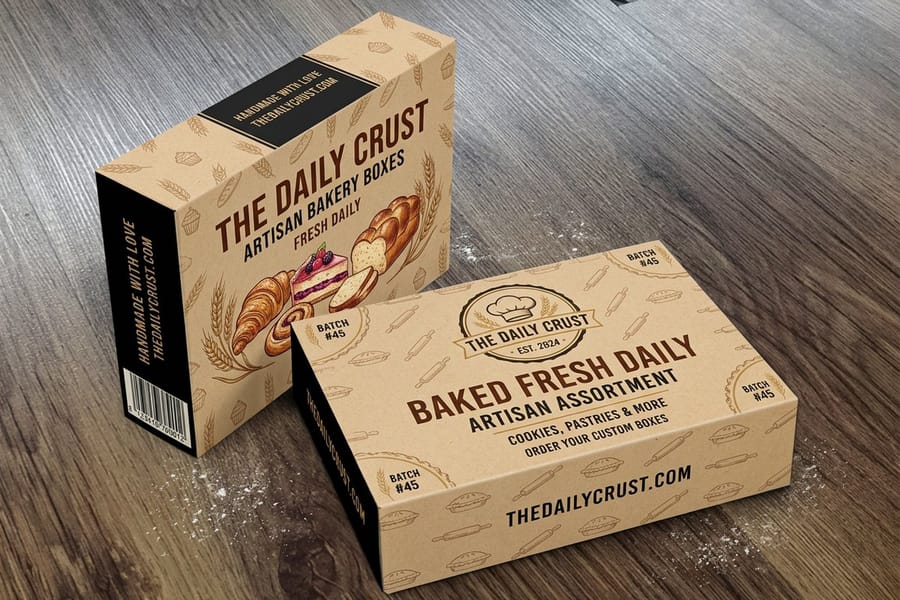
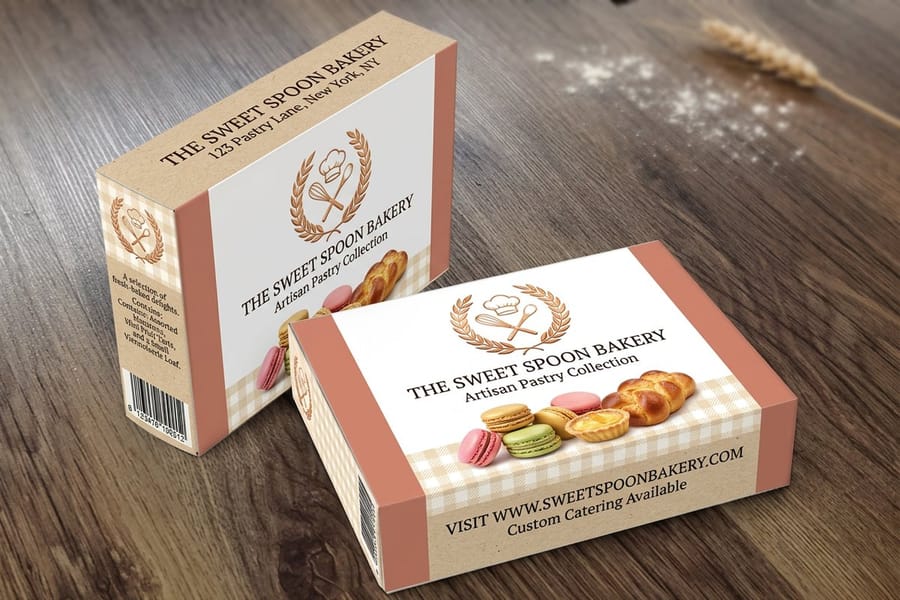
Then there is the limit nobody mentions until the complaint arrives: heat is a harder problem than grease. A folded paper bag traps steam, and steam turns anything fried soft within a few minutes regardless of how good the barrier is. Fries, fried chicken, pizza and anything with a crust want ventilation, which is what a board box gives you and a bag never will. Our cardstock and corrugated comparison covers how those board structures behave, and bakery boxes start at $711.78 if the hot and crisp items are the ones that matter most to your reputation.
Sizing a Food Bag: Three Numbers and One Common Mistake
Bags are quoted width by gusset by height, measured flat. Width is the mouth, gusset is the depth the base opens to, and height runs to the top edge rather than to a fold line. A bag described as 6 by 4 by 12 gives you a 6 inch mouth over a 4 inch deep base. Nothing about that changes between suppliers, so a size you like from one converter transfers to another cleanly.
The common mistake is sizing to the product. Size to the product plus the closure. If you fold the top over twice and seal it with a sticker, that fold eats roughly an inch of height, and a gusseted bag also loses effective height as the base opens under load. Order the bag an inch taller than the arithmetic suggests and the closure stops being a daily annoyance.
| Bag style | What it suits | How it handles grease | Where it fails |
|---|---|---|---|
| Flat sleeve | Single pastries, bagels, cookies, sandwiches handed straight over. | Usually greaseproof or glassine, since the food touches the whole face. | Will not stand up, so it is useless for anything poured or stacked. |
| Gusseted (SOS) | Boxed entrees, deli orders, multi item pickups on a counter. | Depends entirely on the sheet spec, from none to wax lined. | Loses height as it fills, and the base seam is the first thing to soak through. |
| Block bottom | Coffee beans, granola, retail shelf items that must stand alone. | Often laminated or lined for aroma and oil hold out. | Costs more per unit and adds a folding step at the counter. |
| Window | Bread, cookies, anything that sells on how it looks. | The film panel resists oil, the paper around it may not. | The window is the weak point for heat and for grease creep at the glue line. |
| Wax or poly lined | Fried items, buttered items, anything ambient and oily. | Highest hold out of the paper options. | Labels lift off the coated face, and the lining traps steam on hot food. |
Three sizes cover most menus: a flat bag for single items, a medium gusseted bag for one entree, and a large gusseted bag for a family order. Keep a fourth only if a specific product demands it. Every extra size is another line on the shelf and another minimum to hit. If you are also settling counter print at the same time, the restaurant menu size guide uses the same measuring logic.
Getting Your Logo On Without Paying for Plates
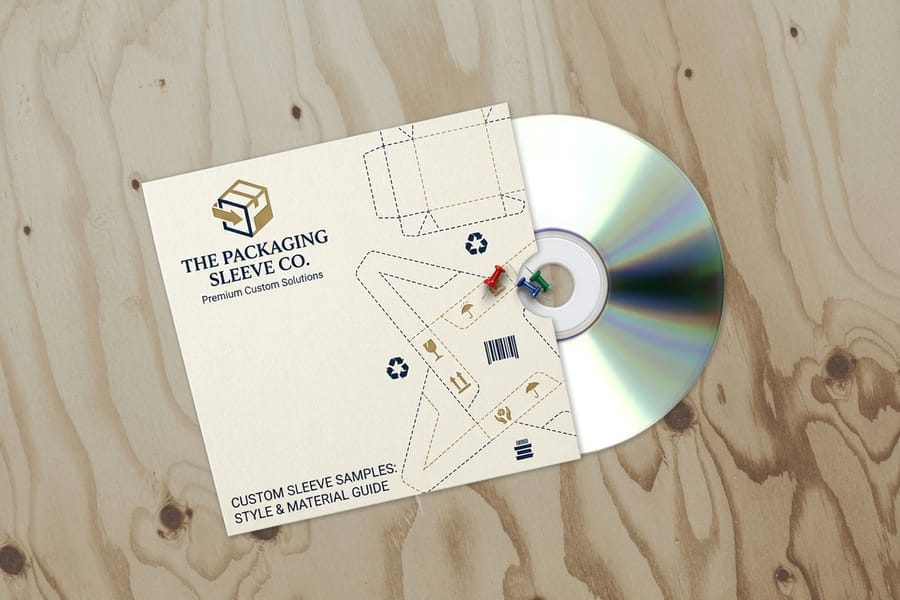
Here is the part that saves the most money. Printing directly onto a bag is a flexographic job: a plate per colour, a press setup per size, and a run long enough to justify both. Converters commonly quote minimums in the tens of thousands per size. For a single cafe that is a pallet of dead stock and a logo you can no longer change.
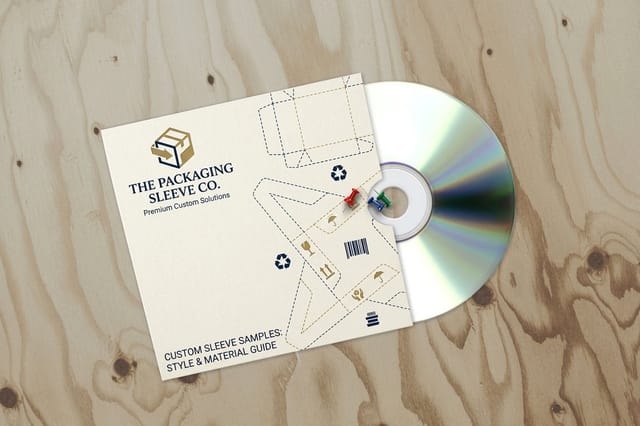
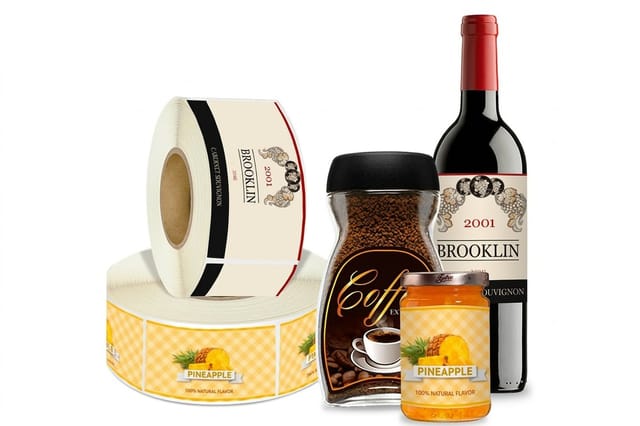
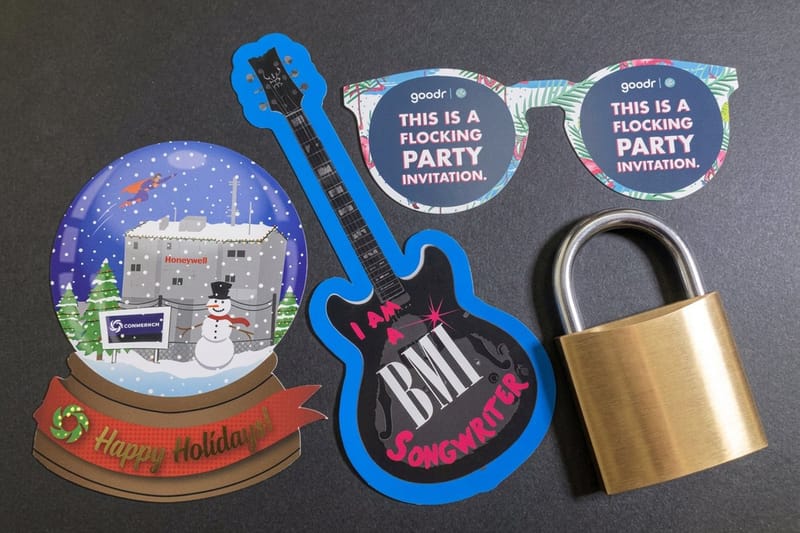
The practical route is to buy plain stock bags in the sizes you already use and brand them with print that carries no plate charge. Circle stickers start at $23.88 and are the fastest entry, applied by hand across the folded top so they double as a tamper evident seal for delivery orders. Roll packaging labels start at $322.98 and come wound on a roll, which matters once someone is sealing hundreds of bags a shift. Packaging sleeves start at $438.25 and wrap a sandwich, a burrito or a bakery item with a full band of artwork.
Two details decide whether it looks deliberate or improvised. Adhesion first: wax and poly coatings are low energy surfaces, so a standard permanent label often lifts at the edges within hours, and cold storage accelerates it. Put the label on an uncoated flap, or on the fold, or specify a stronger adhesive, and test one bag from the real batch before committing. Placement second: keep the label away from the panel that will get greasy, because a lifted, oil stained sticker reads worse than no sticker at all.
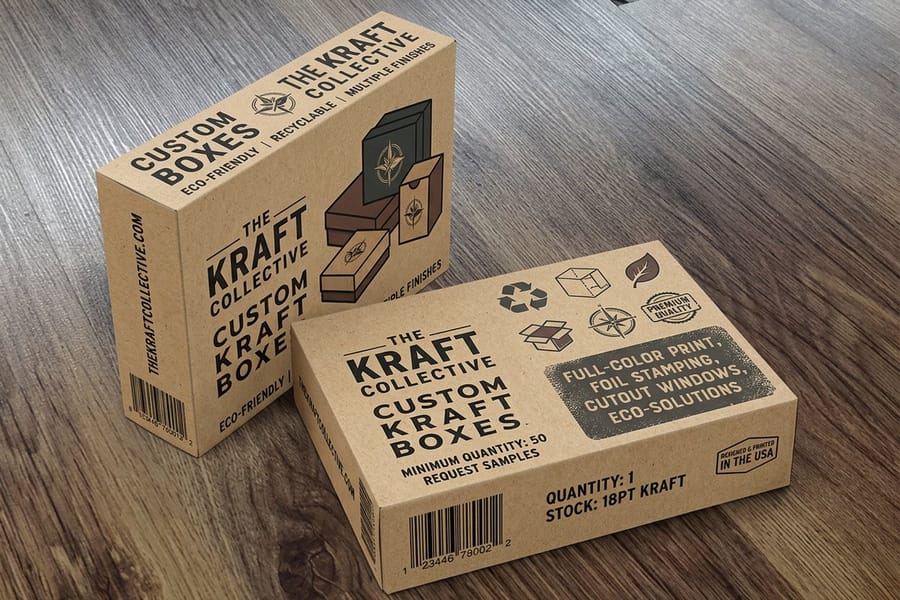
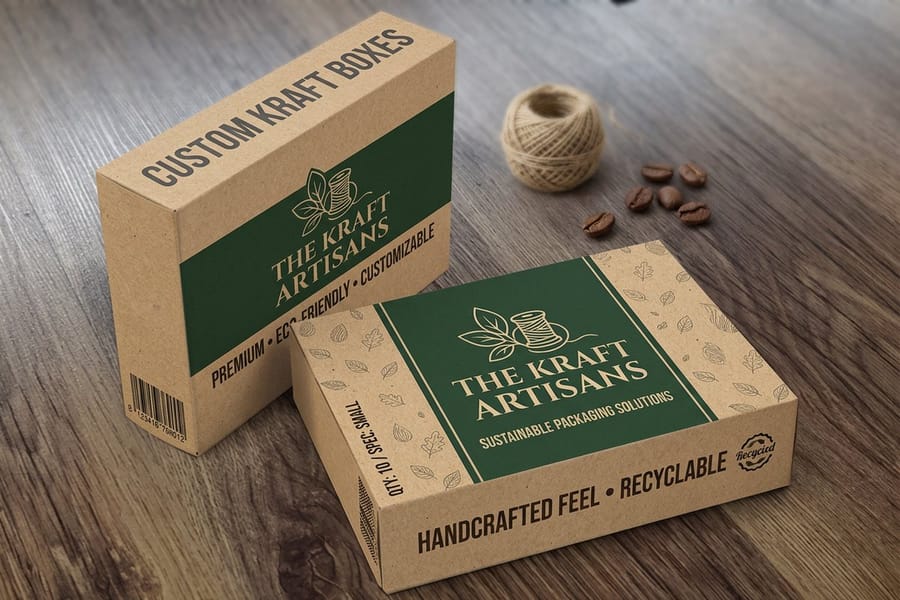
When the structure matters more than the flexibility, print the packaging itself. Custom kraft boxes start at $711.78 and give you a printed exterior with a rigid shape, and custom tissue paper starts at $126.32 as a printed liner inside a plain bag. Set the artwork up from a correctly sized layout in the blank template library, and our packaging file preparation guide covers dielines, bleed and the flat versus folded views before you upload.
Wally explains custom food bags
Barrier inside, ink outside, sticker across the fold
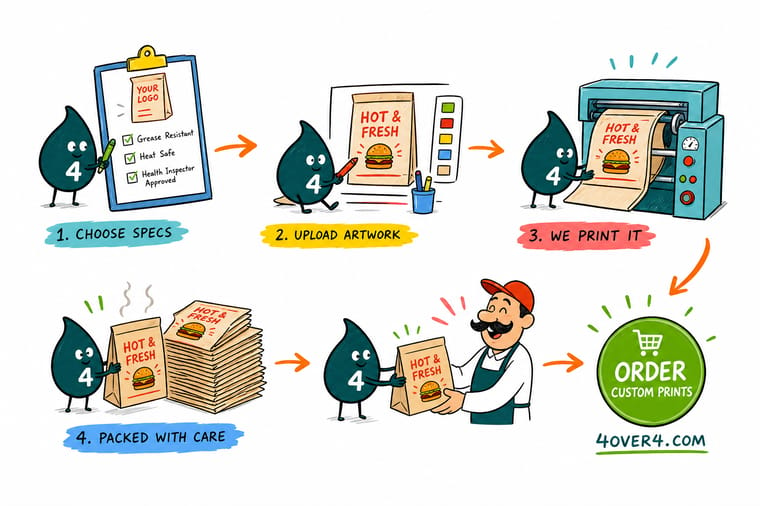
Wally picks the paper first, because that is the part touching the croissant. Greaseproof or wax lined if the item is oily, plain kraft only if it is dry. Then he measures the biggest thing on the menu, adds an inch for the fold, and orders three sizes rather than seven. The logo comes last, on a printed label across the fold, so it seals the bag and brands it in one motion and no flexo plate ever gets made.
Shop packaging labels and stickers →Specs and pricing
Food packaging options, sizes, and starting prices
Compare the packaging that solves what a bag cannot, with live configuration choices and starting prices straight from the 4OVER4.COM configurator.

Print it
Brand the packaging your food actually goes out in
Explore more
Where to go next

By the numbers
Food packaging printing you can count on at 4OVER4
Common Questions
Your custom food bag questions, answered
Are printed food bags safe for direct food contact?
They can be, but the safety belongs to the whole package rather than to the printing. The FDA regulates food contact substances, so what matters is the paper, any coating or liner, and whether the ink can migrate to the food. Standard practice is to keep ink on the outside face and to specify low migration inks when anything printed touches food directly. Recycled fibre is also restricted for direct contact, which is why bakery grade bags are usually virgin paper. Ask your supplier for the food contact documentation in writing rather than looking for an approval stamp, because no such stamp exists.
What actually makes a bag grease resistant?
Either the sheet is refined until the fibres close up, which is how greaseproof and glassine work, or a barrier is added as a wax lining or a coating. Suppliers describe the result with a kit rating from 1 to 12, where a higher number means the paper holds back a more aggressive oil for longer. A plain kraft bag has effectively no rating and will show translucent patches under a buttered pastry within minutes. Match the rating to the oiliest thing you sell, not to the average item.
Do custom food bags still contain PFAS?
They should not. Fluorochemical grease proofing agents were withdrawn from the United States food contact market in 2024, and several states separately ban intentionally added PFAS in food packaging. In practice that means new grease resistant bags rely on wax, silicone based coatings or a refined greaseproof sheet instead. Ask for a written PFAS free statement covering the specific item and keep it on file, because that is the document a health inspector or a wholesale buyer will ask to see.
What size food bag do I need?
Measure the tallest and widest thing you sell, not the average one. Bags are quoted width by gusset by height, measured flat, so a 6 by 4 by 12 bag opens to a 6 inch mouth with a 4 inch base depth. Add about an inch of height for the fold if you seal the top with a label or a sticker, and remember that a gusseted bag loses height as it fills. Three sizes covers most menus: a small flat bag for single items, a medium gusseted bag for a boxed entree, and a large gusseted bag for multi item orders.
What is the minimum order for bags printed directly?
Direct printing on a bag is a flexographic job, which means a plate for every colour and a press setup for every run, so converters commonly quote minimums in the tens of thousands per size. For a single cafe that is dead stock sitting in a basement. The way around it is to buy plain stock bags in the sizes you already use and brand them with printed labels, stickers or sleeves, which carry no plate charge and can change with the season.
Will a label stick to a wax lined or poly coated bag?
Less well than you expect. Wax and polymer coatings are low energy surfaces, so a standard paper label with permanent adhesive often lifts at the edges after a few hours, and refrigeration makes it worse. Two fixes work: specify a stronger adhesive when you order the labels, or place the label on an uncoated flap or on the fold rather than on the coated panel. Test one bag from the actual batch before you commit the whole order, since coatings vary between suppliers.
Does a label on the bag count as a tamper evident seal?
A label placed across the folded top counts as a seal for most delivery platform requirements, because the bag cannot be opened without visibly tearing or lifting it. Use a permanent adhesive rather than a removable one, and size the label so it bridges the fold with enough area on both faces. Round stickers from 2 to 3 inches are the usual choice because they apply quickly by hand during a rush and still leave room for the logo.
Get Started
Ready to brand what leaves your counter?
Seal a plain bag with a printed label, wrap it in a sleeve, or print the box itself. Upload artwork and we turn it around with the rest of your print order.
Legal Disclaimer
Gold Standard guarantees apply to all standard orders placed through 4over4.com. Price match requires verifiable proof of a competitor's published price for an equivalent product with matching specifications and turnaround time. Satisfaction guarantee covers manufacturing defects and print quality issues. Contact support with order number and documentation. On-time delivery rate based on tracked orders 1999 to 2026. Individual results may vary based on shipping carrier performance.
