
How to Make a Business Pitch That Wins the Client in the Room


A pre-pitch checklist, a five slot elevator pitch you fill in, a clock that keeps the ask alive, and the printed leave-behind that carries the price after the room clears.
A pitch wins when the person in front of you can repeat it accurately to someone who was not there. Write that one sentence first, budget the clock so the ask and the questions survive, rehearse out loud on a timer, and leave printed material behind that carries the price and the specification in writing. The room forgets the delivery within a day. It keeps the folder.
Quick answer
One repeatable sentence, a budgeted clock, and paper on the table
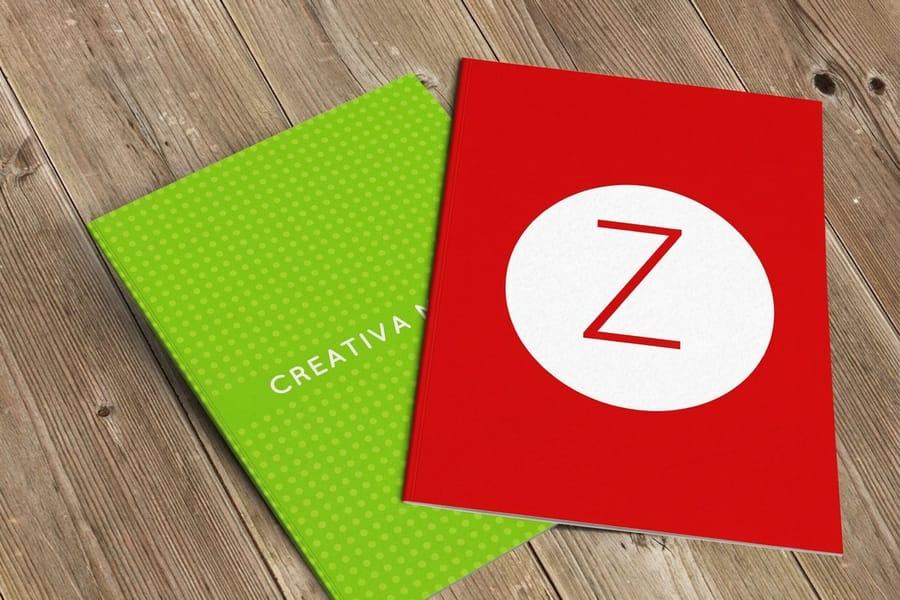
Build the pitch around a single sentence the client can repeat from memory. Give a 20 minute slot roughly 14 minutes of speaking and 6 minutes of questions, because the questions tell you what the real objection is. Rehearse standing, out loud, three times on a timer. Close with a specific next step that has a date on it. Then leave a folder holding a one page sales sheet, a brochure and a card, so the price and the specification stay in the building after you do not.
What Separates a Pitch That Lands From One That Is Politely Endured
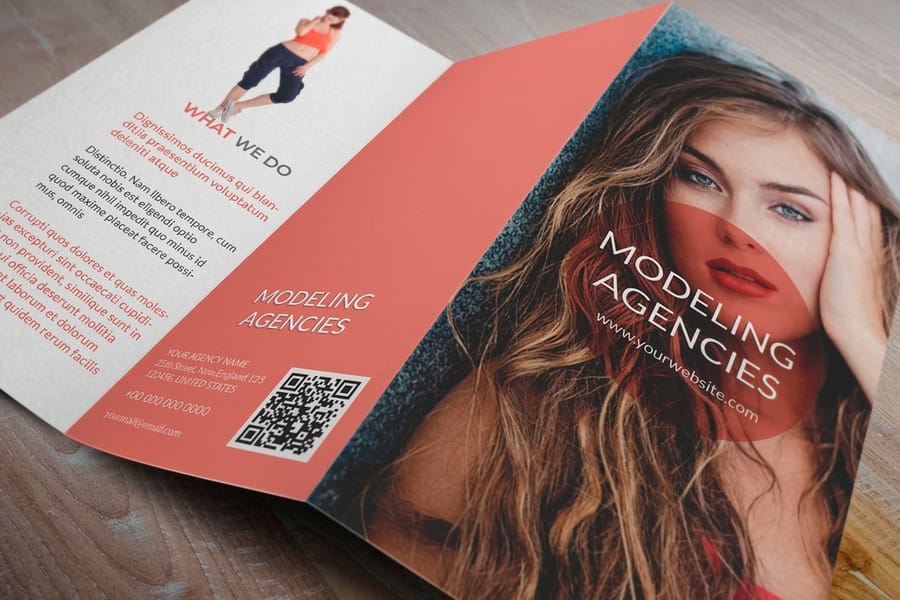
A pitch is not a performance for the people in front of you. It is a briefing they will repeat, badly, to someone who was not there. That is the test to design against.
Write the sentence you want repeated before you open a slide tool. It names who you help, what you fix, and what changes as a result. If your sentence needs a diagram to make sense, it is not the sentence yet. Everything else in the pitch exists to make that one line believable, and anything that does not support it is padding you will run out of time for anyway.
Then budget the clock. A 20 minute slot is not 20 minutes of you. It is about 14 minutes of speaking and 6 minutes of them, and the 6 minutes are the valuable part because they tell you what the objection really is. The section that overruns is almost always the solution, because it is the part you know best. Cut it in rehearsal, not in the room.
One more thing that decides more pitches than anyone admits: know what happens next. Ask for a specific step with a date attached. A pitch that ends on a summary leaves the room to decide, and rooms decide slowly.
The Pre-Pitch Checklist, Done the Day Before
Most pitches are lost in preparation and only confirmed in the room. Work through this list the day before, not the morning of, because half of it takes phone calls that need answering.
- Know who is in the room and what each one is judging. The person who liked your work and the person who signs the invoice are rarely the same person, and they need different sentences.
- Read their last quarter, their site and their competitors. One specific reference to something they did recently is worth more than a page of generic research.
- Fix the number you will not go below. Decide the floor price and the smallest scope you will accept before anyone can look you in the eye and ask for a discount.
- Have the business plan behind the pitch. Not to present, but so that a question about margins, capacity or timeline meets an answer rather than a pause.
- Prepare the three questions you dread. Write the answers out. The dreaded question is asked about half the time, and preparing it removes the fear from the whole meeting.
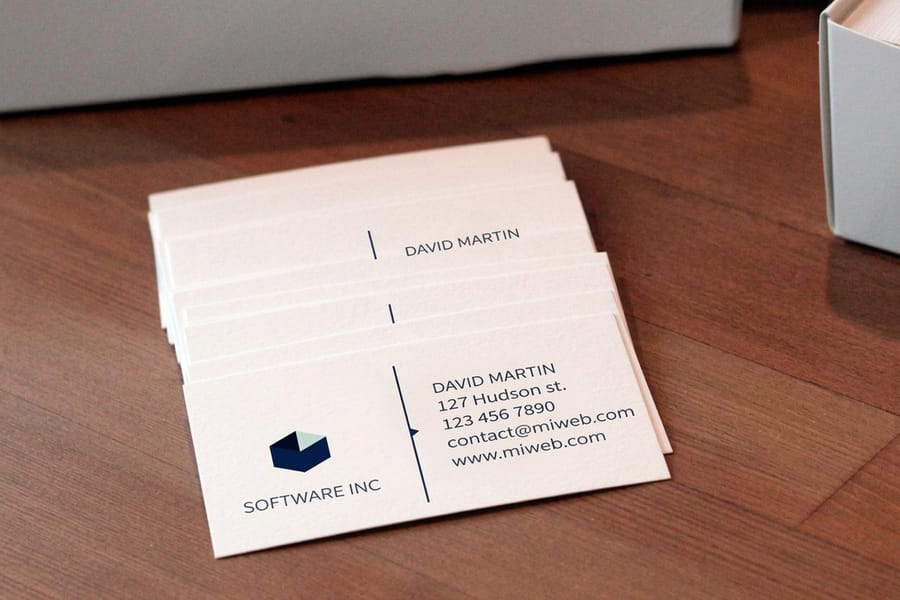
- Print the leave-behind and check it in daylight. A price typo on a sales sheet outlives the meeting. Proof it on paper, not on screen.
- Test the room, or plan for no room. Confirm the adapter, the screen and the seating, and be able to run the whole pitch with printed material if the projector is dead.
If you are preparing the messaging itself rather than the logistics, our guide to brand messaging components covers the sentences that sit underneath a pitch and get reused across every piece you print.
Build a Tight Elevator Pitch You Can Fill In
The elevator pitch is not a shortened version of the long pitch. It is a separate object with a separate job: earn the next 20 minutes. Aim for 60 to 80 words, which is close to 30 seconds spoken at a pace people can follow.
Fill in these five slots, in this order, then read it out loud and cut every word that does not survive being said.
| Slot | What goes in it | The common mistake |
|---|---|---|
| Who | The specific group you help, narrow enough to picture one of them. | Saying businesses, which describes everyone and nobody. |
| Problem | The thing that goes wrong for them today, in their words. | Describing your process instead of their pain. |
| What you do | One plain sentence a stranger could repeat. | Category language: solutions, platforms, ecosystems. |
| Proof | A concrete result, a named client, or a number you can defend. | An adjective standing in for evidence. |
| Ask | The exact next step, with a length and a date. | Ending on a description and waiting to be invited. |
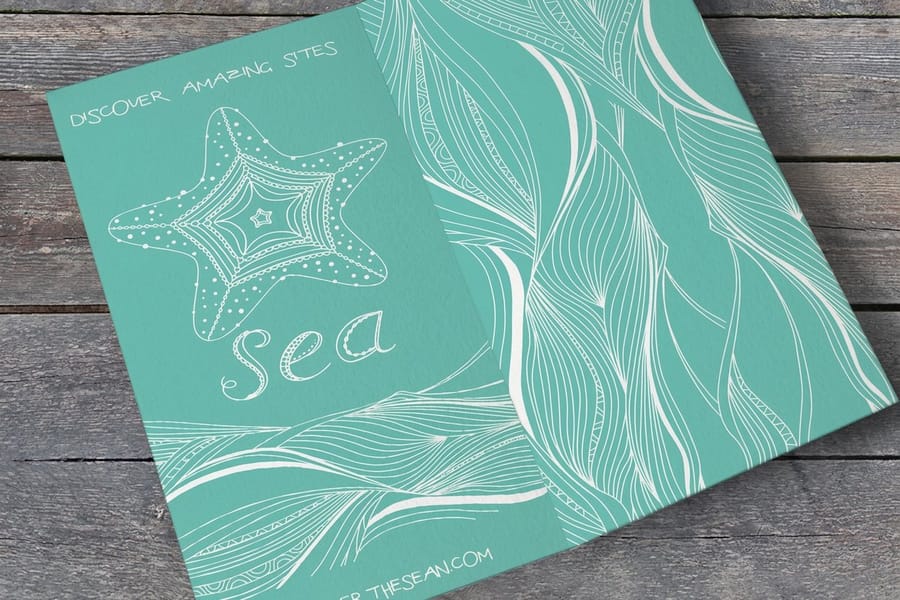
Two habits make it stick. Say it to someone outside your industry and ask them to repeat it back the next day, because what they retain is what the room will retain. And print the pitch on the back of nothing: keep it off your business cards, which should carry a name, a role and a way to reach you, and nothing that will be out of date in six months.
Delivery, Plain Language, and the Q and A You Should Want
Rehearse standing up, out loud, on a timer, three times. Silent reading hides the sentences you cannot actually say and the slide you always overrun. Recording one run and listening back is unpleasant and it finds more problems than any amount of reading.
Strip the jargon, but do not talk down. The rule that works: if a term needs a definition, either define it in six words the first time or replace it. Acronyms are the worst offenders because the room nods rather than admits it did not catch one. Enthusiasm helps here and it cannot be faked from a script, which is another reason to know the material well enough to look up from it.
Pause on purpose. After the problem statement and after the price, stop talking. Silence after a number feels long to you and normal to them, and filling it is how people discount their own work before anyone asked. Ask a question a third of the way in, something they can answer in a sentence, so the meeting becomes a conversation before the Q and A forces it.
When questions come, repeat the question back in your own words first. It buys three seconds, it confirms you understood, and it stops you answering a question nobody asked. If you do not have the number, say so, say when you will have it, and write it down in front of them. Then send it inside the window you named, with the printed material referenced by page so they can find it.
The Leave-Behind Kit That Keeps Working After You Go
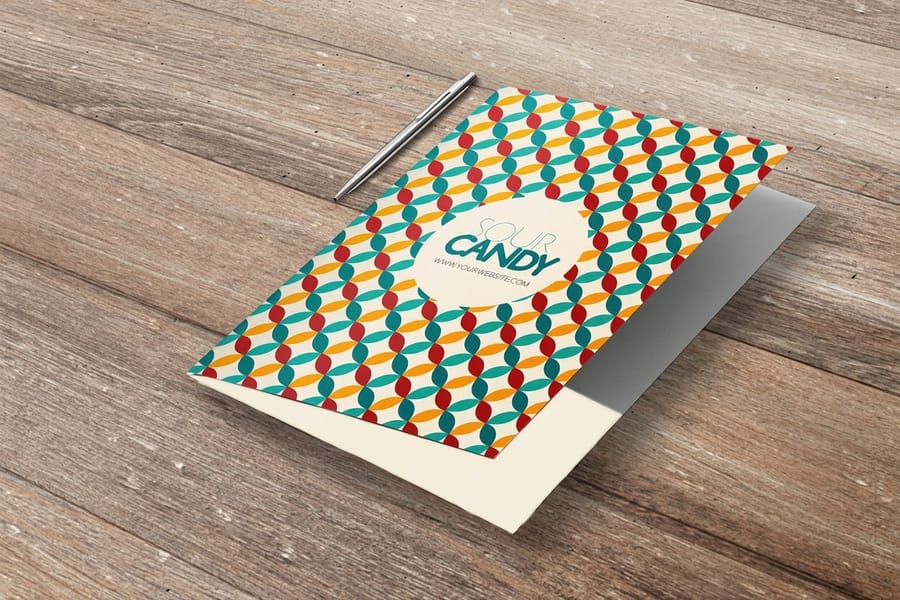
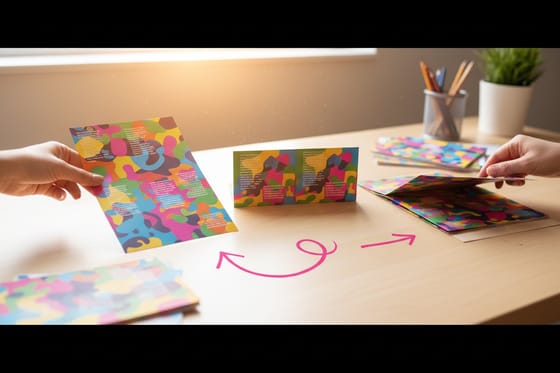
The meeting ends and your pitch leaves with you. What stays is whatever is on the table. This is the part most people improvise, and it is the cheapest part of the whole exercise to get right.
Four pieces cover almost every pitch. Keep the expensive item generic so it gets reused, and print the item with prices on it per pitch so it is never stale.
| Piece | What it does after you leave | Reprint it | Starts at |
|---|---|---|---|
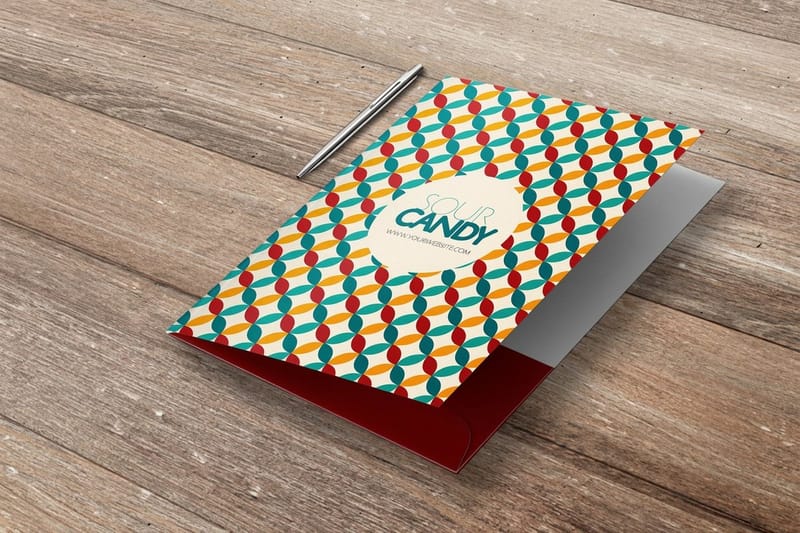
| Short run presentation folder | Holds the set together so nothing gets separated in a tray. | Once a year, generic. | $108.75 |
| Sales sheet | One page carrying the offer, the specification and the price in writing. | Per pitch or per quarter. | $75.80 |
| Standard brochure | Explains the wider service to people who were not in the room. | Once a year. | $57.11 |
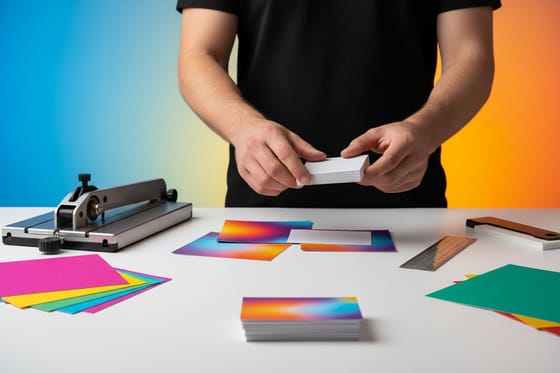
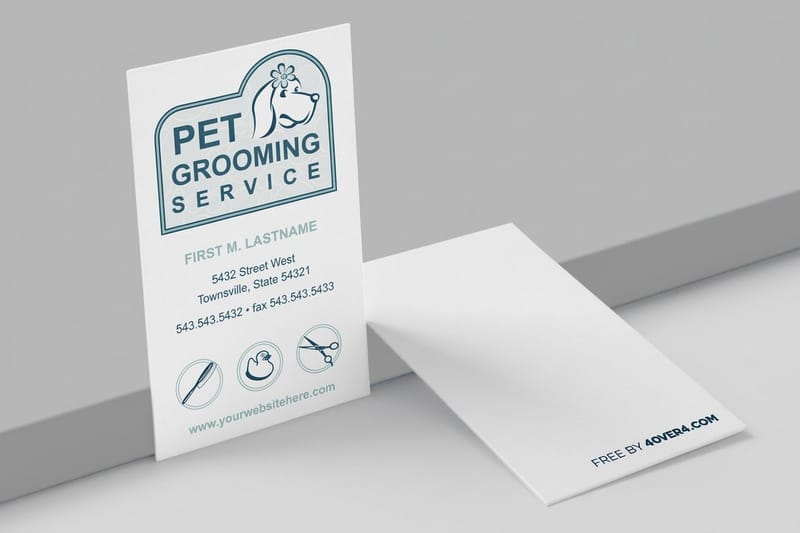
| Business cards | Puts your name in the pocket of everyone who attended. | When the details change. | $17.57 |
| Saddle stitched booklet | Keeps a longer proposal in one piece instead of a stapled stack. | Per major pitch. | $240.55 |
Two practical notes from the press side. Standard folder runs start at $844.54 because they are built for volume, which is why short run presentation folders exist: they are the sane choice if you pitch a dozen times a year rather than a thousand. And decide early whether the sales sheet or the brochure carries the offer, because putting the price in both means reprinting both every time it moves. Our comparison of brochures against sales sheets covers that split, and the format guide helps if the proposal has outgrown a fold.
Set the files up at the right trim before you design anything. Start from a correctly sized layout in the blank template library, and browse the full range of folder styles in presentation folder printing if you want a stock or coating that matches the rest of your material.
Wally explains the pitch
Say one sentence they can repeat, then leave it in writing
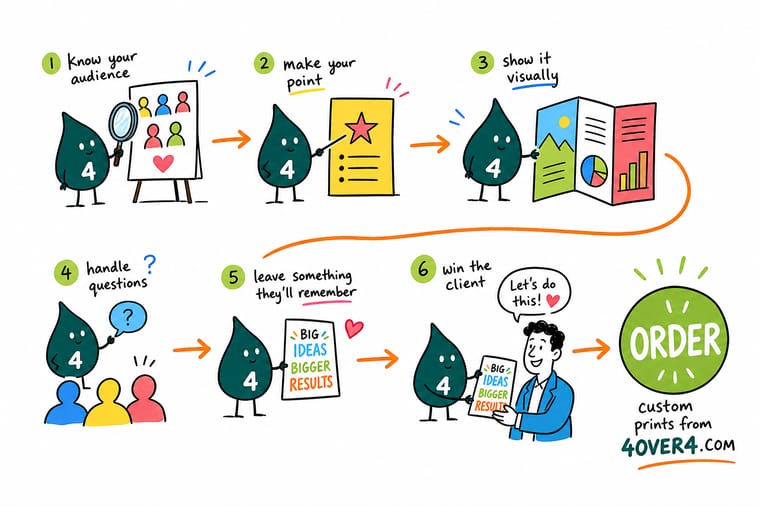
Wally pitches for fourteen minutes and hands the last six to questions, because that is where he learns what they actually object to. He rehearses standing up on a timer, pauses after he says the price, and asks for a specific next step with a date. Then he slides a folder across the table holding one sales sheet with the price on it, a brochure, and a card for everyone in the room. He forgets what he said by Friday. The folder is still on their desk.
Print a short run presentation folder →Specs and pricing
Leave-behind pieces, sizes, and starting prices
Configure the three pieces most pitch kits are built from, with live options and starting prices straight from the 4OVER4.COM configurator.


Print it
Order the kit you hand over at the end
Explore more
Where to go next

By the numbers
Pitch material printed on time at 4OVER4
Common Questions
Your pitching questions, answered
How long should a business pitch be?
Match the slot you were given and then take less of it. For a 20 minute meeting, plan about 14 minutes of speaking and hand the last 6 to questions, because the questions are where you learn what they actually care about. For a 30 minute slot, the shape holds: roughly 20 speaking, 10 for questions. If you are given 5 minutes, you are being asked for the elevator pitch, not a shortened version of the long one, so build that separately.
What goes in an elevator pitch?
Five slots: who you help, the problem they have, what you do about it, the specific result, and the next step you want. Written out that is around 60 to 80 words, which lands near 30 seconds spoken at a normal pace. Say the result in a number or a concrete outcome rather than an adjective. Finish with a request, because a pitch that ends on a description leaves the other person deciding what happens next.
Should I send slides or bring printed material?
Bring printed material and send the slides afterward. A deck emailed later competes with every other email, and it usually gets forwarded stripped of your voice. A pocket folder holding a one page sales sheet, a brochure and a card stays on the desk and gets picked up by people who were never in the meeting. Print also removes the projector risk, which is the most common way a pitch loses its first three minutes.
What should a pitch leave-behind actually contain?
Four things and no more: one page with the offer, the price and the specification, a brochure that explains the wider service, a card for every person you met, and a folder to hold it together. Numbering the pieces helps, because a leave-behind that arrives as loose paper gets split up in a filing tray. If the decision needs a longer document, a saddle stitched booklet keeps it in one piece instead of a stapled stack.
How do I handle a question I cannot answer?
Say that you do not have that number in front of you, say when you will have it, then send it inside that window. Guessing is the expensive option, because a wrong figure is checked and it makes every other figure you gave suspect. Write the question down in front of them. That single visible act tells the room you are treating their question as work rather than as an interruption.
How much does a pitch leave-behind kit cost to print?
At 4OVER4.COM the pieces start at $108.75 for short run presentation folders, $75.80 for sales sheets, $57.11 for standard brochures and $17.57 for standard business cards. Short run folders exist because standard folder runs start at $844.54, which is a lot of folders when you pitch twelve times a year. Print the folder generic and the sales sheet per pitch, so the expensive part gets reused and the cheap part stays current.
Get Started
Leave something behind that keeps pitching
Print a folder, a one page sales sheet and a card, so the price and the specification stay on the desk long after the meeting ends.
Legal Disclaimer
Gold Standard guarantees apply to all standard orders placed through 4over4.com. Price match requires verifiable proof of a competitor's published price for an equivalent product with matching specifications and turnaround time. Satisfaction guarantee covers manufacturing defects and print quality issues. Contact support with order number and documentation. On-time delivery rate based on tracked orders 1999 to 2026. Individual results may vary based on shipping carrier performance.
