
How to Get Cheap Custom Label Printing Without Losing Quality


Cheap label printing is a specification, not a discount code. Here is which spec actually moves the price, which upgrade is worth paying for, and the two savings that end in a reprint.
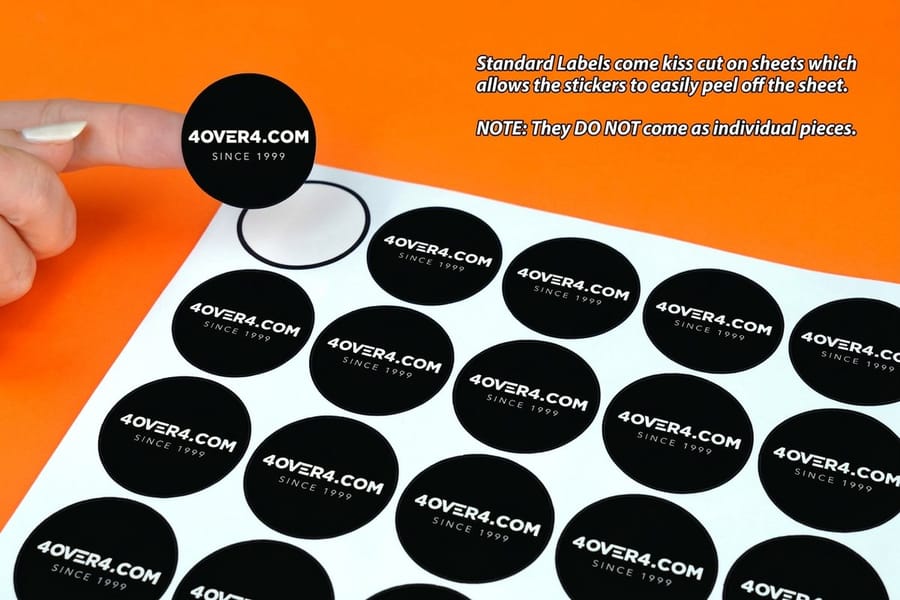
To print cheap custom labels that still look good, take a stock size on coated paper and order the whole quantity in one run. Standard Labels start at $23.88 because a half inch circle, 2 by 2 in, 3 by 3 in and 4 by 4 in already have dies. A custom outline needs its own die, which is why Die-Cut Labels start at $93.37. Setup is charged once per run, so two half orders pay it twice. Pay the upgrade only where the container gets wet, where the shape is the brand, or where a machine applies the label.
Quick answer
Four levers cut the price, two false savings put it back
Cheap labels come from four spec choices: a stock size, sheets rather than a roll, paper rather than film, and one run rather than two. Those four take a label order to the $23.88 floor. The two that undo it are skipping the proof, which risks the whole run rather than the difference between two options, and buying more labels than the artwork will outlive. Everything below is how to pull each lever without ending up with something that looks cheap on a shelf.
What Actually Drives the Price of a Label Order
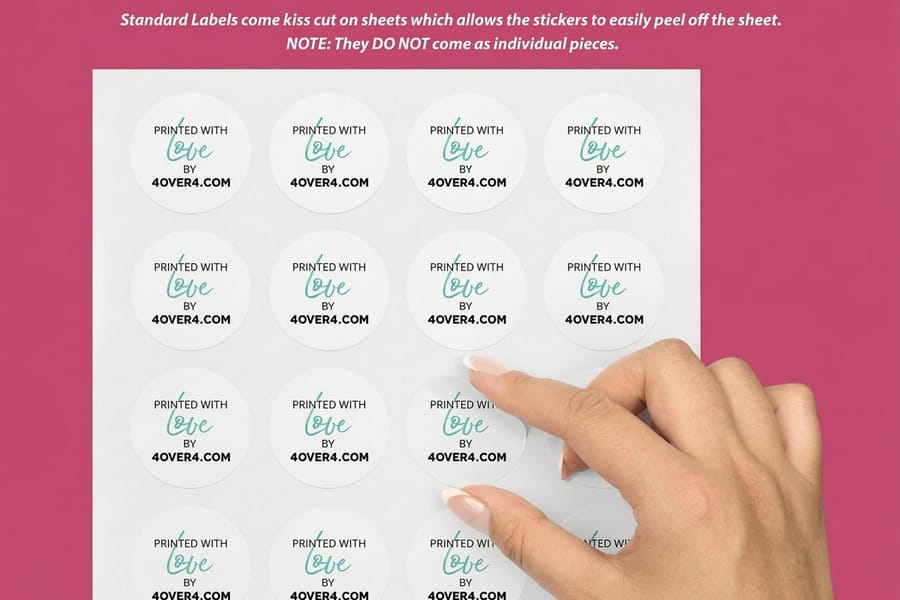
A label price is a fixed setup plus a running cost, and only the second half cares how many labels you order. The setup covers the plate, the cutting die and the press make-ready. It is charged once per run whether the run is 500 labels or 50,000. Material, ink and press time are the running cost, and that is the part that scales.
That split explains nearly everything about a cheap label order. Doubling a quantity never doubles the total. Splitting one order into two, six months apart, comes close to doubling it, because you pay the setup twice for the same artwork. If you take one idea from this page, take that one.
The starting prices at 4OVER4.COM show the shape of it. Standard Labels begin at $23.88 and Premium Labels at $29.16, both cut from printed sheets with a light setup. Die-Cut Labels begin at $93.37, and the whole jump is the die. Roll Labels begin at $322.98, which is the price of a format built for a machine rather than a pair of hands.
So there is no single answer to what labels cost. There are four questions: what shape, what material, how many, and does a person or a machine apply it. Answer those honestly and the price is already decided. The rest of this guide is how to answer each one without leaving money on the table or buying a reprint.
Take a Size the Die Already Exists For
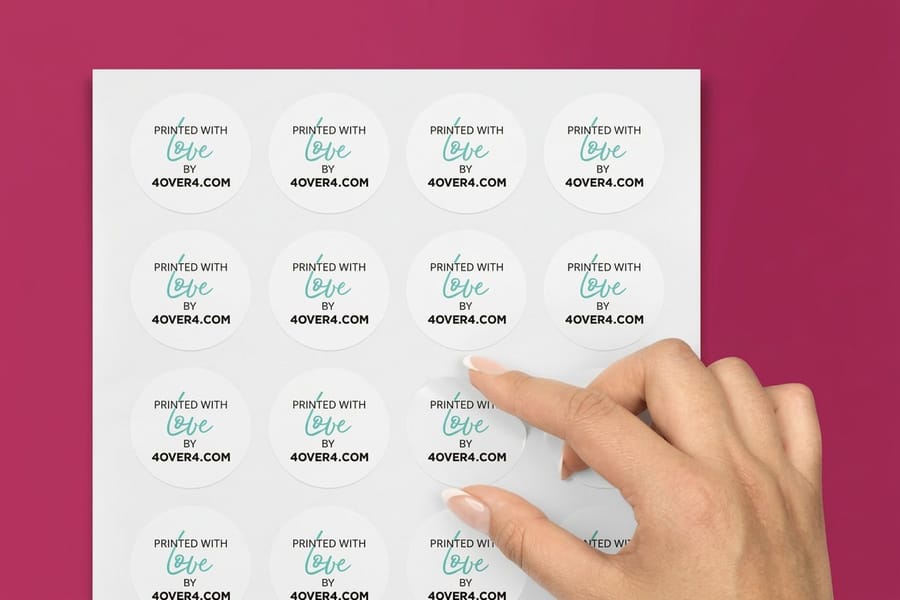
The single cheapest decision on this page is to want a shape we already own a die for. Standard Labels come in a half inch circle, 2 by 2 in, 3 by 3 in and 4 by 4 in. Those cost $23.88 to enter. Draw your own outline and the job needs a die made for it, which is why Die-Cut Labels enter at $93.37. Same ink, same press, four times the entry price, and the whole difference is a piece of steel.
That charge lands once per design rather than once per label, so it stings on a first run of 250 and barely registers across 10,000. The question is therefore not whether a custom shape is expensive. It is whether the outline is doing real work. A hop cone that makes a beer label recognizable across a bar earns its die. A rounded rectangle that could have been a square does not.
Size has a second, quieter cost that nobody quotes you. A label sized to the artwork instead of the container wrinkles when it is applied, and a wrinkled label on a shelf reads as cheap no matter what you paid for it. Measure the flat, straight walled area of the container and stay inside it. For a full wrap, run slightly past the circumference so the label overlaps itself. For a partial wrap, stay clearly short of it so the two ends never meet and expose a mismatch.
Choosing the correct label size covers the measuring properly, and round labels versus die-cut labels is the right read when you are deciding whether that outline is worth its die. Pull the layout itself from the blank template library rather than building the dimensions by hand.
Where Cheap Stock Is Smart and Where It Is Expensive
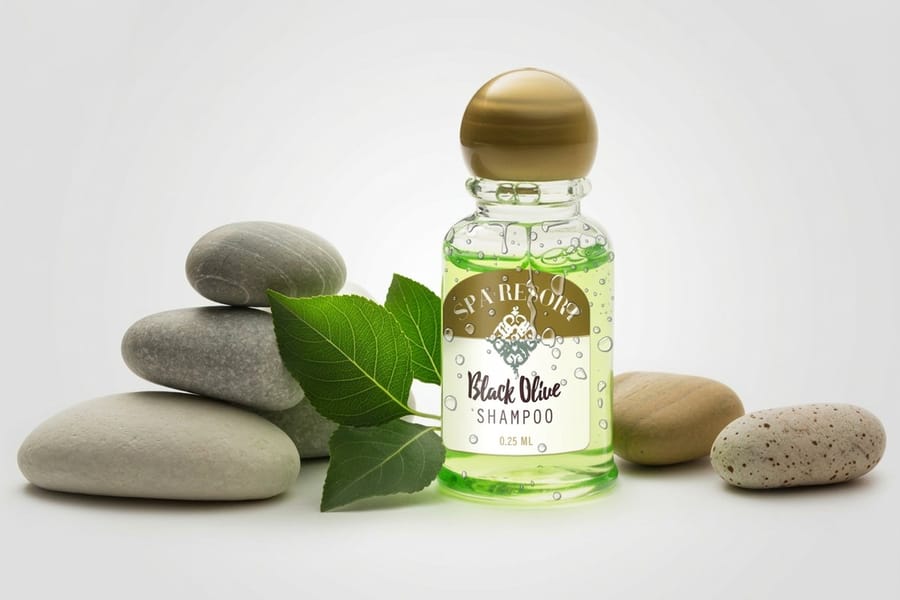
Material is the one choice you cannot walk back after the press runs, and it is where the false economy usually happens. Coated paper is the cheap option and it is genuinely the right answer on a dry carton, a gift jar, a binder spine or an asset tag. It takes ink crisply, it comes in matte or gloss, and nothing about it looks budget in the hand.
It fails on contact with water. Not dramatically, and not immediately, which is what makes it a trap. A paper label on a chilled bottle absorbs the condensation, the edge lifts, the ink stains, and by the time you notice it is on a shelf in front of a customer. Premium Waterproof Labels start at $84.68 and Premium Clear Labels at $86.17. Against $23.88 that looks like a luxury, and against a reprinted run it is the cheap option.
| Stock | From | Right for | Where it costs you |
|---|---|---|---|
| Coated paper | $23.88 | Dry cartons, cupboard jars, asset tags, price marking. | Any moisture at all. It stains, wrinkles and lifts at the edge. |
| Premium paper stocks | $29.16 | Retail packaging where the label is part of the product feel. | Still paper. It does not solve a wet container. |
| Waterproof film | $84.68 | Fridge shelves, ice buckets, bathrooms, outdoor use. | Three times paper, and harder to peel off cleanly later. |
| Clear film | $86.17 | Glass and clear plastic where you want the no-label look. | Needs a white ink layer under solid artwork, or pale type disappears. |
The rule that saves the most money: pick the stock against the wettest condition the label will ever meet, not the average one. If you are still weighing the three, paper versus vinyl versus clear labels puts them head to head, and what BOPP labels are explains the film itself.
How Quantity Lowers the Unit Price, and When It Stops
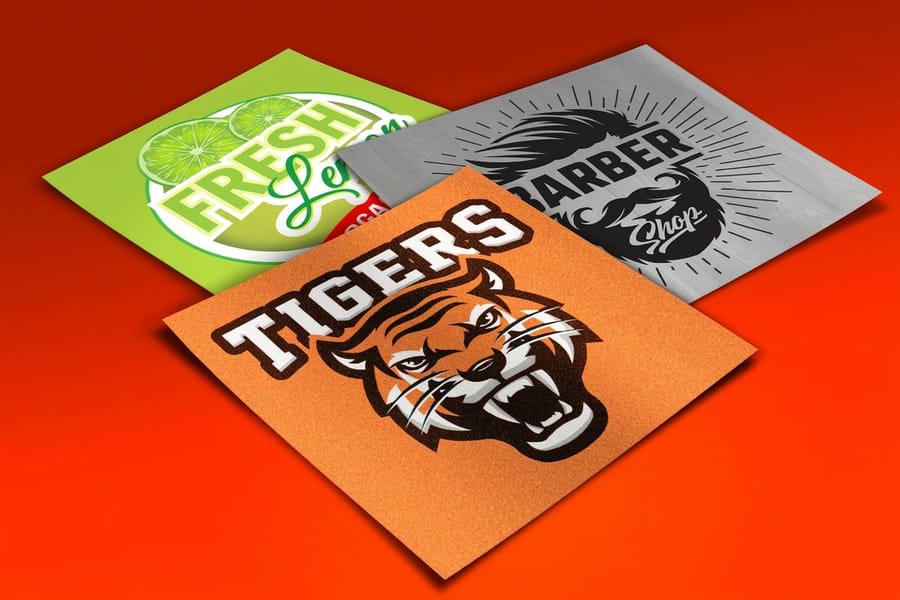
Because the setup is paid once, the per label price falls every time you add quantity. Standard Labels carry twelve quantity sets in the configurator, and the gaps between them are where the real saving sits. The method takes two minutes: enter the quantity you had in mind, note the total, enter the next set up, note that total, then divide each by its quantity. Compare the two per label figures rather than the two order totals. It is common for the larger set to add a modest amount to the bill while landing well under on the number that matters.
Then apply the brake, because this is the second false saving. Buy the quantity you will genuinely use before the artwork changes, and not one more. A price break on 20,000 labels is not a saving if a phone number, a compliance line or a flavor name changes in month four and the remainder goes in a bin. Two things predict that change: regulated copy, and anything with a date printed on it.
The honest sequence is to decide the artwork life first and the quantity second. If the design is stable and the product is not going anywhere, order the year in one run and take the tier. If you are launching and the copy is still moving, take a small first run, live with the higher unit price, and treat it as the cost of not printing the wrong thing at scale. Ordering labels in bulk goes deeper into the tiers and the point where a roll starts to beat a sheet.
One more lever most people miss: ink. Standard Labels let you choose full color or a single color, and a one color label on a good stock can look sharper than a four color one on the same stock. If the brand lives in a single mark, that choice costs nothing to make and shows up on the invoice.
Design Choices That Stop a Cheap Label Looking Cheap
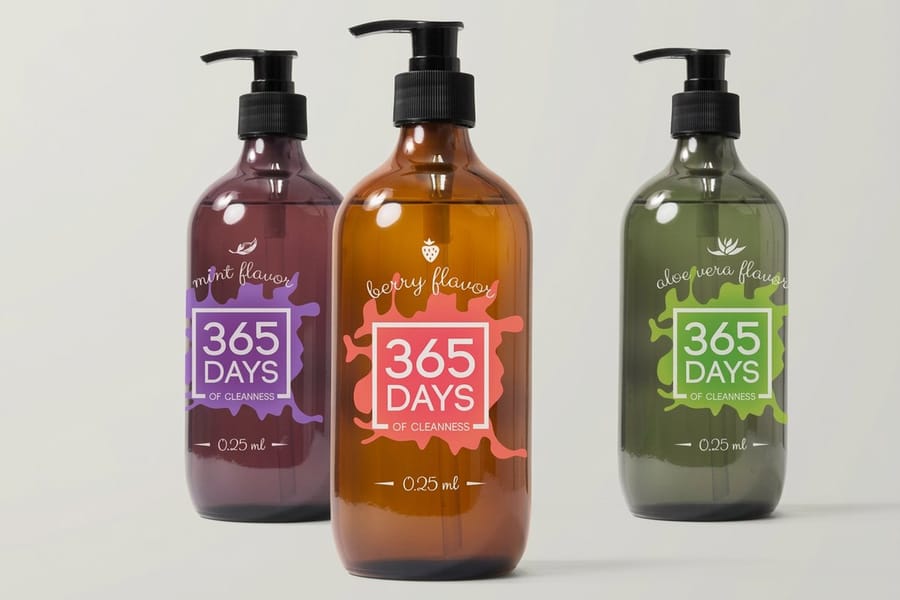
Cheap looking labels come from crowded artwork, not from cheap stock. A single color design on the entry level paper looks composed when it has room to breathe, and a full color design on a premium stock looks like a coupon when eleven elements fight for a 2 by 2 in square. Space is free. Use it.
Four habits do most of the work:
- Keep one typeface and two weights. A label is small. Three fonts on a 2 in square reads as a ransom note, and it is the fastest tell of an amateur job.
- Hold a real margin. Build at final size, add 0.125 in of bleed on every edge, and keep every piece of type and every logo at least 0.125 in inside the cut line. Type that touches the trim looks like a mistake even when it was intentional.
- Choose matte when you are unsure. Gloss shows fingerprints and every flaw in the application. Matte hides both and reads as more considered at the same price.
- Give the ink somewhere quiet to sit. One clear focal element, then supporting information. If everything on the label is bold, nothing on it is.
The technical side is short and unforgiving. Export a CMYK PDF at 300 dpi, outline the fonts, and never scale a low resolution logo up to fill a space. On clear film, add a white ink layer under anything that must stay opaque or the container color shows straight through your artwork.
Then order the proof. It is the cheapest insurance in printing, and skipping it is the first of the two false savings on this page, because a reprint costs the entire run rather than the difference between two options. If you want a second pair of eyes on the layout before it goes to press, designing a product back label covers what has to be on the piece, and our design templates hand you a layout that already respects the margins.
Ordering Affordable Labels at 4OVER4
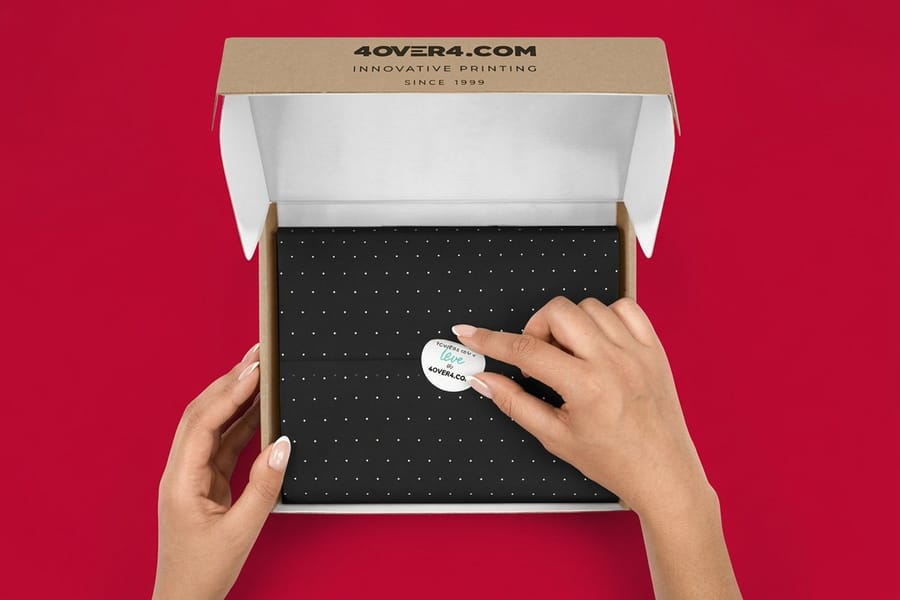
Put the four decisions in order and the configurator does the rest. Shape first, because a stock size keeps you at the $23.88 entry. Material second, decided by whether anything wet touches the label. Quantity third, compared on the per label figure across two neighboring sets. Turnaround last, where the standard option is the cheapest and the only reason to pay more is a date you cannot move.
Start on Standard Labels if the container is dry and the shape is simple. Move to Premium Labels when the label is part of how the product feels on a shelf, since twenty three stocks and rounded corners are the difference between a sticker and packaging. Take Premium Waterproof Labels the moment a fridge or a sink enters the picture. Browse the whole range on the label printing pages, or go straight to product labels if the run is going onto retail packaging.
Every price on this page is a starting price for a run, and the number you actually pay moves with your size, stock, quantity and turnaround. Set each option and watch it change before you commit. That is the whole trick to cheap label printing: it is not a discount code, it is a specification you chose on purpose.
Wally explains cheap labels
Pick the spec, not the discount
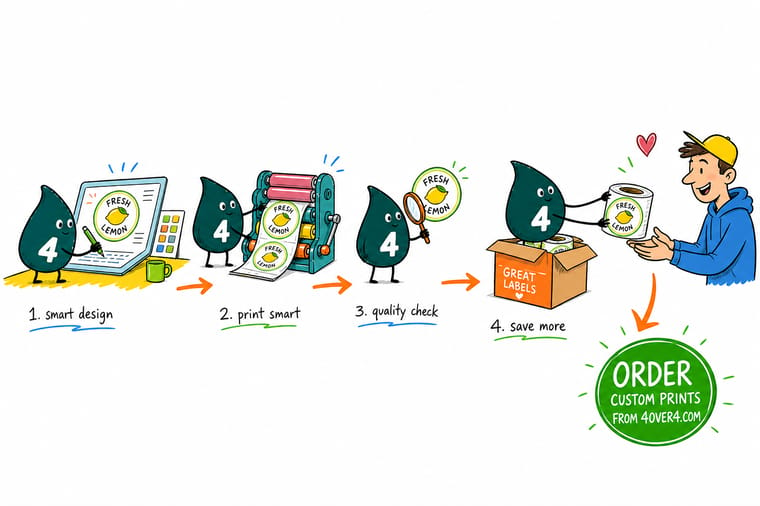
Wally holds two labels. One is a plain 3 by 3 in square on coated paper that cost him almost nothing, and it looks sharp because there is one typeface on it and room to breathe. The other has a custom die, a film stock and four colors, and it cost four times as much for a jar that lives in a dry cupboard. His rule is simple. Take the stock size, take the paper, order the year in one run, and spend the money only where the bottle gets wet or the shape is genuinely the brand.
Price your label run →Specs and pricing
What the entry level and the step up actually include
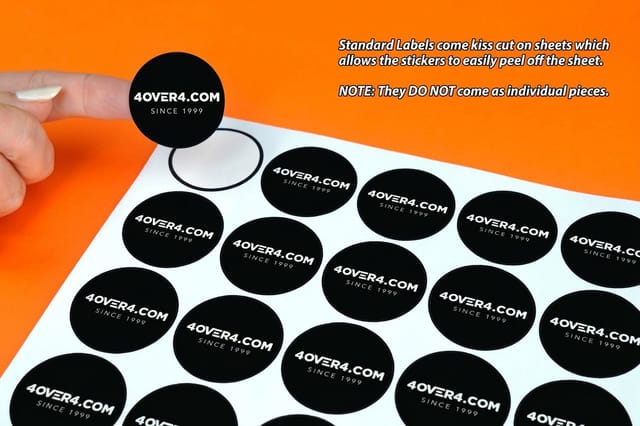
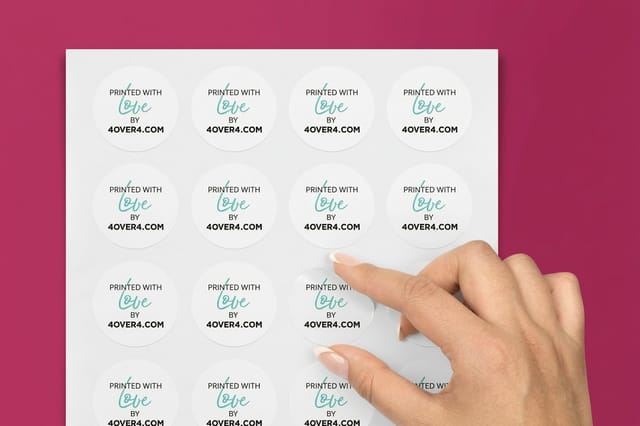
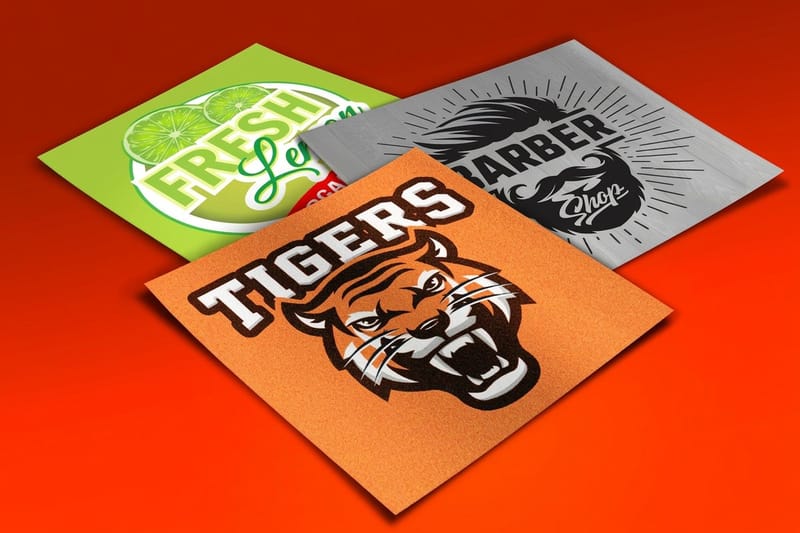
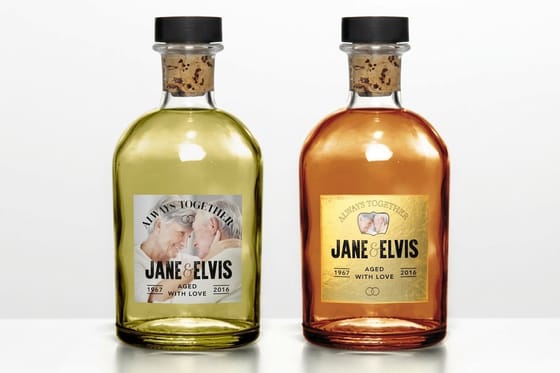
Standard Labels next to Premium Labels, with the live size, stock and option counts and the starting price for each, straight from the 4OVER4.COM configurator.
Print it
Order the label spec your container actually needs
Explore more
Where to go next
By the numbers
Label printing you can count on at 4OVER4
Common Questions
Your cheap label printing questions, answered
What is the cheapest way to print custom labels?
A stock size on coated paper, printed on sheets, in one run. Standard Labels start at $23.88 and that price assumes you take a size the die already exists for, which is a half inch circle, 2 by 2 in, 3 by 3 in or 4 by 4 in. Keep the artwork inside that shape, order the full quantity you will use in one go rather than splitting it, and you are at the floor of what label printing costs. Every step above that floor is a specific upgrade you can point at.
How do I choose a cheap label without ending up with a reprint?
Decide three things in this order and the reprint risk mostly disappears. First, will anything wet touch this label. If yes, take film and stop looking at paper prices. Second, does the shape carry the brand, or is a rectangle honestly fine. Third, is the copy final, including any legal line, phone number or date. Two of the three are free to get right, and the third only costs you a proof. Order the proof.
What do cheap labels cost and how is the price set?
A label price is a fixed setup plus a running cost. The setup covers the plate, the die and the press make-ready, and it is charged once per run whatever the quantity. The running cost is material, ink and press time, and only that half scales. At 4OVER4.COM Standard Labels start at $23.88, Premium Labels at $29.16, Premium Waterproof Labels at $84.68, Premium Clear Labels at $86.17, Die-Cut Labels at $93.37 and Roll Labels at $322.98. Because the setup does not move, doubling a quantity never doubles the total.
What sizes, stocks and finishes are available on the low cost labels?
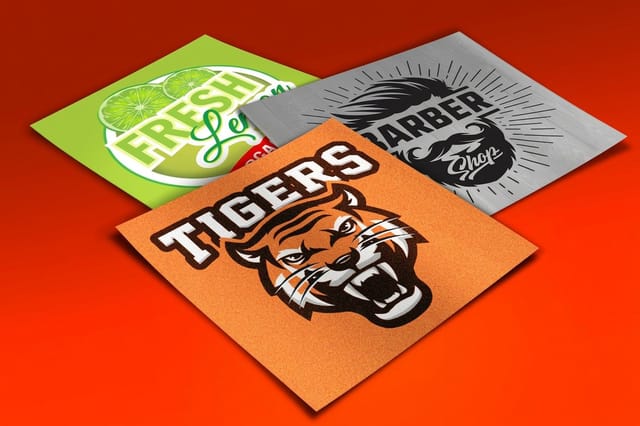
Standard Labels offer four sizes, being a half inch circle, 2 by 2 in, 3 by 3 in and 4 by 4 in, with five paper types, a choice of full color or one color ink, and twelve quantity sets. Premium Labels default to 3 by 5 in, carry twenty three stocks, add three rounded corner options and offer bundling. Die-Cut Labels run on six stocks with four die cutting options. Every one of them offers proof options at checkout.
How long does cheap label printing take to print and ship?
Turnaround is picked in the configurator alongside the quantity, and the standard option is the cheapest one there. Choosing a faster turnaround is a genuine price lever in both directions, so if the date is soft, take the standard option and let the saving land. If you add a hard copy proof, add the days it takes to reach you and come back, because production does not begin until you approve it.
Are cheap paper labels waterproof?
No. Coated paper is fine on a dry carton, a gift jar, a binder or an asset tag, and it fails the first time it meets condensation. It stains, wrinkles and lifts at the edge. If the container goes in a fridge, an ice bucket, a bathroom or outdoors, the label has to be film. That is the one upgrade worth paying for without arguing, and it is what Premium Waterproof Labels are for.
Is it cheaper to order labels on a roll or on sheets?
Sheets, by a wide margin, until the volume gets large. Sheet labels enter at $23.88 and someone peels them by hand. Roll Labels enter at $322.98 because the roll setup is paid up front, and that price buys a quantity a sheet order does not reach. The switch point is not a number a printer can hand you, it is the point where peeling by hand becomes the slowest part of your packing day.
Why did my custom shape quote jump so much?
Because a shape that is not on the standard list needs its own cutting die, and that die is made for your job. It shows up as the gap between the $23.88 standard entry and the $93.37 die-cut entry. The charge is per design rather than per label, so it hurts most on a small first run and barely registers on a large one. If the outline is not doing real work for the brand, a stock circle or square keeps the money in your pocket.
Get Started
Ready to price a label run that does not look cheap?
Pick a stock size, choose paper or a durable film, set the quantity, and watch the per label price move before you commit to the run.
Legal Disclaimer
Gold Standard guarantees apply to all standard orders placed through 4over4.com. Price match requires verifiable proof of a competitor's published price for an equivalent product with matching specifications and turnaround time. Satisfaction guarantee covers manufacturing defects and print quality issues. Contact support with order number and documentation. On-time delivery rate based on tracked orders 1999 to 2026. Individual results may vary based on shipping carrier performance.
