
What BOPP Label Material Is and Why It Outlasts Paper Labels


The film behind almost every bottle, jar and cosmetic label. What the letters mean, how it compares to paper and vinyl, and where it stops working.
BOPP stands for biaxially oriented polypropylene: a plastic film stretched in two directions at once, which leaves it tough, dimensionally stable and completely unable to absorb water. It is the default face stock for bottle, jar and cosmetic labels because condensation, oils and handling that turn a paper label to pulp do nothing to it. The limits are heat, which it loses near 250 F, and conformability, where stiff film lifts on a flexing squeeze bottle and vinyl does not.
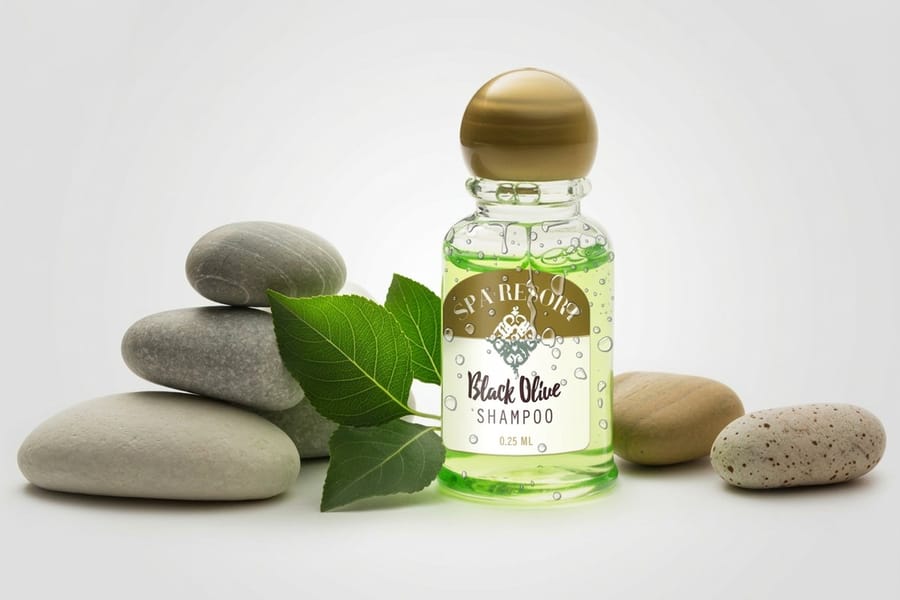
Quick answer
A stretched plastic film that water cannot get into
BOPP is polypropylene stretched in both the machine and transverse directions, which aligns the polymer chains on two axes and leaves a film with no grain to tear along. At roughly 2 mil it is thin enough to lie flat on glass and tough enough to survive an ice bucket, a bathroom shelf and a freezer. It costs more than coated paper and less than vinyl. It fails in two places worth knowing before you order: above about 250 F it softens, and on a container that flexes it lifts at the corners where a conformable vinyl would follow the surface.
What BOPP Stands For and How the Film Is Made
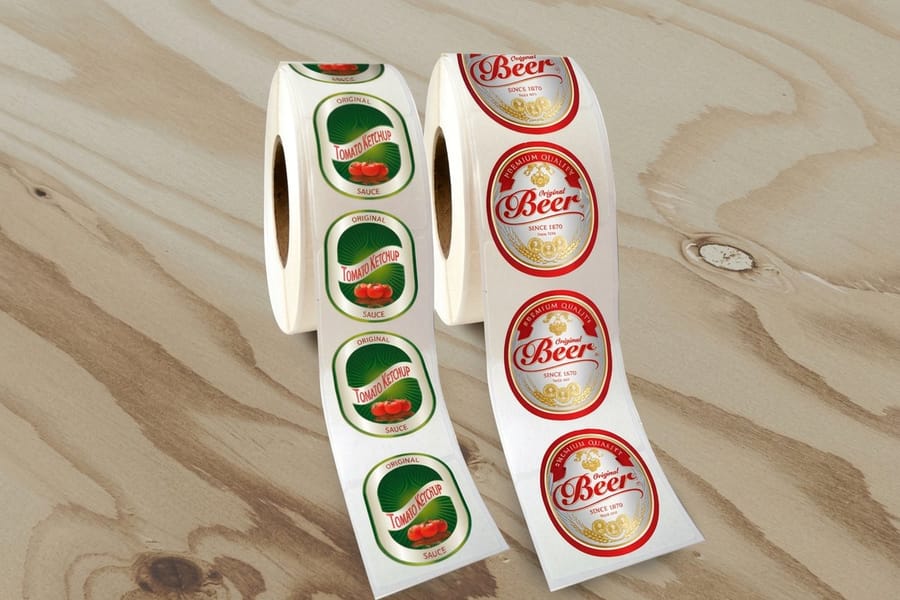
BOPP is biaxially oriented polypropylene. Polypropylene resin melts and comes out of the extruder as a thick sheet, then it gets stretched twice: once along the direction the web is travelling, and once across the web, at the same time. Those two stretches thin the sheet down to roughly 2 mil and pull the polymer chains into alignment on both axes.
The alignment is what you are actually buying. A film stretched in one direction only has a grain, and it splits along that grain the way a sheet of paper tears cleanly one way and raggedly the other. Stretch it both ways and there is no easy path for a tear to follow. The film also stops moving: it holds its dimensions on press and through the die-cutting station, which is why registration on a small oval label stays tight across a long roll.
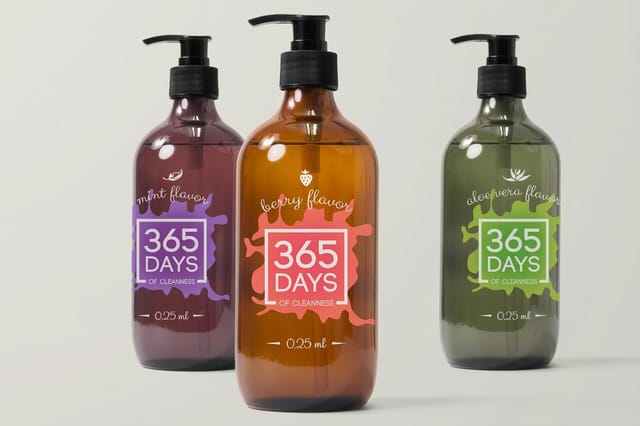
White BOPP gets its opacity from a pigmented or cavitated core rather than from a coating, so a scuff does not expose a different color underneath. Clear BOPP is the same film without that core, and it is the basis of the no-label look on bottle labels where the glass is meant to be the design. Either way, the surface is treated with a topcoat so ink has something to key into, because raw polypropylene is slick enough that ink would sit on it and rub off.
One practical consequence for anyone quoting a job: film is tougher on a die than paper. Kiss-cutting through 2 mil of oriented polypropylene without nicking the liner is a finer setting than cutting paper, and blades dull faster. It is a reason film labels carry a higher price per square inch than a standard paper label, alongside the raw material cost.
BOPP vs Paper vs Vinyl Label Stock
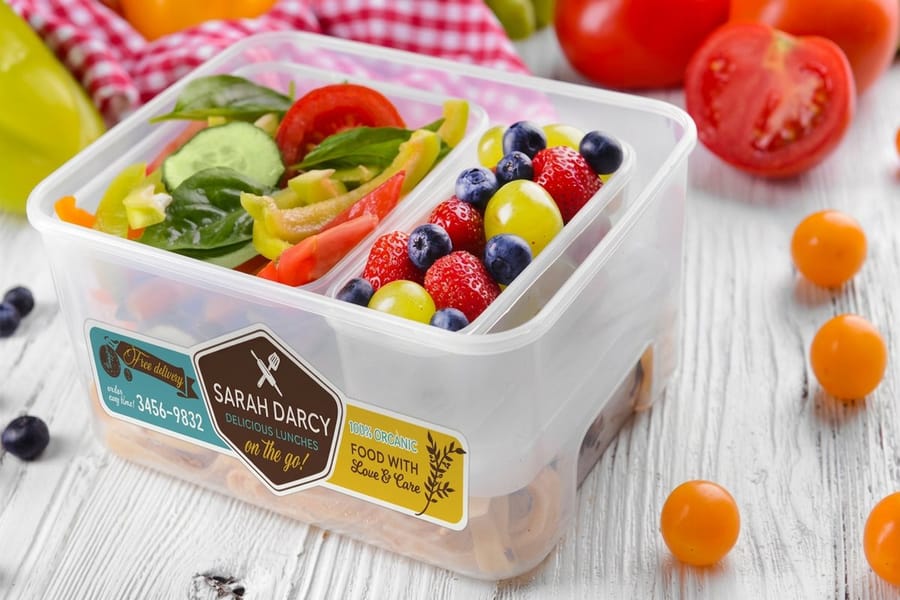
Three stocks cover almost every label order, and picking between them is a question about the surface and the environment, not about which one is best. Start with what the label has to survive, then read across.
| Property | BOPP film | Coated paper | Vinyl |
|---|---|---|---|
| Water | Waterproof. The film cannot absorb it. | Wicks in from the cut edge, even with a wet-strength coating. | Waterproof. |
| Oils and cleaners | Good. Add a laminate for repeated wiping. | Stains and softens quickly. | Good, and the best of the three under solvents. |
| Conformability | Stiff. Best on smooth, rigid, gently curved surfaces. | Stiff and prone to creasing. | Stretches and conforms to compound curves and texture. |
| Outdoors | Months to a couple of years, longer under a laminate. | Not an outdoor material. | Years. The right choice for long exposure. |
| Heat | Softens near 250 F. No ovens, no autoclaves. | Tolerates more heat than either film. | Similar limit, and it can shrink back over time. |
| Cost | Middle. More than paper, less than vinyl. | Lowest. | Highest. |
| Where it belongs | Bottles, jars, tins, cosmetics, frozen and chilled goods. | Shipping, address, retail shelf tags, short-life promotions. | Squeeze bottles, drums, equipment, outdoor signage decals. |
The row that decides most orders is conformability. A BOPP label on a straight-walled glass jar is flawless. The same label on a squeeze bottle that flexes every time someone uses it will start to lift at the corners, and no adhesive fully solves a mismatch between a stiff face stock and a moving wall. That is the case for premium vinyl labels at $29.16, and it is the honest limit of BOPP rather than a detail to bury.
Paper still wins on price and on recycling, which matters more than it used to. If the label lives on a shipping carton for four days, paper is the correct answer and film is waste. Our breakdown of paper versus vinyl versus clear labels works through the middle cases in more detail.
How BOPP Actually Behaves Around Water, Oil and Heat
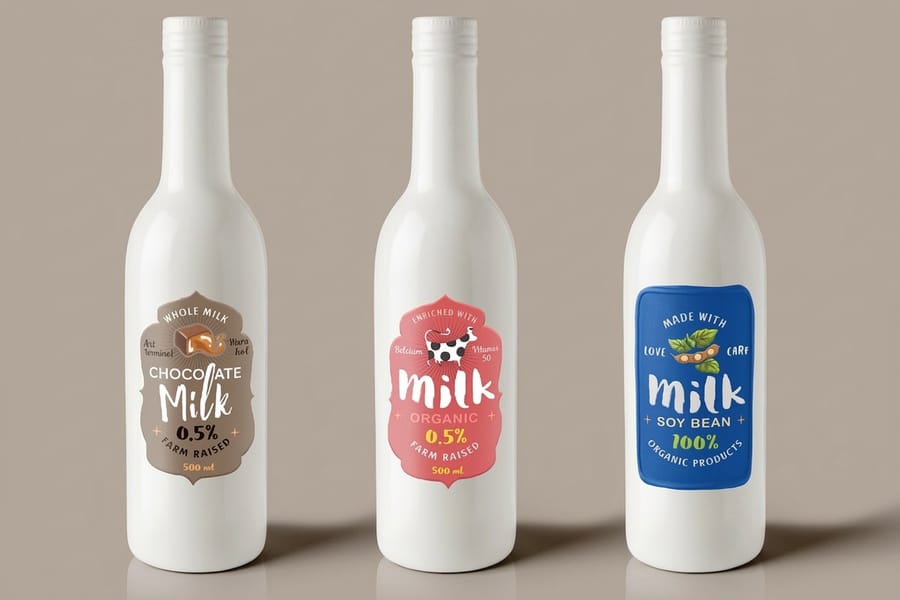
Say waterproof to a printer and the first question back is which part. A label has three layers that can fail independently, and they fail in different ways.
- The film. This is the part that is genuinely waterproof. Polypropylene is hydrophobic, so a bottle can sweat in an ice bucket for an hour and the face stock stays flat, opaque and the same size. A paper label under the same conditions swells, ripples and eventually pulps at the edge.
- The ink. Digital and flexo inks sit on the topcoat, not inside it, which means abrasion is the risk rather than soaking. Prolonged scrubbing with a scouring pad will take ink off unlaminated film. A gloss or matte laminate is the fix and it costs less than reprinting.
- The adhesive. The layer people forget. A permanent acrylic adhesive reaches its ultimate bond over roughly 24 to 72 hours as it flows into the surface texture. Apply labels, chill the bottles and ship them the same afternoon and you have tested the adhesive before it was ready.
Oils are a different test. Polypropylene resists cooking oil, lotion and most household cleaners better than any paper stock, which is why it dominates food label and cosmetics work. The weak point is the printed surface again, so a laminate is close to standard on anything a customer picks up with greasy hands.
Heat is where BOPP stops. The film softens somewhere near 250 F, which puts ovens, autoclaves and steam sterilisation off the table entirely, and makes a hot-fill line worth checking before you commit. Cold is the opposite story: polypropylene stays flexible well below freezing and a freezer-grade adhesive is built to grab a surface that is already cold and wet. For anything that has to survive both water and long outdoor sun, look at waterproof label printing with a laminate, or move to vinyl.
Finishes, Clear Film, and Choosing an Adhesive
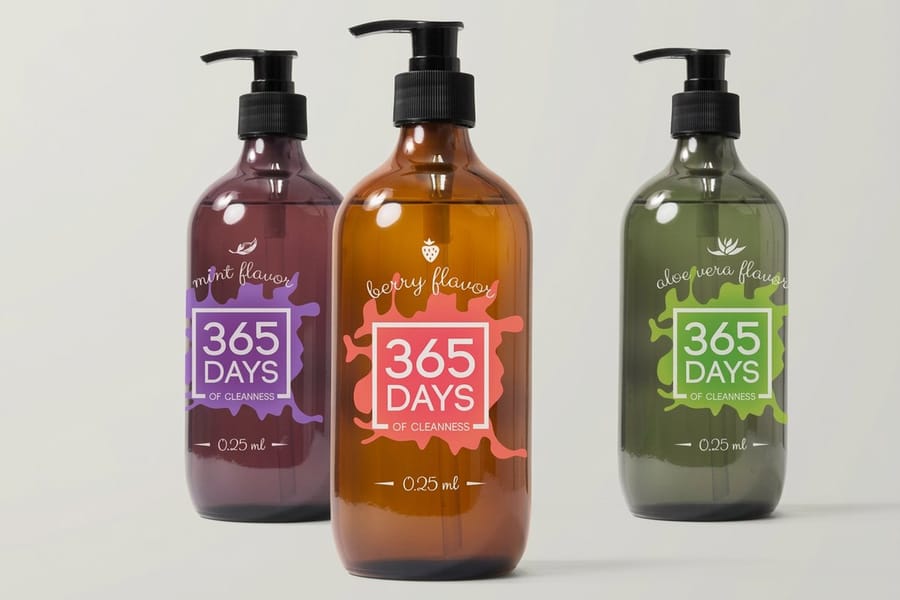
Two decisions sit on top of the material choice, and they change how the label looks and whether it stays on.
The finish. Gloss BOPP is the default. Color sits brightest on it, it wipes clean, and it hides fingerprints on a bottle that gets handled. Matte BOPP reads more expensive and photographs better, and it is the finish most skincare and spirits brands ask for. The catch is real: on a large dark solid, matte film shows finger oils and scuffs far more than gloss does, and once you see it on a shelf sample you cannot unsee it. Soft-touch sits further along the same trade, more luxurious and more prone to marking. If the design is mostly light or mostly white, matte carries none of that risk.
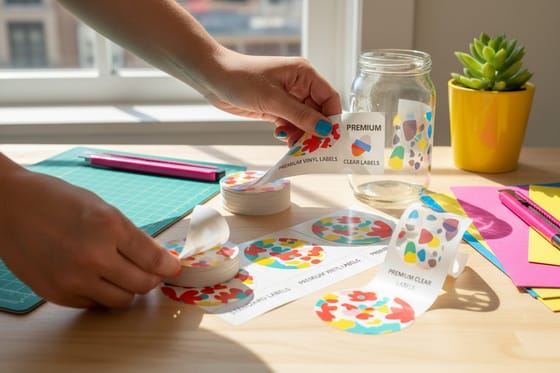
Clear film. Clear BOPP produces the no-label look, where the print appears to float on the glass. Two things to plan for. Any color that must stay opaque needs a white ink underprint, otherwise the container shows through and a cream turns into whatever is behind it. And the film edge is still visible up close at an angle, so a rectangular clear label on clear glass will show a faint outline. Rounding the corners softens it. Premium clear labels start at $86.17 and are the stock to ask for when the packaging itself is the design.
The adhesive. Permanent acrylic covers most jobs and is what you get unless you ask otherwise. Removable adhesive peels off cleanly within a window and suits promotions, price changes and anything on rental equipment. Freezer-grade adhesive is formulated to bond to a cold, damp surface, which a general purpose adhesive will not do reliably. And low surface energy plastics, mostly LDPE and HDPE squeeze bottles, need a high-tack adhesive or the label lifts. Tell us the container material when you order and this stops being guesswork.
Layout matters as much as material here. Getting the die size right against the flat area of the container is the single most common cause of a label that will not lie down, and our guide to choosing the correct label size covers how to measure it. You can start from a correctly sized layout in the blank template library or build the artwork in our free online designer.
Which Products Should Be on BOPP
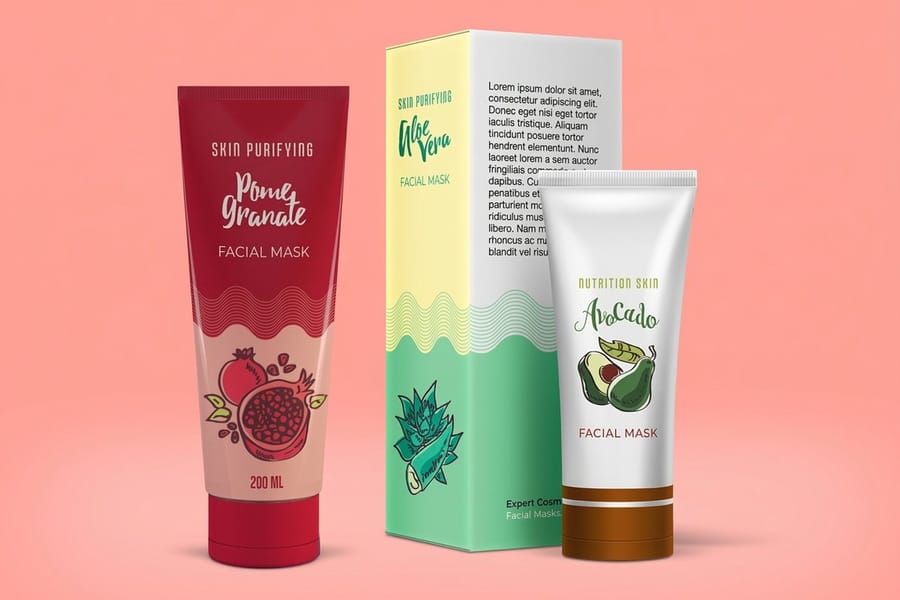
BOPP earns its premium wherever the container is smooth, rigid and likely to get wet. It is wasted anywhere the label is read once and binned.
| Product | Why BOPP fits | What to specify |
|---|---|---|
| Beer, soda, kombucha | Ice buckets, coolers and condensation destroy paper. | Gloss film, permanent acrylic, laminate if bottles get scrubbed. |
| Spirits and wine | Chilled service plus long shelf time on glass. | Matte or clear film, rounded corners, white underprint on clear. |
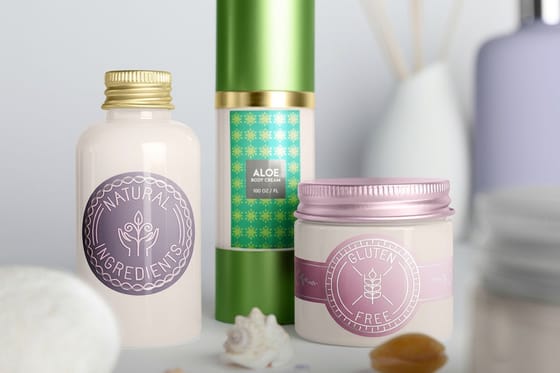
| Skincare and cosmetics | Oils, creams and daily handling in a bathroom. | Matte with a laminate, small radius corners for tapered tubes. |
| Food jars and sauces | Refrigeration, wipe-downs, oily fingers. | Gloss film, freezer adhesive only if it goes below freezing. |
| Frozen goods | Applied cold, stored cold, taken out damp. | Freezer-grade adhesive, no exceptions. |
| Shipping cartons | Poor fit. Short life, dry, high volume. | Use paper. Film is money on the wrong problem. |
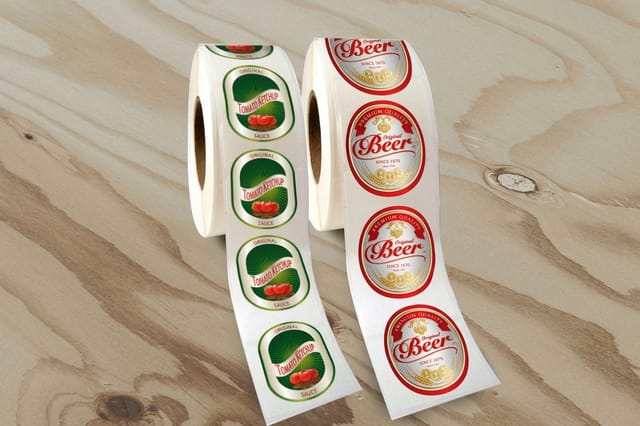
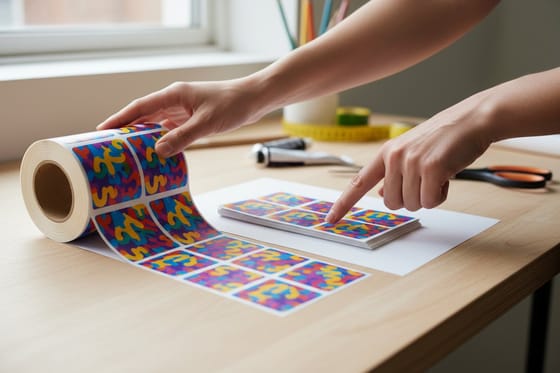
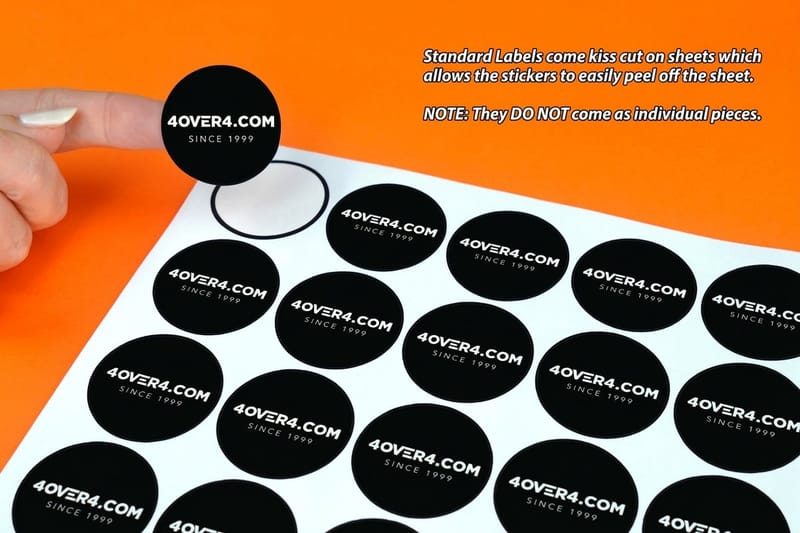
Format is the next question. Sheets suit hand application and short runs, and they let you order a handful of designs together. Rolls suit volume and are the only sensible option if a machine applies them. Roll product labels start at $322.98, which looks steep next to a sheet until you divide it by the label count on a production run. If a machine is doing the applying, it needs a core size and an unwind direction from you before anything gets wound, and the difference is explained in our comparison of roll labels versus sheet labels.
Shape follows the container. A straight-walled jar takes almost anything. A tapered bottle needs a die that curves with the taper, or the label will fight the surface. Our shaped roll labels handle the non-rectangular cases, and if you are labelling wine specifically, the dimensions are worked out in the guide on wine bottle label sizes.
How to Order BOPP Labels at 4OVER4.COM
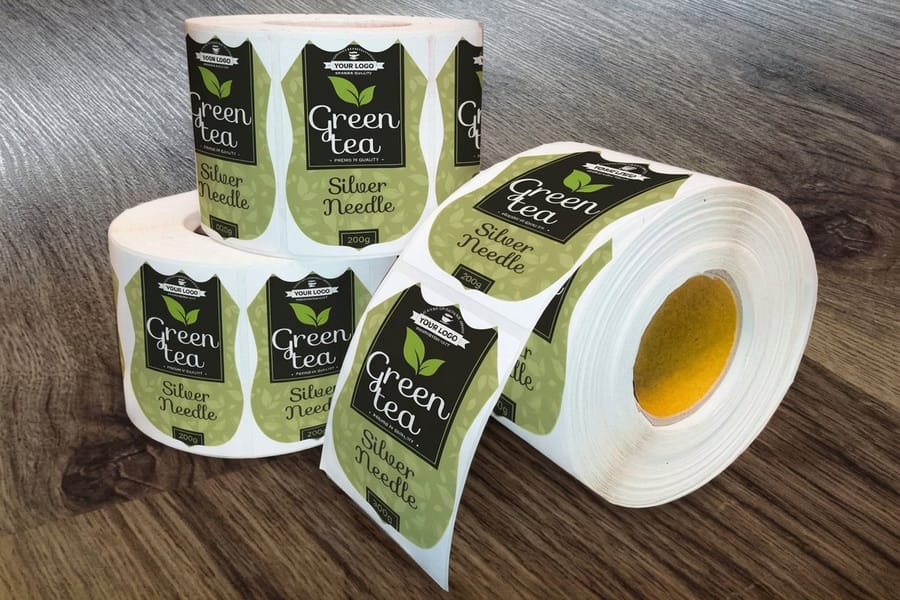
Four things decide the order, and getting them straight before you upload saves the most common reprint.
- Name the container. Glass, PET, HDPE, tin, or a coated carton. Surface energy drives the adhesive choice, and a squeeze bottle is a different conversation from a straight-walled jar.
- Measure the flat panel, not the bottle. The usable width is the area that curves in one direction only. Anything wider fights the surface at the corners.
- Pick the film and finish. White gloss for shelf color and easy cleaning, white matte for a quieter premium look on lighter art, clear for the no-label effect on glass. Premium waterproof labels start at $84.68 and are the straightforward pick for anything that meets water.
- Choose sheets or rolls. Hand application and small quantities go on sheets. Machine application goes on rolls, with a core size and an unwind direction supplied.
Build the artwork at final size with a bleed, keep live text back from the trim, and convert fonts to outlines before you upload. If you are printing on clear film, flag which elements need a white underprint in the file, because it is not something a preflight can guess. Free file review comes with the order either way.
Browse the full range on custom label printing, or narrow it down by use: clear labels, product labels, bottle labels. If you want to see the material before you commit to a run, the sticker and label materials guide lays out every stock we carry side by side.
Wally explains BOPP
Plastic film, stretched twice, and water never gets in
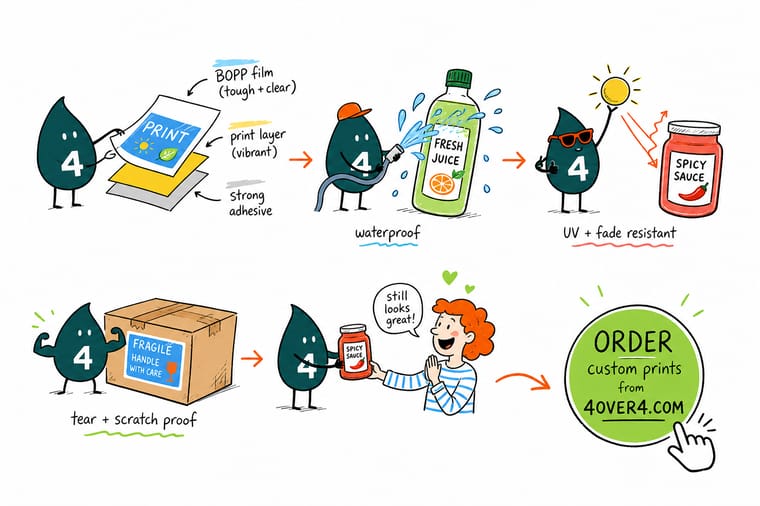
Wally pulls two bottles out of the ice. The paper label has gone soft and rippled at the edge because paper fibers drink water. The BOPP label next to it looks exactly like it did in the box, because polypropylene has nothing for water to soak into and the stretching gave it no grain to tear along. Ask Wally for gloss and it wipes clean. Ask for matte and it looks expensive but shows fingerprints on dark art. Ask him to put it in an oven and he will say no, because the film gives up near 250 F.
Order premium waterproof labels →Specs and pricing
BOPP label options, sizes, and starting prices
Compare the film stocks side by side, with live configuration choices and starting prices straight from the 4OVER4.COM configurator.
Print it
Order labels that survive the bottle they are stuck to
Explore more
Where to go next

By the numbers
Label printing you can count on at 4OVER4
Common Questions
Your BOPP label questions, answered
What does BOPP stand for?
Biaxially oriented polypropylene. Polypropylene resin is extruded into a thick sheet, then stretched in two directions at once: along the web as it runs through the machine, and across the web at the same time. That second stretch is what the word biaxially is carrying. The result is a thin, tough, dimensionally stable film, typically around 2 mil for label work, that does not have a grain direction the way paper does.
Are BOPP labels waterproof or only water resistant?
The film itself is waterproof. Polypropylene does not absorb water, so soaking, condensation and splashes leave the face stock exactly as it was. What can still fail is the printed ink on top and the adhesive underneath. Inks and toners vary in how well they survive scrubbing and prolonged submersion, and an adhesive that never got its dwell time can release when the surface stays wet. If a label is going to be scrubbed or sit under running water, add a laminate over the print and give the adhesive a day on the container before it meets water.
BOPP or vinyl for my product?
Match the film to the surface, not to the marketing word. BOPP is the better choice on smooth, rigid containers: glass bottles, PET jars, rigid HDPE, tins, and flat cartons. Vinyl is more conformable and more elastic, so it wins on squeeze bottles, compound curves, textured drums, and anything that lives outdoors for years. Vinyl also costs more. Our side by side breakdown in the guide on BOPP versus vinyl stickers goes deeper on the outdoor case.
Will BOPP labels survive a dishwasher or a freezer?
The freezer is easy and the dishwasher is not. Polypropylene stays flexible at freezer temperature and a freezer-grade adhesive is designed to grab a surface that is already cold and damp, which is why BOPP is standard on frozen food. A dishwasher combines heat, detergent and long soak time, and that is a hard test for the adhesive edge and for unlaminated ink. Expect edge lift over repeated cycles unless the label was specified for it.
Do I need a laminate over a BOPP label?
Not always. Skip it on a label that gets handled a few times and thrown away with the packaging. Add it when the container is picked up daily, when oils or solvents are involved, or when a dark solid covers most of the label. A gloss laminate wipes clean and hides fingerprints. A matte laminate reads more expensive and shows finger oils more on dark solids, which is a genuine trade to make with your eyes open.
Are BOPP labels recyclable?
The label is polypropylene, so it is recyclable in principle, but the honest answer is that it depends on what it is stuck to. A polypropylene label on a polypropylene tub goes through the same stream cleanly. A polypropylene label with permanent acrylic adhesive on a PET bottle does not wash off in the standard PET process and counts as a contaminant. If recyclability is a stated brand promise, match the label polymer to the container polymer, or use a washable paper stock and accept the durability loss.
Why does my BOPP label lift at the corners on a squeeze bottle?
Two causes, and they usually happen together. The film is stiff, so on a bottle that flexes the label wants to stay flat while the wall moves under it. And squeeze bottles are often LDPE or HDPE with a low surface energy, which is a hard surface for a general purpose adhesive to hold. The fixes are a rounder label shape with no sharp corners, a smaller label so it sits on the flattest panel, a high-tack adhesive, or a switch to a conformable vinyl face stock.
Get Started
Ready to put a label on it that will not turn to pulp?
Pick your film, choose gloss, matte or clear, tell us what the container is made of, and we print labels that stay put through condensation, oils and daily handling.
Legal Disclaimer
Gold Standard guarantees apply to all standard orders placed through 4over4.com. Price match requires verifiable proof of a competitor's published price for an equivalent product with matching specifications and turnaround time. Satisfaction guarantee covers manufacturing defects and print quality issues. Contact support with order number and documentation. On-time delivery rate based on tracked orders 1999 to 2026. Individual results may vary based on shipping carrier performance.
