
Stickers and Labels Market Statistics and Growth Trends for 2026


Jordan is our labels, packaging and sustainability voice, built from the knowledge of our production team, with over 20 years in printing.
What the Sticker and Label Market Numbers Actually Measure

Search for the size of the sticker market and you will get half a dozen answers that do not agree. That is not sloppy research. Analysts draw the boundary in different places, and the boundary is worth more than the headline figure. Once you know what a report counted, you can tell whether its number has anything to do with the stickers your business actually buys. A packaging report counts roll labels running on a bottling line; your order may be 25 die cut stickers for $93.37 or a roll of labels from $322.98.
The broad shape is not in dispute. Labels and stickers form a large, mature, and durable category that grows a few percentage points a year, faster than the wider print industry, and it does so because it rides on packaged goods, e-commerce shipping, and branding rather than on paper consumption alone.
4OVER4.COM has printed 10 billion+ pieces since 1999 for over 150,000 businesses, so we see this market from the order line rather than from a spreadsheet. What follows separates the analyst view from the buyer view, and finishes with the part that decides your budget, which is what a real sticker run costs and why. For the wider print picture, our printing industry market data page covers the same ground one level up.
What counts as a label
Label reports usually mean product decoration: pressure sensitive facestock, wet glue, shrink sleeve, and in mold labels applied to bottles, jars, cartons, and pouches. These are bought by brand owners and converters in enormous roll quantities, and the unit economics look nothing like a small custom order.
What counts as a sticker
Sticker reports lean toward promotional and decorative products: die cut vinyl, kiss cut sheets, bumper stickers, laptop decals, seals, and window graphics. Volumes are smaller, design turnover is far higher, and the buyer is usually a marketer, an event team, or a creator rather than a packaging engineer. Our guide to kiss cut vs die cut stickers and how to choose explains the two cuts, and premium promotional and events stickers show the event side of this segment.
Why the totals disagree
A study that folds shrink sleeves and in mold decoration into the total will land far above one that counts pressure sensitive only. Add or remove the label stock and adhesive supply chain and the figure swings again. Compare scopes before you compare numbers.
How to read a growth rate
A compound annual rate flattens the lumpy reality of print. Sticker demand spikes around product launches, seasons, and events, then goes quiet. Plan capacity and budget against your own calendar, not against a smooth curve drawn out to 2030.
Shop the range
Stickers and labels printing
Die cut, kiss cut, weatherproof, and specialty formats printed to your artwork.

Market Size and Growth Projections Through 2030
Most published work puts the global label market in the tens of billions of dollars annually, with the wider range appearing once decorative stickers, specialty finishes, and converting services are counted alongside it. Forecasts through 2030 generally point to steady mid single digit annual growth rather than a step change, which makes this one of the most predictable categories in commercial print. At the buyer end, those billions are made of small orders: 25 standard stickers cost $23.88, 1,000 cost $99.27, and specialty 3D lenticular stickers start at $866.62.
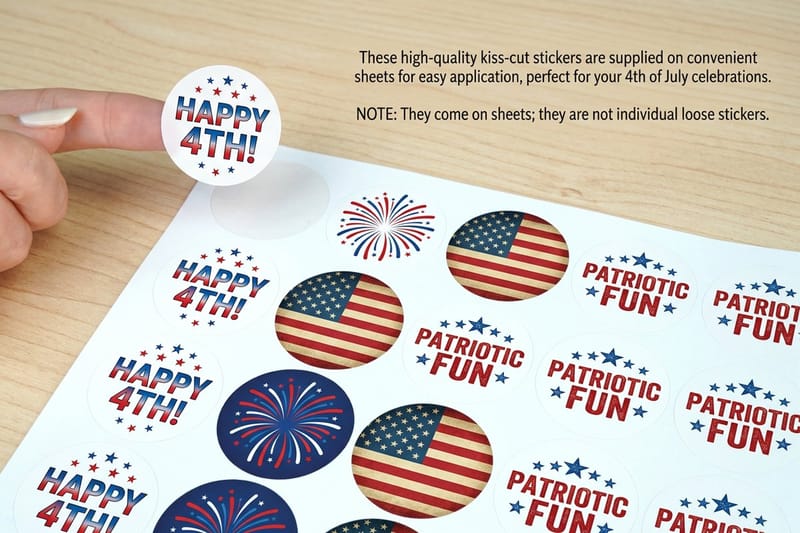
The interesting movement sits underneath the total. Order sizes are falling while order counts rise, because brands run more SKUs, more regional variants, and more limited editions than they did a decade ago. That shift favors digital presses and die cutting on demand, which is exactly how short run products such as 4th of July Stickers and Anniversary Stickers are produced, as our 4th of july stickers story shows.
- Volume grows slower than value. Premium substrates, foils, and specialty effects lift revenue faster than sheet counts.
- Run lengths keep shrinking. More designs, fewer units per design, and reorders measured in weeks rather than quarters.
- Digital takes share from flexo. Plate free setup wins any job where versioning matters more than raw speed.
- E-commerce keeps adding demand. Every parcel carries shipping, seal, and thank you label surfaces that did not exist in a retail sale.
- Specialty finishes command a premium. Lenticular, holographic, and metallic work sells at multiples of standard gloss vinyl.
Treat any single projection as one plausible line rather than a fact. What holds across the studies is direction: more designs, smaller runs, faster reorders, and a steady premium for anything a competitor cannot easily copy.
Print picks
Three sticker formats buyers keep reordering
Live starting prices, ready to configure with your own artwork.
 3D Lenticular Stickers 500 for $866.62 Depth and motion effects for launches, collectibles, and premium packaging seals.
 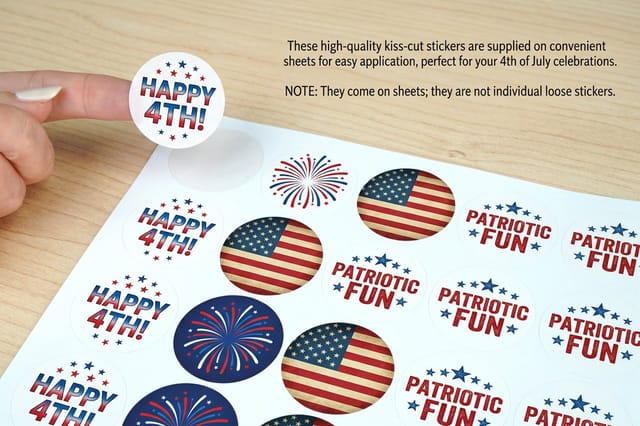 4th of July Stickers 25 for $25.00 Seasonal die cut runs that move fast in retail, events, and giveaways.
  Anniversary Stickers 25 for $25 Milestone seals for gift packaging, mailers, and celebration collateral.
 The Trends Driving Sticker and Label Growth
Growth in this category is not driven by people liking stickers more. It is driven by structural changes in how products are sold, shipped, and regulated. Each of those forces adds label surfaces to objects that previously carried none, a batch code on a jar, an ingredient panel on a candle, a seal on a mailer box, and once a surface is added it rarely disappears. Short runs make that affordable: 25 standard stickers print in 3 business days by default.
The clearest example is the parcel. A product sold in store needs one decorated package. The same product sold online needs the package, a shipping label, a tamper seal, a return instruction, and often a branded insert sticker. One sale, four or five printed surfaces. Marketers noticed early, which is why logo decals became a standard giveaway. Our roundup of logo sticker promotion ideas covers how teams put that surface to work.
- Regulated categories. Food, beverage, supplements, and cannabis carry mandated content that changes with every formulation and jurisdiction.
- Brand versioning. Seasonal art, collaborations, and regional editions multiply the number of designs per product line.
- Creator and merch economies. Independent sellers order sticker packs continuously in quantities a traditional converter would decline.
- Anti counterfeit pressure. Holographic and lenticular seals move from luxury goods into mainstream consumer categories. Our explainer on how holographic stickers are made walks through the production side.
- Retail media at shelf. Promotional flashes and price call outs are applied and removed on short cycles, which keeps reorder volume high.
Regional Insights for North American Buyers
Asia Pacific leads on unit volume and on manufacturing capacity, which is where most global growth commentary is aimed. North America behaves differently. Volume growth here is modest, but value per unit is high, because buyers pay for speed, compliance accuracy, and finish quality rather than for the lowest price per thousand. 4OVER4.COM prints in its own Queens, New York facility, where standard stickers take 3 business days and 2 day production adds 50 percent.
That has practical consequences for anyone sourcing stickers in the United States. Domestic production competes on turnaround and on getting regulated artwork right the first time, not on undercutting overseas roll pricing. If your job is a container load of identical labels, offshore converting wins. If it is 500 die cut decals needed next week with a design that changed yesterday, domestic short run printing wins outright.
- North America. Premium finishes, fast turnaround, heavy demand from food, beverage, personal care, and e-commerce fulfillment.
- Europe. Sustainability regulation sets the pace, with recyclability and material disclosure shaping specification more than price does.
- Asia Pacific. The volume engine, with the largest converting capacity and the fastest absolute growth in packaged goods.
- Latin America. Growing steadily with packaged food and beverage expansion, often with imported substrates.
- Middle East and Africa. Smaller base, rising demand tied to retail modernization and logistics buildout.
Where Stickers and Labels Sit in Marketing Budgets
Stickers occupy an unusual budget position. They are cheap enough to approve without a committee, at $23.88 for 25 standard stickers or $99.27 for 1,000, about 10 cents each, physical enough to survive an ad blocker, and durable enough to keep working for months on a laptop lid, a water bottle, or a shop window. That combination is why they persist in media plans that otherwise moved entirely to screens.
The honest way to evaluate them is cost per impression over the life of the sticker, not cost per unit at checkout. A decal that stays on a case for a year is a long running placement bought once. The same logic drives the wider promotional category, and our promotional products market data and ROI page sets out how those returns are usually measured.
- Event and trade show budgets. The lowest cost giveaway that attendees actually keep and apply.
- Packaging and fulfillment. Seals and thank you stickers turn a plain shipper into a branded unboxing at a few cents per parcel.
- Direct mail add ons. A sticker raises the tactile value of a mailer, and mail response economics are covered in our direct mail statistics roundup.
- Retail and field marketing. Window graphics, floor decals, and shelf flashes bought on short cycles.
- Community and fandom. Sticker packs that customers ask for by name, which is rare for any other print format.
Quantity and price
Sticker pricing and specifications
Real configurator numbers, so you can see how cost per sticker falls with volume.
| Quantity | Price Per Unit | Total |
|---|---|---|
| 25 | $1.00 | $25.00 |
Key Market Segments Worth Knowing
The category splits cleanly by application, and each split has its own price behavior, lead time, and quality bar. Knowing which segment your job belongs to prevents the most common sourcing mistake, which is pricing a promotional decal as if it were a packaging label. Promotional stickers start from 25 pieces, roll labels sell by the roll from $322.98 in sizes from 0.75 x 1 inch, and specialty lenticular work starts at $866.62.
Specialty effects sit at the top of the value pyramid. A lenticular sticker is a manufacturing job with tooling and registration requirements, which is why minimums and prices sit far above a standard vinyl run. That premium is also the point, since the effect is difficult to imitate cheaply.
- Prime and product labels. High volume, tight color tolerance, regulated content, usually supplied on rolls for applicators.
- Promotional die cut stickers. Short runs, high design turnover, sold as singles, sheets, or packs.
- Logistics and variable data labels. Barcodes, addresses, and serialization, judged on scan reliability rather than aesthetics.
- Durable and outdoor decals. Weatherproof vinyl with UV resistant inks and laminates for vehicles, equipment, and windows.
- Specialty and security effects. Holographic, metallic, and lenticular formats used for authentication and premium presentation.
Specialty segment
3D lenticular stickers
The premium end of the market, where depth effects make imitation genuinely difficult.

Consumer Preferences Shaping Sticker Demand
Everyday demand
Milestone and celebration seals
The short run, high turnover work that drives most sticker reorder volume for brands and event teams.
Consumer behavior sets the ceiling on sticker performance. People apply what they find attractive and quietly discard the rest, so design quality and physical format decide whether a run becomes visible advertising or landfill. The preferences below show up consistently in what reorders well. The surfaces set the size: a 3 x 3 inch die cut fits a laptop lid or a water bottle, and a 3 x 11 inch bumper sticker fits a car.
Size is the most underrated variable. Oversized stickers get set aside because there is nowhere sensible to put them, while very small ones lose legibility at arm's length. If you are unsure, work from a standard chart rather than guessing, and our sticker sizes chart lists the dimensions that perform for each application.
- Die cut shapes beat rectangles. A contour cut reads as a designed object rather than a printed square of adhesive.
- Matte and satin finishes feel premium. Gloss still wins outdoors, but soft finishes photograph better and resist fingerprints.
- Laptop and bottle sizing dominates. The most applied stickers fit the surfaces people carry every day, a habit our stickerbomb guide covers in detail.
- Removability matters. Buyers increasingly ask for clean removal on laptops, phones, and rented surfaces.
- Art over logos. A design worth displaying gets applied, and the logo travels with it. A bare logo usually does not.
Sustainability Is Rewriting Label Specifications
Sustainability moved from a talking point to a specification line in this category faster than in most of print, because labels sit on packaging that recycling systems have to process. A label that defeats a recycling stream can disqualify an otherwise recyclable container, so material choice is now a technical requirement rather than a preference. On the paper and ink side, 4OVER4.COM is an FSC certified printer (#C013635) and prints with low-VOC soy inks.
Expect the questions to keep getting more specific. Buyers ask about facestock content, liner recovery, adhesive behavior during repulping, and whether a laminate is needed at all. Answering those questions early is cheaper than re specifying a label after a retailer or regulator raises them.
- Liner waste is the quiet problem. Release liner is discarded by weight on every roll unless a recovery program exists.
- Wash off adhesives are gaining ground. They let containers be reused or recycled without a label residue penalty.
- Thinner facestocks reduce material. Downgauging cuts weight per label without changing the printed result.
- Recycled and certified stocks are now mainstream. Availability has caught up with demand across common formats.
- Right sizing beats offsetting. Ordering the quantity and size you will actually use removes waste before it is created.
Compare formats
Popular stickers, side by side
Material, finish, size, quantity, turnaround, and price in a single view.
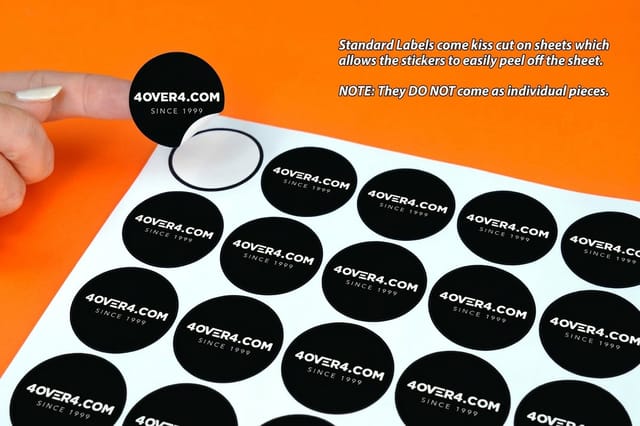 Standard Stickers | 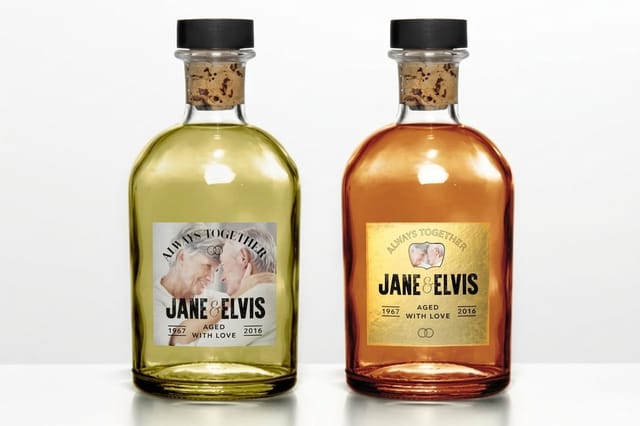 Premium Stickers | 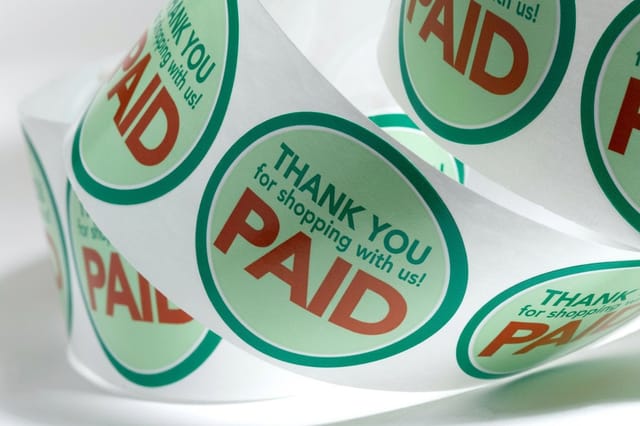 Roll Stickers | 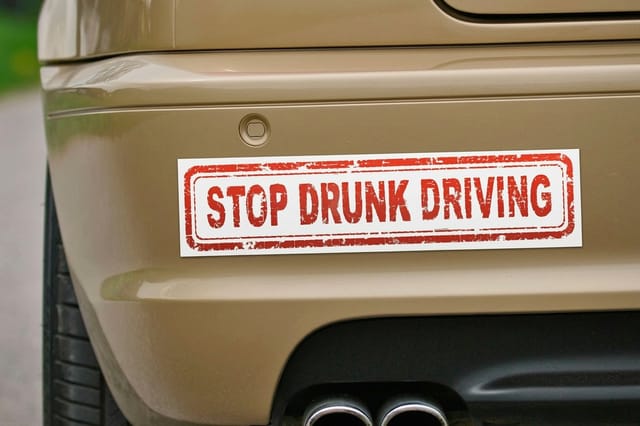 Bumper Stickers | |
|---|---|---|---|---|
| Min price | $23.88 | $29.16 | $322.98 | $38.44 |
| Paper / stock | Standard Uncoated Label | Uncoated Label | White Gloss (Indoor) | White Vinyl Permanent |
| Finish | - | - | - | UV Coating |
| Size | .375" x 1" | 3" x 5" | 1" x 1" | 2" x 5" |
| Default qty | 25 | 25 | 100 | 25 |
| Turnaround | 3 business days | 3 business days | 6 business days | 5 business days |
| Rating | ||||
| View & customize | View & customize | View & customize | View & customize |
Turning Market Data Into a Sticker Order That Performs
Market data earns its keep when it changes a decision. For most teams the decisions are simple: how many to order, which material, which finish, and how far ahead to schedule the run. The trends above point in a consistent direction on all four.
Order in the quantity your calendar can actually use, since short run pricing has improved enough that hoarding inventory rarely pays. Match the material to the environment rather than to the budget line, because an indoor paper sticker outdoors fails within a season. Confirm dimensions against the sticker sizing chart before you build artwork, and browse the full range on stickers printing when you are ready to configure a run.
Match the specification to the job
- Giveaways and packs. Die cut vinyl, matte or gloss, sized to fit a laptop or bottle.
- Outdoor and vehicle use. Weatherproof vinyl with UV resistant ink and a protective laminate.
- Product and packaging seals. Clean removal, consistent color, and dimensions that suit your applicator.
- Premium and security work. Lenticular or holographic effects where imitation needs to be difficult.
Start fast
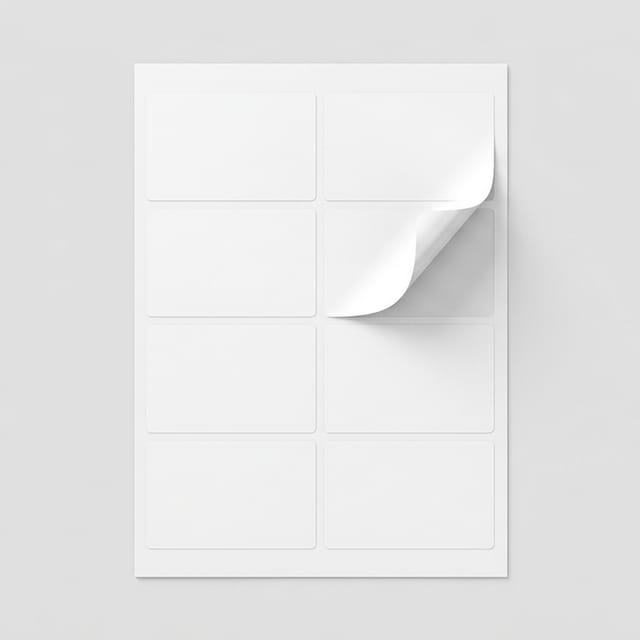
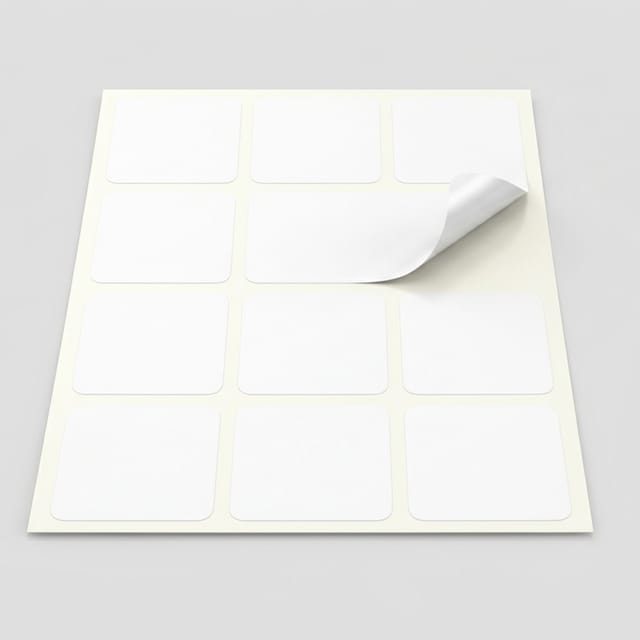
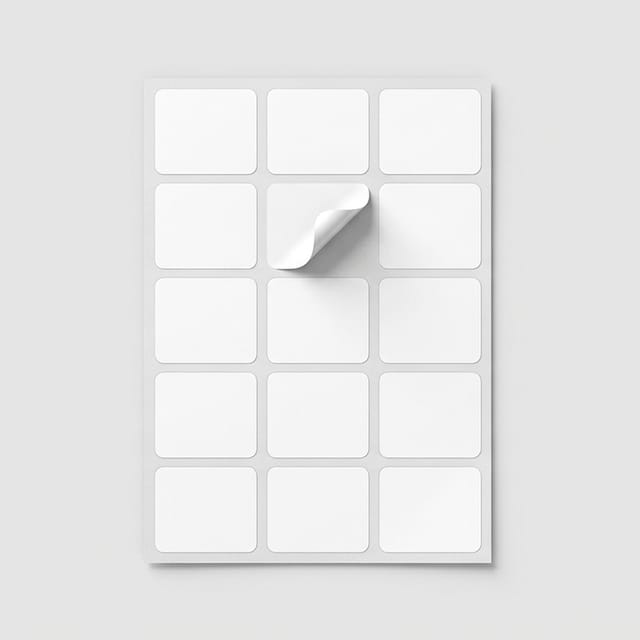
Sticker templates and print ready blanks
Free layouts plus exact size blanks so your die line and bleed are right the first time.


Wally reads the sticker market for you
What the numbers mean when you are the one placing the order
Market reports argue about totals because they count different products. What matters to your budget is simpler. Runs are getting shorter, designs are getting more numerous, and short run digital printing has become the cheapest way to serve both. Pick a size people will actually apply, match the material to where the sticker will live, and order the quantity your calendar will use this season.
Configure your sticker run →What the Sticker Market Data Means for Your Next Order
Sticker Research Worth Reading Next
Guides
Sizing, materials, and campaign ideas
The practical companions to the market data on this page.
 Sticker Sizes Chart Standard dimensions for every common sticker application.
  How Holographic Stickers Are Made The production process behind rainbow and security effects. Logo Sticker Promotion Ideas Ten ways marketing teams put branded decals to work.
  Direct Mail Statistics Response and ROI benchmarks for physical campaigns.
 Explore more
More sticker and label reading across 4OVER4.COM
Roll stickers run 100 for $322.98 in 6 business days and lenticular stickers 500 for $866.62 in 22.
 Statistics Printing Industry Market Data The wider print market that stickers and labels sit inside.
  Statistics Promotional Products ROI Data How branded merchandise returns are measured and reported.
  Shop Stickers Printing Browse every sticker format, material, and finish. Product 3D Lenticular Stickers Motion and depth effects for premium and security work. Product 4th of July Stickers Seasonal die cut runs for events, retail, and giveaways. Product Anniversary Stickers Milestone seals for packaging, mailers, and celebrations. Article Sticker Sizes Chart Pick a size that people will actually apply. Article Sticker Sizing Chart Dimensions and bleed guidance before you build artwork. Article How Holographic Stickers Work Inside the effect used for authentication and premium seals. Article Logo Sticker Promotions Practical campaigns built around branded decals. Article Direct Mail Statistics Benchmarks for the mail programs stickers often ride along with.
 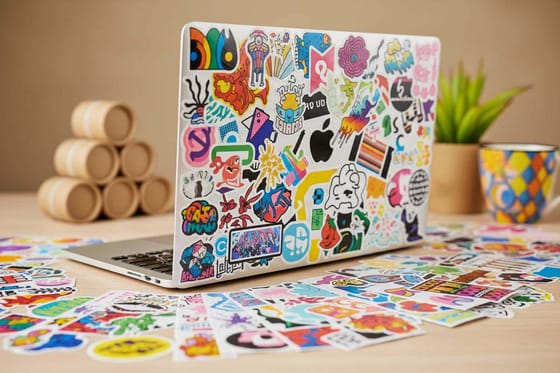 Article Stickerbombing a MacBook Pro What people really apply, and why size and finish decide it.
 Ready to turn the market data into stickers people actually keep?
Pick a size, choose a material that suits where the sticker will live, and print a run sized to your season. Live pricing updates as you change quantity.
Sticker and Label Market FAQ
How big is the sticker and label market?
Published estimates put the global label market in the tens of billions of dollars a year, and the range widens once decorative stickers and specialty finishes are counted alongside prime labels. The spread between studies comes from scope rather than disagreement about demand, so check whether a report includes shrink sleeves, in mold decoration, and substrate supply before comparing its total to another one.
How fast is the sticker market growing?
Most forecasts describe steady mid single digit annual growth through the end of the decade, which is faster than commercial print overall. The growth is structural. E-commerce parcels, regulated product categories, and heavier SKU versioning each add printed label surfaces that stay in the mix once they appear, so demand rises even when total paper consumption falls.
Which sticker segments are growing fastest?
Short run digital die cut work is the fastest moving segment, because it serves the versioning and reorder patterns that now dominate marketing print. Security and specialty formats such as holographic and lenticular stickers are growing from a smaller base at healthy rates, driven by anti counterfeit programs and by brands that want a finish competitors cannot cheaply imitate.
How much do custom stickers cost to print?
On 4OVER4.COM, seasonal and milestone sticker runs such as 4th of July Stickers and Anniversary Stickers start at $25, while specialty work sits far higher because of tooling and registration requirements, with 3D Lenticular Stickers starting at $866.62. Price per sticker falls steeply with quantity, so the practical question is how many your campaign calendar will genuinely use.
What sticker material should I choose?
Match the material to the environment rather than the budget. Indoor giveaways and packaging seals do well on standard vinyl in matte or gloss. Anything facing weather, sunlight, or washing needs weatherproof vinyl with UV resistant ink and a laminate. If the sticker will be removed from a laptop or a rented surface later, ask for a clean removal adhesive up front.
