
How Poly Bag Printing Works and How to Brand One


What happens on a poly bag press, why the minimums start in the thousands, how to size and set up the artwork, and what to print instead when you need five hundred pieces.
Poly bag printing is flexography on polyethylene film: the printer cuts a photopolymer plate for each spot color, corona treats the film so ink will anchor to it, then runs the printed web straight into a bag machine that seals, vents and cuts it. The plate cost and the press makeready happen before the first good bag exists, so custom runs open in the thousands. Below that, a printed label, sleeve or tape on a plain stock bag gets a brand onto the package for a fraction of the money and lands in days rather than weeks.
Quick answer
Plates, treated film, and a bag made on the same web
The bag is printed before it is a bag. Polyethylene film is corona treated so ink will stick, flexo stations lay one spot color per plate, the web dries, and a bag machine seals, vents and cuts it on the print repeat. That repeat is the circumference of the plate cylinder, which is why bag lengths come from a fixed list. Every extra color is another plate and another makeready, so the economics only work in volume, and small brands get the same branded result by printing what goes on the bag instead.
Where Printed Poly Bags Earn Their Place
Poly bags do two jobs well and everything else badly. The first is apparel: a folded garment in a 1.5 mil bag stays clean on a shelf, in a stockroom and in transit, and the bag weighs almost nothing on the shipping invoice. The second is e-commerce shipping, where a 2.0 to 2.5 mil opaque mailer costs a fraction of a box and drops a dimensional weight charge off the order.
They lose in three places. Anything rigid with a corner, a buckle or a zipper eventually pushes through thin film. Anything sold off a shelf on presentation loses to a printed carton, because a bag cannot hold a face. And anything that needs a photographic image reproduced faithfully is fighting a process built for flat spot colors.
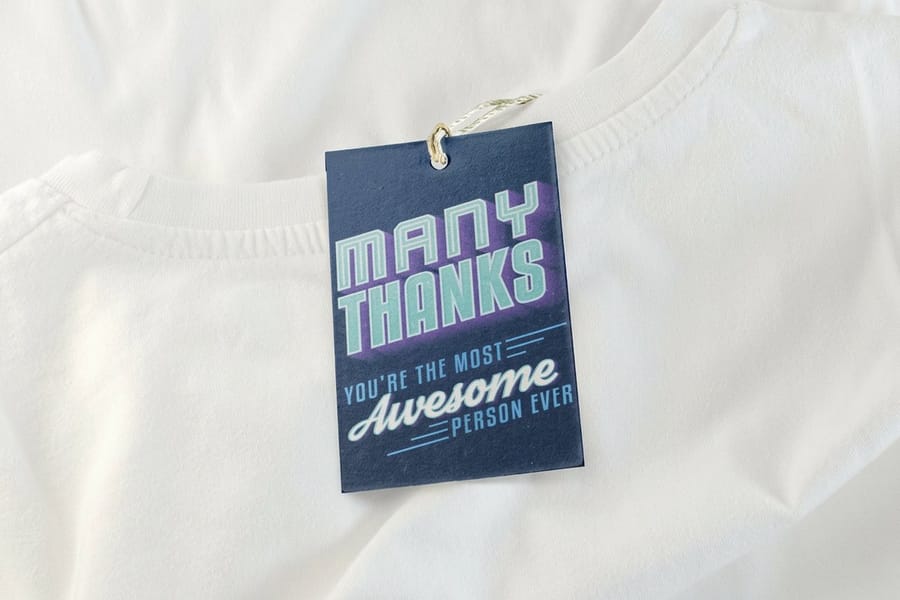
The apparel case is worth reading closely, because the bag is rarely the only branded piece in it. A plain bag with a printed clothing hang tag at $25.27 and a sealing label reads as a considered brand, and it costs a fraction of a custom film run. If you are still deciding between film, paper and board, the packaging materials guide compares them on cost and protection, and custom plastic packaging explained covers the film families in more depth.
How the Printing Happens, Station by Station
A poly bag press line prints the film first and makes the bag second, both on the same continuous web. Follow it left to right and the artwork rules stop looking arbitrary.
The film unwinds. Polyethylene comes off a roll, either single layer LDPE for a soft retail bag or a coextruded film for a mailer that has to resist tearing.
Corona treatment raises the surface. Bare polyethylene is chemically uninterested in ink, sitting around 31 dyne per centimeter, and ink beads on it the way water beads on a waxed car. A corona treater bombards the surface with an electrical discharge and lifts it past 38 dyne so the ink can anchor. Treatment decays with time, so film that has been sitting for a long stretch is retreated in line or it prints with pinholes and poor rub resistance.
Each color gets its own station. Flexography carries ink on a raised photopolymer plate, metered by an anilox roll. One plate, one station, one color. That is what drives a poly bag quote. A second color means a second plate and a second makeready, and it costs the same whether you print five thousand bags or fifty thousand.
White prints first on clear film. Ink on transparent polyethylene is translucent, so a color printed straight onto clear film looks like a stain. A white flood or a white spot layer lays down underneath to give the color something to sit on, and it counts as one of your colors.
The web dries, then becomes a bag. After drying, the film enters the bag machine, which folds, side seals or bottom seals, punches vent holes, applies a lip and tape if the bag is self sealing, and cuts. The cut lands on the print repeat, which is the circumference of the plate cylinder, so bag lengths come off the printer's list of cylinder sizes.
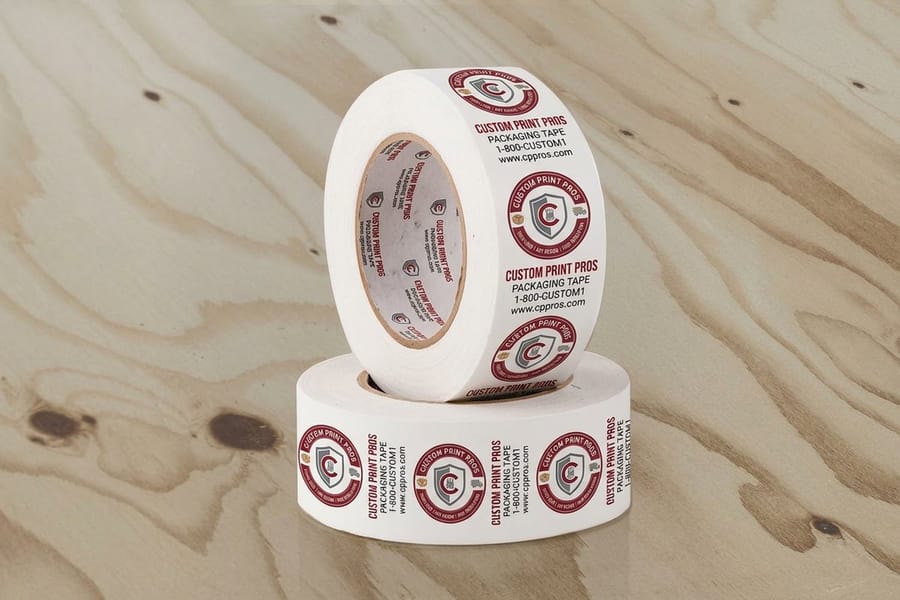
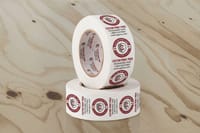
The closest thing we run to this process is printed packaging tape at $347.11, which is spot color flexo on film in a roll, with the same limits on fine detail and the same behavior on a printed white base.
Sizing a Bag and Setting Up the Artwork

Bags are quoted as width by length, and the width is the flat lay width of the finished bag, not the circumference of the tube it came from. A gusseted bag adds a third number for the fold at the sides or the bottom. Get those two conventions wrong and you order a bag twice the size you pictured.
Gauge is the second decision, measured in mils, where one mil is a thousandth of an inch.
| Gauge | Typical use | How it feels | Where it fails |
|---|---|---|---|
| 1.0 mil | Produce, small parts, protective slips | Light and clear, almost no body | Splits at the seal as soon as the contents have a corner |
| 1.5 mil | Folded apparel in retail bags | Soft, drapes over the garment | Needs vent holes, and offers no real protection in transit alone |
| 2.0 to 2.5 mil | E-commerce poly mailers | Stiffer, opaque, holds a crease | A hard edge inside can still tent the film on a sorting belt |
| 3 to 4 mil | Heavy, sharp or industrial items | Crinkly and stiff | Film is priced by weight, so the material cost roughly doubles against 1.5 mil |
Artwork rules follow from the press. Build in solid spot colors and name them, keep type at 8 point and above, and avoid hairline rules and tight reversed type, because film stretches under tension and registration drifts by a fraction of an inch across a run. Keep artwork clear of the seals and the lip by a comfortable margin, since a design that crosses a seal gets crushed and distorted. Nothing critical belongs where a vent hole is punched.
The same discipline applies to whatever you print in place of the bag. Our guide to preparing files for packaging products covers dielines and bleed, and choosing the correct label size is the fastest way to avoid a label that overhangs a panel.
Branding a Bag When the Minimum Does Not Work
Most brands asking about poly bag printing do not need ten thousand bags. They need five hundred orders to look like they came from a real company. That is a printing problem you can solve this week, on a plain stock bag you already buy.
| Route | What it does | Where it wins | Starts at |
|---|---|---|---|
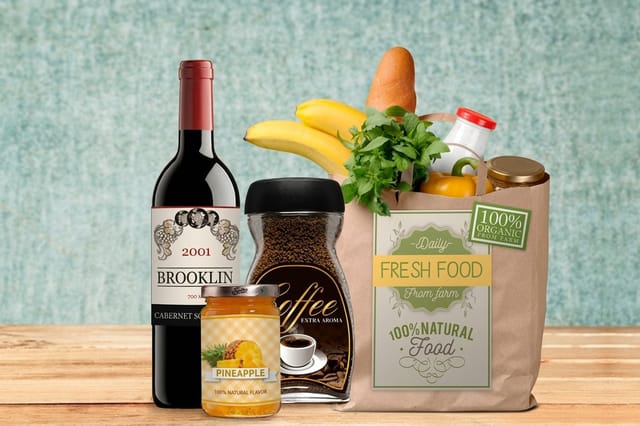
| Standard packaging labels | A printed label applied to the bag face or the seal | The cheapest way to brand a bag, and you can print one label per SKU | $23.88 |
| Premium packaging labels | Film face stock with a stronger adhesive | Bags that flex, get damp, or need the label to stay put in transit | $29.16 |
| Die-cut labels | Cut to the outline of your mark instead of a rectangle | Logo shapes and seals where a visible label edge would look cheap | $93.37 |
| Printed packaging tape | Your artwork repeated down the sealing strip | Branding every parcel from one SKU, bags and boxes alike | $347.11 |
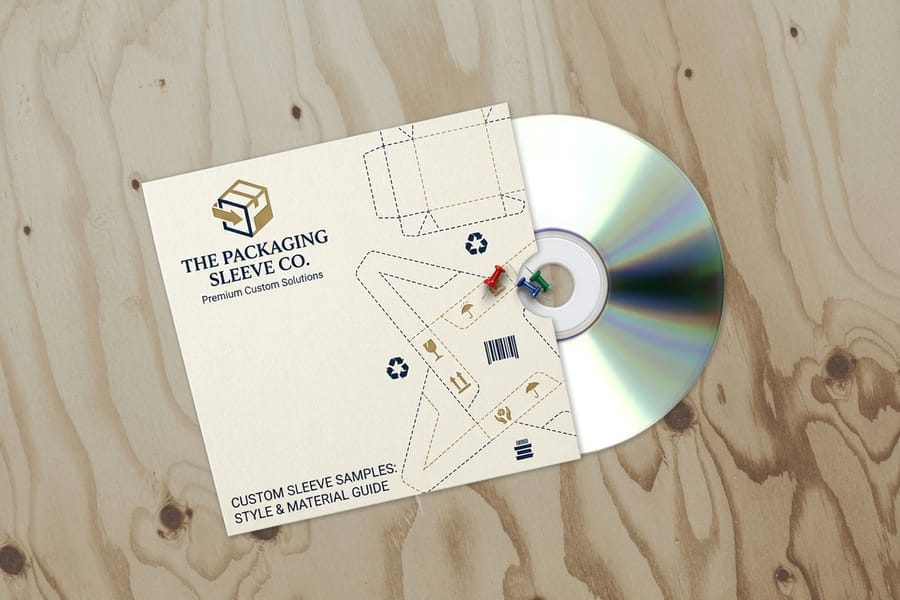
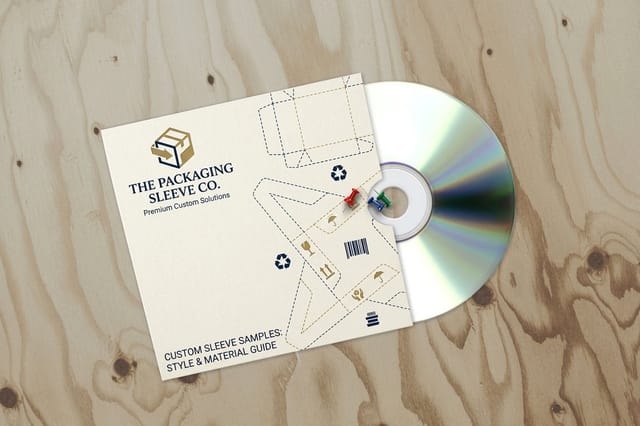
| Packaging sleeves | A printed band wrapped around the bagged product | Retail presentation, where the sleeve carries the face the bag cannot | $438.25 |
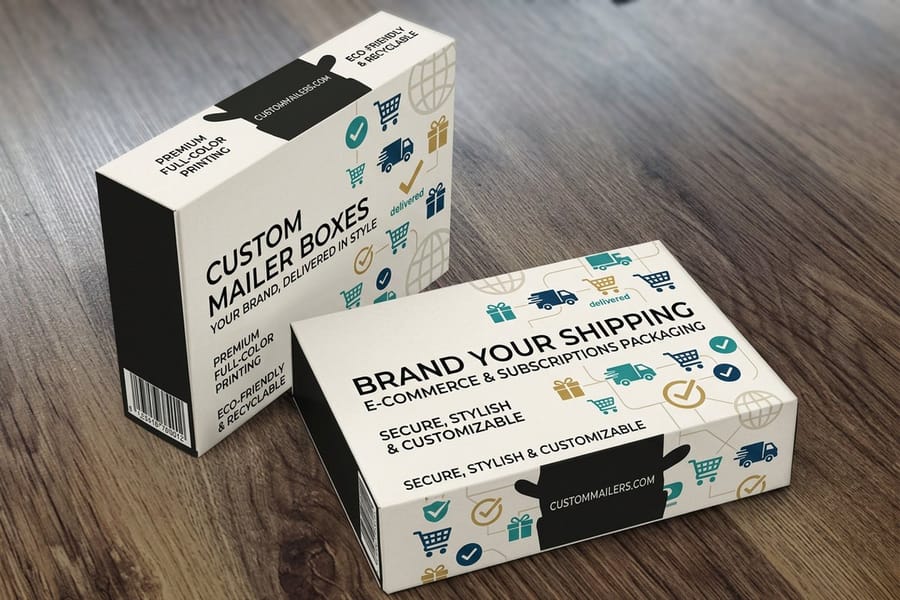
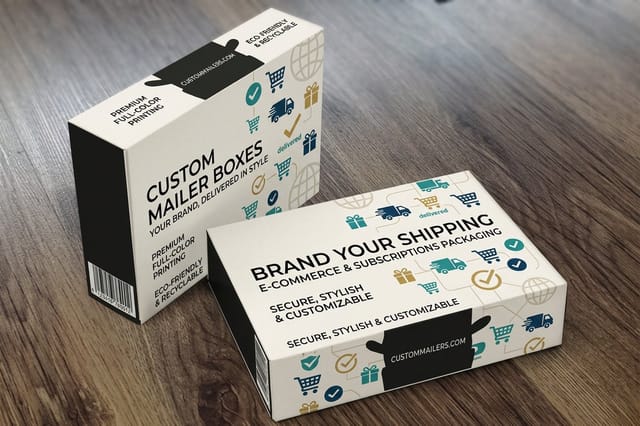
| Custom mailer boxes | Replaces the bag with a printed corrugated box | Fragile products and unboxing, once film stops protecting the item | $711.78 |
Two habits separate a label that looks planned from one that looks stuck on. Apply the label so it seals the bag, bridging the flap, which turns a functional closure into a branded one and gives a tamper cue at the same time. And keep the placement identical on every order. A straight label in the same spot on the same panel is the difference a customer registers without naming it.
Where the bag itself keeps failing, stop patching it. A product that arrives creased or punctured wants a mailer box rather than a mailer bag, and a subscription or gift order usually earns its cost back through packaging inserts. Browse the full range in packaging printing, or start with stock and adhesive choices in label printing.
Wally explains poly bag printing
Print the film, then make the bag
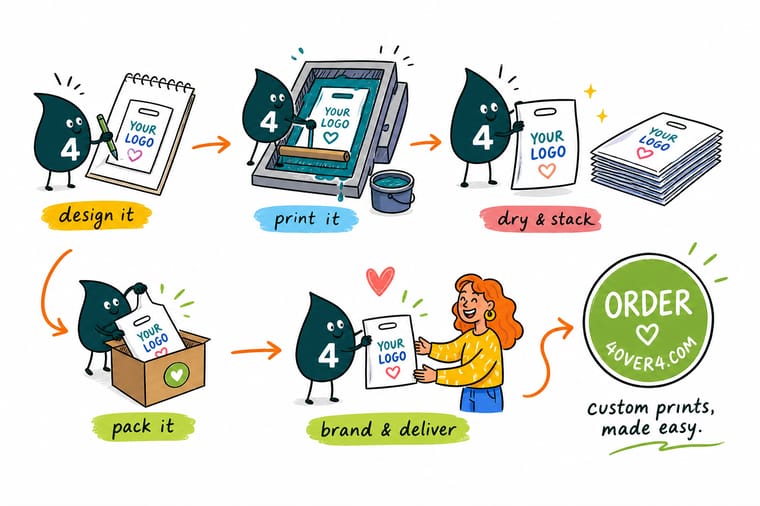
Wally treats the film so the ink will hold, cuts one plate for each color, runs the web through the press, and lets the bag machine seal and cut it on the repeat. The plates and the makeready cost the same whether he prints five thousand bags or fifty thousand, which is why the quote starts high. When the order is five hundred, he prints a label or a sleeve instead and puts it on a plain bag. Same brand on the doorstep, a fraction of the money.
Order packaging labels →Specs and pricing
Sizes, stocks and starting prices for bag branding
Configure the three pieces that turn a plain poly bag into a branded one, with live options and starting prices straight from the 4OVER4.COM configurator.


Print it
Order the pieces that brand your packaging
Explore more
Where to go next

By the numbers
Packaging printing you can count on at 4OVER4
Common Questions
Your poly bag printing questions, answered
Does 4OVER4 print poly bags?
We do not extrude film or run a bag machine, so we do not print the bag itself. We print everything that goes on it and around it: packaging labels, packaging sleeves, printed packaging tape, hang tags and mailer boxes. For most brands ordering a few hundred to a few thousand units, that route lands faster and cheaper than a custom film run, and it lets you change the artwork per SKU without touching a plate.
What is the minimum order for custom printed poly bags?
Expect quotes to open in the five to ten thousand piece range, and higher if the bag needs a size no cylinder is tooled for. The reason is fixed cost: plates are cut per color, the press has to be made ready and brought into register, and film gets wasted while the operator dials it in. Splitting one small run across two colors makes it worse, because each color repeats that setup.
Can you print a photograph on a poly bag?
Not well on a standard flexo bag line. Film stretches under web tension, so registration drifts and four color process work goes soft. Poly bag art is built from solid spot colors, flat shapes and type at 8 point and up. If a photographic image is essential, print it on a paper label or a sleeve and apply that to the bag, which keeps the image on a stable substrate.
Will a printed label actually stick to a poly bag?
It will if you specify for it. Polyethylene is a low surface energy plastic, so a paper label with a general purpose adhesive can lift at the corners, especially on a soft bag that flexes in transit. Ask for a film face stock with an aggressive permanent adhesive, apply it to a flat taut panel rather than across a wrinkle or a seal, and press it down rather than laying it on. Premium packaging labels at $29.16 are the version built for that job.
What thickness poly bag do I need for shipping clothing?
A folded garment in a retail apparel bag usually runs 1.5 mil, and a shipping poly mailer that has to survive a sorting belt usually runs 2.0 to 2.5 mil. Film is priced by weight, so moving from 1.5 mil to 3 mil roughly doubles the material in every bag. Go heavier only when the product has a corner, a zipper or a buckle that can push through the film.
Do apparel poly bags need a suffocation warning?
Most retail packaging specs require one on any bag with an opening of about five inches or more, along with vent holes in the film. Two things matter for printing: the warning has to be part of the printed artwork rather than a sticker applied later, and it counts as printed matter on the plate, so it belongs in the layout from the start. Check the specific buyer or retailer spec before the plates are cut, because a reprint is the expensive way to learn it.
Get Started
Ready to put your brand on the bag?
Pick a label stock that holds on plastic, size it to the panel, and we print it with your artwork so every order leaves the same way.
Legal Disclaimer
Gold Standard guarantees apply to all standard orders placed through 4over4.com. Price match requires verifiable proof of a competitor's published price for an equivalent product with matching specifications and turnaround time. Satisfaction guarantee covers manufacturing defects and print quality issues. Contact support with order number and documentation. On-time delivery rate based on tracked orders 1999 to 2026. Individual results may vary based on shipping carrier performance.
