
How Custom Plastic Bags Are Printed and the Reusable Bags That Replace Them


The four printing methods, the corona step that decides whether the ink stays on, the minimums nobody mentions until you ask, and the branded bags you can order today without a plate charge.
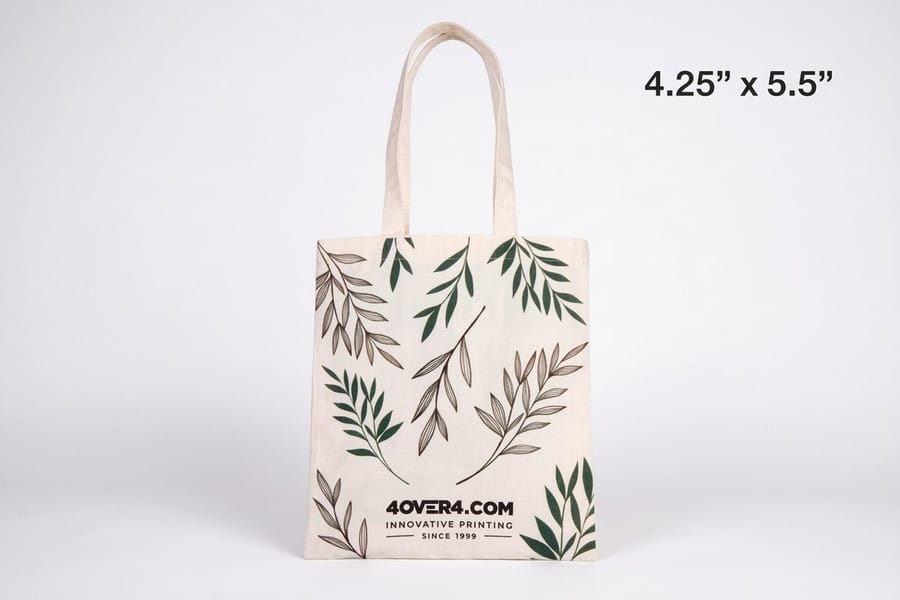
Custom plastic bags are printed as a continuous roll of film, not as bags. The film is corona treated so ink will anchor, flexographic plates lay down one spot color at a time with drying between passes, and only then is the web cut and sealed into bags. That sequence sets the rules: one plate per color, no photographic artwork, and minimums quoted in thousands. If your quantity is smaller, or your state restricts thin carryout bags, a printed cotton tote from $5.00 or a kraft box does the same branding job with no plate charge at all.
Quick answer
Treated film, one plate per color, bags made last
A plastic bag is printed before it is a bag. Polyethylene film runs off a roll, through a corona treater that raises its surface energy from around 31 dynes per centimeter into the 38 to 42 range where ink bonds, then through one flexographic station per spot color with a dryer between each. Cutting, sealing and handles come after. Every color adds a plate, every plate adds setup, and setup is why quotes start in the thousands of bags rather than the hundreds.
The Four Ways a Plastic Bag Gets Printed
Nearly every branded poly bag you have handled came off a flexographic press. The other three methods exist for reasons worth knowing, because the one a supplier quotes tells you what your artwork can and cannot contain.
| Method | How the image is carried | Colors and detail | Where it fits |
|---|---|---|---|
| Flexography | A raised photopolymer plate per color, inked by an anilox roller. | Spot colors, solid shapes, type down to a few points. Registration is loose. | The default for poly carryout, merchandise and mailer bags in the thousands. |
| Screen printing | A mesh screen per color, ink pushed through with a squeegee. | Thick opaque ink, one or two colors, no fine screens. | Shorter runs, thicker gusseted bags, and anything already made up into a bag. |
| Rotogravure | An engraved metal cylinder per color, ink held in etched cells. | Photographic images and tight registration across many colors. | National brand film. Cylinder cost puts it out of reach below very long runs. |
| Digital on film | Inkjet or toner straight onto treated film, no plate at all. | Full color and variable data, with a per unit cost that never falls. | Prototypes, tiny runs and label style work rather than bag production. |
Read the last column first. Flexo is cheap per bag and expensive to start, digital is the reverse, and the crossover sits far enough out that most small brands never reach it. The same physics governs anything printed on plastic film, including the custom printed packaging tape and vinyl stickers we run in house, which is why a tape roll and a poly bag scuff in exactly the same way when the film was under treated.
Step by Step, What a Printed Film Job Actually Involves
The order of operations explains most of the cost, and it is the part suppliers rarely spell out on a quote sheet.
- Spec the bag before the art. Style, flat width, gusset, height, handle type and gauge in mils. Change any of these later and the plate is wrong.
- Reduce the artwork to spot colors. Pick Pantone references and count them, because every color is a plate, a station and a drying pass.
- Strip out what film cannot hold. Hairlines, small reversed type, soft gradients and drop shadows all fail on a web that stretches slightly under tension.
- Approve a plate proof. A flat proof shows color, not registration. Ask what the trap allowance is and whether your two colors touch anywhere.
- The film is corona treated inline. Surface energy comes up from roughly 31 dynes per centimeter to the 38 to 42 range where ink anchors, moments before the first station.
- Print, dry, repeat per color. Waste film runs through while color comes into register. That waste is charged into the job whether the run is short or long.
- Convert last. Only after the ink cures does the web get cut, sealed, gusseted and handled into finished bags.
Compare that to ordering cotton totes or standard packaging labels, where you upload artwork, pick a quantity and see a price. No plate, no makeready, no minimum in the thousands. If you want the file handoff explained end to end, our guide to how online printing works covers it, and designing custom packaging bags goes deeper on the layout itself.
Where Plastic Bags Are Restricted and What Counts as Reusable
Before you spend money on a plate, check whether the bag is legal where it will be handed out. California, New York, New Jersey, Connecticut, Vermont, Oregon, Washington and Colorado all restrict thin single use carryout bags, and dozens of counties and cities add their own fees on top.
Two details catch people out. First, New Jersey's law also covers paper carryout bags at larger grocery stores, so the usual escape route is closed there. Second, most of these laws define a reusable bag by construction, not by intent: a minimum thickness for film, a stitched handle, a stated number of uses. A thicker poly bag was the common workaround for years, and several states have since tightened the definition precisely because that workaround was so popular.
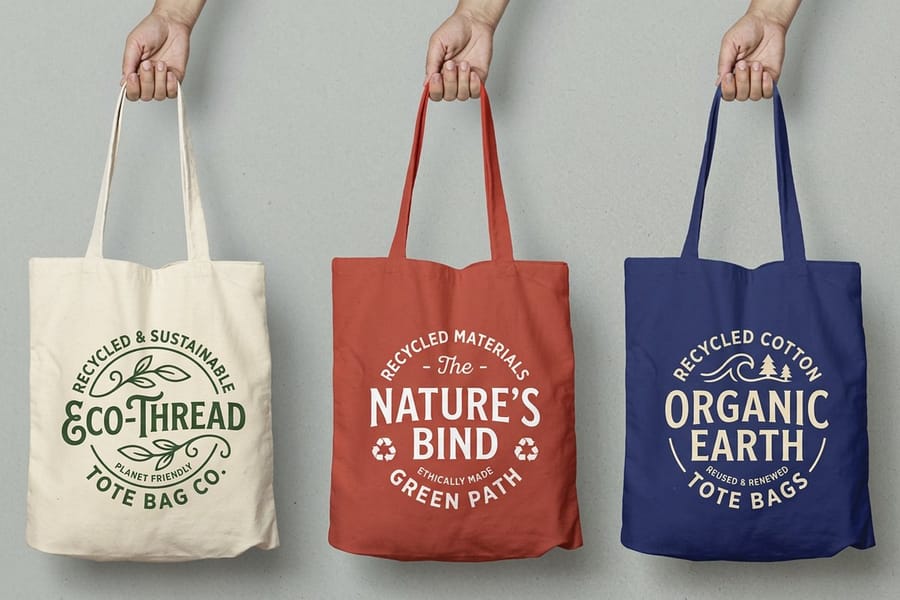
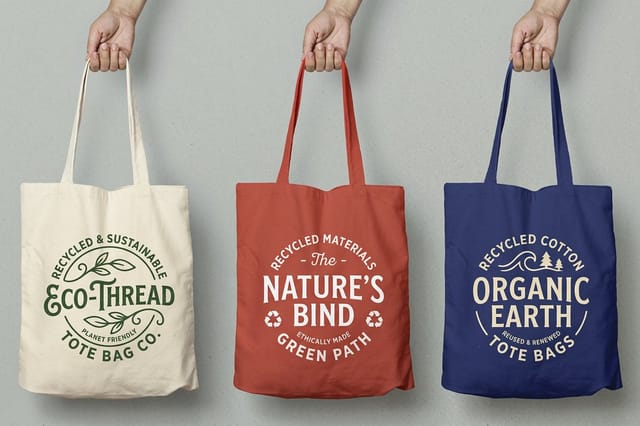
A cloth tote is outside the argument entirely. It is reusable by any definition anyone has written, it survives a wash, and it carries a printed logo for years rather than for one trip to the car. Recycled tote bags make that point on the bag itself, which is the whole reason a brand pays for one. If you sell in more than one state, the tote is also the only bag you do not have to re-check every legislative session.
What to Print Instead, and What It Costs
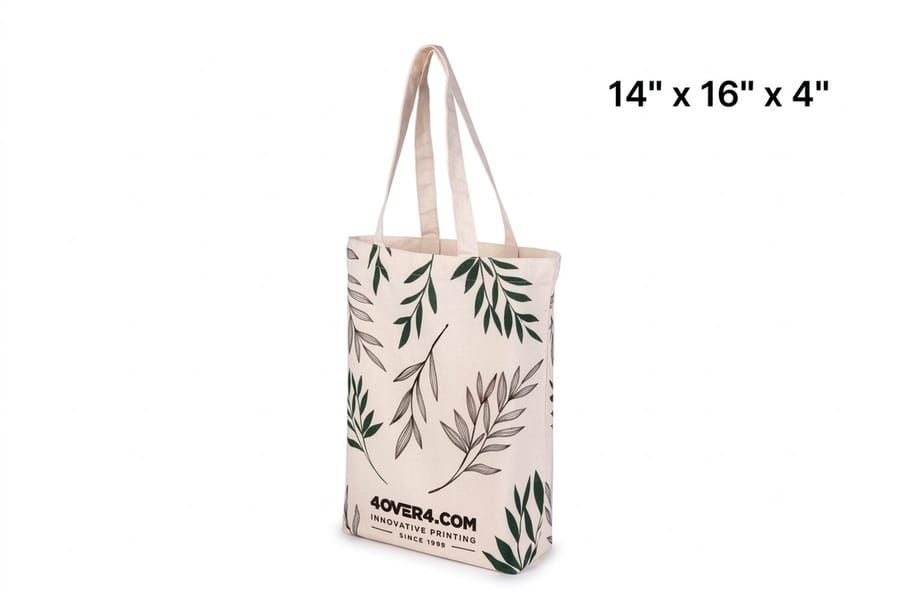
The honest answer for most brands is that the bag was never the point. The point was a logo in a customer's hand, and there are cheaper, longer lived ways to put it there.
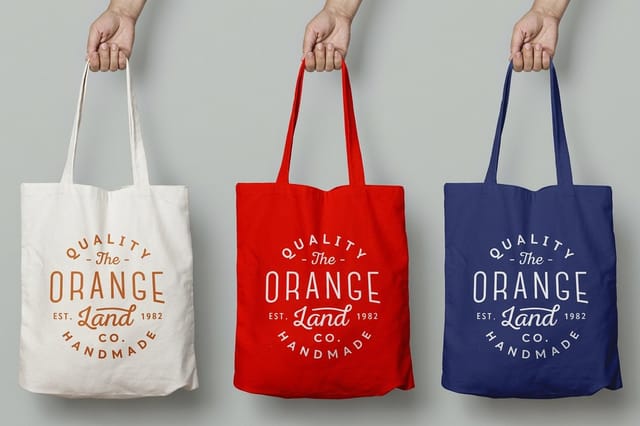
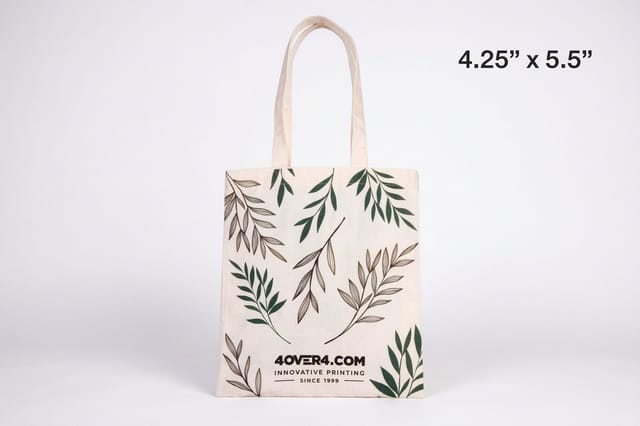
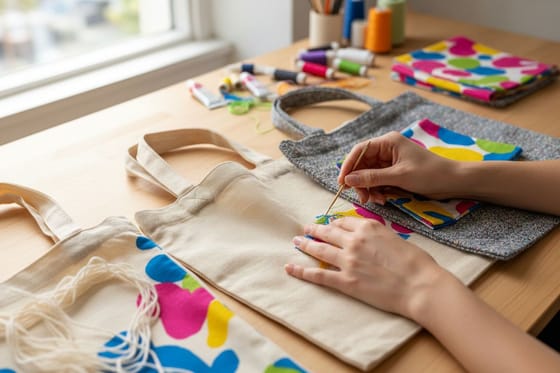
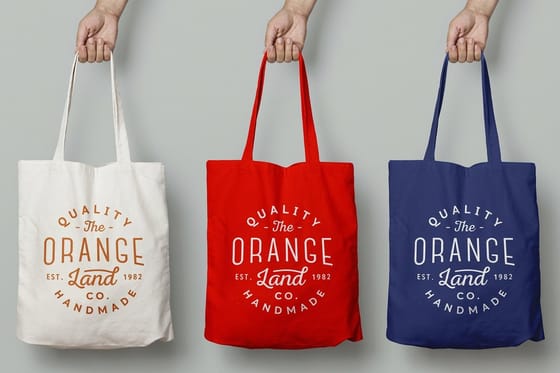
Totes replace the carryout bag. Cotton totes start at $5.00 and fold flat, which makes them the easy giveaway at events and the cheapest branded bag we print. Tote bags and canvas tote bags start at $22.73 with a structured body that stands on a counter and holds weight. Our cotton, canvas and recycled comparison sorts out which weave suits which job.
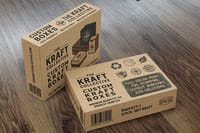
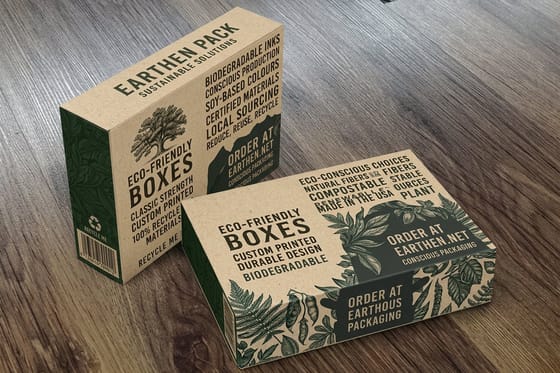
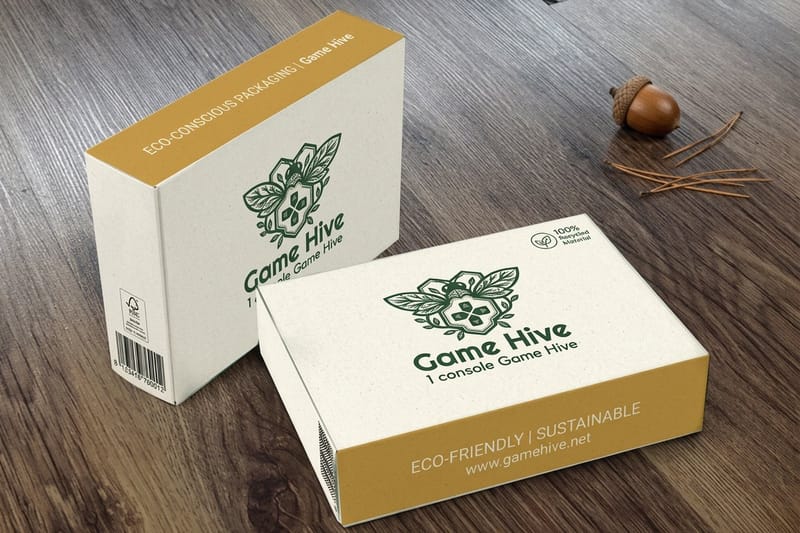
Boxes and sleeves replace the mailer bag. Custom kraft boxes and eco friendly boxes start at $711.78, printed and die cut to your dimensions, and packaging sleeves at $438.25 let you brand a plain box without printing the box at all.
Labels and tape brand anything you already have. This is the cheapest move on the page. Standard packaging labels start at $23.88 and turn stock kraft into branded packaging in one pass. Printed tape does the same across an entire shipping operation. Browse the full range in the packaging printing collection or the eco friendly printing collection, and read how to choose an eco friendly printing service before you put a green claim on any of it.
Wally explains bag printing
Treat the film, print one color at a time, make the bag last
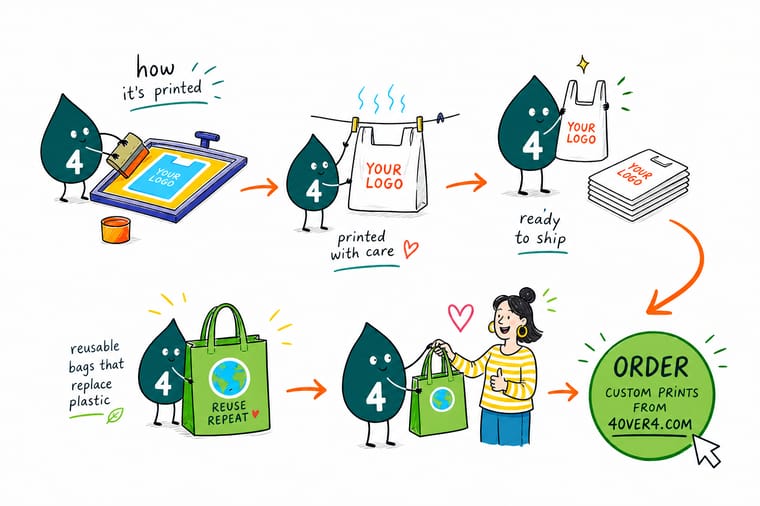
Wally unrolls the film first, because a bag is never printed as a bag. He passes it under the corona treater so the ink has something to grab, then through one plate for each spot color, drying between passes, and only then does he cut and seal it. That is why every extra color costs a plate and why nobody quotes two hundred bags. When the run is small, or the state has banned the thin ones, Wally hands you a printed cotton tote instead and keeps the plate in the drawer.
Order custom tote bags →Specs and pricing
Bag and packaging options, sizes, and starting prices
The branded alternatives to a poly bag run, with live configuration choices and starting prices straight from the 4OVER4.COM configurator.
Print it
Order a branded bag people keep
Explore more
Where to go next

By the numbers
Packaging and promotional printing at 4OVER4
Common Questions
Your plastic bag printing questions, answered
Does 4OVER4.COM print custom plastic bags?
No, and it is worth saying plainly rather than quoting a job we would have to broker out. Poly bag printing runs on wide web flexo presses with bag conversion equipment on the end, and the economics only work in the thousands. What we print in house is the branded packaging that replaces those bags or travels with them: cotton totes from $5.00, structured tote bags from $22.73, custom kraft boxes from $711.78, packaging labels from $23.88, plus printed tape and sleeves. If your goal is a bag with your logo on it in a quantity a small business actually orders, that is the shorter route.
What printing method is used on plastic bags?
Flexography for almost all of them. A photopolymer plate carries the raised image, an anilox roller meters a controlled film of solvent or water based ink onto it, and an impression roller presses the moving web against the plate. Each color needs its own plate and its own station, with drying in between. Screen printing shows up on smaller runs and on thicker gusseted bags, and rotogravure handles photographic multi color work for national brands who can justify engraved cylinders.
Why does the print rub off cheap plastic bags?
Because the film was not treated properly before it hit the press. Polyethylene has a surface energy around 31 dynes per centimeter, well below the roughly 38 to 42 that ink needs to bond to. A corona treater fixes that by oxidizing the surface a fraction of a second before printing. Treatment also decays over time, so film that was treated at the extruder and then sat in a warehouse for weeks prints acceptably and then scuffs in a customer bag. If you are evaluating samples, drag a thumbnail across the ink.
What is the minimum order for printed plastic bags?
Thousands, not hundreds, at nearly every converter. The plate charge, the press makeready, and the film waste while color comes into register all happen once, so a short run carries the same setup as a long one. That is the single reason most small businesses end up branding something else: a run of totes, boxes or labels has no plate cost, so ten pieces and a thousand pieces are priced on the same curve.
What thickness should a plastic bag be?
A grocery style t shirt bag runs around half a mil, a retail merchandise bag sits between 1.5 and 2.5 mil, and film sold as reusable is thicker again because several state laws set a floor for anything a retailer hands out. Thickness is measured in mils, which are thousandths of an inch, and it changes both the feel and whether the bag qualifies under a local ordinance. Ask for the mil count on every quote, because two bags at the same price are rarely the same gauge.
Which branded bag is cheapest to order today?
Cotton totes start at $5.00 at 4OVER4.COM, which is the lowest entry point of any bag we print, and they ship folded flat so shipping stays sensible. The heavier structured tote bags and recycled tote bags both start at $22.73 and are the ones to pick when the bag has to stand up on a counter or carry weight. Configure the quantity on the product page and the price per bag drops as the run grows, with no plate charge at any tier.
Get Started
Skip the plate charge and print the bag people keep
Upload your logo, pick cotton, canvas or recycled, choose a quantity, and we print totes that outlast a season of carryout bags. No plates, no minimum in the thousands.
Legal Disclaimer
Gold Standard guarantees apply to all standard orders placed through 4over4.com. Price match requires verifiable proof of a competitor's published price for an equivalent product with matching specifications and turnaround time. Satisfaction guarantee covers manufacturing defects and print quality issues. Contact support with order number and documentation. On-time delivery rate based on tracked orders 1999 to 2026. Individual results may vary based on shipping carrier performance.
