
The Complete Buyer's Guide to Custom Printed Plastic Bags


Thickness, handle style, size, artwork, and material are the five decisions that separate a bag customers reuse from one that splits in the parking lot. This guide walks each of them in plain terms, so you can specify a run and read a quote without guessing.
Custom printed plastic bags are carrier bags made from polyethylene film with your artwork printed directly on the material. Specify them by mil thickness, which sets carrying strength, then by handle style, bag and gusset size, number of print sides, and film type. Light retail runs 1.5 to 2 mil, apparel wants 2 to 2.5 mil, and heavy duty starts near 3 mil. Local ordinances may set a minimum thickness or recycled content, so confirm the rule before approving artwork.
Start here
Everything you need to specify a bag run
A printed plastic bag order comes down to five numbers and two choices. The numbers are mil thickness, width, gusset, height, and quantity. The choices are handle style and film type. Get those seven right and the rest of the quote falls into place, because ink colors and print sides move the price predictably from that base. Everything below expands one of those seven decisions, with the failure modes that cost buyers money on their first run.
Why custom plastic bags earn their place at the counter
A shopper leaves your store holding your bag, and for the next twenty minutes that bag walks a sidewalk you never paid to advertise on. A blank bag wastes that walk. A printed bag turns the ordinary handoff at the register into a repeated brand impression, and it does it while the customer is already carrying proof that someone bought from you.
The second reason is perceived value. A bag is the last thing a customer touches in the transaction and the first thing they see when they get home. Weight, print quality, and handle comfort all read as care. That is the same logic behind custom printed paper cups and printed food wrap, where the packaging does the branding work that the product itself cannot.
Bags also solve a practical problem that no other promotional item touches. People keep them. A sturdy printed bag gets reused for lunches, gym clothes, and errands, which means your logo travels to places your branded promo pens never reach. Reuse is the entire argument for spending more per bag on a thicker film.
Bag styles and thickness, explained in mil
Mil is the unit that decides almost everything about how a plastic bag behaves. One mil equals one thousandth of an inch. At 1.25 to 1.5 mil you get a light retail bag suited to greeting cards, cosmetics, and small boxed goods. At 2 to 2.5 mil the bag handles apparel and multiple items. At 3 to 4 mil and above you are into heavy duty territory for books, bottles, and anything with corners.
Handle style is the second axis. Die cut handles are punched straight through the film and are the most common retail choice, cheap and clean but dependent on adequate thickness around the cut. Patch handles reinforce that punched area with an extra layer of film, which is what you want above roughly 2.5 mil. Soft loop handles are welded on and feel closest to a boutique bag. Merchandise bags with no handle at all remain the right answer for small counter purchases.
Material matters alongside thickness. Low density polyethylene is soft, glossy, and forgiving, which is why boutique bags use it. High density polyethylene is stiffer, crinklier, and stronger for its weight, which is why grocery and takeout bags use it. A 2 mil low density bag and a 2 mil high density bag are not interchangeable, so specify both numbers when you request a quote.
Sizing bags around what you actually sell
Sizing failures are the most common regret in a bag order, and they are almost always the same failure: the buyer sizes for the average item instead of the largest one. Pull the biggest thing you regularly sell, measure its width, height, and depth, then add about two inches of width and enough gusset to swallow the depth without straining the seams.
Bag dimensions are normally quoted as width by gusset by height, or width by height when the bag is flat with no gusset. Watch for handle allowance in that height number, because some suppliers quote to the top of the bag and others quote to the base of the handle. A two inch discrepancy is the difference between a shirt that folds in neatly and a shirt that sticks out of the top.
Then check the print panel against the loaded bag. Artwork centered on a flat film can end up creased down the middle once a boxed product pushes the gusset open. Keep your logo inside the front panel, away from the gusset folds, and away from the handle punch. The same panel discipline applies to tote and drawstring bag design, where the seam positions move but the principle does not.
Designing artwork and logos that survive the film

Plastic film is not paper. It stretches slightly during printing, it flexes constantly in use, and it reflects light in ways that flatten subtle tonal work. Designs that win on film are bold: solid shapes, thick strokes, high contrast between ink and film, and type large enough to read from across a room. A logo that already works as a one color stamp will work on a bag.
Send vector artwork with fonts converted to outlines, and specify colors in a solid ink system rather than trusting screen values. Ask what the ink limit is per side and how many colors the quoted price covers, because each additional color usually means another plate and another setup charge. If your brand has a defined color, get a printed proof on the actual film before the full run, since the same ink reads differently on clear, white, and frosted stock.
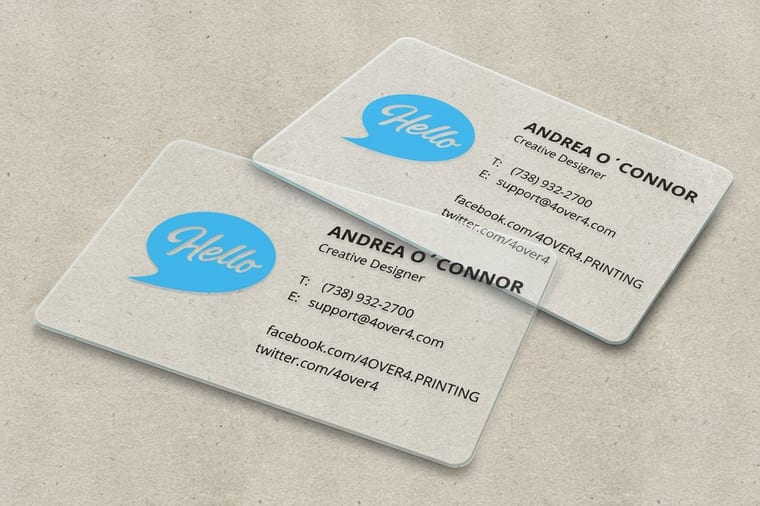
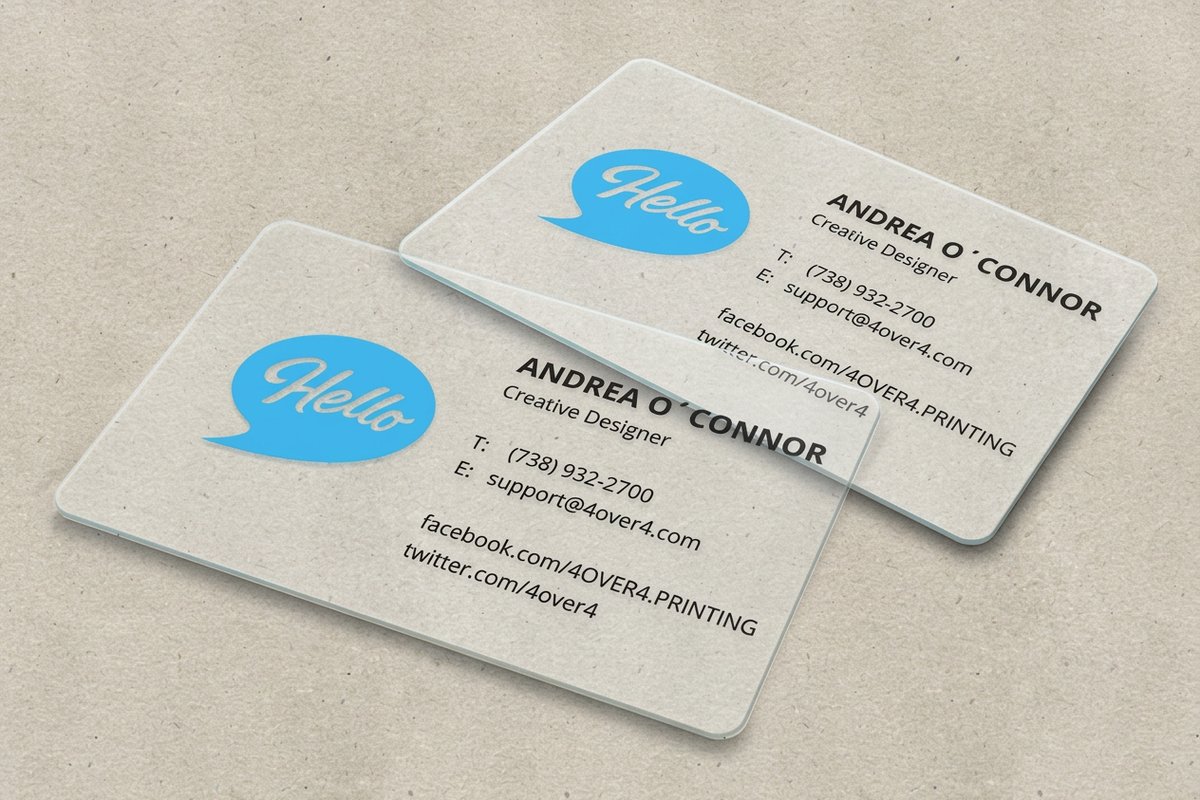
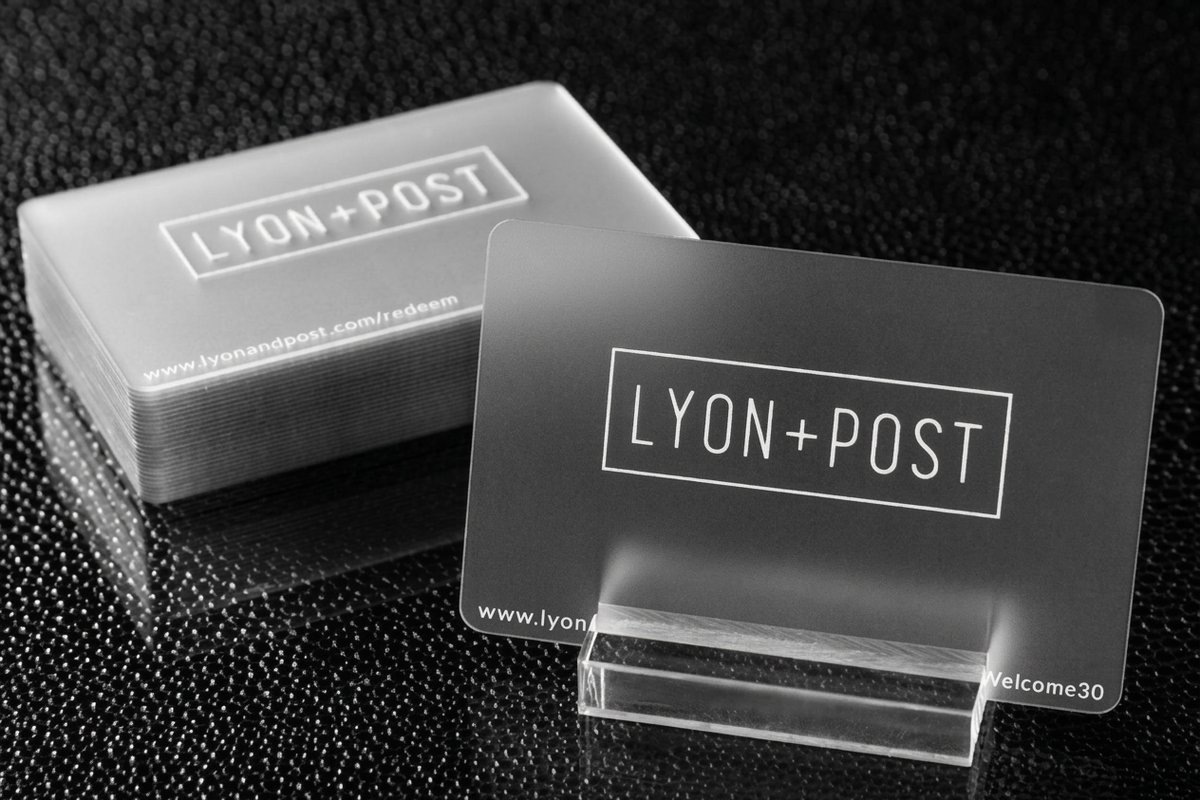
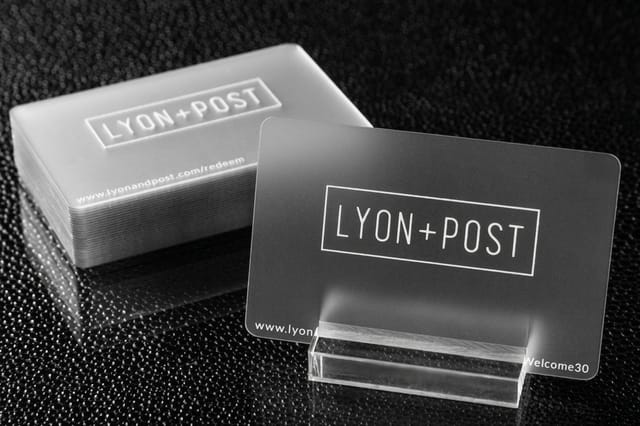
Registration tolerance is looser on film than on a press sheet, so avoid designs that depend on two colors meeting perfectly along an edge. Give tight elements a small overlap or a knockout gap. If you want a sense of how flat color and clear space behave on a hard plastic surface first, our 30mil Clear Plastic Cards and 30mil Frosted Plastic Cards are a cheap way to see the effect in your hands before you commit to a bag plate.
Eco and material considerations before you commit
Plastic bag rules are local, and they change. Some jurisdictions ban thin carryout film outright, some set a minimum thickness that qualifies a bag as reusable, and some require a stated share of recycled content. Read the ordinance that governs your storefront before you approve a specification, because a thickness mandate is not a design preference. It is the price of being allowed to hand the bag over.
If you want a lower impact bag, there are three honest levers. Post consumer recycled resin puts used material back into the film. A thicker reusable bag replaces many thin ones over its life, provided customers actually reuse it. And right sizing cuts material at the source, because an oversized bag wastes film on every single order. Claims about compostable or degradable film deserve documentation, so ask for the certification rather than the marketing sheet.
Many brands end up running a mixed program: a durable printed plastic bag for larger purchases, and a fabric tote for customers who want a keeper. Our custom bags buying and design guide covers that fabric half, and the tote and drawstring bag comparison shows where the pricing lines cross.
Custom packaging and plastic printing at 4OVER4

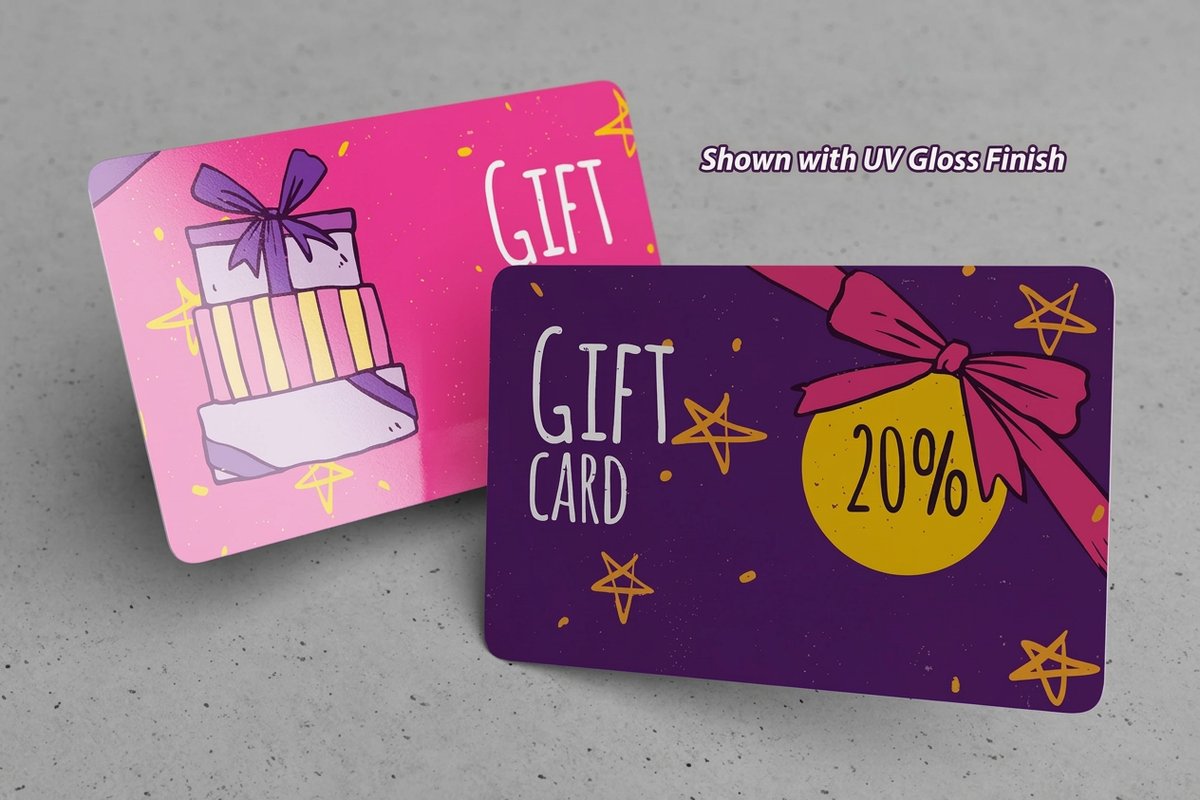
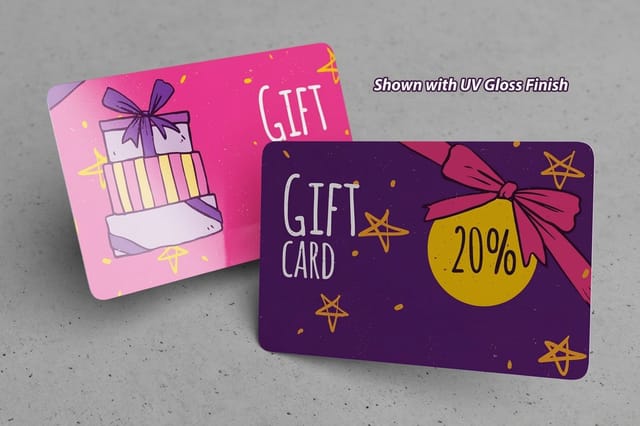
4OVER4.COM prints the branded pieces that live inside and around the bag, and the plastic printing we run in house is a good place to see how our color holds on a plastic surface. 30mil White Plastic Cards start at $226.11 and give you an opaque printable surface, while the clear and frosted versions at $529.26 show what happens when the material itself becomes part of the design.
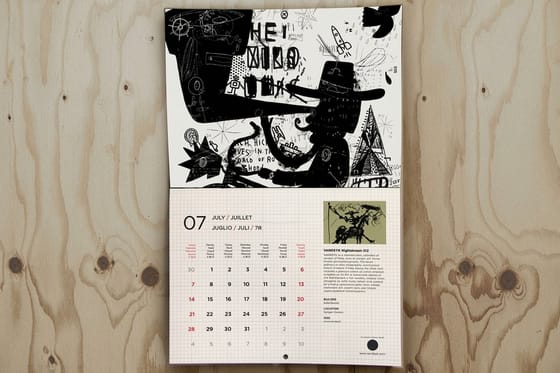
The practical move for most retailers is to treat the bag as one element of a packaging set rather than a standalone purchase. A printed card tucked into the bag, a branded napkin at the counter, and a notebook in the gift set all repeat the same marks. Our articles on printed cocktail napkins and personalized notebooks and journals cover those companions, and the photo calendar guide handles the piece customers keep for a year.
Before any of it goes to press, get physical samples in hand. Screen color, film gloss, and card stock all read differently in daylight than on a monitor, and a five minute look at a real printed sample prevents the expensive kind of surprise that only shows up after a full production run has already been cut and boxed.
Wally explains bag thickness
Mil is the number that decides whether the handle holds
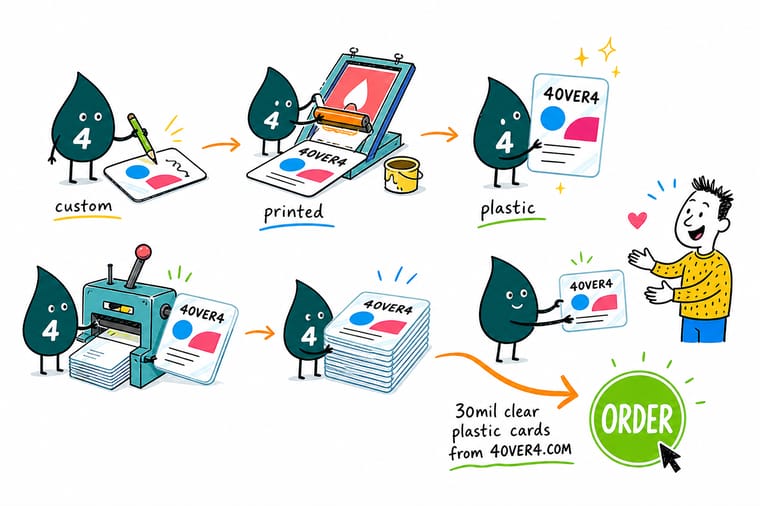
Wally has one rule for bags: buy for the heaviest thing you sell, not the average thing. Weigh your bulkiest item, pick the mil that carries it with room to spare, then add a patch or soft loop handle once you pass 2.5 mil. Every other decision, from film type to ink colors, is easier once the thickness is settled. Want to see how our color sits on plastic first? Hold a printed card.
See 4OVER4 plastic printing →Infographic
Seven checks before you approve a bag order
One frame, seven checks. Save it, send it to whoever signs off on packaging, and run through it before any artwork goes to plate.
No single check saves an order on its own. Thickness without the right handle still tears, and perfect artwork on the wrong size still crumples once the bag is loaded.
Specs and pricing
Plastic printing specs and live pricing
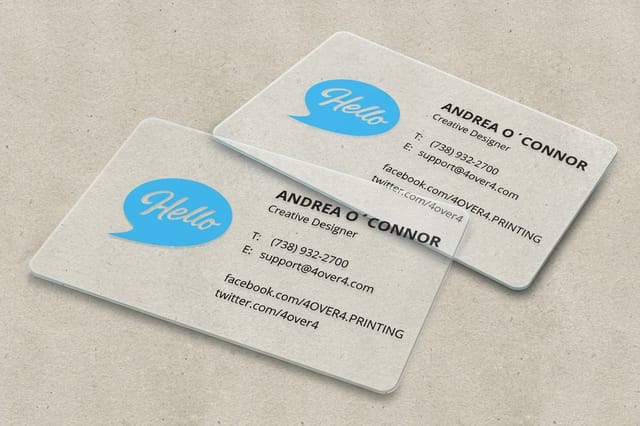
Bags are a manufactured run, but our in house plastic printing shows exactly how 4OVER4 color behaves on a plastic surface. Here are the live specs and quantity pricing on our clear plastic stock.
| Quantity | Price Per Unit | Total |
|---|---|---|
| 500 | $1.06 | $529.26 |
| 1,000 | 63.0¢ | $630.31 |
| 2,000 | 56.8¢ | $1,135.55 |
| 2,500 | 53.0¢ | $1,325.02 |
| 3,000 | 50.5¢ | $1,514.49 |
| 3,500 | 48.7¢ | $1,703.96 |
| 4,000 | 47.3¢ | $1,893.44 |
| 4,500 | 45.6¢ | $2,051.33 |
Print it
Plastic printing you can order today
See it in use
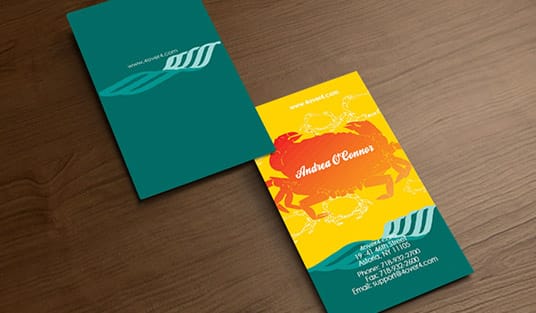
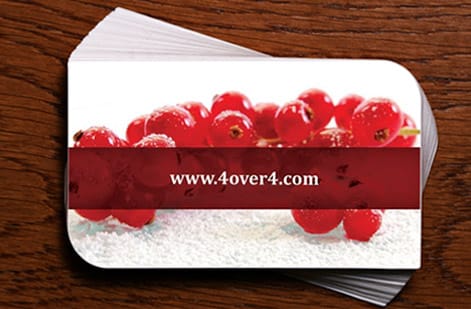
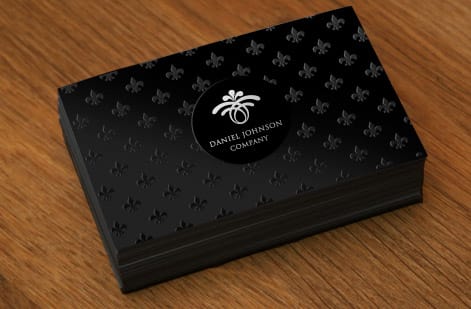
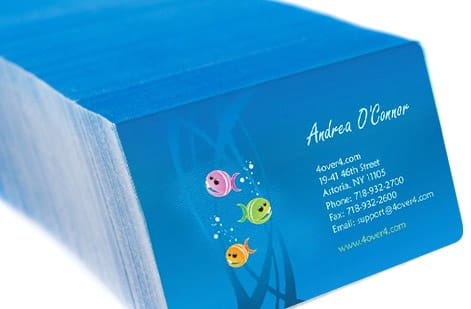
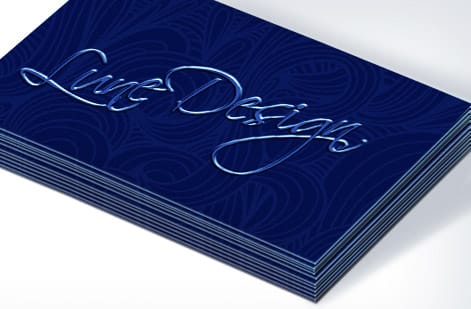
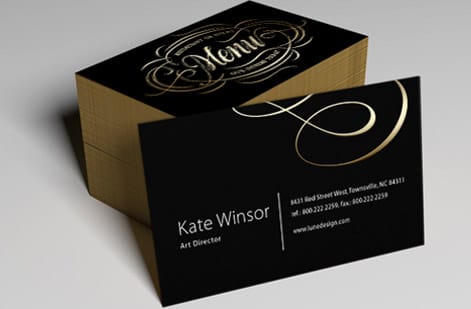
Real plastic printing, produced in house
Explore more
Where to go next
By the numbers
Printing you can count on at 4OVER4.COM
Common Questions
Common questions about branded plastic bags
What are printed plastic bags?
Printed plastic bags are carrier or merchandise bags made from a plastic film such as low density polyethylene or high density polyethylene, with your logo, artwork, or message printed directly onto the film. They are used at retail counters, trade show booths, pharmacies, boutiques, and events. The print is applied to the flat film before the bag is formed, so the design wraps the front panel, the back panel, or both, depending on the number of print sides you order.
How do I choose the right printed plastic bags for my business?
Start with the heaviest item a customer will carry out, because that sets your mil thickness. Then choose a handle style that matches the moment: die cut for apparel, soft loop for premium retail, no handle for small counter goods. Size the bag to the product with a little extra width and gusset. Finally, decide how many print sides you need and whether the bag has to look premium on a shelf or simply survive a walk to the car.
What do custom plastic bags cost and how is the price set?
Price per bag falls as the run grows, because the plate and setup work is spread across more units. The other levers are film thickness in mil, bag size, handle style, number of print colors, and how many sides carry artwork. A one color logo on a light retail bag at high volume is the cheapest combination. Full coverage art on a thick gusseted bag at low volume is the most expensive.
What sizes, thicknesses, and finishes are available for branded plastic bags?
Common retail sizes run from small merchandise bags around 6 by 9 inches up to large apparel bags near 20 by 20 inches, with gussets added for boxed goods. Thickness typically spans 1.25 mil for the lightest bags to 4 mil and above for heavy duty use. Finishes include gloss film, matte film, frosted film, and metallic accents. Handle options cover die cut, patch, soft loop, and rigid loop.
How long do printed plastic bags take to print and ship?
Custom film printing is a manufacturing run, not a digital press job, so plan for a longer lead time than paper products. Artwork approval and a printed proof usually come first, then plate setup, then the production run. Build in extra calendar days for seasonal peaks and for any artwork revision cycle, and place holiday orders well before your promotional window opens.
Are printed plastic bags legal where my store operates?
Single use plastic bag rules vary by state, county, and city, and several jurisdictions ban thin carryout film or require a minimum reusable thickness. Check your local ordinance before you commit to a run, because the required thickness and any mandated recycled content directly change the specification you order and the price you pay per bag.
What file format should I send for plastic bag artwork?
Send vector artwork in a print ready format with fonts converted to outlines and colors specified in a solid ink system rather than screen values. Vector lines stay crisp when the plate is made at bag scale. If you only have a raster logo, supply the largest original you own and expect the printer to ask for a rebuild before the plate is cut.
Get Started
Ready to print the pieces that go with your packaging?
Bring your artwork to 4OVER4.COM and we will put it on plastic, paper, and everything your customers carry out. Get samples in hand before you commit to a run.
Legal Disclaimer
Gold Standard guarantees apply to all standard orders placed through 4over4.com. Price match requires verifiable proof of a competitor's published price for an equivalent product with matching specifications and turnaround time. Satisfaction guarantee covers manufacturing defects and print quality issues. Contact support with order number and documentation. On-time delivery rate based on tracked orders 1999 to 2026. Individual results may vary based on shipping carrier performance.
