
How to Put a Logo on Cotton, From Totes and Tees to Cotton Cards


Cotton covers two very different buys: woven fabric for totes and tees, and cotton rag paper for business cards. Here is which print method holds on each, and where each one fails.
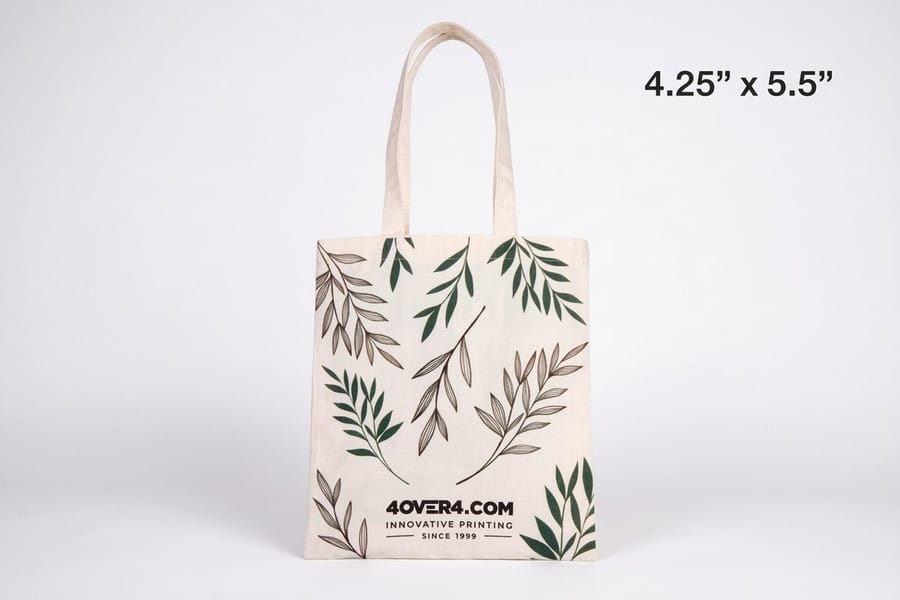
Cotton logo products come in two forms, and the form decides the print method: woven cotton takes screen printing, direct to garment ink, heat transfer vinyl or embroidery, while cotton rag paper takes ink, foil and pressed impressions. The limit that catches most buyers is dye sublimation, which bonds to polyester and washes out of 100 percent cotton. Cotton totes start at $5.00, custom t-shirt printing at $21.96 and cotton business cards at $328.42.
Quick answer
Same fiber, two materials, four ways to mark it
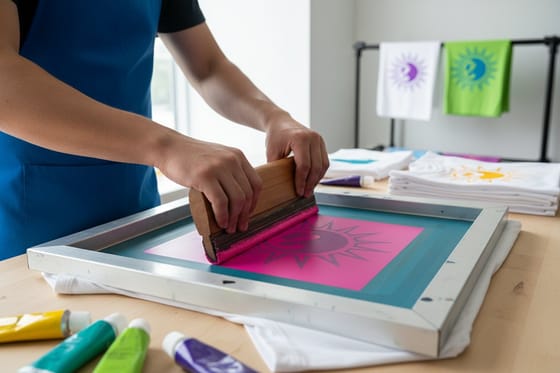
Woven cotton and cotton rag paper behave nothing alike under a press. On fabric, screen printing lays a cured ink film on the weave, direct to garment soaks water-based ink into the fiber, vinyl bonds a cut film on top, and embroidery stitches thread straight through. On cotton paper, an uncoated absorbent sheet softens color but takes foil and pressed impressions better than any coated stock. The one method that does not belong anywhere near cotton is dye sublimation, because the dye bonds to polyester and has nothing to hold onto in a cotton fiber.
Cotton Fabric and Cotton Paper Are Two Different Buys

Search for cotton logo products and you get shirts, tote bags and business cards in the same list. That is not a mistake, but treating them as one category is. The fiber is the same plant. Everything downstream of it changes.
Cotton fabric is woven yarn. It stretches slightly, it absorbs, and it is judged by weight and by how the yarn was spun. Ring-spun yarn is combed and twisted into a smooth strand, so it prints finer detail and feels softer. Carded open-end yarn is cheaper and rougher, and small type on it looks slightly furry up close. Canvas is simply cotton woven heavy enough to hold its shape, which is why it takes embroidery well and why a light cotton tote does not.
Cotton paper is a rag stock. It is pressed from cotton linter, the short fibers left on the cottonseed after ginning, rather than from wood pulp. No lignin means no yellowing over the years. The surface is uncoated and soft, so it takes an impression beautifully and drinks ink at the same time. Cotton business cards start at $328.42 and land in the same conversation as ultra thick linen business cards, not in the same conversation as a printed shirt.
So the useful question is never whether you want cotton. It is which cotton, and what has to survive on top of it. The rest of this guide splits along that line, and the cotton printing collection lists both families in one place if you want to see them together first.
Four Ways to Put a Logo on Cotton Fabric

Every method below puts the same logo on the same shirt, and they fail in completely different ways. Pick by artwork and quantity, not by price alone.
| Method | Where the ink ends up | Artwork it suits | Where it lets you down |
|---|---|---|---|
| Screen printing | A cured ink film resting on the weave. | One to three flat spot colors, bold marks, big runs. | Every extra color is another screen and another setup. Heavy solids can crack on a fold. |
| Direct to garment | Water-based ink absorbed into the cotton fiber. | Photographs, gradients, many colors, short runs. | Needs high cotton content, and dark garments need a pretreated white underbase that can leave a faint panel. |
| Heat transfer vinyl | A cut film bonded on with heat and adhesive. | Names, numbers, single-color solid shapes. | No gradients, no fine interior detail, and you can feel the edge of the film with a thumb. |
| Embroidery | Thread stitched through the cloth. | Compact logos on canvas, caps, aprons, heavier totes. | Small type under about a quarter inch fills in. It adds weight and puckers light fabric. |
Read the last column first. Most bad apparel orders are a method problem, not a printer problem. A four-color gradient logo pushed through screen printing gets simplified until it stops looking like the brand. A hairline wordmark sent to embroidery comes back as a green smudge.
The method that is not in the table matters just as much. Dye sublimation, the process behind most all-over polyester printing, bonds dye to polyester molecules and has nothing to grip in a cotton fiber. Print it on a 100 percent cotton tee and it looks correct until the third wash. Our dye sublimation guide covers the chemistry, and the DTG versus embroidery comparison is the right read if you are deciding between ink and thread. For sizing the art itself, the print size guide gives the usable areas.
What a Logo Looks Like Printed on Cotton Paper
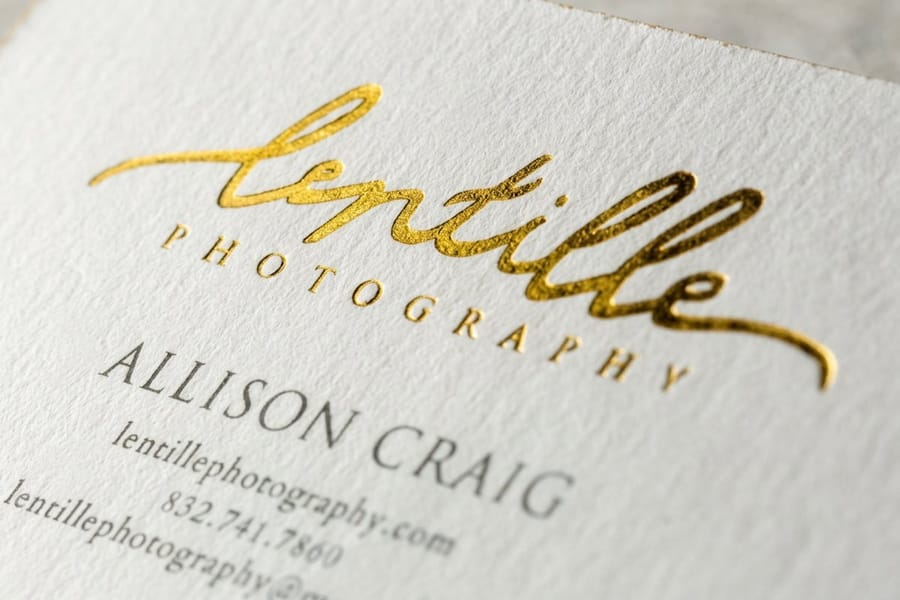
A cotton card is uncoated, and uncoated means absorbent. Ink sinks into the sheet instead of sitting on a sealed surface, so the same file that looks punchy on gloss reads a shade or two softer on cotton. That is the trade, and it is worth knowing before you approve a proof rather than after.
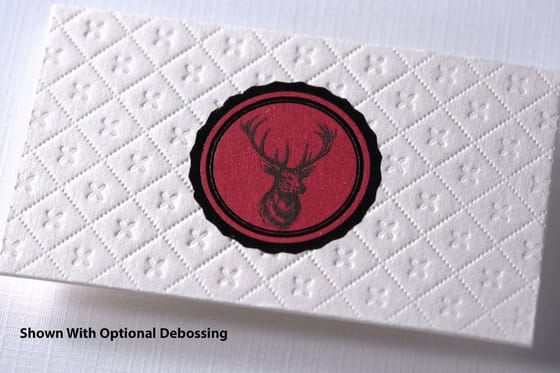
What suffers: photographs, tight gradients, and large solid areas of a single dark color, which can dry mottled because the fiber takes ink unevenly across a wide field. What improves: black type, thin rules, foil, and any process that presses into the sheet. Cotton compresses more than a wood-pulp board, so a letterpress or deboss impression on it is deeper and holds a crisper shoulder.
Two habits keep a cotton card looking deliberate. Build the logo as line and solid shape rather than as a photographic asset, and if the brand color has to be exact, expect it to read slightly desaturated and design around that rather than fighting it. A logo that already works in one color on a stamp will work here. If yours does not, the logo design principles guide is the place to fix it before it hits a press.
Set up the file the way you would for any card job, at full size with fonts outlined. Correctly sized layouts are in the blank template library, and the wider business cards range shows what the same design looks like on coated stocks for comparison.
The Eco Argument, and What a Cotton Run Actually Costs
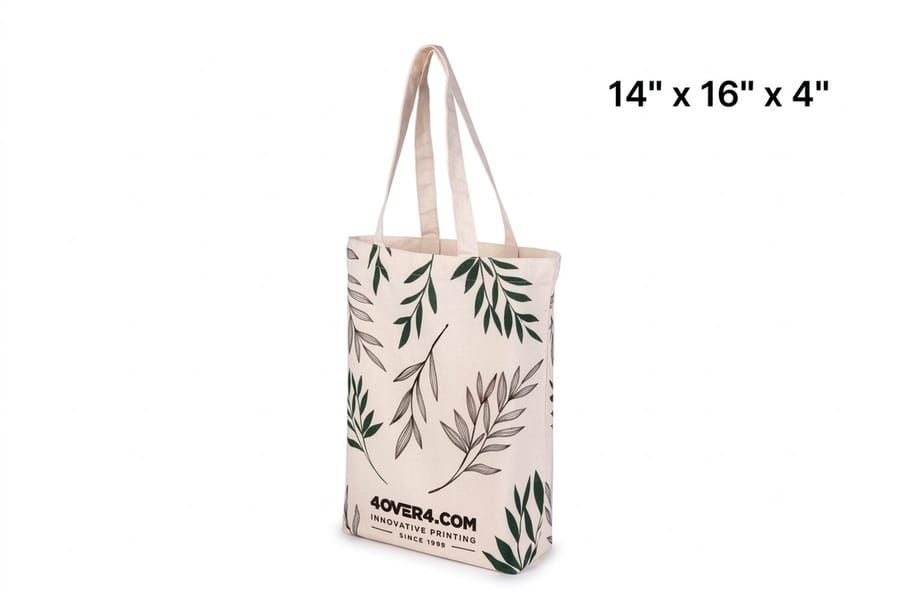
Cotton earns its green reputation honestly at the end of life: it is a plant fiber, it biodegrades, and a tote replaces a stack of single-use bags. The awkward part is the beginning of life. Growing and processing cotton is water and land intensive, so the environmental cost of a bag is spent before it is ever printed and only comes back through use.
That turns the eco question into a distribution question. Hand a tote to someone who will carry groceries in it for three years and the maths works. Print a pallet of them for a booth and you have manufactured landfill with a logo on it. Order fewer, print better, and give them to people who asked. Recycled tote bags shorten the payback by skipping the growing stage entirely, and the eco friendly printing collection groups the rest of the reduced-impact options.
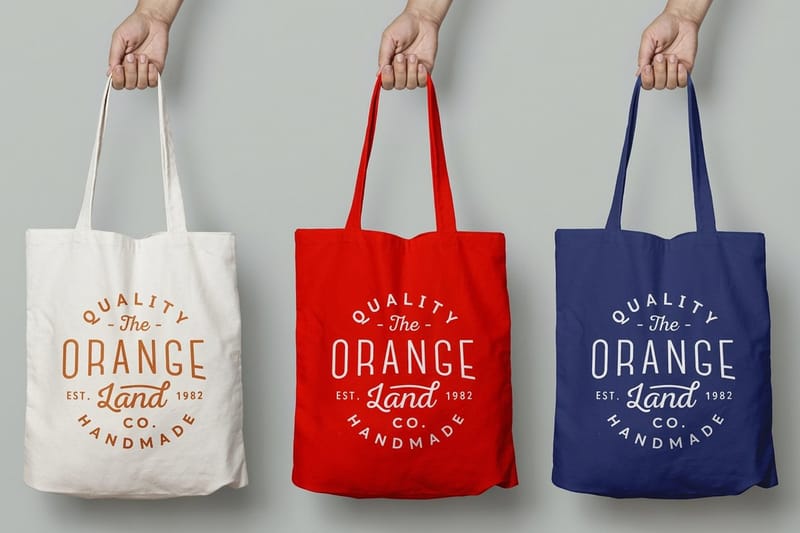
On price, the three cotton families sit far apart, which is worth planning around. Cotton totes start at $5.00 and tote bags at $22.73. Custom t-shirt printing starts at $21.96. Cotton business cards start at $328.42, because a rag sheet at that thickness is a specialty stock rather than a house one.
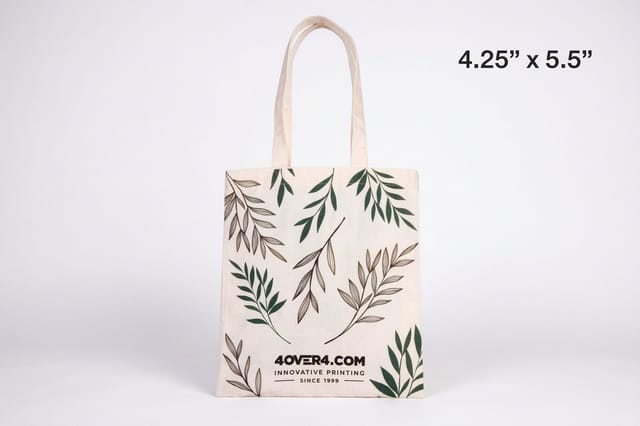
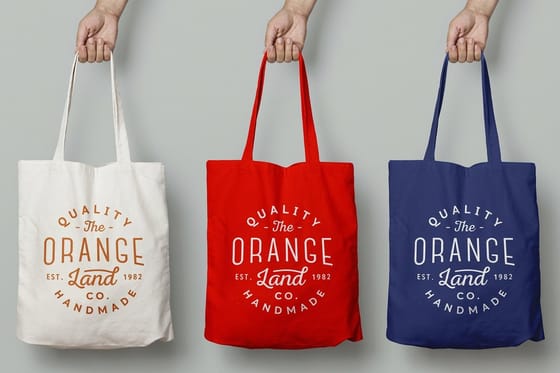
A practical mix for most small businesses: cotton cards for the people you meet in person, a modest run of printed totes for customers rather than passers-by, and shirts only for staff who will actually wear them. Full ranges are at tote bag printing, t-shirt printing and the promotional products collection. If you want to see how a printed tote performs as a marketing object before committing, read why branded totes work.
Wally explains cotton
One fiber, two materials, and one method that will fail you
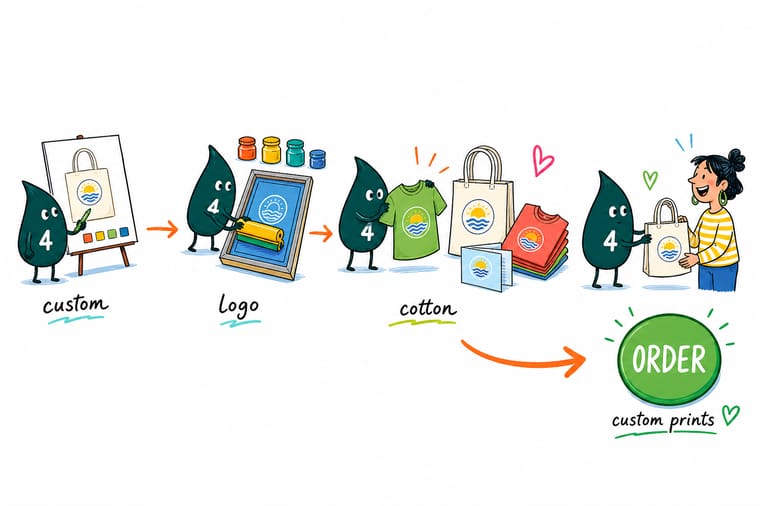
Wally keeps cotton on two shelves. On the fabric shelf sit totes and tees, where ink either rests on the weave, soaks into the fiber, bonds as a film or gets stitched through as thread. On the paper shelf sits cotton rag stock, soft and absorbent, which mutes a photograph and makes foil and a deep impression look expensive. The shelf he keeps empty is sublimation. That dye needs polyester to bond with, so on a cotton shirt it prints beautifully and then quietly leaves in the wash.
Shop cotton totes →Specs and pricing
Cotton products, sizes, and starting prices
Compare the cotton options side by side, with live configuration choices and starting prices straight from the 4OVER4.COM configurator.



Print it
Put your logo on cotton that lasts


Explore more
Where to go next


By the numbers
Cotton printing you can count on at 4OVER4
Common Questions
Your cotton printing questions, answered
Can you sublimate a logo onto a cotton shirt?
No, and this is the mistake that ruins more cotton orders than anything else. Dye sublimation turns solid dye into a gas that bonds with polyester molecules. Cotton is cellulose, so there is nothing for the dye to bond with. The print looks fine coming off the press and then washes out pale after a few cycles. If a design has to be sublimated, the garment needs a high polyester content, which is a different shirt. On 100 percent cotton use screen printing, direct to garment or vinyl instead.
What is the minimum cotton content for direct to garment printing?
DTG works best on 100 percent cotton and gets progressively worse as polyester rises. The water-based ink is designed to bond to cellulose fiber, so a 50/50 blend takes roughly half the ink the design was built for and prints washed out. Ring-spun cotton beats carded open-end cotton for the same reason a smoother sheet of paper beats a rough one, because the yarn surface is more even and small detail holds its edge.
Why does a screen printed logo crack on a tote bag?
Plastisol ink cures into a flexible plastic layer sitting on top of the weave, and cracking happens when that layer is thicker or harder than it needs to be, or when the bag is folded hard along the print. A heavy solid rectangle across a tote gusset is the classic failure. Two fixes work: break large solids into line work or halftones so the ink film is thinner, and keep the print off the fold and the seam. Embroidery has no ink film at all, which is why it survives years of use on canvas.
Are cotton business cards actually made of cotton?
Yes. Cotton paper is pressed from cotton linter, the short fiber left on the seed after ginning, rather than from wood pulp. Because there is no lignin in it, the sheet does not yellow the way groundwood paper does, and it has a soft cloth-like surface with a distinct snap when you flex it. Most cotton cards are several plies bonded together, which is why they feel considerably thicker than a standard card of the same finish.
How many ink colors before screen printing gets expensive?
Every color needs its own screen, its own setup and its own pass through the press, so cost climbs in steps rather than smoothly. One or two flat spot colors on a large run is where screen printing is unbeatable. Once a design needs four or more colors, or has gradients and photographic areas, direct to garment usually costs less because it prints the whole image in one pass with no screens to make. Redrawing a gradient logo as two flat colors is often the cheapest change you can make to a quote.
Is a cotton tote actually better for the environment than plastic?
Only if it is used for a long time. Cotton is renewable and it biodegrades, but growing and processing the fiber uses far more water and land per bag than a thin plastic film does, so the footprint is front-loaded into manufacturing and only pays back through repeated use. That makes the giveaway question a real one. A tote people keep in the car for groceries earns its keep. Five thousand printed for a single conference do not. Recycled cotton totes avoid the growing stage, which is the honest way to shorten the payback.
Should the logo be smaller on a tote than on a shirt?
Usually, yes, and for a reason that has nothing to do with taste. A tote is seen from further away and from the side, so a compact high-contrast mark reads better than a wide one that wraps toward the gusset. Print areas also differ: a tote has a flat panel bounded by seams and handles, while a shirt has a chest or full front area with room to spare. Sizing the art to the panel rather than the bag is what keeps a print from running into a seam.
Get Started
Ready to print your logo on cotton?
Pick the cotton that fits the job, choose a print method that suits the artwork, and we handle the rest. Totes, tees and cotton rag business cards all ship from our Queens plant.
Legal Disclaimer
Gold Standard guarantees apply to all standard orders placed through 4over4.com. Price match requires verifiable proof of a competitor's published price for an equivalent product with matching specifications and turnaround time. Satisfaction guarantee covers manufacturing defects and print quality issues. Contact support with order number and documentation. On-time delivery rate based on tracked orders 1999 to 2026. Individual results may vary based on shipping carrier performance.
