
DTG Printing vs Embroidery for Custom Apparel


DTG sprays ink into the fabric, embroidery stitches thread into it. Photographic art rules out embroidery entirely, and that is usually the deciding fact.
Choose DTG for detailed, colorful art on soft cotton tees, and embroidery for a premium, long-lasting logo on polos, caps, and jackets. DTG prints unlimited colors flat and soft with no color penalty. Embroidery stitches a raised, textured mark that survives years of heavy wear. Match the method to the artwork, the garment, and the way the piece will be used.
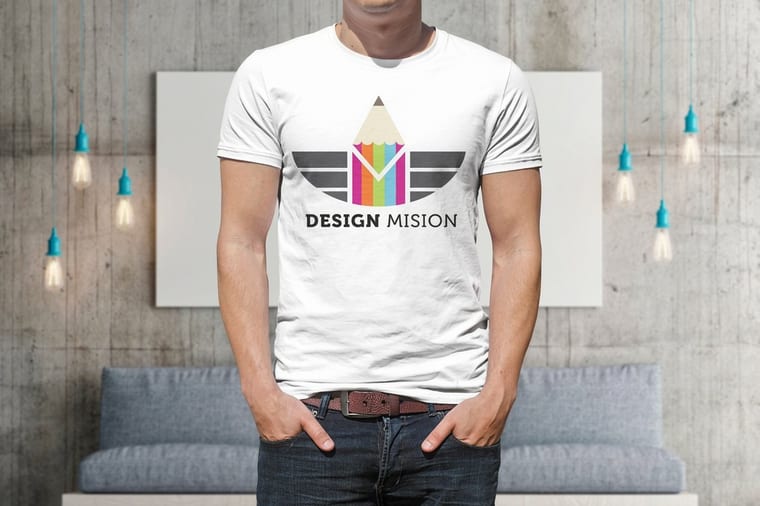
Start here
Full color, or stitched detail
DTG prints, embroidery stitches, and that single difference decides everything. DTG sprays full-color ink into cotton for a soft, detailed, photo-capable print, ideal for graphic tees and short runs. Embroidery sews a raised thread mark that reads premium and survives years of wear, ideal for logos on polos, caps, and jackets. The blueprint below maps both methods across detail, feel, durability, and best use.
What direct-to-garment printing is
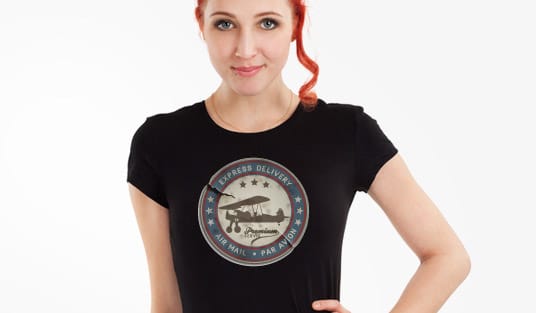
Direct-to-garment printing, almost always shortened to DTG, works like a large inkjet aimed at fabric. The garment is loaded flat on a platen and water-based ink is sprayed directly into the fibers, so the image becomes part of the shirt rather than a layer sitting on top of it. The result is soft to the touch and flat against the fabric.
That process is what gives DTG its signature strengths. Because it lays down ink pixel by pixel, it reproduces photographs, gradients, and unlimited colors with no extra setup and no color-count penalty. A ten-color illustration costs the same to print as a two-color one, which makes DTG the natural home for detailed art and short runs. Our t-shirt printing and premium t-shirts use this method for exactly that reason.
DTG performs best on cotton and cotton-rich blends, where the ink bonds cleanly, and it rewards simple care: wash cool, inside out, and skip the high-heat dryer. For a full walkthrough of building a tee from scratch, see our guide to making custom t-shirts.
What embroidery is
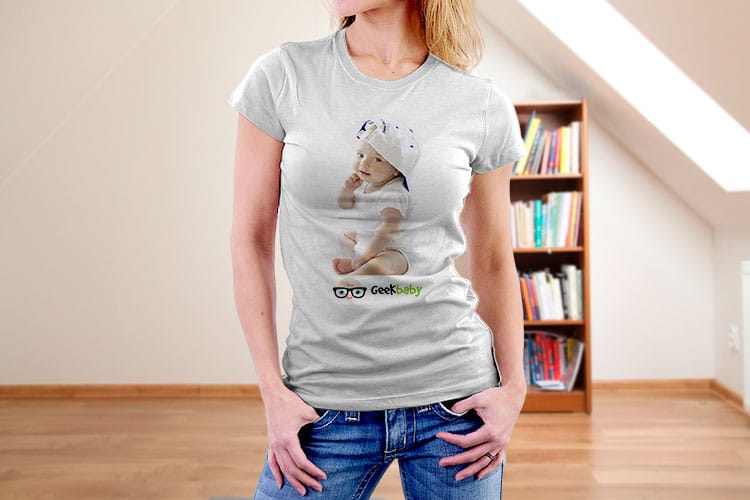
Embroidery takes the opposite approach: instead of printing the design, a machine stitches it into the garment with thread. A digitized version of your artwork guides thousands of needle passes, building the mark out of dense, raised stitches that sit proud of the fabric. Nothing is sprayed or coated, so the design is as durable as the thread itself.
That construction is why embroidery reads as premium. The raised texture catches light and signals quality, which is why it is the standard for company polos, caps, jackets, and bags. It also survives punishment that would wear a print down, shrugging off years of industrial laundering, which makes it the default for uniforms and workwear. Beyond apparel, 4OVER4 offers embroidered patches for the same stitched, long-life look.
The tradeoff is detail. Thread cannot resolve a photograph or a fine gradient, and very small text can fill in, so embroidery favors clean logos, monograms, and bold shapes. Pricing follows stitch count rather than color count, so a simple logo is economical while a dense, detailed one costs more to sew.
Comparing cost, durability, and look
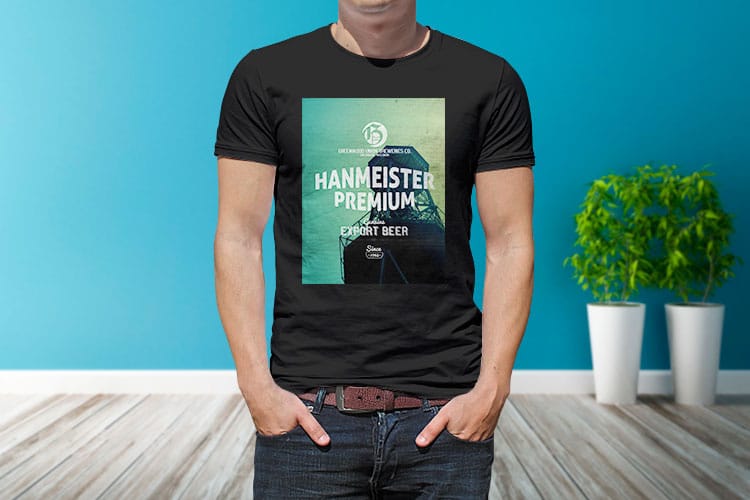
Put the two side by side and the pattern is clear. On detail and color, DTG wins outright, handling photos and unlimited colors that thread simply cannot match. On feel and prestige, embroidery wins, with a raised, textured mark that reads premium where a flat print reads casual.
On durability, embroidery is the tougher of the two, resisting years of heavy washing, while DTG holds up well on cotton with cool, gentle care and pulls ahead only when the design is large and colorful. On cost, the answer depends on the art: DTG stays flat regardless of color count, so colorful short runs are affordable, while embroidery is priced by stitch count, so simple logos are the cheaper choice. The table below lays out every attribute at a glance.
None of this makes one method better overall. It makes each better for a specific job, which is exactly what the decision steps further down are built to sort out.
Order custom apparel that fits the method
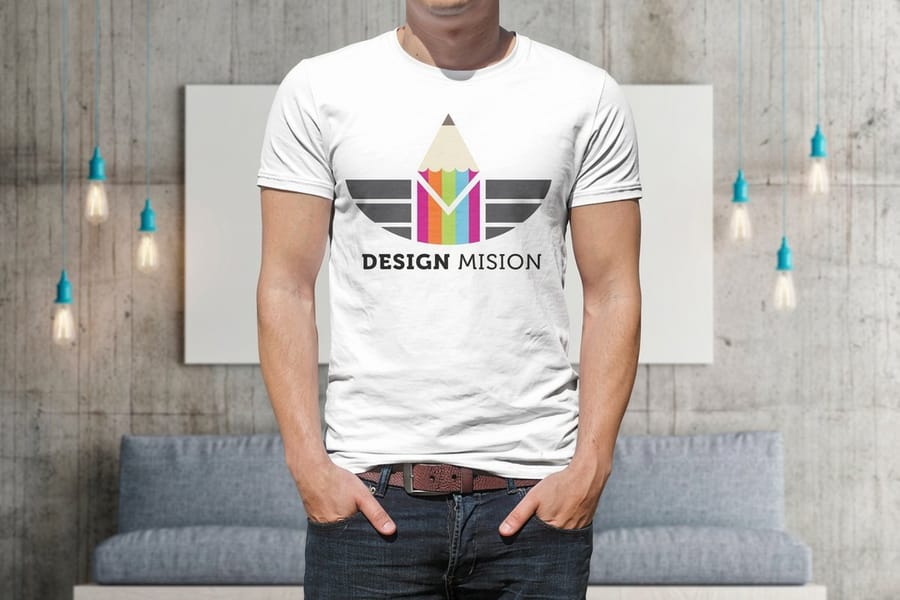
Once you know which method fits, ordering is straightforward. For detailed, colorful art on a soft tee, t-shirt printing and premium t-shirts deliver the DTG look, while vinyl t-shirts offer a bold, durable alternative for simpler graphics and names or numbers.
For a stitched, premium mark that lasts, embroidery is the route, and 4OVER4 embroidered patches bring that same thread quality to jackets, bags, and caps. Many brands run both across one apparel order so the graphic tees, the staff polos, and the field caps all share a consistent color story. Browse the full custom printing collection to build the set.
Not sure how your artwork will translate? Use the live specs and pricing panel below to configure a shirt, or lay out your design first in our online design tool so you can see the print area before you commit.
Wally matches the method to the garment
Print for detail, stitch for prestige
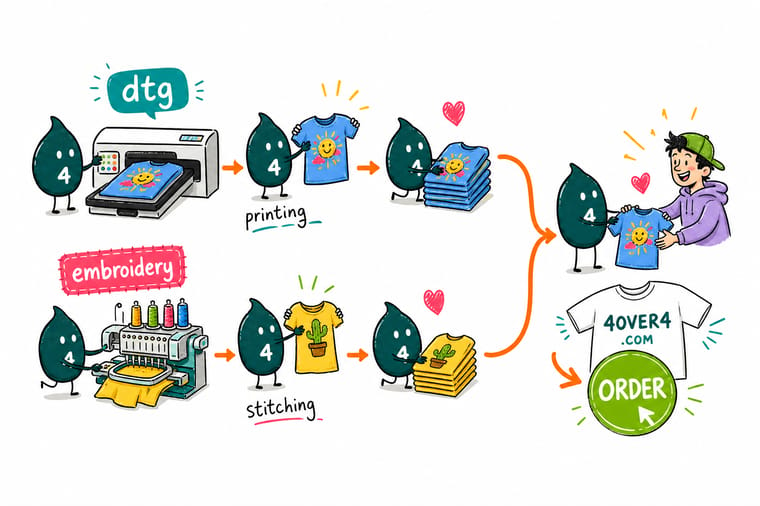
Wally looks at the art first. A photo or a rainbow of colors goes to DTG, printed soft and flat into a cotton tee. A clean logo that has to last for years goes to embroidery, stitched raised and premium onto a polo or cap. When a brand needs both, Wally runs the whole apparel order together so every piece shares one color story.
Order custom apparel →Head to head
DTG vs embroidery at a glance
The two methods trade strengths cleanly. Read down the column that matches your job, then confirm with the decision steps below.
| Attribute | DTG printing | Embroidery |
|---|---|---|
| How it works | Ink sprayed into the fabric | Thread stitched into the fabric |
| Detail and color | Photos, gradients, unlimited colors | Bold shapes and text, limited fine detail |
| Feel | Soft and flat, part of the shirt | Raised and textured, premium hand |
| Durability | Long lasting on cotton, wash cool | Very tough, resists years of wear |
| Best garments | Cotton tees, hoodies, full front prints | Polos, caps, jackets, bags |
| Best use | Detailed art and small runs | Logos meant to last |
Decide
How to choose in 5 questions
- Start with the artwork If the design is a photo, a gradient, or uses many colors, DTG reproduces it faithfully. If it is a clean logo, a monogram, or simple text, embroidery will render it crisp and premium.
- Consider the garment DTG loves cotton tees and hoodies with a flat print area. Embroidery shines on structured pieces like polos, caps, and jackets where a raised, stitched mark reads professional.
- Think about the wear For daily uniforms and gear that gets washed hard for years, embroidery is nearly indestructible. For fashion tees and event shirts, DTG delivers the look at a lower unit cost.
- Weigh the run size DTG has no color-count penalty, so short runs of colorful art stay affordable. Embroidery pricing is driven by stitch count, so simpler logos cost less to sew.
- Mix methods when it helps A full brand kit often uses both: a DTG graphic tee for events, an embroidered polo for staff, and an embroidered cap for the field. Order them together to keep colors consistent.
Specs and pricing
Custom t-shirt specs and live pricing
A DTG-printed t-shirt runs $21.96 and ships in 5 business days, so you can size a run before you order.
| Quantity | Price Per Unit | Total |
|---|---|---|
| 1 | $21.96 | $21.96 |
| 2 | $16.47 | $32.93 |
| 3 | $16.46 | $49.39 |
| 4 | $15.93 | $63.71 |
| 5 | $15.93 | $79.63 |
| 6 | $15.93 | $95.56 |
| 7 | $15.85 | $110.94 |
| 8 | $15.38 | $123.02 |
Order it
Apparel printed to match your artwork
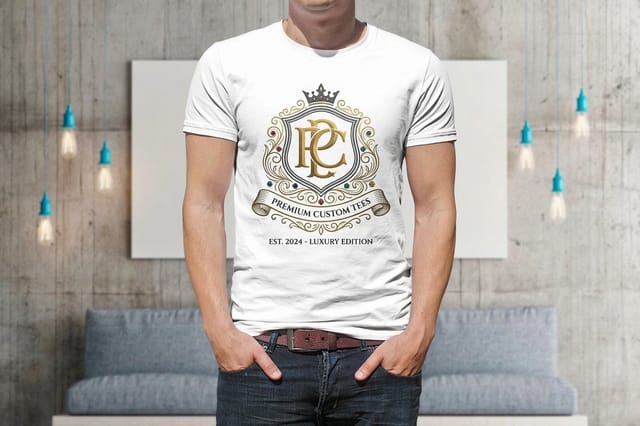
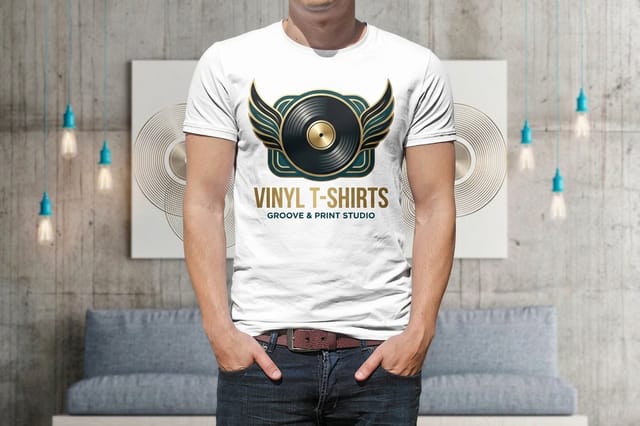
See it in use
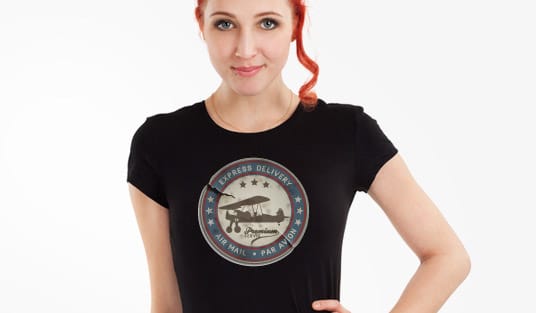
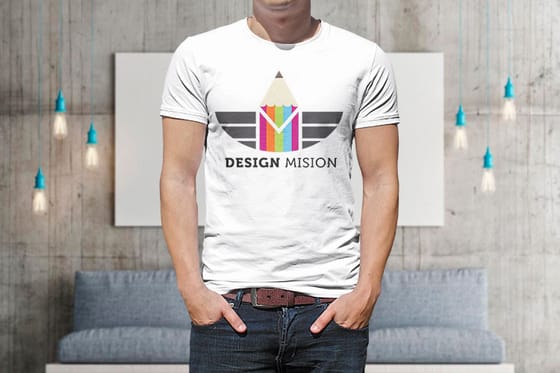
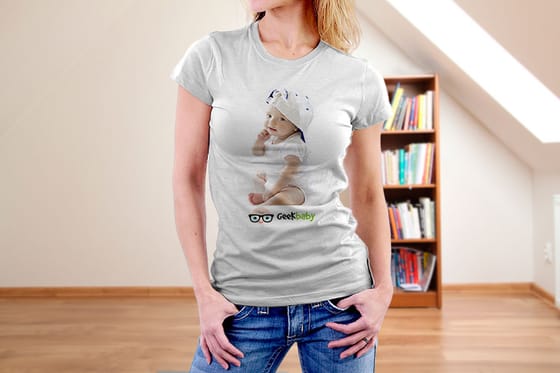
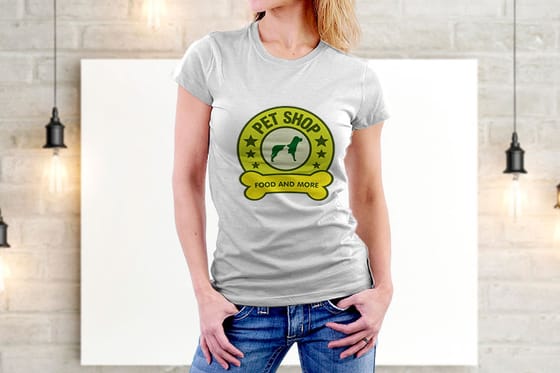
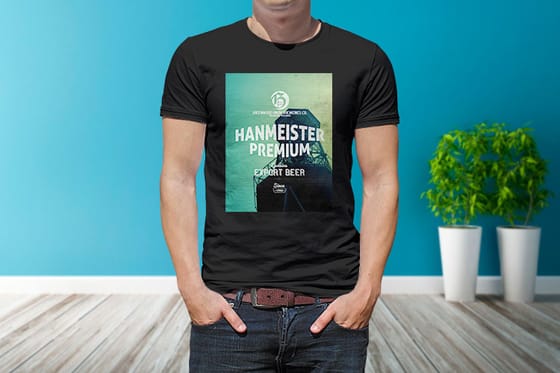
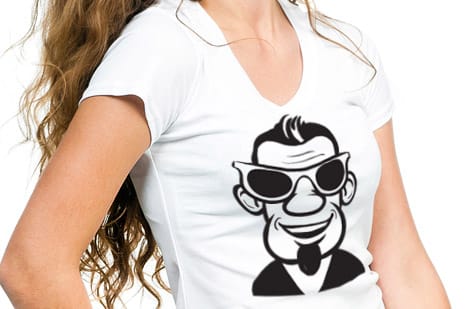
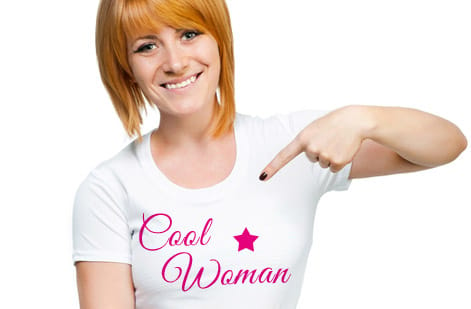
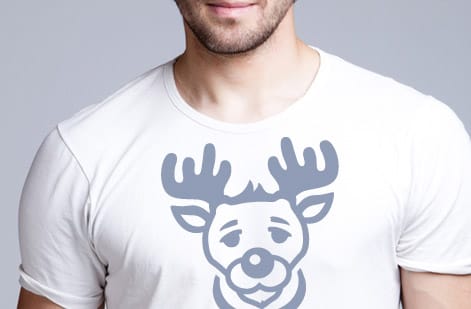
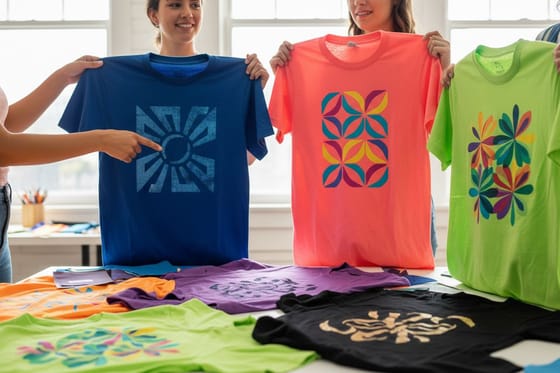
Shirts we printed and shirts we stitched
Explore more
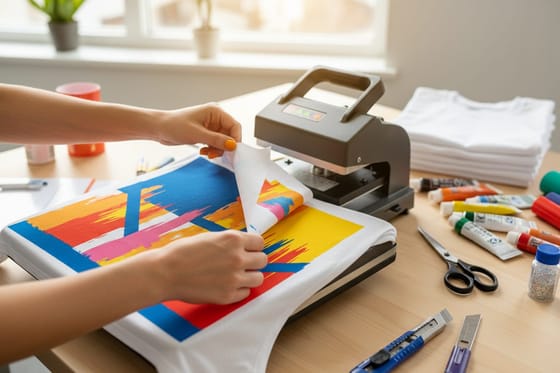
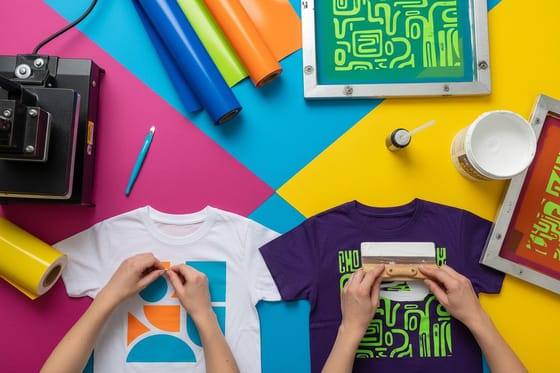
Where to go next
By the numbers
Apparel among 60+ stocks and materials
Common Questions
Common questions about DTG and embroidery
What is the difference between DTG printing and embroidery?
DTG, or direct-to-garment, is a printing method that sprays water-based ink directly into the fibers of a garment, much like a large inkjet printer. Embroidery is a stitching method that sews the design into the fabric with thread. DTG produces a soft, flat, full-color image ideal for detailed art and photographs, while embroidery creates a raised, textured mark that reads premium and survives years of heavy wear. The right choice depends on the artwork, the garment, and how the piece will be used.
Is DTG or embroidery better for custom apparel?
Neither is universally better; each wins for a different job. DTG is better when the design has fine detail, gradients, or many colors, and when the garment is a cotton tee or hoodie with a flat print area. Embroidery is better for logos, monograms, and text that must look premium and last for years on structured pieces like polos, caps, and jackets. A colorful graphic tee points to DTG, while a company logo on a uniform points to embroidery, and many brands use both across one order.
Which lasts longer, DTG or embroidery?
Embroidery is the more durable of the two by a clear margin. Because the design is stitched into the fabric with thread rather than printed on it, it resists fading, cracking, and abrasion through years of industrial washing, which is why it is the standard for uniforms and workwear. DTG is durable in its own right when printed on cotton and cared for properly, holding color well when washed inside out in cold water and hung or tumbled on low, but it will show wear sooner than stitched thread on a garment that is laundered aggressively.
Is my art a photograph or a flat logo?
Work through four questions in order. First, the artwork: detailed or colorful favors DTG, clean and simple favors embroidery. Second, the garment: flat cotton tees favor DTG, structured polos, caps, and jackets favor embroidery. Third, the wear: fashion and event pieces favor DTG, long-life uniforms favor embroidery. Fourth, the run and budget: colorful short runs stay affordable with DTG, while low-stitch logos stay affordable with embroidery. The comparison table and decision steps above map each answer to a method.
What does custom apparel cost and how is pricing set?
Custom t-shirt printing at 4OVER4 starts around $22, and the per-unit price drops as your quantity climbs. For printed apparel, price is driven by the garment, the print size and coverage, and the quantity, all set live in the configurator so the number updates as you choose. Embroidery pricing is typically driven by stitch count, so a simple logo costs less to sew than a dense, detailed one. Because you configure each option and see the price move in real time, you can balance look, durability, and budget before you order.
Get Started
Know your method? Print apparel that lands right.
Order custom t-shirts and apparel from 4OVER4.COM in the style, size, and finish your brand calls for. Premium and vinyl t-shirts both start at $21.96.
Legal Disclaimer
Gold Standard guarantees apply to all standard orders placed through 4over4.com. Price match requires verifiable proof of a competitor's published price for an equivalent product with matching specifications and turnaround time. Satisfaction guarantee covers manufacturing defects and print quality issues. Contact support with order number and documentation. On-time delivery rate based on tracked orders 1999 to 2026. Individual results may vary based on shipping carrier performance.
