
What Is Screen Printing and How It Works


Jordan is our labels, packaging and sustainability voice, built from the knowledge of our production team, with over 20 years in printing.
Screen printing pushes ink through a fine mesh stencil to lay down bold, durable graphics, one screen per color. The screen count is the cost, which is why the method only pays above a certain run size.
Screen printing is a method that presses ink through a mesh stencil onto fabric, using one screen per color. A design is burned onto an emulsion-coated screen, ink is pulled through the open mesh with a squeegee, each color prints in turn, and the garment is heat-cured so the print bonds permanently. It gives thick, vivid, wash-resistant results and is the best value for bold designs printed in quantity.
Quick tips
Quick tips for great screen prints
Keep your design to a few solid colors and order in quantity to get the best value from screen printing. Send high-contrast, print-ready artwork, pick a garment color that makes your ink pop, and confirm the ink color count before you order. For photographic or full-color art, choose digital instead. 4OVER4.COM customers who match the method to the design get bold, wash-proof prints that hold up for years.
What is screen printing?
Screen printing, also known as silk screen printing, is a technique that presses ink through a fine mesh stencil onto a surface, most often a t-shirt, hoodie, or tote. A design is turned into a stencil on the screen, and ink is pushed through the open areas with a squeegee while the rest of the mesh stays blocked. That is the whole idea in one sentence.
What makes it special is the ink itself. Screen printing lays down a thick, even layer that soaks into the fabric and cures with heat, so the print feels solid and reads bright from across a room. It is the method behind most team jerseys, concert shirts, and branded staff uniforms you have ever worn. If you want to see what it looks like in the wild, browse real custom t-shirt designs printed at 4OVER4.COM.
This guide walks through the advantages, the full step-by-step process, the main types, and an honest comparison with heat transfer and digital printing, so you can decide the right method and when it makes sense to hand the job to a print shop like 4OVER4.COM t-shirt printing.
Screen printing on shirts, from artwork to a cured tee
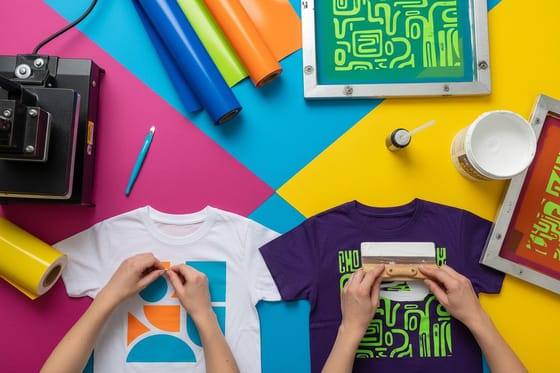
Screen printing on shirts means your design is split into one stencil per ink color, each stencil is burned onto its own mesh screen, and ink is pulled through each screen onto the shirt in turn before the garment runs through a dryer to cure. A two color chest logo takes two screens and two passes, and a four color back print takes four.
What you decide as the buyer is short. On our custom t-shirt printing page you pick a white or black tee, sizes S to XXL, and where the ink goes: the front, the back, or both, inside a print area of up to 8.5 by 11 inches. You can order from a single shirt, and the standard turnaround is 5 business days after you approve the proof. Send a vector file or a high contrast PDF with the ink colors named, and keep fine lines at the size they will print.
Advantages of screen printing
Screen printing earns its place for four reasons, and each comes from the thick plastisol or water based ink and the one screen per color setup.
- Durability that lasts. The heavy ink deposit and heat cure bond into the fibers, so prints survive hundreds of washes without cracking or fading.
- Bold, saturated color. Solid spot colors print thick and vivid, which is hard to match with any other method on dark garments.
- Low cost at volume. Once the screens are made, printing a hundred shirts is nearly as fast as printing ten, so the price per shirt drops sharply as the order grows.
- Great on many surfaces. The same process works on tees, hoodies, tote bags, and more.
The trade-off is setup. Each color needs its own screen, so screen printing shines when the design has a few solid colors and the run is large. For a quick logo tee or a big staff order, it is tough to beat. You can build that art first in our online designer, then send it straight to print.
What screen printing is used for
If a design needs to look sharp and survive real use, screen printing is usually the answer. Most of these jobs fit a print area of 8.5 by 11 inches or less on the front, the back or both, which covers a chest logo, a full back graphic or a name and number set. The most common jobs include:
- Team and event apparel, from sports jerseys to volunteer and staff shirts.
- Branded merch like company tees, giveaway shirts, and promo hoodies.
- Retail and band merchandise sold in bulk with bold graphics.
- Uniforms and workwear that get washed constantly and still need to hold up.
It reaches well beyond shirts, too. The same push-through-a-stencil method prints tote bags, posters, and signage. For a full range of promotional pieces to pair with your printed apparel, explore 4OVER4.COM branded merchandise and keep your whole brand looking consistent.
Equipment and supplies: screens, emulsion, and ink
A screen printing setup is three core pieces plus a few tools.
Screens. A screen is a wooden or aluminum frame stretched with fine polyester mesh. The mesh count matters: a lower count lets more ink through for bold graphics, while a higher count holds fine detail and thinner lines.
Emulsion. A light-sensitive liquid coating is applied to the mesh and dried in the dark. When you expose it to light through your design, the covered areas wash out to create the stencil, and the rest hardens to block ink.
Ink. Plastisol ink is the standard, thick and forgiving with vivid color, while water-based and discharge inks give a softer, printed-into-the-fabric feel. You also need a squeegee to pull the ink, a flash dryer to set each color, and a conveyor or heat source to cure the finished print.
That is a real investment in space, chemicals, and practice, which is exactly why many brands print with a shop instead. See what a finished order looks like across our custom t-shirt printing options.
The screen printing process, step by step
A design goes from a file to a finished shirt in six steps.
- Make the stencil. The design is burned onto an emulsion-coated screen with light, so ink only passes through the open image area.
- Prep the press and garment. The shirt is loaded flat on the platen and the screen is locked into registration above it.
- Expose and align. Each color gets its own screen, positioned so the layers line up cleanly on press.
- Flood and pull. Ink is flooded across the screen, then a squeegee pulls it through the mesh onto the fabric.
- Print color by color. One screen prints one color, flash-drying between passes so wet layers do not smear.
- Cure the ink. The garment runs through a dryer so the ink bonds permanently and survives the wash.
Reproducing this at home is doable but fiddly. Getting registration, exposure, and cure temperature right takes practice, which is where a production shop like 4OVER4.COM saves you the learning curve.
Types of screen printing

Not every screen print is made the same way. A few common variations cover most jobs.
- Spot color printing. The classic approach, one screen per solid color, ideal for logos and bold graphics.
- Halftone printing. Tiny dots create the illusion of shading and gradients using a single ink color.
- Four-color process (CMYK). Cyan, magenta, yellow, and black screens combine to reproduce full-color artwork on lighter garments.
- Simulated process. A mix of spot colors printed with halftones to capture photographic detail on dark fabric.
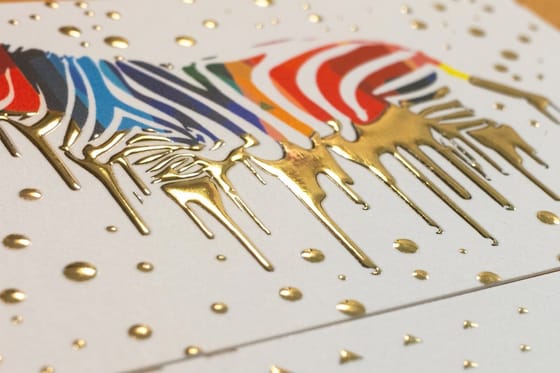
- Specialty inks. Metallic, puff, glow, and discharge inks add texture and effects a standard press cannot.
Which one fits depends on your artwork and garment color. When you build an order on our t-shirt printing page, the color and option choices reflect what actually prints well, so you are guided toward the right method without guesswork.
Screen printing vs heat transfer
Heat transfer and vinyl press a pre-made design onto the surface of the fabric with heat and pressure. It is fast for a single piece and the usual route for names and numbers, but the design sits on top of the shirt and can crack or peel over time.
Screen printing pushes ink into the fabric and cures it, so it feels softer once washed and lasts far longer. The catch is setup: heat transfer needs almost none, which makes it cheaper for one or two shirts, while screen printing pulls ahead the moment you order in bulk. If you are weighing these two directly, our full screen printing vs vinyl printing guide breaks down every trade-off.
Screen printing vs digital printing
Digital printing, usually called direct-to-garment or DTG, works like an inkjet printer for fabric. It sprays the design directly onto the shirt, so it handles full-color and photographic art with no screens and no per-color setup.
That makes DTG ideal for small runs, one-off custom pieces, and highly detailed images. Screen printing wins on durability, on bold color, on dark garments, and on cost once the quantity climbs. A simple rule of thumb: reach for digital when the design is complex and the order is small, and reach for screen printing when the design is a few solid colors and the order is large. Want a hands-on walkthrough? Read how to make custom t-shirts.
Should you outsource screen printing?
DIY screen printing is a real craft, and hobbyists enjoy it. For a business, an event, or any order you need to look right and arrive on time, outsourcing wins: you order from one shirt, in white or black, sizes S to XXL, and the run ships on a standard turnaround of 5 business days, where a home setup needs screens, emulsion and a curing source before the first print.
A home setup means buying screens, emulsion, inks, a curing source, and a work area you can keep clean, then spending real time learning registration and cure temperatures. A production shop already has all of it dialed in. 4OVER4.COM prints in-house at our Queens, New York facility, which keeps quality consistent, and across all its orders the company delivers 99.8% on time, with no chemicals in your garage.
Order custom printed apparel and merch
Once you know screen printing is the right fit, ordering takes four choices: a white or black shirt, sizes S to XXL, ink on the front, the back or both inside an 8.5 by 11 inch print area, and a quantity from one shirt up. Drop in your logo or artwork, and 4OVER4.COM handles the screens, the press, and the curing for you, on a standard turnaround of 5 business days.
Start with our custom t-shirt printing for the classic screen-printed tee, step up to premium t-shirts for a heavier, softer garment, or browse the full range of apparel and branded merchandise to outfit your whole team. Need a hand designing? The online designer lets you build print-ready art in minutes, and you can even learn how to sell custom t-shirts once your first run lands.
Wally explains screen printing
One screen per color, ink pushed through the mesh
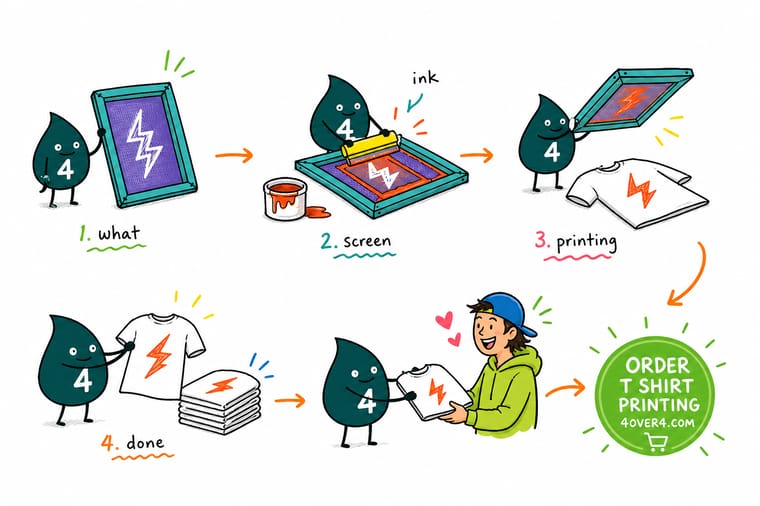
Wally thinks of a screen like a stencil made of fabric: block the parts you do not want, and push ink through the parts you do. Each color gets its own screen, the squeegee does the work, and a quick heat cure locks it in for good. It is bold, it lasts, and it gets cheaper the more shirts you print. Skip the messy home setup and let 4OVER4 press your design onto shirts that look sharp and survive the wash.
Order custom t-shirts →Side by side
Screen printing vs digital vs heat transfer
The fastest way to choose is to compare all three at once. Screen printing leads on durability and cost at volume because each color costs one screen up front, digital wins on full-color detail and small runs because it needs no screens, and heat transfer fits one-off pieces and lettering such as names and numbers.
| What matters | Screen printing | Digital (DTG) | Heat transfer (vinyl) |
|---|---|---|---|
| Best for | Bold designs, few colors, larger runs | Full-color and photo art, small runs | Single pieces, names and numbers |
| Durability | Excellent, ink cured into the fabric | Very good, softer on the surface | Good, can crack or peel over time |
| Color and detail | Bright solid colors, great on dark garments | Unlimited color and fine photographic detail | Sharp for simple graphics and lettering |
| Setup cost | Higher, one screen per color | None per color | Low, cut and press |
| Cost at low quantity | Higher per shirt | Low per shirt | Low per shirt |
| Cost at high quantity | Lowest per shirt | Rises with detail and size | Stays high per piece |
| Feel on the fabric | Soft after wash, sits in the fibers | Very soft, printed into the fabric | Sits on top of the fabric |

Specs and pricing
Custom t-shirt specs and pricing
A screen-printed shirt starts at $21.96 and ships in 5 business days, with live specs and price-per-unit below. We never quote a made-up number, the pricing you see is the real thing.
| Quantity | Price Per Unit | Total |
|---|---|---|
| 1 | $21.96 | $21.96 |
| 2 | $16.47 | $32.93 |
| 3 | $16.46 | $49.39 |
| 4 | $15.93 | $63.71 |
| 5 | $15.93 | $79.63 |
| 6 | $15.93 | $95.56 |
| 7 | $15.85 | $110.94 |
| 8 | $15.38 | $123.02 |
Print it
Order screen-printed apparel at 4OVER4
See it in use
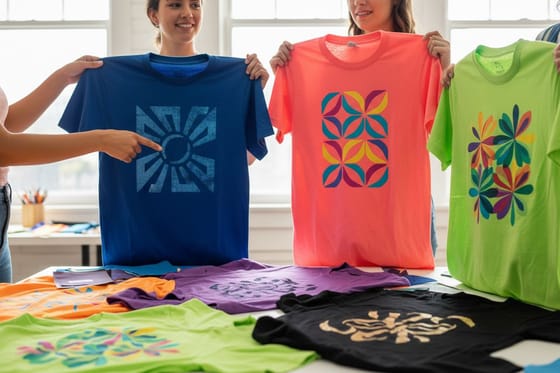
Screen-printed runs we pulled for customers
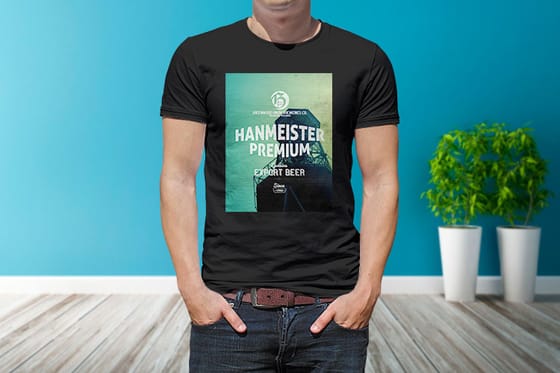
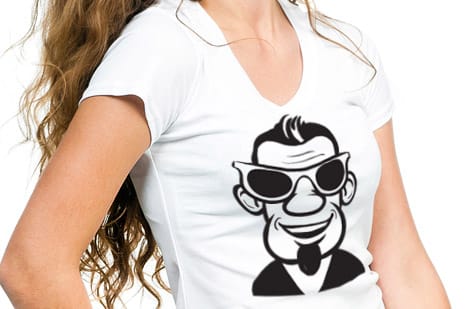

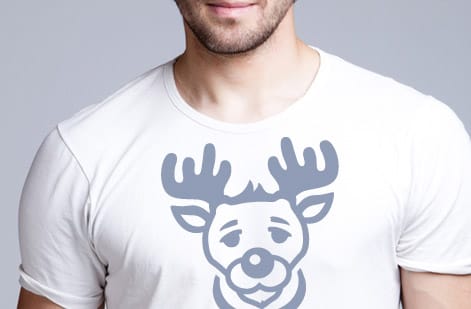

Explore more
Where to go next
By the numbers
What a 5 day apparel run covers
Common Questions
Common questions about screen printing
What is screen printing?
Screen printing, also called silk screen printing, is a method that pushes ink through a fine mesh stencil onto a surface, most often a t-shirt or other garment. Each color in the design has its own screen, and the ink is pressed through the open areas of the mesh with a squeegee. The result is a thick, vivid, long-lasting print that holds up through hundreds of washes, which is why it is the standard for team apparel, uniforms, and branded merch at 4OVER4.COM.
How many shirts before screen printing is worth the screens?
Match the method to the design and the order. Screen printing is the best value when you need bold, durable prints, a design with only a few solid colors, and a larger quantity of shirts. If your artwork is full-color or photographic, or you only need a handful of pieces, direct-to-garment or vinyl may fit better. On our t-shirt printing page you pick the garment, colors, and quantity, and the configurator shows the live price so you can compare before you commit.
What does screen printing cost and how are prices set?
Price is driven by four things: the number of ink colors, the quantity of shirts, the garment you choose, and the size of the print. Each color adds a screen and a setup step, so simpler designs cost less, and the per-shirt price drops as the quantity grows. Rather than quote a fixed figure, our order form pulls live pricing straight from production, so the quantity and price-per-unit you see are the real numbers for your exact job.
What sizes, stocks, and finishes are available for screen printing?
You choose the garment style and size, from standard cotton tees to premium and youth cuts, plus the ink color count and print placement. The live specs panel on this page lists the real garment options, sizes, and turnaround choices pulled from our production system, so you can see exactly what is available before you order.
How long does screen printing take to print and ship?
Turnaround depends on the garment, the number of colors, and your quantity, and the exact production and shipping windows appear on the product page once you build your order. 4OVER4.COM prints in-house at our Queens, New York facility, which keeps timelines tight and delivery reliable at 99.8% on-time. For a rush job, check the turnaround options in the configurator before you check out.
Screen printing or heat transfer, which is better?
Screen printing lays ink directly into the fabric, so it feels soft and lasts for years, which makes it the stronger choice for volume and durability. Heat transfer and vinyl press a design onto the surface and shine for small runs, single pieces, or names and numbers. If you want the difference broken down in detail, read our guide on screen printing versus vinyl printing.
Get Started
Order a vinyl t-shirt at $21.96 and compare the hand
Pick your garment, set your colors, drop in your artwork, and we screen print bold, durable shirts that stay sharp wash after wash.
Legal Disclaimer
Gold Standard guarantees apply to all standard orders placed through 4over4.com. Price match requires verifiable proof of a competitor's published price for an equivalent product with matching specifications and turnaround time. Satisfaction guarantee covers manufacturing defects and print quality issues. Contact support with order number and documentation.
