
How to Build a Faceless Empire Without Ever Showing Your Face


A faceless business is not a hidden one. It is a business where the brand carries the recognition a founder would have carried, and every touchpoint has to be built for that on purpose.
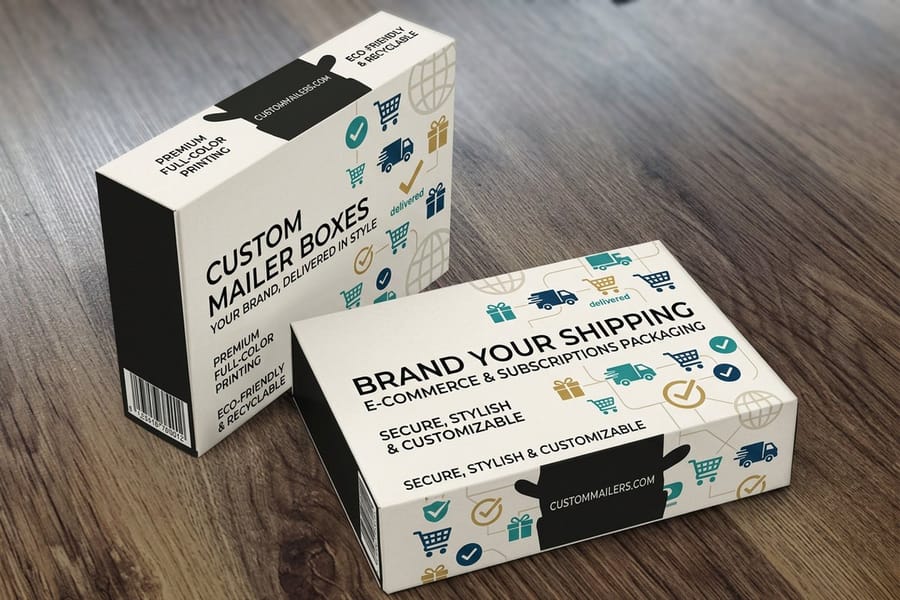
You build a faceless empire by moving the three jobs a founder’s face does, recognition, trust and continuity, onto assets you own: one fixed visual kit, proof from other customers, and packaging that makes the brand physical when the parcel is opened. The kit comes before the storefront, the seal and the insert card come before a printed box, and the whole thing stays faceless to your audience only, since labels, parcels and filings still carry a real company name.
Quick answer
The brand carries what the founder would have carried
Going faceless does not remove work, it relocates it. Recognition moves to a mark, two colors and a motif that repeat at every step. Credibility moves to reviews, customer photos and the quality of what arrives. Continuity moves to a house voice that sounds the same in every message. Get those three in place and nobody asks who runs the company, because there is a company answering. Skip one and the store, the ad and the box read as three different sellers.
What a Founder’s Face Actually Does, and What Replaces It
A face does three jobs in a business. It makes you recognizable in a crowded feed, it lends the credibility of a human being making a claim, and it holds everything together while the products change underneath. Nothing else about a founder is load bearing.
So the work is not hiding. The work is reassigning those three jobs to things you own.
| The job | What a face supplies | The faceless substitute | How you build it |
|---|---|---|---|
| Recognition | A person the customer already knows by sight. | One wordmark, two colors and one repeatable motif, in that order every time. | Fix the kit on a single page and refuse to improvise it later. |
| Trust | A human making the claim out loud. | Other people’s words plus physical evidence in hand. | Reviews and customer photos, honest product shots, packaging that matches the price. |
| Continuity | A constant while the catalog turns over. | A house voice and a house style that never drift. | Same tone in every email, same typeface on every printed piece. |
Most faceless stores fail on the first row. They buy a generic mark, pick a color at the checkout screen, and end up with an ad, a storefront and a shipping box that look like three unrelated companies. The customer cannot name what feels off, but the order does not repeat. If your positioning is still vague, settle it first with our guide to brand messaging for small business, then read how print on demand and dropshipping work to see which parts of the operation you actually have to touch.
Build the Identity Kit Before You Build the Store
The kit is small on purpose: a wordmark set in one typeface, two brand colors plus one neutral, a second typeface for body text, and one motif you can repeat at any size. Five decisions. Write them on one page with the exact color values and keep that page open whenever anything gets designed.
Here is the trade-off nobody mentions until the first box arrives. You choose colors on a backlit screen in RGB, and print reproduces them in CMYK ink on paper. Bright electric blues, hot pinks and neon greens are the worst offenders: they look right on the phone and land noticeably duller on stock. Pick colors you have seen printed, or order one small run early and judge the sheet in daylight before the whole identity depends on it.
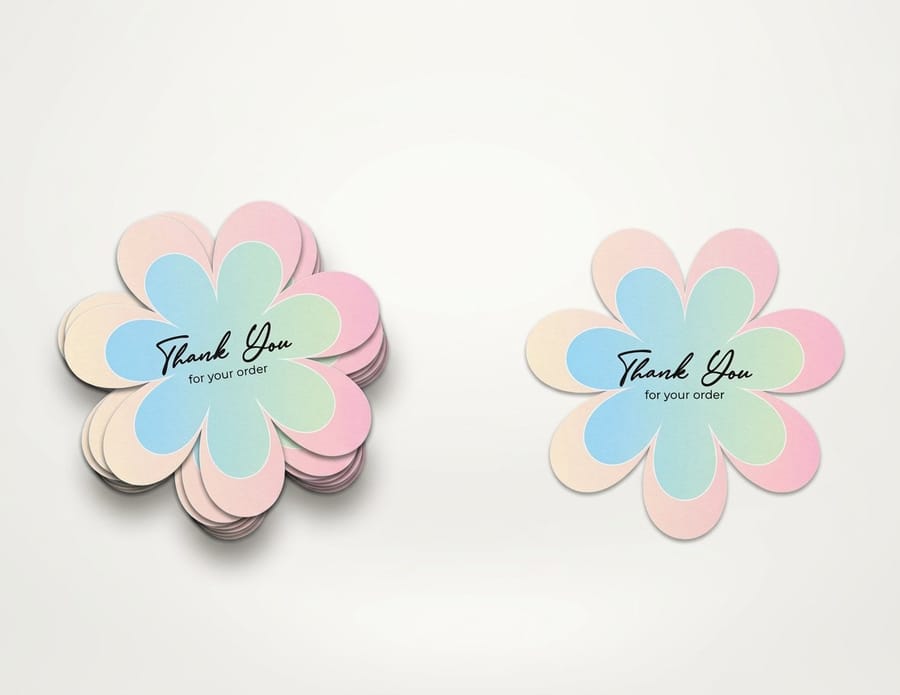
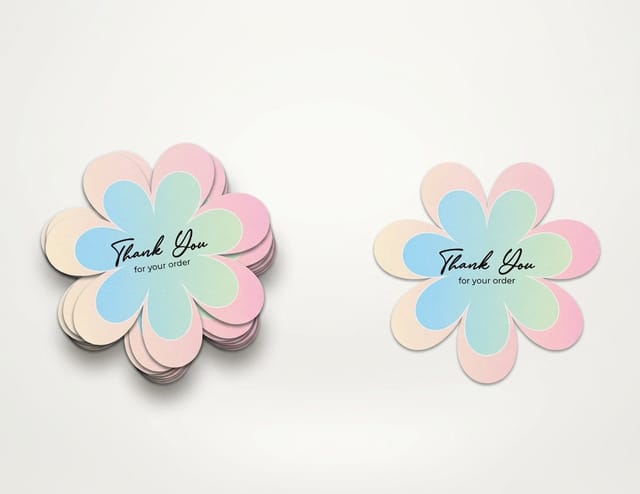
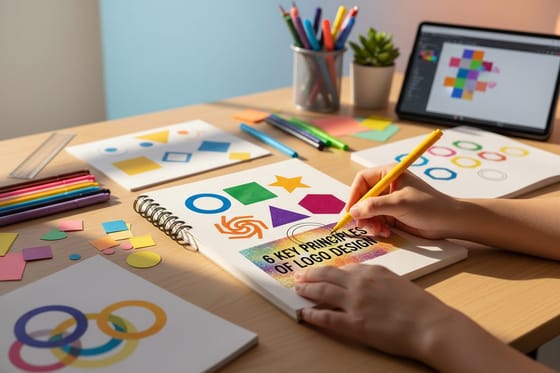
Two pieces carry the mark furthest for the least money. Die-cut stickers start at $93.37 at 2 by 2 inches and cut to the shape of your logo, which is what turns a plain kraft box into a sealed brand parcel. Premium product labels start at $29.16 at 3 by 5 inches and put the same mark on the item itself. Set both files up at full size with fonts converted to outlines and artwork carried to the bleed line, and start from a correctly sized layout in the blank template library rather than guessing dimensions. If the mark itself is not settled yet, the six principles of logo design cover what survives being shrunk to sticker size.
The Box Does the Talking
An unboxing is the only moment a faceless brand is physically present in someone’s life. The parcel arrives, it gets opened on a counter, and for about twenty seconds the customer decides whether they bought from a company or from a reseller. Everything you did on screen is being audited by touch.
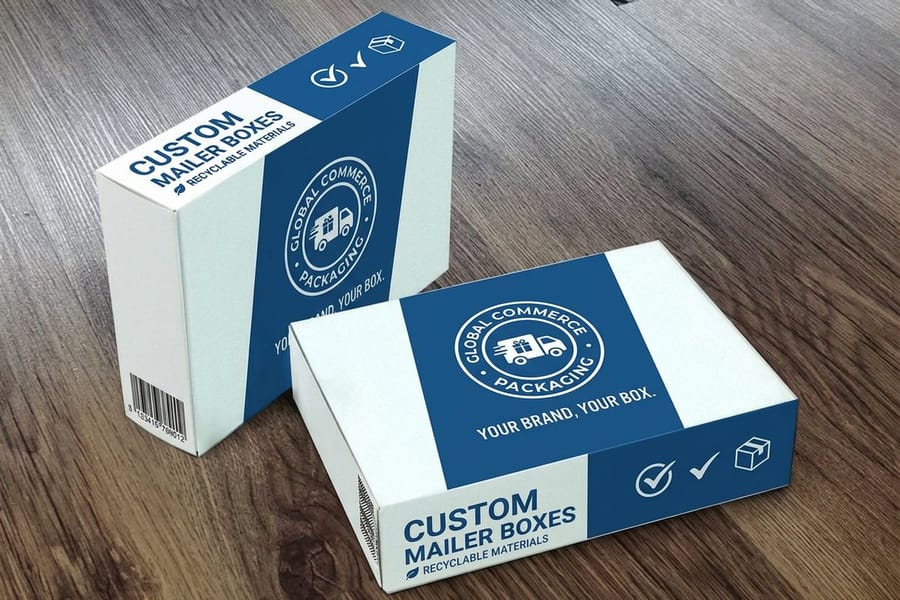
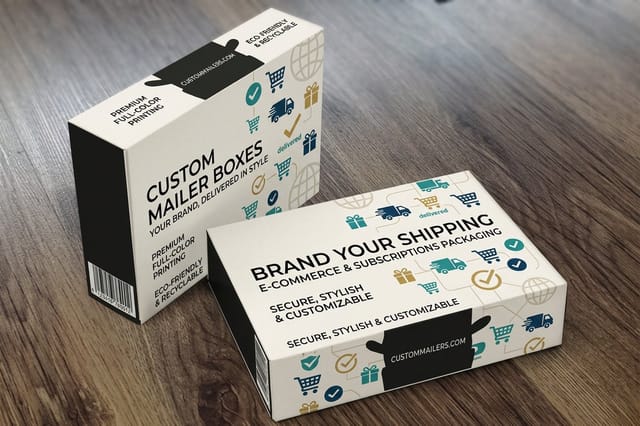
Order the packaging in stages rather than all at once. Custom mailer boxes start at $711.78 for the 5 by 7 by 1.7 inch size, which is real money and a real minimum quantity. At thirty orders a month that spend does more good somewhere else. Start with a plain kraft box, a die-cut sticker as the seal, and a printed card inside. Add custom tissue paper, which starts at $126.32 at 10 by 15 inches, when the product is soft goods or fragile and the wrap is doing a job anyway. Move to a fully printed box when your monthly volume makes the per-unit cost sensible, not when you feel ready for it.
Keep the inside as considered as the outside. A branded interior, a tag on the product, and a folded card sitting on top read as deliberate, while a good box packed with loose fill and nothing else reads as a drop shipment. The mailer box design ideas article shows the sequence working, and the full packaging printing collection lists every piece that can carry your mark into a customer’s hands.
Proof Instead of Personality
A founder on camera buys trust in one second. Without one you assemble the same trust from three cheaper parts: what other customers say, what the product looks like in honest photographs, and what the package proves when it arrives.
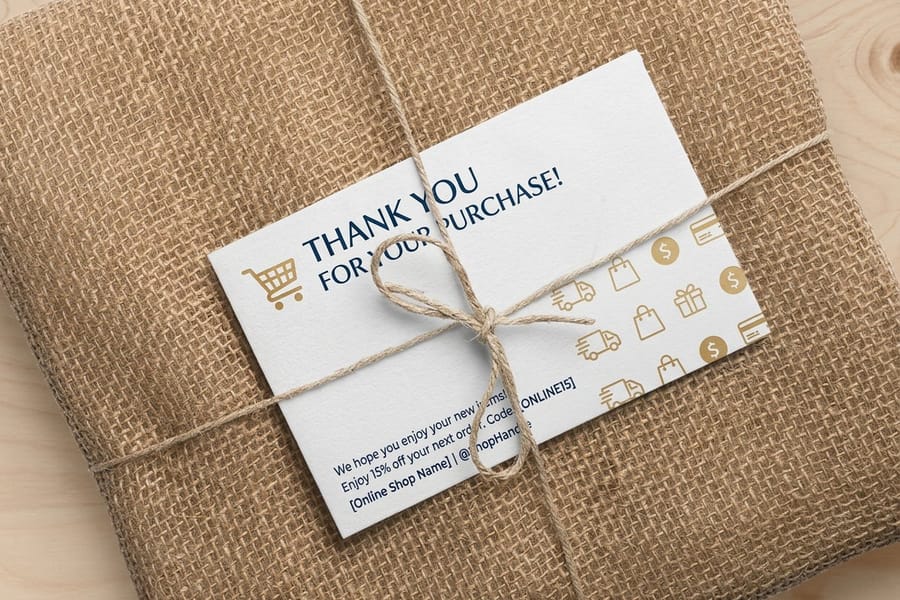
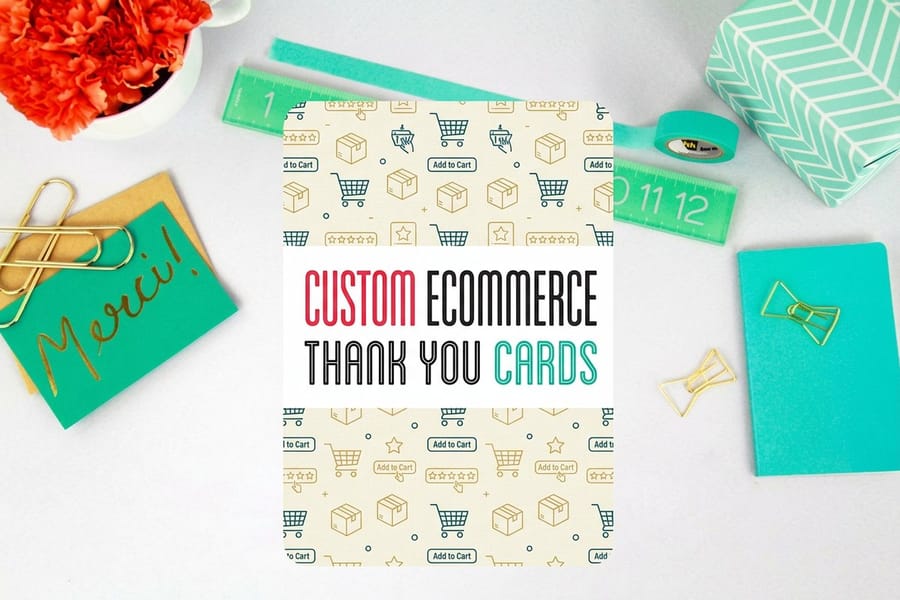
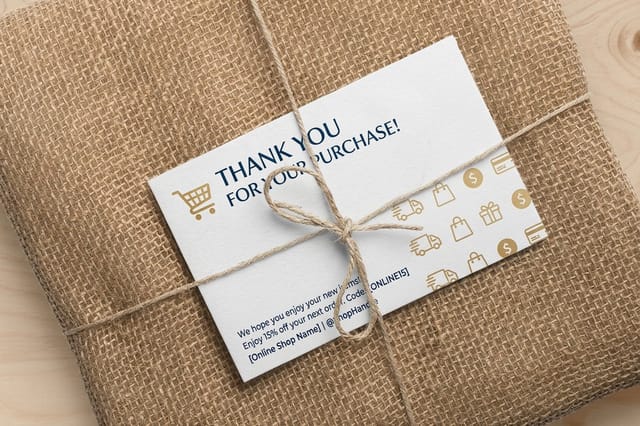
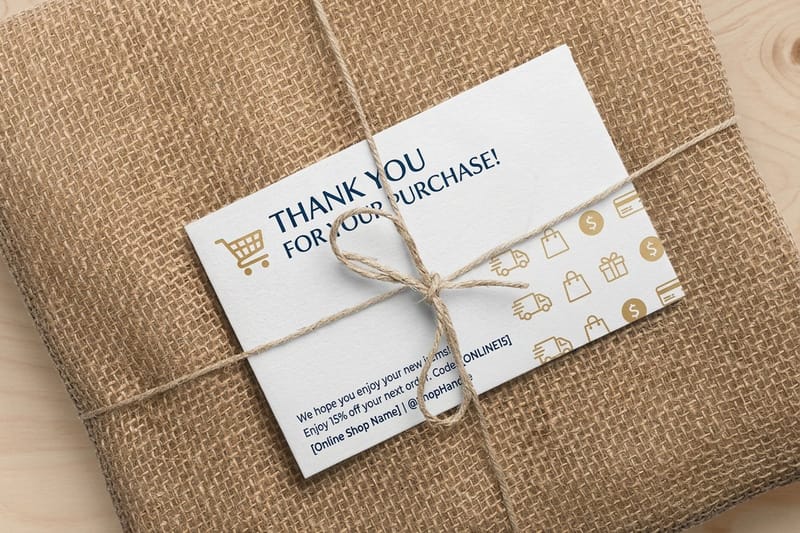
The insert card is the strongest of the three because the customer is holding the product when they read it. Ecommerce thank you cards start at $19.77 at 4.25 by 5.5 inches, which is big enough for a QR code and one short line and small enough that it does not read as an advertisement. Ask for one thing. A card that requests a review, a follow and a discount redemption gets none of them, while a card that asks for a review, with the code pointing straight at the review page, gets answered. Add a care instruction or a usage tip on the reverse and the card earns its place instead of being an ask.
Photography carries the rest of the weight, so treat it as the line item a face would have been. Clean product shots, one image showing scale against a hand or a common object, and one showing the item in use will out-convert a personality-led video for most physical products. Our guide to product photos for an online store covers the setup, and social content ideas for small brands covers the formats that work with hands and a workbench instead of a presenter.
Where Faceless Stops Working
Faceless is a choice about your audience, not a legal status. Two things will always carry your identity out into the world, and it is better to plan for them than to be surprised.
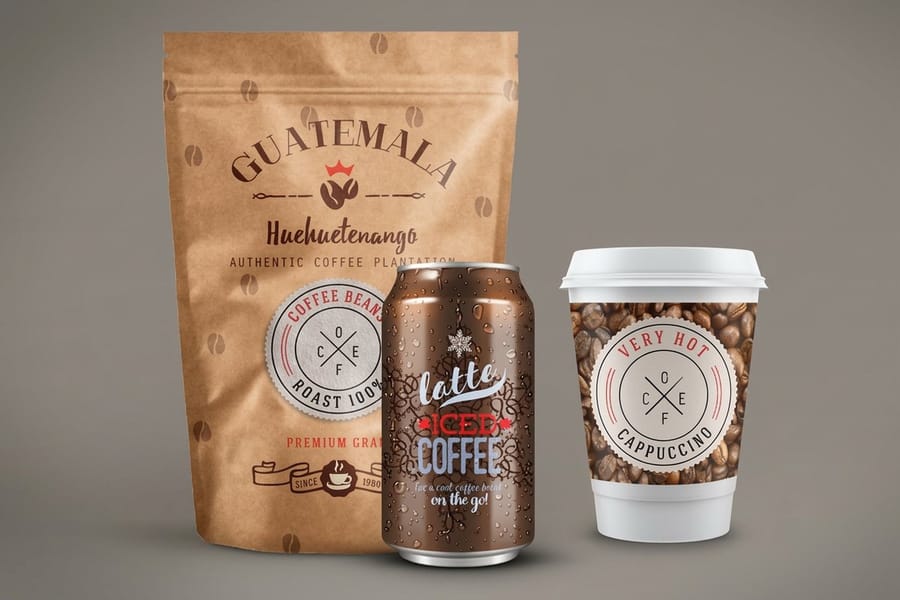
The first is the label. Food, cosmetic and beverage products sold in the United States must show the name and place of business of the manufacturer, packer or distributor on the label, so product labels put a real company and a real city on the shelf. The second is the parcel, which carries a return address the moment it enters the mail stream. Behind both sit your state filing, your payment processor and your suppliers, all of whom verify a human being before money moves. Use a business address and a registered agent if you want your home off a public record, and treat that as privacy rather than invisibility.
The other limits are commercial. Wholesale buyers and editors work with people and will ask who they are speaking to. High-ticket services and local trades are close to impossible without a person, because the customer is buying judgment rather than a product. And any brand that relies on a single social account is one suspension away from starting over, which is why a faceless operation should own its email list and its own store early. When you do get in front of a buyer, bring samples, a line sheet, and packaging that holds up in the hand: the packaging types guide and the packaging and labels shop are the practical starting points, and standard hang tags from $25.27 finish an apparel or accessory sample the way a buyer expects to see it.
Wally explains the faceless brand
No founder on camera, one mark on everything
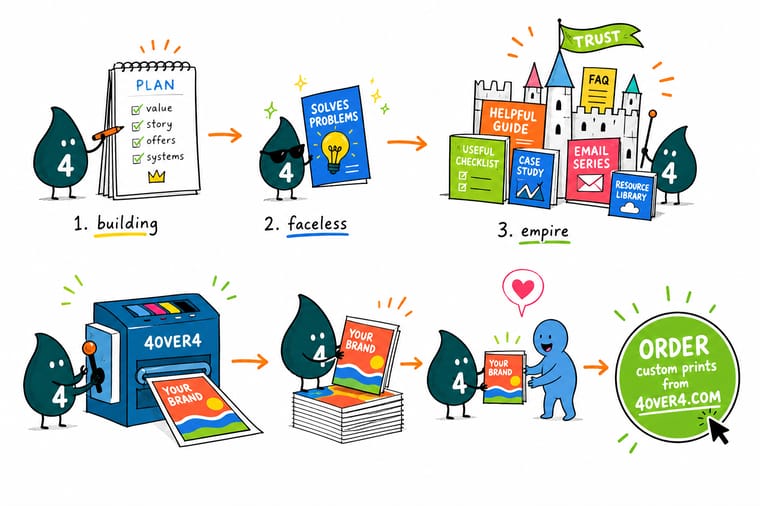
Wally never shows his face on the storefront, so he makes the mark do the work. The same logo seals the box, sits on the label, and prints on the card inside, in the same two colors every single time. The customer meets that mark four times before they ever wonder who owns the company. Wally still signs the card in a real voice, because a stock photo founder fools nobody, and he keeps the return address honest, because a parcel always carries one.
Order die-cut brand stickers →Specs and pricing
The three pieces that carry a faceless brand
Sizes, options and starting prices for the seal, the insert card and the product label, straight from the 4OVER4.COM configurator.


Print it
Give the brand something a customer can hold
Explore more
Where to go next
By the numbers
The printer behind a lot of quiet brands
Common Questions
Your faceless brand questions, answered
Can you really build a business without showing your face?
Yes, and thousands of product businesses already run that way. What you cannot do is skip the jobs a face was doing. Recognition has to come from a mark and a color pair that repeat everywhere, credibility has to come from other people and from the physical quality of what arrives, and continuity has to come from a house voice that sounds the same in every email. The founders who fail at faceless are usually the ones who thought faceless meant less brand work, when it means more.
Is a faceless business the same as an anonymous one?
No. Faceless means your audience does not see a founder. It does not make you invisible. Your state filing lists a responsible party, your payment processor verifies a real human before it releases money, your suppliers have your name on an invoice, and the parcel that leaves the warehouse carries a return address. Food, cosmetic and beverage labels in the United States must show the name and place of business of the manufacturer, packer or distributor, so the label ends the anonymity by law. A registered agent can keep a home address off a public filing, which is a privacy step, not a disappearing act.
What do I need printed before the first order ships?
Three things, in this order. A die-cut sticker with the mark, used as the seal on a plain box, so the parcel reads as a brand before it opens. An insert card in the house voice, which is where the review request lives. A product label if the item needs one. At starting configurations that is $93.37 for die-cut stickers at 2 by 2 inches, $19.77 for ecommerce thank you cards at 4.25 by 5.5 inches, and $29.16 for premium product labels at 3 by 5 inches. Printed mailer boxes come later.
Does faceless content perform worse than a founder on camera?
It depends entirely on the channel. On search and on marketplaces nobody is looking for a face, so you lose nothing. On short video platforms a recognizable person is a shortcut to attention, and going faceless means paying for that attention in format discipline instead: the same framing, the same opening beat, the same hands and workbench in every clip until the format itself becomes recognizable. Expect the curve to be slower and flatter at the start.
Should I invent a founder persona instead?
A named role beats an invented person. Signing emails from a brand and a first name that genuinely belongs to someone on the team, or simply from the studio, holds up under scrutiny. A fabricated founder with a stock photo does not, and the day a customer reverse-searches the image you lose more trust than the persona ever bought you. If you want a human presence without your own face, use a real voice and a real title.
Can a faceless brand sell wholesale or get press coverage?
It gets harder, and this is the honest limit. Buyers at retail and editors at publications work with people, and both will ask who they are dealing with before an order or a feature. You do not need a public founder to answer that, but you do need a real contact who takes calls, a line sheet, and samples that arrive well presented. High-ticket services and local trade work are the other place faceless stalls, because the customer is buying the person as much as the outcome.
Get Started
50 hang tags cost $25.27, tissue paper 100 for $126.32
Cut a sticker to the shape of your logo, print the card that goes in the box, and label the product itself. Three pieces, and the brand stops being a website.
Legal Disclaimer
Gold Standard guarantees apply to all standard orders placed through 4over4.com. Price match requires verifiable proof of a competitor's published price for an equivalent product with matching specifications and turnaround time. Satisfaction guarantee covers manufacturing defects and print quality issues. Contact support with order number and documentation. On-time delivery rate based on tracked orders 1999 to 2026. Individual results may vary based on shipping carrier performance.
