
Business Card Ideas for Crafters to Inspire


Emma is our prepress and print production voice, built from the knowledge of our production team, with over 20 years in printing.
Business card ideas for crafters that actually win clients

The best business card ideas for crafters put your medium in the buyer's hand: 65 point beech or cherry wood for a woodworker, stainless steel for a jeweler, 30mil clear plastic for a glass artist, 18pt kraft for a soap maker. 4OVER4.COM has printed more than 10 billion cards for over 150,000 businesses, from jewelers and woodworkers to textile artists and soap makers, and the crafter cards that win share one trait. They feel like an extension of the craft. Past your contact details, a good card works as a tiny portfolio piece people want to keep.
If you are a crafter, your hands make beautiful things, so your custom business card should reflect that. A generic template with clip art will not hold up at craft fairs, artisan markets, and maker spaces where taste is the whole point. You need something that says I made this before the person even reads your name.
This guide walks through specific, practical card ideas organized by craft type, along with material choices, design elements, and real examples you can use right now. Be bold, be tactile, and make a card worth keeping.
Ten quick business card ideas for crafters
One idea per craft, each with the stock or finish that does the work. Budgets run from $17.57 for 100 standard cards to $690.88 for 500 lenticular cards, and three of the ideas link to the longer sections below.
- Woodworkers. 65 point beech or cherry wood with a laser-etched mark. See the material ideas.
- Jewelers. Stainless steel, gold or rose gold metal cards, 0.3mm to 0.8mm thick, with a laser-engraved logo.
- Glass and resin artists. 30mil clear plastic printed with white ink, from $529.26 for 500.
- Soap and candle makers. 18pt kraft uncoated stock made from 100% post-consumer waste, with scent names on the back.
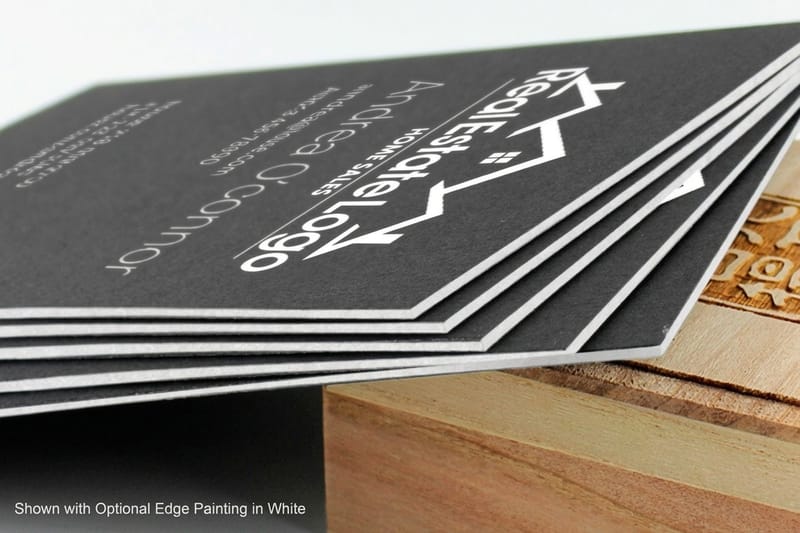
- Leather workers and photographers. Black cards with white ink or foil so the work pops off a dark ground.
- Knitters and textile artists. 16pt uncoated stock with one close photo of a stitch. See the examples by maker.
- Potters. Thick uncoated stock with a glaze swatch printed as a solid block and care notes on the back.
- Vinyl and tumbler makers. 16pt gloss so decal colors read true, care instructions on the reverse.
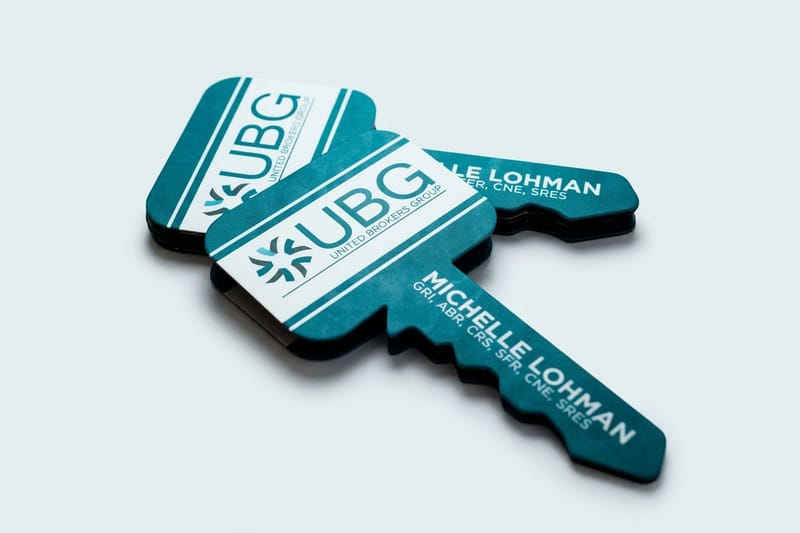
- Makers with a signature shape. Die-cut any shape cards from $95.56 for 50, cut to a jar, a palette or a gem. See the specialty cards.
- Makers who want motion. 3D lenticular cards on a 31pt lens with two to four flips, from $690.88 for 500.
Why crafters need a standout card, not just any card
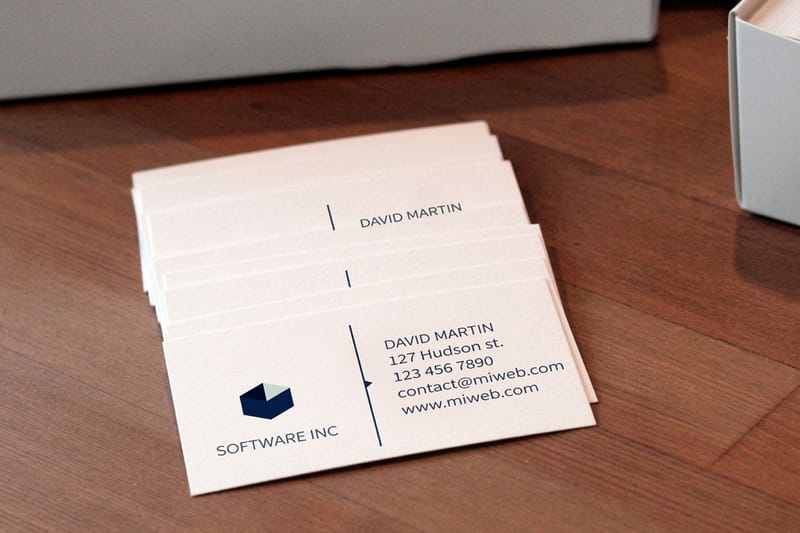
A standard business card measures 2 x 3.5 inches and starts at $17.57 for 100, the smallest and cheapest piece of marketing you will own, and a crafter gets more out of it than, say, an accountant does, for four reasons.
First, craft markets are face-to-face. When someone picks up your handmade candle or admires your leather journal, they are already interested, and a card closes the loop. It turns a casual browser into a future buyer who can find you online or at your next show. Second, your card is proof of taste, because crafters sell aesthetic judgment as much as physical products. A flimsy, poorly designed card contradicts everything your work stands for, while a thick, textured, beautifully made card reinforces your brand before the person even visits your site.
Third, cards are cheap compared to every other marketing tool. For less than a single craft fair booth fee, you can print hundreds of cards that work for you at every event and every chance meeting. Finally, unlike a social post that vanishes in a feed, a physical card stays in a wallet, pinned to a corkboard, or tucked into a planner. That is persistent marketing that does not need an algorithm.
Print it
Standard business cards, ready to brand
Preset sizes and premium stocks, the fastest way to get your handmade brand into people's hands.
Material-based card ideas that match your craft
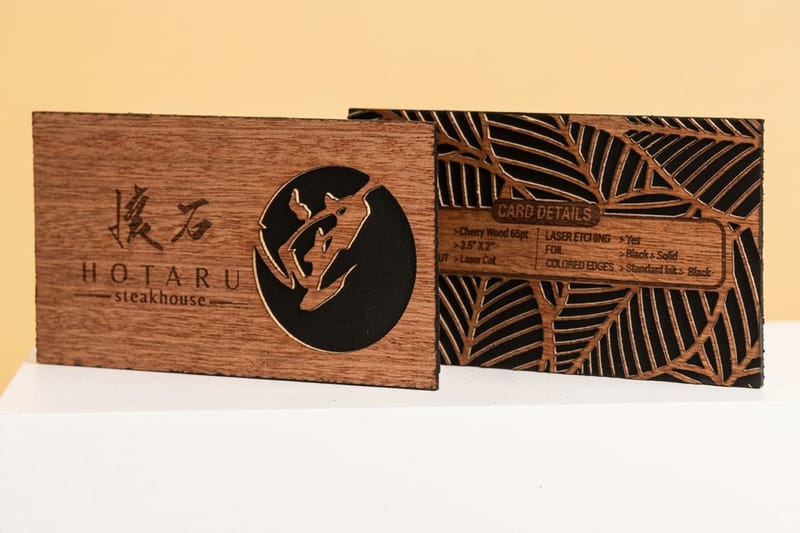
The material you choose says as much as the design itself, so match your card stock to your specific craft. The card can literally become a sample of your work. If a standard 3.5 by 2 inch rectangle does not suit what you make, square business cards change the silhouette before you change anything else, and the shape alone gets a card kept at a market table.
Wood cards for woodworkers and carpenters
Real wood veneer cards with laser-etched details feel warm, natural, and unmistakably handcrafted. Hand one over and people understand what you do before reading a word, and because the grain differs on every card, each one is genuinely one of a kind. That is a selling point no paper card can match. If you want to compare weights first, this business card thickness guide is a good place to start.
Metal cards for jewelers and metalworkers
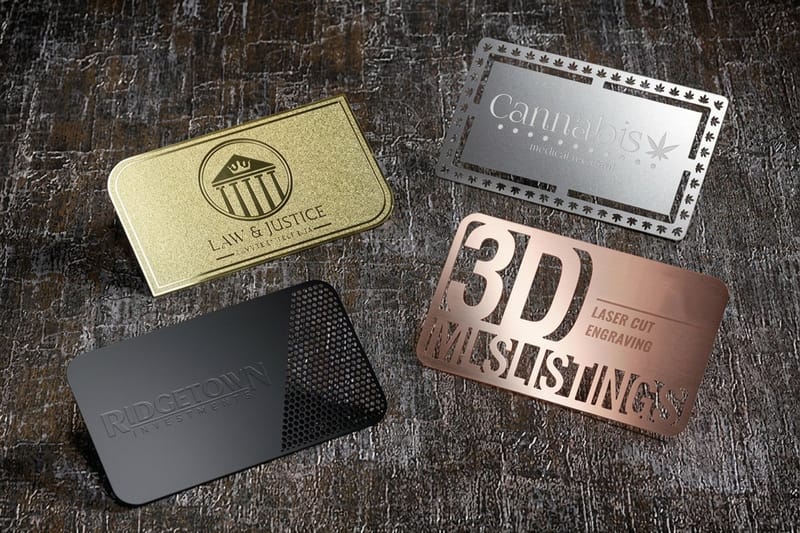
Stainless steel metal cards with laser-cut or etched logos carry serious weight, literally and figuratively. They feel luxurious, which lines up perfectly with jewelry and fine-metal work. A metal card at a trunk show creates an instant link between the card and the pieces on display.
Clear plastic cards for glass artists and resin crafters
If your craft involves transparency, such as stained glass, resin jewelry, or blown glass, consider 30Mil Clear Plastic Cards. They let light pass through for an effect that mirrors your medium. Print your logo in white or metallic ink on clear stock, and people will not want to throw the card away. If your work catches light rather than passes it, holographic business cards shift color as the card turns, which suits resin, glitter, and iridescent glazes.
Kraft and uncoated cards for natural crafters
Soap makers, herbalists, and candle crafters should lean into kraft or uncoated stocks. The raw, earthy texture communicates handmade authenticity, and a 32pt uncoated card with letterpress-style printing feels pulled straight from an artisan workshop. Start with kraft business cards for market runs, and step up to ultra thick kraft business cards when the card goes in the box with the product and has to survive shipping.
Black cards for high-contrast crafts
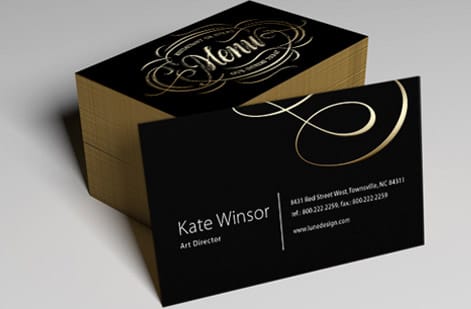
Photographers, tattoo artists, and leather workers often benefit from Black Business Cards with white or metallic foil text. The dark background makes your work pop, and the drama signals confidence and a bold creative vision. For the foil itself, foil stamped business cards press the metal into the stock rather than printing it, so it catches light the way a polished piece does.
Quantity and price
Standard business card pricing and specs
Real configurator numbers, the more you order, the lower the per-card cost drops.
| Quantity | Price Per Unit | Total |
|---|---|---|
| 100 | 17.6¢ | $17.57 |
| 200 | 11.5¢ | $23.07 |
| 300 | 9.15¢ | $27.46 |
| 400 | 7.96¢ | $31.86 |
| 500 | 7.25¢ | $36.26 |
| 600 | 6.77¢ | $40.64 |
Craft business card examples by maker type
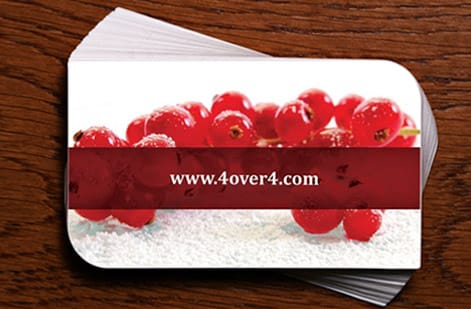
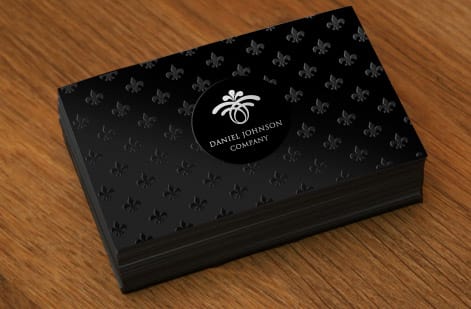
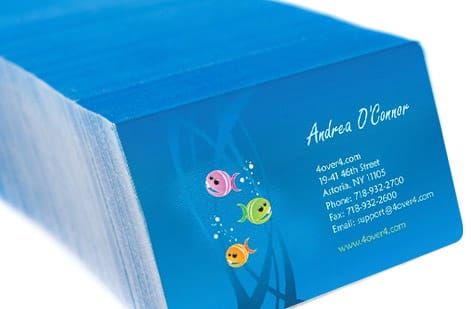
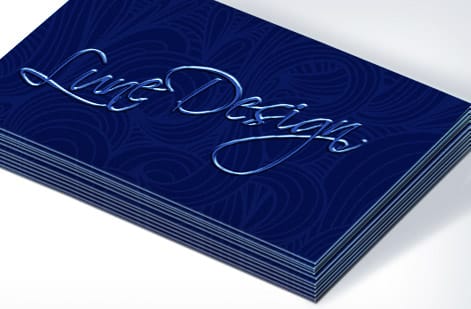
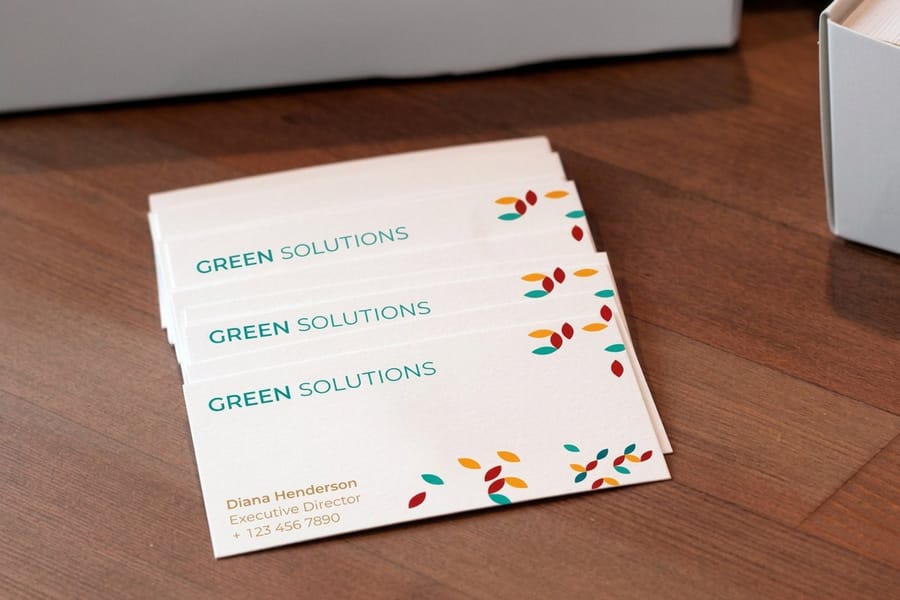
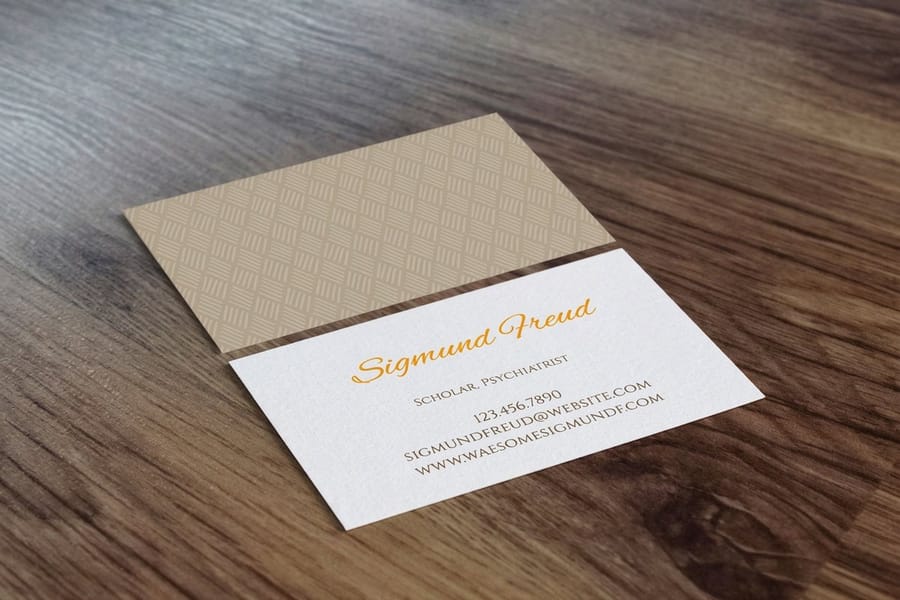
Eight cards for eight crafts, each on a stock you can order: 16pt gloss for decal colors, uncoated for fibre, 65 point wood veneer, black with gold foil, 18pt kraft twice, thick uncoated for a glaze swatch and 30mil clear plastic. Each caption names the one detail doing the work, so you can copy the move that fits what you make.
Design ideas organized by craft type
Let us get specific. Here are business card ideas for crafters broken down by what you actually make, so you can borrow the parts that fit your brand.
For textile artists and tailors
Work sewing imagery into the design, such as thread spools, needles, buttons, or fabric swatches, and consider die-cut shapes that mimic a dress form or a spool of thread. Some tailors even attach a tiny fabric swatch to each card with a mini clothespin, and that is the kind of detail people remember. Pull your color palette from your most popular fabric collections so the card feels like your work.
For jewelers and accessory makers
Beyond metal cards, foil stamping creates metallic accents that catch light the same way your pieces do. Gold foil on a matte black card mimics a fine jewelry display case, and a close-up photo of your best seller on the back turns the card into a mini lookbook. For more bold, premium directions, these amazing business card design ideas translate well to artisan brands.
For woodworkers and furniture makers
Beyond wood cards, edge painting on thick stock can echo stained grain, and a simple line drawing of your signature piece, a chair or a turned bowl, keeps things clean. Let the craftsmanship of the card itself do the talking.
For soap and candle makers
Lean into sensory design with soft, rounded fonts and colors that match your product line, like lavender for lavender soap or warm amber for beeswax. List your best-selling scent names on the back as a mini menu so the recipient flips the card over and lingers.
For potters and ceramic artists
Embossed or debossed textures give a tactile feel close to handling a finished piece, and a spot UV glaze on select elements mimics a ceramic glaze. Rounded corners echo the organic shapes of handmade pottery, and if you package your work, these DIY kraft packaging box ideas spark inserts that complement the card.
Interactive and specialty card ideas
Want to go beyond a flat card? These specialty options turn your card into an experience people talk about.
3D lenticular cards
3D Lenticular Business Cards create motion or depth when tilted, so you can show a before and after of your work or animate your logo. These get passed around at craft fairs because people want to show others the effect, and that is free word of mouth. Here is why 3D lenticular cards are trending right now.
Die-cut shaped cards
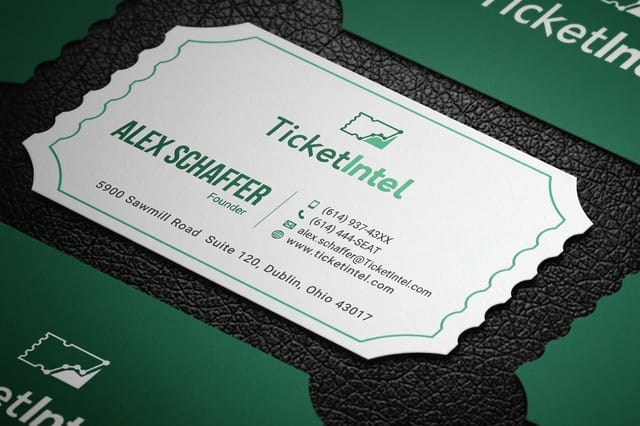
A card shaped like a paint palette, a mason jar, or a gemstone is unforgettable. Die-Cut Any Shape Business Cards cost a little more per unit, but the return in memorability is worth it. People do not throw away interesting shapes. They display them.
Fold-over and multi-panel cards
If you need more room to showcase your work, Foldover Business Cards give you four panels instead of two. Use the extra space for a mini portfolio, a QR code to your shop, pricing, or a map to your studio. This format shines for crafters who sell at multiple markets and need to list upcoming dates. If you sell under more than one name, our guide to business cards with multiple businesses or logos shows how to fit them on one card.
Break the rectangle
Die-cut any shape business cards
Contour-cut cards in any outline, so your card can echo a tool, a jar, or your signature product.
Design elements every crafter should consider

Regardless of your specific craft, a few design principles apply across the board. Get these right and everything else falls into place.
Typography that reflects your brand
A hand-lettered font reads artisan, a clean sans-serif reads modern, and a serif suggests tradition. Pick a typeface that matches your work rather than whatever looks trendy this year, and keep your name and phone number large enough to read without squinting. This business card font size guide covers the safe minimums.
Color palette consistency
Your card colors should match your packaging, your website, and your booth display, because consistency builds recognition over time. If someone sees your teal and copper scheme on Instagram and then gets a teal and copper card at a market, the connection is instant. Color carries meaning too, and this guide on business card color meaning breaks down what each hue signals.
Photography versus illustration
High-quality product photography works if your products are photogenic, and most craft products are. Hand-drawn illustrations can feel more personal and artisanal, so some crafters use a line drawing on the front and a full-color photo on the back. Both approaches work, so pick the one that matches your brand voice.
QR codes and digital integration
A QR code can link to your Etsy shop, your Instagram, or a landing page with a discount code, and placing it on the back keeps the front clean. Make sure the landing page is mobile-friendly, since people scan with their phones. For a code that fits your brand, see these unique QR code design ideas that still scan every time. For extending your brand onto packaging, these logo sticker design ideas cover creative ways to go beyond the card, and this look at what to put on the back of a business card makes the reverse side earn its space.
More craft business card ideas
Three more ideas that cost little and suit small batches, each tied to a stock you can order in a standard 2 x 3.5 inch size.
Stamped kraft cards
Order kraft business cards on 18pt uncoated stock with only your contact line printed, then press your mark on each one with a rubber stamp at the booth. No two cards match, which suits handmade goods, and 100 kraft cards cost $24.75.
Cards that double as hang tags
A card with a single 1/8 inch hole drilled at the top center ties onto a tote, a candle jar or a knitted hat with twine, and the buyer takes your contact details home on the product. Kraft hang tags come in the same 2 x 3.5 inch size as a business card, from $57.96 for 100.
Care instructions on the back
Print both sides on 14pt gloss or 16pt uncoated stock: your logo on the front, the care steps for the piece on the back, such as wash cold and lay flat to dry for knitwear or hand wash only for a glazed mug. Standard cards on either stock start at $17.57 for 100 and print in 3 business days.
Cards built for specific crafter scenarios
Different selling situations call for different card strategies, so tailor the card to where you hand it out.
Craft fair and market cards
At a busy fair you hand out cards fast, so you need something quick to grab, easy to read, and memorable enough to survive the ride home. Keep the front simple with your name, craft type, and website, and put the details on the back. Order in quantities of 1,000 or more, since one busy weekend can burn through 200 cards. A strong booth helps too, and these vendor table display ideas set the scene.
Wholesale and retail buyer cards
Pitching boutique owners or gallery curators calls for a premium feel, so this is where 32pt stock, foil stamping, and specialty finishes earn their keep. Add wholesale inquiries welcome or custom orders available to the card, because these buyers see hundreds and yours needs to stand out on the desk.
Online seller package insert cards
Etsy sellers and online crafters should tuck a card into every shipment, where it doubles as a thank-you note and a marketing tool. Include a discount code for repeat orders, your social handles, and a gentle ask for a review. Artist Business Cards suit this use well, since they are built with creative professionals in mind.
Getting started with templates and free tools
Not every crafter is a graphic designer, and that is perfectly fine. 4OVER4.COM offers free blank templates that give you properly sized, print-ready files for every card format. Download the template for your size, drop in your logo and text, and you are ready to upload.
These templates handle the technical details like bleed areas, safe zones, and resolution, so you can focus on the creative side. They work with Adobe Illustrator, Photoshop, and InDesign, as well as free tools like Canva. If you would rather start from a finished look, the 4OVER4.COM design templates library includes layouts made for creative professionals. Pick one, swap in your branding, and order. Not sure which stock feels right? Order free samples and judge the weight and texture in your hands before you commit.
Start fast
Templates and print-ready blanks
Business card design templates and exact-size blanks so your artwork lands inside the cut line.
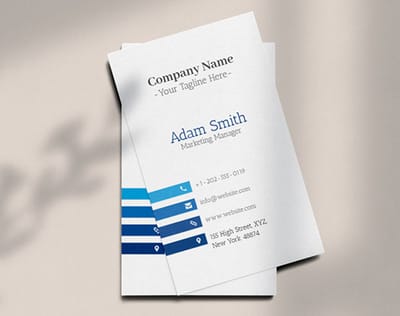
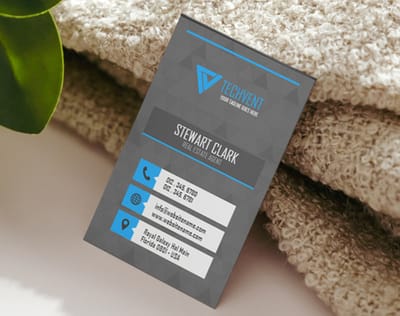
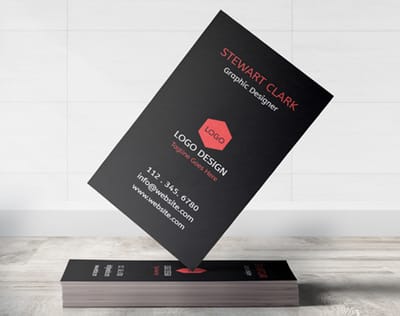
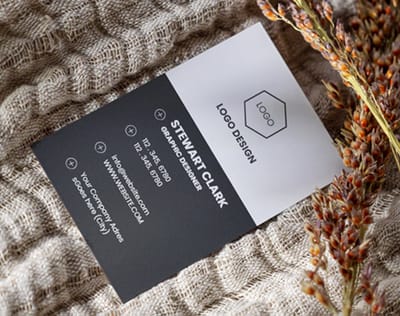
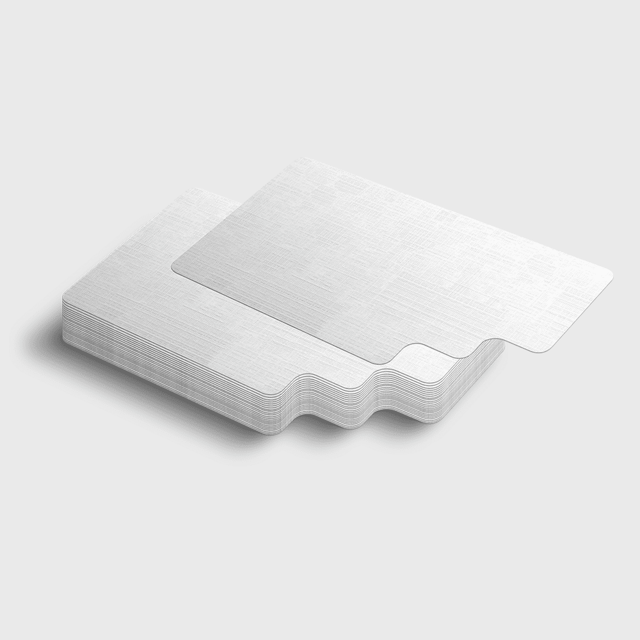
Start from a craft business card template
Three ways in, depending on how much of the design you want to do yourself. All three end at a print-ready file for your card size, 2 x 3.5 inches for a standard card, built at 300 DPI in CMYK with the bleed and safe zone already drawn.
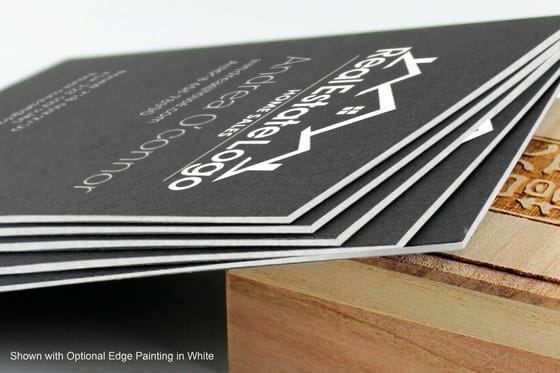
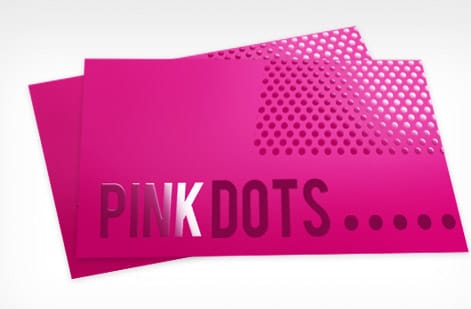
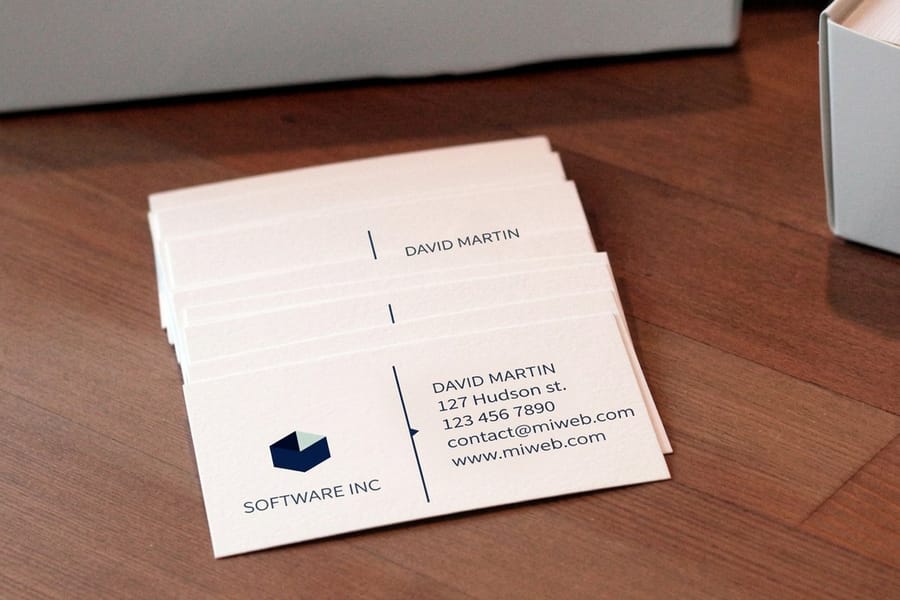
Standard and specialty card options at 4OVER4.COM
4OVER4.COM offers a wide range of card products that fit different crafter needs and budgets. Standard cards are the option most crafters start with, and they scale from a small first run to thousands for a busy market season.
Pricing drops sharply as quantity climbs, which is good news if you attend multiple markets a month. The comparison below lines up stock, finish, quantity, turnaround, and from-price across the most-ordered cards, so you can see where a small upgrade makes the biggest difference.
What should a crafter put on a business card?
Your name and what you make, in plain words: Sarah Miles, hand-thrown stoneware. Then the one channel you actually check, whether that is your shop, your email, or your Instagram handle, and a QR code that opens it. Leave your home address off if you work from home, and use city and state instead so market shoppers know you are local. Give the back one job: a photo of your best seller, or care instructions, which is the reason a buyer keeps the card.
What is the best card material for handmade products?
The one that behaves like your craft. Wood veneer for woodwork, stainless steel metal cards for jewelry and fine-metal work, 30Mil Clear Plastic Cards for glass and resin, and kraft business cards for soap, candles, and herbal goods. Our guide to custom metal cards explains the metal options before you commit. If the card ships inside the box, pick the sturdier stock, because it gets handled twice.
What is the cheapest way to print a small run?
Order standard cards on 14pt or 16pt, keep the design to one or two colors, and use free blank templates instead of paying for artwork setup. Order free samples first so you are not paying twice for the wrong stock, and remember pricing drops sharply as quantity climbs, so if you attend markets monthly, one larger run beats four small ones.
Compare formats
Popular business cards, side by side
Stock, finish, quantity, turnaround, and from-price across our most-ordered cards.
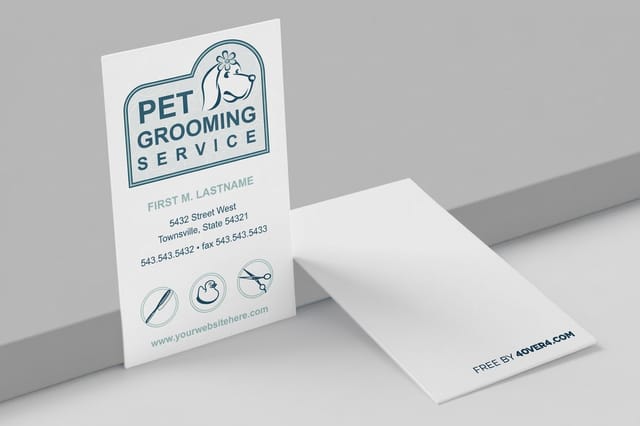 free business cards | 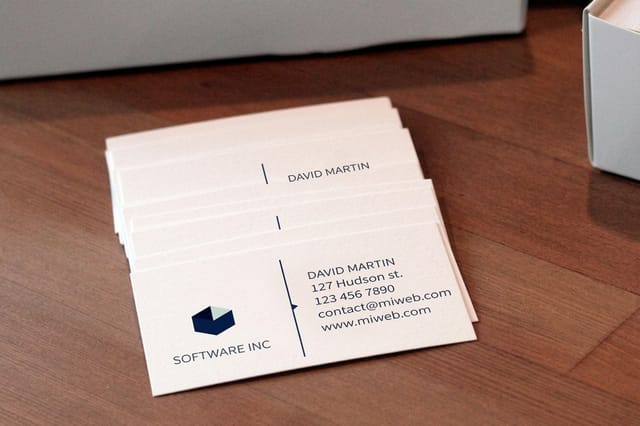 Standard Business Cards |  3D Lenticular Business Cards | 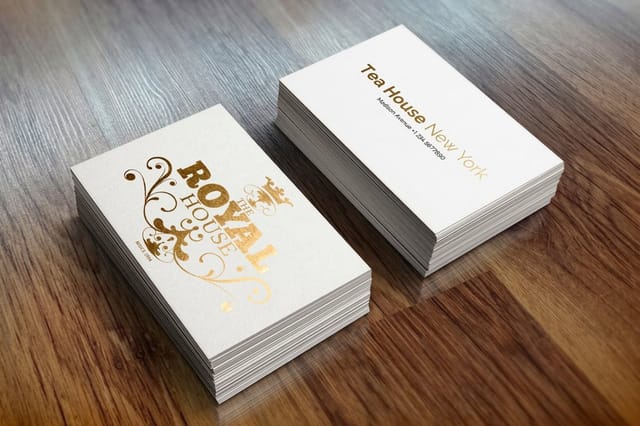 Metallic Foil Business Cards | |
|---|---|---|---|---|
| Min price | Free | $17.57 | $690.88 | $222.13 |
| Paper / stock | 14pt Gloss Cover | 14pt Gloss Cover | 31pt Lenticular Lens | 16 Point Silk Laminated |
| Finish | - | Standard Finish | - | - |
| Size | 2" x 3.5" | 2" x 3.5" | 2" x 3.5" - Vertical | 2" x 3.5" |
| Default qty | 200 | 100 | 500 | 500 |
| Turnaround | 5 business days | 3 business days | 22 business days | 7 business days |
| Rating | ||||
| View & customize | View & customize | View & customize | View & customize |
Wally helps your card match your craft
The right material turns a business card into a sample of what you make
Your card is a tiny portfolio piece, so match it to your medium. Wood for woodworkers, metal for jewelers, clear plastic for glass and resin, and kraft or uncoated for soap and candle makers. Keep the front simple, put a QR code or product photo on the back, and print on thick stock so it feels as premium as your work. 4OVER4.COM prints it sharp across 60+ paper types.
Design your business cards →What to remember about crafter business cards
Quick tips crafters swear by
- Use the right materials. Woodworkers can reach for 65 point beech or cherry wood cards, and stainless steel, gold or rose gold metal cards suit jewelers and other makers of luxury goods.
- Add a personal touch. A handwritten note on the back of a 16pt uncoated card, a small illustration, or a tiny sample of your work shows your hand in the card.
- Try unique shapes and sizes. Shape a card to mimic a signature tool or product, pick a 2 x 2 inch square or a slim 1.5 x 3.5 inch card, or go to a 4 x 3.5 inch foldover to feature a product photo or testimonial.
- Add interactive elements. Playful touches like a 3D lenticular effect make a card memorable and fun to pass around.
- Match the selling moment. Simple cards for fast markets, premium stock for wholesale buyers, and insert cards for online orders.
- Keep your brand consistent. Pull colors and type straight from your packaging and booth so every touchpoint looks like you.
Explore more
More ways to brand your craft with print
The cards below open the wood and clear plastic stocks, the thickness guide, and the free samples page.
 Shop Business Cards Printing Browse every business card format in one place. Hub Business Stationery Cards, letterheads, and more for your brand.
 Product Die-Cut Any Shape Cards Contour-cut cards from $95.56. Product Wood Business Cards Real wood veneer for woodworkers and makers. Product 30Mil Clear Plastic Cards Transparent stock for glass and resin artists. Article Amazing Card Design Inspiration Bold layouts and standout finishes. Guide Business Card Thickness Guide 14pt to 32pt, and when to use each.
 Article Vendor Table Display Ideas Build a booth that sells at markets. Samples Free Samples Feel the stock before you commit.
 Templates Design Templates Customizable, print-ready starting points.
Ready to print a card that matches your craft?
Pick a stock, drop in your logo or a free template, and 4OVER4.COM prints it sharp, as fast as same day.
Common questions about business cards for crafters
Which card material actually shows what I make?
Start by choosing a card material that reflects your craft, whether that is wood, metal, kraft, or clear plastic. Keep the front clean with your name, craft type, and one contact method, and use the back for a product photo or a QR code linking to your shop. Always print on thick stock, 16pt at minimum, so the card feels as premium as your handmade products. For a durable, waterproof option at outdoor markets, look at 30Mil White Plastic Cards.
Craft fair table or wholesale buyer, does the card change?
Think about where you sell and who you hand cards to. Craft fair shoppers respond to bold colors and unusual shapes, wholesale buyers prefer clean, professional layouts on premium stock, and online sellers need insert cards with a discount code. Match the card personality to your brand, so rustic for natural products, sleek for modern designs, and textured for tactile crafts.
What makes a shopper keep a card from a market stall?
Effective crafter cards do three things at once. They showcase your aesthetic, they feel physically memorable through thickness, texture, or an unusual shape, and they give a clear next step like a website, QR code, or social handle. Cards on specialty finishes such as foil or spot UV get held onto far longer than flimsy ones. Read more tips across the 4OVER4.COM printing articles library for deeper design guidance.
Is a wood or metal card worth the jump from standard stock?
Standard cards on quality stock start at just a few cents per card when ordered in quantities of 250 to 500. Specialty options like wood, metal, or die-cut cards cost more per unit but deliver higher impact. Most crafters spend between $30 and $150 per order depending on quantity and finish. Budget for 500 to 1,000 cards per quarter if you attend regular markets, since running out mid-event means lost sales.