
6 Reasons to Consider a Product Packaging Redesign


How to Tell Your Packaging Is Costing You Sales
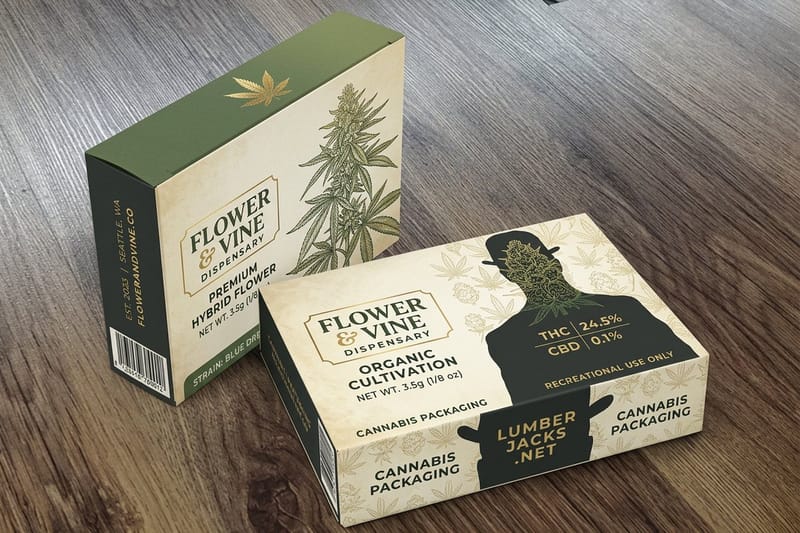
Redesigning packaging makes sense for six reasons, from a dated look to rising damage costs, and most brands reach the decision by noticing a pattern rather than by plan. The carton photographs badly next to newer competitors, the sales deck quietly uses a 3D mockup rather than a photo of the real box, and somewhere in a buyer meeting a person asks whether the product was reformulated. Those are all the same signal. The package has drifted away from what the product has become.
The six reasons below are the ones that genuinely justify new artwork, a new dieline, or a new substrate. If none of them describe your situation, put the budget into distribution and sampling instead. If two or more describe it, a redesign usually pays back through reorders and fewer damaged shipments long before it pays back in shelf appeal.
4OVER4.COM has printed 10 billion+ print products since 1999 for more than 150,000 businesses, and packaging projects tend to arrive carrying the same handful of problems: a dated look, a changed formula, a retailer or marketplace spec, damage in transit, a rebrand the box never caught up to, and a sustainability claim the material cannot actually support. Work through them in that order and the creative brief mostly writes itself, because you will know which parts of the job are structural and which are purely graphic.
Start with the physical sample, not the artboard
Put the current package on a table next to the four products a shopper would consider instead. Look at it from three feet away, then photograph it under ordinary phone light. Almost every real problem shows up in that test before it ever shows up in a spreadsheet.
Separate the structural fix from the graphic fix
A new dieline, a heavier board, or a different closure is engineering work with tooling and lead time attached. New color, a new logo lockup, or clearer claim hierarchy is artwork. Pricing and scheduling them separately keeps one from holding the other hostage.
Shop the category
Packaging printing collection
Boxes, sleeves, labels, and tape, priced for real production runs.

Redesigning Packaging in Five Steps
Redesigning packaging goes smoothest when the brief comes before the artwork. Five steps take a brand from the first doubt to a new box on the shelf.
- Name the reason. Pick which of the six reasons below applies, and write it into the brief.
- Audit the returns and the shelf. Photograph damaged returns and the package beside three newer competitors.
- Keep one anchor. Hold the logo, one color or the shape so existing buyers still find you.
- Test on a sleeve. Wrap the current box in a packaging sleeve with the new design before you commit to new tooling.
- Spec the run. Lock the dieline, stock and finish, then print the full run with the compliance panels in place.
Reason 1: The Design Looks Older Than the Product Inside
Visual conventions in every category move, and they move faster than most brands reprint. Gradients, heavy drop shadows, tightly tracked all-caps type, and stock photography of a smiling model holding the product all date a package precisely. A packaging sleeve from $438.25 lets you test a current look over the existing box before you retool it. When your box carries a design language the category abandoned two cycles ago, shoppers read it as an older, cheaper, or discontinued item even when the formula inside is the newest thing on the shelf.
The tell is usually price. If you have raised your price and the package still looks like it belongs at the old price, that mismatch does the arguing for the competitor beside you. Premium cues are physical as much as graphic: uncoated or soft-touch stock, a restrained palette, real white space, and one finishing effect used once instead of four used everywhere.
- Type has aged. Condensed novelty faces and heavy outlines read as older than clean, well spaced type set at a legible size.
- Too many messages compete. Five badges and three claims at similar weight means nothing has priority and nothing gets read.
- Color drifts between SKUs. Variants printed in different years stop looking like one family in a shelf block.
- The logo is small and the burst is big. Promotional starbursts outliving the promotion is the most common dated cue in packaging.
- Photography does not match reality. Retouched imagery that flatters the old formula undermines trust the moment the box is opened.
A refresh here does not always mean a full redesign. Keeping the silhouette, the primary color, and the shelf block while modernizing type, hierarchy, and finish protects recognition for existing buyers and still reads as new to everyone else. That is the difference between an evolution and a relaunch, and it is a decision worth making deliberately rather than by accident.
Print picks
Three packaging formats worth pricing first
Live starting prices, ready to configure with your dieline and quantity.
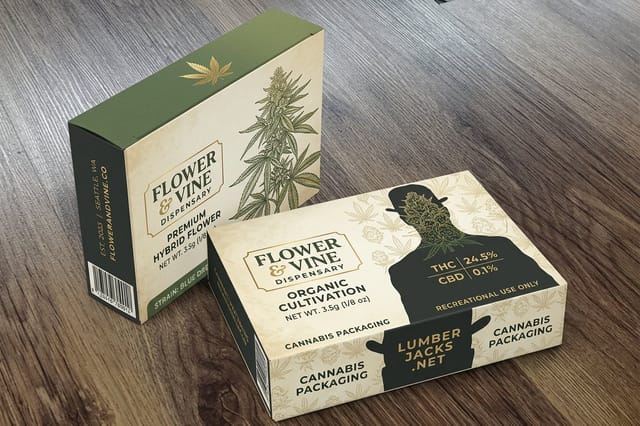 Cannabis Packaging 250 for $711.78 Custom cartons built around required warning panels and lot coding.
 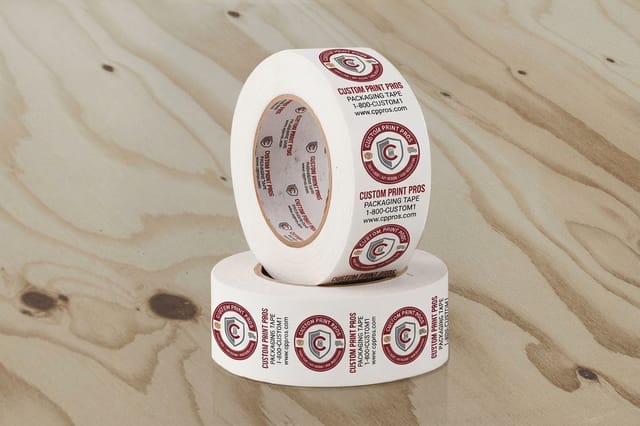 Printed Packaging Tape $347.11 each Brand the outer carton without paying to reprint the carton itself.
 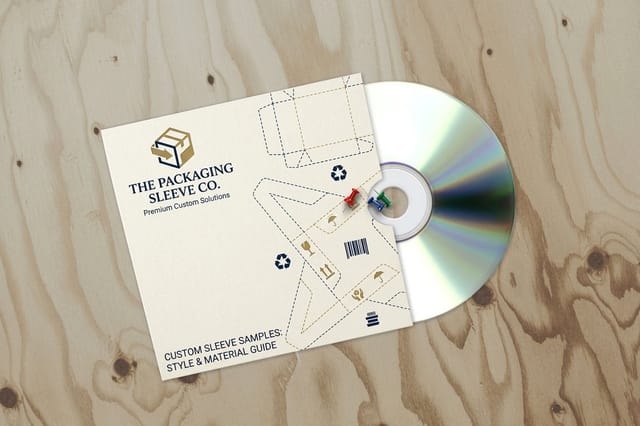 Packaging Sleeves 100 for $438.25 Swap artwork per season or per SKU while the structure stays fixed.
 Reason 2: The Formula, Size, or Contents Changed
Any change to what is inside is a hard trigger. A new ingredient, a different net weight, a new count per box, an added allergen, a supplier swap that changes a certification, or a strength change all touch the printed panel. Selling a changed product in unchanged packaging is a compliance problem first and a trust problem second, because the first customer who compares the panel to the product will say so publicly.
Structural fit matters just as much. Products that shrank sit loose and rattle, which shoppers read as short measure. Products that grew get forced into a carton that bulges at the glue seam and fails on the pallet. When the contents change dimensionally, remeasure the pack before you touch a single graphic element.
- Panel data. Net weight, count, ingredient or strength statements, and required warning language all have to be reset together, never patched one field at a time.
- Barcodes and lot fields. A new GTIN, a variable data window, or a batch and expiry area needs clear space and a print method that holds fine detail.
- Fit and fill. Recheck inside dimensions, headspace, and any insert or divider so the product stops moving inside the carton.
- Regulated categories. Cannabis, supplement, and cosmetic packs carry panel rules that dictate placement and size as well as wording.
- Version control. Retire the old artwork file the day the new one is approved so nobody reorders the previous panel out of habit.
Reason 3: Retailers and Marketplaces Changed the Rules
A package that works in your own online store can fail the moment a chain buyer, a distributor, or a marketplace becomes the customer. Shelf-ready formats, case counts per tier, tray heights, pallet patterns, and hanging or peg requirements are all specified by the retailer, and none of them care what your dieline used to be. Losing a listing over a carton spec is an avoidable and expensive way to learn that.
Ecommerce imposes its own rules. Packages that ship on their own have to survive handling without an overbox, and the unboxing becomes a marketing surface in its own right. That is why brands moving into direct fulfillment often leave the retail carton exactly as it is and add a mailer, a sleeve, and branded tape around it rather than redesigning the primary pack twice.
- Case and pallet math. Confirm units per case, cases per tier, and tiers per pallet before locking the outside dimensions of the box.
- Shelf-ready display. Perforated tear-away fronts and printed tray faces have to be designed in, not cut in afterwards.
- Marketplace imagery rules. A front panel shot for a listing needs legible type at thumbnail size and a composition that survives cropping.
- Ship-alone durability. A pack that travels without an outer carton needs stronger board, a better closure, and a label placement that will not be covered by a carrier sticker.
- Barcode scanability. Quiet zones, contrast, and placement on a flat panel, never across a crease or a glue flap.
Reason 4: Damage and Fulfillment Costs Keep Climbing
Replacement shipments and refunds are the quietest packaging cost there is, because they get booked as customer service rather than as a packaging failure. Count them for one quarter: each crushed corner or torn sleeve is a second shipment and a second box. If your support queue keeps showing crushed corners, leaked product, or torn sleeves, the package is the root cause and no amount of carrier negotiation will fix it. Photograph the returns, group them by failure point, and the redesign brief becomes very specific very quickly.
Dimensional weight is the other lever. Void space costs money on every parcel, so trimming a package down to the real product footprint reduces shipping on every order for the life of the SKU. Compare the current spec against a tighter one at the quantities you actually order, then decide with the numbers in front of you instead of from a hunch.
Fix the failure, not the symptom
Crushed corners point to board grade or flute direction. Leaks point to closure and inner seal. Scuffed panels point to coating and to how the pack rubs against its neighbors in transit. Each has a different fix, and only one of them is graphic.
Quantity and price
Custom packaging pricing and specs
Real configurator numbers, so you can weigh the current spec against a tighter one.
| Quantity | Price Per Unit | Total |
|---|---|---|
| 250 | $2.85 | $711.78 |
| 500 | $1.42 | $711.78 |
| 1,000 | 79.7¢ | $797.02 |
| 2,500 | 53.5¢ | $1,338.30 |
| 5,000 | 44.6¢ | $2,231.42 |
| 10,000 | 40.4¢ | $4,044.70 |

Reason 5: The Brand Moved On and the Box Stayed Behind
Rebrands rarely finish. The site, the deck, and the social profiles get the new identity within a week, and the packaging waits for current inventory to run out. Months later a customer receives a box in the old palette with the old logo, and the brand looks either careless or counterfeit. Anything a customer physically holds carries more identity weight than anything they scroll past.
The practical fix is staged. Update the surfaces with the shortest lead time and the lowest tooling cost first, then bring the primary carton in line at the next production run. Sleeves and bands are ideal for this because the artwork changes without touching the structure, so one approved design can cover several SKUs and a seasonal variant without a new dieline.
- Match the color for real. Screen values are not print values, so approve the new brand color on the actual substrate before committing to the full run.
- Update every printed touchpoint. Carton, label, sleeve, insert card, and tape should not be three generations of the same brand arriving in one parcel.
- Keep one recognition anchor. Holding the shape, the color block, or the icon steady stops loyal buyers from walking straight past the new pack.
- Plan the changeover. Decide whether old and new can sit on shelf together, and for how long, before you print either version.
Fastest surface to change
Packaging sleeves
A new look, a new claim, or a seasonal variant while the structure underneath stays exactly the same.

Reason 6: Sustainability Claims No Longer Match the Material
Environmental language on packaging has become specific, and vague claims now create risk instead of goodwill. A leaf icon and the word eco mean nothing on a laminated pack that cannot go into a normal curbside stream. If your material, coating, or window film changed, or if the claim was always aspirational, the panel needs rewriting to describe what the package actually is.
A redesign is the chance to make the claim true rather than softer. Dropping a plastic window, moving from a foil laminate to uncoated board, cutting the pack down to its real footprint, or replacing loose filler with a printed insert are all changes a customer can verify by holding the box. Precise, checkable statements age far better than a general promise.
- Say what is recyclable. Name the component, since a carton, a sleeve, and a liner rarely share the same end of life.
- Drop unverifiable superlatives. Anything you cannot back with a spec or a certificate should not be printed at all.
- Reduce before you relabel. Removing material is the claim, and the smaller pack almost always ships cheaper too.
- Check the finish. Heavy laminates and metallic effects can quietly undercut the exact claim printed beside them.
Brand the outer carton
Custom printed packaging tape
Turn plain shipping cartons into branded surface area without reprinting a single box, and keep the seal tamper evident.
Running the Redesign Without Stalling Production
The risk in a packaging redesign is not the design. It is the gap between the last case of old packaging and the first case of new packaging, because that gap is where stockouts live. Work backward from the date you need product on shelf, add the print and finishing window, add proofing, and set the artwork deadline from there. Anything approved after that date pushes the launch, not the print run.
Order of operations matters as much as the calendar. Prove the structure first with a physical sample of the real dieline on the real board, then approve graphics on that structure. Approving flat artwork on a screen and discovering at the folding stage that a claim lands on a crease is the most common and most expensive rework in the whole process.
A schedule that holds
- Lock the spec. Size, board, closure, coating, and quantity all agreed before a designer opens a file.
- Proof on substrate. Approve color on the material you will print, not on a desktop proof or a monitor.
- Run a bridge quantity. A short run of the old pack buys the schedule room without stranding a full skid.
- Stage the changeover. Ship the new pack into one channel first, watch the returns data, then roll it out everywhere.
Compare formats
Popular packaging products, side by side
Material, size, quantity, turnaround, and starting price in a single view.
 Cd Covers |  Packaging Tape |  Golf Ball Boxes |  Header Cards | |
|---|---|---|---|---|
| Min price | $75.80 | $347.11 | $269.11 | $218.30 |
| Paper / stock | 100# Gloss Text | - | 14pt Uncoated Cover | 14pt Uncoated Cover |
| Finish | Standard Finish | - | Standard Finish | Standard Finish |
| Size | 4.75" x 4.75" Single Panel | 2" x 55 Yard Tape (36 rolls/case) | 1.7" x 1.7" x 5" | 3.5" x 4" scores to 3.5" x 2" |
| Default qty | 25 | 1 | 50 | 1,000 |
| Turnaround | 5 business days | 20 business days | 7 business days | 6 business days |
| Rating | ||||
| View & customize | View & customize | View & customize | View & customize |
Specs, Dielines, and Files That Print the First Time
Packaging files fail for boring, repeatable reasons: artwork built to the visual box instead of the dieline, no bleed across the glue flap, live text sitting inside a fold tolerance, RGB images left in a CMYK job, and barcode artwork scaled out of proportion. Every one of those is caught in five minutes at setup and costs days when it is caught on press. Check each fix against the dieline before you send a box print job or a run of custom fold over packaging. If bags are part of the line, read how to design custom packaging bags that print clean.
Start from a print ready layout in the design templates library or from the exact dieline for your chosen format, place your artwork inside the safe area, and keep a separate layer for cut, crease, and any spot finish. Then send a flattened PDF with that dieline layer intact so prepress can see exactly what you intended.
Preflight checklist before you upload
- Bleed. Extend art past every trim and every glue flap so no white edge appears after folding.
- Safe area. Keep logos, claims, and legal text well clear of creases, perforations, and score lines.
- Color. Convert to CMYK, name any spot color deliberately, and flag the one brand color that has to match.
- Resolution. 300 dpi at final placed size, with no upscaled product photography on the front panel.
- Barcodes and variable fields. Vector artwork, correct quiet zones, and a flat area reserved for lot and date coding.
Start fast
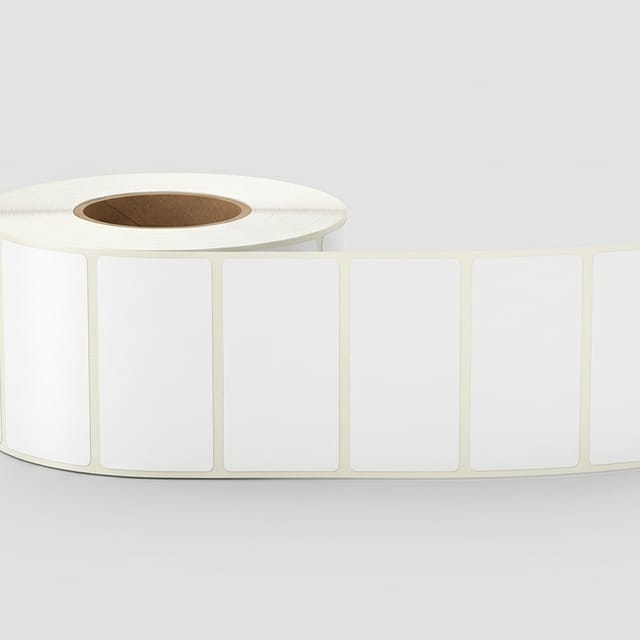
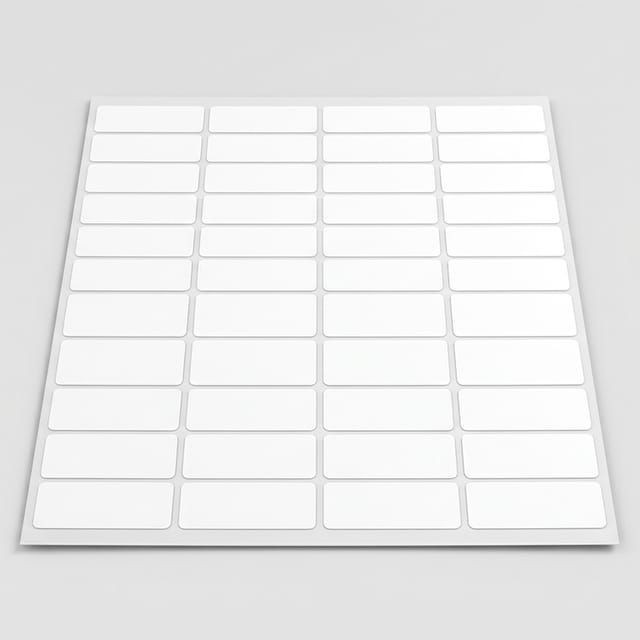
Packaging templates and print ready blanks
Free layouts plus exact-size blanks so your artwork lands inside the safe area the first time.


Wally helps you decide if the box is the problem
Six triggers, then the right format to print the fix on
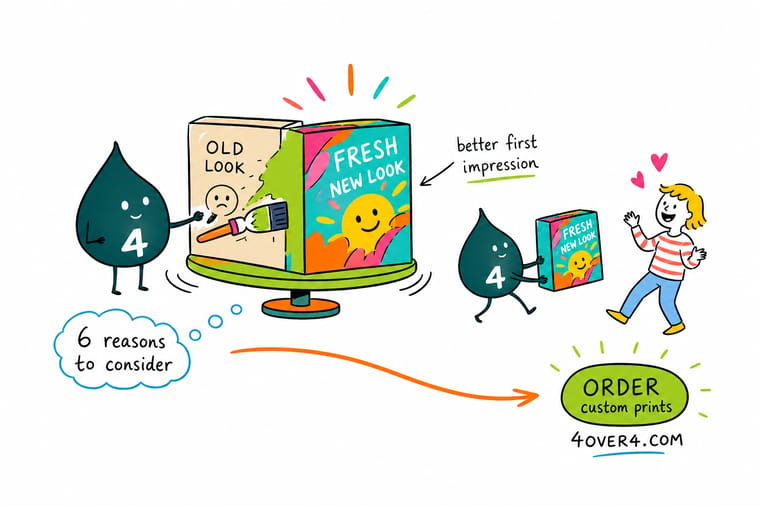
Not sure whether to refresh or rebuild? Count your triggers. A dated look on its own is a refresh, so modernize type, hierarchy, and finish and keep the shelf block intact. A formula change, a retailer spec, or damage in transit is structural, so prove the dieline on real board before anyone approves artwork. If a rebrand is driving the project, start with sleeves, labels, and printed tape while the carton waits for its next run.
Configure your packaging →4OVER4.COM by the Numbers
- 10B+ print products. produced since 1999 across the whole 4OVER4.COM catalog.
- 150,000+ businesses served. across every industry, company wide.
- 60+ stocks and finishes. across the catalog, with packaging sleeves on seven stocks from 14pt Gloss Cover to 14pt White Linen.
- 99.8% on-time delivery. measured across tracked orders.
What to Carry Into Your Redesign Brief
Go deeper
Guides that carry the redesign to press
Designing packaging for a product, choosing the right packaging, what packaging design costs and how to spec a custom run.
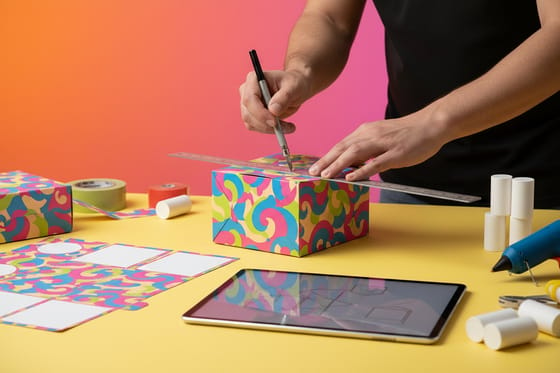 Guide How to Design Packaging for a Product The complete walkthrough from brief to press ready file.
 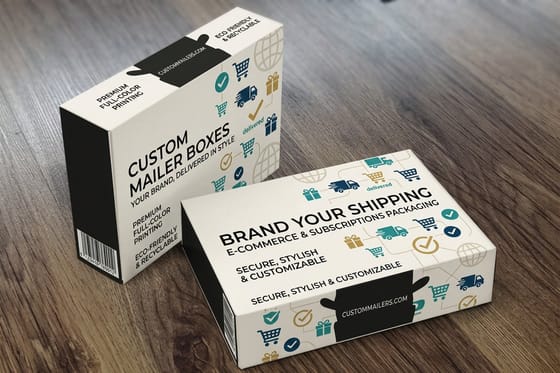 Guide Choosing the Right Packaging Match format, board, and closure to what you actually ship.
  Guide What Packaging Design Costs Where the money goes across design, tooling, and print.
  Guide How to Spec Custom Packaging The numbers to lock before anyone opens a design file.
 Explore more
More packaging pages across 4OVER4.COM
Header cards run 1,000 for $218.30, which is $0.22 a pack, and sleeves 100 for $438.25. The cards below open cannabis packaging, sleeves, printed packaging tape and packaging design trends.
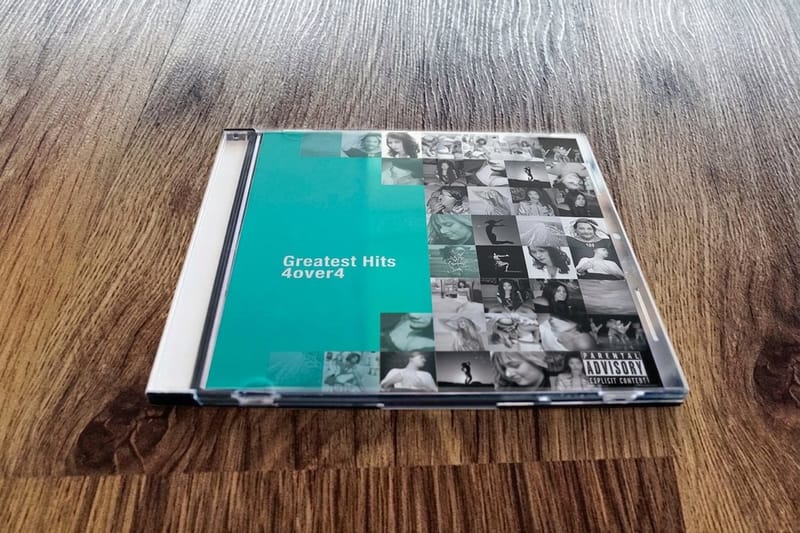 Collection Packaging Printing Boxes, sleeves, labels, and tape in one collection.
 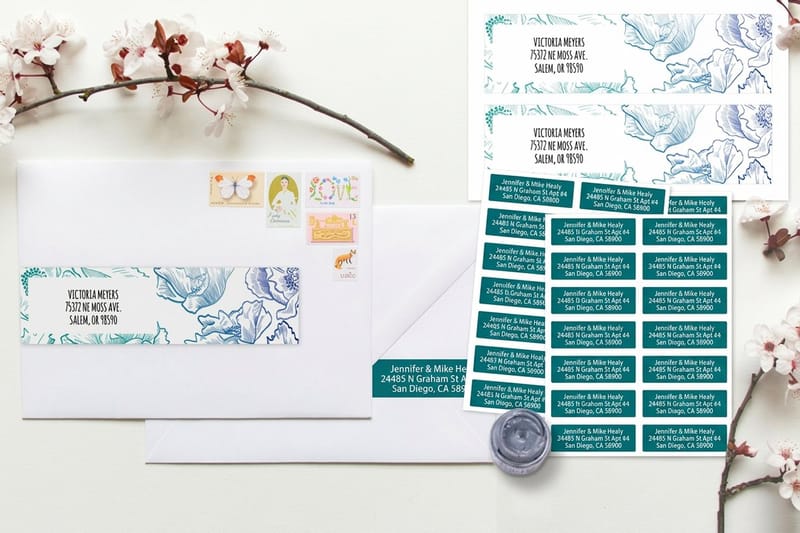 Shop Packaging and Labels Browse every packaging and label format we print. Product Cannabis Packaging Compliant custom cartons for regulated products.
  Product Packaging Sleeves New artwork without a new dieline or new tooling. Product Printed Packaging Tape Brand the outer carton on every order you ship.
  Article Packaging Ideas That Sell Boxes, labels, and formats that move product.
  Article Packaging Design Trends What the shelf looks like this year, and why. Article Product Branding Strategies Naming, packaging, and identity working as one system.
 Ready to put the redesign on real board?
Lock the spec, upload your dieline, and configure the run at the quantity you actually order. Live pricing, print ready templates, and a proof before anything goes to press.
Packaging Redesign FAQs
What counts as outdated product packaging design?
Packaging is outdated when it signals a different product than the one inside. The usual tells are dated type and effects, promotional bursts that outlived the promotion, color that drifted apart across SKUs, and a design language your category left behind. Price is the fastest check: if you have raised your price and the package still looks like the old price, shoppers will believe the package. For the full decision framework, see choosing the right packaging.
Do I need new packaging when the product formula changes?
Almost always, yes. A new ingredient, strength, count, or net weight changes the printed panel, and in regulated categories it changes required warning or dosing language too. Size changes also affect fit, because a product that shrank rattles inside the carton and one that grew stresses the glue seam. Treat a formula change as a trigger to reset the panel data and recheck internal dimensions in the same pass, rather than patching a single label field.
What is a packaging redesign, exactly?
A packaging redesign is a deliberate change to the structure, the graphics, or both, driven by a business reason rather than by taste. Structural work covers the dieline, board grade, closure, and coating, and it carries tooling and lead time. Graphic work covers hierarchy, type, color, imagery, and claims, and it moves much faster. Naming which of the two you are actually doing is the single most useful decision at the start of the project.
How do I choose the right packaging redesign approach?
Count your triggers. One trigger usually means a refresh, so keep the silhouette and the shelf block and modernize type, hierarchy, and finish. Two or more, especially when one is structural, means a full redesign with a new dieline and a physical sample approved before artwork is signed off. If a rebrand is driving it, start with the fast surfaces such as sleeves, labels, and tape while the primary carton waits for its next run.
What does a packaging redesign cost and how is print priced?
Print pricing comes from format, size, material, finishing, and quantity, and the per unit cost drops as the run grows. At 4OVER4.COM, Cannabis Packaging starts at $711.78, Packaging Sleeves start at $438.25, and Printed Packaging Tape starts at $347.11, with live pricing shown once you configure the job. Design fees sit separately from print, and that breakdown is covered in what packaging design costs.
