
Custom Retail Packaging That Earns Its Place on the Shelf


Box styles, dielines, board stocks, finishes, and the unboxing moment, explained in order. Then the part most brands miss: printing the boxes, seals, hang tags, and insert cards together so the whole set matches.
Custom retail packaging is printed packaging built to your product's own dieline rather than picked from stock sizes. The practical sequence is structure first, then internal dimensions, then board, then finish, then artwork laid on the template. Folding cartons suit light shelf items, mailers suit anything shipped alone, rigid boxes suit gifts, and corrugated suits stacking. Labels, seals, and hang tags should run in the same order so color and stock stay consistent.
Start here
Custom retail packaging in one paragraph
Custom retail packaging is a printed structure built to your product, not a stock box with a sticker on it. You choose a format, size it from the inside out on a dieline, pick a board that matches the weight and the journey, add a finish that protects as much as it flatters, and design each panel for the moment it is seen. Then you print the labels, seals, and tags alongside it so the whole set arrives as one family.
Why retail packaging decides whether the product goes home
A product on a shelf gets a very short audition. A shopper scans a row, one package pulls their hand out, and the rest stay where they are. Nothing else in your marketing has that job. The box is the only piece of print that is touched, turned over, read at arm's length, and then carried through a checkout line in public.
That is why packaging deserves the same attention as a campaign rather than being treated as the container the campaign ships in. The structure controls what the shopper sees first. The board controls whether the corners are still crisp after a week of restocking. The finish controls whether the panel looks expensive under store lighting or looks like a sample that was rushed.
This guide walks the whole path in order: what custom retail packaging actually covers, how to pick a structure, how to size it, which boards and finishes hold up, how to design the unboxing, and how to put matching labels and tags in the same order so nothing arrives mismatched.
What is custom retail packaging?
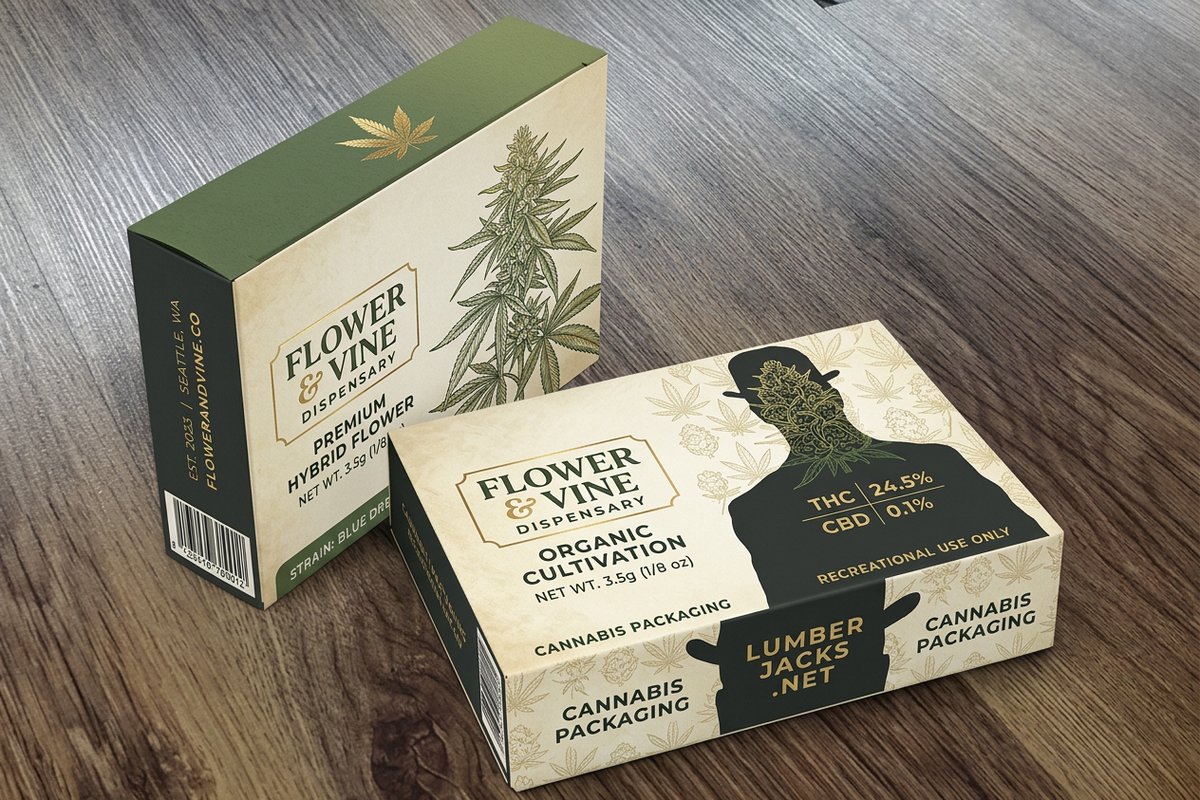
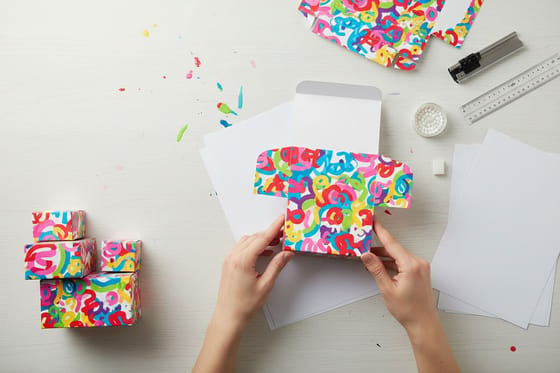
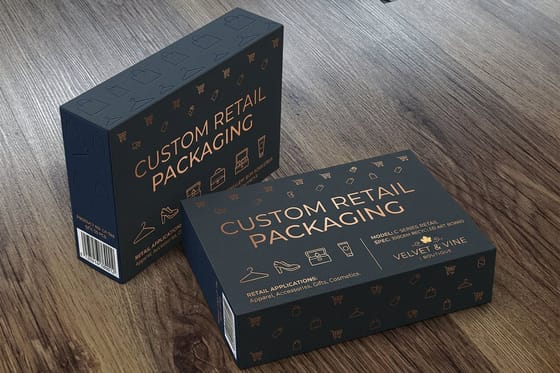
Custom retail packaging is printed packaging built to your product rather than chosen from a shelf of stock sizes. It starts from a dieline, the flat map of every panel, fold, and glue tab, and ends as a folded and glued structure that fits the product with almost no slack. Everything is printed before it is cut, so artwork can run across the front, the sides, the flap, and the inside.
The category is wider than boxes. A single retail program usually includes a primary container that touches the product, a shelf-facing carton, a shipper that protects the carton in transit, and the printed pieces that finish it: seals, hang tags, insert cards, and the label that carries the barcode and required copy.
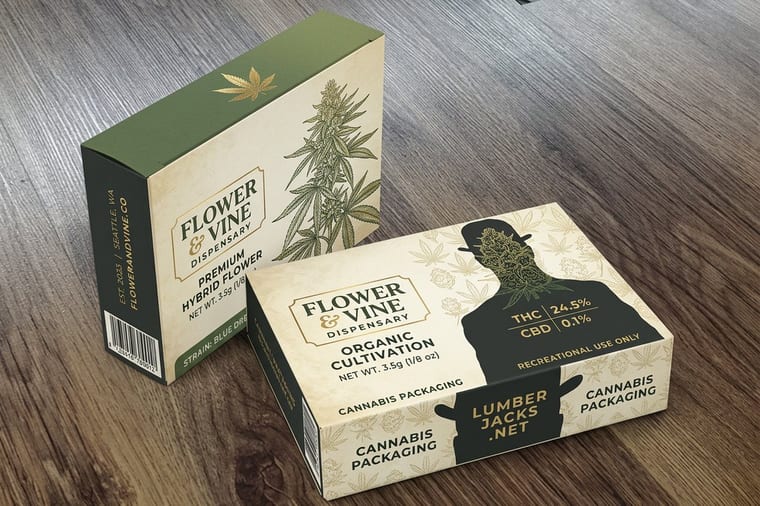
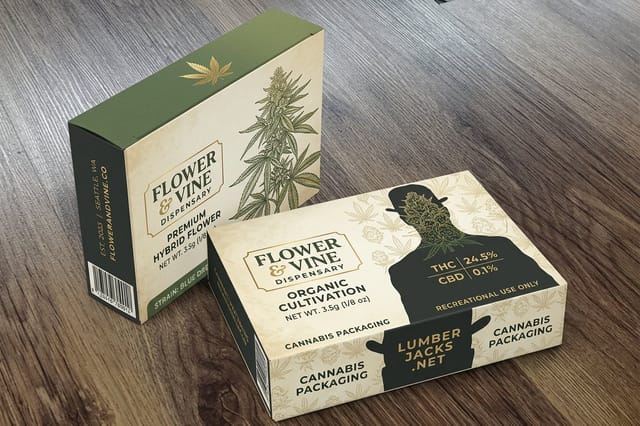
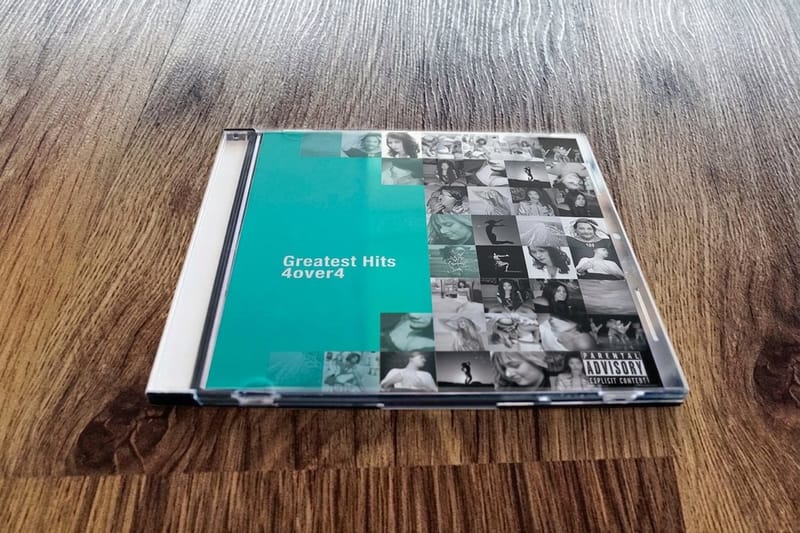
The useful mental model is a system rather than an item. When those pieces are specified together, one dieline informs the next, one color build carries across stocks, and the reorder is a repeat rather than a fresh round of guesswork. Products such as Cannabis Packaging at 4OVER4 exist for exactly this: a compliance-heavy retail box that still has to look designed.
Box styles compared and where each one belongs
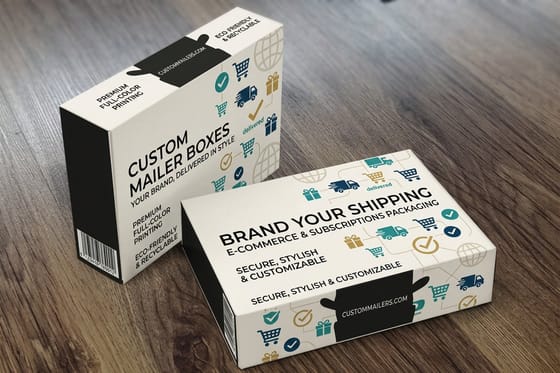
Structure is the first real decision and the hardest to reverse. A straight tuck folding carton is the shelf workhorse: light cartonboard, flat shipping, low unit cost, ideal for anything under a couple of pounds. A mailer box has an integrated lid and needs no tape, so it survives a courier network and opens like a gift, which is why it dominates direct to consumer. See the folding carton guide for how the cardstock version is built.
A rigid box is wrapped chipboard that does not fold flat. It is the most expensive per unit and the one customers keep, which makes it right for jewelry, electronics, and gift sets. A corrugated shipper trades looks for stacking strength and is what you want under a pallet load, covered in the corrugated boxes guide. A sleeve and tray splits the job in two, letting the printed sleeve change for a season while the tray stays the same.
Match structure to the journey, not to a picture you liked. Ask where the product is displayed, whether it ships alone, how many units stack on top of each other, and whether the customer keeps the box. Those four answers usually eliminate all but one option.
Sizing, dielines, and the tolerances that make a box fit
Packaging is measured inside out. The internal dimensions have to hold the product plus any insert, plus a small allowance so the item slides in on a packing line without a fight. Order length, width, and depth in that sequence and write them the same way every time, because a transposed pair of numbers is the most expensive typo in packaging.
Then add the board. Cartonboard and corrugated both have real thickness, and on a small box that thickness is a visible share of the dimension. A dieline accounts for it by design, which is why artwork should never be drawn on a plain rectangle and wrapped later. Place logos, barcodes, and legal copy on the template with a safe margin from every fold, because a crease through a logo is permanent.
Build in bleed on every panel that reaches an edge, keep critical text well inside the safe zone, and expect a small shift between print and cut. If a design only works when the trim is perfect, it does not work. A quick review of the flat file against the folded mock catches nearly all of it before a die is made.
Board, stock, and how much strength you actually need
Stock choice is a trade between weight, protection, and cost. Coated cartonboard gives a smooth white face that holds sharp print and works for most shelf cartons. Uncoated and kraft boards read as natural and honest, absorb more ink, and suit brands that want a matte, low-shine look. Rigid chipboard wrapped in printed paper delivers the dense, heavy feel that signals a premium product.
Corrugated sits in its own group because the fluting is what carries the load. Fine flutes keep a printable face for retail-visible shippers, heavier flutes take stacking and rough handling. Overbuilding is a real cost: a heavy board on a light product raises both the unit price and the shipping weight for zero benefit.
Judge stock in your hand rather than on a screen. Two boards with the same specification can feel entirely different once folded, and dark artwork behaves differently on coated and uncoated faces. Ordering free paper samples before a full run is the cheapest insurance in the whole process.
Finishes that survive a shelf and still look expensive
Coating is protection first. Gloss laminate resists scuffing and moisture and makes color look saturated under store lighting. Matte laminate kills glare and photographs beautifully, but it shows scratches on dark solids more readily than people expect. Soft touch adds a velvet feel that people notice in the hand, with the same caveat about fingerprints on deep colors.
Decorative finishes should be used as punctuation. Spot gloss over a matte panel lifts a logo without coating everything. Foil stamping adds real metal shine that no ink can imitate. Embossing works through touch rather than sight and needs enough board thickness to hold the shape. A window cut lets the product sell itself, which matters more than any graphic when the item is beautiful on its own.
Pick one lead effect and let the rest support it. Three competing finishes on one panel cancel each other out and add cost at every stage. If you want a reference point for finish-heavy work, the cosmetic packaging guide covers small cartons where finish carries most of the perceived value.
Designing the unboxing, panel by panel
Opening a box is a sequence, and every panel gets its moment. The outer face has one job: identify the brand and the product from a distance. The side panels carry the details a shopper reads once the box is already in their hands. The inside of the lid is the panel almost everyone leaves blank, and it is the one the customer stares at while they lift the product out.
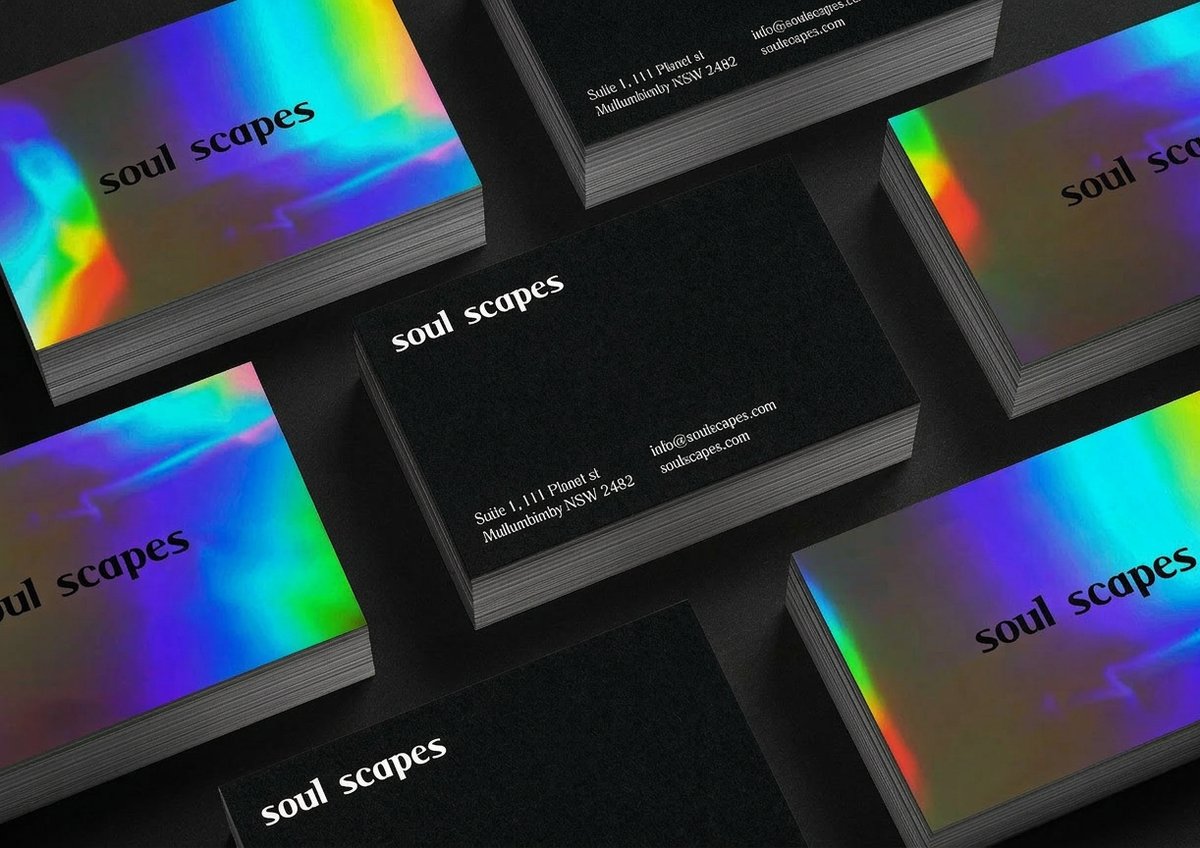
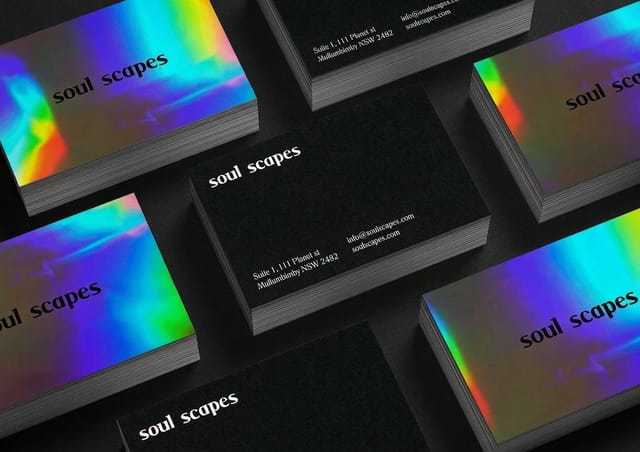
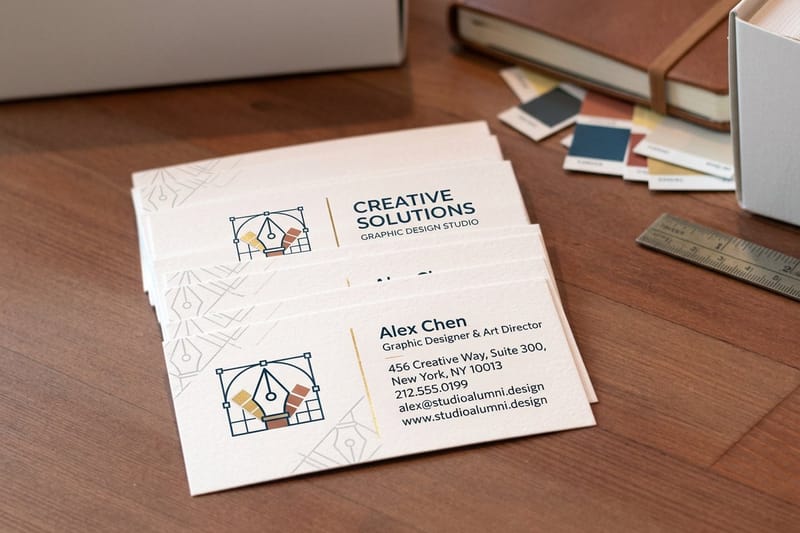
Use that inside surface for something worth reading: a short thank you, care instructions, a reorder prompt, a note about how the product was made. A printed insert card does the same work at a lower cost, and Custom Business Cards from $17.57 are an easy way to add one without a new die.
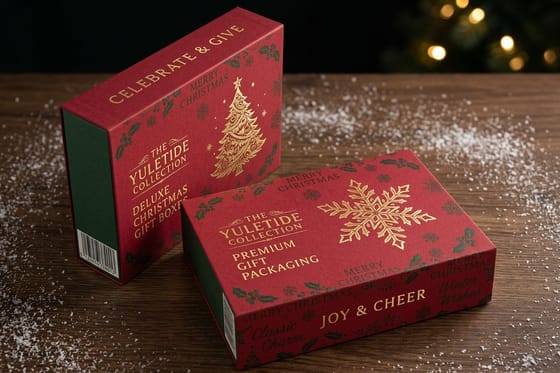
Finish the sequence with a physical cue. A seal that has to be broken, a ribbon, or tissue creates a pause before the reveal, and the pause is what people photograph. The printed ribbon guide and the holiday packaging ideas both cover low-commitment ways to add that moment for a season.
Matching labels, tags, and seals in the same order
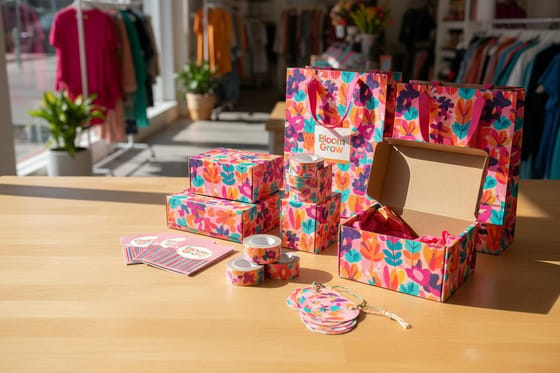
The fastest way to make good packaging look cheap is to buy the pieces separately. Boxes from one supplier, labels from another, and hang tags from a third almost never share the same white point or the same coating, and the mismatch is obvious the moment they sit next to each other on a shelf.
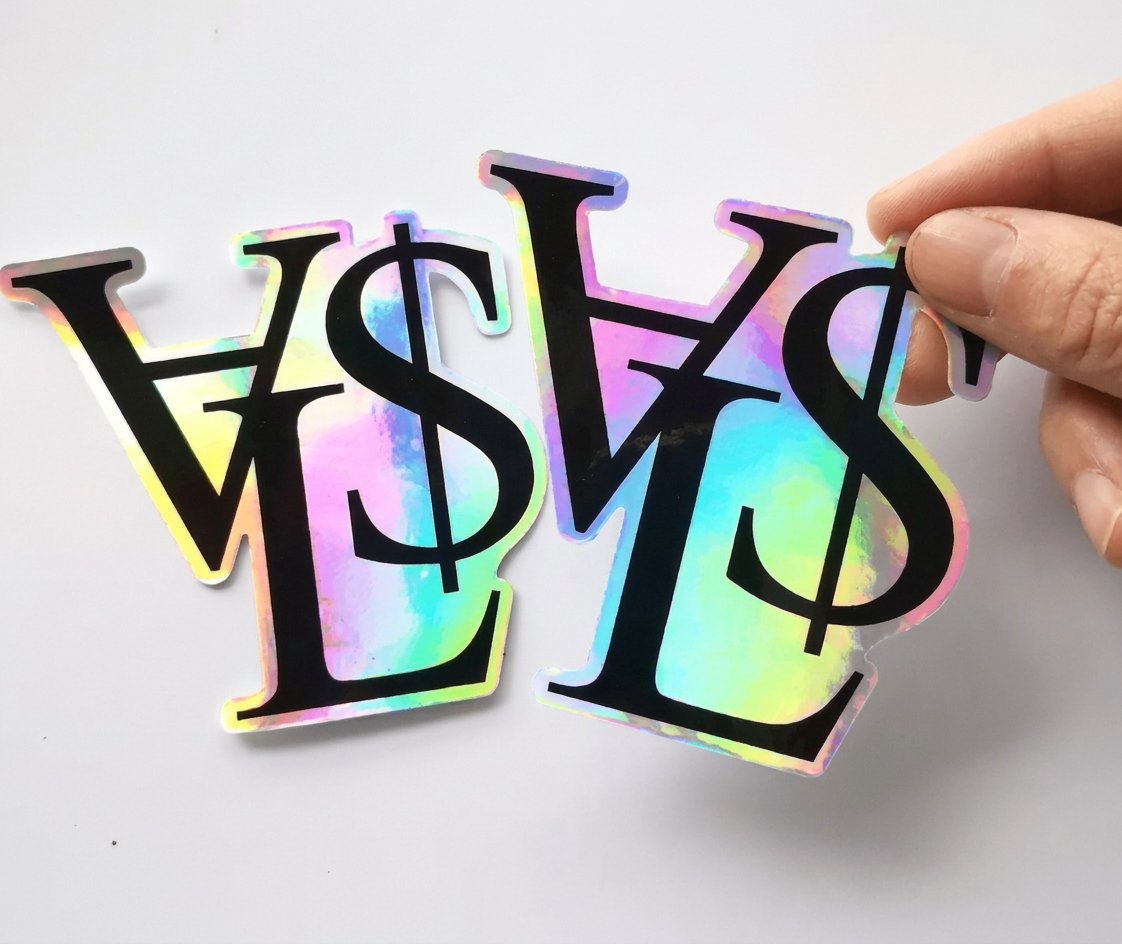
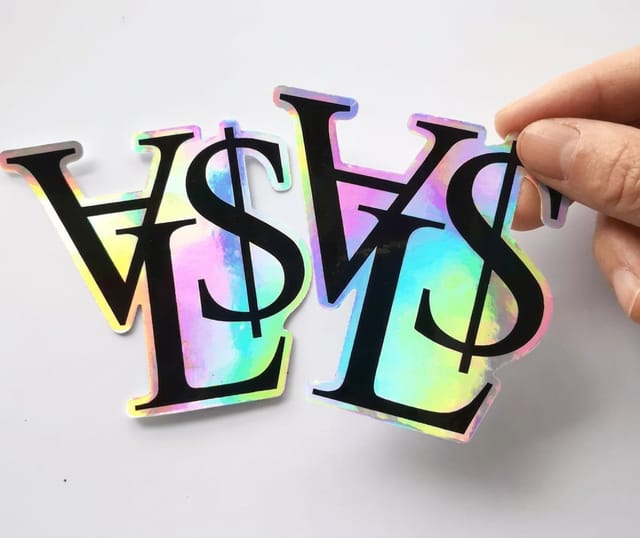
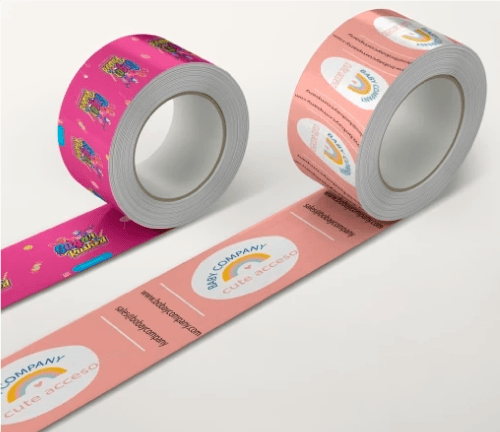
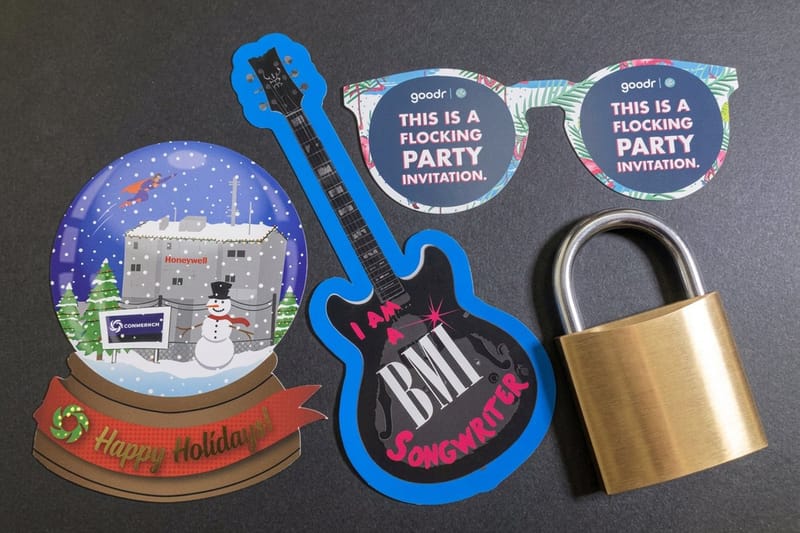
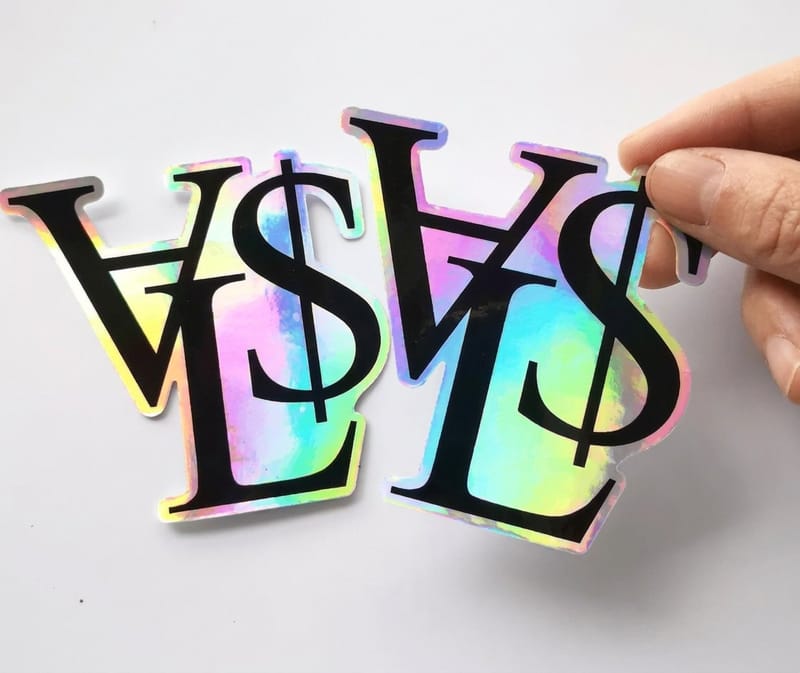
Running the set together fixes that. A label carries the barcode, the variant, and any required copy, so the box art stays clean and one carton can serve multiple SKUs. A seal closes the box and doubles as a brand mark. Custom Holographic Stickers from $322.98 do both jobs at once, since a holographic face is both an accent and a visible sign that a package has not been opened.
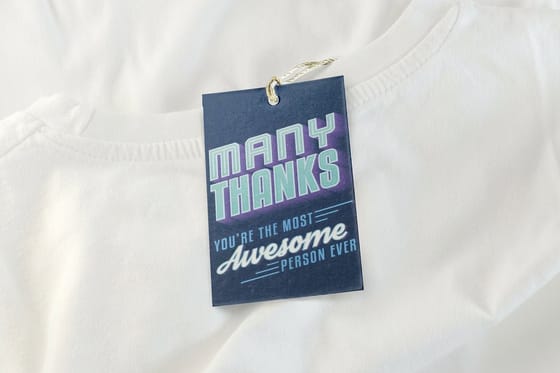
Hang tags handle anything that needs to be attached rather than adhered, and insert cards carry the message that does not fit on a panel. A worked example of this coming together is the retail brand that rebuilt its shelf presence with custom labels.
Shelf-ready details, barcodes, and the copy you cannot skip
Retail has rules that are invisible until they are broken. A barcode needs a quiet zone around it, adequate contrast, and a flat area to sit on. Placing it across a fold or over a busy pattern means a scanner fails at the register, and that failure gets your product pulled from the display faster than any design flaw.
Regulated categories carry more. Food and supplement packaging needs ingredient and allergen panels with legible type at a real size, covered in the food packaging design guide. Regulated products such as cannabis carry warnings, batch information, and child-resistance considerations that shape the structure itself, not only the artwork.
Treat the required panel as a design element with a fixed budget of space rather than as an afterthought squeezed in at the end. Lay it out early, lock the type size, and design the rest of the box around it. Retailers also care about case pack counts and how the shipper opens on a floor, so ask your buyer before the die is cut rather than after.
What it costs, how prices are set, and how long it takes
Packaging pricing has a fixed part and a variable part. The die, the plates, and the setup are paid once for the run, which is why the unit price falls sharply as quantity rises and why very small runs feel expensive. The variable part is board area, so every extra inch of depth costs on every unit and a tighter box is cheaper forever.
Finishes stack on top. Lamination is modest, foil and embossing add a pass through the press, and a window cut adds a converting step. The honest way to compare options is to configure the same structure twice in the calculator with different finishes and read the difference rather than guessing at it.
On timing, structural work runs longer than flat print because the sheet is printed, coated, die cut, folded, and glued before it ships. Approve artwork against the dieline early, since the proof stage is where most delays happen. Live specs and current pricing for Cannabis Packaging sit on the product page, and the wider packaging printing range shows what else can run in the same order.
Wally explains retail packaging
Structure first, artwork second, matching pieces last
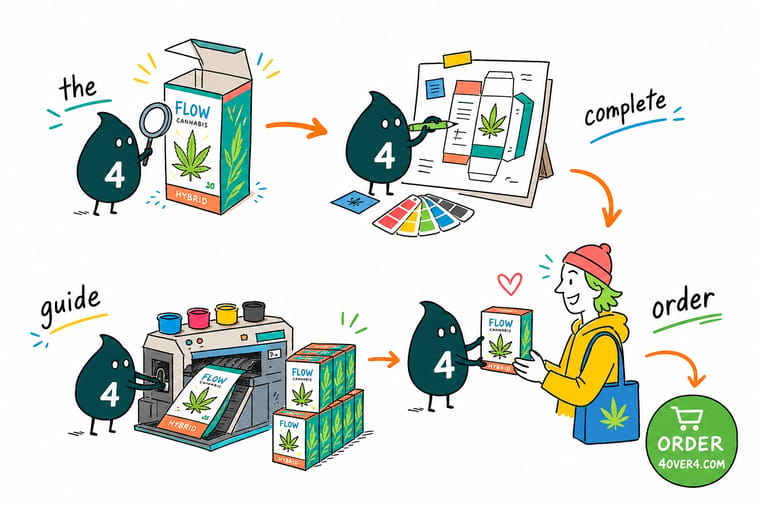
Wally opens every packaging job the same way. He measures the product, not the box, then picks the structure that matches how the item will travel. Only then does artwork land on the dieline, with the barcode panel reserved before anything decorative goes down. His last step is the one people forget: the seal, the hang tag, and the insert card run with the boxes so nothing shows up in the wrong white.
Configure your packaging →Infographic
Seven retail packaging styles at a glance
One frame, seven structures. Use it to narrow the format before a single line of artwork is drawn, then design to the dieline for whichever one fits your product.
Most retail programs use two or three of these at once: a shelf carton inside a corrugated shipper, closed with a printed seal and finished with a hang tag.
Specs and pricing
Packaging specs and live pricing
Once the structure and board are settled, the numbers stop being theoretical. Set your quantity and options below to see how stock, finish, and volume move the real price.
| Quantity | Price Per Unit | Total |
|---|---|---|
| 250 | $2.85 | $711.78 |
| 500 | $1.42 | $711.78 |
| 1,000 | 79.7¢ | $797.02 |
| 2,500 | 53.5¢ | $1,338.30 |
| 5,000 | 44.6¢ | $2,231.42 |
| 10,000 | 40.4¢ | $4,044.70 |
| 15,000 | 39.0¢ | $5,844.45 |
| 20,000 | 38.3¢ | $7,657.73 |
Print it
Build the whole packaging set at 4OVER4
See it in use
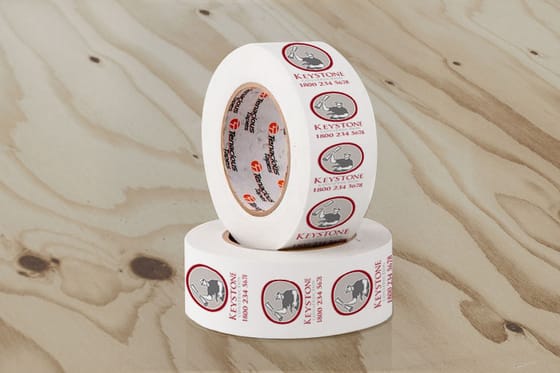
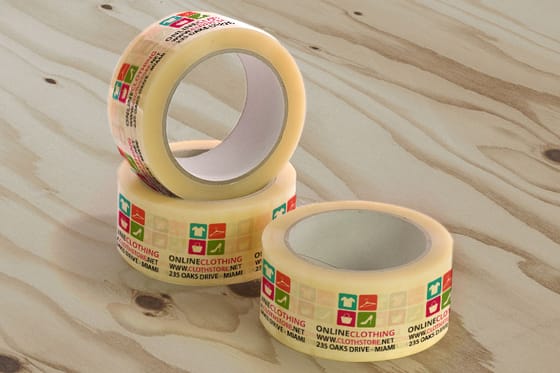
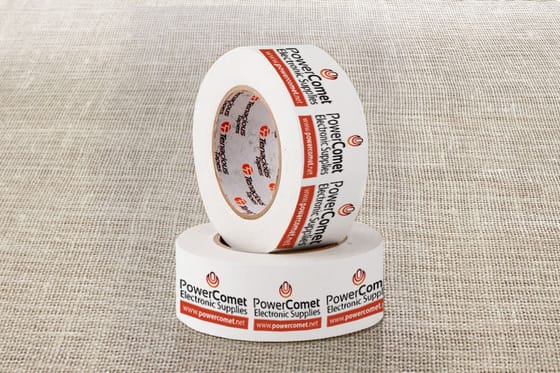
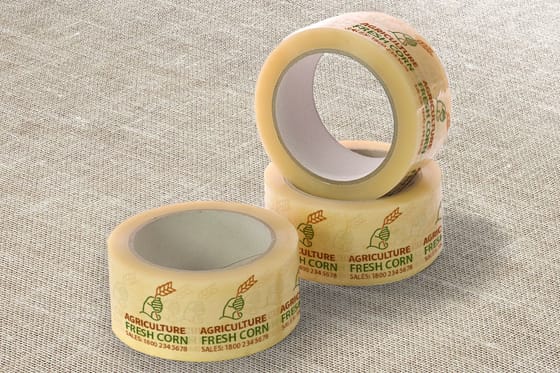
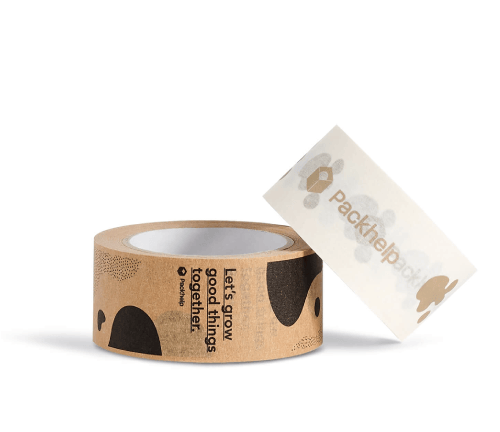
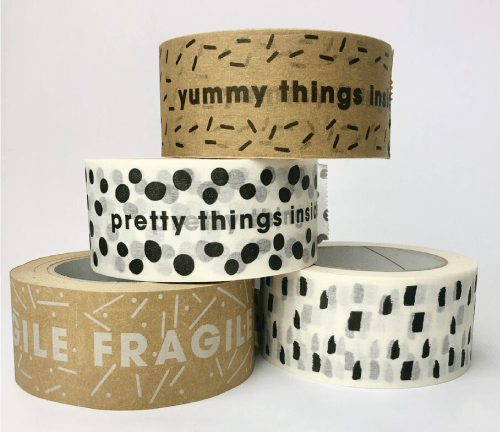
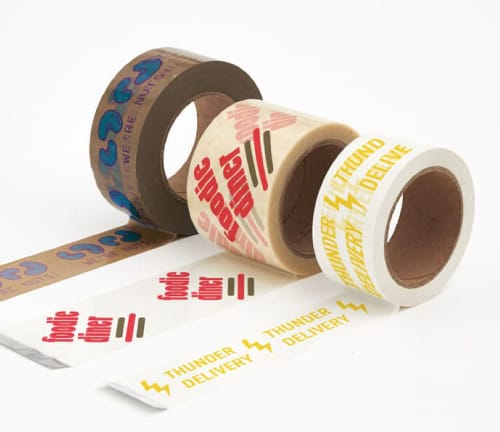
Real packaging work, printed in-house
Explore more
Where to go next
By the numbers
Packaging you can count on at 4OVER4.COM
Common Questions
Common questions about custom retail packaging
What is custom retail packaging?
Custom retail packaging is any printed container built to hold a product and sell it at the same time. It covers folding cartons, mailer boxes, rigid boxes, corrugated shippers, sleeves, and the labels, seals, and hang tags that go with them. Unlike a plain stock box, every panel is printed to your own dieline, so the size fits the product exactly and the artwork stays on brand from the shelf face to the inside flap.
How do I choose the right custom retail packaging?
Start with three facts: the weight and shape of the product, where it will be seen, and how it travels. A light item sold on a shelf usually wants a folding carton. Anything shipped alone wants a mailer or corrugated shipper that survives handling. A premium item that people keep wants a rigid box. Once the structure is set, the stock, coating, and print method follow from it rather than the other way around.
What does custom retail packaging cost and how are prices set?
Price is driven by structure, board, size, finish, and quantity. Setup work such as the die and the press plates is spread across the run, so the unit price drops steeply as volume rises. On 4OVER4 the packaging products carry live pricing: Cannabis Packaging starts at $711.78 for a run, and add-ons such as foil, spot gloss, or a window cut change the number in the calculator as you select them.
What sizes, stocks, and finishes are available for custom retail packaging?
Sizes are built to your dimensions rather than picked from a short list, which is why a dieline matters. Stocks run from lightweight coated cartonboard for small retail items up to heavy corrugated and rigid chipboard for shippers and gift boxes. Finishes include gloss and matte laminate, soft touch, spot UV, foil stamping, embossing, and window cuts. Order free samples if you want to feel the caliper before you commit a full run.
How long does custom retail packaging take to print and ship?
Structural print work takes longer than flat print because the sheet has to be printed, laminated, die cut, folded, and glued. Plan on a proofing step before production begins, then a production window quoted on the product page, then transit. Labels, stickers, and hang tags move faster, so if a launch date is tight, order the boxes first and let the smaller pieces follow.
Do I need a dieline before I order custom boxes?
Yes, and it is the single most common thing that delays a packaging job. A dieline is the flat map of the box showing every panel, fold, glue tab, and cut line with bleed built in. Design on top of that template instead of designing a flat rectangle and hoping it wraps. If you do not have one, ask for the template for your chosen structure before artwork begins.
Can I order matching labels, tags, and inserts with my boxes?
That is the point of ordering the whole set in one place. Seals, hang tags, thank-you inserts, and printed stickers can run alongside the boxes so the color and stock feel like one family. Custom Holographic Stickers start at $322.98 and work as tamper seals or logo accents, and Custom Business Cards start at $17.57 and make an inexpensive insert card for the inside of the box.
Get Started
Ready to put your product in packaging that sells it?
Bring your dieline or start from ours, choose the board and finish, then print the boxes, seals, hang tags, and insert cards in one run so every piece matches.
Legal Disclaimer
Gold Standard guarantees apply to all standard orders placed through 4over4.com. Price match requires verifiable proof of a competitor's published price for an equivalent product with matching specifications and turnaround time. Satisfaction guarantee covers manufacturing defects and print quality issues. Contact support with order number and documentation. On-time delivery rate based on tracked orders 1999 to 2026. Individual results may vary based on shipping carrier performance.
