
How Much Does Product Packaging Design Cost in 2026?


Jordan is our labels, packaging and sustainability voice, built from the knowledge of our production team, with over 20 years in printing.
There is no single price. Designing packaging yourself is close to free, a freelancer runs a few hundred to a few thousand dollars, and an agency reaches five or six figures. The design budget and the print budget are separate jars, and mixing them is how projects overrun. The print jar pays for the boxes, pillow boxes and sleeves you order once the art is final.
Product packaging design typically costs from $0 on a template to $100,000+ at a top agency. DIY with an online designer is $0 to about $100, a freelance packaging designer charges $300 to $2,500 per product, a boutique studio runs $2,500 to $15,000, and a full-service agency starts near $15,000. Printing the packaging is a separate cost on top, and choosing a standard structure with a printer that includes dielines and proofs keeps the total down. Weighing an agency against DIY for the rest of your print follows the same logic.
Quick answer
The short version, before the details
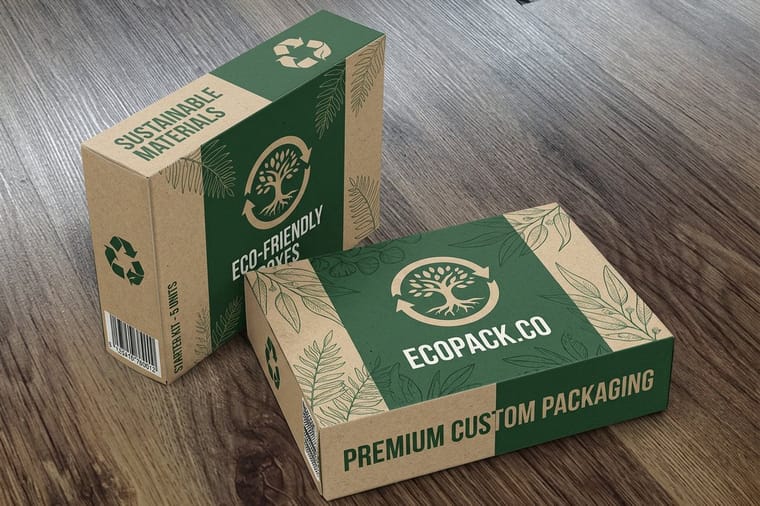
Packaging design cost scales with who does the work. Do it yourself for $0 to $100, hire a freelancer for $300 to $2,500 per product, use a boutique studio for $2,500 to $15,000, or bring in a full-service agency from $15,000 up. Complexity, customization, and quantity move the number. Printing is a separate budget, and a printer that includes dielines and proofs keeps the total lean. 4OVER4.COM customers who start from a proven structure get shelf-ready packaging without agency pricing.
So what does product packaging design actually cost?
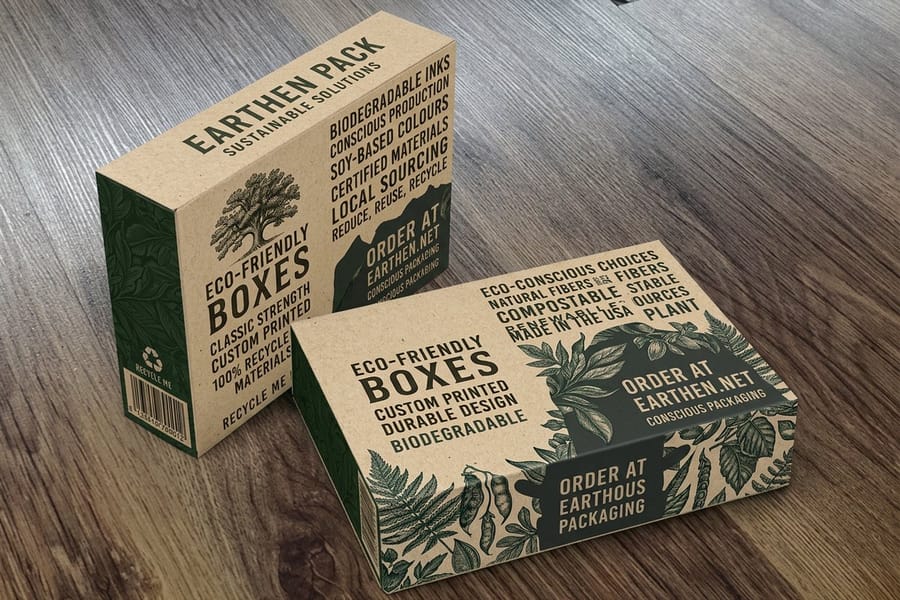
The number you are looking for lives on a wide ladder, not a price tag. On the low end, laying out a clean kraft box yourself with a free tool costs nothing beyond your time. On the high end, a national brand can spend six figures on a full packaging system with an agency. Everyone else lands somewhere in between, and where you land is decided by who does the work.
The honest range for the design work by itself, before a single box is printed:
Notice the caption. These figures cover the creative work only. Printing the packaging is its own budget, and pretending otherwise is how brands get surprised at checkout. If you want the full method behind the numbers, our complete guide to designing packaging for a product walks through format, dielines, and materials step by step, and you can price real boxes any time on custom box printing.
What actually moves the number up or down
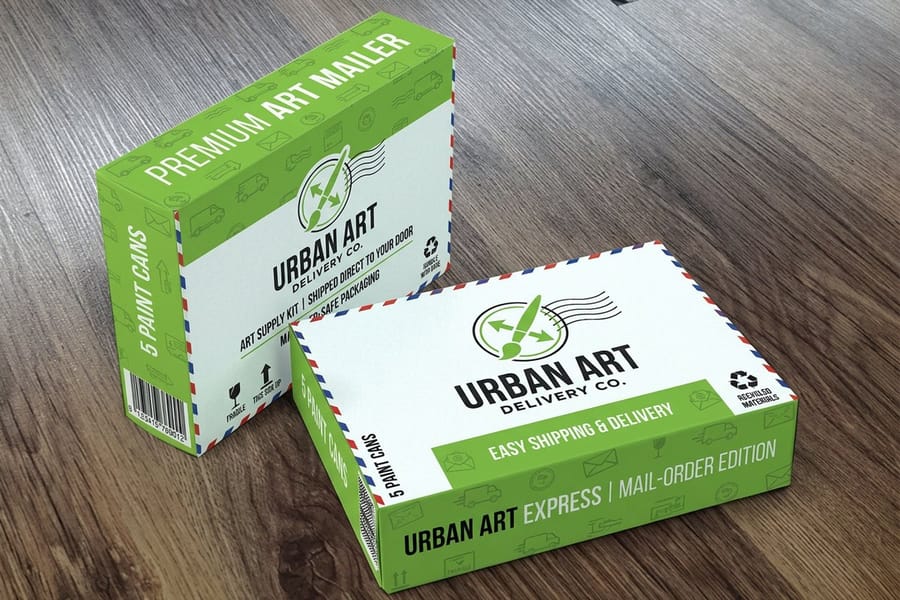
Two products can carry the same logo and still cost wildly different amounts to design. Three things explain almost all of the gap. The print side follows the same rules: 250 and 500 eco-friendly boxes both print for $711.78, because setup is most of a small run.
Complexity. A flat label or a straight-sided mailer is quick to draw and quick to approve. A rigid box with a magnetic closure, an insert tray, and a die-cut window is a structural project, and structure takes design hours. The more the package has to physically do, the more the design costs.
Customization. Starting from a proven box style and dropping in your art is affordable. Inventing a shape from scratch, matching a Pantone color, or adding foil and embossing pushes both the design fee and the print setup higher. Every custom finish is a decision someone has to draw, proof, and test.
Quantity. Design is a one-time cost, but it interacts with volume. Spreading a $1,500 design fee across 250 boxes is expensive per unit. Spread it across 5,000 and it nearly disappears. Getting the file right the first time matters more at scale, which is exactly why preparing print-ready packaging files is worth doing carefully.
The DIY route: lowest cost, steepest learning curve
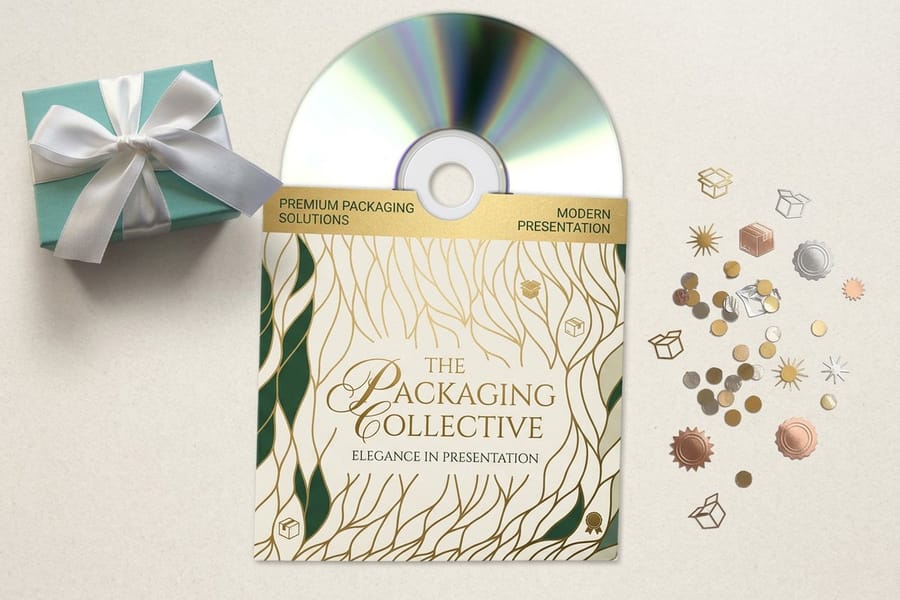
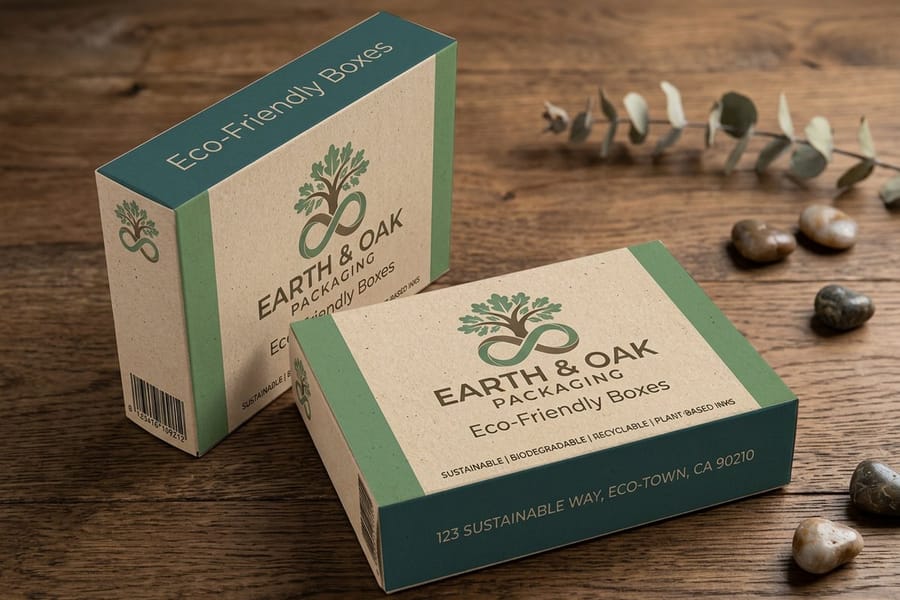
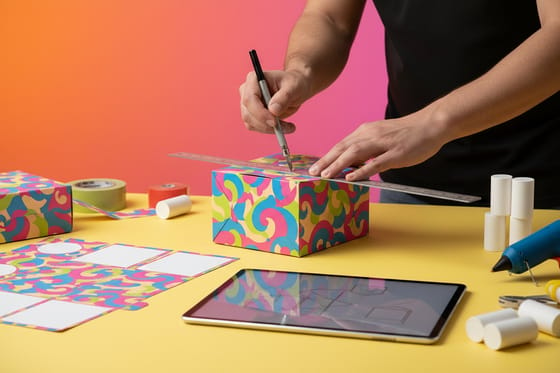
If your budget is tight and your packaging is simple, you can do this yourself and get a result that looks bought, not homemade. The cost is close to zero, and the ceiling is your own patience. You lay the art onto a real format, such as a 5 by 7 by 1.7 inch eco-friendly box or a 5 by 5 inch packaging sleeve.
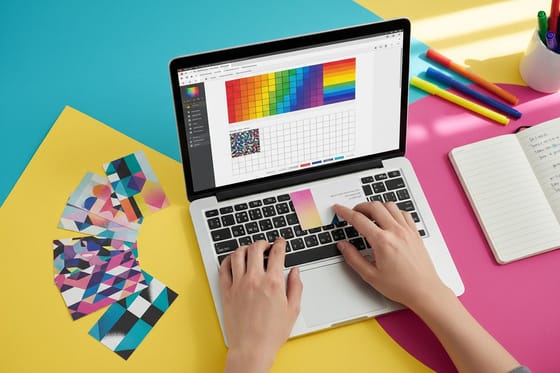
Our free online designer lets you lay out a box, sleeve, or label in the browser, with guides that keep your art inside the safe zone. Start from one of the ready-made design templates instead of a blank canvas and you skip the hardest part, which is the structure. Where DIY quietly goes wrong is stock choice, so read the paper stock guide and our paper & stock guides before you pick a finish, because a matte kraft and a high-gloss coated box send very different signals for the same design.
DIY shines for a first product run, a limited seasonal box, or a maker who wants full control. It struggles the moment you need a shape that does not exist yet, and that is the cue to bring in help.
Choosing the box format, stock and file before you order
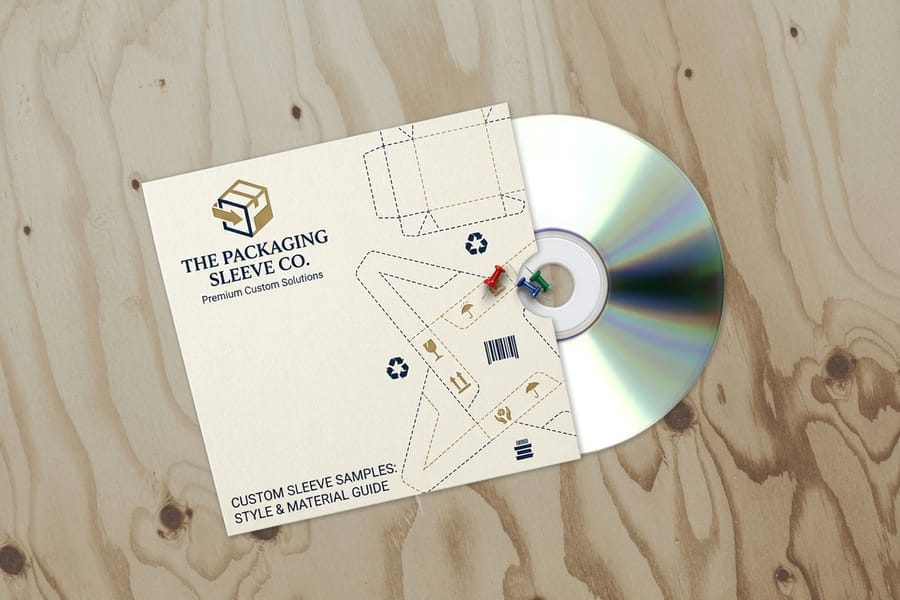
Whoever designs it, the artwork has to fit a real format. Pick it first, because the format fixes the dieline, the stock and the minimum run:
| Format | Size | Stock | Starts at |
|---|---|---|---|
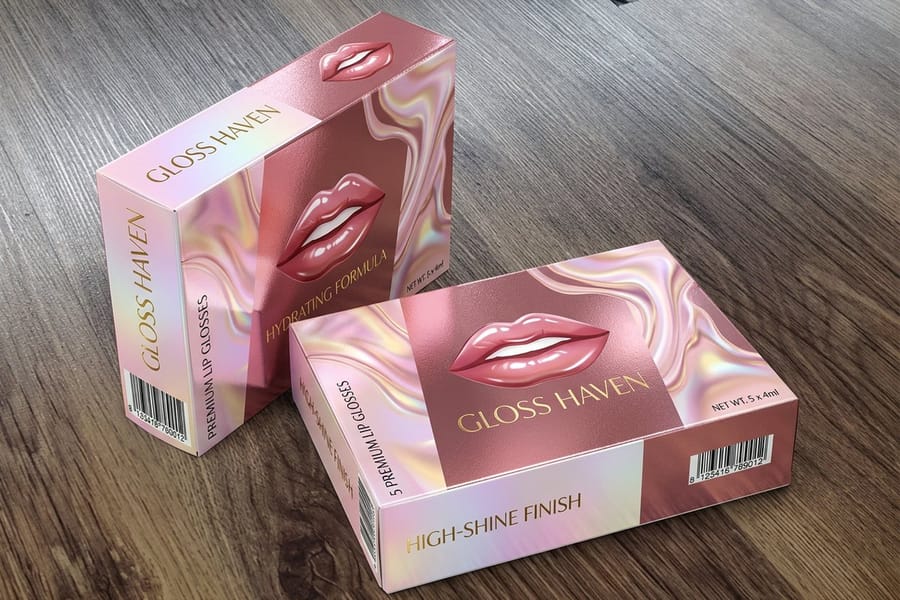
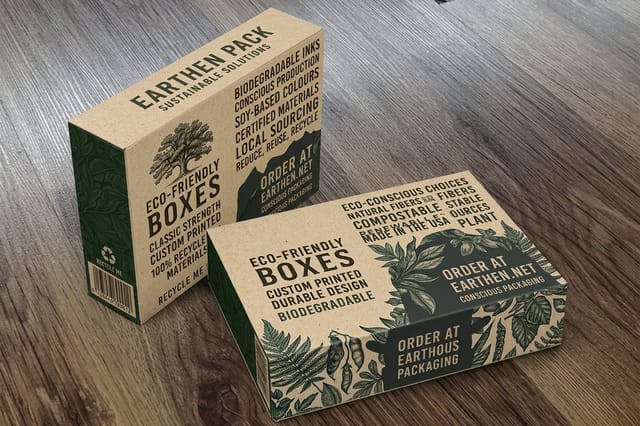
| Eco-friendly boxes | 5 x 7 x 1.7 or 5.5 x 5.5 x 2.625 in | 14pt uncoated or 18pt cover, gloss one side | 250 for $711.78, 7 business days |
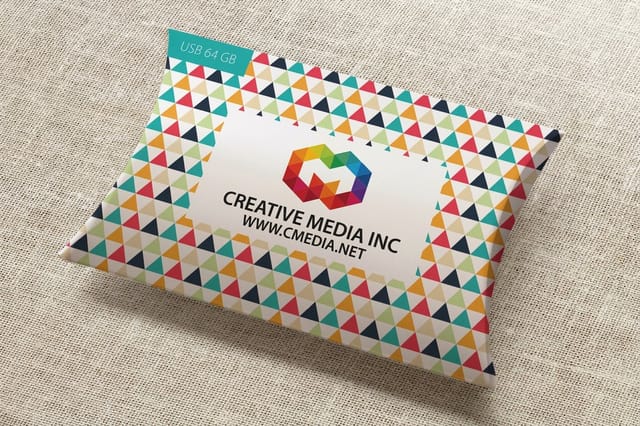
| Pillow boxes | 3.625 x 1.5 x 7.25 in, edge lock or glued | 14pt uncoated or 18pt cover, gloss one side | 50 for $284.49, 9 business days |
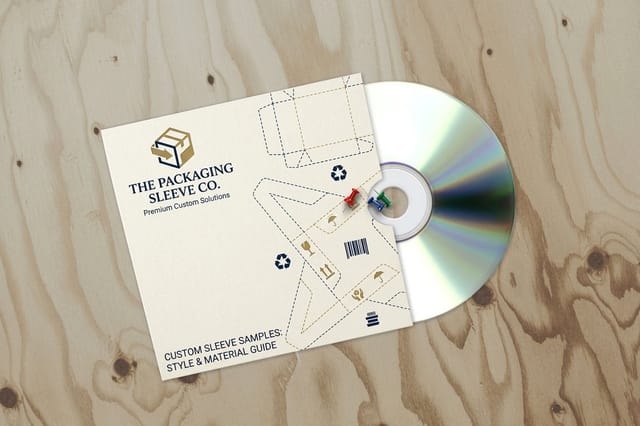
| Packaging sleeves | 5 x 5 in sleeve | Seven cover stocks, 14pt gloss to 14pt white linen | 100 for $438.25, 5 business days |
Hand your designer the size before the brief, ask for the art built on the printer's dieline with bleed past every cut and text inside the safe zone, and approve the proof before the run. A design drawn for a box that does not exist is the most expensive file in this guide.
Hiring a freelance packaging designer
A freelancer is the middle path most growing brands take. You get a real designer without agency overhead, and the fee stays predictable if you scope it well.
Expect $25 to $150 an hour, or a flat $300 to $2,500 for a single package with dielines, mockups, and a couple of revision rounds. The spread is mostly experience. A designer who has shipped hundreds of boxes knows which structures print cleanly and which ones fight the press, and that knowledge saves you money later even when the invoice looks higher today.
Before you hire, agree on one thing in writing: you keep the print-ready files at the end. A beautiful mockup you cannot send to a printer is a dead end. Give your freelancer room to explore the full packaging and label options available, so the design is built for a format that actually exists rather than a one-off that triples your print cost.
Working with a design agency

An agency is the top of the ladder, and it buys more than art. You are paying for research, positioning, naming, a full brand system, and a team that treats packaging as a business decision rather than a graphic.
Budgets usually start around $5,000 for a small studio engagement and run past $50,000 for an established agency handling a product line. That is real money, and it is justified when packaging carries real risk, a national retail launch, a category where the shelf is crowded, or a rebrand where getting it wrong is the expensive outcome. When a food brand lifted shelf sales by rethinking its packaging, the design spend was small next to what the redesign returned.
For most small and mid-size brands, though, an agency is overkill. If your product is proven and your structure is standard, the same money buys a huge run of excellent boxes instead.
Design cost versus printing cost: two separate budgets
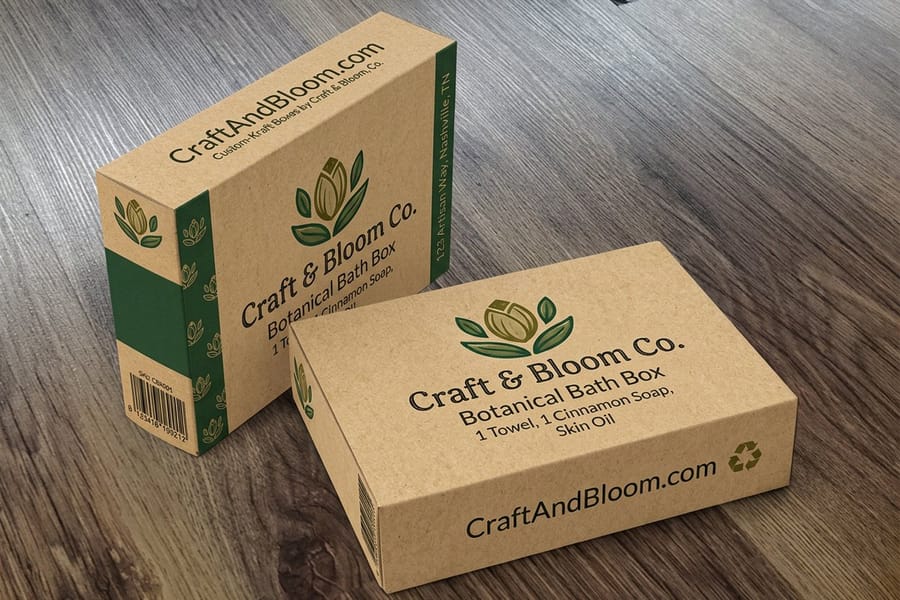
This is the split that trips people up. The design fee pays someone to create the artwork and the dieline. The print cost pays to actually manufacture the boxes. They are separate, and you budget for both. For scale, 250 eco-friendly boxes print for $711.78 and 1,000 for $797.02, about 80 cents a box.
The print side does not have to inflate the total. At 4OVER4.COM, dielines and proofs come with the order rather than as add-on charges, so once your art is ready, the printed price stands on its own. Picking a proven structure keeps it lean too, whether that is a simple folding carton box for retail or a natural, low-cost look from the kraft printing collection.
Add the two budgets together and you have your true packaging cost. When you are ready to see live prices, the full packaging printing collection shows per-unit numbers by quantity, so the print half of the equation is never a guess.
Striking the balance between cost and brand impact
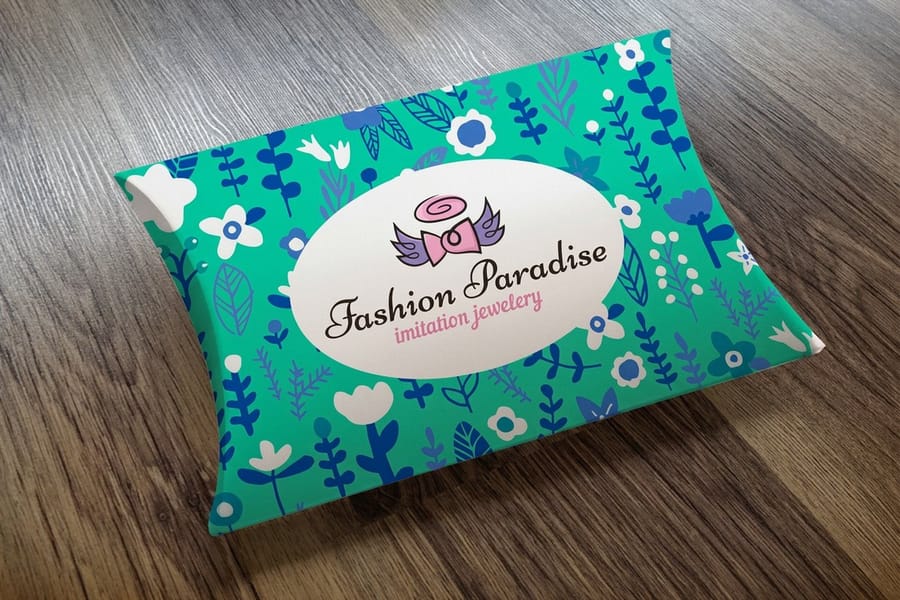
Cheap packaging that undercuts the product costs more than it saves, and lavish packaging on a low-margin item drains money that belongs elsewhere. Aim for the right number for what the box has to do. A run of 50 pillow boxes prints for $284.49, so a small brand can test the unboxing before committing to thousands.
Spend where the customer actually feels it. Structure, material weight, and the unboxing moment leave an impression that a slightly fancier logo never will. Save where it is invisible, on exotic shapes no one asked for or a finish that photographs the same as a cheaper one. The packaging industry statistics for 2026 make the stakes plain, with ecommerce and sustainability both reshaping what shoppers expect from a box.
It pays off in the real world. A retail brand that invested in custom packaging saw the difference on the shelf, not in the mockup. Good packaging is a channel, and channels earn their keep.
How to keep packaging design costs down
You can hold quality high and still trim the bill. A handful of habits do most of the work.
- Start from a standard structure. A proven box style already prints cleanly, so you skip the design hours a custom shape would eat.
- Reuse one template across a line. Design once, then swap the flavor or color for each product instead of paying to redraw every box.
- Order the right quantity. Per-unit print cost falls as volume rises, so a slightly larger run often lowers the true cost per box.
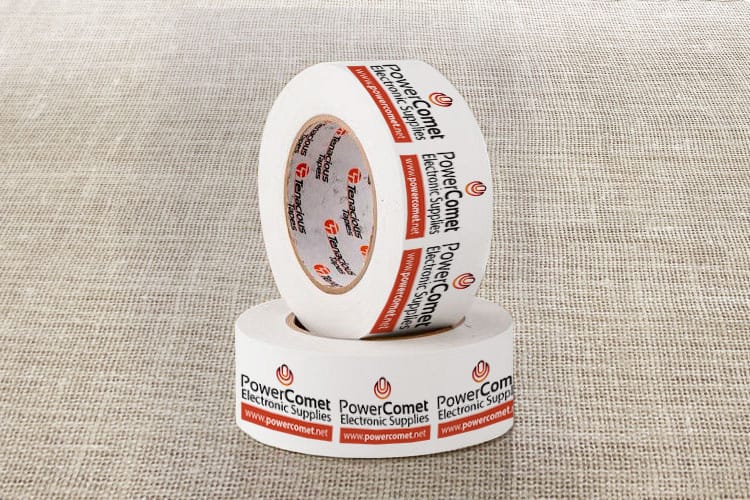
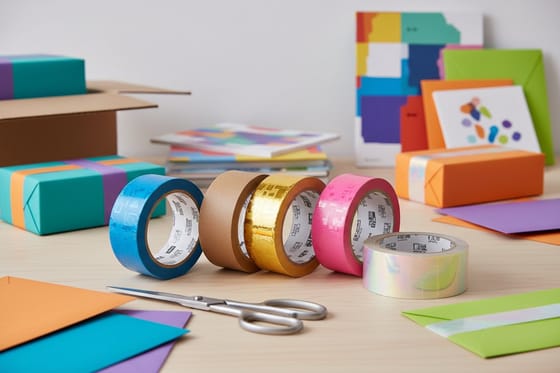
- Add cheap wins. Branded packaging sleeves and custom tape make plain boxes look designed for a fraction of a full redesign.
- Use free tools and samples. Make small edits in the online designer, and request free paper samples before you commit a finish.
Timing helps too. Keep an eye on daily deals for a discount on your run, and if you like a hands-on look, the DIY kraft packaging box ideas show how far a simple, affordable box can go.
How to choose the right approach for your budget
Pick the route by where your brand is, not by what sounds impressive. The decision is simpler than the price ranges make it look.
Testing a new product? Use the online designer or a small freelance budget. Keep the spend low while you learn whether the product sells; 50 pillow boxes print for $284.49. Growing with steady orders? A freelancer or a small studio is the sweet spot, enough craft to compete on the shelf without agency pricing. Launching a full line where the box carries real risk? That is where an agency and its research earn the fee.
Whichever route you choose, the printing waits for you at the end. Configure a run of eco-friendly boxes or browse the full packaging collection when your art is ready, and you will see the print half of your budget in plain numbers, dielines and proofs already included.
Wally explains packaging cost
Spend where the customer feels it, save where they never look
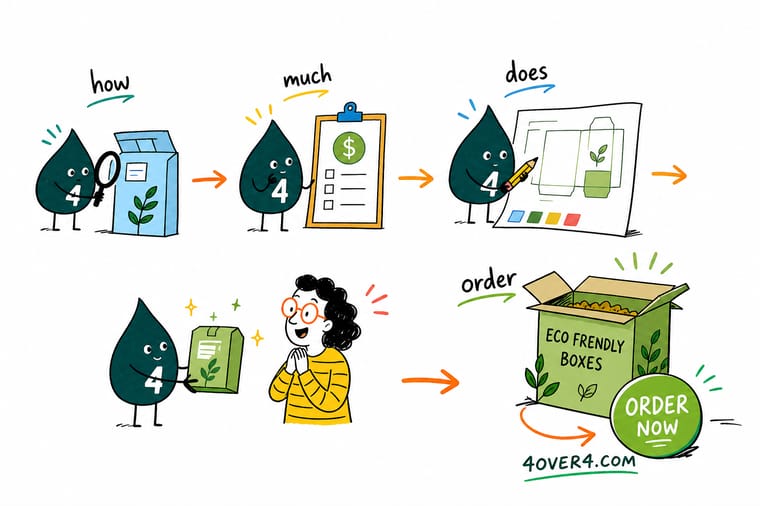
Wally treats a packaging budget like two jars, one for the design and one for the printing, and he never mixes them up. The design jar can be a few dollars on a template or a small fortune at an agency, so he sizes it to the product instead of the ego. The printing jar stays lean when he starts from a proven box and orders the right quantity. Ready to fill the printing jar? 4OVER4 prints your boxes with dielines and proofs included, so the number you see is the number you pay.
Order eco-friendly boxes →%22%2F%3E%3Ccircle%20cx%3D%2243%22%20cy%3D%2245%22%20r%3D%2228%22%20fill%3D%22%23a78bfa%22%20opacity%3D%220.15%22%2F%3E%3Ccircle%20cx%3D%2280%22%20cy%3D%2262%22%20r%3D%2226%22%20fill%3D%22%23a78bfa%22%20opacity%3D%220.1%22%2F%3E%3Crect%20x%3D%2273%22%20y%3D%2221%22%20width%3D%2228%22%20height%3D%2232%22%20rx%3D%224%22%20fill%3D%22%23a78bfa%22%20opacity%3D%220.08%22%20transform%3D%22rotate(8%2080%2030)%22%2F%3E%3C%2Fsvg%3E)
Specs and pricing
Eco-friendly box specs and live pricing
Once your design is settled, here is what a fresh run of made-to-order eco-friendly boxes gives you at 4OVER4.COM, with live specs and price-per-unit pulled straight from the configurator, dielines and proofs included. They come 5 by 7 by 1.7 or 5.5 by 5.5 by 2.625 inches on 14pt uncoated or 18pt gloss one side, from 250 for $711.78 in 7 business days.
| Quantity | Price Per Unit | Total |
|---|---|---|
| 250 | $2.85 | $711.78 |
| 500 | $1.42 | $711.78 |
| 1,000 | 79.7¢ | $797.02 |
| 2,500 | 53.5¢ | $1,338.30 |
| 5,000 | 44.6¢ | $2,231.42 |
| 10,000 | 40.4¢ | $4,044.70 |
| 15,000 | 39.0¢ | $5,844.45 |
| 20,000 | 38.3¢ | $7,657.73 |
Print it
Order custom boxes and packaging at 4OVER4
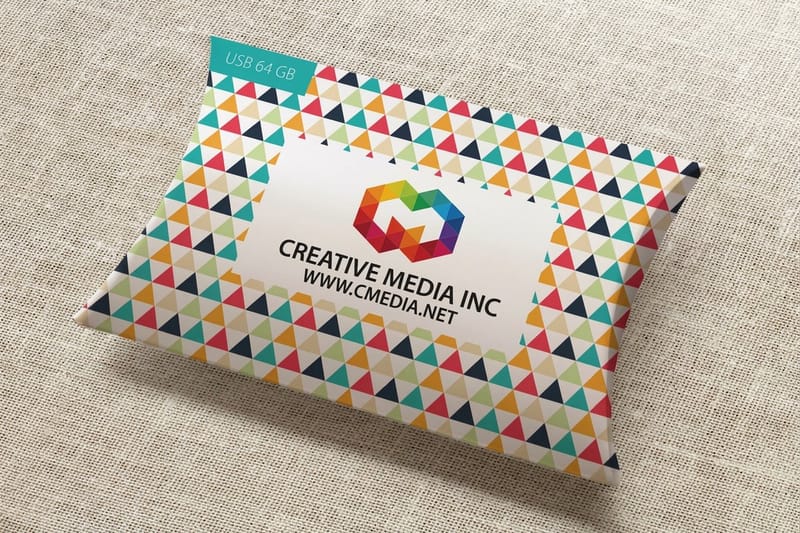
Eco-friendly boxes ship a product, pillow boxes at 3.625 by 1.5 by 7.25 inches hold a small gift from 50 for $284.49, and packaging sleeves wrap a 5 by 5 inch box from 100 for $438.25.
See it in use
Packaging we printed on a working budget
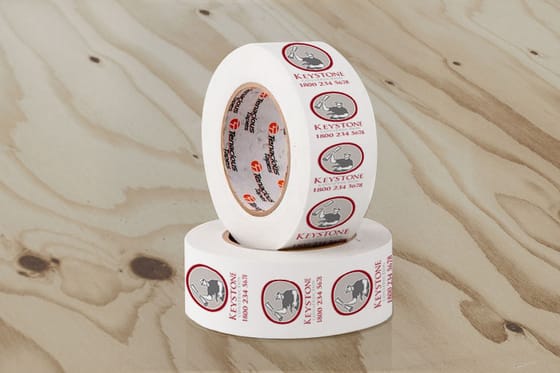
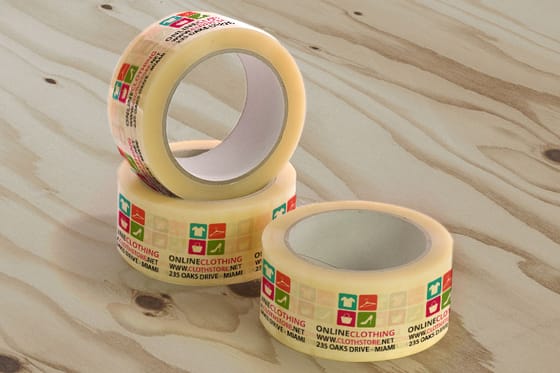
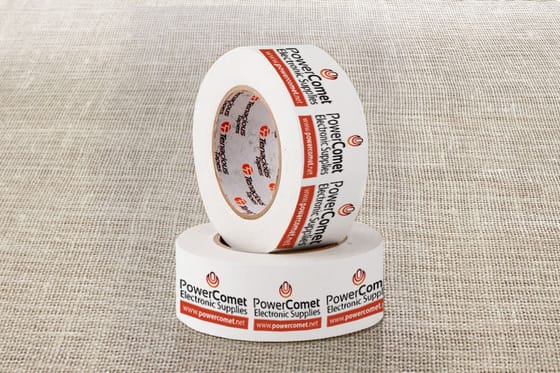
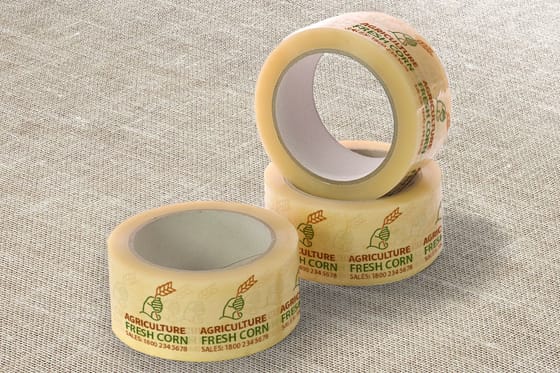
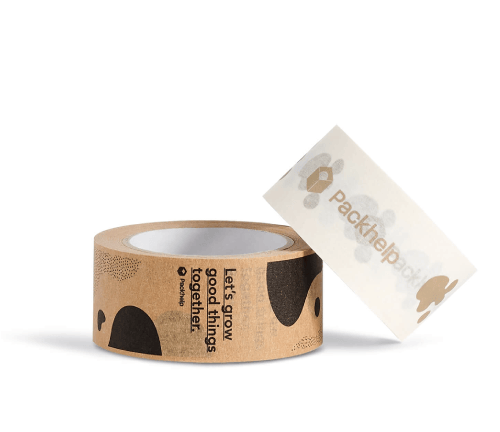
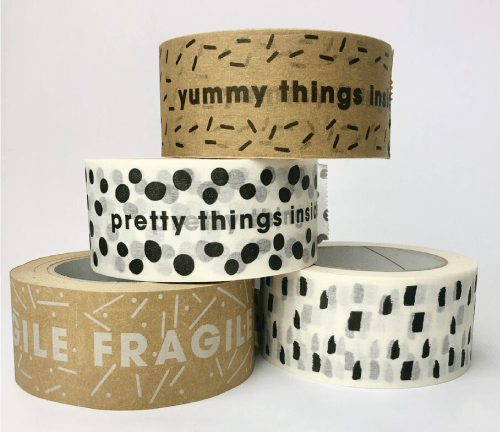
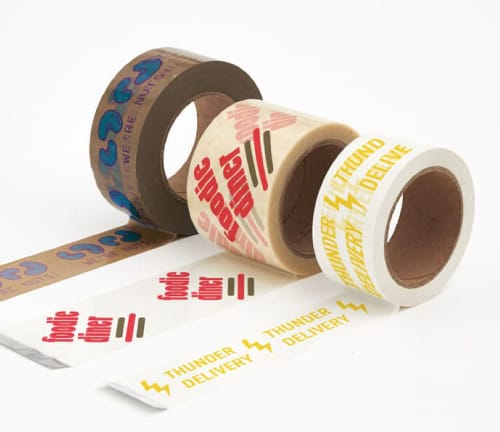
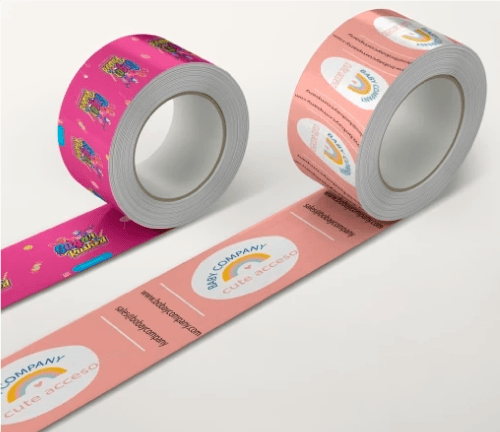
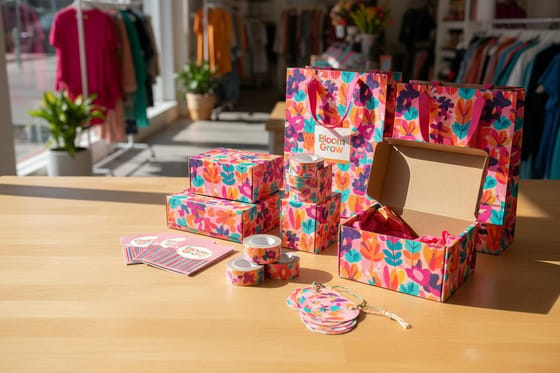
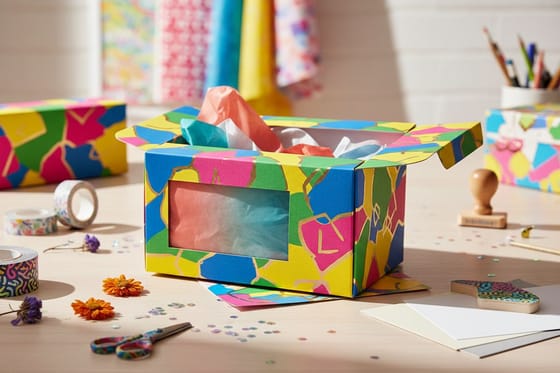
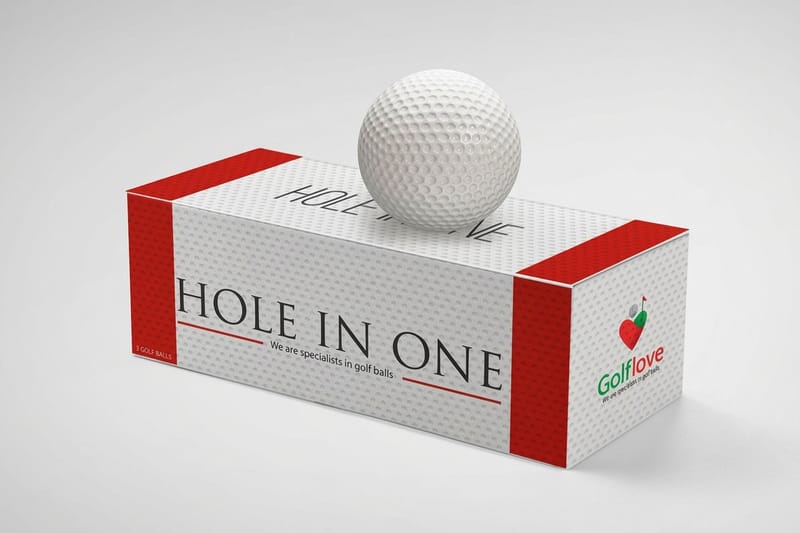
Branded tape and printed packaging are the low-cost design wins that make plain boxes look intentional. This is real customer work, produced at 4OVER4.COM.
Explore more
Where to go next
Where the money goes
Packaging that respects your budget
Common Questions
Common questions about packaging design cost
How much does product packaging design cost in 2026?
It depends entirely on who does the work. Designing packaging yourself with a free online tool costs $0 to roughly $100 once you add a stock photo or a font. A freelance packaging designer usually charges $300 to $2,500 for a single product, or $25 to $150 an hour. A boutique studio typically runs $2,500 to $15,000, and a full-service agency with strategy and research starts around $15,000 and climbs past $100,000 for a large brand system. None of those figures include printing, which is a separate cost.
Is it cheaper to design packaging myself or hire a designer?
Doing it yourself is almost always cheaper up front, and for a simple mailer or a kraft box with clean type it can look genuinely professional. The trade-off is time and print knowledge. A designer earns their fee when your packaging needs a custom structure, a real dieline, or finishes like foil and spot gloss, because a file that is set up wrong gets expensive fast when it reaches the press.
How much do freelance packaging designers charge?
Most freelancers price either by the hour or by the project. Hourly rates commonly fall between $25 and $150 depending on experience and location. Flat project fees for a single package usually land between $300 and $2,500, with dielines, mockups, and a set number of revisions bundled in. Always confirm what the fee includes, especially whether you receive print-ready files at the end.
Does 4OVER4.COM charge for dielines or proofs?
No. Setup, dielines, and a proof come with your order, so the fee you pay is for the printed packaging itself rather than hidden production charges. That keeps the design side of your budget for the creative work and lets the printing cost stand on its own.
How do I choose between DIY, a freelancer, and an agency?
Match the spend to the stage. A new brand testing a product is well served by an online designer or a modest freelance budget. A brand with steady volume and shelf competition benefits from a freelancer or a small studio that can build a custom structure. A large brand launching a full line, where packaging carries real market risk, is where an agency and its research pay off.
How can I lower packaging design and printing costs?
Start from a standard box style instead of an invented shape, reuse one template across a product line, and order the right quantity so per-unit printing drops. Use a free online designer for edits you would otherwise pay a designer to make, request free paper samples before you commit, and print with a partner that folds dielines and proofs into the order.
Get Started
Order 50 pillow boxes from $284.49
Start from a proven box, drop in your art, and print a shelf-ready package with dielines and proofs already included. No setup fees, no surprises.
Legal Disclaimer
Gold Standard guarantees apply to all standard orders placed through 4over4.com. Price match requires verifiable proof of a competitor's published price for an equivalent product with matching specifications and turnaround time. Satisfaction guarantee covers manufacturing defects and print quality issues. Contact support with order number and documentation.
