
How to Design Custom Packaging Bags That Print Clean


Three decisions in order: the material, the finished size, and the artwork. Here is how each one changes what your logo looks like on the finished bag.
Design a custom packaging bag in this order: choose the material, size the bag to the product, then rebuild the logo to suit the surface. Cotton and canvas take bold flat color and lose fine detail in the weave, kraft brown pulls every printed color warm unless you add a white underbase, and the gusset panels fold inward so the imprint has to sit inside the flat front. When the run is small or the artwork changes often, a plain bag plus a printed label costs less than printing the bag.
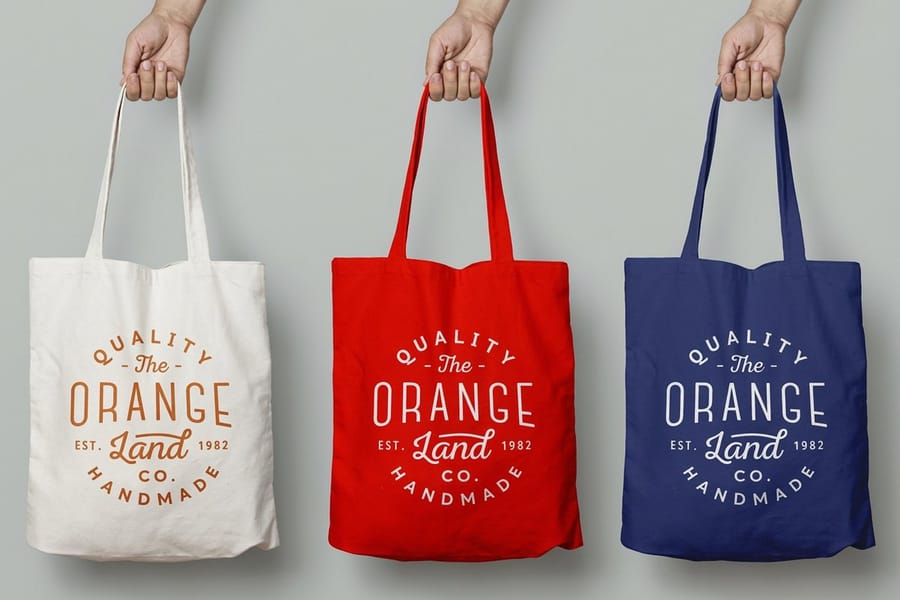
Quick answer
Material first, size second, artwork last
The bag decides the artwork, not the other way round. Fabric absorbs ink and softens edges, so bold shapes and one or two flat colors survive while gradients and hairlines do not. Kraft brown sits under everything you print on it and shifts the color unless you add a white underbase or knock the mark out in white. Size comes from the product, not the logo: width has to cover the product width plus its depth plus about an inch of ease. Then keep the imprint inside the flat front panel, clear of the hem stitching and the gusset creases.
Pick the Bag Material Before You Draw Anything
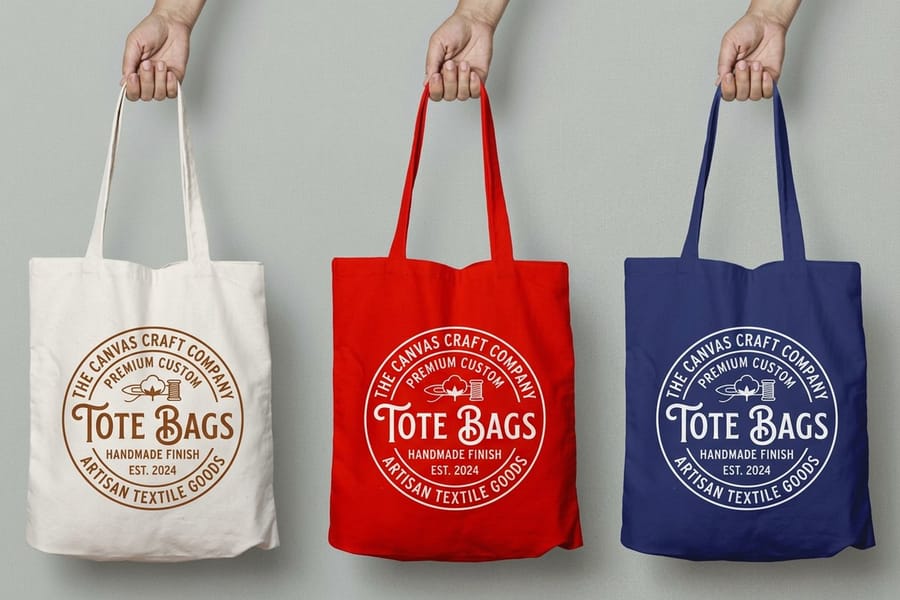
The material sets the ceiling on detail, and no amount of artwork skill raises it. Designing a delicate logo first and choosing the bag afterward is the most common way a packaging bag project goes sideways.
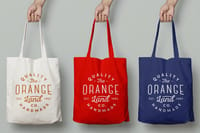
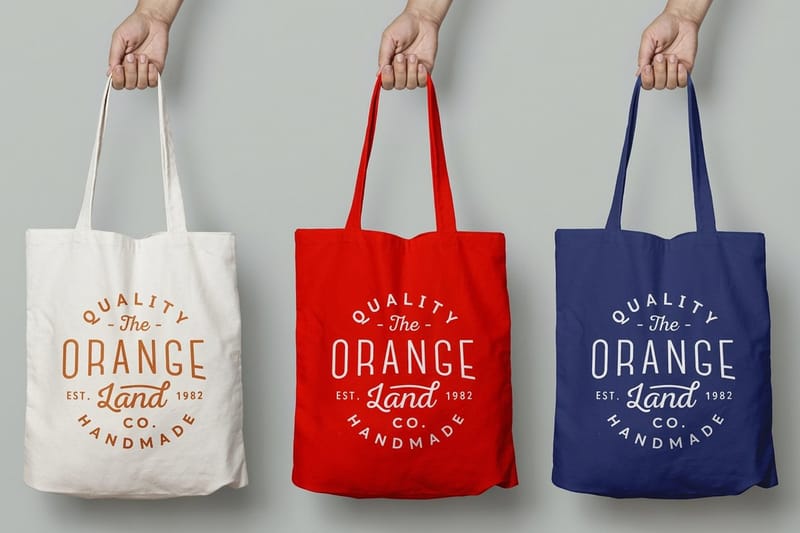
Cotton is soft, cheap per unit and absorbent. Ink soaks into the weave instead of sitting on the surface, which softens edges and swallows anything hairline. Canvas is heavier and tighter, so it holds a slightly crisper edge and carries more weight without stretching, at a higher price. Recycled fabric behaves like cotton but arrives with a flecked, slightly uneven tone, which suits an earthy one color mark and fights a corporate blue. Kraft paper is not fabric at all: it is cheap, rigid, single use, and brown, which changes every color you put on it.
| Material | Detail it holds | Best artwork | Where it fails |
|---|---|---|---|
| Cotton | Bold shapes, type down to about 12 point | One or two flat colors, solid mark | Gradients band, thin serifs blur into the weave |
| Canvas | Slightly finer, holds a cleaner edge | Line art, heavier logos, larger imprints | Costs more, and still not a photo surface |
| Recycled fabric | Same as cotton, on a flecked ground | Earth tones, single color, textured looks | Pastels and clean corporate color look dirty |
| Kraft paper | Fine detail, but through a brown filter | One dark color, or white knockout | Blues muddy, yellows vanish, no white without an underbase |
Read the last column first, because it is the one that decides the job. If the brand only exists as a full color logo with a gradient, either simplify it into a one color version for the bag or print the full version on a label and apply it. Canvas tote bags and cotton totes are the two ends of that range, and the tote bag printing category lists what each stock will take.
Size the Bag Around the Product, Not the Logo
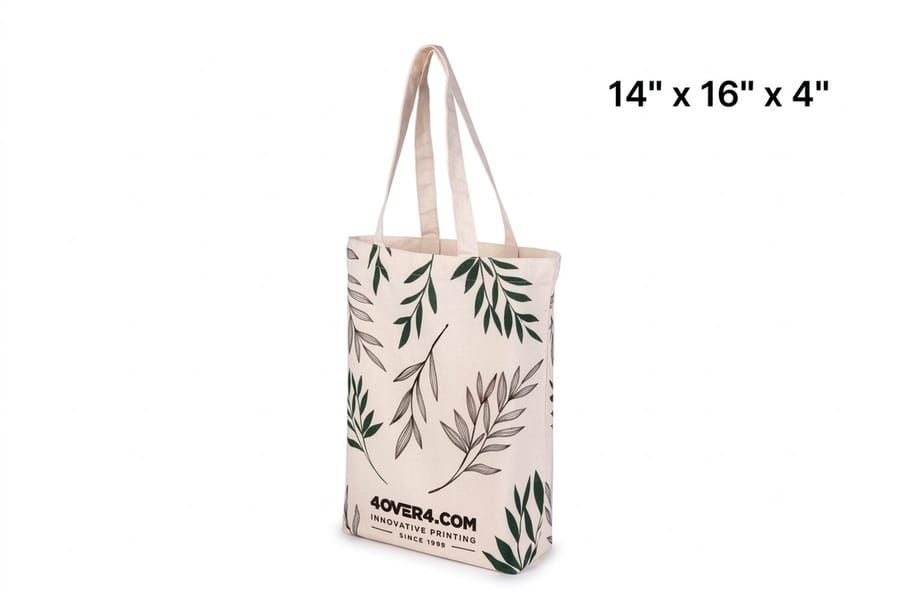
Bag sizing is arithmetic, and skipping it produces either a bag nothing fits in or a bag that swallows the product and looks cheap. Measure the item first, in the same order every time: width, then depth, then height.
The bag has to be at least as wide as the product width plus its depth, because the item sits inside the folded shape rather than flat against the front. Add roughly an inch so a person can drop it in one handed at a counter. On height, add two inches over the product if the top gets folded, taped, stapled or tied, and add more if you plan to fill the top with tissue. If the bag has to carry weight, the handles matter more than the panel: a heavy jar in a light cotton bag stretches the fabric at the seam long before the fabric itself tears.
The trap is ordering a range of bag sizes to fit a range of products. Every extra size fragments the run, raises the unit price, and adds a stocking decision at the counter. Most small retailers are better off with one bag sized for the largest common item and tissue to fill the gap. Our guide to measuring a pack and calculating cubic inches walks the same arithmetic for rigid packaging, and if the product turns out to need protection rather than a handle, choosing a box style is the honest next step.
Prep the Logo So It Survives the Bag
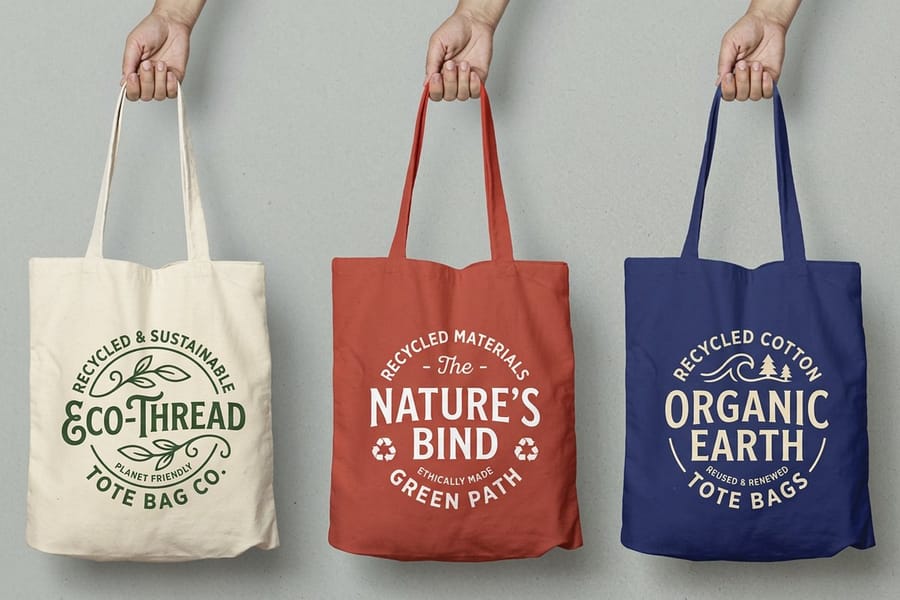
Artwork for a bag is not the artwork on your website with the background deleted. Three things have to change before it prints well.
Simplify to flat color. Rebuild the mark as vector with the fonts outlined, drop shadows and gradients removed, and every color named. Two colors on fabric look intentional. Five look like a poster someone shrank. Keep strokes at roughly one point or heavier, because anything finer breaks up across a weave and reads as a dotted line.
Respect the panel, not the blank. Only the flat front and back of a bag stay visible. On a gusseted shape the side panels fold inward the moment the bag is stacked or carried, so a wide wordmark centered across the whole blank loses its middle letters. Keep the imprint inside the front panel, and hold it clear of the top hem where the handles are stitched, since a needle line through type is not fixable after the fact.
Decide what happens on brown. On kraft, either print a white underbase so the color sits on white, or commit to a single dark or white knockout that treats the brown as a background color rather than an accident. Reversed white on kraft is the most reliable look for a small run, and it costs the least.
Build the file at the finished imprint size with fonts outlined, keep 0.125 inches of bleed on anything printed to the edge, and start from a correctly sized layout in the blank template library. The full file handoff, including how we handle color on unusual substrates, is in the packaging file preparation guide.
Brand a Stock Bag With Labels, Tape and Tags

A fully printed bag is not always the right purchase, and a printer who tells you otherwise is selling. Under a few hundred units, or when the artwork changes seasonally, branding a plain bag costs less and looks sharper.
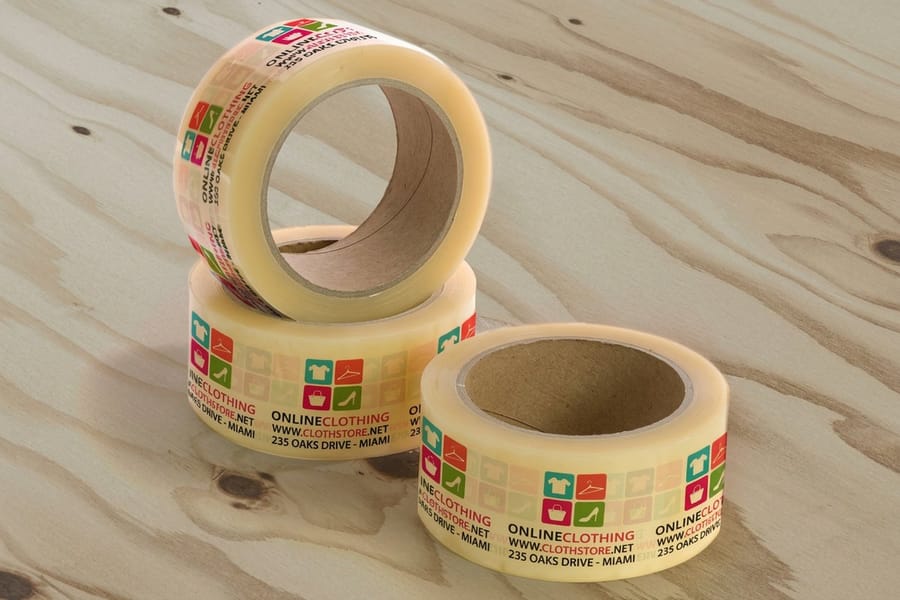
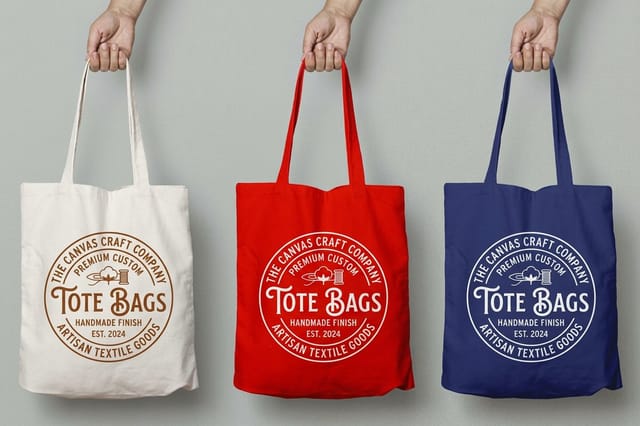
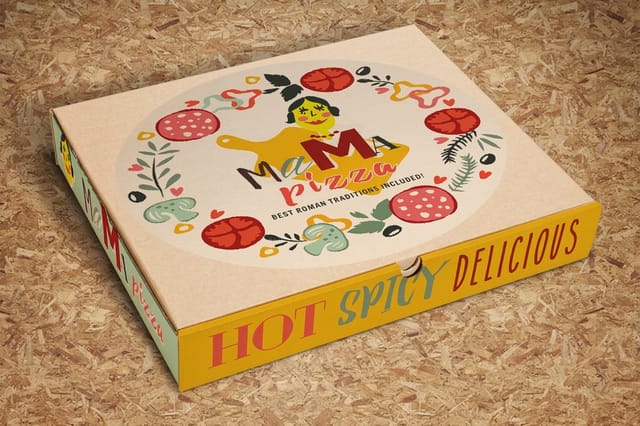
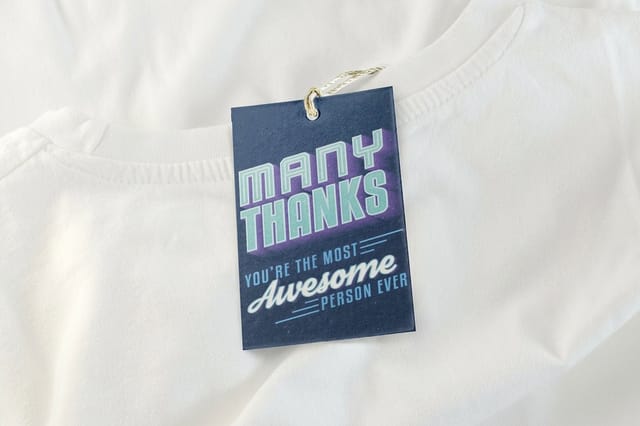
Premium packaging labels start at $29.16 and carry the fine detail fabric cannot: small type, a photograph, an ingredient panel, a batch code. One label seals the fold at the top of a kraft bag and turns it into branded packaging in a second. Custom hang tags start at $25.27 and do the same job on a fabric handle, with the advantage that the customer keeps the bag and the tag carries the price, the care note or a discount code. Custom packaging tape starts at $347.11 and only makes sense at volume, but it brands every box and every taped bag top you ship without touching the bag budget at all.
Two rules keep this from looking improvised. Use one label size across the whole range, so the shelf reads as a system rather than a collection. And place the label in the same spot every time, which is usually centered on the front panel or dead center on the fold. If the run grows past the point where hand labelling is sane, that is the moment to move to fully printed bags or to custom mailer boxes, and the packaging printing collection covers what that switch involves.
Proof It Before You Commit to the Run
Bags are ordered in quantities that make a mistake expensive, and the errors that show up are always the same three. Check for them deliberately rather than skimming the proof.
- Scale. A logo that looks right on a screen at 30 percent zoom is often twice the size it should be on a 15 inch panel. Print the artwork at actual size on plain paper and hold it against a bag you already own.
- Color on the real substrate. A proof on white paper tells you nothing about how the same file behaves on brown kraft or on flecked recycled cotton. Ask what the color will do on the stock you actually ordered.
- Position against the folds and seams. Confirm on the proof where the hem, the handle stitching and the gusset creases fall, and that nothing important crosses them.
Order a sample or a short first run before the full quantity whenever the artwork is new. It is the cheapest insurance in packaging, and it catches the problems a PDF never shows. The packaging proof checklist lists what to sign off item by item, and the nine types of packaging is worth a read if you are still deciding whether a bag is the right format at all.
Wally explains bag artwork
The front panel prints, the gussets hide
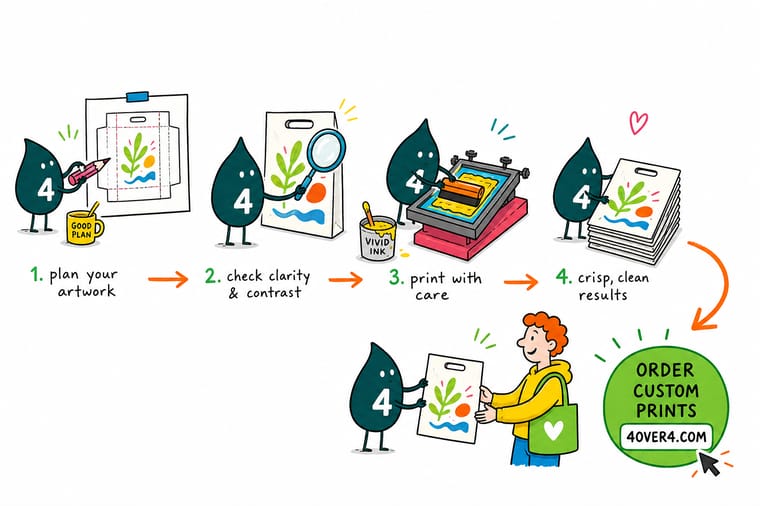
Wally lays the bag out flat and marks the only part that always shows: the front panel, below the handle stitching and inside the two gusset creases. Put the logo there and it reads from across a room. Stretch a wordmark across the whole blank and the middle letters disappear the moment somebody picks the bag up. On brown kraft he either knocks the mark out in white or prints a white underbase first, because ink is see-through and brown wins every argument with a light color.
Order printed canvas tote bags →Specs and pricing
Bags, labels and tags, with starting prices
The three ways to put a brand on a bag, side by side, with live configuration choices and starting prices from the 4OVER4.COM configurator.

Print it
Order the bag, or the label that brands it
Explore more
Where to go next
By the numbers
Packaging you can count on at 4OVER4
Common Questions
Your custom packaging bag questions, answered
What file should I send for a printed tote bag?
Vector, with the fonts converted to outlines. An .ai, .eps or press-ready .pdf built at the finished imprint size gives the cleanest edge, because the artwork gets output at whatever scale the imprint needs without softening. If all you have is a raster logo, supply it at 300 dpi at final print size with a transparent background, not a screenshot pulled off a website. Keep the color count low and name your spot colors rather than leaving them as unconverted RGB.
Does 4OVER4.COM print paper shopping bags?
We print fabric bags rather than side-gusseted paper shopping bags. Cotton totes, canvas tote bags and recycled tote bags are printed to order, and for paper bags the practical route is a plain stock bag branded with our printed packaging labels, custom hang tags or printed packaging tape. That combination also lets you change the artwork per season without reprinting the bag itself.
How big should a custom packaging bag be?
Measure the product first, then work outward. The bag width needs to cover the product width plus its depth, plus about an inch of ease so nothing has to be forced in. Add two inches to the height if the top gets folded over, taped or tied. If you are packing several sizes into one bag, size for the largest and accept that the smallest will look loose rather than ordering four bag sizes.
Why does my logo look wrong printed on a kraft bag?
Brown kraft is not a neutral base. Ink is translucent, so the brown shows through and pulls every color warm. Cyan turns grey green, light yellows vanish, and pale tints simply do not read. Two fixes work: print a white underbase under the artwork so the color sits on white, or redraw the mark as a single dark or white knockout that uses the brown as a deliberate background color.
How do I design custom packaging tape so it lines up?
Design it as a repeating tile, not as a single lockup. The tape is cut wherever the packer stops, so there is no way to control which part of the pattern lands on the box. Build a block that reads correctly no matter where it is sliced, keep the logo repeating every few inches, and hold important elements away from the roll edges since tape wanders slightly when applied by hand.
Can I print full color photographs on a cotton tote?
Not well, and this is where most bag designs go wrong. Cotton has a visible weave, and ink sinks into it rather than sitting on top, so gradients band and fine detail blurs. Bold shapes, thick type and flat color reproduce beautifully. If a photograph is essential to the piece, print it on a label or a hang tag and attach it to the bag, where the coated stock holds the detail.
Get Started
Ready to put your logo on the bag?
Pick cotton, canvas or recycled fabric, upload a flat vector mark, and we print bags that read from across a store. Branding plain stock instead? Start with the labels.
Legal Disclaimer
Gold Standard guarantees apply to all standard orders placed through 4over4.com. Price match requires verifiable proof of a competitor's published price for an equivalent product with matching specifications and turnaround time. Satisfaction guarantee covers manufacturing defects and print quality issues. Contact support with order number and documentation. On-time delivery rate based on tracked orders 1999 to 2026. Individual results may vary based on shipping carrier performance.
