



What makes booklet printing different
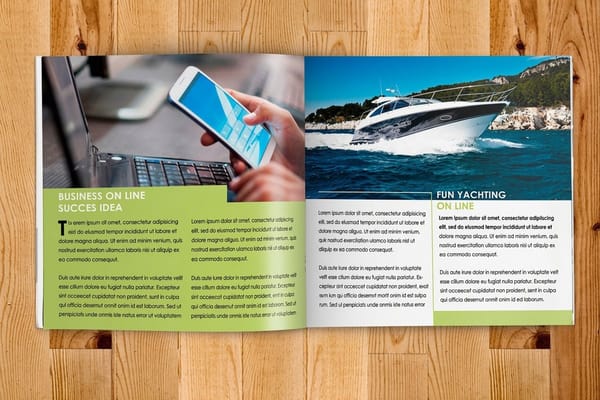
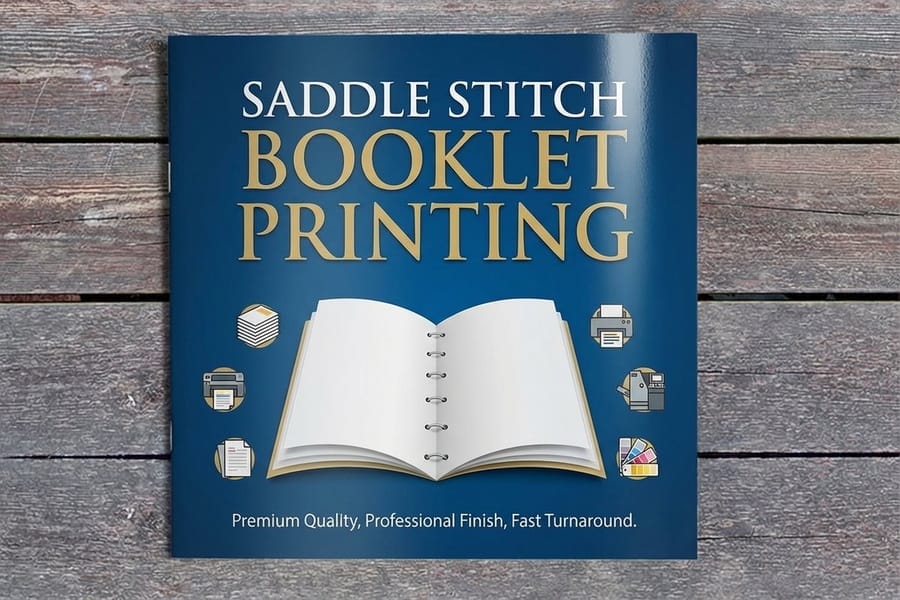
A single-sheet product forgives a lot: one stock, one pass, done. A booklet is manufacturing. Pages must land on sheets in an order that only makes sense folded (imposition), inner pages push outward as the book thickens (creep), the cover has to wrap without cracking at the spine fold, and the stitches have to sit square or the whole object reads as crooked. Printers that treat a booklet as a stack of flyers with staples produce exactly that. The binding types guide is the right primer before any multi-page order, anywhere.
Where the retail booklet order shows its limits
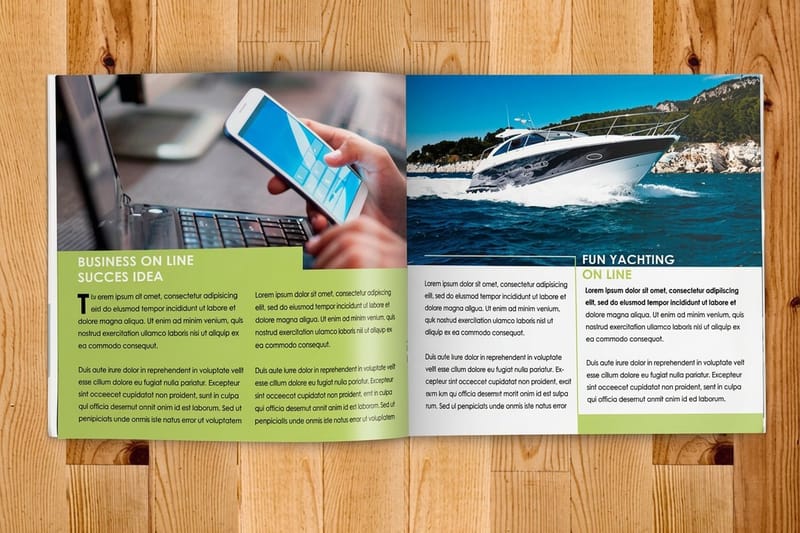
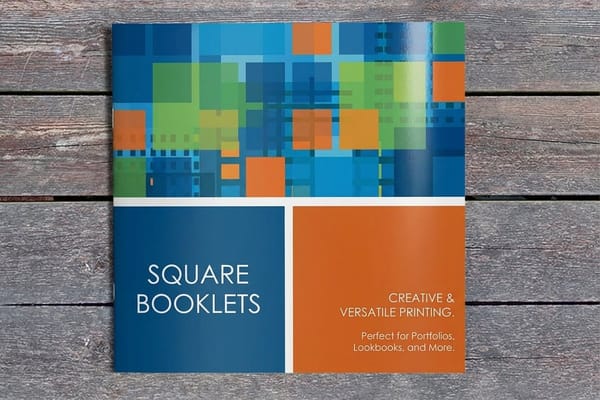
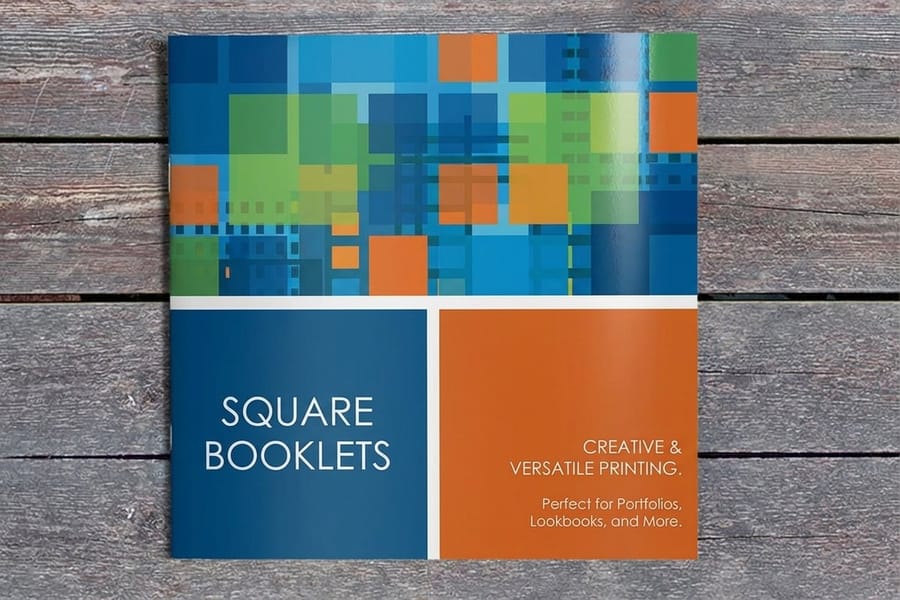
Retail booklet lines keep the spec simple on purpose: a few trims, constrained page ranges, cover choices bundled rather than chosen. That keeps the order form short, and it caps what the booklet can be. A square lookbook, a 64-page catalog, a program on uncoated text with a soft-touch cover, these fall outside the short menu. And the pricing model matters more here than anywhere: a retail margin applied to a 32-page book is sixteen flyers’ worth of margin, which is why multi-page work is where factory-direct pricing pulls furthest ahead.
How the bindery-grade order works
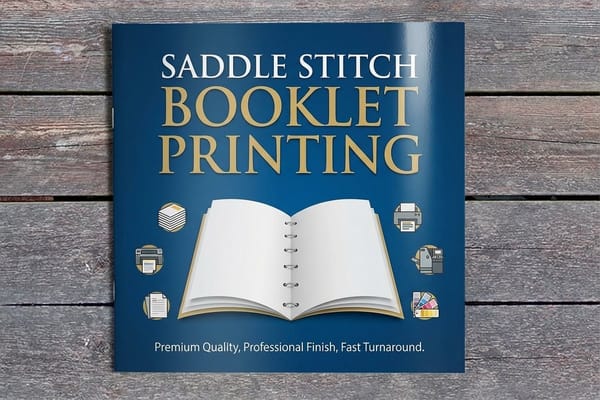
At 4OVER4.COM you spec the booklet like a print buyer: trim size, page count in multiples of four, a cover stock and a text stock chosen separately, and the binding. Upload a single reading-order PDF and the press handles imposition and creep compensation. The free proof then shows you the book as it will bind, which is where swapped spreads and reversed covers get caught. From there the run comes off bindery equipment, standard, saddle stitch, or square, with the spine square and the pages flat.
Catalogs, the booklet with a job

A catalog is a booklet that has to sell every page, and its spec follows: a cover that survives handling and signals brand, text pages light enough to flip and heavy enough to carry photography, and a trim that fits product grids. The retail catalog line is built to that spec, booklets vs catalogs draws the line between the formats, and for businesses built around the format, starting a mail-order catalog company covers the model end to end, including the mailing side 4OVER4.COM handles through its direct mail services.
How pricing compares
Booklets start at $240.55, priced from the press with tiers that reward catalog quantities, and the same spec quoted at retail almost always lands higher once real page counts are in play. The floor is written down: 4OVER4.COM will beat any competitor's total price by 10 percent with our 110% Price Match Guarantee, so a lower Vistaprint quote on a comparable book only pulls your price down further. Free samples let you hold the stock pairings before committing a catalog to them, and loyalty coins accrue on every reprint.
Who 4OVER4.COM is the right alternative for
Retailers and brands get catalogs and lookbooks with real bindery and sane multi-page pricing. Event teams get programs in digest and square trims that feel considered. Schools and trainers get education booklets and manuals that survive a semester. Photographers get portfolio books that do their images justice. If you need twenty stapled handouts by Friday, a retail order will serve. For a book with your brand on the spine, see the full 4OVER4.COM vs Vistaprint breakdown or the whole printing alternatives hub.
What sets 4OVER4.COM apart
Bindery you can feel: square stitches, flat pages, covers that wrap clean. Specs you control: separate cover and text stocks from 60+ papers, square and catalog trims, real page counts. And economics built for multi-page work: factory-direct pricing from $240.55, a 110% price match, free samples, and loyalty coins. Start in the booklets and catalogs category and print the book your content deserves.