
8 Print Pieces That Market an Interior Design Studio Beautifully
Clients cannot test your spatial judgment before hiring you, so they judge the things you hand them. These eight print pieces are the studio’s portable taste: the card, the lookbook, the proposal folder, and the follow-ups that keep you in the room after you have left it.
The local-marketing bundle is eight print pieces working one reputation: business cards and brochures introduce the studio with proof of taste, portfolio booklets and gloss presentation folders win the project and defend the fee, and postcards, handwritten notecards, a portfolio calendar, and an installation-day canvas print keep the studio present in its best neighborhoods all year. Every piece is a work sample; print quality is the argument.
The picks
Eight pieces, from $16.48 postcards to $844.54 gloss folders
Print the card and the lookbook first. Interior design business cards start at $17.57 and 25 project booklets at $240.55; the $844.54 gloss folders and the $812.59 calendar run are the two premium lines, while postcards from $16.48, flat notecards from $19.77 and stretched canvas from $59 keep past clients close. Each price comes live from the configurator. Keep one palette from the card to the canvas, then read on for the job each piece does.
Design and print help
One palette and one typeface, from the card to the canvas
A design studio’s print faces the same scrutiny its rooms do. Compose every piece in the online designer with your palette and typography held exactly, or restrain a refined template into your own, from the card to the lookbook cover.
How they work together
Introduce the studio, win the project, stay on the wall
Each piece owns a stage of the client relationship. Run all three and the studio stays in circulation between projects.
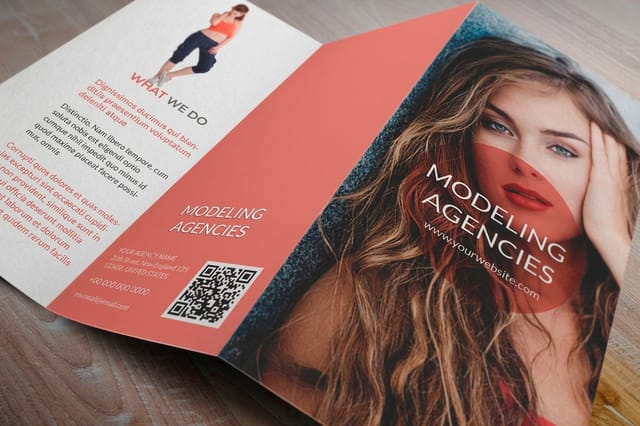
The card proves your eye in three square inches, and the brochure gives new contacts the services, process, and a taste of the portfolio to take home from every showroom and market event.
The lookbook stays on the prospect’s coffee table making your case nightly, and the presentation folder turns a proposal of loose pages into a document that feels like a firm.
Project-reveal postcards to the right neighborhoods, handwritten notes after every consult, a year-end calendar of your best rooms, and a canvas print of the finished room gifted at installation keep you present until the next renovation.
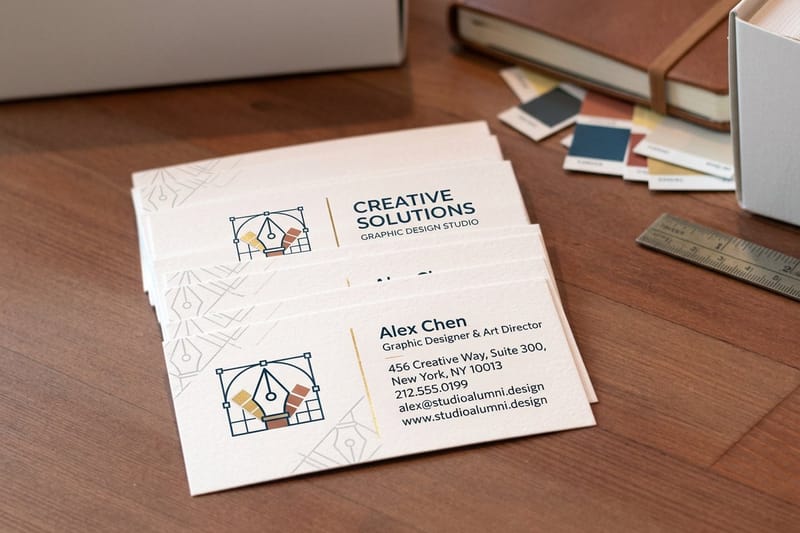
1. Interior design business cards: taste, proven in three square inches
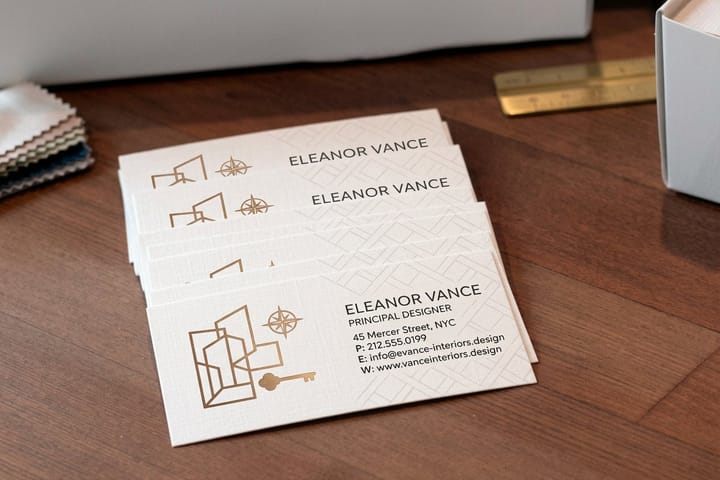
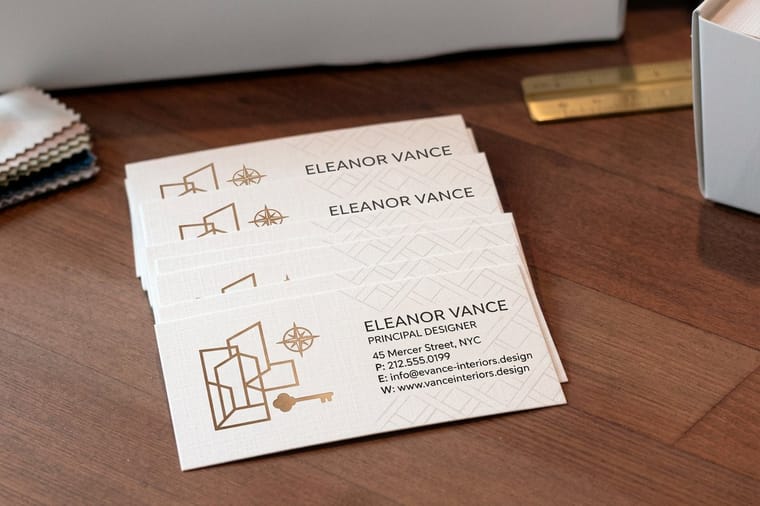
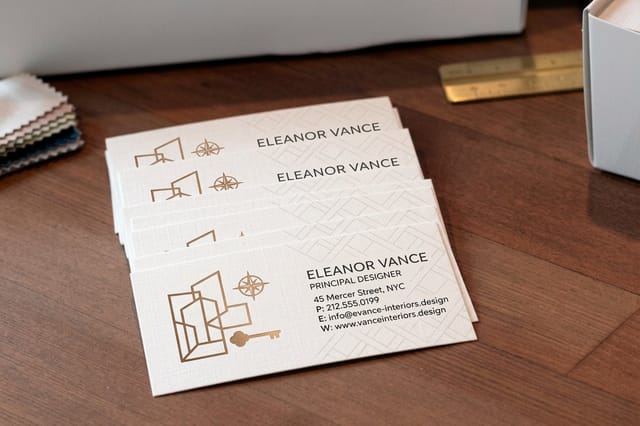
An interior designer’s card is audited like a room: type choice, spacing, color, stock weight. Clients cannot evaluate your spatial judgment before hiring you, so they evaluate the proxies you hand them. A card with confident restraint and real paper wins consultations a flashy one loses.
Choose the details like materials for a project: a soft-touch or matte finish, compared in the business card finish guide, and a weight that registers in the hand; card thickness explains what different weights signal. The back can carry one signature room photo or stay beautifully empty.
At $17.57 a box, it is the least expensive object that will ever represent your taste unsupervised.
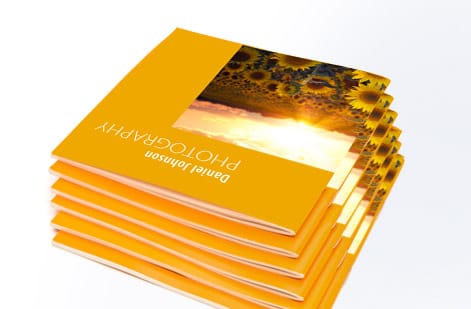
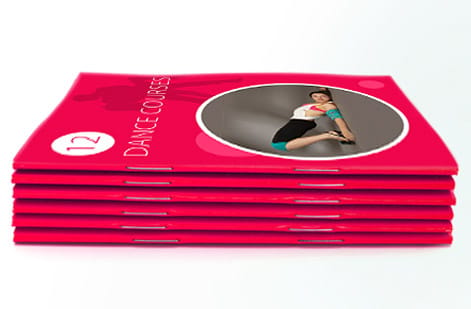
2. Booklets: the portfolio that stays on their coffee table
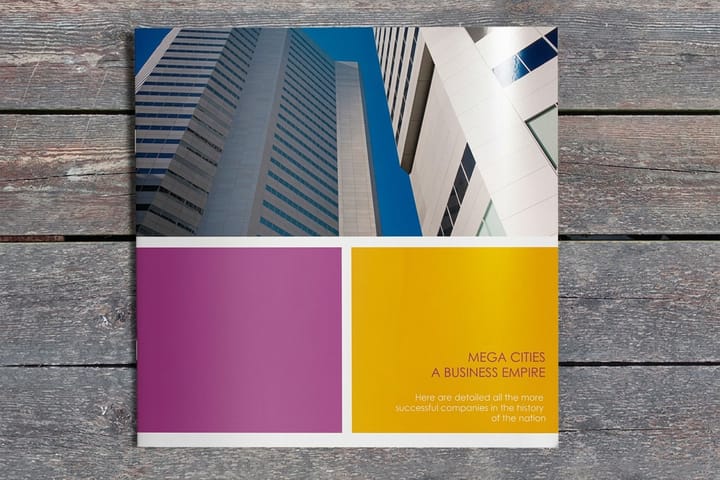
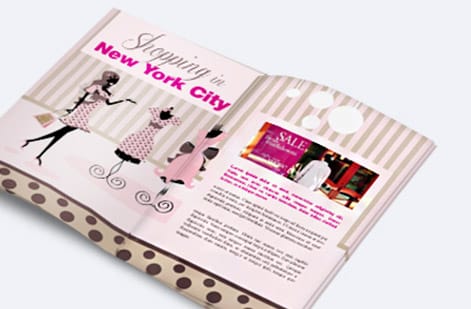
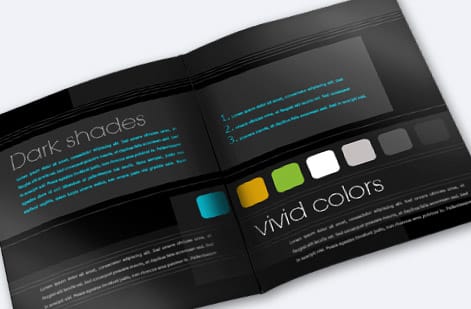
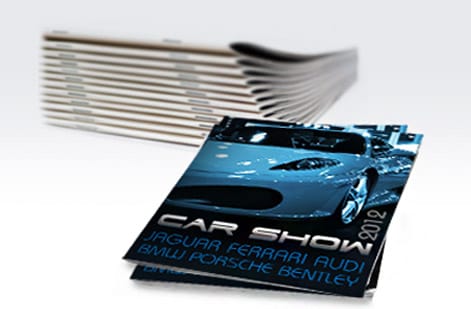
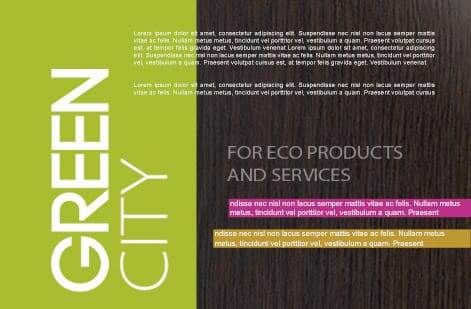
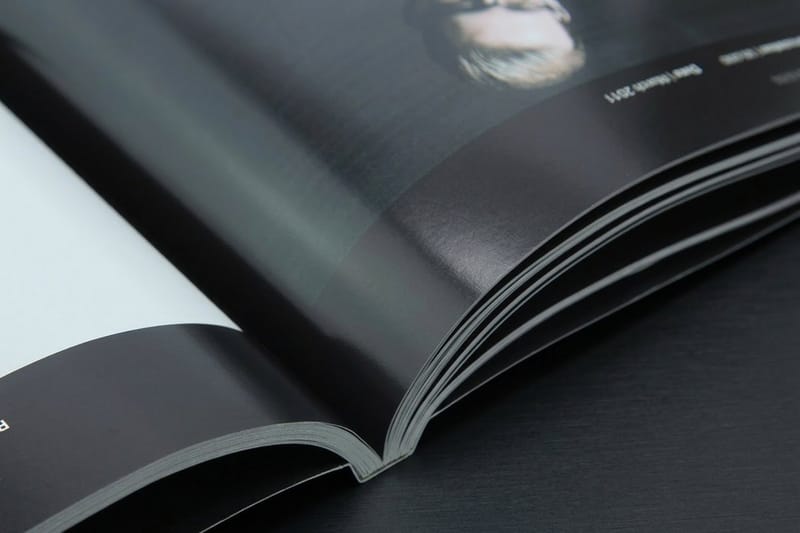
The decisive conversations about hiring you happen after you leave, between partners, over the very coffee table your lookbook is sitting on. A printed portfolio booklet keeps making your case in that room. Tablets go home in your bag; the booklet stays where the decision lives.
Edit ruthlessly: six to ten projects, big images, short captions about the problem each room solved. Saddle stitch suits a slim lookbook while thicker portfolios earn perfect binding; the binding guide maps the options, and booklets versus catalogs clarifies the format question. Print on a stock that flatters photography.
From $240.55 a run, hand one to every serious prospect and count it as the cheapest closer on the payroll.
3. Gloss presentation folders: the proposal, dressed for the fee
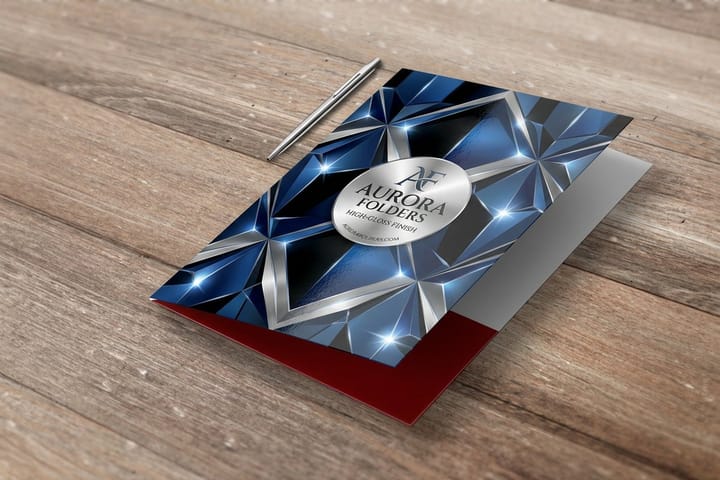
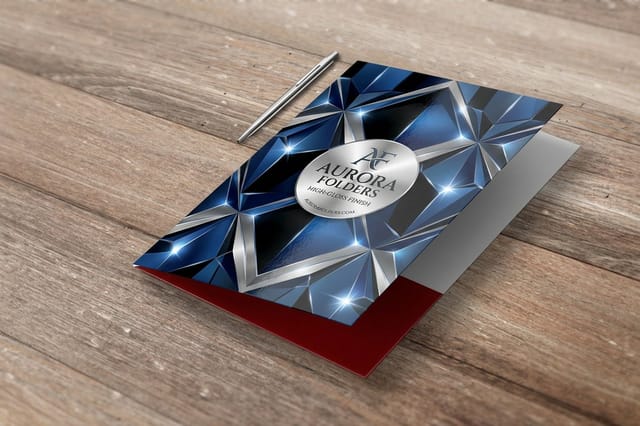
A design proposal is mood boards, floor plans, timelines, and a number at the end. Handed over loose, the number looks negotiable. Presented in a heavy gloss folder with your mark on the cover, the same number looks like a firm’s considered fee. Packaging is pricing psychology, and designers of all people know it.
The folder keeps working through the project, collecting samples, revisions, and sign-offs with your brand on the outside at every meeting. Standard nine-by-twelve with pockets fits letter-size boards and a card slit fits your card; the format details are covered in company presentation examples and the pocket options on the product page itself.
From $844.54 for a volume run, folders are the bundle’s biggest line item and its strongest fee defense.
4. Brochures: the services story for showrooms and market events
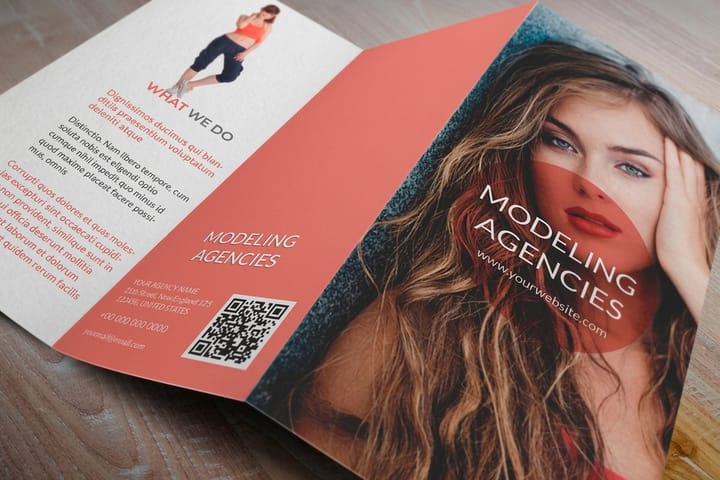
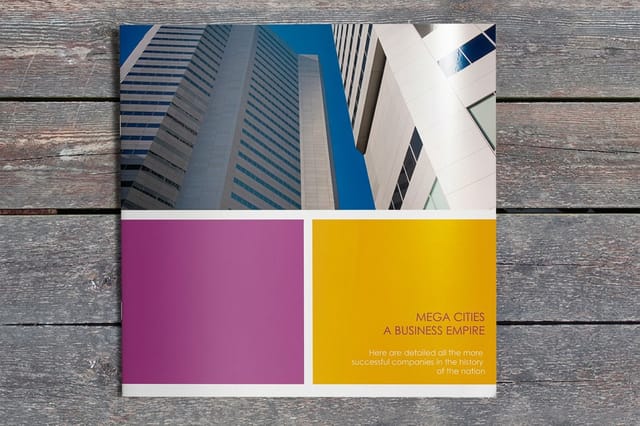
Between the card and the full lookbook sits the brochure: enough room to explain your services, your process, and your point of view, cheap enough to leave in stacks at the tile showroom, the furniture store, and the home-and-garden market booth. It answers the "so what exactly do you do?" question you are not there to answer.
Structure it as a walkthrough: philosophy, services from consult to full renovation, three signature projects, how engagement works. The fold is part of the design; how to fold a brochure and brochure sizes and folds map the formats, and a gate fold makes a room reveal feel theatrical.
From $57.11 a run, seed them wherever your future clients shop for their homes.
5. Postcards: the project reveal, mailed to the right streets
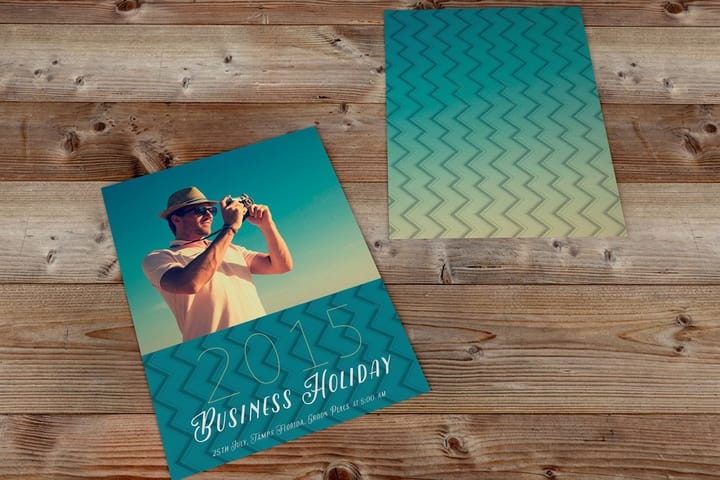
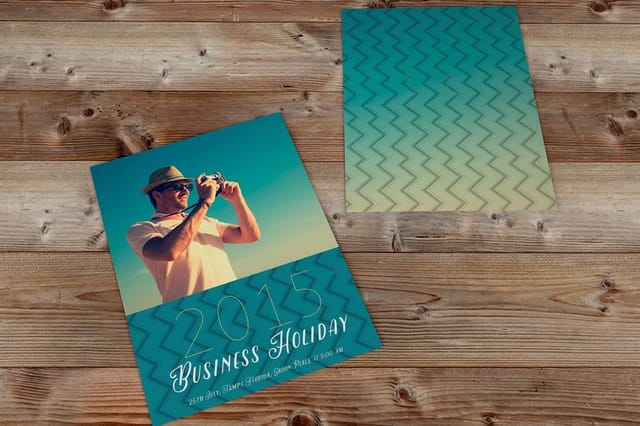
Every completed project is a small exhibition, and the postcard is its invitation. One strong after photo, the neighborhood’s name if you can claim it, and your studio mark. Mail it to the streets around the project, where the neighbors have comparable homes and contagious renovation appetite, and to past clients, who refer most when freshly reminded.
The photo does everything, so print quality decides whether the card reads as gallery or junk. Layout discipline is in the ten elements of an effective postcard, and mailing mechanics in five steps to send direct mail postcards.
From $16.48, two to four reveals a year keep the studio name circulating in its best zip codes.
6. Flat notecards: the handwritten follow-up high-trust work runs on
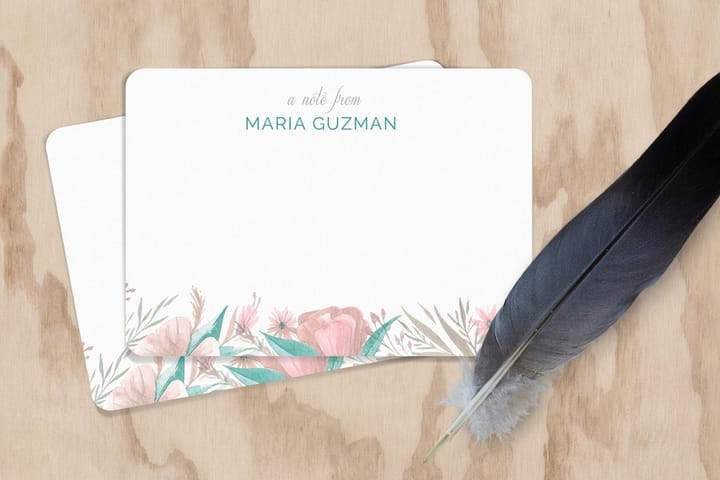
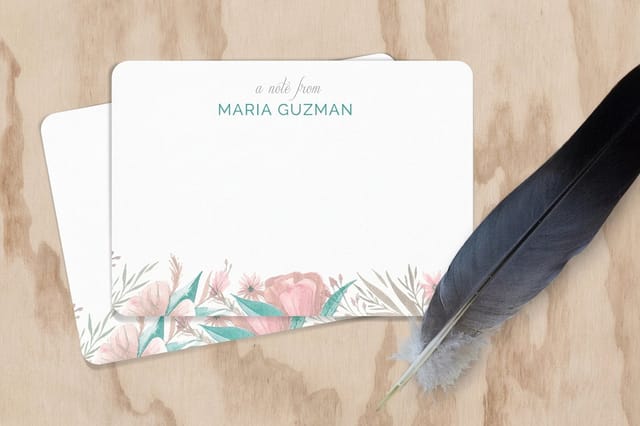
Interior design is among the most personal services a client ever buys: you are being trusted with the rooms they live in. A handwritten note on a beautiful card, after the first consult, after installation day, after a referral, matches the register of that trust in a way no email can. It is also simply rare, which makes it memorable.
Print the front with a single signature image or just your mark on lovely stock, and let the handwriting be the content. Phrasing that stays personal without gushing is collected in thank-you card ideas. Keep the box in the studio and make Friday notes a ritual.
At $19.77 a set, the notecard converts consults and multiplies referrals at the price of a stamp.
7. Calendars: twelve rooms, hanging in their kitchen all year
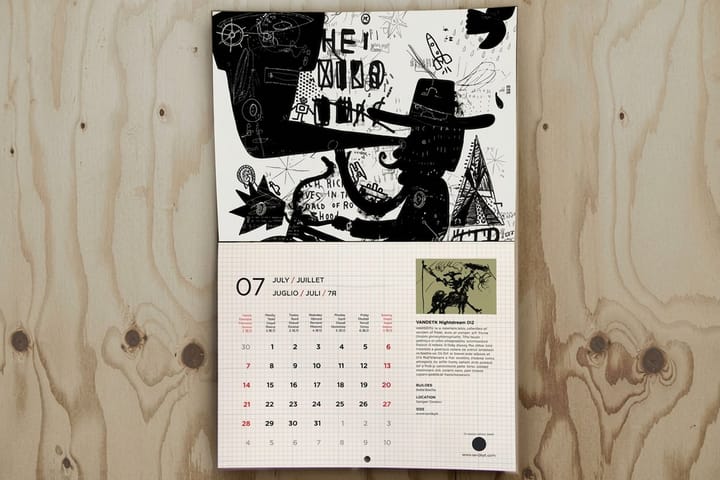
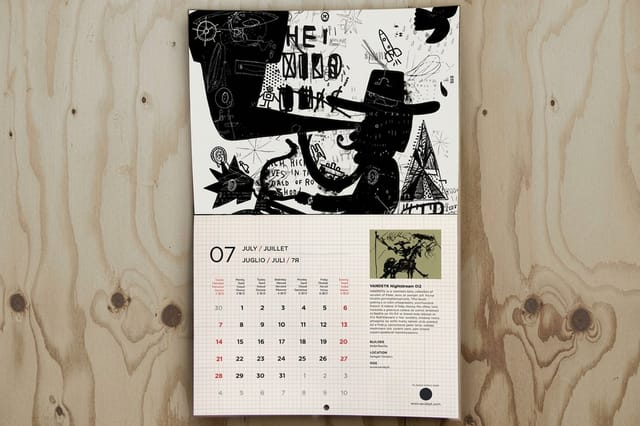
The calendar is the leave-behind that never leaves: twelve of your best rooms, one per month, hanging in a past client’s kitchen or a realtor’s office through an entire year. Every glance at a date is a glance at your portfolio, and December’s gift becomes November’s referral call.
Gift them to past clients, contractors, realtors, and the showrooms that send you work. Curate like the lookbook, one room per month, seasonal where you can manage it, and plan production for a late-autumn delivery. The build process is in planning a custom calendar, and format choices in standard calendar sizes.
From $812.59 a volume run, it is the bundle’s premium gesture: a year of quiet marketing per copy.
8. Stretched canvas: the finished room, gifted back as art
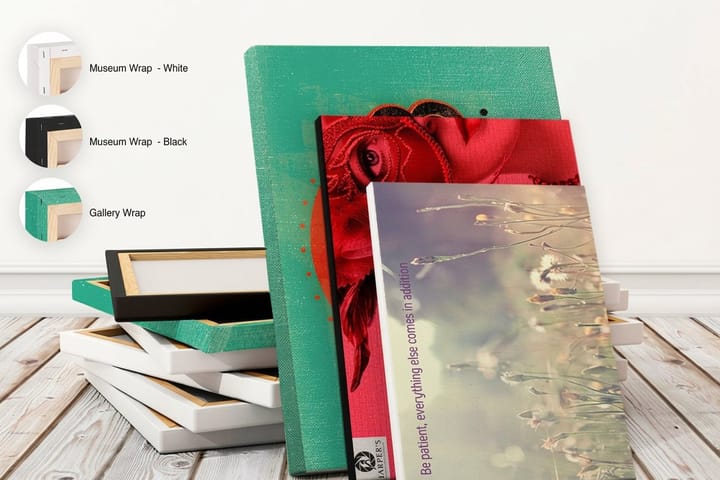
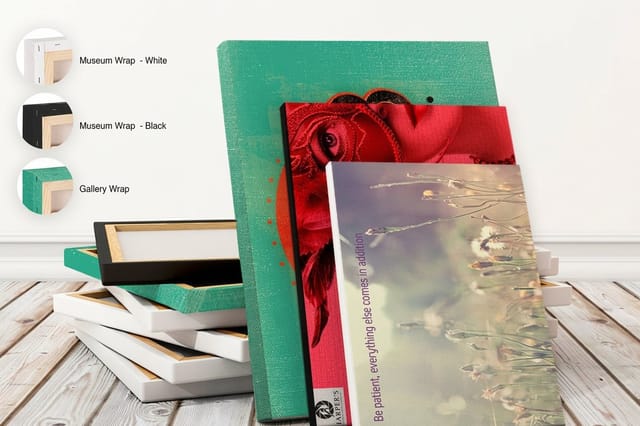
The most persuasive image in your portfolio is the client’s own room. Print the hero shot of the finished project on stretched canvas and gift it at installation, and the project ends with a small ceremony instead of an invoice. The client hangs it, guests ask about it, and every answer is a referral with your name in it.
The same canvases carry the studio itself: your three signature rooms on the office wall greet every consult like a gallery, and a rotating canvas in a partner showroom shows your work where clients shop for their homes. Our guide to what canvas prints are covers the material, and framing canvas prints dresses the gift for the wall it will hang on.
From $59 a piece, the canvas is the bundle’s closing gesture: the one piece of your marketing the client will genuinely thank you for.
%22%2F%3E%3Ccircle%20cx%3D%2236%22%20cy%3D%2220%22%20r%3D%2231%22%20fill%3D%22%23a78bfa%22%20opacity%3D%220.15%22%2F%3E%3Ccircle%20cx%3D%2233%22%20cy%3D%2229%22%20r%3D%2210%22%20fill%3D%22%23a78bfa%22%20opacity%3D%220.1%22%2F%3E%3Crect%20x%3D%2276%22%20y%3D%2210%22%20width%3D%2221%22%20height%3D%2220%22%20rx%3D%224%22%20fill%3D%22%23a78bfa%22%20opacity%3D%220.08%22%20transform%3D%22rotate(16%2080%2030)%22%2F%3E%3C%2Fsvg%3E)
Specs and pricing
Interior design card stocks and prices
The card sets the stock standard the rest of the bundle answers to, starting at $17.57, so compare its stocks and finishes before you lock the lookbook and the folder. Here are the live specs and per-unit prices for interior design business cards at 4OVER4.COM, straight from the configurator.
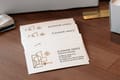
| Quantity | Price Per Unit | Total |
|---|---|---|
| 100 | 17.6¢ | $17.57 |
| 200 | 11.5¢ | $23.07 |
| 300 | 9.15¢ | $27.46 |
| 400 | 7.96¢ | $31.86 |
| 500 | 7.25¢ | $36.26 |
| 600 | 6.77¢ | $40.64 |
| 700 | 6.43¢ | $45.04 |
| 800 | 6.18¢ | $49.43 |
Wally explains the bundle
Eight pieces that prove taste before the first consult
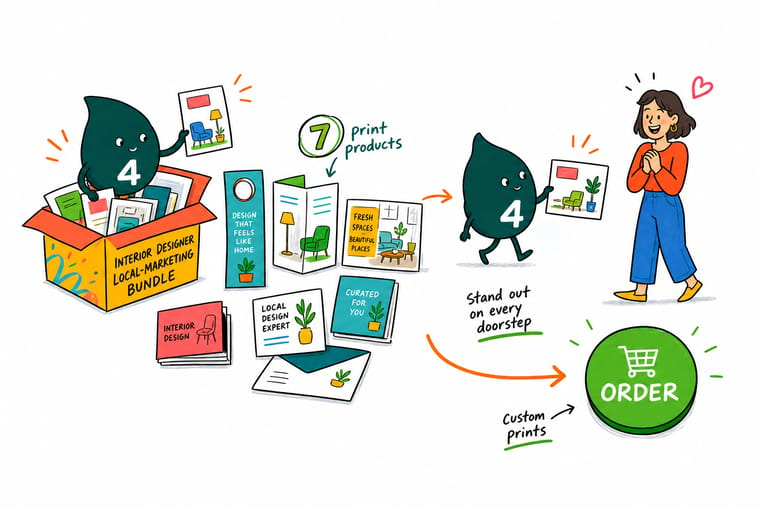
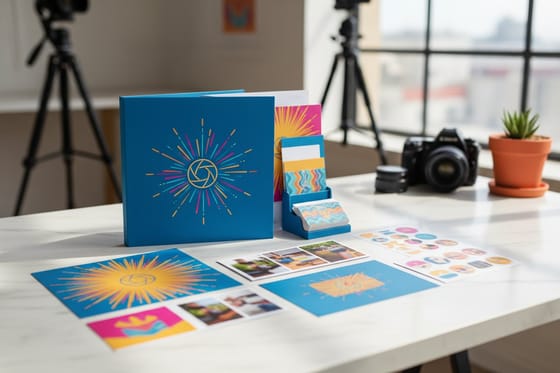
Wally stages a design studio's marketing like a room: nothing loud, everything considered. The card and brochure make the introduction, the lookbook holds the coffee table after the meeting ends, and the gloss folder dresses the proposal for its fee. Then the reveal postcards, handwritten notes, the twelve-room calendar, and the installation-day canvas keep the studio hanging in clients' kitchens all year. Print it all to one standard at 4OVER4 and every piece is a work sample.
Shop creative pro printing →See it in use
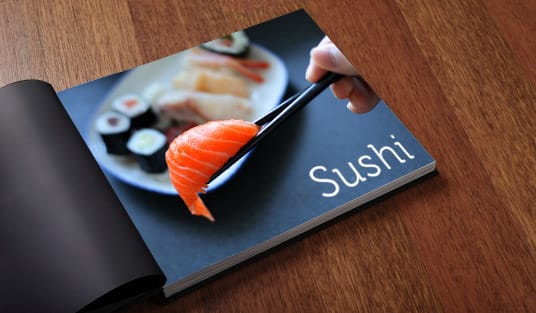
Booklets from customer orders

%22%2F%3E%3Ccircle%20cx%3D%2248%22%20cy%3D%2220%22%20r%3D%2223%22%20fill%3D%22%23334155%22%20opacity%3D%220.15%22%2F%3E%3Ccircle%20cx%3D%2254%22%20cy%3D%2227%22%20r%3D%22-3%22%20fill%3D%22%23334155%22%20opacity%3D%220.1%22%2F%3E%3Crect%20x%3D%2278%22%20y%3D%22-9%22%20width%3D%2233%22%20height%3D%2220%22%20rx%3D%224%22%20fill%3D%22%23334155%22%20opacity%3D%220.08%22%20transform%3D%22rotate(43%2080%2030)%22%2F%3E%3C%2Fsvg%3E)
Explore more
Where to go next
By the numbers
One bundle, printed to the studio’s standard
Common Questions
Common questions about the interior designer bundle
What is in the interior designer local-marketing bundle?
Eight print pieces matched to how design clients are actually won: interior design business cards, portfolio booklets, gloss presentation folders, brochures, postcards, flat notecards, calendars, and stretched canvas prints. The card and brochure introduce the practice, the booklet and folder win projects, and the postcards, notecards, calendar, and installation-day canvas keep past and future clients close.
Why does an interior designer need print in a Pinterest world?
Because print is the only marketing that demonstrates the actual skill being sold: composition, restraint, material choice. A beautifully produced card or lookbook is a work sample the client holds. Online portfolios show what you have done; a printed piece proves your judgment in an object they can touch, keep, and leave on the table where renovation decisions happen.
What makes a good interior design lookbook?
Fewer projects, shown larger. Six to ten of your strongest rooms, one or two images per spread, minimal captions naming the challenge and the material story. Saddle-stitched booklets in a square or landscape format feel most like the shelter magazines clients already trust. Print quality is non-negotiable here, since muddy photo reproduction reads as muddy taste.
Are presentation folders worth it for a small studio?
They are the cheapest upgrade a proposal can get. The same mood boards and quote read completely differently inside a heavy gloss folder with your mark on the cover: organized, established, worth the fee. The folder also survives the client’s own process, holding the samples and revisions that accumulate, with your brand on the outside the whole time.
Who should receive the postcards and when?
Mail a just-completed project card to the neighborhoods around the project itself, since renovation appetite is contagious on a street, and to your past-client list, who refer more when reminded. Two to four mailings a year is enough. Pair them with handwritten notecards after every consultation and referral, which is where high-trust services are actually won.
How does a calendar market a design practice?
A wall calendar of your twelve best rooms hangs in a client’s kitchen or office for a full year, which is more sustained exposure than any campaign can buy. Gift it in December to past clients, realtors, and contractors you want referrals from. It is the rare promotional gift people genuinely use, and it quietly restates your portfolio every month.
How much does the bundle cost to print?
Each product is priced live on its own page and scales with quantity and options. 100 cards start at $17.57, 25 notecards at $19.77, 50 postcards at $16.48, 50 brochures at $57.11 and one 11 by 14 inch stretched canvas at $59, while 25 booklets at $240.55, 25 calendars at $812.59 and 250 folders at $844.54 are the premium line items where volume brings the per-piece cost down. Configure real quantities per product and the totals update live.
Get Started
Print 25 project booklets for $240.55
Order the local-marketing bundle from 4OVER4.COM piece by piece, booklets, folders and calendars first. Configure size, stock, and quantity on any product and watch the price update live.
Legal Disclaimer
Gold Standard guarantees apply to all standard orders placed through 4over4.com. Price match requires verifiable proof of a competitor's published price for an equivalent product with matching specifications and turnaround time. Satisfaction guarantee covers manufacturing defects and print quality issues. Contact support with order number and documentation.
