
9 Print Pieces That Keep Healthcare Seasonal Promos Booked Solid
Flu shots, physicals, allergy season, wellness month: healthcare demand runs on a calendar, and the campaign has to travel beyond your walls to meet it. Here are the nine pieces that carry one season from the mailbox to the front desk.
The healthcare seasonal-promo lineup is nine print pieces that run one campaign season end to end: postcards announce it to your list, rack cards hold partner counters, brochures answer the deep questions, flyers and door hangers saturate the neighborhood, a vinyl banner puts the walk-in schedule on the building, posters work the waiting-room and partner walls, and appointment cards with provider business cards convert the attention into booked visits.
The picks
Nine pieces, from $16.48 postcards to a $290.41 door hanger run
Mail the $16.48 postcard to your patient list first. It lands about four weeks before the season's peak, alongside $42.84 rack cards on partner counters and the $79 vinyl banner on the building; flyers and door hangers follow two to three weeks out, and $17.57 appointment cards book the visits. The nine are numbered in the order a season deploys them, each priced live from the configurator. Keep one brand from mailbox to front desk, then read on for what each piece does.

Design and print help
The same logo on the flu season postcard and the wellness month poster
The message changes each quarter while the logo, colors and type stay fixed. Build all nine pieces in the online designer with them locked in, or start from a healthcare template, then swap only the dates, the clinic hours and the offer when flu season turns into allergy season.
How they work together
Announce, saturate the neighborhood, then book the next visit
Each piece owns a stage of the campaign. Print the whole sequence and the announcement, the saturation, and the conversion all keep working at once.
A postcard drop to the patient and community list opens the campaign, rack cards go out to pharmacy counters, gyms, and senior centers, and a banner on the building announces the walk-in schedule to every car that passes.
Flyers cover the community boards, door hangers reach the households no list contains, posters hold the waiting-room and partner walls, and brochures answer the deeper questions wherever a decision needs more than a headline.
Appointment cards book the visit before the patient leaves and pre-book the next season, while provider cards travel home with every referral-minded visitor.
1. Postcards: the season opener your list actually reads
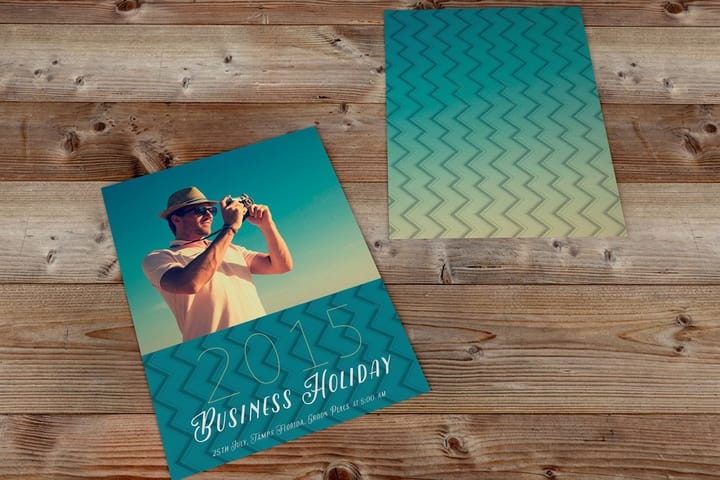
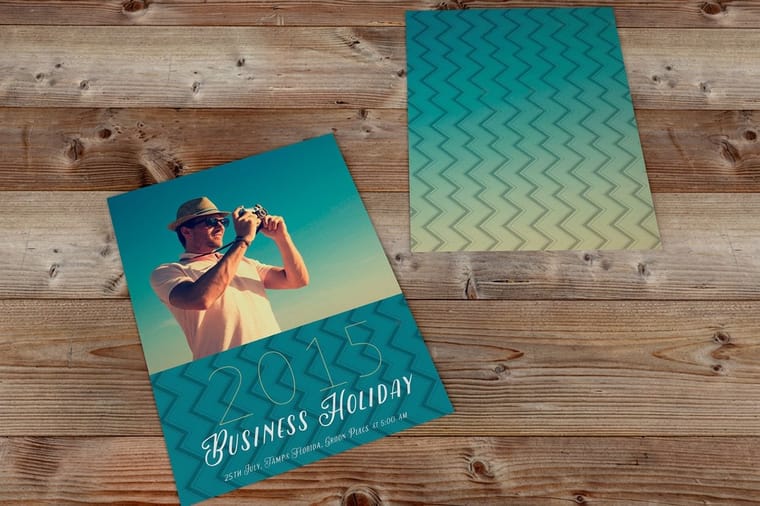
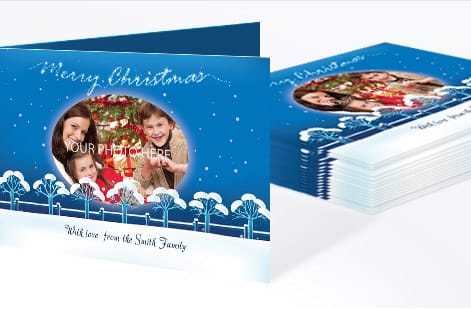
Every seasonal campaign needs a starting gun, and in healthcare that is a postcard to the people who already know you. No envelope to open, no subject line to beat: the message lands in the two seconds between mailbox and counter, and it stays on the fridge in a way no reminder text ever has.
Keep it to one season and one action: the service, the window it runs, and the booking line in large type. The checklist in how to design a postcard covers the ten elements that make the card work, and the postcard marketing benchmarks explain why mail to a known list is the strongest opener in print. Configure standard postcards at the quantity your list needs.
Mail four weeks before the season peaks, so the card arrives while calendars are still open instead of while the waiting room already is.
2. Rack cards: the campaign standing on partner counters
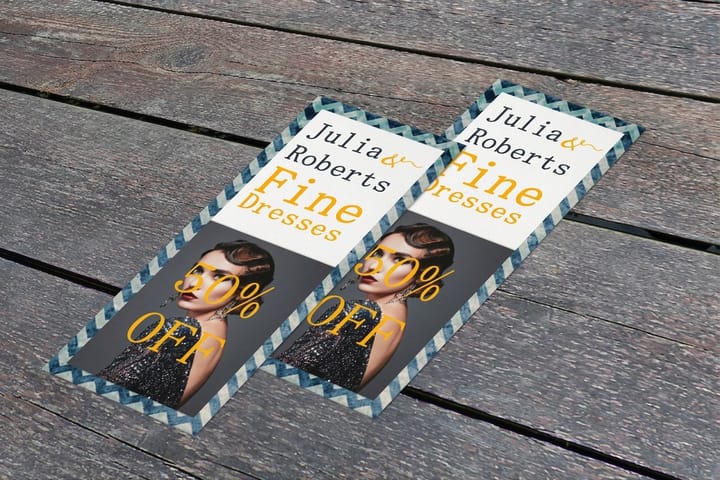
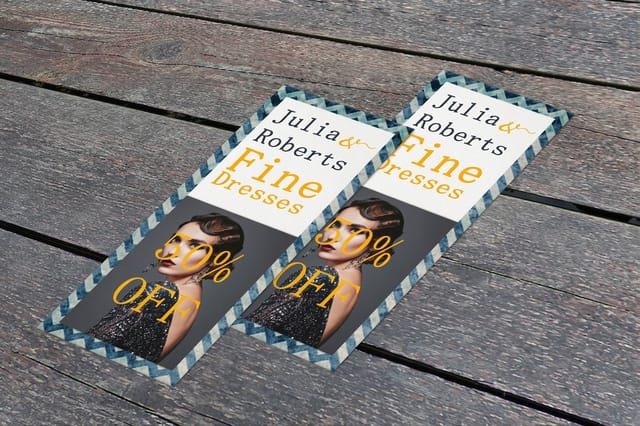
Your seasonal message should spend the season standing where your audience already stands: the pharmacy counter, the gym front desk, the senior center lobby, the school office. A rack card is built for exactly that shelf life, tall enough to be seen across a counter, small enough that partner locations say yes to displaying it.
Design for the pickup, not the glance. A headline about the season's outcome, the dates, the address, and a map. The walkthrough in what is a rack card shows how to earn that pickup, and standard rack cards print in runs sized to restock a whole partner network monthly.
Treat every displaying location as a referral partner. Restock on a schedule, thank them each season, and the counter space stays yours all year.
3. Brochures: the deep answer behind the seasonal headline
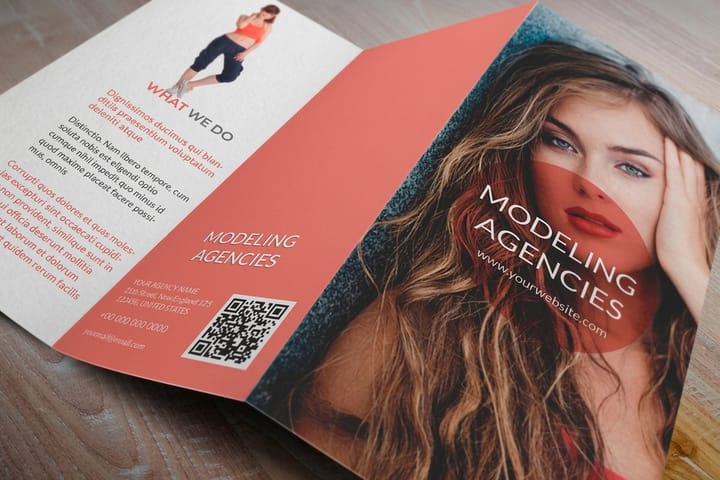
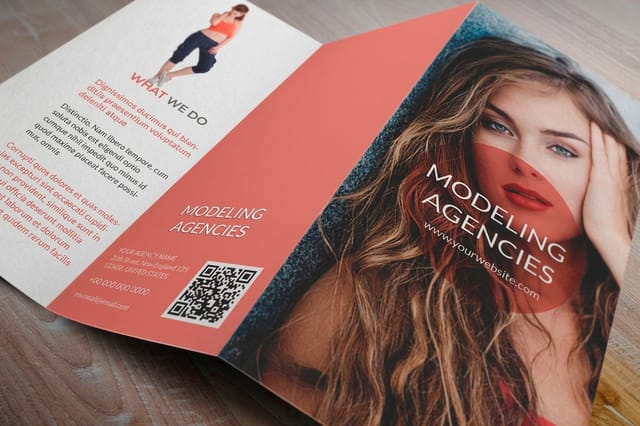
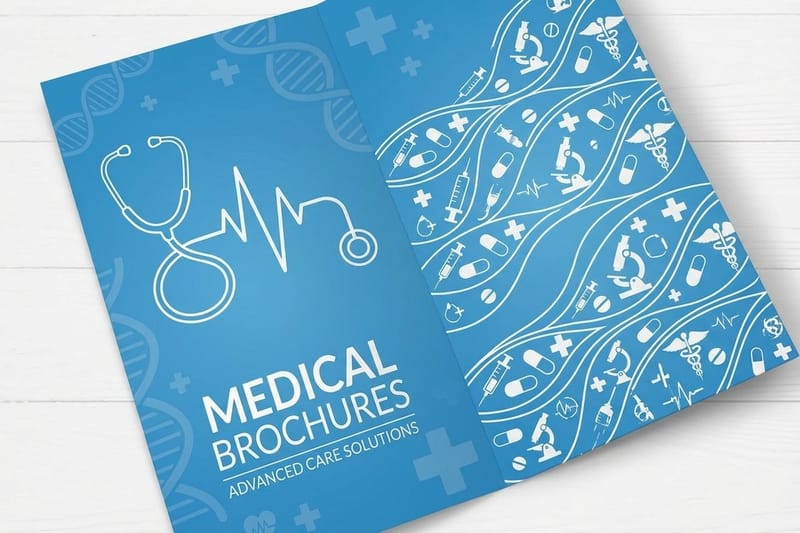
The postcard and the poster say the season is here. The brochure answers everything that comes next: who the service is for, what it involves, what it costs, whether insurance covers it, and why this month rather than later. Those are kitchen-table questions, and a brochure is the piece that goes home to the kitchen table.
Write it at an anxious reader's pace, one question per panel. The healthcare marketing benchmarks make the case that informative beats promotional in this setting. Print standard brochures in a fold that fits both the rack and the hand-out, and give every partner counter a stack beside the rack cards.
One brochure often converts the household's decision-maker, not just the reader, which is how a single piece books a whole family's flu visits.
4. Flyers: one offer, posted everywhere the neighborhood reads
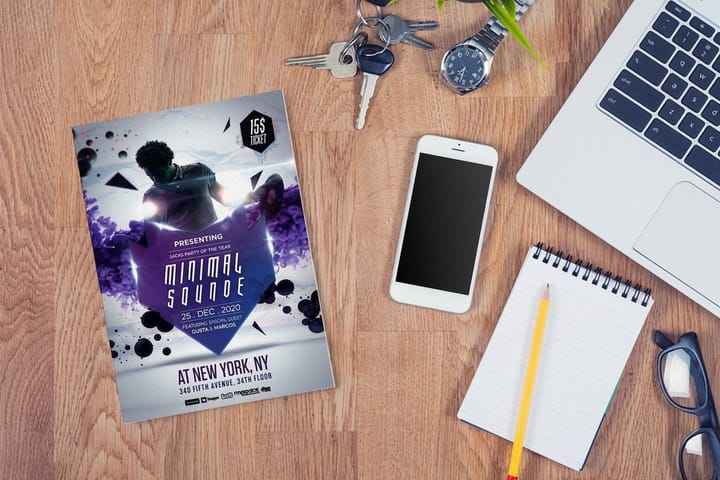
Community boards still work because they sit where people pause: the coffee shop queue, the library entry, the grocery corkboard, the laundromat wall. A seasonal flyer in those spots reaches the part of the neighborhood no list contains, for the cost of paper and a walk.
The whole page should build to one action. Season in the headline, dates huge, booking line at the bottom, and nothing else competing for the eye. Our guide on how to make flyers covers the build from focal point to paper choice. Print a generous run of standard flyers; the marginal copy costs cents and the coverage compounds.
Refresh the boards every two weeks during the season. A crisp, current flyer signals an organized operation; a faded one says the opposite.
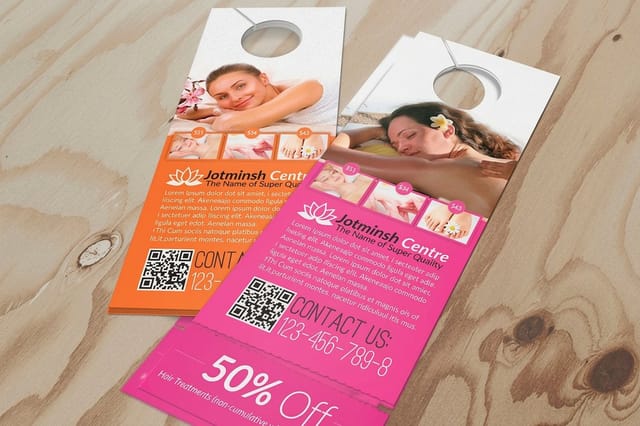
5. Door hangers: the street-level push no list can match
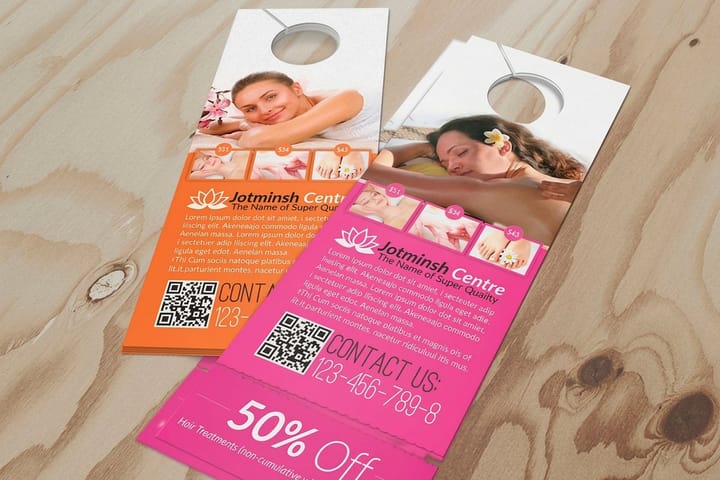
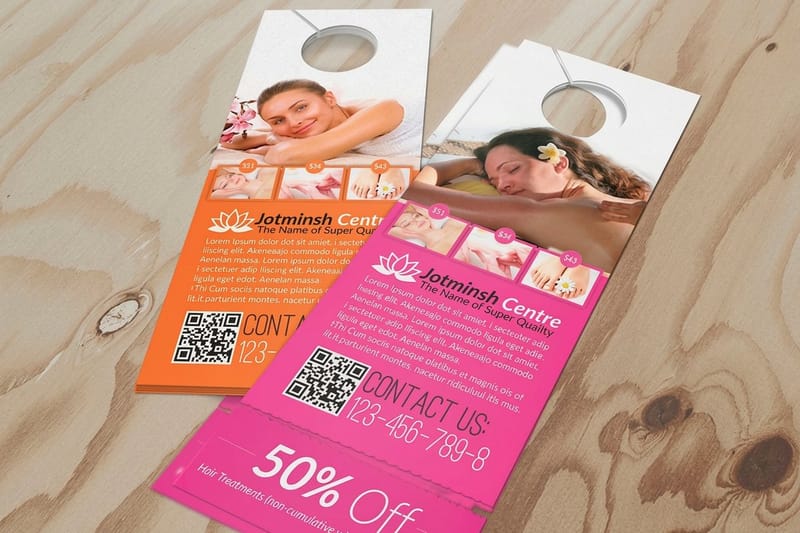
Mailing lists age, inboxes overflow, but every household in your service radius still has a door. The door hanger is the one medium that reaches all of them, alone and unignorable, which makes it the saturation play of a healthcare season: walk-in flu shots this Saturday, sports physicals all August, hearing screenings this month.
Keep the message plain enough for a stranger: one offer, the dates and hours, the address with a small map. The comparison in door hangers vs flyers explains when the door beats the board, and the door hanger effectiveness data covers what the format delivers. Configure door hangers with a tear-off card so the offer survives the trip inside.
Route the walk in waves, one neighborhood per week of the season, and the whole radius hears about the campaign exactly once, politely.
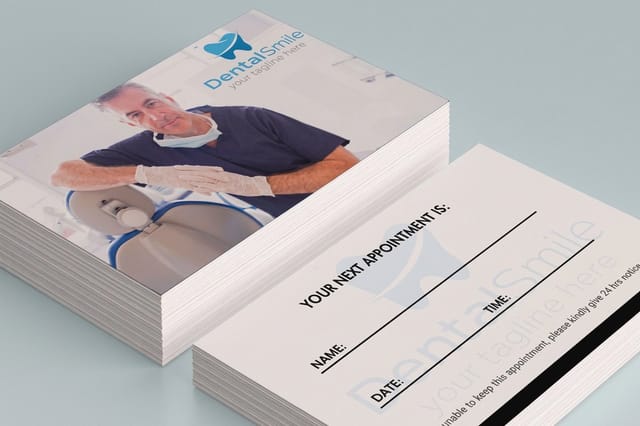
6. Appointment cards: close this season, pre-book the next
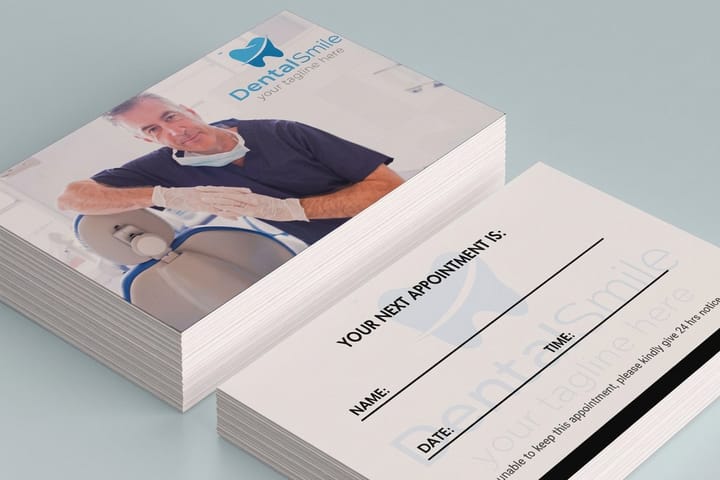
A seasonal campaign that ends at the visit leaves its best asset on the table: the patient standing at your desk, satisfied, coat half on. An appointment card converts that moment into the next booking, and in seasonal healthcare the next booking is often next season's visit, written down eleven months early where a reminder system would never reach.
Keep the front clean, name, logo, phone, with generous space for the handwritten date, and print the rebooking prompt on the back: see you next season. Browse formats at appointment cards printing and configure the standard card on the same stock family as your business cards so the desk pieces match.
This is how campaigns compound. Each season inherits a book of pre-committed visits from the last one instead of starting cold.
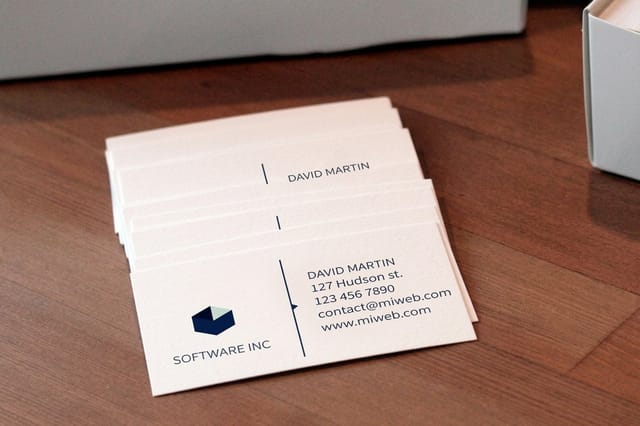
7. Business cards: every staffer carries the campaign
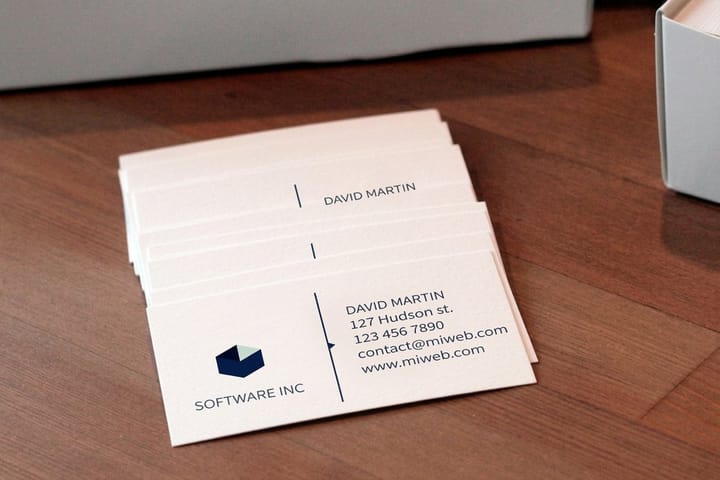
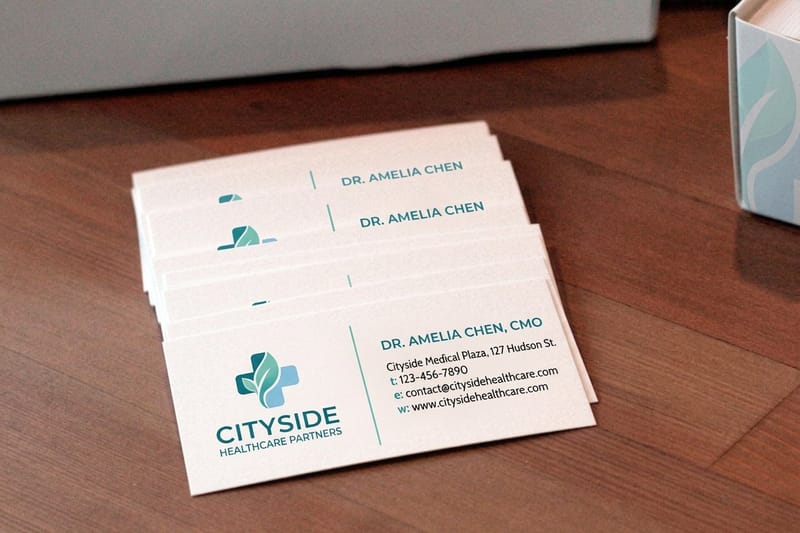
Seasonal campaigns create conversations far from the building: a pharmacist asked about flu shots at a dinner party, a nurse asked about physicals at the gym, a front-desk coordinator asked by a neighbor where to book. Each of those moments converts only if there is a card to hand over, because a name spoken aloud is forgotten by morning.
Print cards for everyone who talks to the public, not just the clinicians. Name, role, direct line, and the organization's booking number, with hours and address on the back. Keep the design calm; in healthcare, uncluttered reads as competent. The full range lives at business cards printing, starting with standard business cards under twenty dollars a box.
Refill the holders weekly during a campaign. An empty card holder at the counter is a referral that walked out unconverted.
8. Vinyl banners: the walk-in schedule at street scale
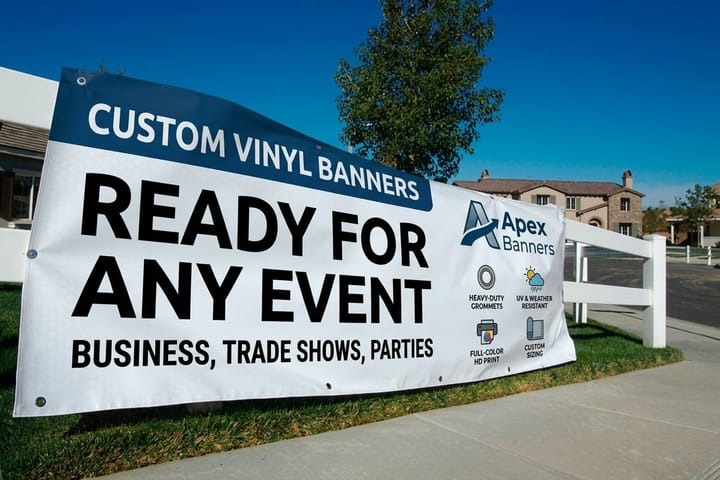
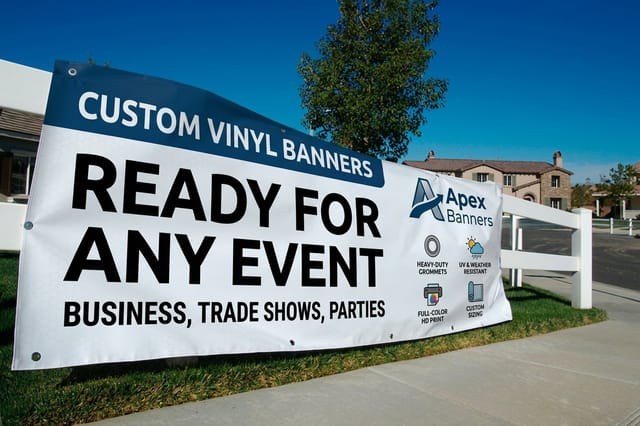
Most of your service radius will never open the mailer or pass the community board, but thousands of them drive past your building every week. A vinyl banner turns that traffic into campaign reach: walk-in flu shots Saturdays, sports physicals all August, hearing screenings this month, readable at thirty miles an hour.
Keep it to the offer, the days, and the word walk-in, in type sized for the far lane. Vinyl shrugs off a whole season of weather, and grommets let the same banner move from the facade to the parking lot fence as the campaign shifts. Our guide to making banners covers sizing and hems, and banner material types settles vinyl versus mesh for exposed walls.
Order one banner per season with the message kept date-light, and it comes back out every year when the calendar turns.
9. Posters: the season on every wall that will hold it

The waiting room is the one audience you never have to chase: seated, unhurried, and already thinking about their health. A seasonal poster on that wall books the flu shot while the patient waits for something else, and the same poster in a partner pharmacy or gym keeps selling the campaign wherever a rack card earned you counter space.
Design it to be read across a room: the season's outcome in the headline, the dates large, the booking line at the bottom. Our how to design a poster in 8 steps keeps the hierarchy working at distance, and how to hang posters without a frame gets it onto clinic and partner walls cleanly.
Print a small run per season and refresh the walls when the message turns. A current poster signals an organized practice; a faded one undoes the impression the rest of the lineup built.
%22%2F%3E%3Ccircle%20cx%3D%2236%22%20cy%3D%2220%22%20r%3D%2231%22%20fill%3D%22%23a78bfa%22%20opacity%3D%220.15%22%2F%3E%3Ccircle%20cx%3D%2233%22%20cy%3D%2229%22%20r%3D%2210%22%20fill%3D%22%23a78bfa%22%20opacity%3D%220.1%22%2F%3E%3Crect%20x%3D%2276%22%20y%3D%2210%22%20width%3D%2221%22%20height%3D%2220%22%20rx%3D%224%22%20fill%3D%22%23a78bfa%22%20opacity%3D%220.08%22%20transform%3D%22rotate(16%2080%2030)%22%2F%3E%3C%2Fsvg%3E)
Specs and pricing
Anchor the lineup: postcard specs and live pricing
The postcard opens every season, so it sets the pace and the budget. Here are the live specs and price-per-unit for standard postcards at 4OVER4.COM, straight from the configurator.
| Quantity | Price Per Unit | Total |
|---|---|---|
| 50 | 33.0¢ | $16.48 |
| 100 | 24.2¢ | $24.16 |
| 200 | 15.9¢ | $31.86 |
| 300 | 12.8¢ | $38.45 |
| 400 | 11.3¢ | $45.04 |
| 500 | 10.3¢ | $51.62 |
| 600 | 9.89¢ | $59.31 |
| 700 | 9.57¢ | $67.00 |
Wally explains the lineup
Nine pieces, four seasons, one healthcare brand
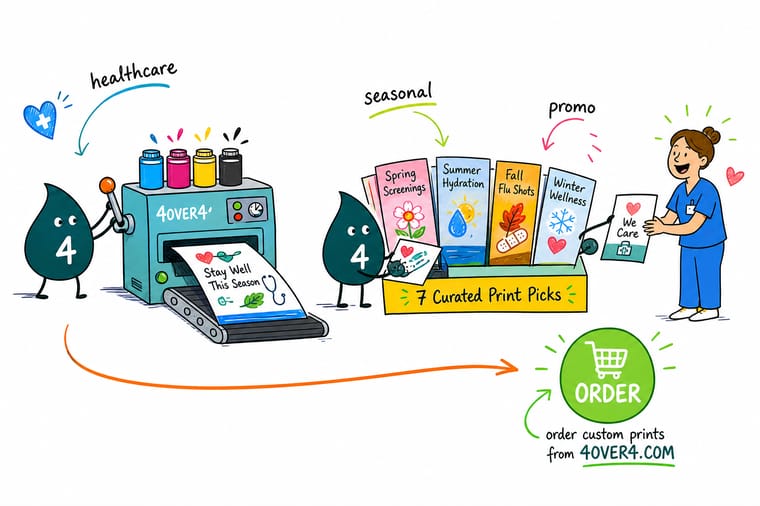
Wally plans a healthcare season like a weather system. The postcard front moves in first over the mailboxes, rack cards settle on every partner counter, the banner takes the building, flyers and door hangers rain over the neighborhood, and by the time patients arrive, the poster and brochure have answered their questions and the appointment card is waiting to book the next visit. Keep one design across all nine, then swap only the message when the season turns.
Shop healthcare printing →See it in use
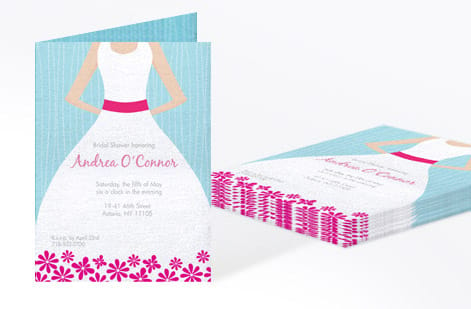
Postcards from orders we have already run







Explore more
Where to go next



By the numbers
One lineup, printed for every season
Common Questions
Common questions about the seasonal lineup
What is in the healthcare seasonal-promo lineup?
Nine print pieces that run one healthcare promotion season end to end: postcards to announce it, rack cards for partner counters, brochures for the deeper explanation, flyers for community boards, door hangers for the surrounding streets, appointment cards to book the visit, business cards so every provider carries the campaign, a vinyl banner that puts the walk-in schedule on the building, and posters that hold the waiting-room and partner walls.
Which healthcare businesses is this lineup for?
Any operation whose demand follows a calendar: clinics and urgent care running flu and physical seasons, pharmacies with vaccination pushes, dental offices with year-end benefits reminders, home health and hearing providers with awareness months, and wellness practices with new-year campaigns. The formats stay the same; only the message changes.
How is this different from a single clinic promo pack?
Reach. A clinic pack works mostly inside the building, on the waiting room and front desk. This lineup is built to carry a season beyond your walls: mailboxes through postcards, partner locations through rack cards, community boards through flyers, and nearby households through door hangers, with the in-office pieces closing what the outreach starts.
When should each piece go out?
Work backward from the season's peak. Postcards should land about four weeks before it, rack cards and brochures should be on partner counters at the same time, flyers and door hangers go out two to three weeks ahead, and appointment cards work throughout, booking visits as the campaign pulls people in.
Where should the rack cards go?
Anywhere your patients already stand and wait: pharmacy counters, gym front desks, senior center lobbies, school offices, coffee shops near the clinic. Each location that agrees to display your card becomes a quiet referral partner, so restock them monthly and thank them like partners, because that is what they are.
Do door hangers make sense for healthcare marketing?
For neighborhood-radius services they are one of the few ways to reach every household regardless of mailing lists or inboxes. A door hanger works best with one plain-language offer, such as walk-in flu shots with dates and hours. It arrives alone at the door, gets handled once, and stays on the counter until acted on.
How much does the full lineup cost to print?
Each piece is priced live on its own product page and scales with quantity, size, stock, and finish. 50 postcards start at $16.48, 100 business cards or appointment cards at $17.57, 50 rack cards at $42.84, 50 brochures at $57.11, and 250 door hangers at $290.41. At each starting quantity the nine pieces come to about $669.27, with the door hanger run as the largest line; a clinic that mails only to its own list and skips the hangers starts near $378.86. Set quantities in each configurator and the totals update as you go.
Get Started
Print the season before the flu shot rush
Order the lineup from 4OVER4.COM piece by piece, door hangers first. Adjust size, quantity, and finish on any product and watch the price update live.
Legal Disclaimer
Gold Standard guarantees apply to all standard orders placed through 4over4.com. Price match requires verifiable proof of a competitor's published price for an equivalent product with matching specifications and turnaround time. Satisfaction guarantee covers manufacturing defects and print quality issues. Contact support with order number and documentation.
