
How Thermography Raises Ink With Powder and Heat


Thermography is the raised finish behind most everyday raised stationery. Here is the four step process, how it differs from embossing and engraving, and the artwork that survives it.
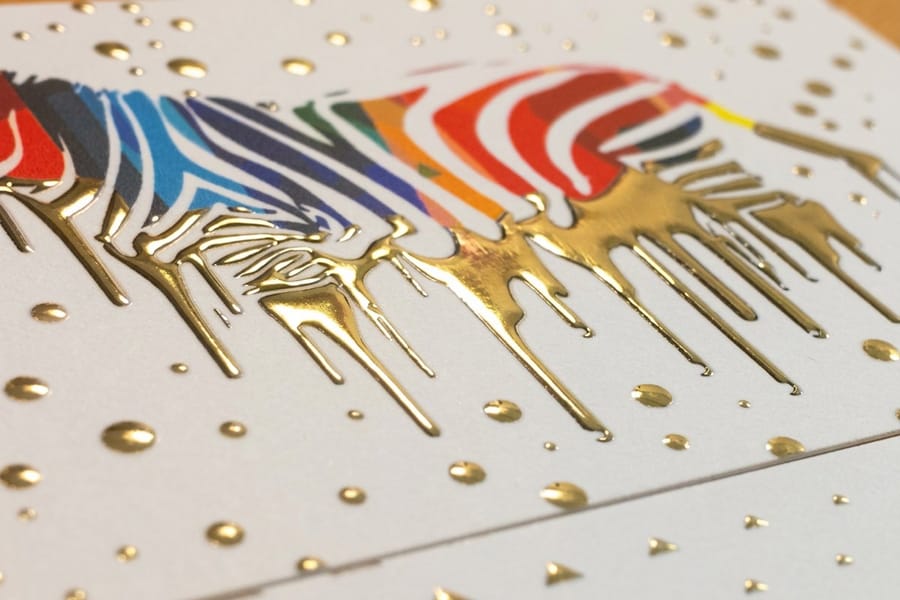
Thermography prints a sheet normally, dusts resin powder onto the still wet ink, vacuums off the excess, then melts the powder under heat so it swells into a raised glossy layer. It builds upward without pressing the paper, so unlike embossing, letterpress and engraving it leaves the back of the sheet perfectly flat. It needs no die, which keeps the cost far below engraving, and it suits solid type and logo marks rather than hairlines or photographs.
Quick answer
Powder, heat, and a sheet that stays flat on the back
Thermography raises ink by adding material, not by moving paper. Resin powder lands on wet ink, the excess is vacuumed away, and a heater melts what is left into a raised glossy film. Because nothing presses the sheet, the reverse side stays flat and printable, which separates it from embossing, letterpress and engraving at a glance. It needs no die, so it costs a fraction of engraving, and it rewards solid type and logo marks over hairlines, fine screens and photographs.
How Thermography Actually Works, Step by Step
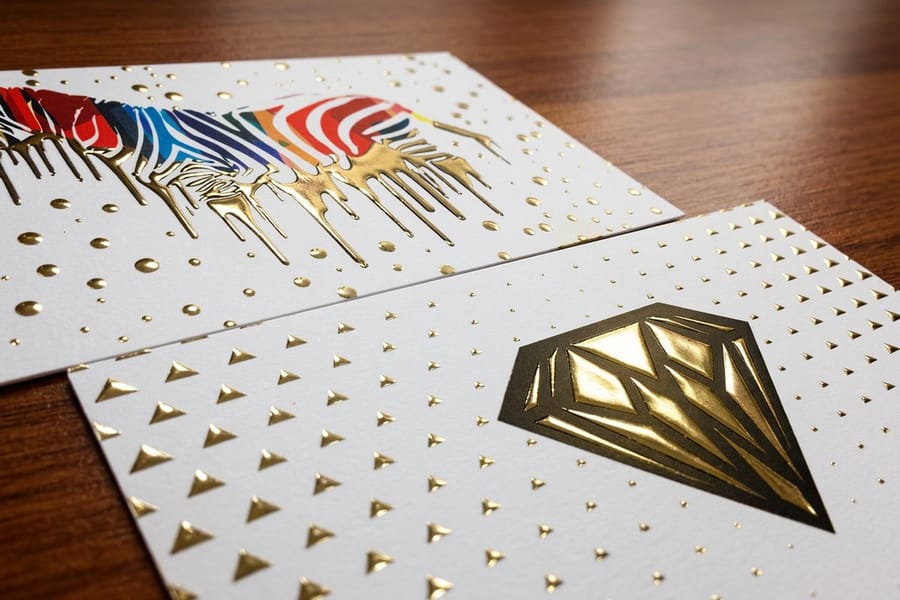
Thermography is one of the few print finishes you can explain in four moves, and watching it in sequence makes every rule about artwork obvious.
One, the sheet prints normally. Ink goes down on press exactly as it would for a flat job. Nothing is different yet.
Two, powder is applied while the ink is wet. The sheet moves straight from the press into a powder unit that dusts fine resin across the whole surface. Resin sticks to wet ink and to nothing else.
Three, the excess is removed. A vacuum pulls the loose powder off the unprinted paper and recycles it. What remains is a thin layer of resin sitting exactly on the printed image.
Four, heat fuses it. The sheet passes under a heater hot enough to melt the resin. As it melts it swells and flows into a continuous glossy film, then cools and hardens into a raised surface you can feel with a fingernail.
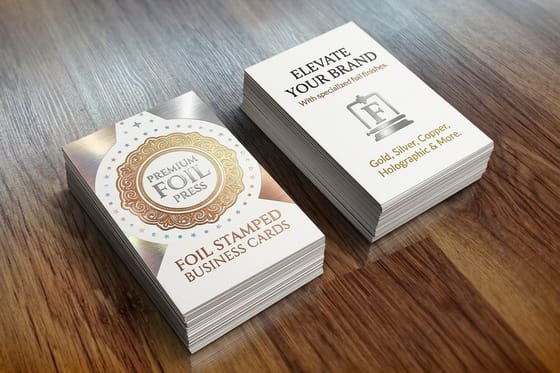
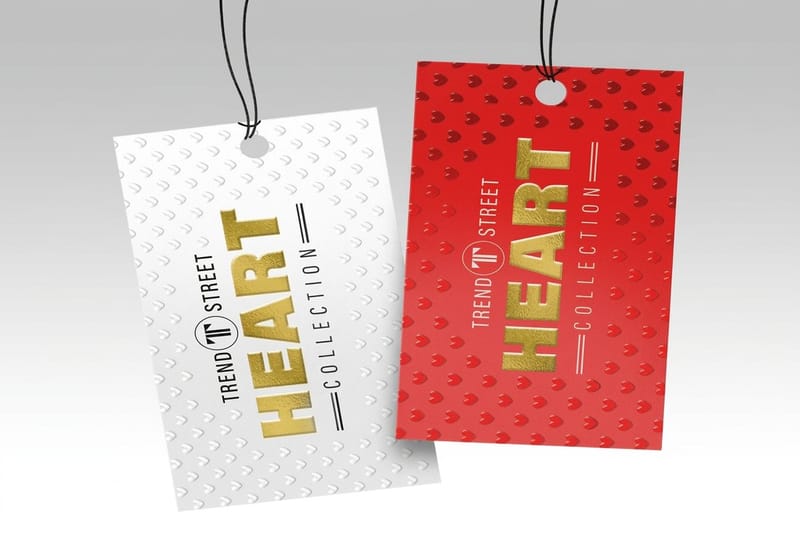
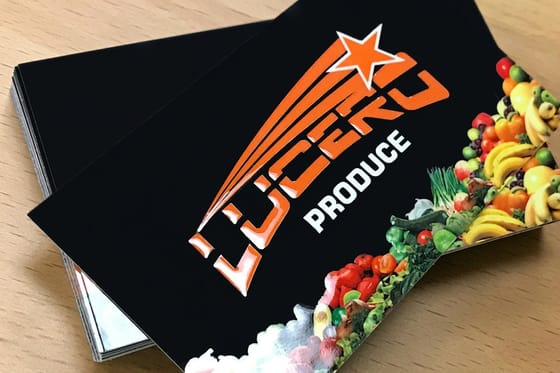
That fourth step is why the finish is glossy even over a matte ink, and the third step is why fine detail struggles: if a line is too thin, there is not enough wet ink for the powder to grip. It is the same sequence behind the raised look on raised foil business cards, which pair the raised layer with a metallic foil for extra contrast.
Thermography, Embossing, Letterpress and Engraving Compared
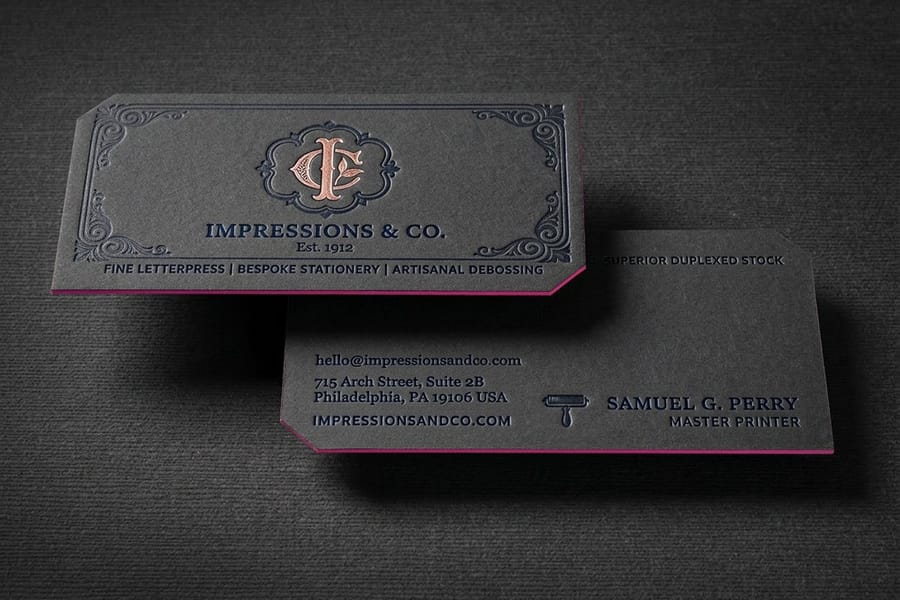
All four make a card you can feel, and they are constantly confused with each other in quotes and design briefs. The fastest way to tell them apart is to turn the sheet over.
| Method | What it does to the sheet | Back of the sheet | Where it fits |
|---|---|---|---|
| Thermography | Adds a raised resin layer on top of wet ink using powder and heat. | Completely flat, still printable. | Everyday raised stationery, cards, invitations and letterheads at a sane price. |
| Embossing | Squeezes the paper between two dies so the paper itself rises. | A matching recess you can feel. | Blind marks and logos where the texture, not the ink, is the point. |
| Letterpress | Presses an inked plate into thick stock, leaving a debossed impression. | A visible bruise behind the impression. | Heavy cotton stocks and design work that wants the dent to show. |
| Engraving | Forces ink from a recessed metal plate onto the sheet under high pressure. | A slight bruise, the classic engraver's tell. | The finest detail and the most formal work, at the highest cost. |
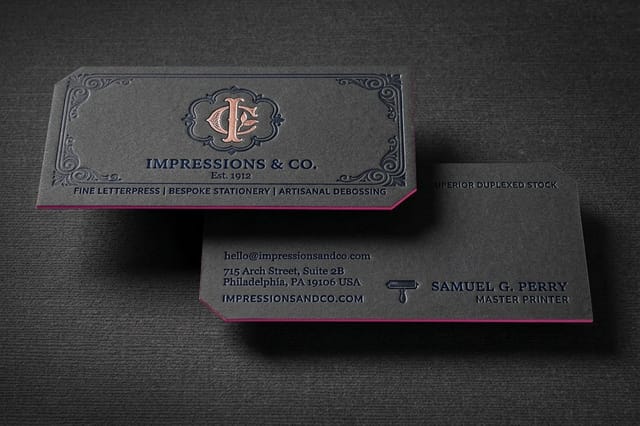
Read the third column first. If a job has to print on both sides, or has to feed through equipment later, the flat back that thermography leaves is a practical advantage rather than an aesthetic one. If the brief actually wants a dent you can run a thumb across, no amount of thermography will produce it and letterpress business cards are the honest answer.
Setting Up Artwork That Raises Cleanly
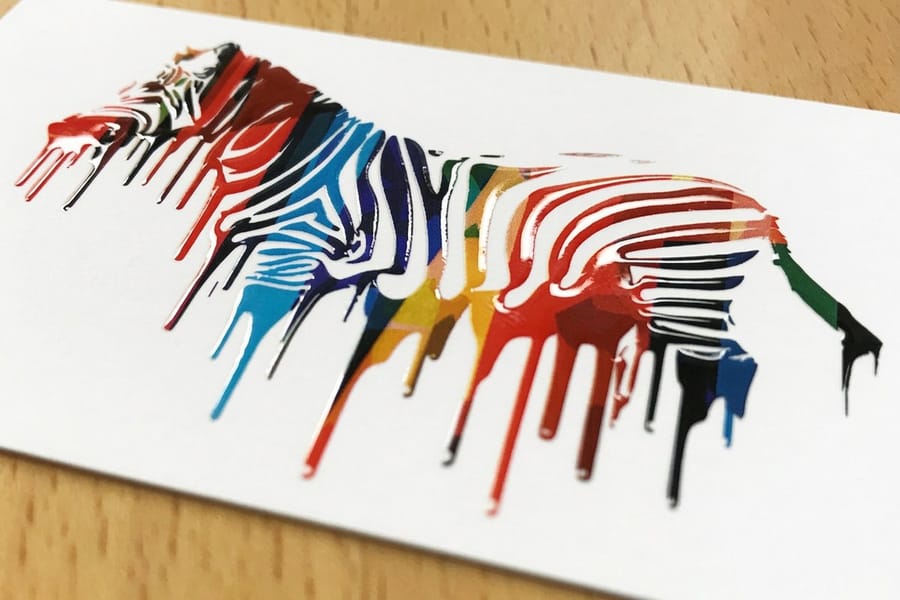
Almost every disappointing thermography job traces back to artwork that never suited the process. The powder does not care about your design intent, only about how much wet ink it can land on.
Things that raise well: display type and headings, body type from roughly 8 point up in a weight that is not hairline, rules at half a point or heavier, solid logo marks, borders, and monograms. Things that fight the process: hairline strokes, very fine serifs at small sizes, tightly reversed type where a thin white line runs between raised areas, gradients, screens under about 20 percent, and any photographic image.
Two practical habits solve most of it. First, split the artwork: raise the mark and the name, leave the small print flat. A card where the logo and the person's name stand up and the address block sits flat reads as deliberate, and it prints reliably. Second, keep raised elements a little apart from each other. Powder can bridge a narrow gap between two heavy shapes and fill it, so a tiny amount of extra spacing between a raised rule and raised type is cheap insurance.
Build the file the way you would for any print job, with fonts converted to outlines and artwork supplied at full size. Our guide to how online printing works covers the file handoff end to end, and you can start from a correctly sized layout in the blank template library.
Where a Raised Finish Earns Its Cost
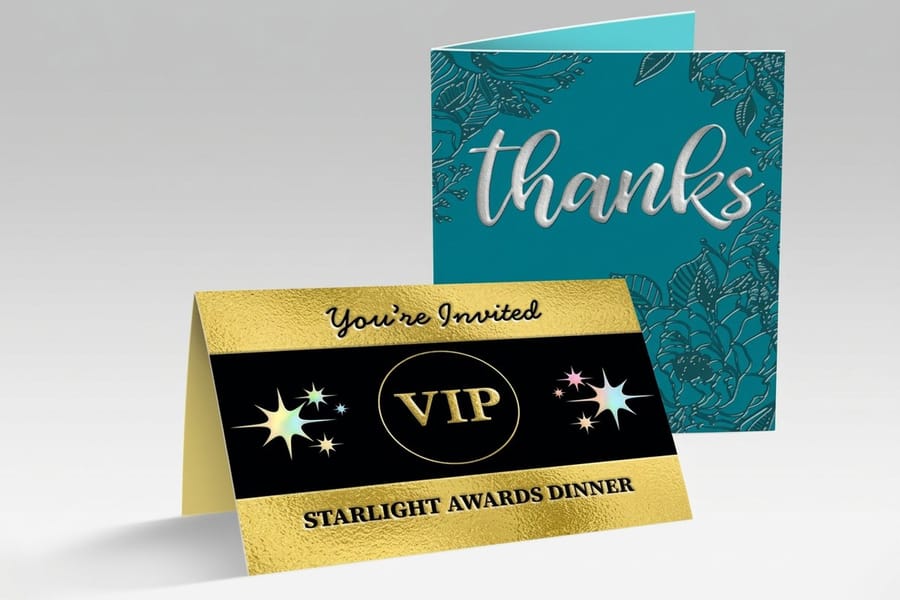
A raised finish is a tactile argument, so it pays off wherever the piece gets handed over rather than mailed in bulk. A business card is the obvious case: it is held, turned over, and put in a pocket, which is exactly the sequence a raised surface is built for. Raised foil business cards start at $86.78, against $17.57 for standard business cards, so the premium is real but modest on a box that lasts months.
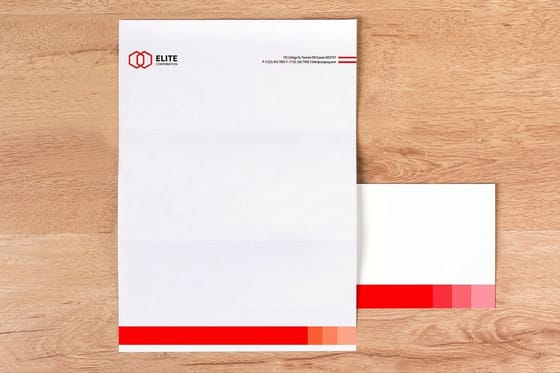
Invitations and greeting cards are the second natural home, because the recipient handles the piece slowly and often keeps it. Dual raised greeting cards combine a raised layer with a second raised effect for an unusually strong tactile result. Stationery is the third: a raised monogram on a letterhead or a raised return address on printed envelopes signals care before anyone reads a word.
Where it does not earn its cost is high-volume mail that gets skimmed and binned, and anything that has to survive an office laser printer afterward. For those, spend the money on stock weight or a coating instead. If you want to see the raised options side by side, the dual raised collection and the raised spot UV collection list every product that carries the finish.
Thermography on Wedding and Event Stationery
Wedding stationery is where thermography earns its old nickname. An engraved invitation costs a plate for every piece in the suite, and a suite is rarely one piece: the invitation, the reply card, the details card, the menu, the place cards. Raising all of them with powder and heat gives the same finish under a fingertip for a fraction of that, which is why the trade has leaned on it for decades.
Artwork is the part that decides the outcome. A heavy script with thick strokes raises cleanly. A fine calligraphic hand with hairline connectors does not, because there is not enough wet ink for the powder to grip, and the thin strokes drop out while the thick ones rise. If the couple is set on a delicate script, raise the names and the monogram and print the date, the address and the small print flat.
The flat back matters here too. A reply card gets written on and a menu gets printed on both sides, and neither works if the sheet carries an impression. Size the reply card against its envelope before you order, using the RSVP card size guide, and keep the raised elements a little apart so the powder does not bridge between them.
Wally explains thermography
Powder on wet ink, heat, and the line stands up
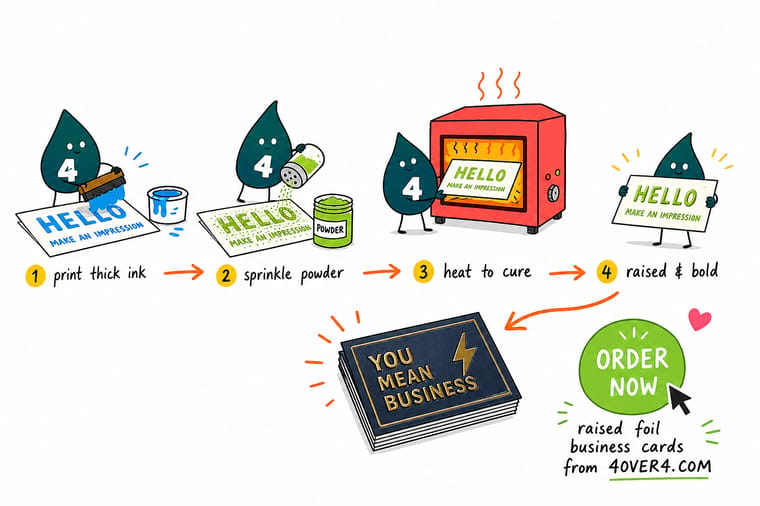
Wally prints the sheet, throws resin powder across it while the ink is still wet, vacuums the loose powder off the blank paper, then runs it under a heater. The powder that stuck melts, swells and hardens into a raised glossy line you can feel. Nothing squeezed the paper, so the back stays flat. Give him solid type and a bold logo and it comes out beautifully. Give him a hairline and there is nothing for the powder to hold on to.
Order raised foil business cards →Specs and pricing
Raised finishes, sizes, and starting prices
Compare the raised options side by side, with live configuration choices and starting prices straight from the 4OVER4.COM configurator.


Print it
Order a raised finish that people notice

Explore more
Where to go next
By the numbers
The raised ink line on our floor
Common Questions
Your thermography questions, answered
What are the 8 types of printing methods?
The list usually given is offset lithography, digital, flexography, screen, rotogravure, letterpress, large format, and thermography or raised printing. The first five are ways of putting ink on a substrate at different scales and volumes. Letterpress and thermography are better understood as finishes, because both start from a printed or inked sheet and change how the surface feels. Embossing and engraving are often folded into the same list for the same reason.
What is thermography used for?
Everyday raised stationery, mostly. Business cards are the obvious case, since the card is held, turned over and pocketed, which is exactly the sequence a raised surface is built for. Invitations, greeting cards, letterheads and printed envelopes are the other natural homes, because the recipient handles the piece slowly. It does not earn its cost on high-volume mail that gets skimmed and binned, or on anything that has to run through an office laser printer afterward.
What is the principle behind thermography?
Resin powder sticks only to wet ink, and heat turns that powder into a raised film. The sheet prints normally, fine resin is dusted across the whole surface while the ink is still wet, and a vacuum pulls the loose powder off the unprinted paper. What is left sits exactly on the printed image. Under a heater the resin melts, swells and flows into a continuous glossy layer, then cools hard. Nothing presses the sheet at any point, which is why the back stays perfectly flat.
What is thermography printing?
Thermography is a raised-print process that combines wet ink with resin powder and heat. The sheet prints normally, resin powder is dusted across it while the ink is still wet, the excess is vacuumed off the unprinted areas, and the sheet passes under a heat source. The powder that stuck to the ink melts, expands, and fuses into a raised glossy layer that you can feel with a fingertip. It is often called raised printing or, in the stationery trade, poor man's engraving, because it mimics the look of engraved work without cutting a plate.
How is thermography different from embossing?
They move the paper in opposite directions. Embossing squeezes the sheet between a male and female die so the paper itself is pushed up, which leaves a matching recess on the back. Thermography adds material on top of the ink and never deforms the sheet, so the reverse side stays flat. That difference matters on a business card you want to print on both sides, and on a letterhead that has to feed cleanly through a printer.
Is thermography the same as engraving?
No, though they are easy to confuse by touch. Engraving presses paper into an ink-filled recess cut into a metal plate, producing a raised front and a visible bruise on the back. Thermography builds a resin layer on the surface and leaves no bruise. Engraving holds finer detail and carries more prestige. Thermography costs far less because there is no plate to cut, which is why it dominates everyday raised stationery.
What artwork works best for thermography?
Solid, reasonably weighted shapes. Type at 8 point and above, rules of at least half a point, and logo marks with solid fills all raise cleanly. Avoid hairline strokes, fine serifs at small sizes, tight reversed type, gradients, and photographic images, because the powder either fails to grip or bridges the gaps and fills them in. If your logo has both a heavy mark and delicate legal text, a common approach is to raise the mark and print the small text flat.
Can you laser print over thermography?
Generally no, and it is the most common way people ruin a thermographed sheet. The fuser in a laser printer runs hot enough to soften the raised resin, which can smear the finish or transfer it onto the fuser roller. If you need letterhead that staff will run through an office laser printer, either keep the sheet flat or have the variable content printed at the same time as the raised elements.
Does thermography cost more than flat printing?
Yes, it adds a finishing pass, but far less than a die-based process. Because thermography needs no engraving plate and no embossing die, the setup is close to standard printing and the added cost sits mostly in the powder and heat stage. Raised foil business cards start at $86.78 at 4OVER4.COM against $17.57 for standard business cards, which is the practical range to plan around when comparing a raised finish to a flat one.
Get Started
Ready to print something people can feel?
Pick your stock, choose a raised foil or raised spot UV finish, and we print cards that stand up under a fingertip and stay flat on the back.
Legal Disclaimer
Gold Standard guarantees apply to all standard orders placed through 4over4.com. Price match requires verifiable proof of a competitor's published price for an equivalent product with matching specifications and turnaround time. Satisfaction guarantee covers manufacturing defects and print quality issues. Contact support with order number and documentation. On-time delivery rate based on tracked orders 1999 to 2026. Individual results may vary based on shipping carrier performance.
