
The Power of Prototypes and How to Test an Idea Before You Spend on It


A prototype is not a small version of the finished thing. It is the cheapest object that can prove you wrong. Here is how to choose the fidelity, what to build at each rung, and how to run the test so the result is worth something.
A prototype is a deliberately unfinished version of an idea, built to answer one question before you spend money on the answer. Decide the question first, build the cheapest thing that can answer it, then hand it to people who could genuinely buy it and watch what they do instead of asking what they think. Fidelity climbs in five rungs, from sketch to pilot run, and each rung costs more per loop while narrowing what it can tell you.
Quick answer
Build the cheapest thing that can prove you wrong
The value of a prototype is the question it settles, not the hours in it. Write the question down, decide what a no would look like, and build the least finished object that could produce that no. Show it to people who have the problem, hand it over without narration, and treat deposits and diary dates as evidence while treating compliments as noise. Then climb one rung of fidelity, or stop, depending on what the answer was.
One Prototype, One Question
Before you cut, print or code anything, write down the single question the prototype has to answer. Not a list of five. One.
The question has to be falsifiable, which means you can describe in advance what a no looks like. "Will people understand what this does without me standing next to it?" is a good question, because you can hand the thing to someone, say nothing, and count how long the silence lasts. "Do people like it?" is not a question. Everyone likes things in a room where the maker is watching.
This one rule kills most wasted prototype work. The classic failure is the beautiful demo built to impress rather than to learn, where the founder already knows the answer and the object exists to confirm it. You can spot one easily. Nothing about it could come back negative. If there is no result that would make you change course, you are not testing, you are decorating a decision you already made.
Write the question and the two possible answers on a sticky note and put it on the wall while you build. When the prototype is in front of a person and the conversation drifts, the note pulls you back. It also stops the quiet expansion where a two hour paper mock up turns into three weeks of work because it felt a shame not to finish it properly.
If you are still choosing between several ideas rather than testing one, start upstream with product research that narrows the field, then prototype the survivor.
The Five Rungs of the Fidelity Ladder

Fidelity is how finished the prototype looks and behaves. It runs from a napkin to a small production batch, and every step up costs more per loop while answering a narrower question.
| Rung | What it is | The question it answers | What it cannot tell you |
|---|---|---|---|
| 1. Sketch | Pen on paper, an hour at most. | Can I explain this to someone in thirty seconds? | Whether anyone wants it. You are testing the story, not the thing. |
| 2. Paper | Cut, folded, taped, printed on a home printer. | Do people move through the steps in the order I expected? | How it feels to own. Nobody believes a paper object is real. |
| 3. Looks like | Right size, right finish, no working parts. A dummy box with a real printed label. | Would they pick it up off a shelf and turn it over? | Whether it works, holds up, or ships without damage. |
| 4. Works like | Functions properly, looks rough. Often ugly on purpose. | Does it survive real use by someone who is not being careful? | Whether a stranger would choose it over what they use now. |
| 5. Pilot run | A small real batch, sold or given to people outside your circle. | Will people who do not know me pay for it and come back? | Nothing much. This is where you stop calling it a prototype. |
The trade off hiding in that table is social, not technical. Rough prototypes get corrected and polished ones get complimented. Hand someone a marker sketch and they pick up a pen. Hand the same person a finished looking box and they say it looks great, because criticising something that clearly cost money feels rude. You lose candour at exactly the moment you start paying for fidelity.
So climb one rung at a time, and only when the rung below has actually answered its question. Two more habits are worth stealing. Mix fidelity deliberately: a rough shell around one high fidelity detail focuses every comment on the detail you care about. And keep the ugly early versions. When a later prototype tests worse, the old one tells you what you quietly changed.
What to Print When the Prototype Has to Be Held
Screens flatten everything. A label looks even and matte in a design file, then curves around a real jar, catches the shop lights and shows every alignment error you missed. If the idea is physical, the prototype has to be physical, and short print runs are the cheapest way to get there.
Four things carry most of the weight at rungs three and four:
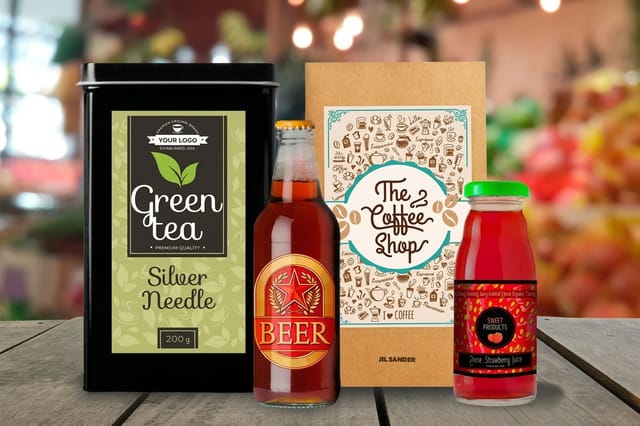
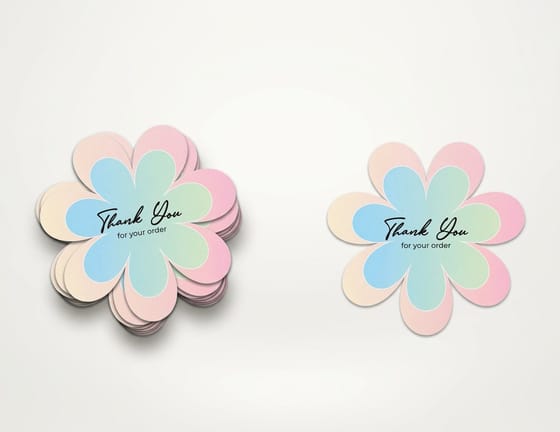
- A label on the real container. Buy the empty bottle or jar, wrap it in the actual printed label, and put it on a shelf next to competitors. Standard product labels start at $23.88, which is less than the coffee you will drink arguing about the artwork. Print two or three variants at once and let people pick one up without prompting.
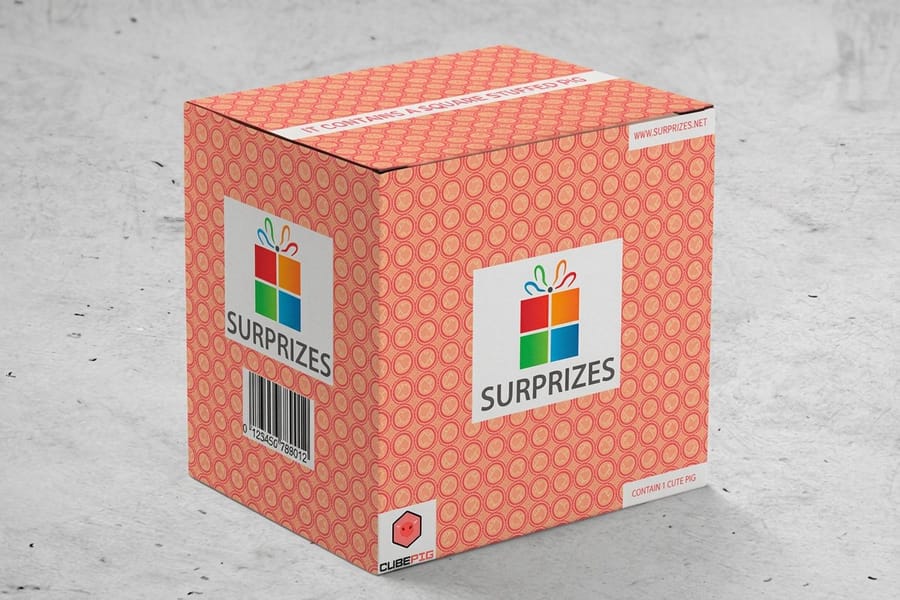
- A folding box you can shake. Weight, rattle and the effort of opening it are the whole experience, and none of it survives a screen mock up. Cube boxes start at $213.09 and give you a real structure to fill. Our guide to the nine packaging types covers which format suits which product before you order.
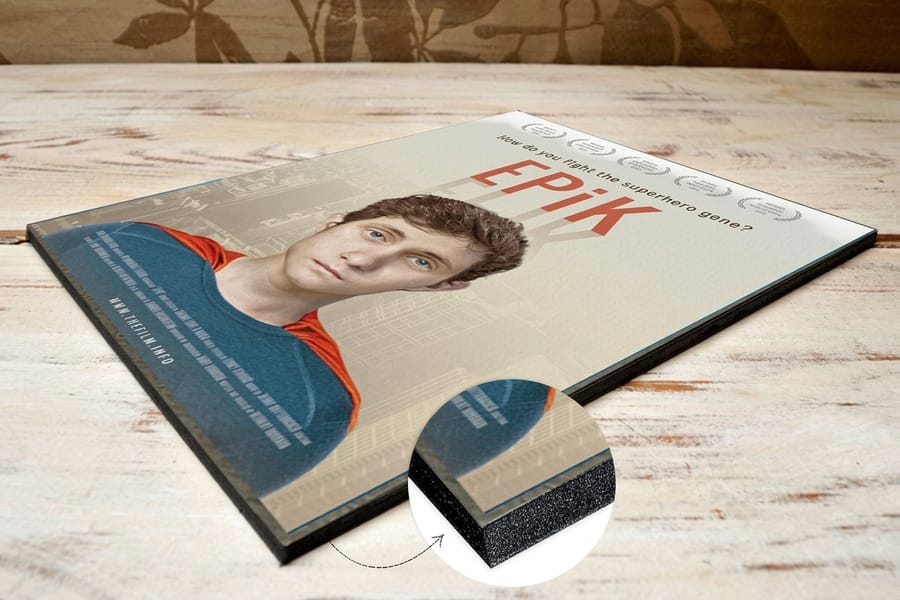
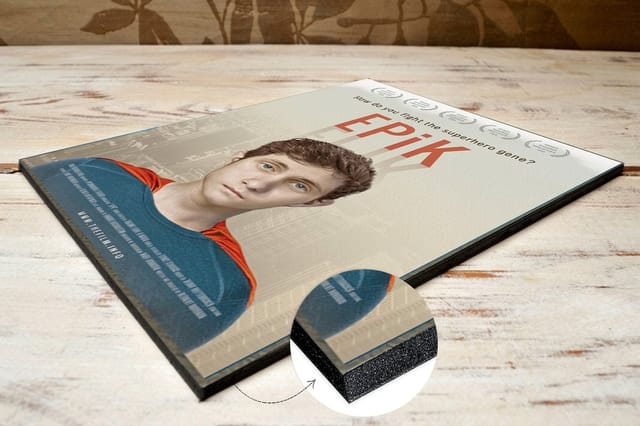
- A concept board for the room. When the decision is between directions rather than details, print them large and stand them up. Foam core starts at $49.99 and gets a choice out of a laptop and into a group in about ten minutes.
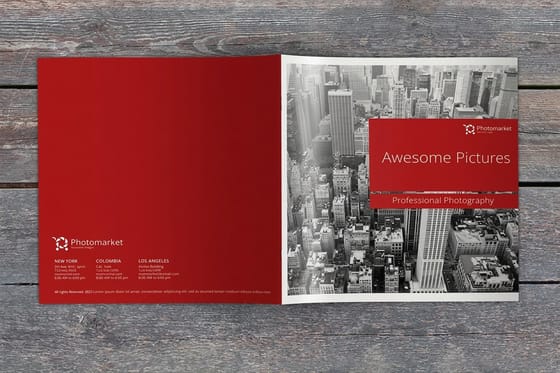
- A spec book the other side can quote from. Dimensions, materials, tolerances and finishes in one printed document. Manufacturers, buyers and investors all read a bound booklet more carefully than an attachment, and a short run presentation folder at $108.75 keeps loose samples with it.
Two practical notes. Order the finish you actually intend to sell, because gloss and matte change perceived quality far more than people expect, and free paper samples settle that before you commit. Set up files at the real trim size from the start using a blank template, so the prototype and the production run share the same artwork rather than a redraw. Browse label printing options or the wider packaging collection when you are ready to pick formats.
Testing It So the Answer Means Something
Most prototype tests fail as tests long before the prototype fails. The maker explains the object, asks whether the person likes it, and hears yes. Nothing was learned and everyone leaves happy.
Hand it over and stop talking. Say one sentence, no more, then let the silence run. Watch which end they pick up, where they look first, and how long before they turn it over. The first eight seconds carry most of the information, and a running explanation destroys all of it.
Then ask about the past, not the future. "What did you buy last time you had this problem, and what did it cost?" produces facts. "Would you buy this?" produces manners. The strongest signal available at prototype stage is a small commitment: a deposit, a pre order, a signed letter of intent, a firm follow up date in the diary, or an introduction to a colleague who controls the budget. People protect their money and their calendar honestly even when they are being kind with words.
Test with people who would actually buy it, and accept that friends and family are the worst possible sample. Five to eight of the right people surface most of the obvious problems, and if two of them independently trip on the same thing, that is not a coincidence. Record what happened rather than what you concluded. "Three of five opened it upside down" survives the week. "It went well" does not. If you are comparing two versions on the same audience, run it properly as an A/B test rather than showing both to the same person, because the second one always benefits from the first.
When the prototype goes into a pitch rather than a test, the goal changes and so should the object. A pitch that wins clients leans on the finished looking version, because there you are selling rather than learning.
Knowing When to Stop Prototyping
Prototyping is comfortable. Nothing has been committed, nobody has said no yet, and there is always one more thing to try. That comfort is what turns a useful loop into a hiding place.
Three signs the loop has stopped paying. The last two rounds taught you nothing you did not already know. You are changing things nobody mentioned, which means you are polishing your own taste. Or the cost of the next prototype has crept close to the cost of a small real batch, at which point the real batch is the better experiment because it also produces revenue and genuine customers.
Two signs to keep going, even when it is uncomfortable. People consistently misunderstand what the thing is, which is a positioning problem that a bigger production run will only multiply. Or the commitments never come. Warm words with no deposit, no date and no introduction is a soft no wearing a smile, and scaling a soft no is expensive.
When you do stop, close the loop properly. Write down the question you started with, the answer you got, and the decision you took, so that in four months you can tell what you learned from what you assumed. Then move the evidence into whatever comes next: the spec book for the factory, the sample set for the buyer meeting, the small paid offer described in our guide to micro products. A prototype that answered its question and then sat in a drawer cost you the same as one that never got built.
Wally explains prototypes
Hand it over, then say nothing
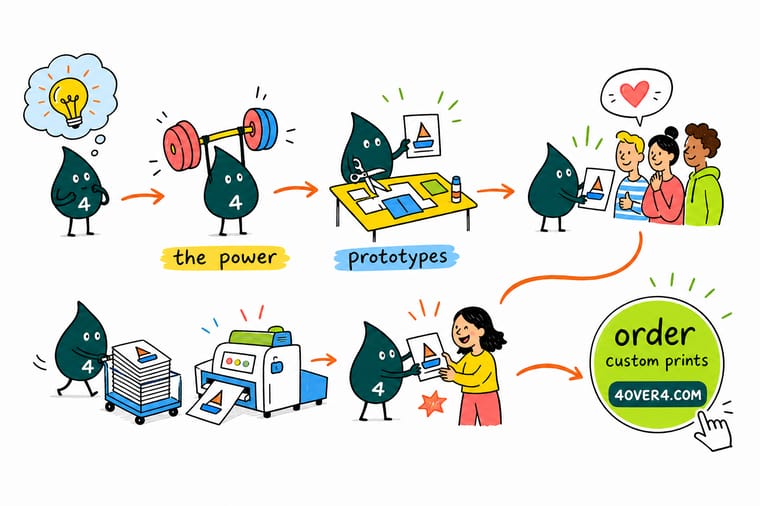
Wally writes one question on a sticky note, tapes together the roughest object that could answer it, and hands it to somebody who actually has the problem. Then he keeps quiet and watches which end they grab. If they correct him, the prototype worked. If they say it looks lovely, it was already too finished. He only prints the nice version once the rough one has told him what to fix.
Order product labels for your prototype →Specs and pricing
Short run options for physical prototypes
Sizes, stocks and starting prices for the three formats that carry most prototype work, straight from the 4OVER4.COM configurator.


Print it
Order the version people can pick up
Explore more
Where to go next

By the numbers
Short run printing you can test with at 4OVER4
Common Questions
Your prototyping questions, answered
What is a prototype, in plain terms?
A prototype is a deliberately unfinished version of an idea, built to answer one specific question before you spend money on the answer. It can be a pencil sketch, a paper mock up taped together on a kitchen table, a dummy box with a printed label on it, or a small working batch. What makes it a prototype is not the material. It is that you built it to find something out, and you decided in advance what a yes and a no would look like.
How is a prototype different from a minimum viable product?
A prototype is built to learn. An MVP is built to sell. A prototype can be faked, hand made, or held together in ways that would never survive a customer, because nobody is meant to live with it. An MVP is a real, small, working version that a paying customer keeps and uses. Teams get into trouble when they build an MVP first and call it a prototype, because then every awkward finding turns into an argument about sunk work instead of a decision.
How much should a prototype cost?
Less than the decision it informs. That is the only rule that holds across every category. If ordering a thousand units costs $2,000, then $80 spent on a dummy box and a printed label is trivially worth it. If you are choosing between two logo directions on a concept board, foam core starts at $49.99 at 4OVER4.COM and settles the argument in a room in under an hour. A prototype that costs a meaningful fraction of the real thing has stopped being a prototype.
How many people do I need to show it to?
Five to eight of the right people will surface most of the obvious problems, and after that you mostly hear repeats. The catch is the phrase the right people. Five strangers who genuinely have the problem tell you more than fifty friends who want you to feel good. If you cannot find five, that is itself a finding, and it is usually about the market rather than the prototype.
Should I worry about someone copying my idea when I show it?
Far less than most first time founders expect. Execution, supply and timing are what is hard to copy, and the people who could steal an idea are generally busy with their own. If public disclosure genuinely matters for your category, talk to an attorney about filing before you show it in public, and keep early testing with individual buyers rather than on a stage. Handing a prototype to nobody is a much more reliable way to fail than handing it to the wrong person.
How do I test packaging before committing to a big print run?
Order the smallest quantity you can of the real thing and put it in front of real buyers. A printed label on a filled jar behaves nothing like the same label on screen, because gloss, curve and shelf light all change it. Standard product labels start at $23.88 and cube boxes start at $213.09 at 4OVER4.COM, so a short run test is a fraction of a full production order. Ask for paper samples first if the stock choice is the part you are unsure about.
Get Started
Ready to put the prototype in someone's hands?
Print the label, the box or the concept board in a quantity small enough to throw away, find out what people actually do with it, and order the production run once the answer is in.
Legal Disclaimer
Gold Standard guarantees apply to all standard orders placed through 4over4.com. Price match requires verifiable proof of a competitor's published price for an equivalent product with matching specifications and turnaround time. Satisfaction guarantee covers manufacturing defects and print quality issues. Contact support with order number and documentation. On-time delivery rate based on tracked orders 1999 to 2026. Individual results may vary based on shipping carrier performance.
