
How to Create Micro Products That Sell in Five Days


A micro product is the smallest complete thing someone will pay for. Here is how to scope one, build it in a working week, price it, and add a printed edition that earns more than the file did.
To create a micro product, pick one question your audience already repeats, cut it to a single promise, build only what that promise needs in five days, and price it between $9 and $49. Test it on three real users before the sales page exists, sell it where the problem comes up rather than with a launch, and once the content stops changing, print a workbook, planner, or sticker edition that sells at a higher price than the download.

Quick answer
One promise, five days, a two figure price
A micro product wins on scope, not on volume. Take the question people already ask you, narrow it until it fits one sentence, and build only what that sentence promises. Five working days is enough: one to scope, two to build, one to test on three real users, one to package and publish. Price on the outcome, usually between $9 and $49, and treat a printed edition as the upgrade you add once the content has stopped changing.
What Counts as a Micro Product, and What Does Not
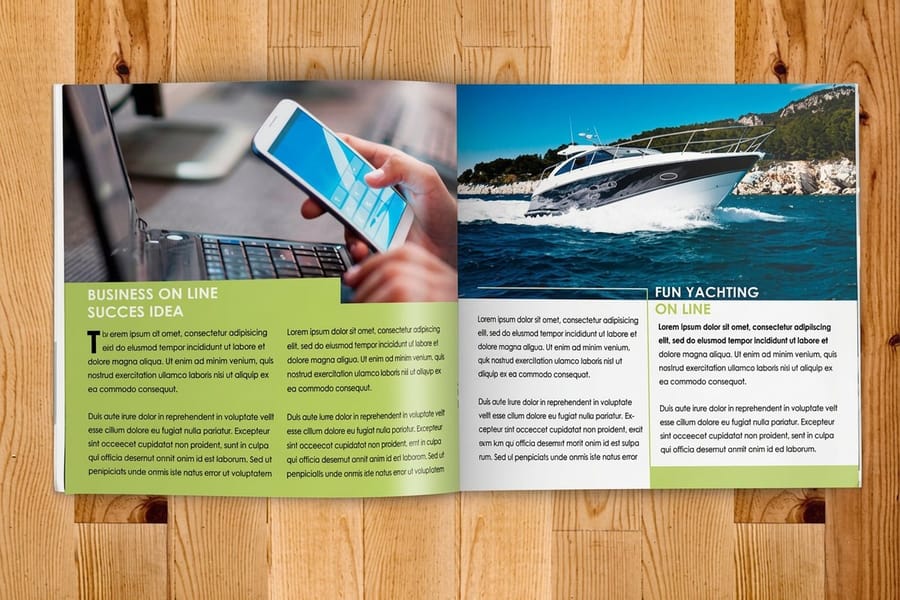
A micro product is the smallest complete thing someone will pay for. Complete is the word that matters. It is not a sample, not a teaser, and not chapter one of something bigger. It takes a person from a specific irritation to a specific finished state, and then it stops.
Five formats cover almost everything people actually sell, and they differ mostly in how much of the work the buyer still has to do.
| Format | What the buyer gets | Build time | Best when |
|---|---|---|---|
| Template | A file they fill in, from a proposal to a budget sheet. | One to two days. | You already do the task weekly and have a version that works. |
| Workbook | Prompts and exercises that produce a finished plan. | Three to five days. | The hard part is thinking it through, not knowing the theory. |
| Toolkit | A bundle of small assets, such as icons, presets, or scripts. | Two to four days. | Your audience makes the same thing repeatedly and wants a head start. |
| Walkthrough | A short recorded run through one real task, start to finish. | One to three days. | Watching someone do it is faster than reading how. |
| Printed kit | A physical edition they write on and keep on the desk. | A week, plus print time. | The content is settled and the work happens away from a screen. |
What disqualifies an idea is scope creep in disguise. Anything that needs a live session, a community, a login, or ongoing updates is a service or a subscription wearing a small price. Those can be excellent businesses, but they carry support and delivery costs that a micro product is designed to avoid. If you are early and want the buying motion first, keep the delivery boring: one file, one link, or one parcel.
Pick One Problem, Then Cut It in Half
The best micro products are not invented, they are noticed. Go through your last three months of emails, direct messages, and client calls and mark every question you answered more than once. That list is your catalog, already validated by people who asked without being prompted.
Now cut. Most first drafts are three products wearing one title. "A guide to launching a newsletter" is three: naming and positioning, the technical setup, and the first thirty days of writing. Pick the one that causes the most pain and ship that alone. The narrower promise is easier to write, easier to explain on a sales page, and much easier for a stranger to trust, because a small specific claim is believable in a way a large general one is not.
Test the scope with one sentence: this helps [a specific person] get [a specific result] in [a specific time], without [the thing they dread]. If you cannot fill in all four slots, you do not have a product yet, you have a topic. Write that sentence before you build anything, keep it visible while you work, and delete anything that does not serve it. If the sentence itself is hard to phrase, the underlying positioning is unsettled, and our guide to brand messaging is the faster fix.
Build It in Five Days Without Cutting Corners
Time limits protect scope better than discipline does. Five working days is enough for a genuinely useful micro product, provided each day has one job.
Day one, scope. Write the promise sentence, then list the smallest set of pieces that delivers it. Six to twelve pieces is normal. Anything that is nice to have goes on a separate list you do not look at again this week.
Days two and three, build. Draft everything at rough quality first and finish nothing until all of it exists. Polishing section one while section five is still blank is how a week becomes a month.
Day four, test on three people. Not for compliments. Send it to three people with the problem, ask them to use it while you watch or while they narrate, and write down every place they hesitate. Hesitation is the defect list.
Day five, package and publish. Fix the hesitations, name the thing plainly, and build one page with the promise, what is inside, who it is not for, and a price. Honest exclusions raise conversion because they make the rest of the page credible.
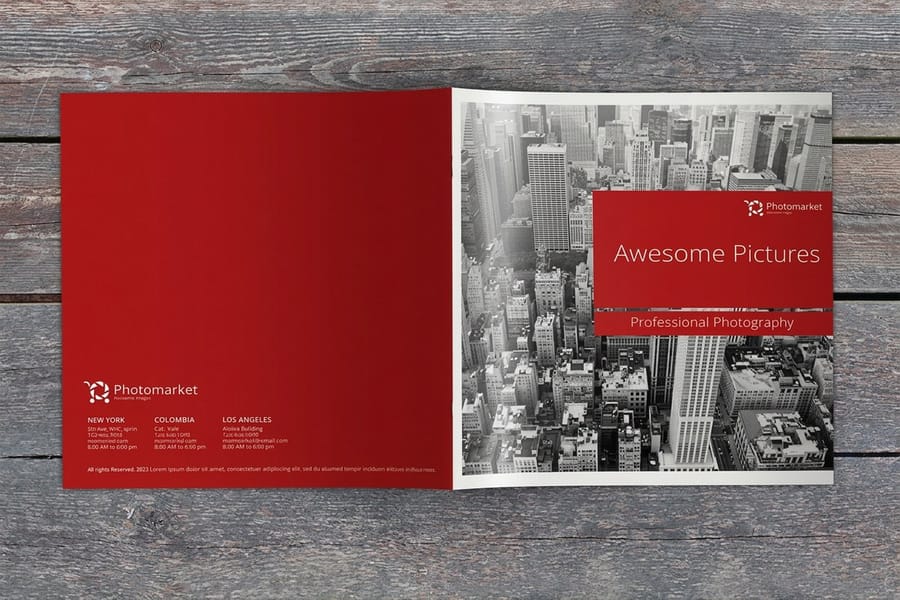
If the format is visual, the finished file still has to survive being seen. Set type large enough to read on a phone, keep one idea per page, and if a printed edition is likely later, build at a real print size from the start so you do not rebuild the layout. Correctly sized layouts are free in the blank template library.
Sell It, Then Give It a Physical Edition
Selling a micro product is mostly repetition rather than a launch. Mention it where the problem comes up, answer the original question in public and link the finished version underneath, and put it in your signature and your profile. A product that solves one narrow problem has one narrow place it belongs, and that is enough.
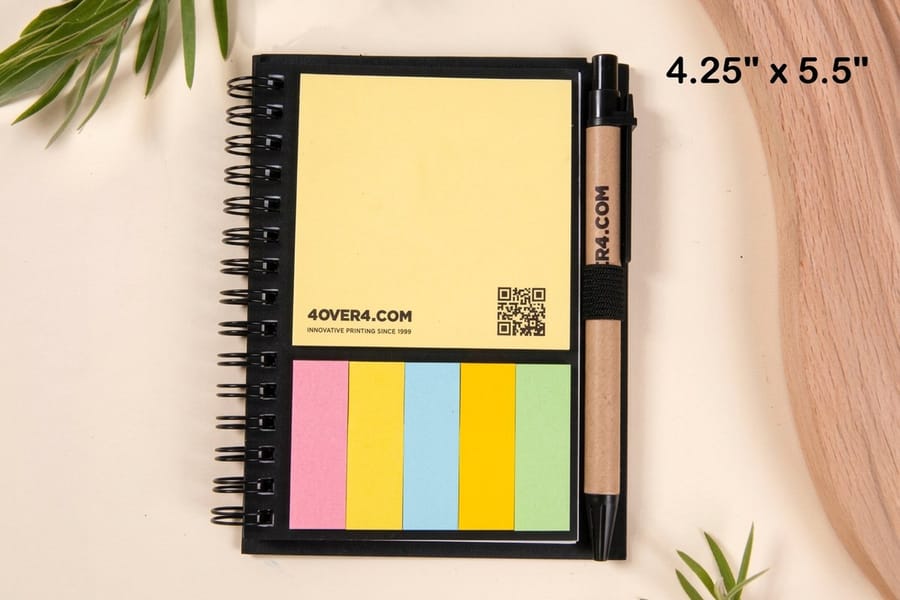
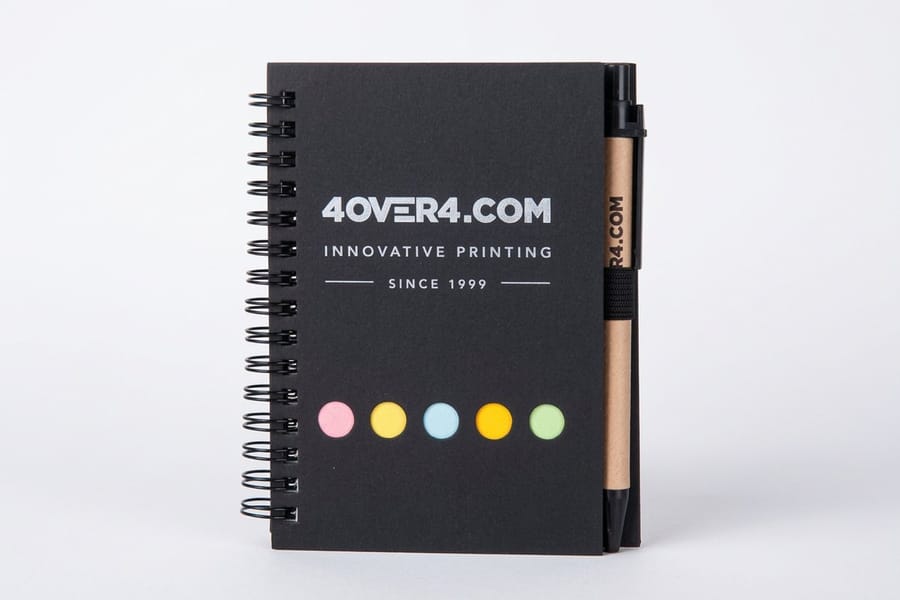
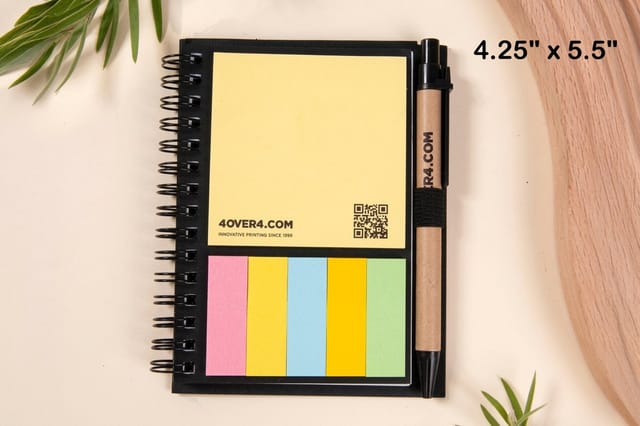
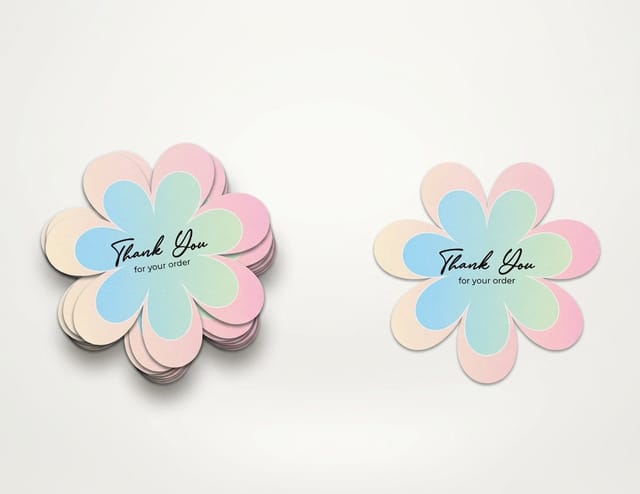
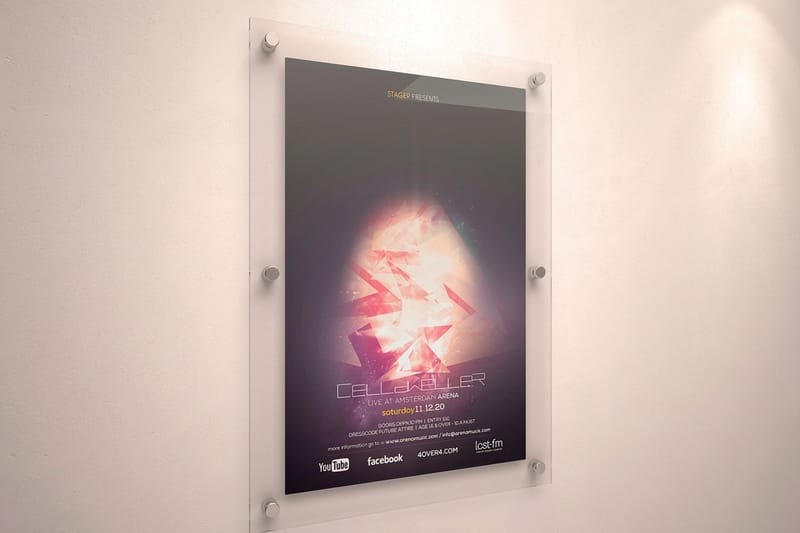
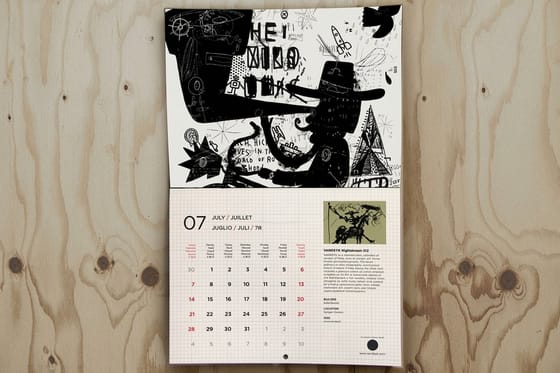
Once the content has stopped changing, a printed edition is the cleanest way to raise price without adding work. The same material becomes an object: people write in it, leave it open on the desk, and photograph it, which does more for word of mouth than any download. Three formats carry most of it. Standard booklets start at $240.55 and suit a workbook or a printed guide with real page count. A deluxe spiral notebook starts at $5.00 and lies flat, which is what a planner or a journal edition needs. Die-cut stickers start at $93.37 and turn a plain envelope into a branded parcel, or become a small product of their own.
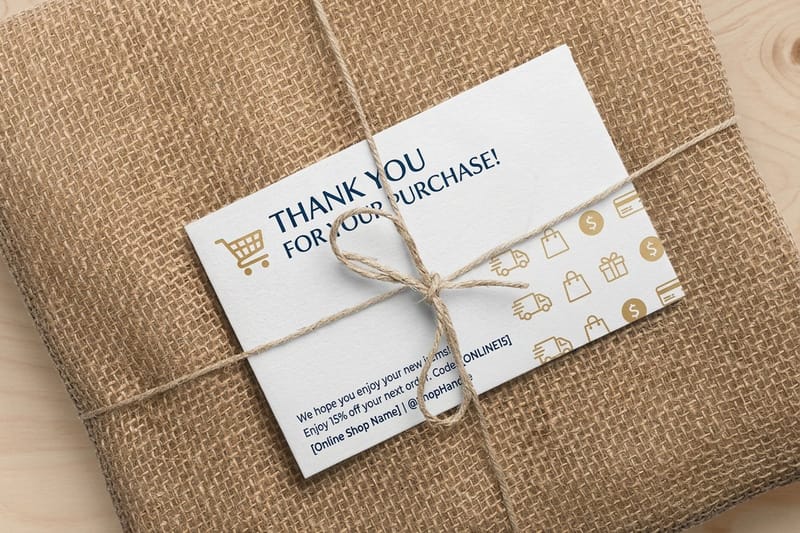
Two cheap additions do more than their price suggests. Standard bookmarks from $16.48 slipped into a printed workbook carry a code for the next thing you sell, and a short printed postcard from $16.48 in the parcel asks for the one review that sells the next copy. Print a small quantity first, use it yourself for a fortnight, and only then order the run. Browse the whole booklets and catalogs range, the notebooks range, and the bookmarks range to see the sizes and bindings each format allows, and read how print on demand works if you would rather not hold stock at all.
Wally explains micro products
One promise, finished, in someone's hands
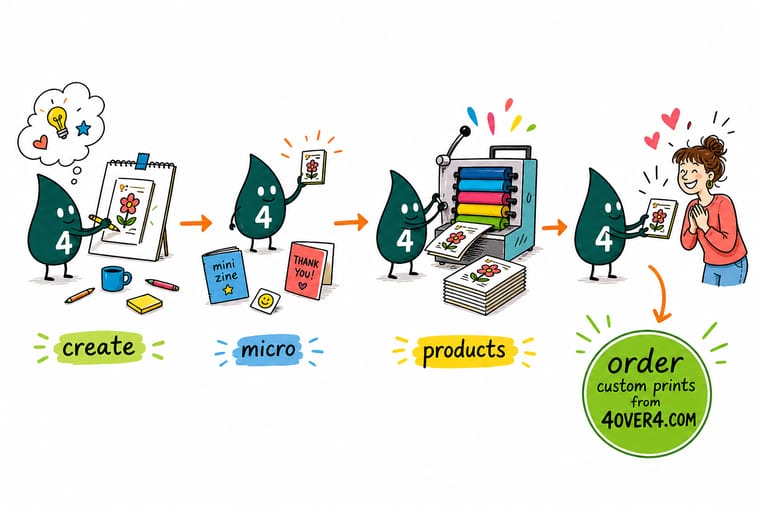
Wally starts with a big messy idea, then keeps trimming until one small promise is left. He builds only that, gives it to three people to try, fixes wherever they got stuck, and puts a price on it. When the content stops changing he prints it, because a workbook on the desk gets used and a file in the downloads folder does not.
Print your workbook as a booklet →Specs and pricing
Printed editions, sizes, and starting prices
Compare the formats a micro product usually takes in print, with live configuration choices and starting prices straight from the 4OVER4.COM configurator.



Print it
Turn the file into something people keep

Explore more
Where to go next

By the numbers
Small print runs handled properly at 4OVER4
Common Questions
Your micro product questions, answered
What exactly is a micro product?
A micro product is a small, finished thing that delivers one specific outcome for one specific person, usually for a two figure price. A pricing calculator, a 20 page workbook, a set of contract templates, a 40 minute recorded walkthrough, a printed planner. The test is not length, it is decisions: if a buyer can understand what they get, decide, and start using it inside an hour, it is micro. If it needs onboarding, a cohort, or a call, it has become a normal product with a small price tag, which is the worst of both.
How is a micro product different from a lead magnet?
Money changes the feedback. A free lead magnet is optimized for downloads, so people take it and never open it, and you learn nothing about whether it was any good. A paid micro product is optimized for use, and the moment someone pays even nine dollars they read it, apply it, and tell you what was missing. That said, the two work as a pair. The free piece proves you understand the problem, and the paid piece finishes the job the free piece started.
How long should it take to create a micro product?
Five working days is a realistic first build, and treating that as a hard limit is the point. Day one you write the promise in one sentence and list what has to be inside it. Days two and three you build only what that sentence promised. Day four you hand it to three people who have the problem and watch where they stall. Day five you fix those stalls and set up the sales page. Anything you could not finish in the week becomes version two, or becomes the next micro product.
What should I charge for a micro product?
Start between $9 and $49 and price on the outcome rather than the effort. A template set that saves a freelancer four hours of drafting is worth more than a longer ebook that saves nobody anything. Under nine dollars the payment friction costs you more than the price gains, and above fifty most buyers switch from impulse to evaluation, which means comparisons, hesitation, and a much slower sale. If you want a higher number, sell a bundle or a printed edition instead of stretching one file.
Do micro products work for service businesses?
They work particularly well, because a service business already knows the exact questions clients repeat. Package the answer to one of those questions as a paid artifact and it does three jobs at once: it earns revenue between projects, it filters enquiries down to people who already trust your method, and it gives a prospect a low risk way to test working with you. Many studios treat the price of the micro product as a credit against a full engagement, which turns a nine dollar sale into a qualified lead.
Should a micro product be digital or physical?
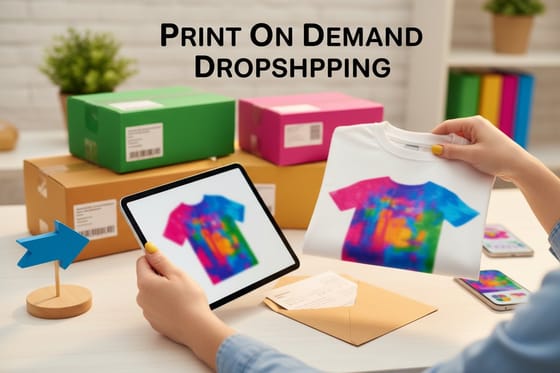
Start digital because it is faster to test and costs nothing to change, then add a physical edition once the content stops changing. A workbook that people actually complete is a strong candidate for print, since writing by hand on a printed page beats typing into a locked file for most planning and journaling work. Standard booklets start at $240.55, a deluxe spiral notebook at $5.00, and die-cut stickers at $93.37, so a print run is a real decision to make after the digital version has proved demand, not before.
Get Started
Ready to print the edition people keep?
Pick a size, choose your binding, and we print the workbook, planner, or sticker set that turns your download into something a buyer leaves on the desk.
Legal Disclaimer
Gold Standard guarantees apply to all standard orders placed through 4over4.com. Price match requires verifiable proof of a competitor's published price for an equivalent product with matching specifications and turnaround time. Satisfaction guarantee covers manufacturing defects and print quality issues. Contact support with order number and documentation. On-time delivery rate based on tracked orders 1999 to 2026. Individual results may vary based on shipping carrier performance.
