
The Athlete Brand Blueprint for a Name That Outlasts Your Playing Career


The five parts of an athlete brand, in the order they have to be built, with the trade-off each one carries and a twelve month plan that fits around training.
An athlete brand blueprint is a written plan that turns what you do in competition into a name that earns outside it, and it has five parts: a positioning line, a proof archive, an audience you own rather than rent, one product, and a calendar that keeps all four moving. The order is not optional. Positioning comes before content, the owned list comes before the merchandise, and the whole thing has to be built while you are still competing, because athletic performance peaks years before brand earning power does.
Quick answer
Why the timing matters more than the effort
Athletic performance and brand earning power do not peak together. One climbs, tops out and falls on a schedule your body sets. The other lags it by years and keeps climbing well past the last game, but only for the athletes who wrote the positioning line, kept the proof archive and collected an audience they own while they were still competing. The window to build is the stretch before the peak, when nobody is asking you to.
Write the Positioning Line Before You Post Anything

Most athletes start with content and never write down who they are for. That order fails quietly. Content without positioning is highlights, and highlights are the one thing every athlete in every sport already has.
A positioning line has three parts and fits in a single sentence: the discipline, the trait that is genuinely yours, and the person you are for. "Distance runner who trains around shift work, for adults chasing a marathon with a full-time job" is a positioning line. "Elite athlete and motivator" is not, because it could be handed to ten thousand people and none of them would notice the swap.
Most people take the wrong side of that trade-off. A narrow line reaches fewer people and converts far more of them. A broad line reaches more and converts almost nobody. Narrow also costs you the sponsors who are buying raw impressions, and you should be honest that those are usually the biggest checks. What narrow wins instead is the regional gym chain, the physio clinic and the supplement startup buying trust with one specific customer, and those deals renew year after year while impression buys do not.
Test the line out loud before you build anything on it. Say it to a training partner, then ask them to repeat it back the next day. If they cannot, it is not a line, it is a slogan. Once it holds, the visual layer follows it rather than leading: the mark, the type and the colors all get chosen to fit the sentence. Our guide to designing a logo and the brand color palette guide cover that stage, and both are far easier once the sentence exists.
Own the Audience Instead of Renting It
A follower is rented. The platform decides who sees the post, changes that decision without telling you, and can close the account on a Tuesday. An owned audience is a list you hold in a file: email addresses, phone numbers, postal addresses. Nothing else in the blueprint survives a change in the feed.
The problem is that lists do not grow from posting. They grow from a moment where someone hands over their details in exchange for something concrete, and the highest-converting moments are almost always physical. A signing line after a race. A booth at a school clinic. A gym where you coach on Thursdays. This is where print stops being decoration and starts doing a job.
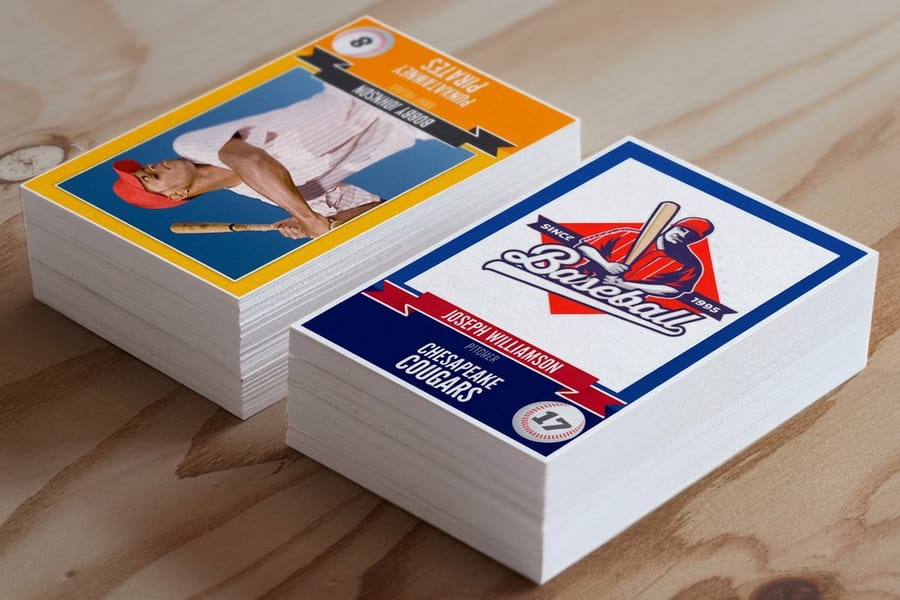
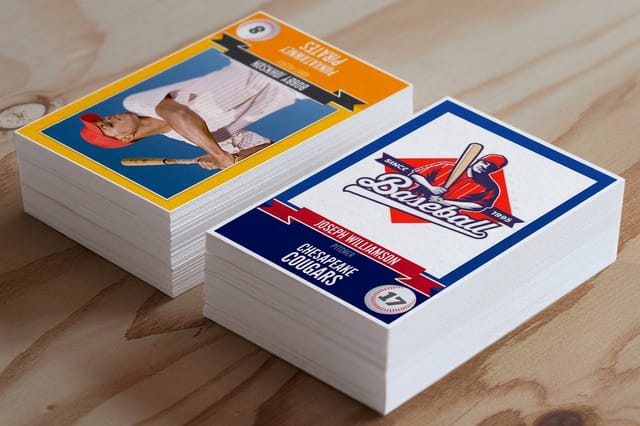
Trading cards start at $11.25 and are the sharpest tool here. Put a photo and your positioning line on the front, a short URL and a QR code on the back, and sign them in the line. People keep a signed card. They do not keep a flyer. Die-cut stickers start at $93.37 and do the slower job: they end up on a water bottle, a laptop lid or a car window and stay in view for months, which is the opposite of a story that vanishes overnight.
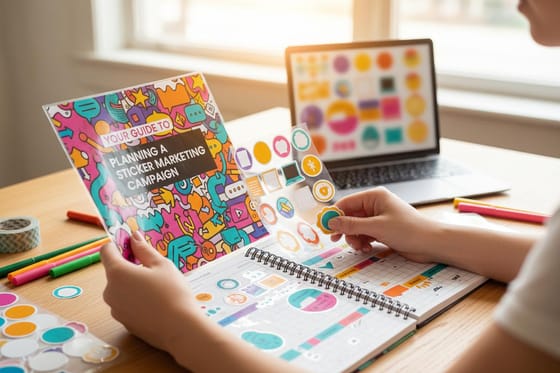
Name the limit, because it catches people out. A card or a sticker does not build a list by itself. It only works if the back carries one destination and one reason to go there, and the reason has to be worth an email address: the actual training block you ran, the warm-up you use, the entry list for a clinic. "Follow me" is not worth an email address. Plan the handout the way you would plan a campaign, and the sticker campaign guide is the closest walkthrough we have. If you want the full range of formats, the trading cards category lists stocks, finishes and quantities side by side.
Four Ways the Brand Makes Money, and What Each One Takes From You
Attention is not income. It converts through one of four routes, and they behave very differently once you are inside them.
| Route | What it pays | What it takes | When it actually works |
|---|---|---|---|
| Sponsorship | Cash or product, usually per season or per campaign. | Control. You post what the contract says, and results drive renewal. | While you are competing and visible, or when you own a defined audience a brand cannot reach elsewhere. |
| Merchandise | Margin per unit, paid the moment someone buys. | Cash up front and storage. Unsold stock is a real loss, not a paper one. | When the audience already asks for it, and the first run is deliberately small. |
| Camps and appearances | The highest hourly rate on the list, by a wide margin. | Your time and your body. It does not scale past the days in a year. | When you have a local audience and somewhere to run it. Strongest in the off season. |
| Media and coaching | Recurring income that keeps paying after retirement. | Consistency for months before the first payment arrives. | When the proof archive is deep enough that people trust the method, not just the result. |
Read the third column before the second. Sponsorship looks like the prize and quietly costs you the most control, which is why athletes who lean on it alone have nothing left when results dip. Camps pay best per hour and cannot grow past your calendar. Merchandise and coaching are the two that keep working when you are not in the room.
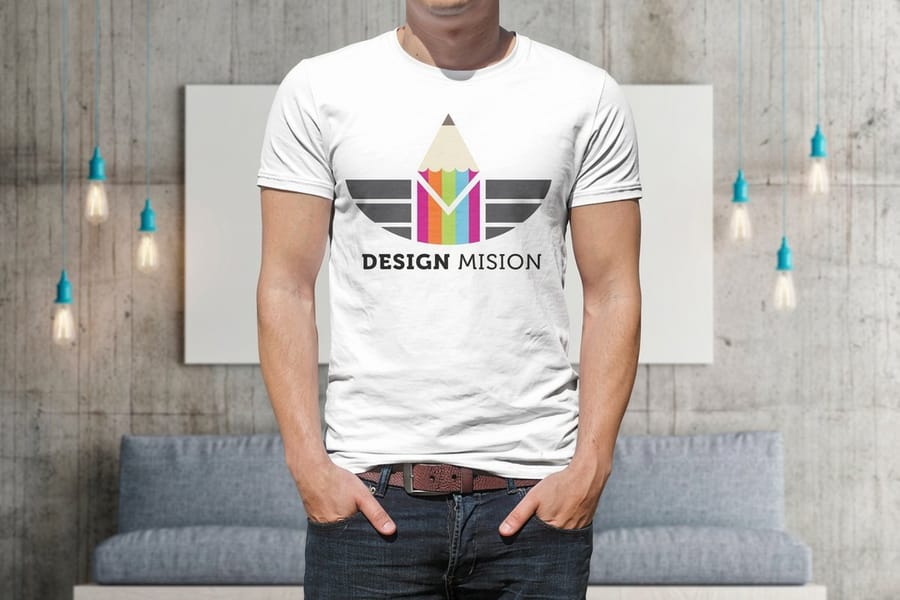
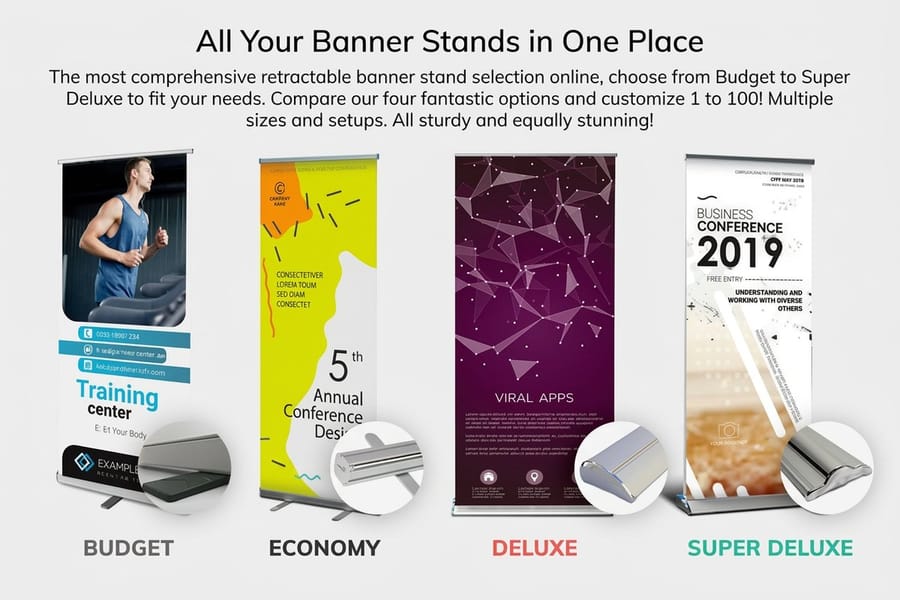
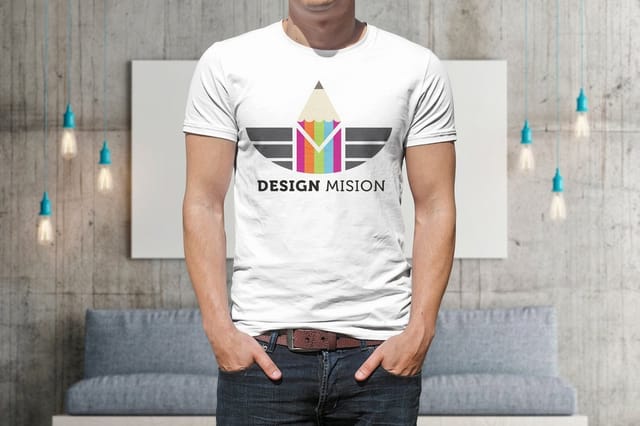
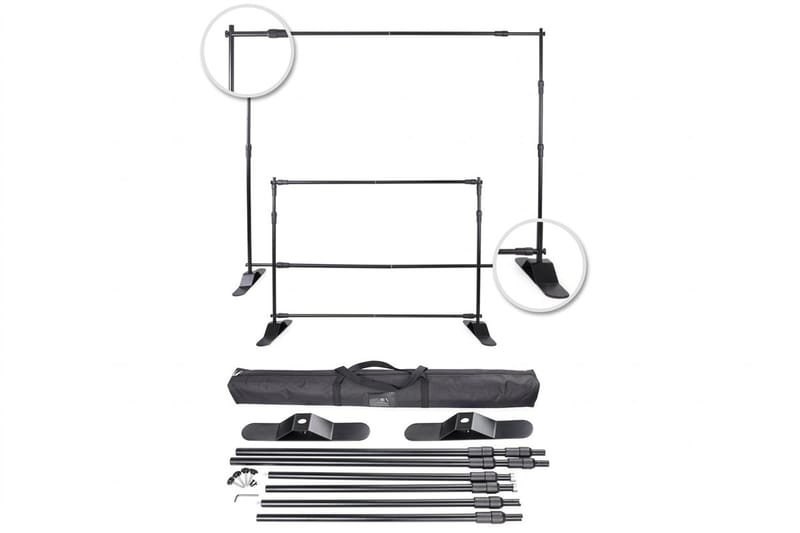
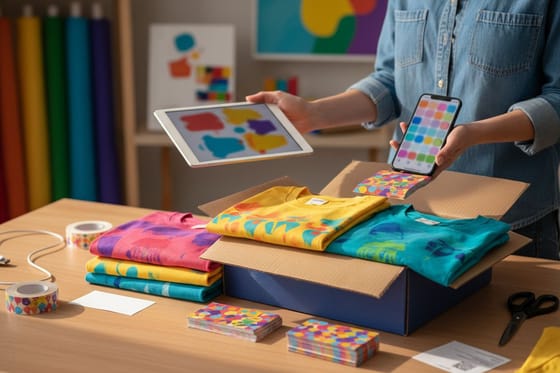
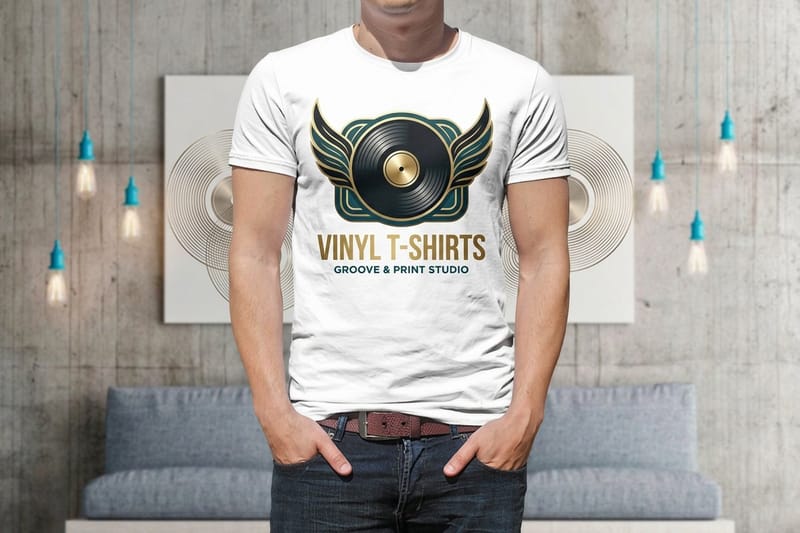
If merchandise is the route, start small and let demand argue with you. Custom t-shirts start at $21.96, so a first drop of a few dozen tests the design without a garage full of stock behind it. Standard posters start at $108.75 and earn their keep at signings, where a signed poster sells for more than a shirt and weighs nothing to carry. For camps and appearances, a retractable banner stand at $139 is the one piece of kit that makes a folding table look like a brand, and it packs into a tube for the next weekend. The wider custom t-shirt range and our clothing brand marketing guide cover what happens after the first run sells out or does not.
The Twelve Month Blueprint, Quarter by Quarter
Spread across a year, none of this competes with training. Two focused hours a week is enough, and the order matters more than the effort.
- Quarter one, decide and record. Write the positioning line and test it on three people. Start the proof archive: one folder, every photo, clip, result and press mention from now on, named by date. Claim the handles and the domain even if you do nothing with them yet.
- Quarter two, build the owned layer. Put up one page that captures an email address in exchange for something real. Order the first run of signing cards and stickers. Put a short URL and a QR on the back of both. Start collecting details at every event you already attend.
- Quarter three, make one thing to sell. One product, not a catalog. A small merch drop, a paid clinic, or a training block people can buy. Price it, sell it to the list you built in quarter two, and watch which people say yes rather than which post did well.
- Quarter four, pitch from evidence. Approach sponsors with the list size, the clinic attendance and the sell-through from quarter three. That is a business case. A follower count is not. Renew what worked, cut what did not, and rewrite the positioning line if the year proved it wrong.
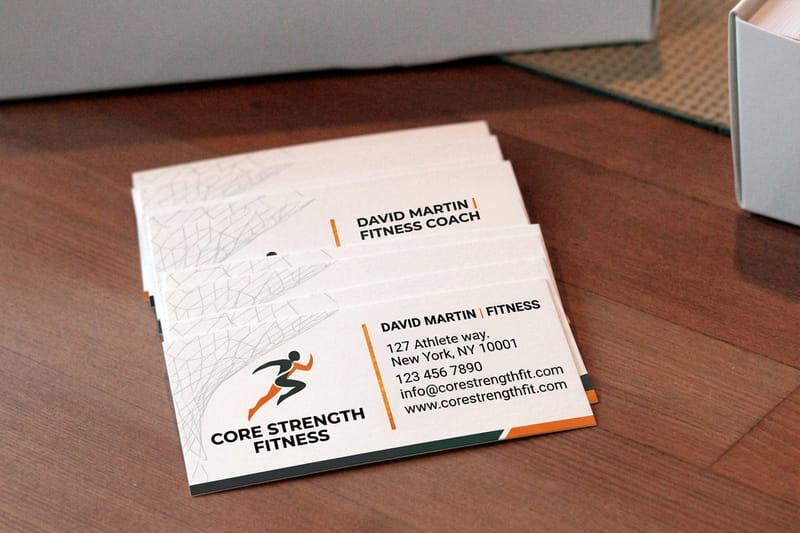
Two things to skip in year one. Do not commission a full visual identity before the positioning line is settled, because you will pay for it twice; the rebranding guide exists because that mistake is common enough to have its own process. And do not order a wide product range on a guess. The stationery layer is worth doing early though, because it is cheap and it is what an agent, a sponsor or a club administrator actually holds: business cards start at $17.57, and the branded stationery set guide shows what a coherent set looks like. Set up the artwork from a correctly sized layout in the blank template library, and browse the fitness printing collection for the formats camps and clinics use most.
Wally explains the athlete brand blueprint
One sentence, one list, one product, one year
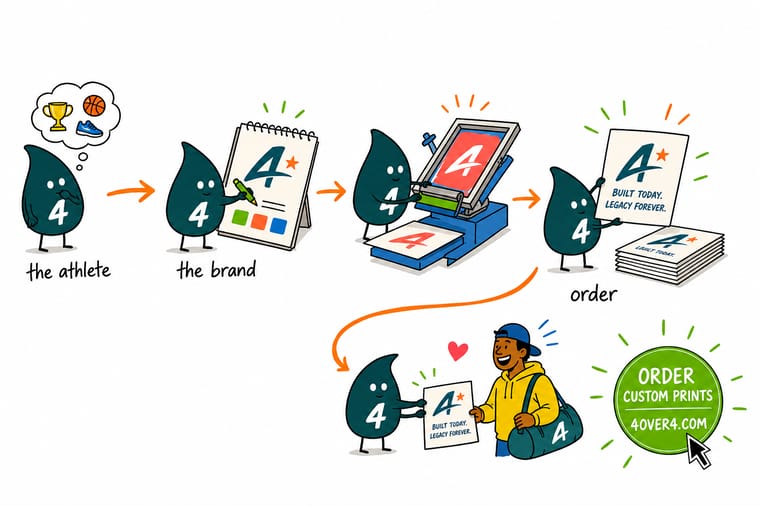
Wally starts with the sentence: what you do, what is genuinely yours, and who it is for. Then he collects details he can actually keep, because a follower belongs to the platform and an email address belongs to him. Then he makes one thing to sell, not a catalog. He signs cards in the line because people keep a signed card and bin a flyer. And he does all of it while he is still competing, because that is the only window where the effort is cheap and the attention is free.
Order trading cards →Specs and pricing
The three formats an athlete brand starts with
Signing cards for the line, shirts for the first drop, stickers for everything else. Live sizes, stocks and starting prices straight from the 4OVER4.COM configurator.

Print it
Put the blueprint on paper

Explore more
Where to go next

By the numbers
The print partner behind the drop
Common Questions
Athlete branding questions, answered straight
When should an athlete start building a personal brand?
Earlier than feels comfortable, and specifically before the peak. Athletic performance rises, tops out and declines on a schedule you do not fully control. Brand earning power runs behind it and keeps rising for years afterwards, but only if the positioning, the audience list and the first product already exist. The athlete who starts at retirement is starting from zero with less attention than they had at twenty. Two hours a week during a competitive season beats a full-time push after the last game.
Do you need a big following to get sponsored?
No, and chasing one is the most common wasted year. Brands buying raw impressions do want scale, and you will lose those deals to bigger names. Brands buying trust with a defined group want the opposite: proof that a specific audience listens to you. A regional gym chain, a physio clinic or a supplement startup will sign a runner with 4,000 engaged local followers over a general fitness account with 90,000 scattered ones. Bring them a positioning line, an email list they can be named in, and an appearance you already run.
Should I brand under my own name or invent a separate name?
Use your own name for the person and a separate name only for a product line. Your name is the asset every result, interview and race photo already points at, and you cannot rebuild that equity under a made-up word. A training program, a supplement or a clothing line can carry its own name so it survives if you step back. The mistake is the reverse: hiding a personal brand behind an invented studio name, which throws away the recognition you spent a career earning.
What does it cost to start an athlete merch line?
Less than most people plan for, because the first run should be small on purpose. At 4OVER4.COM t-shirt printing starts at $21.96, trading cards at $11.25 and die-cut stickers at $93.37, so a first drop of cards and stickers for a clinic sits in the low hundreds. Print the smallest quantity that lets you watch what people actually pick up. A garage of unsold hoodies is the classic first-year mistake, and it usually follows a design nobody was asked about.
What should I post if I have not won anything yet?
Post the process, because it is the only thing you own that nobody can take. Sessions, failures, the shift-work schedule you train around, what you eat before a long day, the injury and the rehab. Results attract attention for a week. Process attracts the people who are trying to do the same thing, and those are the people who buy the program, come to the clinic and stay on the list. Save every photo and clip in one folder from day one, because the proof archive is impossible to rebuild backwards.
What happens to the brand after retirement?
It keeps working if the audience is owned and there is something to sell them, and it disappears if it was only ever a follower count. The athletes who earn well after the last game did three things while still competing: they wrote down who they were for, they collected contact details they control, and they built one product that does not need them to be in competitive shape. Coaching, camps, media and merchandise all outlive the body. Sponsorship built purely on current results does not.
Get Started
A 25 card run costs $11.25 and ships in three business days
Signed cards for the line, a small first shirt run, stickers that end up on bottles. Set the artwork up once and print the quantity the year actually needs.
Legal Disclaimer
Gold Standard guarantees apply to all standard orders placed through 4over4.com. Price match requires verifiable proof of a competitor's published price for an equivalent product with matching specifications and turnaround time. Satisfaction guarantee covers manufacturing defects and print quality issues. Contact support with order number and documentation. On-time delivery rate based on tracked orders 1999 to 2026. Individual results may vary based on shipping carrier performance.
