
Screen Printed Polos for Teams, Staff and Events


Tobias is our voice for cutting, binding and large format, built from the knowledge of our production team, with over 20 years in printing.
Screen printing works beautifully on polos once you respect three things: the textured knit, the placket down the middle, and the fabric content. Placement, colors and the team size order all have a right answer.
Screen printed polos take bold artwork on the left chest, sleeve or back, with the left chest logo sized 3 to 3.5 inches wide as the standard. The placket and buttons rule out center chest prints, the pique knit breaks up fine lines below 1.5 point, and polyester blends need low-cure ink so the garment dye does not bleed into the print. Each ink color is a separate screen, so a simplified one-color or two-color logo is the cheapest path on a team run, and mixed sizes print together in one setup.
Quick answer
Left chest, bold art, and know your fabric
A polo gives you three print zones: left chest, sleeve and back. The left chest logo at 3 to 3.5 inches wide is the standard because the placket occupies the center of the garment. The pique knit rewards bold, simplified artwork and punishes hairlines, cotton takes standard inks while polyester blends need low-cure formulations, and because screens never change between sizes, a mixed team run prints in one pass. Simplify the logo colors and the price per polo drops fast.
Screen Printing on Polo Shirts in Six Steps
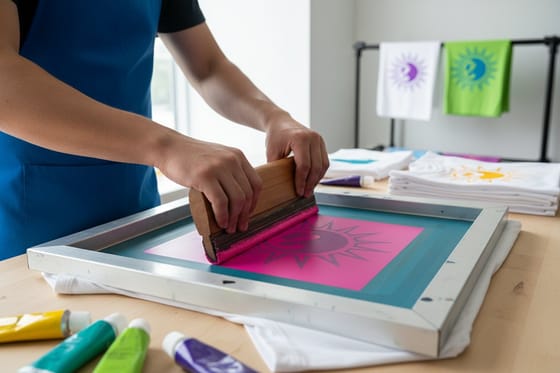
Screen printing on polo shirts runs the same way on a staff order of 30 or an event run of 300. The numbers below are the ones that decide whether the print looks right on a pique knit.
- Pick the zones. Left chest, sleeve and back. The placket takes the center chest off the menu.
- Size the logo. 3 to 3.5 inches wide on the left chest, set 7.5 to 9 inches below the left shoulder seam. The sleeve takes 2.5 to 3 inches, a full back print 10 to 12 inches wide.
- Count the colors. Every color is a separate screen. A dark polo adds a white underbase screen under the rest.
- Name the fabric. Cotton takes standard ink. A polyester or performance blend needs low-cure ink or a blocker base, or the dye bleeds into the print.
- Thicken the art. Strokes at 1.5 point or heavier and text at 24 point or larger, so the lines sit on the knit rather than falling into it.
- Collect polo sizes and proof on the real color. Polos cut slimmer than tees, so size each person against a polo they own, add one or two spares in the middle sizes, and approve one proof on the actual garment color before the run.
With one color and 30 polos or more, screen printing both the chest and the back is usually the cheapest route, and the sections below take the placement, color and team order steps one at a time.
Screen Print or Embroidery on a Polo
Polos sit between a t-shirt and a dress shirt, and the decoration question sits in the same middle ground. Both methods work. They just fail in different places, and the fastest way to choose is to look at your logo and your quantity.
| Method | How it decorates | Strongest on | The catch |
|---|---|---|---|
| Screen printing | Ink pushed through a stencil screen, one screen per color, then heat cured. | Bold logos, larger prints, bigger runs of 1 or 2 colors. | Pique texture breaks up fine detail; each color adds a screen and cost. |
| Embroidery | Thread stitched through the fabric from a digitized file. | Small left-chest crests, dressier uniform programs. | Billed by stitch count; large back designs get heavy and expensive. |
| Heat transfer vinyl | Cut film pressed onto the surface with heat. | Names and numbers, single pieces, one-off changes. | Sits on top of the knit and can lift at the edges over many washes. |
| DTG | Inkjet printing directly into the fibers. | Full-color art on cotton, tiny quantities. | Struggles on textured pique and on polyester blends. |
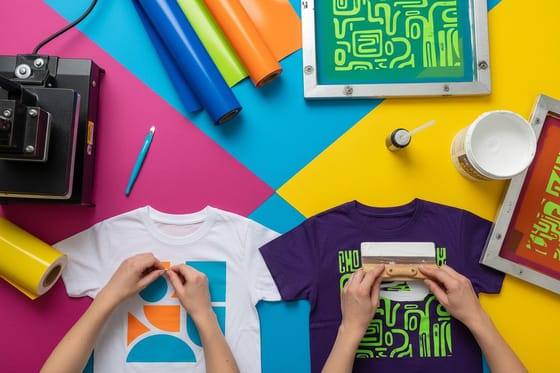
The practical split most uniform programs land on: embroider the left chest, screen print anything big. A stitched crest survives industrial laundering and reads as more formal at the counter or the front desk, while a screen printed back panel covers 10 inches of fabric for far less than the equivalent stitch count would cost. If your logo is one color and your order is 30 polos or more, screen printing both locations is usually the cheapest path. Hoodies for the same team follow the same split, and our guide on how to print custom hoodies for teams, clubs and events covers the heavier fleece, while the wider range of printed hoodies, tees and other clothing sits in our custom clothing guide. The mechanics of the process itself are covered in our guide to what screen printing is and how it works, and the parallel decision for tees and hoodies is in DTG printing vs embroidery.
Placement and Color Rules That Fit a Polo
A polo is not a t-shirt with a collar. The placket and buttons run straight down the center of the chest, which removes the single most popular t-shirt placement from the menu. Design around that and everything else falls into place.
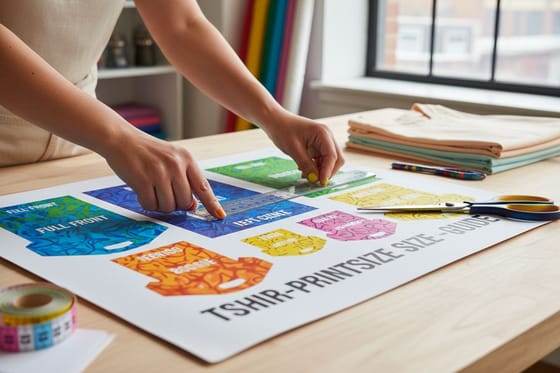
Left chest is the default. Size the logo 3 to 3.5 inches wide and set it 7.5 to 9 inches below the left shoulder seam, centered between the placket edge and the side seam. Bigger than 4 inches starts to look like a costume rather than a uniform. The sleeve takes 2.5 to 3 inches, a good home for a secondary mark or a sponsor. The back offers two options: a small locker patch, 2.5 to 4 inches wide just below the collar, or a full back print at 10 to 12 inches wide starting 4 to 5 inches down. Our print size guide covers how these zones scale across garment sizes.
On color, two rules earn their keep. First, count your colors honestly, because every color is a separate screen and a separate pass; a logo simplified from four colors to one can cut the decoration cost dramatically on a small run. Second, respect the fabric. Dark polos need a white underbase screen under the colors to keep them bright, which adds a screen. Polyester and performance blends bleed their dye into standard plastisol at cure temperature, the classic case being white ink slowly turning pink on a red performance polo, so they call for low-cure ink or a blocker base. Say what the fabric is when you request the quote and the price will be right the first time.
Fine detail is the last trap. Pique knit is a field of tiny peaks and valleys, and a 0.5 point line simply falls into the valleys. Keep strokes at 1.5 point or heavier, keep text at 24 point or larger, and give the artwork the same clean-file treatment you would give any job, as laid out in how to print a logo on a shirt.
Ordering Polos for a Whole Team Without the Headaches
Team orders go wrong at the spreadsheet stage, not on press. The printing side is forgiving: screens do not change between sizes, so a mixed run of smalls through 3XLs prints in one pass with one setup. The ordering side is where the practical rules live.
Collect polo sizes, not t-shirt sizes. Polos are cut slimmer, and the person who wears a large tee often needs an XL polo. Have each person confirm against a polo they own. Order spares with the batch. One or two extras in the middle sizes covers replacements, staining accidents and the new hire who starts next month; a single reprint later carries the whole setup cost on one garment. Put names and numbers on vinyl, not screens. Individual personalization would need a separate screen per name, so printers cut those from heat transfer vinyl instead, and it is worth reading screen printing vs vinyl printing before deciding how much of the design that should cover.
Approve a proof on the actual garment color. Ink that looks right on a white mockup shifts on a navy or forest polo, and the underbase decision changes with it. One proof round before a 50-piece run is cheap insurance.
At 4OVER4.COM, custom shirt printing starts at $21.96, with premium t-shirts and vinyl t-shirts configured the same way: pick the garment, upload the art, set the quantity and see the price live. The full range of styles sits in the t-shirt printing category, and if you are outfitting an event rather than a staff roster, the same placement and color rules apply shirt for shirt.
Wally explains polo printing
Left chest, bold lines, and mind the buttons
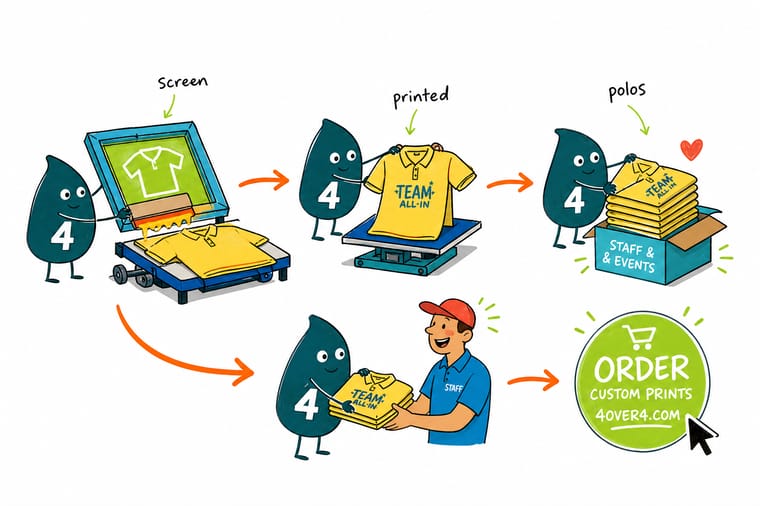
Wally lines the logo up 3 to 3.5 inches wide on the left chest, a hand-width below the shoulder seam, because the buttons own the middle of a polo. He thickens every stroke to at least 1.5 point so the waffle-textured knit cannot swallow it, checks the fabric tag before picking the ink, and prints the whole size run, smalls through 3XLs, in one pass on the same screens. Hand him a four-color logo for 20 polos and he will politely suggest the one-color version first.
Order custom shirt printing →
Specs and pricing
Custom apparel, sizes, and starting prices
The shirt configurator prints full color in an 8.5 x 11 inch print area on the front, the back or both sides, on white or black shirts in sizes S to XXL, from a single shirt up to 250. Each widget below shows those options and the price for the quantity you set.

Print it
Put your logo on apparel that gets worn
Pick the shirt, choose white or black, set front, back or both, and enter the count per size from S to XXL. Add the one or two spares in the middle sizes now, because a single reprint later carries the whole setup on one garment.
Explore more
Where to go next
See how the screen, squeegee and cure work, weigh DTG and cut vinyl against screens for names and numbers, and size the back print for each garment with the print size guide.
By the numbers
Polos, tees and vinyl printed apparel
Common Questions
Your polo printing questions, answered
Can you screen print on polo shirts?
Yes, and it holds up well when the artwork respects the fabric. Polo pique has a raised waffle texture, so the ink sits across peaks and valleys instead of a flat surface. Bold logos, solid shapes and text at 24 point or larger print cleanly. Hairline strokes, fine serifs and photographic detail break apart on the knit, which is why polo art is usually a simplified version of the full logo.
Is screen printing or embroidery better for polos?
It depends on the logo and the setting. Embroidery reads as dressier and handles small left-chest crests well because thread does not care about knit texture. Screen printing wins on large prints, gradients kept coarse, and bigger quantities of a simple one-color or two-color mark, because you pay per color rather than per thousand stitches. Uniform programs often embroider the chest logo and screen print the back. Our guide to DTG printing vs embroidery for custom apparel walks through the same decision for other garments.
Where should a logo go on a polo shirt?
Left chest is the standard: 3 to 3.5 inches wide, set 7.5 to 9 inches below the left shoulder seam, centered between the placket edge and the side seam. The placket and buttons occupy the center of the garment, so center chest placements that work on a t-shirt do not work here. The sleeve takes a 2.5 to 3 inch mark, and the back takes either a small locker patch below the collar or a full print 10 to 12 inches wide.
Can you screen print performance or polyester polos?
Yes, but not with the standard process. Polyester is dyed with sublimation dyes that reactivate near normal plastisol cure temperatures, and the dye migrates into the ink. The classic failure is white ink on a red performance polo turning pink a day after printing. Printers handle it with low-cure inks or a dye-blocking underbase, both of which add a little cost. Tell your printer the exact fabric content before you approve the quote.
How does the number of ink colors affect the price?
Each color needs its own screen and its own pass on press, so a three-color logo costs meaningfully more per shirt than a one-color version, especially on small runs where the setup is spread across fewer garments. Dark polos add one more screen for the white underbase that keeps colors bright. For a team order of 20 to 50 polos, simplifying the logo to one or two colors is the single biggest lever on price.
How should I collect sizes for a team polo order?
Ask each person for their usual polo size rather than their t-shirt size, since polos are cut slimmer, and collect the list before you place the order. Mixed sizes print in one run because the screens never change, so there is no penalty for ordering 12 mediums, 8 larges and 3 2XLs together. Add one or two spares in the middle sizes for replacements and new joiners; reprinting a single polo later costs far more per piece than printing it with the batch.
Get Started
Printed apparel starts at $21.96 a piece, five business days
Collect the sizes, simplify the logo, and we print the whole run in one pass, smalls through 3XLs, with a proof on the actual garment color before anything hits the press.
Legal Disclaimer
Gold Standard guarantees apply to all standard orders placed through 4over4.com. Price match requires verifiable proof of a competitor's published price for an equivalent product with matching specifications and turnaround time. Satisfaction guarantee covers manufacturing defects and print quality issues. Contact support with order number and documentation.
