
Retail Label Printing for Product, Barcode and Shelf


What a shelf-ready product actually needs on it, how to pick a material that survives the store, and the barcode measurements that decide whether the register reads it.
A retail product carries four labels doing four different jobs: a face label that sells it, an information panel that keeps it legal, a barcode the register reads, and a shelf tag the store prints. Only the barcode has a hard technical spec, and it is unforgiving: 1.469 by 1.02 inches at full size, scalable 80 to 200 percent in both directions together, with a blank quiet zone on each side that nothing may print into. Everything else comes down to material, and material is decided by whether the container ever meets moisture.
Quick answer
Three labels on the product, one on the shelf
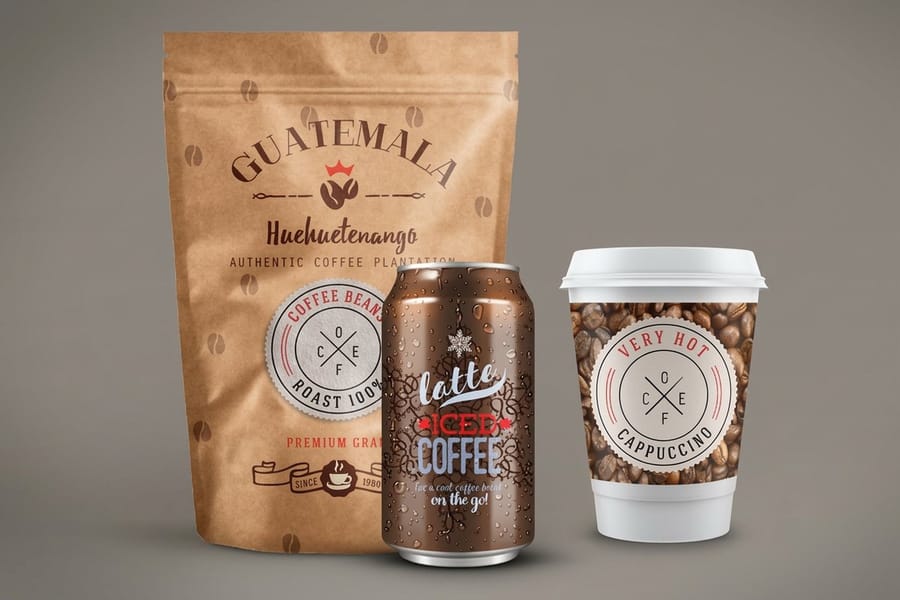
Design the face label and the information panel, license a real barcode, and let the store handle pricing. The face label has to work from a few feet away in store lighting, the information panel carries the regulated copy for food, drink, supplements and cosmetics, and the barcode is a measured symbol rather than a graphic. Material follows the container: coated paper for dry goods on a shelf, film for anything that meets condensation or a wipe down, clear film only where a white ink layer keeps the type readable.
The Four Retail Labels, and Who Owns Each One
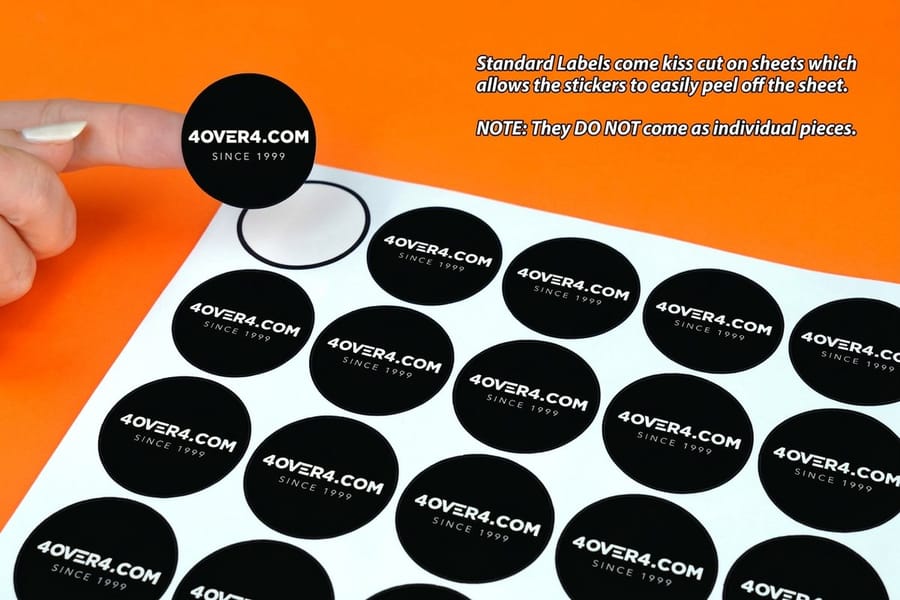
Most people planning a retail launch think about one label. The shelf sees four, and mixing up their jobs is how a nice design ends up illegal, unscannable, or covered by a store sticker.
| Label | Its job | Where it sits | What goes wrong |
|---|---|---|---|
| Face label | Gets the product picked up from a few feet away. | The front panel, the largest surface you control. | Type sized for a screen rather than a shelf. If the brand name is unreadable at arm length, it is too small. |
| Information panel | Carries the contents, net quantity, allergens and the responsible business. | Back or side panel, often a wrap that continues from the face. | Squeezed into whatever space is left over, then set at 5 point to make it fit. |
| Barcode | Lets a register identify and price the item. | Usually the lower back or the base, on a flat area. | Placed over a curve or a seam, or dropped in with a decorative border crossing its margin. |
| Shelf tag | Shows the current price and the shelf position. | The shelf edge, printed by the store. | Printing a price on the product itself, which locks you out of a promotion later. |
| Promo sticker | Flags a sale, a new flavor, an award. | Applied over the face label, temporarily. | Ordered on permanent adhesive, so removing it takes the face label with it. |
| Hang tag | Carries size, price and care information on apparel and soft goods. | Strung through the garment, not stuck to it. | Punched too close to the edge, so the hole tears out in handling. |
Two of those you print yourself and control completely. Premium Product Labels start at $29.16 and cover the face and information panels on a jar, a bottle or a box. Apparel and soft goods swap the adhesive label for standard hang tags from $25.27, which carry size and price without touching the fabric. The shelf tag belongs to the retailer, so leave that job alone.
Choosing a Label Material Before You Choose a Design
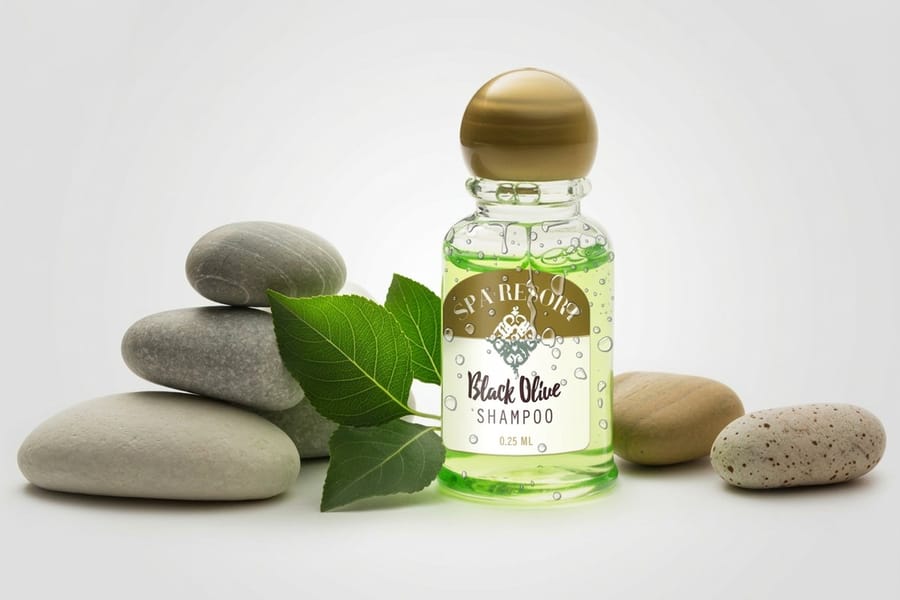
Material is the decision that quietly determines whether the label still looks new in six months. Pick it from what the container goes through, not from what looks good in a mockup.
| Material | Suits | Survives | The catch |
|---|---|---|---|
| Coated paper | Dry goods, boxes, gift items, indoor shelf products. | Handling, light scuffing, a laminate if you add one. | Moisture. It wicks, wrinkles at the edge and tears when wiped. |
| White film | Bottles, jars, cosmetics, anything refrigerated. | Condensation, a wet hand, a wipe down, freezer storage. | Costs more per label, and the whitest films flatten a warm brand palette slightly. |
| Clear film | Glass and clear plastic where you want a no-label look. | The same wet conditions white film does. | Anything dark behind it swallows dark type unless you print a white ink layer under the text. |
| Metallic | Spirits, candles, premium personal care. | Handling, and it holds its shine indefinitely. | Photographs print poorly over metal. Keep it to type, rules and flat marks. |
| Kraft or uncoated | Natural, small batch and artisan positioning. | Dry handling, and it takes a rubber stamp or a pen. | Ink sits duller and colors shift warm. Proof it before you commit to a run. |
Two finishing choices ride on top of the material. Gloss laminate resists scuffing in a shipping carton and makes color look deeper. Matte laminate cuts glare under store lighting and will take a pen, which matters if staff write a date or a batch number on the label. Whichever you pick, order a printed sample before a full run: screens lie about how a color lands on film, and free paper samples settle the argument for the price of postage.
If the product goes anywhere near water, skip straight to Premium Waterproof Labels at $84.68. For glass with a colored liquid inside, Premium Clear Labels at $86.17 give the no-label look, and the same white ink rule applies. The full range of stocks sits on the label printing category, and our material guide walks through the adhesives in detail.
Barcodes and Compliance, the Parts With Real Rules
Everything above this section is judgement. This section is measurement, and carelessness here shows up as a failed scan at a checkout with a queue behind it.
Get a real barcode number. A UPC-A is 12 digits built on a GS1 company prefix that you license from GS1 US, then assign item numbers under. Cheap resold single codes carry someone else's prefix and get rejected by the bigger chains. Generate the symbol as vector artwork and place it at full resolution, never as an image pulled from a browser.
Respect the size window. At 100 percent a UPC-A is 1.469 inches wide by 1.02 inches tall. It may be scaled from 80 to 200 percent, and both dimensions have to scale together. The common failure is squashing the code horizontally to fit a narrow panel, which changes the bar widths the scanner is measuring.
Leave the quiet zone empty. The blank margin on each side of the code, roughly a tenth of an inch at full size, is part of the symbol. A decorative rule, a panel edge or a background color change inside that margin will stop a scan even though the bars themselves are perfect.
Watch the color. Bars have to be black or a very dark tone on a light background. Red, orange and yellow read as white to a red laser scanner, so a red barcode on white simply does not exist as far as the register is concerned. Reversed white bars on a dark solid work, but test them.
The regulated copy is a separate track. Food, drink, dietary supplements and cosmetics all have required panel content, and the layout rules for the nutrition and ingredient blocks are specific. Work through the FDA food labeling guide before the design is locked, because a required panel discovered late almost always forces a bigger label and a new die. For food containers specifically, our product label printing category lists the stocks cleared for indirect food contact.
Sizing, Shapes and Getting the File Right the First Time
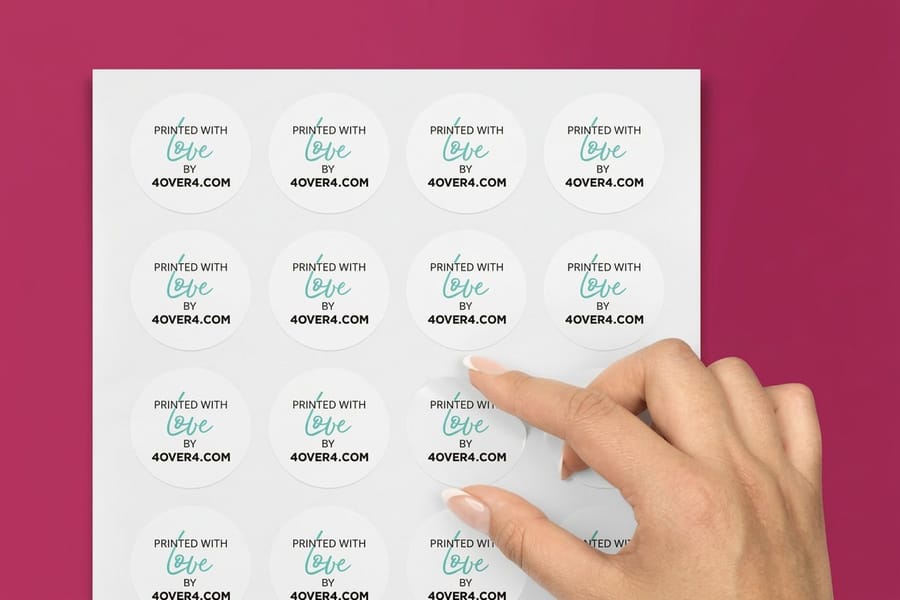
Label sizing goes wrong in a predictable way: someone measures the bottle instead of the panel, and the finished label runs onto the curve where it lifts at the corners.
Measure the flat printable area, then subtract an eighth of an inch on each side. On a cylinder, either stop well short of a full wrap or plan a deliberate overlap of about an eighth of an inch, because a wrap that meets edge to edge will always show a gap somewhere. Leave the barcode on a flat area, never across a seam or a mold line.
Build the file with an eighth inch bleed on every side and keep type and the barcode an eighth inch inside the trim. Label die cutting has slightly more movement than trimming a flat sheet, so a design with type running close to the edge is asking for a visible drift. Rounded corners are worth taking: a square corner on a film label is the first thing a customer picks at. Start from a correctly sized layout in the blank template library rather than building the artboard by hand.
Shape is the last decision. A rectangle or an oval covers most retail work and prints on standard labels from $23.88, which is the sensible starting point for a first run while the packaging is still moving. Once the design is settled and you want a shape that follows the artwork, Die-Cut Labels at $93.37 cut to your own outline. If your labels sit on printed cartons or mailers, the packaging printing collection keeps the stock and the color consistent across both, and shelf ready packaging covers the case that carries them into the store.
Wally labels a jar for the shelf
Three labels on the product, one on the shelf edge
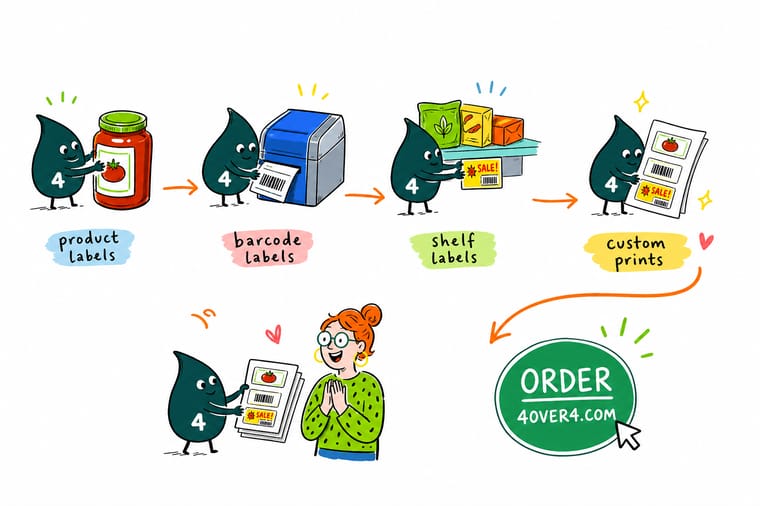
Wally puts the pretty label on the front, the small print on the back, and the barcode somewhere flat where a scanner can see it. He leaves a clean margin either side of the bars, because that blank strip is part of the code, and he never prints the price on the jar. The store owns the price. Ask him for paper and he will ask whether the jar ever goes in a fridge, because paper gives up the moment condensation reaches the edge.
Order premium product labels →Specs and pricing
Label stocks, sizes and starting prices
Compare the label options side by side, with live configuration choices and starting prices straight from the 4OVER4.COM configurator.
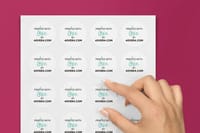
Print it
Order labels built for a store shelf
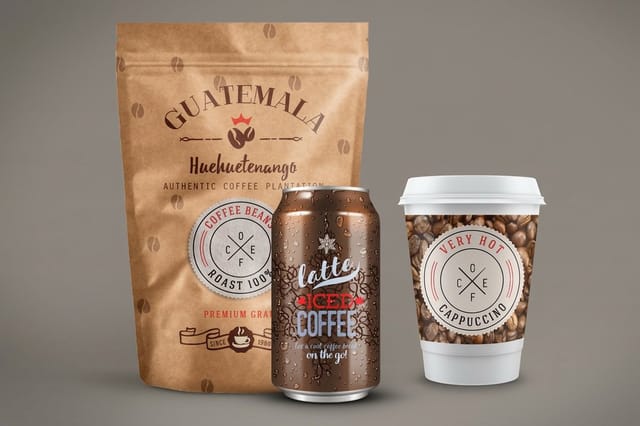
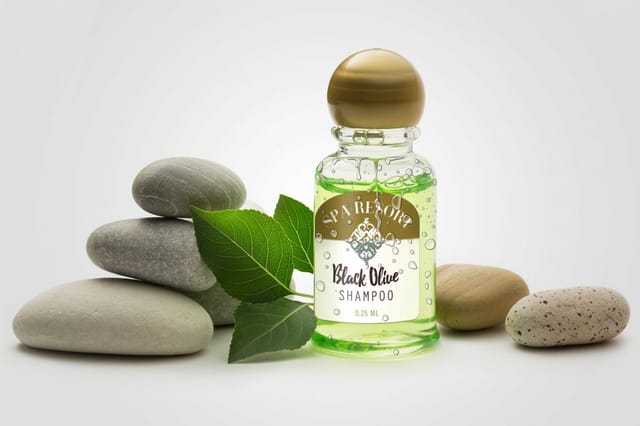
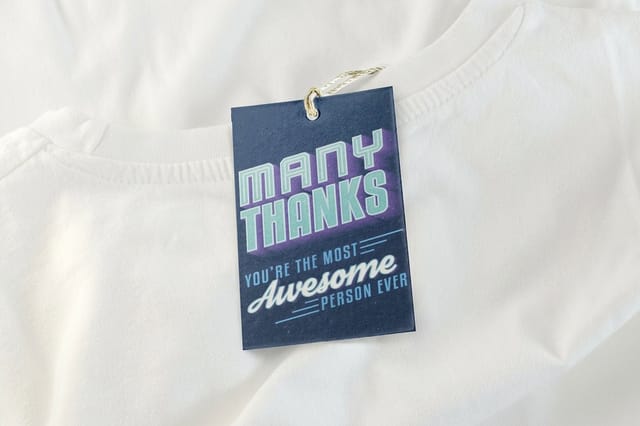
Explore more
Where to go next

By the numbers
Label printing you can count on at 4OVER4
Common Questions
Your retail label questions, answered
What labels does a retail product actually need?
At minimum a face label and a barcode. The face label carries the brand, the product name and whatever makes someone pick it up. The barcode lets a register ring it up, and most retailers will not stock an item without one. Food, drink, cosmetics and supplements add a required information panel with the statement of identity, net quantity, ingredients, allergens and the name and address of the business responsible. The shelf price tag is printed by the store, not by you, so leave the price off the product unless you sell direct.
How do I get a barcode for my product?
You buy a GS1 company prefix from GS1 US, then assign your own item numbers under it to build each 12 digit UPC. It is a paid membership, not a free lookup, and resold single barcodes cause problems with the larger chains because the prefix belongs to somebody else. Once you have the number, generate the symbol as vector artwork rather than pulling a screenshot off a website, and drop it into the label file at 80 percent magnification or larger.
Why does my barcode scan on my phone but not at the register?
Phone camera apps are forgiving, laser scanners are not. The three usual causes are a missing quiet zone, where a border or a graphic sits inside the blank margin the scanner needs on each side of the code, a code scaled below 80 percent, and bad color. Red, orange and yellow bars are effectively invisible to a red laser, so bars have to be black or a very dark color on a light background. Never stretch the code horizontally to fit a space.
Paper or waterproof labels for a retail product?
Ask what the container will touch. Dry goods in a box, gift items and anything that lives on a shelf indoors are fine on coated paper, and paper is the cheapest way to get a good print. Anything that goes in a fridge, a cooler, a bathroom or a kitchen wants a film label, because paper wicks moisture, wrinkles at the edges and tears when a customer tries to wipe it. Premium Waterproof Labels start at $84.68 and are the safe answer for bottles, jars and anything chilled.
What size should a retail label be?
Measure the flat printable panel on the container, then subtract an eighth of an inch from each side so the label never reaches the curve or the seam. On a cylinder you either stop well short of a full wrap or you deliberately overlap by about an eighth of an inch. Build the file with an eighth inch bleed and keep type an eighth inch inside the trim, because label die cutting shifts slightly more than trimming a flat sheet does.
Can I print price stickers that come off cleanly?
Yes, but ask for removable adhesive at the time you order, because standard permanent adhesive is not designed to release. Removable stock peels cleanly from smooth surfaces such as glass, coated board and rigid plastic for a few months. It does not hold well on textured or powdery surfaces, and it stops releasing cleanly once it has been through heat, so a promo sticker left on a summer window display will still leave residue.
Should I order labels on sheets or on rolls?
Sheets suit hand application and short runs, and they are easier to store and sort when you have several products. Rolls exist for machine application, and once you are labeling thousands of units a roll on a core saves real time. If you are applying by hand, sheets of die-cut labels give you the same result for less, and Die-Cut Labels start at $93.37 for a custom shape.
Get Started
Ready to get your product on a shelf?
Pick a stock that suits the container, set your size from the flat panel, and we print labels that stay put through a cooler, a carton and a customer.
Legal Disclaimer
Gold Standard guarantees apply to all standard orders placed through 4over4.com. Price match requires verifiable proof of a competitor's published price for an equivalent product with matching specifications and turnaround time. Satisfaction guarantee covers manufacturing defects and print quality issues. Contact support with order number and documentation. On-time delivery rate based on tracked orders 1999 to 2026. Individual results may vary based on shipping carrier performance.
