
Clothing Tag Sizes and How to Pick the Right One


The right hang tag suits the garment it hangs from. A 2 by 3.5 inch tag is the same footprint as a business card, which is why it is the common start.
The standard clothing hang tag is 2 by 3.5 inches, or 50.8 by 88.9 mm, the business-card size. Use a 2 by 2 (50.8 by 50.8 mm) or 1.5 by 3 (38.1 by 76.2 mm) tag for accessories and a 2 by 4 (50.8 by 101.6 mm) for outerwear. Add a punched hole about 0.25 inch from the top for the string or loop, and choose a cardstock, kraft, or plastic material.
Start here
Garment first, then the tag
Match the tag to the garment. The standard clothing hang tag is 2 by 3.5 inches, with a 2 by 2 or 1.5 by 3 for accessories and a 2 by 4 for outerwear. Add a punched hole about 0.25 inch from the top for the string or loop, pick a cardstock, kraft, or plastic material, and design both sides. The chart below maps each size to its garment.
Quick reference
Clothing tag sizes and where each one fits
Pick the tag size to suit the garment. Scale down for accessories and up for outerwear so every tag stays in proportion.
| Size in inches | Millimeters | Centimeters | Best for | Why it works |
|---|---|---|---|---|
| 1.5 by 3 in | 38.1 x 76.2 mm | 3.81 x 7.62 cm | Slim garment tag | A narrow vertical tag that hangs neatly from shirts and knitwear where a wide tag would look bulky. |
| 2 by 2 in | 50.8 x 50.8 mm | 5.08 x 5.08 cm | Accessories and socks | A compact square tag for small items, big enough for a logo and a price without overwhelming the piece. |
| 2 by 3.5 in | 50.8 x 88.9 mm | 5.08 x 8.89 cm | Standard clothing tag | The business-card size and the most common tag. Room for a logo, size, price, and a short brand line. |
| 2.5 by 2.5 in | 63.5 x 63.5 mm | 6.35 x 6.35 cm | Square brand tag | A balanced square for a bold logo-forward look, popular with modern and streetwear brands. |
| 3 by 3 in | 76.2 x 76.2 mm | 7.62 x 7.62 cm | Large square tag | A bigger square when the logo has to carry from a rack, common on denim and heavyweight knitwear. |
| 3.5 by 2 in | 88.9 x 50.8 mm | 8.89 x 5.08 cm | Landscape tag | The standard tag turned on its side, for a wordmark that reads wide rather than tall. |
| 2 by 4 in | 50.8 x 101.6 mm | 5.08 x 10.16 cm | Premium and outerwear | A larger tag for jackets and premium apparel, with space for a brand story and care details. |
| 2.25 by 4.25 in | 57.2 x 108 mm | 5.72 x 10.8 cm | Full care and story tag | The largest common tag, sized to carry full care instructions, fiber content, and a brand story on the back. |
Why the tag size has to suit the garment
A hang tag is small, but its size does real work. Too big and it drags on a delicate garment or hides the piece behind it. Too small and there is no room for the logo, size, and price a shopper looks for. The right tag feels in proportion to the item it hangs from, which is why a single clothing line often uses two or three tag sizes across its products.
The standard clothing tag is the 2 by 3.5 inch business-card size, a reliable default that carries a logo, a size, and a price without weighing the garment down. From there you scale down for accessories and up for outerwear, matching the tag to the piece rather than forcing one size onto everything.
This guide covers the standard tag sizes, the hole and attachment, materials, and how to set up the file. When you are ready, order clothing hang tags or browse the full hang tag range for every size and finish.
The standard clothing tag sizes
Clothing tags cluster around a handful of sizes. 2 by 3.5 inches is the everyday standard, the business-card footprint that fits most apparel. 2 by 2 inches is the compact square for accessories and socks, and 1.5 by 3 inches is a slim vertical tag that hangs neatly from shirts and knitwear where a wide tag would look bulky.
For a bolder, logo-forward look, 2.5 by 2.5 inches gives a balanced square that suits modern and streetwear brands. And 2 by 4 inches or larger is the premium and outerwear size, with room for a brand story and care details on a jacket or a heavier piece. These are starting points, and custom sizes let you dial the tag to your exact product.
Orientation and shape add character. Portrait tags hang naturally, squares feel contemporary, and a die-cut shape or rounded corners make a tag instantly recognizable. Our die-cut hang tags turn the outline itself into part of the brand.
Top 5 hang tag sizes and when to use each
If you only ever order five tag sizes, these are the five, in the order most brands reach for them.
1. 2 by 3.5 in (50.8 by 88.9 mm). The default. A business card footprint that holds a logo, a size, a price, and one short brand line without weighing a garment down. If you are unsure, order this and you will be right most of the time.
2. 2 by 2 in (50.8 by 50.8 mm). The accessory square. Socks, hats, small leather goods, and anything where a full-size tag would look absurd hanging off the piece. Enough room for a logo and a price and nothing else, which is usually the point.
3. 1.5 by 3 in (38.1 by 76.2 mm). The slim vertical. It hangs narrow and long from a shirt or a knit, so it reads on a rack without sticking out past the shoulder. Use it when the garment is delicate and the standard tag looks bulky against it.
4. 2.5 by 2.5 in (63.5 by 63.5 mm). The square brand tag. Bigger than the accessory square and shaped to put a logo dead center, which is why streetwear and modern labels keep picking it. It photographs well, which matters when the tag ends up in product shots.
5. 2 by 4 in (50.8 by 101.6 mm). The outerwear and premium tag. Jackets, coats, and heavyweight pieces can carry it, and the extra height gives you room for a brand story on the front and care details on the back rather than cramming both onto a small tag.
Every one of these prints as a custom clothing hang tag, and any of them can be die cut to a shape if the outline itself should be part of the brand.
The hole, the string, and how the tag hangs
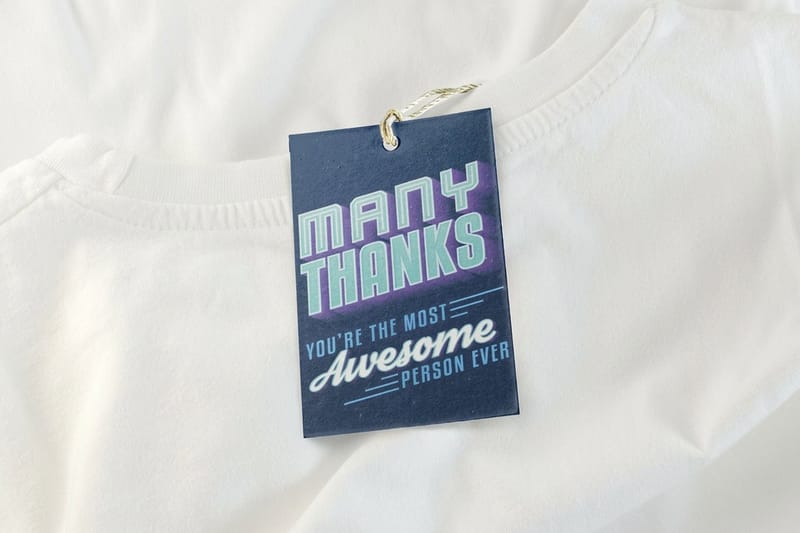
How a tag attaches is as much a design decision as the size. Most tags carry a small punched hole about 0.25 inch from the top, centered so the tag hangs straight from the garment. Keep the hole clear of your logo and text by holding those inside the safe margin, and size the punch to your attachment.
The attachment sets the feel. A thin cotton string is clean and classic, a ribbon adds a premium or boutique touch, and a plastic loop is fast and secure for high-volume retail. Each needs a slightly different hole size, so decide the attachment before you finalize the hole. For a portrait tag, top-center is standard, while a shaped tag may move the hole to keep it balanced when it hangs.
Think about the reading position too. Because the tag hangs from the top, the most important information, usually the logo, belongs in the upper half where a shopper sees it first as they flip through a rack.
Materials and finishes that carry the brand
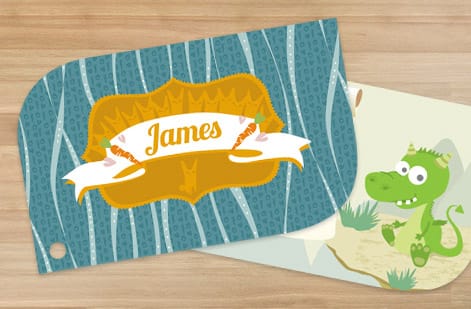
A hang tag is often the first thing a shopper feels, so the material carries the brand as much as the print. A heavy 14 to 16 pt cardstock is the versatile default, solid in the hand and ready for any finish. Kraft stock reads natural and sustainable, which suits organic, handmade, and outdoor labels. Plastic and laminated tags resist bending and moisture for high-turnover racks.
Finishes turn a plain tag premium. A soft-touch lamination adds a velvety feel, metallic foil makes a logo catch the light, and spot treatments highlight one element on an otherwise matte tag. These small upgrades cost little per piece in a full run but noticeably raise the perceived value of the garment.
Match the material to the brand story, not just the budget. A minimalist label might choose a clean matte cardstock, a luxury line a foiled soft-touch tag, and an eco brand a plain kraft with a simple stamp. Our kraft hang tags and custom hang tags cover both ends of that range.
Setting up the file and what tags cost
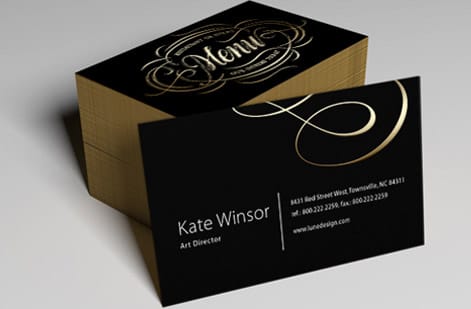
File setup for a tag follows standard print prep on a small canvas. Design at the final tag size, add 0.125 in of bleed so trimmed edges never show white, keep text inside a safe margin and clear of the hole, and work in CMYK. Design both sides: the logo and price on the front, and care details, sizing, or the brand story on the back, so the small tag still carries everything a shopper needs.
Cost follows quantity, size, material, finish, and extras like foil, die-cutting, and string. Quantity is the biggest lever, so tags get very affordable per piece in the runs a full clothing line requires. You set each option in the configurator and the total updates live, so you can compare a plain cardstock tag against a foiled or die-cut version before you commit.
From there it is picking the product and specs. Use the live specs and pricing panel below to see exact sizes, materials, and finishes for clothing hang tags, or start from custom hang tags to build any size and shape from scratch.
Wally sizes the tag to the garment
2 by 3.5 for most, scaled up or down
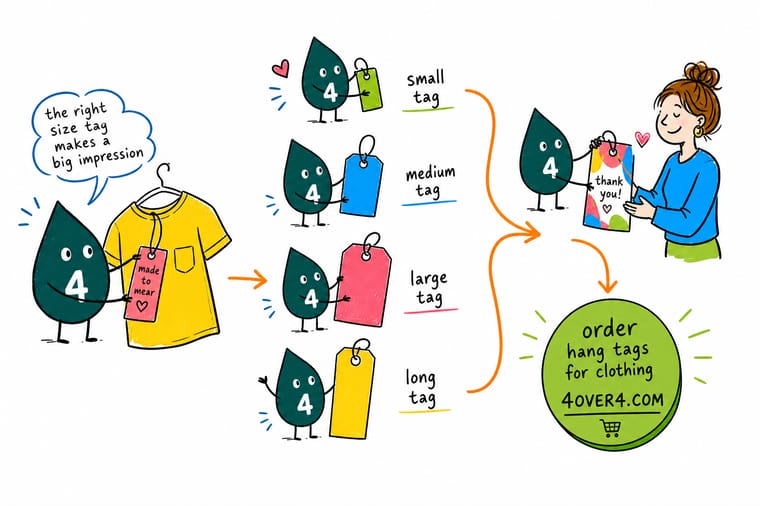
Wally fits the tag to the piece: a 2 by 3.5 for most clothing, a small square for accessories, a bigger tag for outerwear. Punch the hole a quarter inch from the top for the string, pick cardstock, kraft, or plastic, and design both sides. Build your tag and 4OVER4 prints, finishes, and cuts it clean.
Order your clothing tags →Step by step
Design and order a clothing tag in 6 steps
- Pick the tag size for the garment Start from the standard sizes and match the tag to the item. A 2 by 3.5 covers most clothing, a smaller square suits accessories, and a larger tag suits outerwear and premium pieces.
- Choose the orientation and shape Portrait tags hang naturally from a garment, and you can go square or add a die-cut shape or rounded corners for a distinctive brand look.
- Plan the hole and attachment Add a punched hole about 0.25 inch from the top, sized for your string, ribbon, or plastic loop, and keep it centered so the tag hangs straight.
- Pick the material and finish Choose a heavy 14 to 16 pt cardstock for a solid feel, kraft for a natural look, or a laminated or plastic stock for durability, then add a gloss, matte, or specialty finish.
- Design both sides with a safe margin Put the logo and price on the front and care or sizing details on the back, keep text inside a safe margin, work in CMYK, and add 0.125 in of bleed.
- Export a press-ready file and order Flatten and export a press-ready PDF, run it through the free file check, and order your custom clothing tags in the quantity your line needs.
Specs and pricing
Clothing hang tag specs and live pricing
Once the size is set, material, finish and string are what is left. Clothing hang tags run 50 for $25.27, which is $0.51 each.

| Quantity | Price Per Unit | Total |
|---|---|---|
| 50 | 50.5¢ | $25.27 |
| 100 | 28.6¢ | $28.56 |
| 200 | 15.9¢ | $31.86 |
| 300 | 12.4¢ | $37.35 |
| 400 | 10.2¢ | $40.64 |
| 500 | 8.79¢ | $43.94 |
| 600 | 8.24¢ | $49.43 |
| 700 | 7.53¢ | $52.73 |
Order it
Print custom clothing hang tags
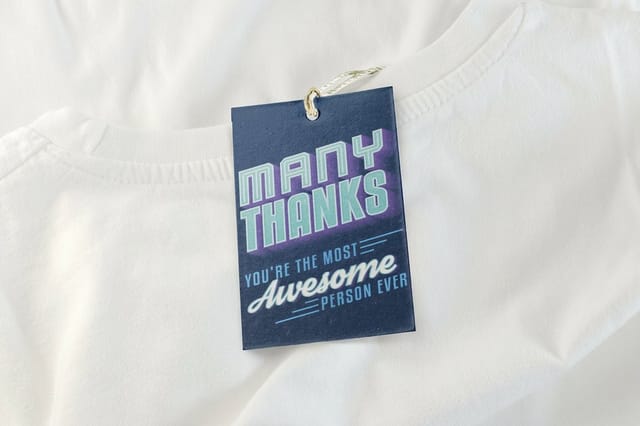
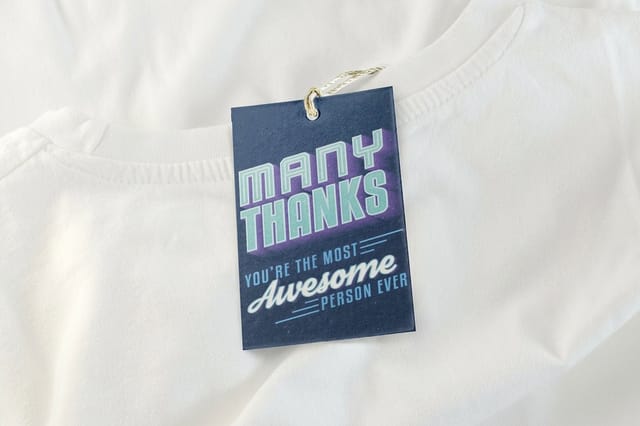
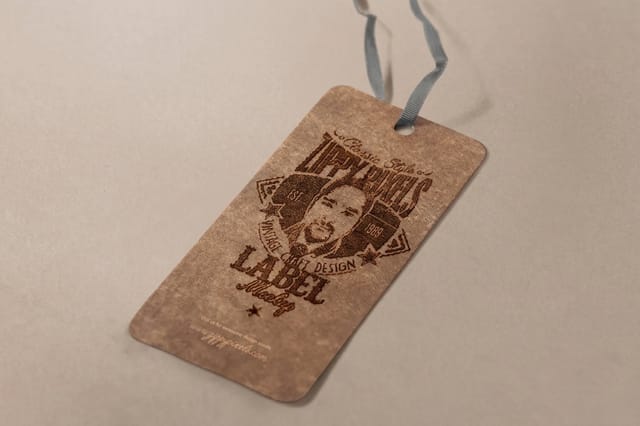
See it in use
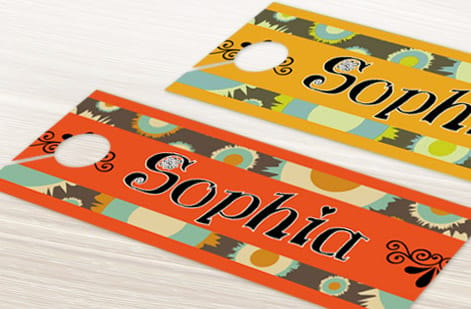
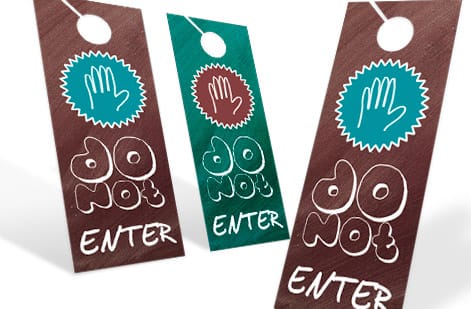
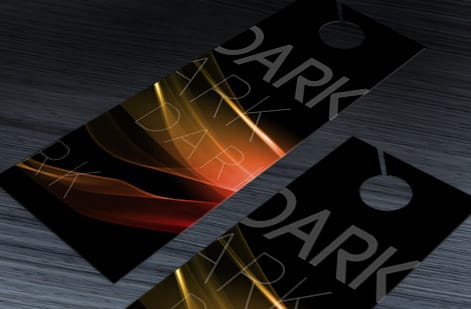
Tags we drilled and strung for lines


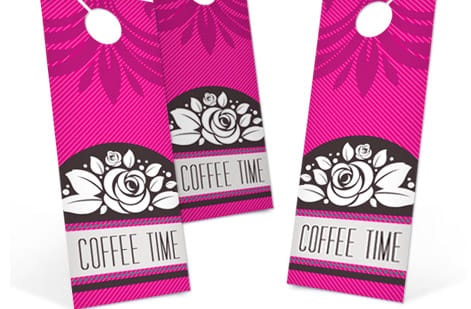
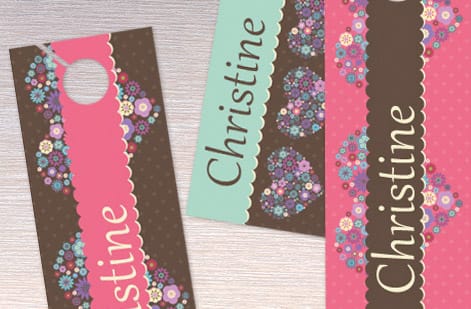

Explore more
Where to go next

By the numbers
Paper weights behind a clothing hang tag
Common Questions
Common questions about clothing tag sizes
What is the standard hang tag size in mm?
The standard clothing hang tag is 50.8 by 88.9 mm, which is 2 by 3.5 inches, the same footprint as a business card. In centimeters that is 5.08 by 8.89 cm. The other common sizes in metric are 38.1 by 76.2 mm for a slim garment tag, 50.8 by 50.8 mm for a small accessory square, 63.5 by 63.5 mm for a square brand tag, and 50.8 by 101.6 mm for outerwear and premium pieces. Add about 3.18 mm of bleed on every edge and keep text 3.18 mm inside the trim, and punch the string hole about 6.35 mm from the top.
What is the standard clothing tag size?
The most common clothing hang tag size is 2 by 3.5 inches, the same footprint as a business card. It gives you enough room for a logo, the garment size, a price, and a short brand line without adding noticeable weight or looking oversized on the piece. Smaller items like socks and accessories often use a 2 by 2 or 1.5 by 3 tag, while jackets and premium apparel can carry a larger 2 by 4 or square 2.5 by 2.5 tag. The right size scales to the garment, so a single line of clothing may use two or three tag sizes across its products.
What has to fit on the tag besides the logo?
Match the tag to the garment and to how much information it needs to carry. For everyday shirts, knitwear, and most apparel, a 2 by 3.5 tag is the reliable default. Go smaller, to a 2 by 2 square or a slim 1.5 by 3, for accessories, socks, and delicate items where a large tag would look bulky or drag the fabric. Go larger, to a 2 by 4 or bigger, for outerwear and premium pieces that can carry a brand story and care instructions. Also consider the string or loop and the hole placement, since those affect how the tag hangs and reads on the rack.
What does a clothing tag cost and how are prices set?
Clothing tag price is set by quantity, size, material, finish, and any extras like die-cut shapes, foil, or string. Quantity is the biggest lever, so the per-piece price drops sharply as the run grows, which makes tags very economical for a full product line. A standard size on a heavy cardstock is the affordable base, while kraft, plastic, laminates, metallic foil, and custom shapes add to it. You set each option in the configurator and the total updates live, so you can compare a plain cardstock tag against a foiled or die-cut version before you order.
What sizes, materials, and finishes are available for clothing tags?
Standard sizes include 2 by 2, 1.5 by 3, 2 by 3.5, 2.5 by 2.5, and 2 by 4 inches, with custom and die-cut shapes and rounded corners available. Materials range from heavy 14 to 16 pt cardstock to natural kraft, durable plastic, and laminated stocks, and finishes include gloss, matte, soft-touch, metallic foil, and spot treatments. You can also add a punched hole and choose a string, ribbon, or plastic loop to attach the tag. The product page lists every size, material, and finish with its live price so you can build the exact tag your brand needs.
How long do clothing tags take to print and ship?
Clothing tags print on a standard schedule, with most orders moving into production the same or next business day once the artwork passes the free file check. Special finishes like foil, die-cutting, and hole punching add a little finishing time, and larger runs are batched efficiently. The exact production and shipping estimate appears in the configurator as you build the order, so you always see the timeline before checkout. If you are tagging a seasonal collection or a launch, order with a little lead time so the tags arrive before the garments hit the floor.
Where does the hole go on a clothing hang tag?
The hole usually sits centered near the top of the tag, about 0.25 inch down from the top edge, so the tag hangs straight and the string or loop does not tear through. Keep the hole clear of your logo and text by holding those inside the safe margin, and size the punch to your attachment: a thin string needs only a small hole, while a wider ribbon or a plastic loop needs a slightly larger one. For a portrait tag this top-center placement is standard, but a die-cut or uniquely shaped tag may move the hole to suit the design, as long as it still balances when it hangs.
What material is best for clothing tags?
The best material depends on the brand feel and the wear the tag will take. A heavy 14 to 16 pt cardstock is the versatile default, solid in the hand and ready for any finish. Kraft stock reads natural and sustainable, which suits organic, handmade, and outdoor brands. Plastic and laminated tags resist bending and moisture, which helps on high-turnover racks and for items handled a lot in store. For a premium touch, add soft-touch lamination, metallic foil, or a spot finish on a heavy stock. Matching the material to your brand story matters as much as the size, because the tag is often the first thing a shopper feels.
Get Started
Order 100 die-cut hangtags at $0.36 each
Order custom clothing hang tags at 4OVER4.COM in every size on cardstock, kraft, or plastic. Adjust size, material, finish, and string and watch your price update live.
Legal Disclaimer
Gold Standard guarantees apply to all standard orders placed through 4over4.com. Price match requires verifiable proof of a competitor's published price for an equivalent product with matching specifications and turnaround time. Satisfaction guarantee covers manufacturing defects and print quality issues. Contact support with order number and documentation. On-time delivery rate based on tracked orders 1999 to 2026. Individual results may vary based on shipping carrier performance.
