
Print Shop Prices Explained and What Really Drives Them


Nadia is our customer education voice, built from the knowledge of our production team, with over 20 years in printing.
The price on a print job is three costs wearing one price tag, which is why a job can start at $16.48 for 50 postcards or $240.55 for 25 booklets. Below: what setup, paper and finishing each contribute, why quantity changes everything, and when online printing beats the shop on the corner.
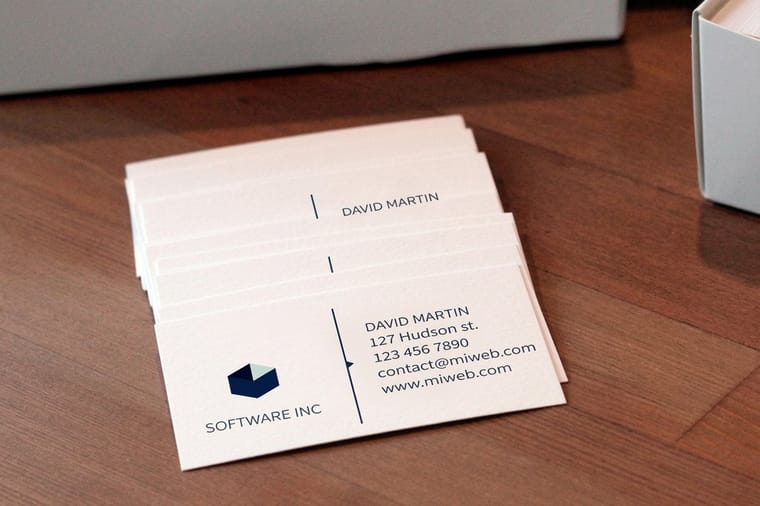
Print shop prices are built from a fixed setup cost, a per-sheet cost for paper and ink, and finishing labor, and setup is spread across the whole run. That is why 500 pieces cost barely more than 100, and why online gang-run printing, which shares one press sheet across many customers, undercuts storefront pricing on standard products. At 4OVER4.COM, standard postcards start at $16.48 and standard business cards at $17.57, with the exact price shown live as you configure.
Quick answer
One fixed cost, two per-sheet costs, and quantity decides who wins
Every print price is setup plus paper plus finishing, and only setup is fixed. Spread across 100 pieces, setup dominates and the unit price looks steep: 100 standard postcards cost $24.16, about 24 cents each. Spread across 1,000, it nearly vanishes and paper becomes the price: 1,000 cost $86.78, about 9 cents each. Online printers push this further by gang-running many customers on one press sheet, which is why a standard run ordered online costs less than the same run from a storefront that runs it alone and prices in the rent.
The Three Numbers Hiding Inside Every Print Quote
Every print quote, whether it comes from a strip-mall copy shop or a web configurator, is three costs wearing one price tag.
Setup is the fixed part. Checking and imposing your file, loading plates or calibrating the digital press, and running make-ready sheets until color settles. It costs the same whether 100 pieces follow or 10,000, which is the single most important fact in print pricing.
Paper and ink are the per-sheet part. Each piece consumes real cardstock and real press time. Stock is the lever here: 16pt costs more than 14pt, and specialty stocks more again. Our cardstock weight guide covers what each point size actually feels like before you pay for it.
Finishing is the labor part. Cutting is the minimum every job gets. Folding, scoring, coating, foil and binding each add a machine pass, and some add material too. That is why standard booklets start at $240.55 while standard postcards, which print flat and only need trimming, start at $16.48.
Read any quote through this lens and the mystery drains out of it. A high price on a small run means setup is dominating. A high price on a big run means stock or finishing is doing the work.
What Is a Reasonable Price for a Print Job
A reasonable price depends on the piece and the quantity, so judge it per piece at the run you need. At 4OVER4.COM, at each product's starting size and stock, a flat card lands between 7 and 24 cents a piece and a brochure between 18 and 82 cents, depending on how many you order.
| Product and starting stock | 100 pieces | 500 pieces | 1,000 pieces | Production |
|---|---|---|---|---|
| Business cards, 14pt gloss cover | $17.57, about 18 cents each | $36.26, about 7 cents each | $65.91, about 7 cents each | 3 business days |
| Postcards, 14pt gloss cover | $24.16, about 24 cents each | $51.62, about 10 cents each | $86.78, about 9 cents each | 3 business days |
| Flyers, 100# gloss text | $57.11, about 57 cents each | $108.75, about 22 cents each | $126.32, about 13 cents each | 3 business days |
| Brochures, 100# gloss text | $82.38, about 82 cents each | $155.97, about 31 cents each | $180.13, about 18 cents each | 3 business days |
Read across any row and the per piece price falls fastest between 100 and 500, then flattens toward 1,000, which is setup being absorbed. A single US letter page is not a job we price on its own, since runs start at 50, but flyer runs start at 50 for $39.54, about 79 cents a sheet, and the configurator prices an 8.5 by 11 sheet exactly. Upload a print ready PDF at the finished size with bleed, and the configurator shows the exact total before you order.
Why 500 Pieces Cost Barely More Than 100
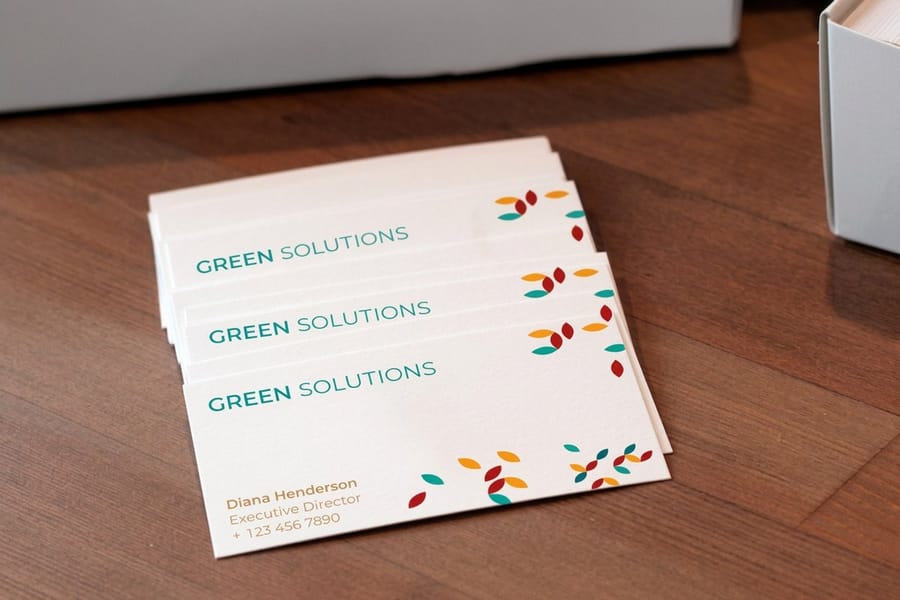
Once the press is set up and running, extra sheets are the cheap part. So the total price climbs gently with quantity while the per-piece price falls off a cliff, steepest at the start, flattening as the fixed cost gets fully absorbed. Standard business cards show it plainly: 100 cost $17.57 and 500 cost $36.26, so five times the cards costs about twice the money.
Here is where the starting prices at 4OVER4.COM actually come from, and what moves each one after that:
| Product | Starts at | What moves the price most |
|---|---|---|
| Standard postcards | $16.48 | Size and quantity. Flat piece, trim-only finishing, so it starts near the floor. |
| Standard business cards | $17.57 | Stock weight and coating. The small format keeps paper cost low even in bulk. |
| Standard flyers | $39.54 | Sheet size and paper choice. Bigger sheet, more stock consumed per piece. |
| Standard brochures | $57.11 | Fold style and stock. Every fold is a finishing pass, heavier stocks need scoring first. |
| Standard booklets | $240.55 | Page count and binding. Collating and stitching touch every single copy. |
The practical move is to price the next break before you settle on a number. If 500 costs 20 percent more than the 250 you were about to order, the extra 250 pieces are close to free. The price-break guide walks the quantity cliffs product by product.
Online Printing vs the Print Shop on the Corner
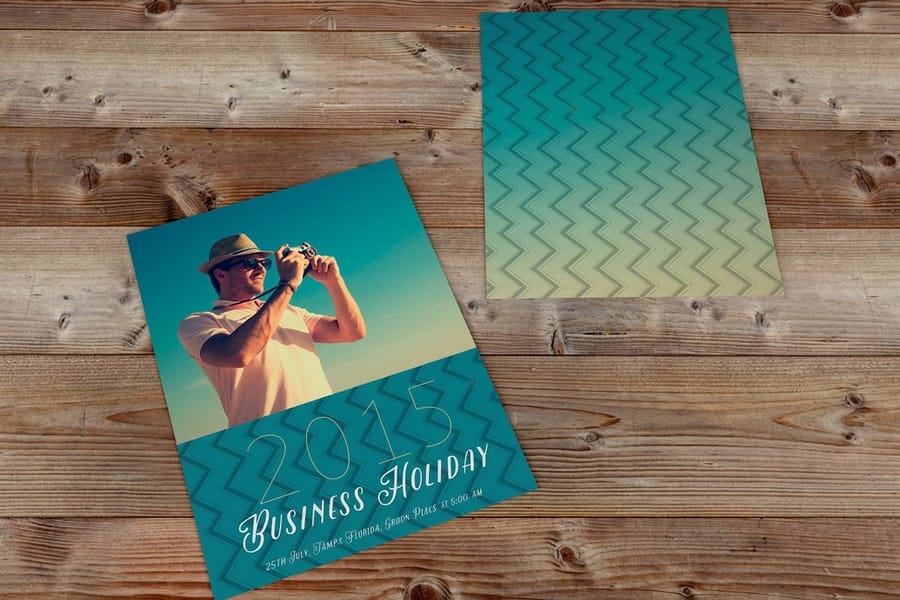
The price gap between a local shop and an online printer is structural, and it comes from two places. It shows most on flat standard pieces, such as 4x6 postcards on 14pt gloss cover.
Gang-run production. A large press sheet holds far more than one order. An online printer fills it with jobs from dozens of customers who all want the same stock and coating, runs it once, and splits the setup across everyone on the sheet. A local shop runs your 250 cards as their own job and bills you the whole make-ready. Same press quality, opposite arithmetic. Our guide to how online printing works follows a job through this pipeline step by step.
Overhead. A storefront pays retail rent, keeps staff at a counter, and prices both into every order. A production facility runs presses in bulk from one building and ships. None of that shows up on a proof, all of it shows up on the invoice.
Now the honest limits, because the local shop genuinely wins twice. If you need pieces in hand today, a shop with a digital press across town beats any shipping schedule. And if a job is risky enough that you want to stand over a proof before committing, being in the room has real value. The full comparison lives in local printer vs online printing. With two or more days of lead time and a standard product, though, you are paying storefront overhead for reassurance you can get from a free sample pack instead.
How to Pay Less Without Cheapening the Job
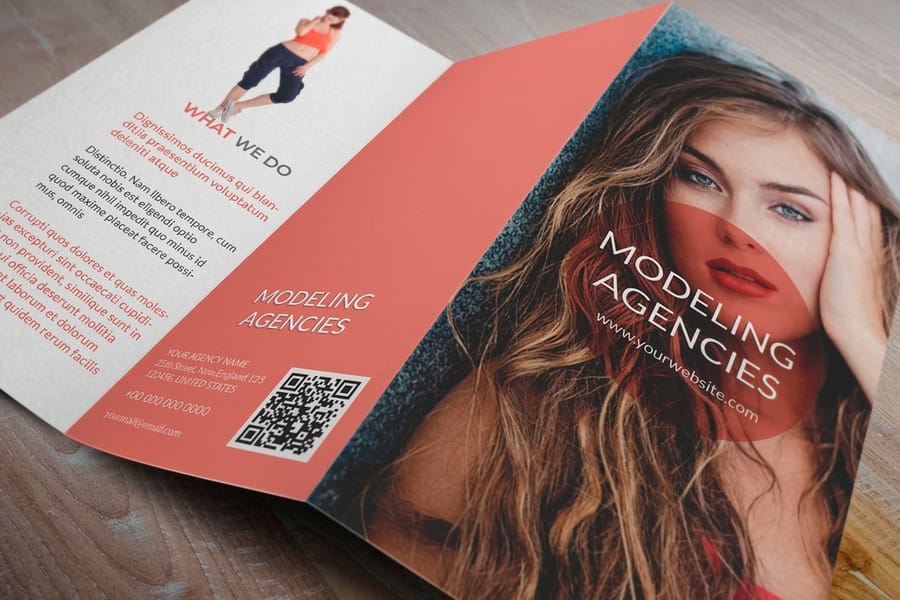
The clean way to cut a print bill is to attack setup and stack discounts, not to downgrade the piece someone will actually hold.
Price it live before you commit. Every product page at 4OVER4.COM shows the exact price as you toggle quantity, stock, coating and turnaround. Move the quantity up a break and watch the per-piece number. Toggle the finish on and off and see precisely what it costs. No quote request, no waiting for a callback, and no surprise at checkout. Start with standard business cards and the mechanism is obvious in thirty seconds.
Combine runs instead of splitting them. Two orders of 250 pay setup twice. One order of 500 pays it once. If three people at your company order cards separately, batching them into one order with multiple designs is the cheapest fix nobody uses.
Then stack what 4OVER4.COM already offers. The Price Match Guarantee means a genuinely lower like-for-like quote elsewhere becomes your price here. Daily Deals rotate real markdowns across the catalog, worth a look before any routine reorder. And coins accumulate on every order and come off future totals at checkout, which quietly turns repeat printing into discounted printing.
Do not cut the stock on a piece that gets handed over. Dropping 16pt to a flimsy stock to save a few dollars on a box that lasts months is the one saving a recipient can feel. Slower turnaround, smarter quantity and stacked discounts save more and show less.
Wally explains print pricing
Three stacks of coins, and only one of them shrinks
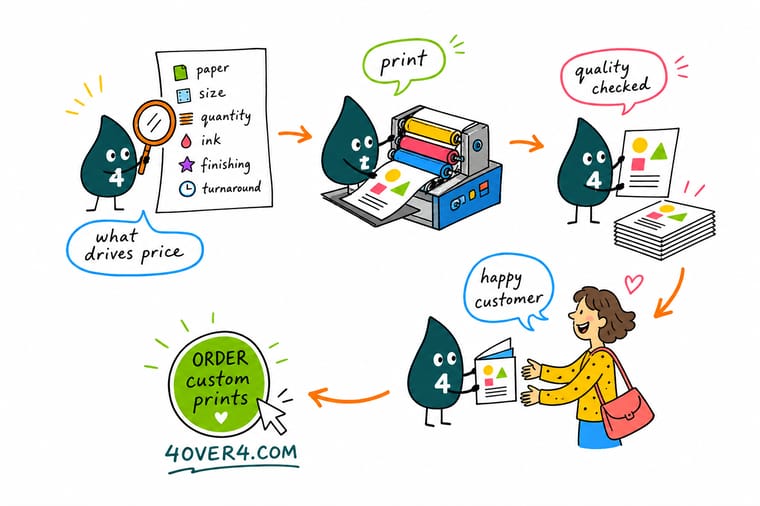
Wally splits your quote into three stacks: setup, paper, and finishing. The setup stack is the same height whether you print 100 pieces or 1,000, so the more you print, the thinner its slice of each piece gets. The paper and finishing stacks grow with every sheet and never shrink. Then he slides the whole job onto a gang-run press sheet next to thirty other orders, and everyone splits the setup stack together. That is the entire secret of online print pricing, and it is why he grins at quotes that hide the quantity breaks.
Price a job in the configurator →
Specs and pricing
Live starting prices, straight from the configurator
Standard business cards start at $17.57 for 100 in four sizes on 73 stocks, flyers at $39.54 for 50 in nine sizes up to 11x25.5, and postcards at $16.48 for 50 in 14 sizes, all in 3 business days. Pick a quantity, stock and turnaround below and the price updates before you commit to anything.


Print it
Price a real job and watch the numbers move
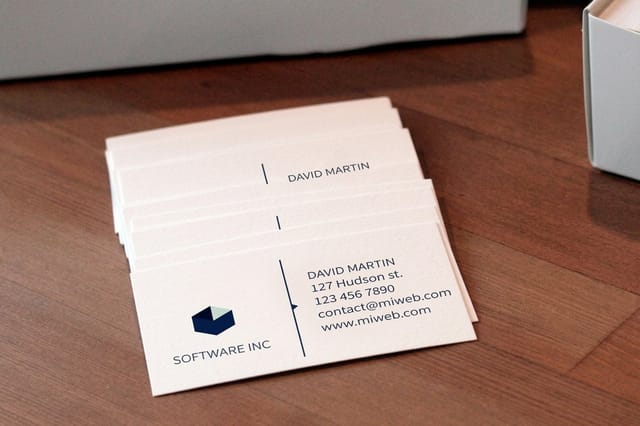
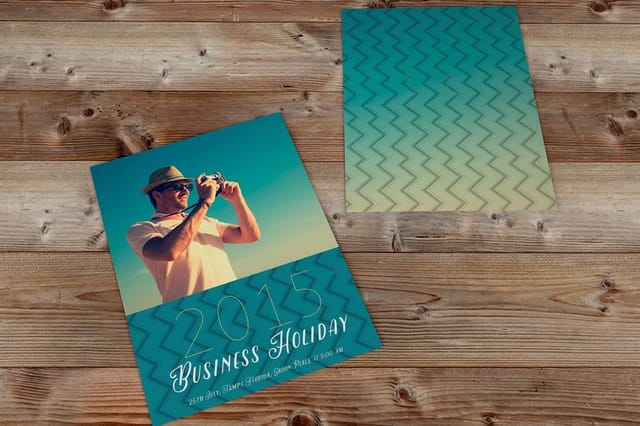
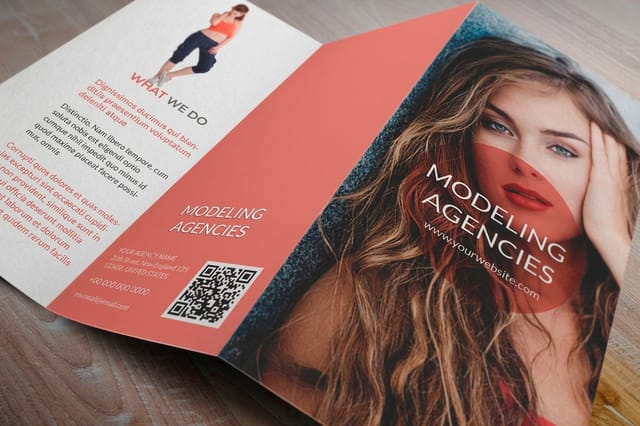
Start with 500: business cards come to $36.26, postcards to $51.62 and brochures to $155.97. Then change one option at a time, stock, size or fold, and watch which one moves the total.

Explore more
Where to go next
Next reads by the cost question you have left: where each price break sits, what a box of business cards costs at each spec, and when a local printer earns its markup.
By the numbers
Pricing you can hold us to at 4OVER4
Common Questions
Your print pricing questions, answered
Why is online printing so much cheaper than a local print shop?
Two structural reasons, not a quality difference. First, gang-run production: an online printer collects many customers' jobs onto one large press sheet, so the setup and make-ready that a local shop bills entirely to you gets split across dozens of orders. Second, overhead: a storefront pays retail rent and counter staff on every order, while a production facility runs presses around the clock and ships from one location. The press, the ink and the cardstock are the same. What changes is how many people share the fixed costs.
Why do 500 business cards cost barely more than 100?
Because most of what you pay for a small run is setup, not paper. Preparing the file, imposing the sheet and getting the press up to color happens once per job. A run of 500 uses the same setup as a run of 100 and only adds sheets of cardstock, which are cheap by comparison. That is why the jump from 100 to 500 moves the total price a little while cutting the per-card price a lot, and why ordering just below a price break is usually a mistake.
What actually makes one product start cheaper than another?
How much work sits in the job before a single sheet prints, and how much finishing follows. Standard postcards start at $16.48 at 4OVER4.COM because they print flat and only need cutting. Standard brochures start at $57.11 because folding adds a machine pass and scoring on heavier stocks. Standard booklets start at $240.55 because every copy has to be collated, bound and trimmed. The starting price is mostly a map of the finishing line.
How much more does a premium finish cost?
Enough to plan around, not enough to rule out. Standard business cards start at $17.57 and raised foil business cards start at $86.78 at 4OVER4.COM, and that gap is the honest cost of an extra press pass plus foil material. The practical question is per piece over the life of a box: a raised foil card handed to a prospect costs well under a dollar more than a standard one. Spend it where the card gets handed over, skip it on anything mailed in bulk.
What is the Price Match Guarantee and when does it apply?
If you find a lower advertised price from another printer for the same product, quantity, stock and turnaround, 4OVER4.COM matches it. The like-for-like part matters: a cheaper quote on thinner stock or a slower turnaround is a different product, not a lower price. Details and the claim process are on the Price Match Guarantee page, and it works alongside Daily Deals rather than instead of them.
How much to print 1 A4 page?
We do not print single pages, and our sheets use US sizes, so the nearest job is an 8.5 by 11 inch flyer, the US letter counterpart of A4. Flyer runs start at 50 for $39.54, about 79 cents a sheet on 100# gloss text at the starting size, and 1,000 cost $126.32, about 13 cents each, printed in 3 business days; pick 8.5 by 11 in the configurator for the exact letter price.
How do 4OVER4 coins actually reduce what I pay?
Coins are the loyalty currency. You earn them on orders and on simple actions like leaving a review or sharing, and you spend them at checkout as a direct discount on the order total. They accumulate whether or not you plan to use them, so a repeat buyer who ignores coins is quietly overpaying. The balance and the earning options live under the loyalty section of your account.
Get Started
See your exact price before you spend a cent
Open any product, set the quantity, stock and turnaround, and the real price is on screen in seconds. Match it against any quote you have, and let the Price Match Guarantee settle the rest.
Legal Disclaimer
Gold Standard guarantees apply to all standard orders placed through 4over4.com. Price match requires verifiable proof of a competitor's published price for an equivalent product with matching specifications and turnaround time. Satisfaction guarantee covers manufacturing defects and print quality issues. Contact support with order number and documentation.
