
Business Card Printer vs Online Printing Compared


A desktop printer and a commercial press are not the same purchase. Toner, perforated stock and the cutter are the costs that make home printing lose at almost any volume.
For almost everyone, ordering business cards online costs less per card and looks noticeably better than buying a printer to make them at home. A desktop printer, blank stock, and ink add up quickly, cannot match a commercial press on finishes like thick stock, foil, or rounded corners, and eat your time. A home printer only wins for tiny, last-minute, disposable batches. For anything you hand to a client, professional online printing is cheaper at real quantities and far more polished.
Start here
Toner, stock, cutter, and time
A home business card printer makes sense only for tiny, last-minute, disposable batches; for anything professional, ordering online is both cheaper at real quantities and far higher quality. DIY hides its cost in ink, blank stock, and your time, and it cannot match a press on finishes. The cost comparison below lays the two side by side so you can see where the crossover really is.
What a home business card printer really involves
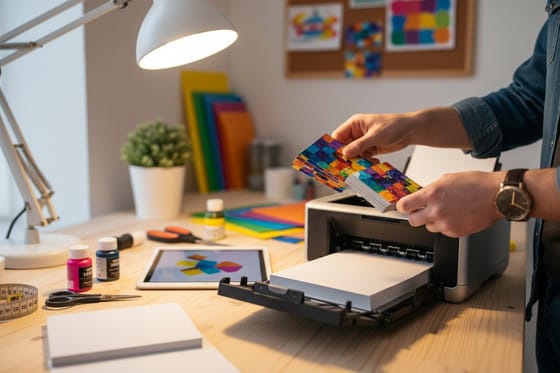
Making business cards at home sounds simple: buy a printer, load some blank card stock, hit print. In practice it is a chain of small frustrations. You need perforated or pre-scored sheets, careful alignment so nothing prints crooked, enough ink for saturated color, and a way to cut or snap the cards cleanly. Each step is a place for the result to look homemade.
The equipment is only the entry fee. The real ongoing cost is consumables, ink cartridges and specialty blank stock, which add up fast per card. And the finish ceiling is low: a desktop printer cannot lay down the heavy stock, crisp trimmed edges, and rich even color that make a card feel professional. That gap is exactly what a commercial press delivers on classic business cards.
The quality gap you can feel
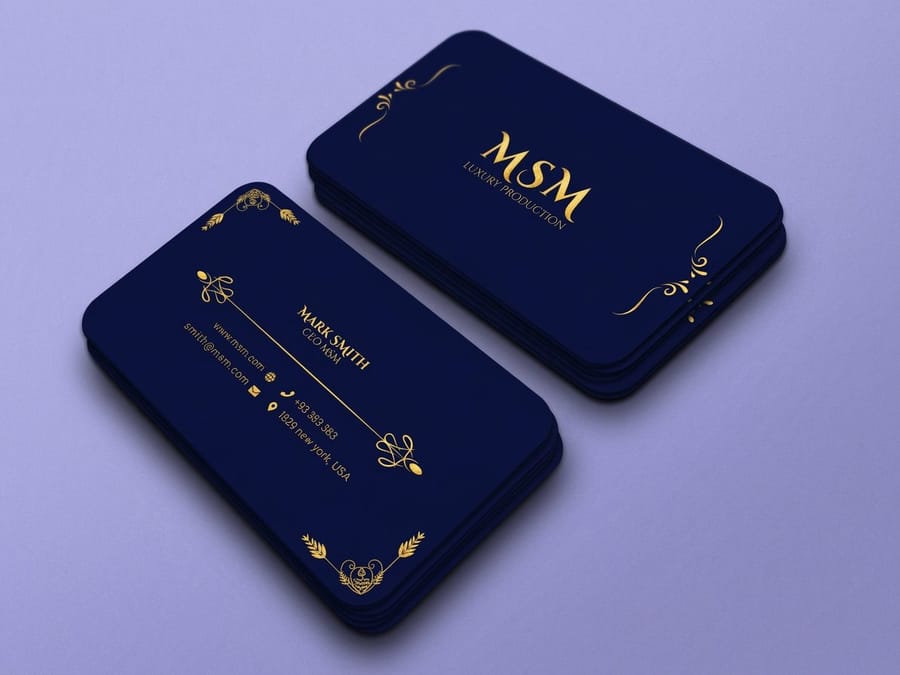
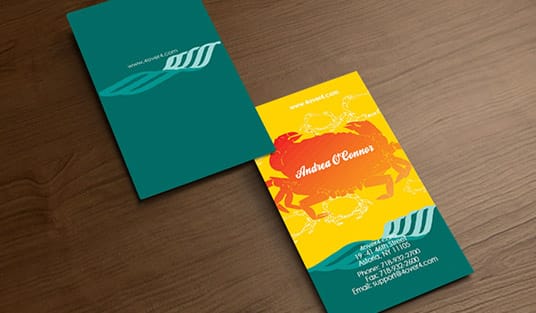
Hand someone a home-printed card and a professionally printed one and the difference is immediate. Commercial cards use heavier stock that feels substantial, edges cut clean and straight by a press blade, and color that is even and saturated across the whole card. Home printers tend toward thinner stock, slightly ragged edges, and color that can band or look washed.
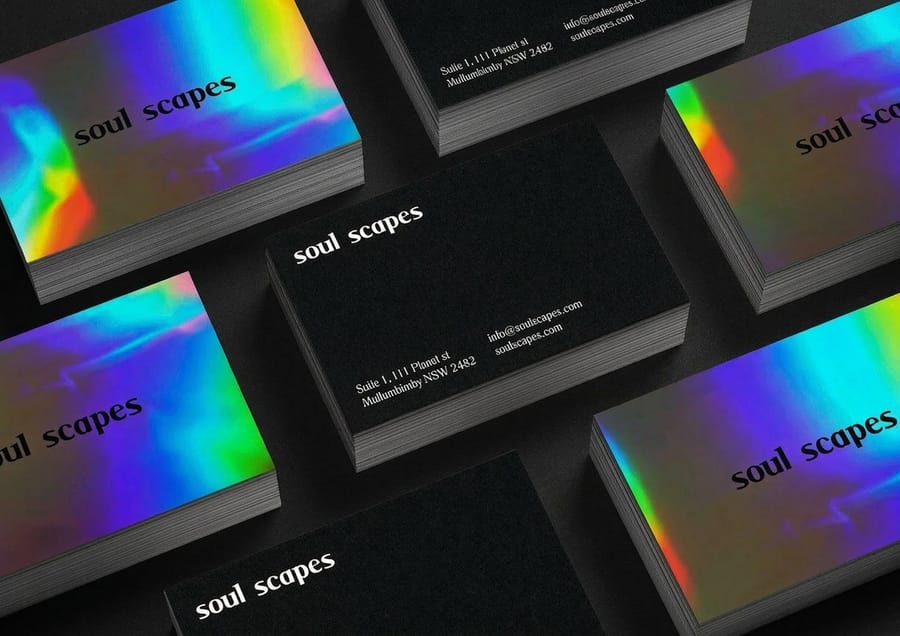
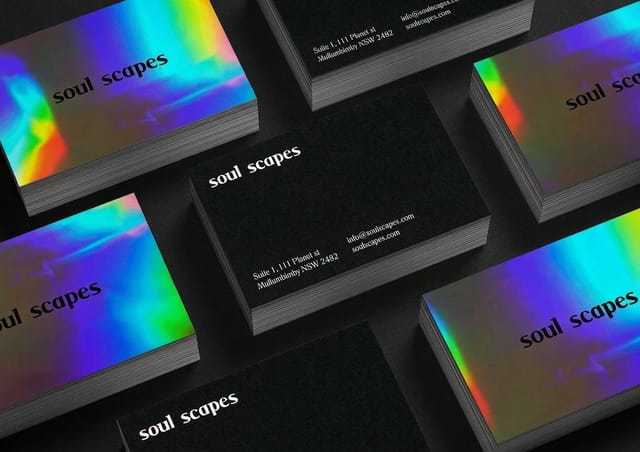
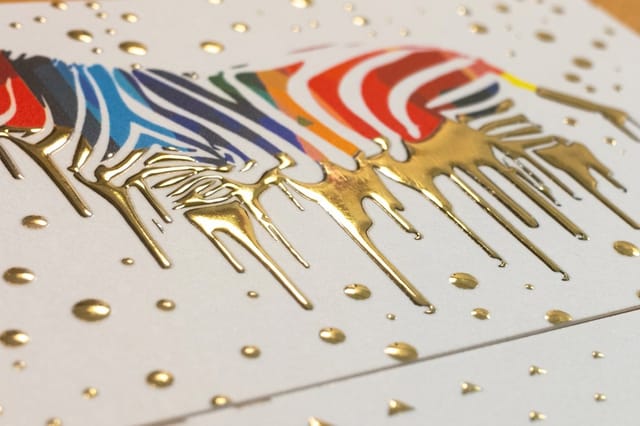
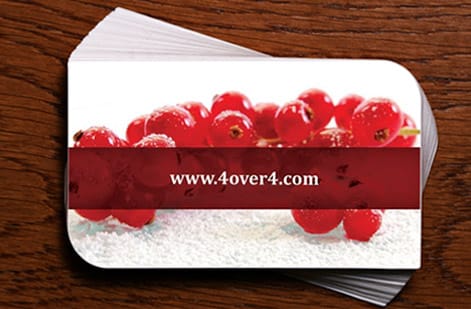
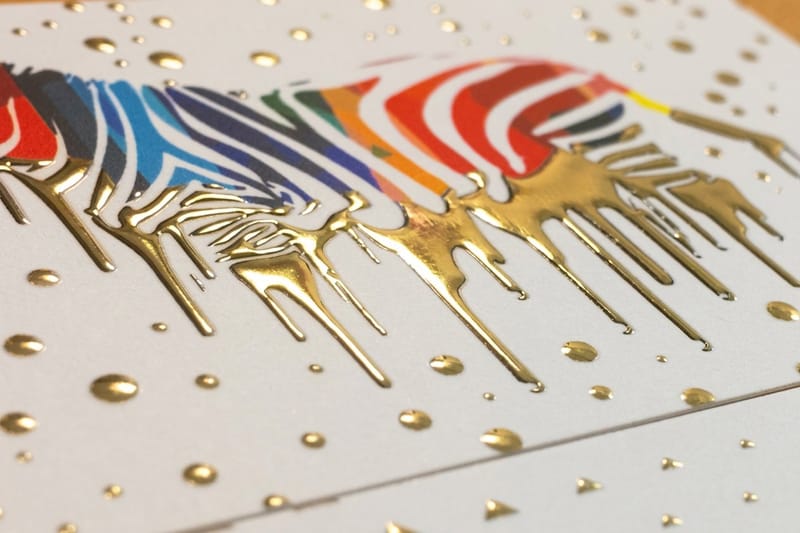
Then there are the finishes a desktop simply cannot do. Rounded corners, raised foil, spot gloss, painted edges, and premium textured stocks are everyday options online and impossible at home. If you want your card to signal that you take your work seriously, those touches matter, and they live on products like raised foil business cards and custom business cards. Our online design tool at the 4OVER4 designer lets you set them up without any special software.
The real cost math
DIY feels cheaper because the printer is a one-time buy, but the per-card math tells a different story. Once you add the cost of blank card stock, ink coverage on a full-color design, wasted misprints, and the sheets you ruin learning to align them, the true cost per usable card climbs well above what you would guess. And it never drops, because every card consumes fresh ink and stock.
Online printing runs the opposite way. The per-card price falls as quantity rises, so a run of 100 or 500 cards costs dramatically less each than a handful, and typically less than DIY stock and ink for the same count, with none of the labor. You set quantity, stock, and finish in the live configurator and watch the total update, so the crossover is easy to see for yourself on standard business cards.
The time cost nobody prices in
Even if the money were a wash, the time rarely is. A DIY batch means designing within your printer's limits, test prints to check alignment and color, feeding stock a sheet at a time, and then cutting or snapping every card, hopefully straight. For a professional who bills for their hours, that afternoon is the most expensive part of the whole exercise.
Ordering online collapses that to a few minutes: pick a product, drop your design into a template, choose stock and finish, and hand the printing, trimming, and quality control to people and machines built for it. The full business card range covers everything from simple everyday cards to premium finishes, so the time you save is not traded against quality.
When a home printer actually makes sense
To be fair, DIY has a narrow sweet spot. If you need five rough cards in the next hour for a casual meetup, a temporary event badge, or a quick placeholder, a home printer is genuinely the faster path, and quality does not matter much for something disposable. Prototyping a layout on paper before you order a real batch is another reasonable use.
But that is the whole list. The moment the card represents you to a client, a recruiter, or a customer, the calculus flips hard toward professional printing, which is cheaper at real quantities and far more polished. For anything you actually hand out, order business cards online and keep the home printer for the throwaway five.
Wally runs the real cost math
Cheaper at volume, and it actually looks the part
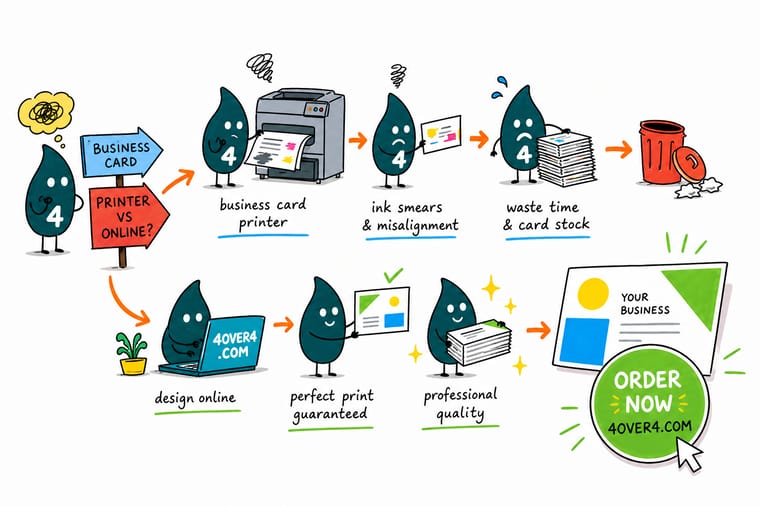
Wally adds up what a home printer really costs: the ink, the blank stock, the ruined sheets, and the hours cutting cards by hand. Then he compares it to an online run at 100 or 500 cards, cheaper each and finished on stock a desktop can never touch. Keep the home printer for five throwaway cards, and let 4OVER4 print the ones you actually hand out.
Order business cards →Quick reference
DIY versus online at a glance
The honest comparison across the factors that actually decide which route fits your cards.
| Factor | Get it to | Why it matters |
|---|---|---|
| Upfront cost | Online: none | A home printer is a purchase, while online printing has no equipment to buy before you order. |
| Cost per card at volume | Online wins | Online per-card price drops with quantity, usually below DIY stock and ink, with no labor. |
| Stock and edge quality | Online wins | A press delivers heavier stock and clean straight edges a desktop printer cannot match. |
| Finishes | Online only | Foil, spot gloss, rounded corners, and painted edges are impossible on a home printer. |
| Time | Online wins | Online replaces hours of aligning, printing, and cutting with a few minutes of setup. |
| Best case for DIY | Tiny disposable runs | A home printer only wins for a handful of rough, last-minute, throwaway cards. |
Step by step
Decide and order in 6 steps
- Define what the card is for If it represents you to a client, recruiter, or customer, quality matters and online printing wins. If it is disposable, DIY may be fine.
- Count how many you need At real quantities like 100 or 500, online per-card cost drops below DIY. Only a handful of throwaway cards favors a home printer.
- Decide which finishes you want If you want thick stock, foil, rounded corners, or spot gloss, only a commercial press can deliver them.
- Value your time honestly Add the hours of designing, aligning, printing, and cutting DIY cards. For most professionals, that alone tips the scale online.
- Set up your design Use a template and the online design tool to build a clean, press-ready card without special software.
- Choose stock, finish, and quantity Set your options in the configurator, watch the per-card price fall with quantity, and order cards built to represent you.
Specs and pricing
Live business card specs and pricing
Classic business cards run 100 for $17.57, which is $0.18 each, so the comparison against DIY is a real number.
| Quantity | Price Per Unit | Total |
|---|---|---|
| 100 | 17.6¢ | $17.57 |
| 200 | 11.5¢ | $23.07 |
| 300 | 9.15¢ | $27.46 |
| 400 | 7.96¢ | $31.86 |
| 500 | 7.25¢ | $36.26 |
| 600 | 6.77¢ | $40.64 |
| 700 | 6.43¢ | $45.04 |
| 800 | 6.18¢ | $49.43 |
Print it
Get professional business cards from 4OVER4
See it in use
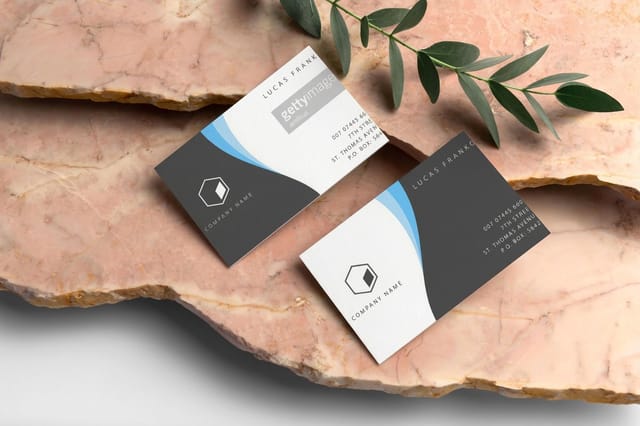
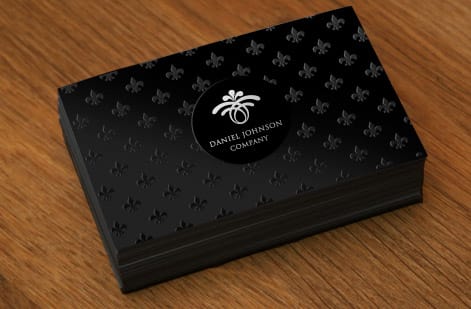
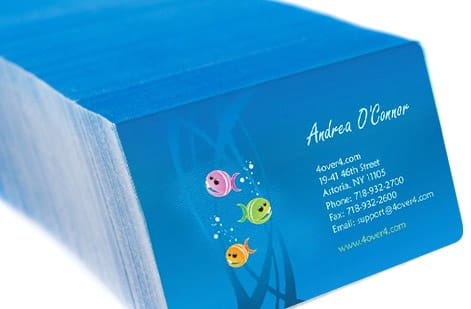
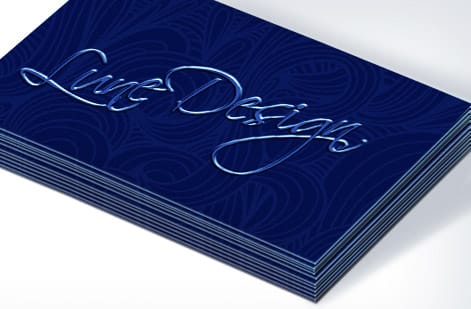
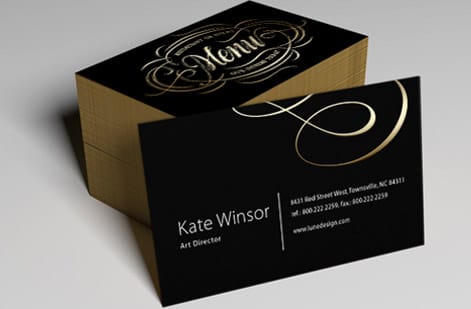
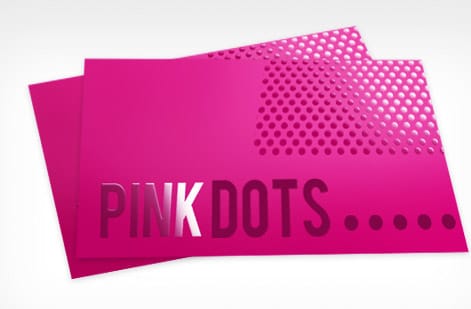
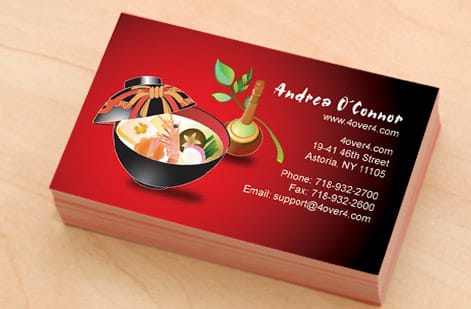
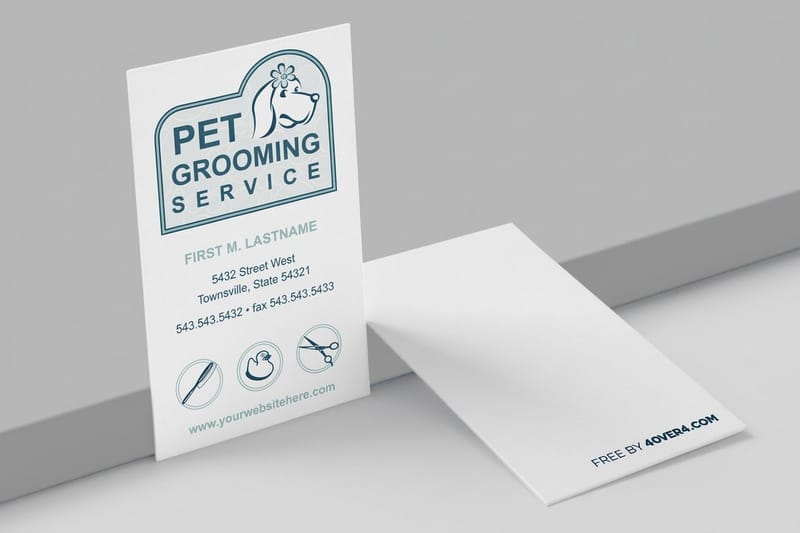
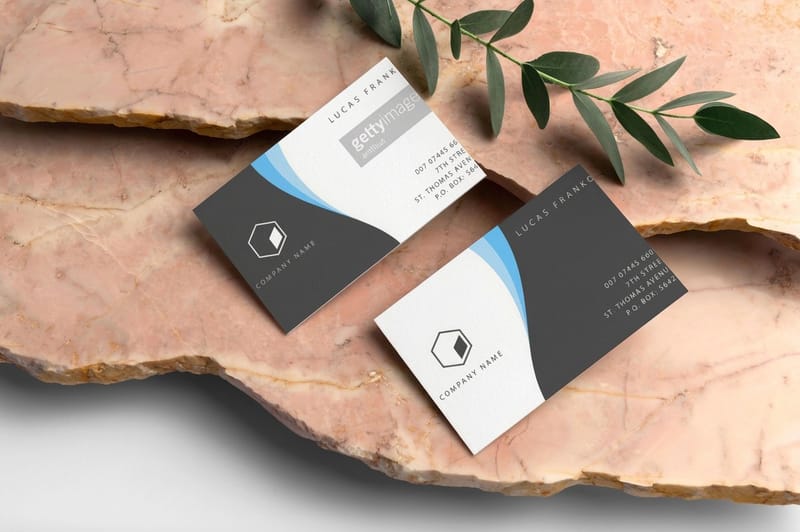
Cards off a commercial press
Explore more
Where to go next

By the numbers
Raised foil at $0.87, standard at $0.18
Common Questions
Common questions about printing business cards
Is it cheaper to print business cards at home or online?
At any real quantity, online is cheaper. A home printer looks cheaper because it is a one-time purchase, but the per-card cost of ink, blank card stock, and wasted misprints climbs well above expectations and never drops. Online printing runs the other way: the per-card price falls as quantity rises, so a run of 100 or 500 cards typically costs less each than DIY stock and ink for the same count, with none of the labor. DIY only comes out ahead for a tiny handful of disposable cards.
How do I choose between a business card printer and online printing?
Decide by purpose, quantity, finish, and time. If the card represents you professionally, you need more than a handful, you want finishes like thick stock or foil, or your time is valuable, online printing wins on every count. A home printer only makes sense for a tiny run of rough, last-minute, throwaway cards where quality does not matter. For anything you hand to a client, recruiter, or customer, professional online printing is both cheaper at volume and far more polished.
What does professional business card printing cost and how is price set?
Professional business cards are priced by quantity, size, stock, and finish, and quantity is the biggest lever: the per-card price drops sharply as you order more. A basic everyday card on standard stock is very affordable, while premium stocks and finishes like foil or rounded corners cost more. You set every option in the live configurator and the total updates as you adjust, so you can compare a simple run against a premium one and see exactly where it lands before you order.
What sizes, stocks, and finishes are available for business cards?
Business cards come in the standard size plus square and custom shapes, on stocks ranging from everyday card to thick premium, cotton, and kraft options. Finishes a home printer cannot touch are standard online: matte and gloss coatings, soft-touch, spot gloss, raised and flat foil, painted or gilded edges, and rounded corners. This range is exactly why professional printing looks the part, since the finishes that signal quality are simply not possible on a desktop printer.
How long do business cards take to print and ship?
Turnaround depends on the stock and finish you choose and your shipping method, since a simple card on standard stock moves faster than a foiled premium card. The product page shows the available production speeds and shipping options for your exact configuration, and the live configurator reflects how each choice affects the timeline. For most everyday cards, professional printing still turns around quickly enough to beat the time you would spend making a comparable batch at home.
When does a home business card printer make sense?
A home printer has a narrow but real sweet spot: a handful of rough cards you need in the next hour, a temporary event badge, a quick placeholder, or a paper prototype to check a layout before ordering a real batch. In those cases quality barely matters and speed is everything. But that is the entire list. The moment the card represents you to a client, recruiter, or customer, professional printing wins on cost at volume, quality, finishes, and time, so keep DIY for the throwaway five.
Get Started
Ready for cards that actually represent you?
Skip the ink, the blank stock, and the crooked cuts. Bring your design to 4OVER4 and print business cards on quality stock with finishes a desktop cannot touch, cheaper at volume. Set every option and watch your price update live.
Legal Disclaimer
Gold Standard guarantees apply to all standard orders placed through 4over4.com. Price match requires verifiable proof of a competitor's published price for an equivalent product with matching specifications and turnaround time. Satisfaction guarantee covers manufacturing defects and print quality issues. Contact support with order number and documentation. On-time delivery rate based on tracked orders 1999 to 2026. Individual results may vary based on shipping carrier performance.
