
Podcast Launchpad: Plan, Record and Launch a Show People Find


Everything between the idea and the first three published episodes: the one sentence that defines the show, a recording setup that sounds professional in a normal room, how RSS puts you on every app, and the launch fortnight that decides whether anyone stays.
Launching a podcast is five decisions: who it is for, a format your schedule can hold, a dynamic microphone in a soft room, a host that owns your RSS feed, and three episodes published together on day one. Directories such as Apple Podcasts and Spotify all read that single feed, so you submit it once. Listeners then arrive through guest appearances, clips, an email list and live events rather than through browsing, which is why a table, a backdrop and something to hand over do more than an ad budget.
Quick answer
One sentence, one feed, three episodes
A podcast launch is a chain, and it breaks at the weakest link rather than the cheapest one. Define the listener and the promise in a single sentence. Pick a format and cadence your worst month can sustain. Record with a dynamic microphone in a soft room, close and consistent. Upload to a host that hands you an RSS feed you control, and submit that feed once to every directory. Publish three episodes on launch day, then spend two weeks reaching people through guests, clips, an email list and rooms you can stand in.
Decide What the Show Is Before You Buy Anything
Most abandoned podcasts were not killed by bad audio. They were started without a decision about who the show is for, which meant every later choice, the title, the artwork, the guest list, had nothing to be measured against.
Write one sentence: this show is for a specific person, and each episode gives them a specific thing. For independent producers scoring their first film, breaking down how one scene was scored. For parents of newly diagnosed kids, an honest conversation about the first year. The sentence is not marketing copy. It is the filter you hold every idea against for the next two years.
Then pick a format that matches your real life rather than the one you admire. Solo episodes are fastest to produce and hardest to sustain. Interviews bring an audience with each guest and cost you scheduling, cancellations and more editing. Co-hosted conversations are the easiest to keep going, because two people rarely run out of energy in the same week. Narrative shows are the most compelling and cost roughly five hours of work for every finished minute.
- Cadence. Weekly builds a habit fastest. Fortnightly survives a busy quarter. Seasons of eight to ten episodes let you stop without disappearing.
- Name. Searchable beats clever. A title with the topic in it gets found by people who do not know you exist yet.
- Artwork. It will be seen at the size of a thumbnail. Test it at 200 pixels before you fall in love with it, and get the naming and identity right first with our brand messaging guide.
The Recording Setup That Makes You Sound Professional
Listeners forgive an average microphone. They do not forgive echo, background hum or a voice that keeps changing volume. That means the room and your habits carry more weight than the price of the equipment.
Choose a dynamic microphone. Condenser microphones are more sensitive, which sounds like an advantage until they pick up the fridge, the street and every hard wall in the room. A dynamic microphone hears what is directly in front of it and ignores most of the rest, which is why broadcast studios use them.
Fix the room, not the software. Record in the smallest soft space you have. A room with a bed, curtains and a rug already does most of the work. A wardrobe full of clothes is genuinely better than a spare office with bare walls. No plugin removes reflections convincingly once they are recorded.
Stay close and stay consistent. A hand width from the microphone, slightly off axis so your breath misses it. Wear closed back headphones so you hear problems while they happen rather than a week later during the edit. Record each speaker on a separate track, including remote guests, because one bad track is fixable and one merged track is not.
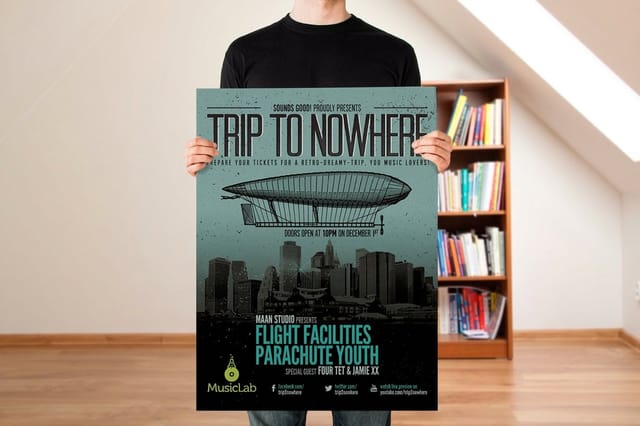
Give yourself a real place to work. A wall of show artwork, run as standard posters from $108.75, does double duty: it makes the corner feel like a studio, and it becomes the backdrop for the video clips that pull people in from social media.
Hosting, RSS and Getting Listed Everywhere
Publishing a podcast is simpler than it looks, because there is only one moving part. You upload an episode to a host. The host adds it to an RSS feed. Every app on earth reads that same feed. Apple Podcasts and Spotify are not places you upload to, they are subscribers to your feed.
So the host is the one decision that is expensive to reverse. Pick one that gives you the feed URL, lets you redirect it if you leave, and reports downloads against the industry measurement standard rather than a flattering number of its own. Everything else, the website builder, the transcript tool, the dashboard design, can be replaced in an afternoon.
Submit the feed once to Apple Podcasts, Spotify, YouTube Music, Amazon Music and Pocket Casts. Approval usually takes a few days at Apple and less elsewhere. After that, new episodes appear by themselves.
Then write the parts people actually read. A title that says what the episode contains rather than a guest name alone. A description whose first two lines make sense before the app truncates them. Show notes with the links you promised, timestamps for anything longer than half an hour, and a transcript, which serves accessibility first and search second. If you also announce seasons by post, standard postcards from $16.48 reach a mailing list that email filters no longer reliably reach.
Launch Week, and the Channels That Actually Move Downloads
A launch is not a day. It is a two week window where a handful of people decide whether your show is a thing that exists. Publish three episodes together, then spend the fortnight putting the show in front of humans rather than algorithms.
| Channel | Effort | Typical payoff | Where it goes wrong |
|---|---|---|---|
| Guest swaps | Two hours per appearance | Highest quality listeners of any channel | Pitching shows ten times your size, with no reason for them to say yes |
| Video clips | An hour per episode | Steady discovery, slow to compound | Clipping a moment that needs the previous ten minutes to make sense |
| Email list | Low, once it exists | The most reliable listeners you will have | Not starting the list until after launch |
| Live events | High for one evening | Superfans, and clips you cannot fake | No backdrop, so nothing photographed carries the show name |
| Paid ads | Money, continuously | Weak for a show with no proof yet | Buying reach before the first three episodes are good |
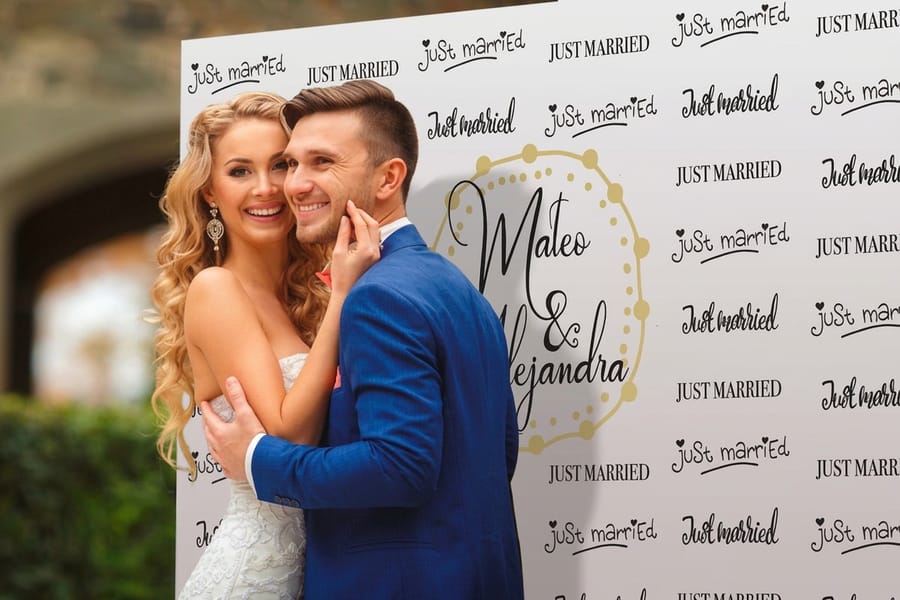
Read the last column first. Every one of those failures is a preparation problem, and the cheapest to fix is the physical one. If you record live, run a panel, or take a table at a meetup, put the show name behind you: a step-and-repeat banner from $217.50 turns every photo taken that evening into a credit for the show, which is the only advertising you get for free after the event ends.
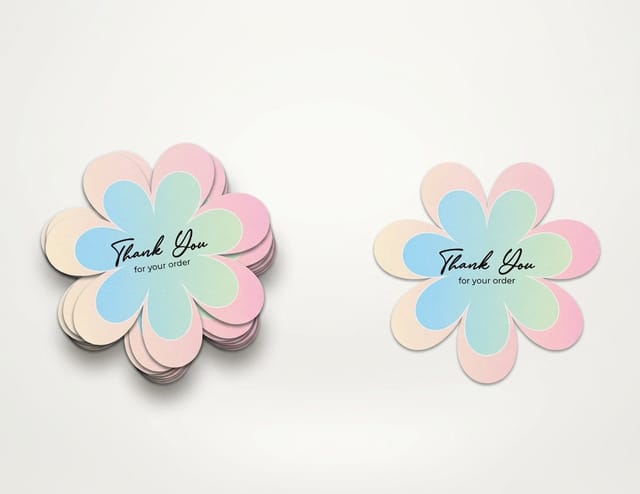
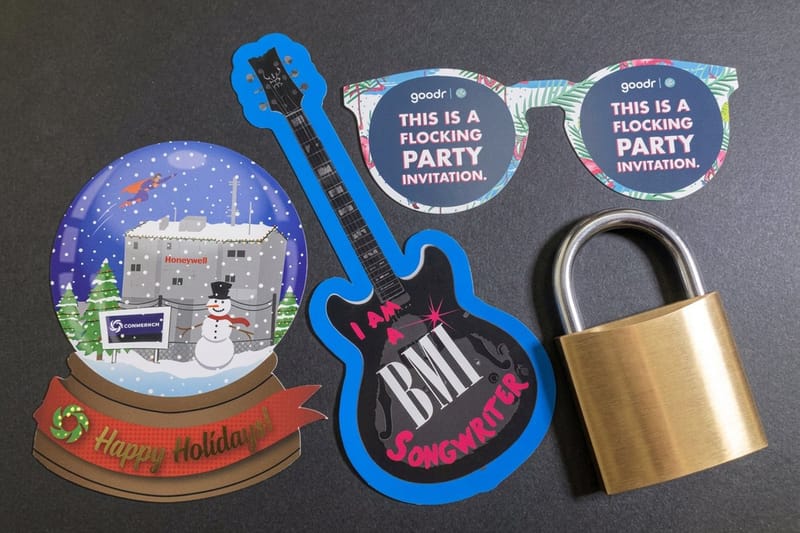
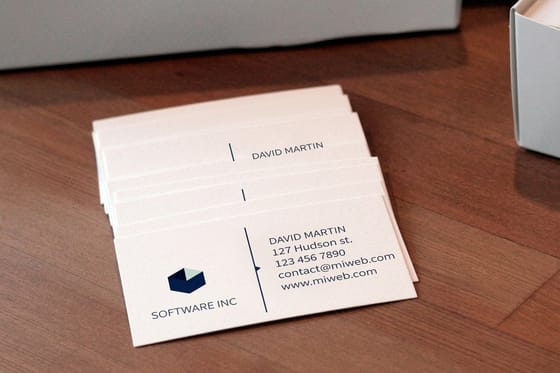
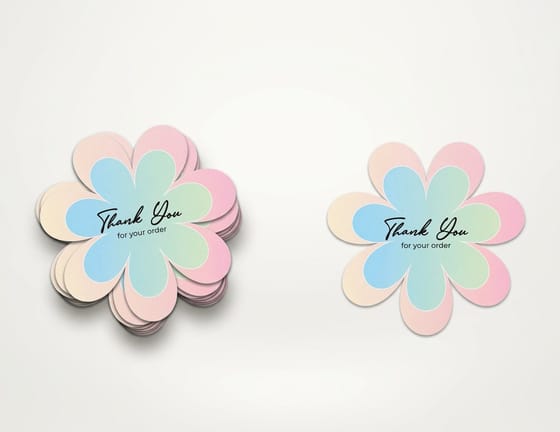
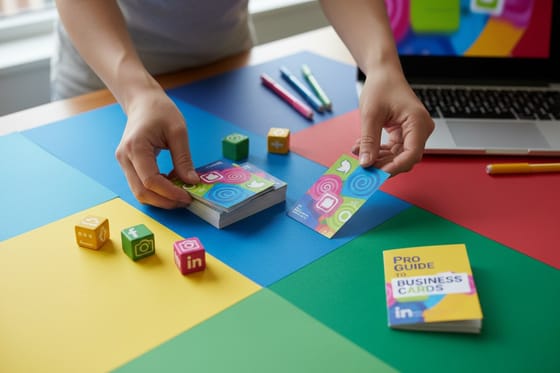
Carry something to hand over as well. Standard business cards at $17.57 with the show name, a short description and a scannable code beat reciting a title at a noisy venue. Die-cut stickers from $93.37 get put on laptops by people who then explain your show to their friends without you. For a room with a table, standard flyers from $39.54 hold the episode list and the first three titles.
Keeping the Show Alive After the Launch Buzz Fades
Week five is where podcasts die. The launch attention is gone, the numbers are flat, and recording feels like homework. The shows that survive it treat publishing as a routine rather than an event.
Batch record. Two or three episodes in one session costs far less than three separate sessions, because setup, warm up and teardown happen once. Keep a buffer of at least two finished episodes so an illness costs you the buffer, not the schedule. Reuse a repeatable segment, a listener question, a recommendation, a recurring feature, so you never face a blank page.
Watch the right number. Total downloads flatter you. Completion rate and the download curve of an episode over its first thirty days tell you whether people are staying, and consistent listeners on a small show are worth more to a sponsor than a spike on a large one.
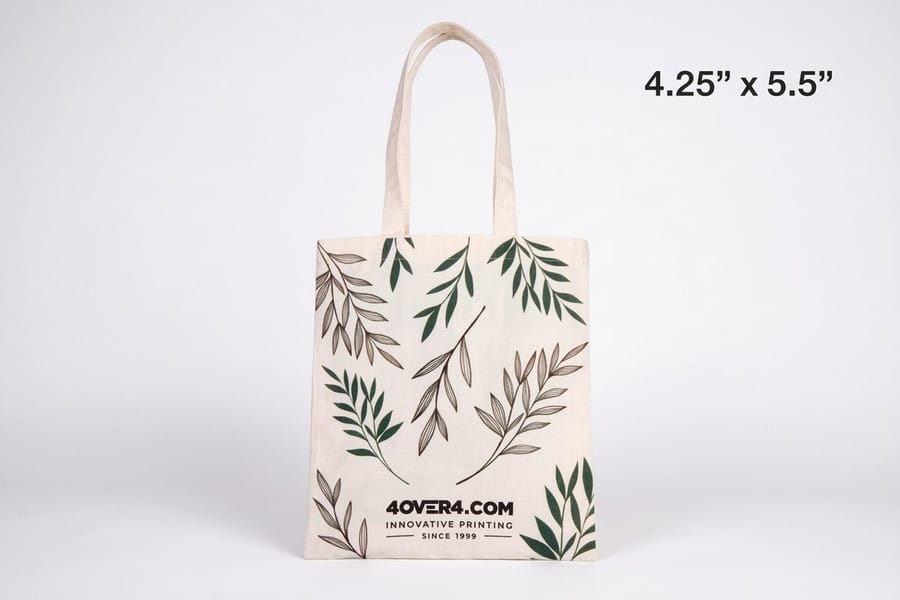
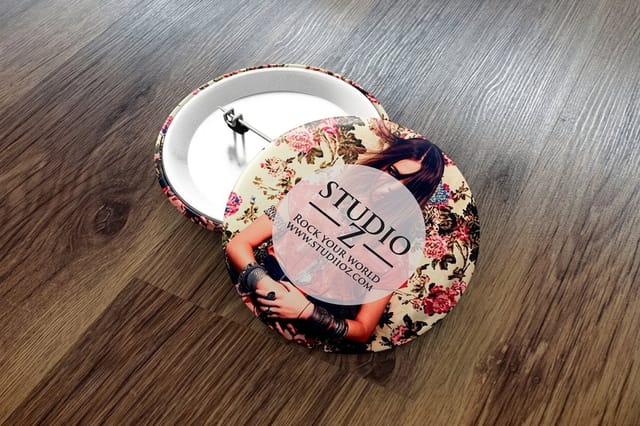
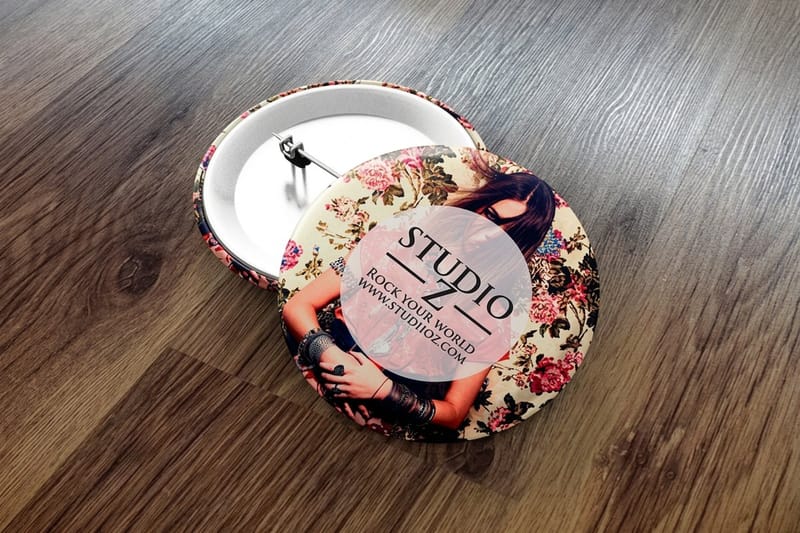
Merchandise comes when listeners ask for it, and not before. That request is the signal that people identify with the show rather than merely consume it. Start with what does not need sizing: buttons from $93.15 for events, mugs from $20.86 for the people who listen while making coffee, and cotton totes from $5.00, which walk your show name around a city all week. The branded merchandise range covers the rest, and our guide to merch that works is worth reading before you order anything in four sizes. Shows in music, comedy and film can also start from the music and entertainment collection.
Wally explains a podcast launch
Three episodes into one feed, and one feed into every app

Wally records three episodes before he tells anybody the show exists. He uploads them to one host, the host makes one feed, and that single feed is what Apple, Spotify and the rest read, which is why he only submits it once. Then he stops staring at the dashboard and goes where people are: a guest spot, a clip, an email, a table at a meetup with the show name on the wall behind him and stickers within arm's reach.
Shop podcast merch and stickers →Specs and pricing
The launch kit, sizes and starting prices
The three pieces worth having in hand before your first live recording or meetup, with live configuration options and starting prices from the 4OVER4.COM configurator.


Print it
Give your show something to hand over
Explore more
Where to go next
By the numbers
The print partner behind a lot of independent shows
Common Questions
Podcast launch questions, answered straight
How many episodes should I have ready before I launch a podcast?
Publish three on launch day and have at least two more recorded. Three gives a curious listener somewhere to go after the first episode, which is the single moment where most new shows lose people, and it gives the directories more than one file to work with. The two in reserve matter just as much, because the week after launch is when interview cancellations, illness and a full time job all arrive at once. If you can only manage two, launch with two. Launching with one and a promise is what turns into a show with three episodes and a two year gap.
What equipment do I actually need to start a podcast?
A dynamic microphone, closed back headphones, a pop filter or windscreen, and free recording software. That is the entire list. A dynamic microphone is the important choice because it rejects room sound, which is what makes home recordings sound amateur. Add an interface only if the microphone needs one. Everything else, mixers, boom arms, acoustic panels, a second camera, can be bought later out of money the show has earned, and most of it will never change how an episode sounds as much as moving closer to the microphone does.
How do I get my podcast on Apple Podcasts and Spotify?
You do not upload to them. You upload each episode to a podcast host, the host publishes an RSS feed, and you submit that one feed URL to each directory once. Apple reviews the feed and usually approves within a few days. Spotify is normally faster. After approval, every new episode appears everywhere automatically because all of them read the same feed. Keep the feed on a host you control rather than one tied to a single platform, so that moving later costs you a redirect rather than your entire back catalog.
How long should podcast episodes be?
As long as the material stays interesting, which for most independent shows is between twenty and forty five minutes. Length itself does not drive listening. Completion rate does, and a tight twenty five minute episode that people finish will outperform a rambling ninety minute one they abandon at minute twelve. Interviews naturally run longer than solo formats, and daily news style shows run much shorter. Decide the format first, let the length follow it, then edit out the parts you would skip yourself.
How do people find a new podcast?
Almost never by browsing a directory. New listeners come from a recommendation by somebody they trust, an appearance on another show, a clip on social media, a search for a specific topic, or a physical encounter at an event where the show name was in front of them. That last channel is the one independent shows underuse. A table at a local meetup with a banner behind it and stickers on the table converts strangers at a rate no advertising budget matches, because a person is standing there answering questions.
Is podcast merchandise worth printing before you have an audience?
Stickers and business cards are worth it on day one. They cost little, they never expire, and they give you something to hand over when somebody asks what you do. Die-Cut Stickers start at $93.37 at 4OVER4.COM and Standard Business Cards at $17.57, which is a smaller investment than most microphones. Apparel and mugs are different: hold those until listeners ask for them, because unsold shirts in four sizes are how small shows tie up money they need for hosting and editing.
Get Started
Buttons run 50 for $93.15, cotton totes $5.00 each
Stickers for laptops, cards for the people you meet, posters for the studio wall and a backdrop for the night you record live. Upload your artwork and we print it.
Legal Disclaimer
Gold Standard guarantees apply to all standard orders placed through 4over4.com. Price match requires verifiable proof of a competitor's published price for an equivalent product with matching specifications and turnaround time. Satisfaction guarantee covers manufacturing defects and print quality issues. Contact support with order number and documentation. On-time delivery rate based on tracked orders 1999 to 2026. Individual results may vary based on shipping carrier performance.
