
Custom Branded Merch That People Actually Keep and Use


Jordan is our labels, packaging and sustainability voice, built from the knowledge of our production team, with over 20 years in printing.
Company merch, also called swag, is the usable stuff you print your logo on, and the most popular pieces are mugs from $20.86, tees from $21.96, totes from $22.73, keychains from $53.55, buttons from $93.15 and die-cut stickers from $93.37, most in 5 business days of standard production. Below: which items are worth printing, which branding method bonds to each surface, and how to split a swag budget so you are not left holding four boxes of the wrong size.
Choosing custom branded merch is two questions: what surface are you printing on, and how many are you making. The surface rules methods out, since dye sublimation bonds to a coated mug but not to a cotton tote, and embroidery holds up on a cap but closes up on small text. The run size then decides which of the surviving methods is affordable, because screen printing spreads a fixed screen cost across the order while digital printing charges the same per piece at any quantity.
Most popular
Popular merch by price, minimum and turnaround
The six items that carry most orders, in order of starting price. Mugs, tees and totes start at a single piece, which suits a team or a client list. Keychains, buttons and stickers start at 25 or 50, which suits an event crowd.
| Item | Starts at | Minimum | Standard production | Size or print area |
|---|---|---|---|---|
| Standard Mugs | $20.86 | 1 | 5 business days | 11 oz with an 8.5 by 3 in wrap, or 15 oz with 9 by 4 in |
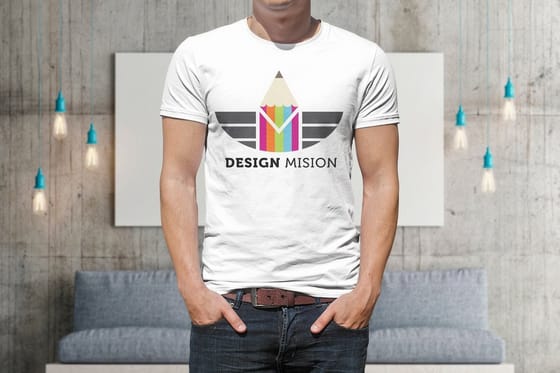
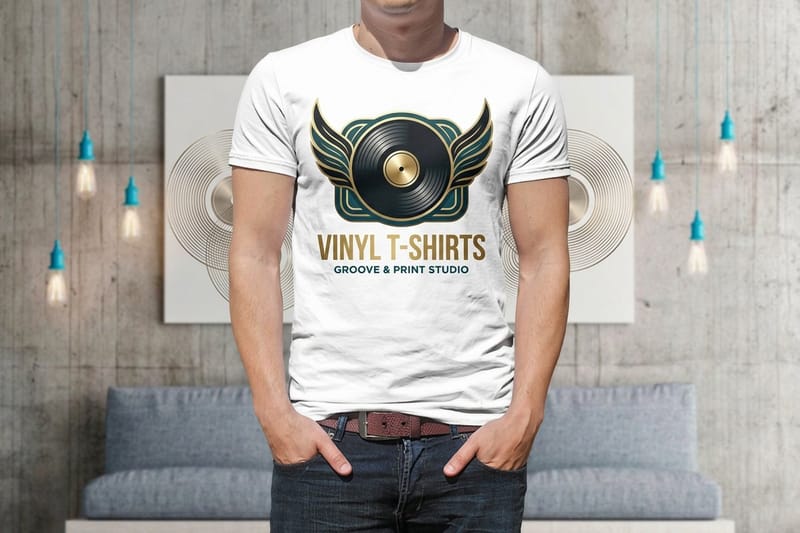
| T Shirts | $21.96 | 1 | 5 business days | 8.5 by 11 in full color print area, white or black |
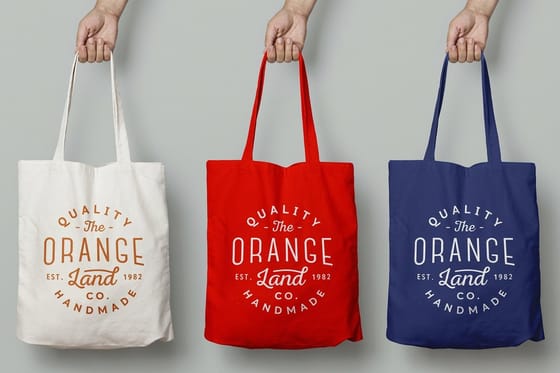
| Tote Bags | $22.73 | 1 | 7 business days | 14.5 by 16 in, 6 oz cotton canvas |
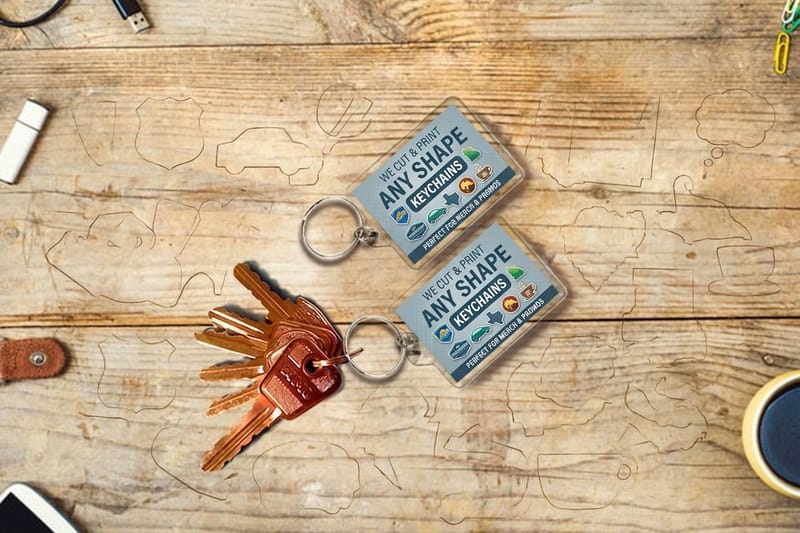
| Standard Keychains | $53.55 | 25 | 5 business days | 1.38 by 1.97 in image, same or different art each side |
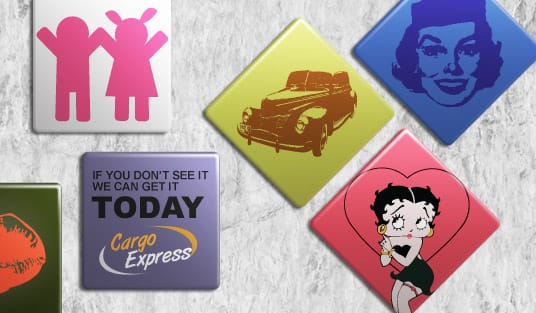
| Standard Buttons | $93.15 | 50 | 5 business days | 1 in round up to 3.5 by 2.5 in, pinback or magnet |
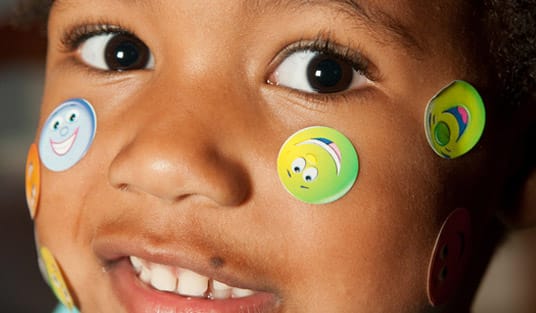
| Die-Cut Stickers | $93.37 | 25 | 5 business days | 2 by 2 up to 11 by 11 in, paper or vinyl |
Quick answer
Pick the surface first, then let the run size pick the method
Branded merch is a usable object with your mark on it, and it is judged on whether the recipient keeps reaching for it. Start from the item and the surface, because that rules out methods before price ever enters the conversation. Then set the quantity, since screen printing pays for screens once and digital printing pays per piece forever. Tier the budget across a volume item, a signup item and a short list item, and the size risk that comes with apparel stops being the whole order. In practice, an 11 oz mug carries an 8.5 by 3 inch wrap, a tee an 8.5 by 11 inch print area, and a tote 14.5 by 16 inches of 6 oz cotton canvas.
Company merch
Company merch for employees, clients and events
Company merch, also called swag or promotional products, is any usable item printed with your logo for the people around your business. For employees, T Shirts from $21.96 and Standard Mugs from $20.86 work because you can ask for sizes and both start at a single piece. For clients, Tote Bags from $22.73 and Standard Keychains from $53.55 earn daily use. For event giveaways, Die-Cut Stickers from $93.37 and Standard Buttons from $93.15 hand out fastest, with minimums of 25 and 50. The run size then sets the method: a few dozen pieces favor digital printing and a few hundred favor screen printing, because a screen is paid for once and spread over the run.
What Branded Merch Is, and Why It Is Judged Differently
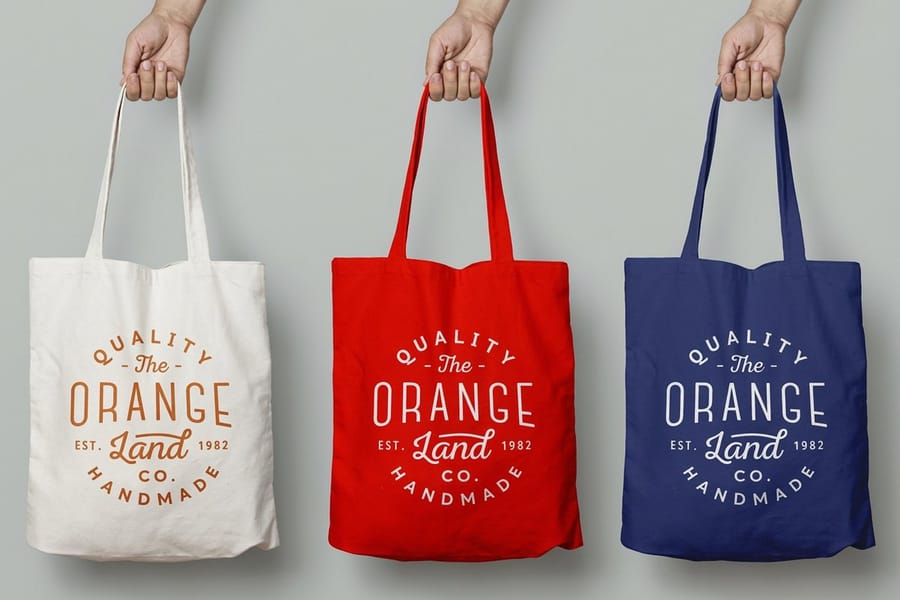
Branded merch is a usable object with your mark on it. That is the whole definition, and it is also the reason merch is judged on a different test from every other printed thing you buy. A 14.5 by 16 inch cotton canvas tote with your logo on one side is merch; a flyer about your sale is not.
A flyer earns its keep in the week it lands. Merch earns its keep over months, and only if the recipient keeps reaching for it. So the useful question at the point of ordering is not "does this look good with our logo on it", it is "what is this person already doing that this item fits into". A mug fits a morning. A tote fits a walk to the store. A keychain fits the only object people never leave the house without. An item that needs a new habit to be useful gets put in a drawer, no matter how nice the print is.
The second difference is that you are buying the object and the decoration at the same time, and the two are linked. A thin shirt takes the same ink as a good one and gets worn a third as often. Spending an extra couple of dollars on the blank almost always does more for you than spending it on a second print color. Our branded merchandise ideas guide covers the item shortlist by audience; this page is about choosing between them and paying for it sensibly. Everything discussed here sits in the promotional products collection.
The Products Worth Printing, and Who Each One Suits
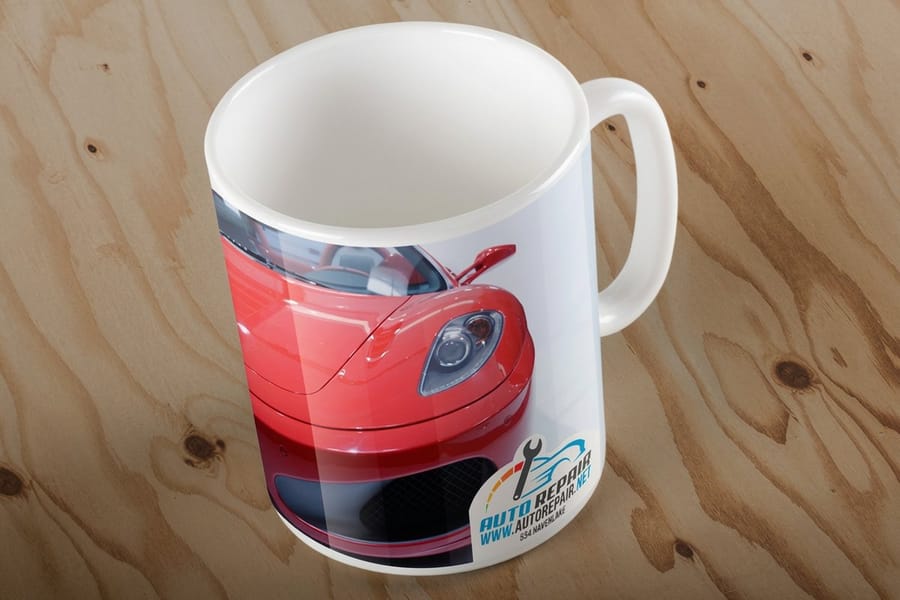
Six items cover almost every real brief. What separates them is not quality, it is whether they carry size risk and how much shelf space they demand of the person taking one home.
| Item | Starts at | Size risk | Where it fits best |
|---|---|---|---|
| Die-Cut Stickers | $93.37 | None | The volume tier. Cut to your shape, applied by the recipient, no shelf space needed. |
| Custom Buttons | $93.15 | None | Crowds, campaigns and staff identification, where people wear the message for a day. |
| Mugs | $20.86 | None | Desks. Long dwell time, but heavy to ship and awkward to hand out at a busy stand. |
| Tote Bags | $22.73 | None | Conferences. Doubles as the container for everything else you hand over. |
| T Shirts | $21.96 | High | Teams and fans, where you know the sizes or can take them in advance. |
| Keychains | $53.55 | None | Automotive, property and service businesses that hand over an actual key. |
Read the size risk column before the price column. Apparel is the only category here where a wrong guess leaves you holding stock, and the leftovers, not the unit price, are what makes a shirt order expensive. If the crowd is unknown, spend the apparel budget on totes and mugs and keep shirts for the people whose sizes you can ask for.
Canvas, cotton and recycled totes behave differently under a screen, and the weight changes both the hand feel and the price; the tote material comparison lays out which one to specify. For mugs, the wrap area and the handle position decide how much of your artwork is actually visible from across a desk, which is the point of designing the mug artwork properly.
Branding Methods, and What Each One Will and Will Not Do
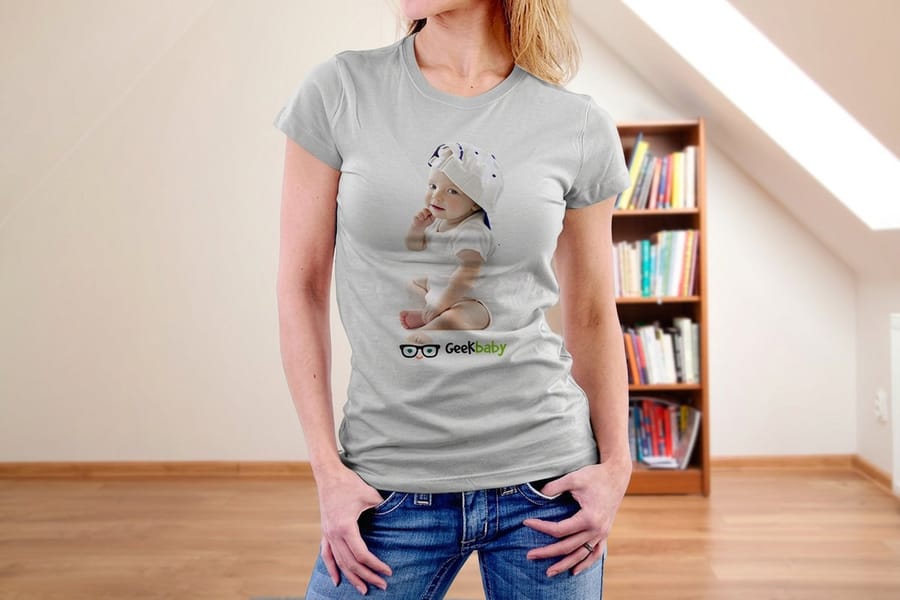
The surface decides which methods are even possible. Nothing bonds ink to a bare ceramic mug the way it bonds to cotton, and no amount of budget changes that.
| Method | Bonds to | Color behavior | Where it fails |
|---|---|---|---|
| Screen printing | Cotton, canvas, blends | One screen per color, opaque and bright even on dark stock. | Photographic images and long color lists, where the screen count outruns the budget. |
| Direct to garment | Cotton, best on 100 percent | Unlimited colors in one pass, same cost per piece at any run. | Dark shirts need a white underbase, and polyester blends take the ink poorly. |
| Embroidery | Caps, polos, jackets, canvas | Priced by stitch count, not color count. Thread, so no gradients. | Fine detail and small text, which close up as the stitches crowd together. |
| Dye sublimation | Coated mugs and polyester | Full color, dye sits in the coating rather than on top of it. | Cotton and bare metal, and any design needing white ink, which it cannot print. |
| Pad print or laser | Hard uneven items, metal fobs | Usually one color; laser marks in the substrate color underneath. | Brand color accuracy, and any artwork with fine tonal work. |
The one comparison worth internalising is screen versus digital. Burning a screen costs the same whether 20 shirts or 200 follow it, so screen printing gets cheaper per piece the longer the run gets. Digital printing has no screen to pay for and charges close to the same per piece at every quantity. That is why the two lines cross, and why the crossover moves earlier when your artwork has more colors in it. The screen printing versus vinyl comparison and the DTG versus embroidery breakdown take each pairing further.
Two setup rules save most reprints. Supply vector artwork with fonts converted to outlines, because a logo lifted from a website is roughly 72 to 96 pixels per inch and turns soft the moment it goes above a few inches wide. And size the print to the garment rather than to the artboard: a chest print sized for an adult large runs off the seams on a youth small, which the print size guide works through size by size.
Budgeting Swag Without Ordering 500 Things Nobody Wants
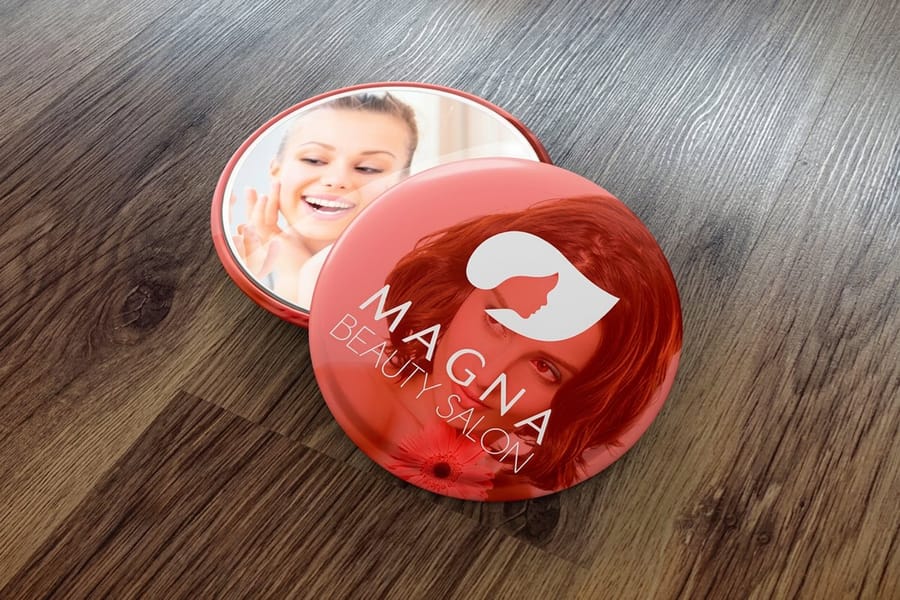
The failure mode is always the same: one product, ordered in the quantity that produced the best unit price, most of it still in the box a year later. Tiering the budget fixes it, and it costs nothing to do.
- Tier one, everyone. One low cost item that takes no shelf space and needs no size. Die-Cut Stickers from $93.37 and Custom Buttons from $93.15 are the two that survive a busy stand, because people take them without a conversation.
- Tier two, anyone who gives you something back. A badge scan, an email, a demo booked. Tote Bags from $22.73 and Mugs from $20.86 sit here, and the tote has the useful side effect of carrying everything else you hand over.
- Tier three, the short list. Staff, partners, the twenty accounts you want to keep. T Shirts from $21.96 and Keychains from $53.55 belong here, where you can ask for sizes instead of guessing at them.
Set the headcount for each tier before you look at any price. Then work out the run size, and only then choose the method, because the run size is what makes screen printing or digital the cheaper answer. Doing it the other way round is how people end up buying 500 of a tier one item to hit a price break they never needed.
Two more habits keep the money honest. Order a sample of anything you will hand to a customer, since a thin blank and a good one photograph identically and feel nothing alike. And keep the artwork ready to reuse: a vector master, a one color version, and a correctly sized layout from the blank template library mean the next order goes out without a design round. When the volumes get genuinely large, the wholesale promotional sourcing guide covers what changes, and the custom t-shirt category lists the stocks and fits worth quoting.
Wally explains branded merch
The surface rules methods out, the quantity picks the winner
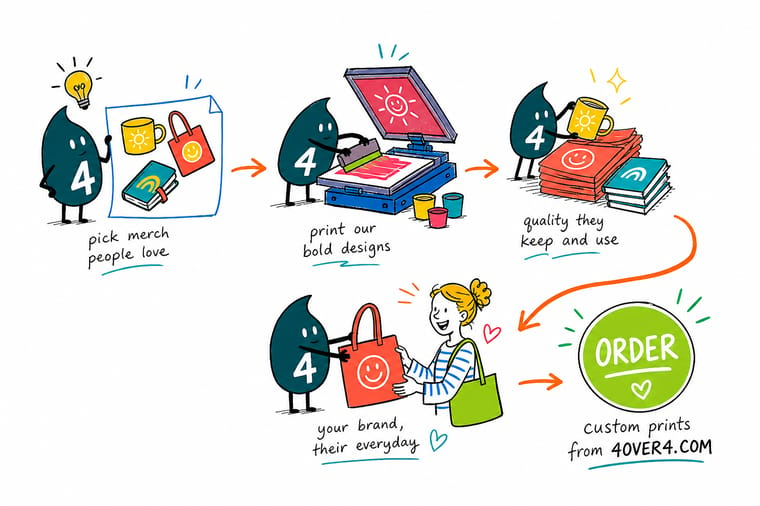
Wally starts with the object, not the logo. A cotton tee takes screen ink or a direct to garment pass. A ceramic mug takes sublimation, which bonds into the coating and cannot print white. A metal keychain takes a pad print or a laser mark. Once the surface has ruled out the impossible, he counts the order: a few dozen pieces favour digital, a few hundred favour screens, because a screen is paid for once and then spread over everything that follows.
Browse the promotional products collection →
Specs and pricing
Merch options, sizes, and starting prices
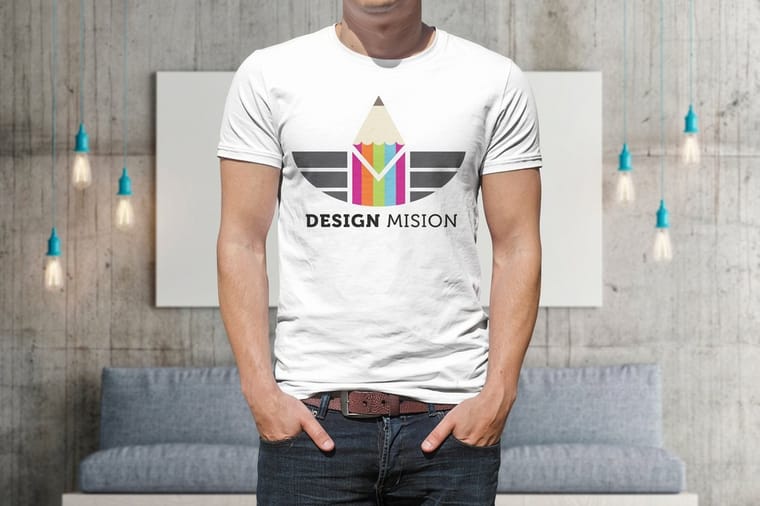
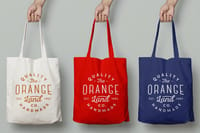
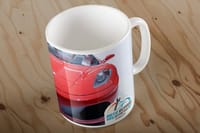
Configure the three items that carry most merch budgets, with live options and starting prices straight from the 4OVER4.COM configurator. The tee prints full color in an 8.5 by 11 inch area on white or black. The tote is 14.5 by 16 by 1 inch, 6 oz cotton canvas in natural, red or royal blue, printed on one side or both. The mug comes in 11 oz with an 8.5 by 3 inch wrap or 15 oz with 9 by 4.
Print it
Order the merch people keep
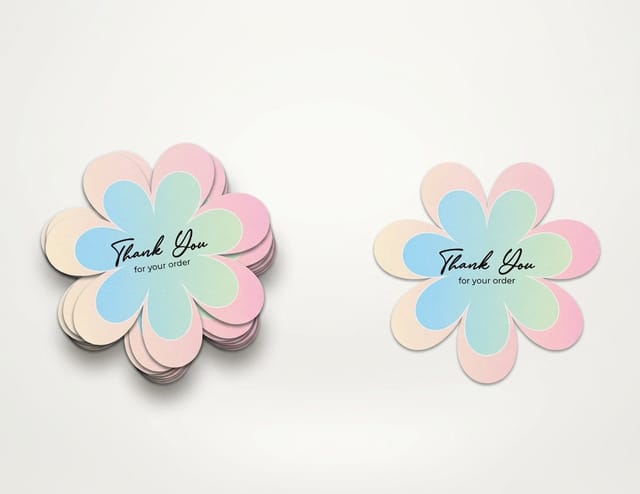
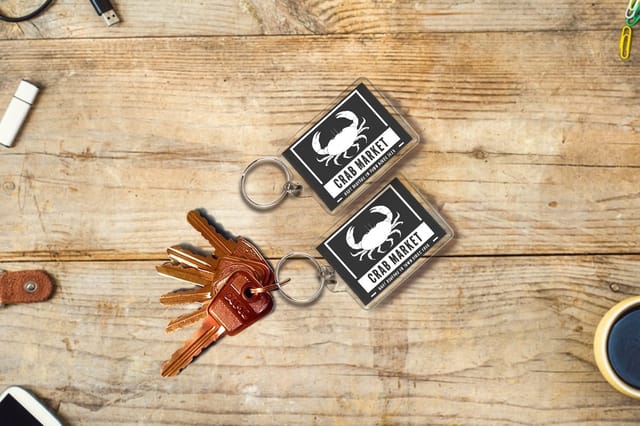
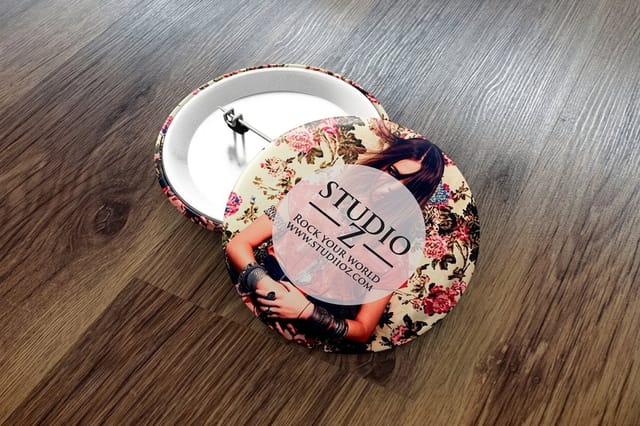
Die-Cut Stickers start at 25 in 16 sizes from 2 by 2 to 11 by 11 inches, Standard Keychains at 25 with a 1.38 by 1.97 inch image, and Standard Buttons at 50 in shapes from a 1 inch round to 3.5 by 2.5 inches, pinback or magnet.

Explore more
Where to go next
The guides below go one decision deeper: DTG against embroidery, tote materials and minimums, sourcing at volume, and the button sizes people actually wear.
By the numbers
Branded merch printed to order at 4OVER4
Common Questions
Your branded merch questions, answered
What counts as custom branded merch?
Branded merch is a usable object carrying your mark, as opposed to a printed piece about your business. A flyer argues for you and gets recycled. A tote carries groceries for two years and argues for you every time. The line matters because it changes how you judge the spend: a flyer is measured on the response it pulls, a piece of merch is measured on whether the recipient keeps using it. Everything at 4OVER4.COM in the promotional products range is chosen on that second test, from stickers and buttons up to apparel.
What is the coolest company swag?
The coolest company swag is the piece people use every day, and a full wrap mug from $20.86 or a cotton canvas tote from $22.73 usually wins. The mug sits on a desk every morning, and the tote carries groceries for two years with your logo on the outside. At the volume end, Die-Cut Stickers from $93.37, cut to your shape, go straight onto a laptop lid and stay there.
Which branded items actually get used?
The ones that already have a job in the recipient's day. A mug sits on a desk and gets picked up every morning. A tote lives by the door. A sticker goes on a laptop lid and stays there. Items that need a decision before use, or that duplicate something the person already carries, get put in a drawer. Order the tenth-best idea that fits an existing habit rather than the best idea that needs a new one.
Screen printing or DTG for a run of 40 shirts?
At 40 pieces it depends entirely on the artwork. A one or two color design is usually cheaper screen printed even at that size, because there are only one or two screens to spread across the run. A design with photographic detail, gradients or six colors pushes the screen count up fast, and direct to garment printing puts the whole image down in one pass at the same unit cost whatever the color count. The crossover moves with the number of colors, not just the quantity.
How do I set a swag budget for an event?
Decide the tiers before you shop. Give everyone one low cost item that takes no shelf space, hand a mid tier item to anyone who scans a badge or joins a list, and keep a small number of good items for the people you actually want to remember. Real starting points at 4OVER4.COM: Standard Mugs from $20.86, Tote Bags from $22.73, T Shirts from $21.96, Standard Keychains from $53.55, Standard Buttons from $93.15 and Die-Cut Stickers from $93.37. Set the headcount per tier first, then let the configurator show you where the price per piece breaks.
Can my full color logo go on every item?
No, and this is where most merch orders get delayed. Embroidery renders your logo in thread, so gradients become flat blocks and text under roughly a quarter inch closes up. Screen printing needs separated flat colors. Dye sublimation cannot lay down white ink, so white elements come out as the color of the mug. Laser engraving removes a coating, which means the mark is whatever is under it, not your brand color. Build a one color version of the logo alongside the full color master and most of this disappears.
What goes wrong most often with a merch order?
Artwork supplied at screen resolution. A logo pulled off a website is typically 72 to 96 pixels per inch and looks fine on a monitor and soft on a shirt. Send vector artwork with the type converted to outlines. The second most common problem is a print area assumption: a 10 inch chest print is generous on an adult large and comically wide on a youth small, so check the imprint area on the product page for the sizes you are actually ordering.
Get Started
Order a printed mug from $20.86
Pick the item, upload vector artwork, and we print branded merch that survives the wash, the desk and the commute.
Legal Disclaimer
Gold Standard guarantees apply to all standard orders placed through 4over4.com. Price match requires verifiable proof of a competitor's published price for an equivalent product with matching specifications and turnaround time. Satisfaction guarantee covers manufacturing defects and print quality issues. Contact support with order number and documentation.
